2026 Can a Community Health Degree Lead to Remote Jobs?

Co-Founder and Chief Data Scientist
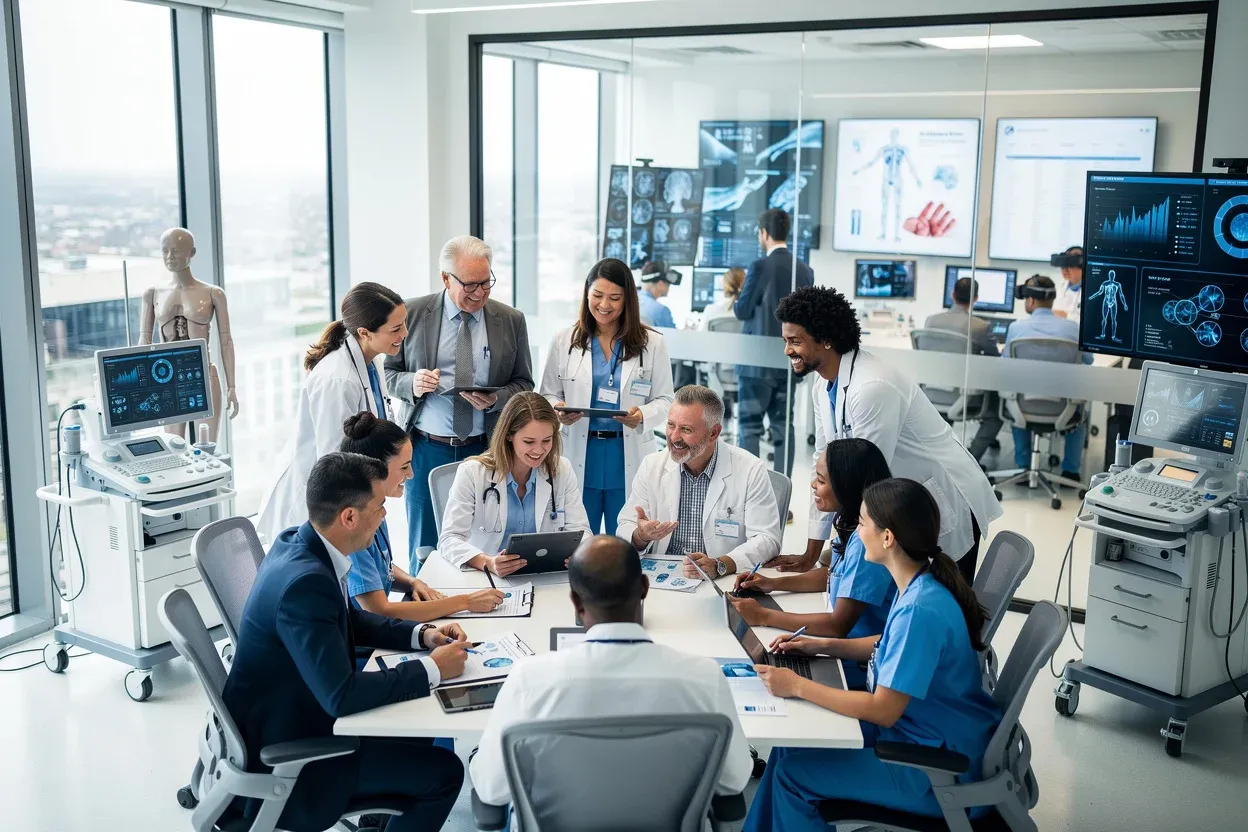
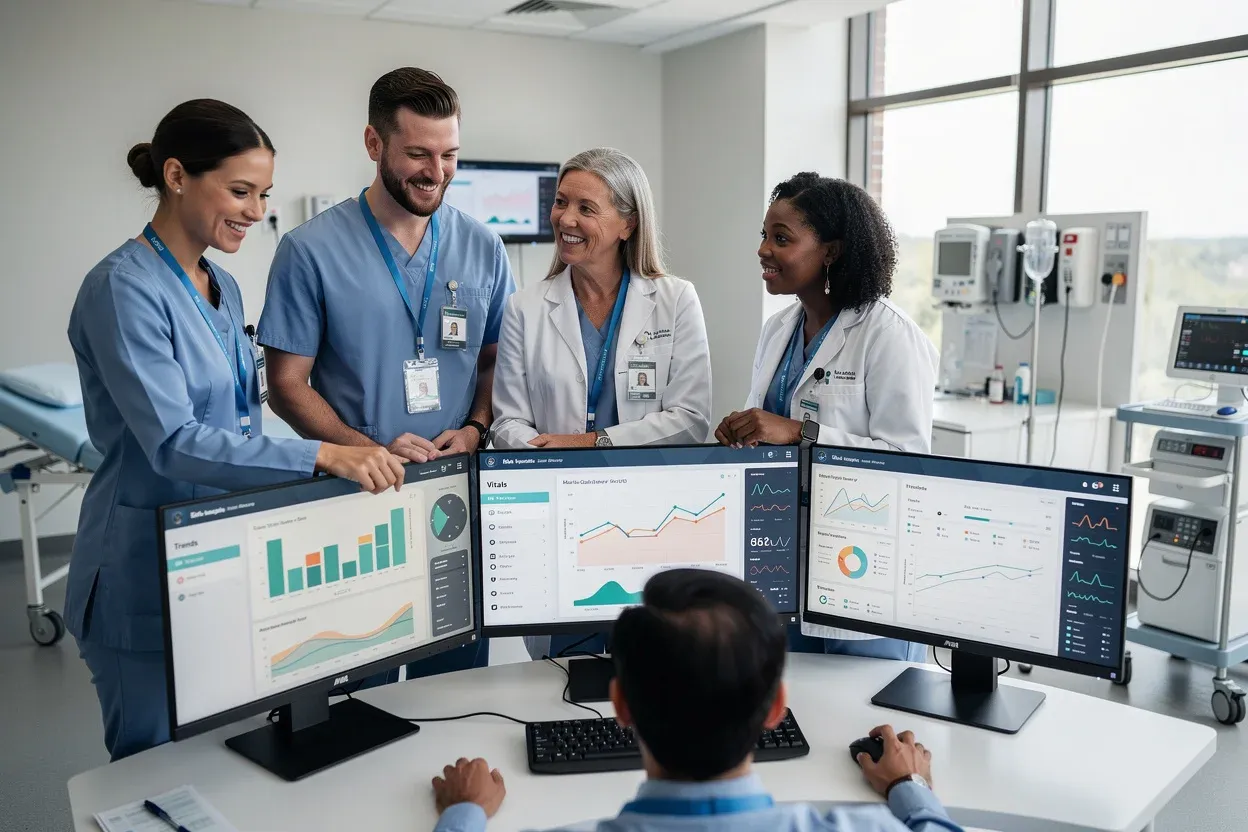
Remote work opportunities for community health graduates have grown as healthcare organizations adopt digital tools for population health management, compliance tracking, and virtual outreach programs. Competencies in electronic health records (EHR) systems like Epic and community data analytics platforms are increasingly integrated into community health curricula.
Clinical simulation labs and remote practicums support skill validation necessary for certification boards requiring hands-on experience. Recent findings from the U. S. Bureau of Labor Statistics indicate a 15% increase in telehealth and remote public health roles since 2023, highlighting a structural shift toward decentralized healthcare delivery.
This article examines remote job prospects in community health, offering insights for candidates to assess role alignment with their professional ambitions.
Key Points About Community Health Degrees That Lead to Remote Jobs
- Remote roles in health education and outreach demand fluency in digital communication tools, limiting candidates without hands-on tech training; this skills gap affects early career entrants prioritizing practical experience over theory.
- The Bureau of Labor Statistics projects moderate growth in remote public health jobs, pressuring employers to value certifications like CHES that verify competence, driving graduates to pursue targeted credentials for competitiveness.
- Increased online program enrollment reflects timing flexibility crucial for adult learners balancing jobs and study, although extended part-time pathways may delay entry into the workforce, influencing career advancement speed.
Is it possible for Community Health graduates to work remotely?
Remote work possibilities for community health graduates exist but are somewhat limited and dependent on job function. Positions that emphasize data management, program coordination, health education, or policy work offer more remote or hybrid options.
These roles typically involve activities conducive to virtual environments, such as analyzing health data, coordinating outreach campaigns, or facilitating online training sessions.
Common remote roles include health program coordinators managing digital communication, community health educators delivering workshops online, data analysts supporting health agencies, and grant writers working independently.
Conversely, positions requiring direct client interaction or field presence generally demand on-site work, limiting remote flexibility. Successful candidates usually need to demonstrate proficiency with telehealth technologies and virtual collaboration tools, reflecting employer expectations for adaptability in hybrid or fully remote settings.
What are the typical entry-level remote positions for new Community Health graduates?
Entry-level remote positions for new community health graduates do exist but are often concentrated in roles that align with outreach, data handling, and administrative support-areas adaptable to virtual settings. Below are five common remote job titles that recent graduates should consider when exploring community health remote work opportunities for recent graduates:
- Health Educator Coordinator: This position focuses on creating and distributing educational content tailored to diverse populations. Remote work is practical since communication, scheduling, and material development typically rely on digital tools that allow outreach without physical presence.
- Community Outreach Specialist: Responsible for engaging local groups, these specialists conduct virtual meetings, phone outreach, and online campaigns. Their reliance on digital event coordination and social media makes remote or hybrid arrangements viable.
- Public Health Data Analyst Assistant: Supporting data collection and preliminary analysis, this role leverages statistical software and databases that do not require on-site presence. Employers appreciate that much of this work can happen remotely, especially early in the data pipeline.
- Care Coordination Assistant: Entry-level coordinators manage patient follow-ups and scheduling remotely through phones and online portals. While some positions might need occasional in-person interaction, most tasks can be done virtually given the communication tools available.
- Research Program Assistant: Handling participant databases, literature reviews, and report preparation, this job suits remote work due to its dependence on collaborative platforms and digital resources rather than direct fieldwork.
These roles share a reliance on digital communication and organizational skills, though remote flexibility varies by employer and program demands. Graduates should recognize that while remote openings are more accessible, succeeding requires strong virtual collaboration abilities and self-discipline.
Those aiming to identify remote eligibility or boost marketability must focus on mastering relevant technologies and time management.
Individuals interested in remote community health roles may also consider complementary online education options that support virtual work skills, such as the cheapest medical billing and coding online courses, which can add practical competencies valued by employers in remote healthcare administration.

Are there senior-level remote positions for Community Health professionals?
Senior-level remote jobs for community health professionals are available, though they tend to be less prevalent than traditional on-site positions due to certain hands-on responsibilities inherent to the field.
That said, a growing share of remote leadership roles in community health focus on strategy, analysis, and digital program management, reflecting both employer flexibility and evolving health system capabilities.
The following five positions illustrate where senior community health roles can effectively function in remote or hybrid formats:
- Community Health Program Director: This role includes managing health initiatives, coordinating teams, and engaging with stakeholders. While some in-person activities are sometimes necessary, much of the administrative oversight, reporting, and strategic planning is well suited to remote execution.
- Public Health Consultant: Consultants largely handle research, data evaluation, and policy advising, tasks that can be conducted remotely using virtual collaboration tools. Their work typically involves guiding organizations through health program improvements without frequent on-site presence.
- Health Education Coordinator: Senior coordinators develop training resources and public education campaigns, often via digital platforms. Remote workshops and virtual team interactions make this position adaptable to work-from-home setups.
- Health Policy Analyst: Analysts focus on evaluating and drafting health policies using evidence-based research. These largely computer-centric duties can be performed remotely, allowing for flexible work environments.
- Telehealth Program Manager: Managing telehealth services requires overseeing technology implementation and virtual care delivery. Given its inherently digital framework, this role is typically remote or blends remote and on-site tasks.
Remote senior roles in community health rely heavily on strong virtual leadership, communication, and self-motivation, since direct patient contact is limited or absent. Candidates must be comfortable navigating digital platforms and coordinating multidisciplinary teams across distances. Those considering these pathways should weigh such operational demands alongside their skills.
For students exploring the spectrum of remote options in public health, investigating educational routes highlighted in sources like the nursing schools that do not require entrance exam can provide practical insight into foundational training for hybrid or fully remote roles.
Which industries hire the most remote workers with Community Health degrees?
Remote opportunities for community health graduates exist across various industries, each with distinct role requirements and work structures. Below are five key sectors where remote positions are commonly available for those with community health backgrounds:
- Public health agencies: These organizations frequently offer hybrid or fully remote roles such as program coordinators, epidemiologists, and policy analysts. The focus is on data management, community outreach strategies, and policy formulation, which can be efficiently handled through virtual collaboration.
- Non-profit organizations: Health-focused non-profits hire remotely for tasks including grant writing, virtual health education, and coordinating outreach efforts. These jobs often support advocacy and service expansion while minimizing operational costs.
- Health education and promotion: The shift to digital platforms allows roles involving the design and delivery of wellness programs to be conducted remotely. Positions often engage with schools, workplaces, or online groups to implement health initiatives.
- Research institutions: Remote jobs here typically involve data collection, statistical analysis, and report preparation related to public health studies. They require technical expertise and provide flexible work environments.
- Healthcare consulting firms: Consultants with community health expertise advise clients on program development, regulatory compliance, and community impact assessments. These roles blend specialized knowledge with remote client interaction and project management.
How do salaries differ for remote vs on-site roles in Community Health?
Salary differences between remote and on-site roles in community health commonly arise from geographic adjustments that employers apply based on local cost of living and labor market conditions.
Remote positions often command lower pay, especially for entry-level and generalist community health workers, where reductions in the range of 5-10% are typical for employees in lower-cost regions.
This structure reflects broader market dynamics rather than uniform employer policy, as some health organizations prioritize equitable remote pay, particularly for specialized roles with scarce expertise.
Salaries in remote roles tend to be less supplemented compared to on-site positions, which may offer additional pay through stipends or hazard compensation. However, in functions like epidemiology or health informatics, employers often maintain consistent pay regardless of work location to attract niche talent.
This pay structuring is a critical factor for community health graduates assessing the tradeoffs inherent in remote community health salaries, deciding between on-site vs. remote pay rates in community health jobs.
For individuals pursuing advanced degrees, such as PhD programs for nurses, understanding these compensation nuances helps align education investments with career realities.

What are the common challenges of working remotely with a Community Health degree?
Remote work in community health presents distinct operational and interpersonal hurdles that go beyond typical telecommuting challenges. Below is a list of core difficulties commonly encountered by remote professionals in this sector and approaches to address them.
- Communication Delays Impact Collaboration: Dispersed teams often struggle to share timely updates or feedback, which can slow response times and complicate multi-step processes. Setting consistent check-ins and clear communication protocols helps mitigate misalignment.
- Data Security Vulnerabilities: Managing sensitive patient information outside of secure facilities increases exposure to cyber risks. Community health workers must advocate for encrypted tools and strict use of VPNs to protect confidentiality.
- Visibility and Recognition Loss: Remote employees frequently receive fewer informal interactions that contribute to professional visibility, which may affect performance evaluations. Scheduling regular status updates and seeking mentorship proactively can counteract this bias.
- Inconsistent Work Environments: Variations in home office setups affect productivity and data privacy adherence. Investing in ergonomic spaces and standardized software across remote teams can improve consistency.
- Heightened Error Potential from Disjointed Oversight: Remote workflows often lack immediate supervision, raising risk for mistakes, especially when handling complex health data. Collaborative digital platforms with audit trails and peer reviews can reduce errors.
A community health professional who completed an online bachelor's program shared that remote work required continual adaptation not only to technology but also to maintaining team cohesion. He noted, "Without face-to-face cues, misunderstandings happened more frequently, so I had to be extra clear in emails and during virtual meetings."
He added that securing patient data demanded constant vigilance, saying, "I found myself double-checking every platform's security features because any slip could have serious consequences."
The lack of informal feedback also made it harder to gauge how his work was viewed, leading him to initiate regular one-on-one calls with supervisors to ensure alignment and support.
Are there certifications that can improve remote hiring outcomes for Community Health graduates?
Certifications can significantly influence remote hiring outcomes for community health graduates by signaling specialized expertise beyond a general degree. Below are key credentials that align with employer expectations in remote work environments within this sector:
- Certified Health Education Specialist (CHES): This credential validates proficiency in health education and promotes evidence-based health program development, critical for remote roles requiring independent public health intervention. Candidates must meet education and experience thresholds and pass a standardized exam.
- Certified Public Health (CPH): Offered by the National Board of Public Health Examiners, this certification demonstrates comprehensive public health knowledge. It appeals to employers seeking professionals prepared for autonomous remote work. Eligibility typically involves a public health degree and successful completion of an exam.
- Project Management Professional (PMP): As managing remote community health initiatives demands strong organizational skills, PMP certification enhances credibility in overseeing projects virtually. Applicants must have relevant project management experience and pass a rigorous assessment.
- Certified in Public Health Informatics (CPHI): This certification addresses the increasing need for data management proficiency in remote public health roles. It requires knowledge in health informatics systems and passing a specialty exam, supporting roles that integrate technology with health data analysis.
- Health Information Management Certifications (e.g., RHIT): Registered Health Information Technician credential indicates expertise in managing health data and records, essential for remote positions focused on information accuracy and compliance. Candidates usually complete an accredited program and accreditation exam.
Community health graduates considering certifications to enhance remote job prospects for community health graduates should balance the investment in time and cost with potential employment benefits. Combining technical and foundational credentials can increase adaptability across varying remote job markets.
For those aiming at advanced leadership roles or research-intensive paths, exploring options like a PhD in healthcare management may also offer strategic advantages.
How can Community Health degree students increase the chances of landing remote roles?
Community health degree remote job application tips involve understanding how to present skills and work experience that align with the unique demands of remote roles. Employers prioritize candidates who demonstrate autonomy, strong digital communication, and effective time management.
The following strategies can help community health graduates improve their likelihood of securing remote positions.
- Highlight Remote-Applicable Skills: Emphasize abilities such as project management, written communication, and proficiency with digital collaboration tools. Detailing work that was completed independently in virtual settings signals preparedness for remote workflows.
- Develop a Targeted Portfolio: Showcase case studies featuring remote-friendly projects like virtual health promotion campaigns, data analyses, or needs assessments. This evidence illustrates practical competence and adaptability valued by remote employers.
- Engage in Remote Networks: Participate in online communities and job boards that focus on remote health roles. Platforms including targeted Slack groups and niche job sites increase exposure to employers familiar with remote collaboration expectations.
- Demonstrate Familiarity with Remote Tools: Prove proficiency through experience with software such as Zoom, Slack, or project management applications. Familiarity with asynchronous communication and digital workflow tools is critical for remote work environments.
- Prepare for Asynchronous Evaluations: Practice handling trial tasks that require independent problem solving within deadlines without live supervision. These assignments test candidates' time management and analytical skills, attributes essential for remote positions.
Building these competencies aligns with skills to improve remote hiring chances for community health graduates and reflects employer preferences in the evolving healthcare labor market.
Additionally, understanding roles with comparable compensation scales, including positions reflected in the psychiatric mental health nurse practitioner salary data, may provide context for realistic career expectations when transitioning to remote healthcare work.
How do remote Community Health roles impact long-term career trajectory and promotions?
Remote community health roles reshape career development by shifting the emphasis from physical presence to measurable results and documented contributions. Without in-person networking, career advancement depends largely on clear written communication, demonstrated initiative, and effective use of asynchronous tools like Slack or email to maintain visibility.
Employers increasingly assess leadership potential via project outcomes, collaboration documented through platforms such as Asana or Trello, and feedback gathered through virtual check-ins rather than informal office interactions.
Progression in remote positions requires community health professionals to proactively engage in virtual meetings, contribute knowledge openly, and seek mentorship through online channels. Demonstrating self-motivation and consistent follow-through on deliverables becomes essential for recognition and promotion.
The absence of spontaneous, face-to-face encounters can hinder relationship-building, so intentional efforts to participate in digital team environments and document leadership actions are critical.
While remote work offers scheduling flexibility, it demands disciplined communication and strategic visibility to navigate hierarchical structures and promotional pathways that historically favored on-site presence.
Understanding these dynamics helps community health workers reconcile the benefits of distributed roles with the need for deliberate career management practices to maintain competitive advancement opportunities.
Is a remote career in Community Health sustainable for the next decade?
Remote roles in community health show potential for sustainability, but their viability hinges on how well professionals adapt to evolving technological landscapes and organizational priorities.
Many employers now integrate telehealth and digital communication to manage population health, requiring workers to supplement traditional community engagement skills with fluency in health information systems and AI-driven analytics.
However, inconsistent internet infrastructure in underserved regions and a persistent need for culturally sensitive, personal interactions illustrate that fully remote work may not be feasible everywhere.
Economic shifts toward flexible work models favor hybrid approaches where remote tasks complement on-site responsibilities. Organizational demand tends to prioritize candidates who balance technical proficiency with adaptability and the ability to maintain trust across digitally mediated interactions.
This dynamic implies that graduates must invest deliberately in upskilling, especially in digital health tools, while cultivating professional networks to navigate a fluctuating job market and sustain career momentum.
Discussing these realities with a community health professional who completed an online bachelor's degree, he reflected on initial optimism tempered by practical challenges.
He emphasized struggling to establish consistent virtual rapport with clients unfamiliar with telehealth platforms, noting that "technology can facilitate connection but does not replace the empathy needed in community work." His experience revealed that maintaining visibility and collaboration remotely demanded persistent outreach and continuous learning of emerging digital tools.
He advised future graduates to proactively develop tech skills and remain flexible, underscoring that sustainability depends on balancing innovation with grounded interpersonal engagement.
What Graduates Say About Community Health Degrees That Lead to Remote Jobs
- Santino: "After completing my degree in community health, I focused heavily on building a portfolio of internship experiences rather than pursuing licensure right away. That approach helped me land a remote role coordinating educational outreach programs, where employers valued my practical skills and ability to manage virtual teams. Working remotely has meant I can collaborate across different regions seamlessly, though I've noticed salary growth often plateaus without clinical credentials."
- Jaime: "The transition into a remote position wasn't straightforward, especially because many community health jobs still emphasize onsite presence. However, my degree opened doors to a telehealth outreach coordinator role after I gained additional certifications in digital health tools. Remote work offers incredible flexibility, allowing me to balance client needs and personal development, but I stay realistic about the trade-offs in upward mobility without more specialized licenses."
- Everett: "Graduating with a community health degree, I quickly realized that hands-on experience would outshine academic credentials in the remote job market. I focused on internships that offered virtual project management roles and tailored my resume to highlight those. Securing a remote position in data analysis for public health programs has been rewarding, though competition is fierce and advancement often requires pivoting toward public policy or advanced technical skills."
Other Things You Should Know About Community Health Degrees
The structure of a degree program heavily influences how well graduates adapt to remote roles. Programs that integrate digital communication tools, telehealth training, or virtual project management prepare students more effectively for remote environments. Conversely, traditional programs focused solely on in-person or clinical experiences may leave students less equipped for the nuances of remote collaboration and technology use, which employers expect. Prospective students should prioritize programs with explicit remote work components to improve job readiness.
Accelerated programs reduce time to degree but often demand intensive workload management, leaving little room to simultaneously build remote work competencies like networking or specialized certifications. Traditional-paced programs, while longer, provide more opportunity to gain varied experience or internships that simulate remote environments. For students targeting remote roles, leaning toward a traditional path with flexibility may better balance skill development and practical exposure despite the longer timeline.
Employers generally prioritize demonstrated experience with remote tasks, such as managing projects from a distance or conducting virtual outreach, over academic credentials alone. A degree without relevant remote work or internships risks being insufficient, especially in competitive markets. Candidates should seek internships or volunteer roles that involve remote responsibilities during their studies, as these prove practical competence and reduce hiring uncertainty for employers.
While community engagement skills remain foundational, technical proficiency-such as familiarity with data management software, telehealth platforms, and digital outreach tools-is increasingly decisive for remote roles. Prioritizing technical training can open broader remote job opportunities and improve day-to-day efficiency. However, balancing both remains essential; without strong community engagement abilities, technical skills alone risk limiting impact and career growth, especially in program design or leadership roles.
References
- Remote Healthcare Jobs No Degree? Yes, These Roles Are Booming https://bask.health/blog/remote-healthcare-jobs-no-degree
- Remote Healthcare Jobs Online - Work From Home | Remote.co https://remote.co/remote-jobs/healthcare
- The Disadvantages of Working Remotely, from a Health Perspective https://www.hss.edu/health-library/move-better/disadvantages-of-working-remotely
- Remote Entry Level Medical Jobs | Working Nomads https://www.workingnomads.com/remote-entry-level-medical-jobs
- Community Health Worker Job Guide | MSU Denver https://www.msudenver.edu/innovative-lifelong-learning/blog/community-health-worker-jobs/
- How Remote Work Affects Employee Health and What Companies Can Do About It - IRIS Prévention https://iris-prevention.fr/en/how-remote-work-affects-employee-health-and-what-companies-can-do-about-it/
- Can You Work Remotely in Healthcare? 5 Careers Where It’s Possible | Rasmussen University https://www.rasmussen.edu/degrees/health-sciences/blog/can-you-work-remotely-in-healthcare/
- Onsite vs Remote vs Hybrid Jobs: Salary, Pros & Cons | Blog https://www.ttecjobs.com/en/onsite-vs-remote-vs-hybrid-jobs-salary-differences-pros-and-cons
- Careers in Community Health - MPH Online https://www.mphonline.org/community-health-jobs/
- Why Public Health is the Ideal Career Path for Gen Z - Reach Out https://we-reachout.org/why-public-health-is-the-ideal-career-path-for-gen-z/