2026 Can a Nurse Education Degree Lead to Remote Jobs?

Co-Founder and Chief Data Scientist
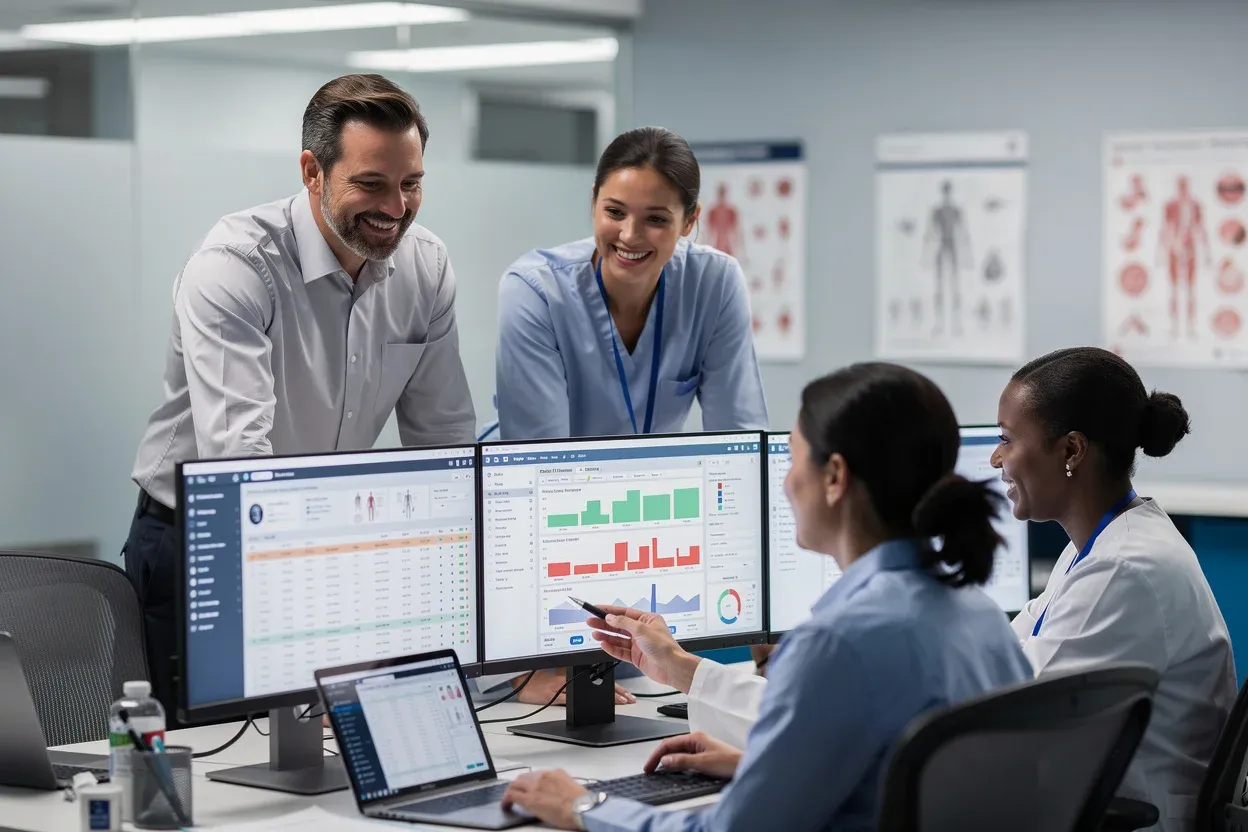
The rise of remote work within nurse education roles reflects evolving operational models in healthcare training and instructional delivery. Nurse education programs incorporate platforms like virtual simulation labs and clinical scheduling software that uniquely enhance digital fluency.
These skills prepare graduates for distributed teamwork and asynchronous mentorship environments increasingly utilized by healthcare employers. According to the U.S. Bureau of Labor Statistics 2024 projections, nearly 18% of nurse educators engage in partial or fully remote work arrangements, a figure that highlights the growing integration of tele-education in nursing.
This article examines the viability of remote nurse education roles and guides readers in aligning such options with their long-term professional objectives.
Key Points About Nurse Education Degrees That Lead to Remote Jobs
- Remote roles in curriculum design, clinical instruction, and compliance training require specialized certifications but offer flexibility; candidates must balance additional credentialing time against broader career access.
- Demand for nurse educators with remote skills is rising due to healthcare digitization, prompting employers to prioritize candidates with demonstrated e-learning experience and technological proficiency.
- Data from the National Center for Education Statistics highlights a surge in adult online learners, indicating that timing and program delivery shape enrollment, with remote nurse education programs expanding access but requiring self-directed study skills.
Is it possible for Nurse Education graduates to work remotely?
Many nurse education graduates find remote or hybrid roles increasingly accessible, though availability varies by employer and specific job functions. Positions such as online nursing instructors, curriculum developers for digital platforms, and clinical education coordinators within telehealth services often provide remote work options.
These roles leverage digital communication and virtual engagement skills but typically require some in-person presence for supervision or clinical teaching components.
The scope of remote nurse education jobs is often shaped by institutional resources and program demands, making fully remote opportunities less prevalent than hybrid models.
Graduates need to balance preferences for distance work against challenges like reduced hands-on interaction and the complexity of managing online learning environments.
Ultimately, remote work viability in nurse education depends strongly on the employer's flexibility and the nature of the educational responsibilities involved.
What are the typical entry-level remote positions for new Nurse Education graduates?
Entry-level remote positions for new nurse education graduates do exist but tend to favor roles with minimal hands-on clinical responsibility and greater emphasis on communication and digital content management. These positions are typically remote or hybrid, reflecting growing employer adoption of virtual platforms to extend training and educational reach.
Below are five common remote job options for recent graduates of nurse education programs:
- Instructional Coordinator Assistant: This role involves supporting the creation and organization of educational materials and curricula, usually working alongside nurse educators and healthcare organizations. Tasks focus on digital content development, data gathering, and collaborating virtually, making it well suited for remote work.
- Clinical Education Specialist (Entry-level): Specialists in this position help design and run virtual training modules for healthcare personnel, primarily delivering education through online platforms. Its structure enables broad remote participation with occasional hybrid elements depending on employer needs.
- Health Informatics Educator (Junior): Focused on educating healthcare staff about electronic health records and data systems, this role leverages webinars, digital tutorials, and remote support. Given the technical and computer-based nature of the work, remote setups are standard.
- Patient Education Coordinator: These coordinators develop and adapt instructional resources aimed at enhancing patient understanding and engagement. Communication often occurs through telehealth channels or digital means, offering flexibility for remote employment while promoting health literacy.
- Telehealth Nurse Educator: Entry-level telehealth educators provide basic guidance on disease prevention and management to patients or clinical staff using telecommunication tools. The role involves minimal direct patient contact and emphasizes remote interaction.
These roles typically require proficiency with virtual communication tools and digital content creation rather than direct clinical care, aligning with the capabilities of nurse education graduates seeking entry-level remote jobs. New graduates should, however, recognize that some positions may demand hybrid work patterns to accommodate in-person training or coordination.
For those assessing the practical value of nurse education degrees in relation to remote work, these roles highlight a realistic scope of responsibility and evolving employer expectations within the healthcare education sector. For additional context on accelerated training options linked to healthcare education pathways, consider exploring medical assistant programs.

Are there senior-level remote positions for Nurse Education professionals?
Senior-level remote positions for nursing education professionals are accessible but typically demand significant prior experience in clinical education, administration, or curriculum development. These roles often leverage digital tools to facilitate hybrid or fully remote work environments.
Below are examples of key titles demonstrating the range of senior-level remote opportunities for nurse education graduates:
- Director of Nursing Education: Oversees nursing education programs within academic or healthcare systems, focusing on strategic direction and faculty development. This position often functions in a hybrid or remote capacity due to its emphasis on virtual planning and remote leadership tasks.
- Clinical Nurse Educator - Senior Specialist: Manages complex training programs and conducts virtual simulations or webinars to educate nursing staff. The role supports remote teaching models and ongoing education through digital platforms.
- Instructional Designer for Nursing Programs: Develops online curricula and e-learning tools tailored for nursing education. Since the work centers on content creation and course management, it is well suited for fully remote work.
- Nursing Program Administrator: Handles accreditation, compliance, and evaluation duties by coordinating documentation and communications online. This role increasingly adopts remote workflows while interacting with faculty and regulatory bodies virtually.
- Healthcare Quality Improvement Nurse Educator: Leads training on quality and safety standards, frequently utilizing remote workshops and digital data analysis. This senior position supports hybrid or remote engagement within healthcare education departments.
Employers offering these senior-level remote nurse educator jobs tend to value candidates who can navigate digital collaboration platforms effectively while providing clear leadership without constant in-person oversight. Flexibility in work location aligns with administrative and education delivery tasks that lean heavily on virtual methods.
For those investigating pathways for high-paying remote positions for nurse education professionals, balancing technological proficiency with strong communication skills is critical.
Graduates exploring online nursing education pathways might also consider programs such as nursing schools that don t require TEAS test in Texas to streamline entry into these evolving roles.
Which industries hire the most remote workers with Nurse Education degrees?
Remote opportunities for nurse education graduates exist across a variety of industries, each leveraging the specialized skills these professionals bring in unique ways. Below are five key sectors that hire the highest number of remote workers with nurse education backgrounds:
- Healthcare Technology: These companies employ nurse educators in remote roles focused on creating training modules, patient education content, and supporting clinical software integration. The flexibility of remote work supports collaboration across dispersed teams and allows specialized input on technical applications without geographic limits.
- Academic Institutions: Higher education and online learning platforms rely heavily on nurse educators to deliver curricula, design programs, and mentor students virtually. Remote instruction is a practical response to expanding distance learning in nursing education, although roles often require familiarity with educational technology and hybrid teaching formats.
- Health Insurance: Remote positions in health insurance firms involve member education, compliance training, and case management support. These roles demand clear translation of complex clinical information into accessible guidance, which nurse education graduates are well suited to provide.
- Government Public Health: Public agencies increasingly integrate remote nurse educators into community outreach, program planning, and policy training initiatives. Hybrid work arrangements help these organizations maintain continuity and expand the reach of health promotion efforts in diverse populations.
- Pharmaceutical and Medical Devices: Nurse educators in this sector work remotely to conduct sales training, clinical education, and patient support programs. Their expertise in clinical practice and communication aids companies in meeting regulatory and educational requirements through flexible staffing models.
How do salaries differ for remote vs on-site roles in Nurse Education?
Remote nurse education salary comparisons reveal that on-site roles generally offer higher average annual pay, often exceeding remote salaries by 5% to 15%. This disparity largely stems from on-site educators taking on additional duties like direct clinical supervision and managing in-person curriculum activities.
Employers tend to compensate for these hands-on responsibilities, which remain less common in remote setups.
Many organizations apply geographic pay tiering, calibrating remote salaries based on the employee's location and associated living costs. This means remote educators in lower-cost regions may receive less than their on-site counterparts in expensive metropolitan areas.
However, specific subfields requiring advanced clinical knowledge or involvement in specialized research projects show less pronounced differences, as scarcity in those roles compels competitive remote offers to retain talent.
Role specialization, organizational policies, and niche demand influence these patterns more than remote versus on-site status alone. For those exploring remote opportunities post-graduation, understanding these salary dynamics is essential, especially when assessing practical outcomes related to employability and compensation.
For example, professionals with credentials like a certified professional coder background may find pay disparities vary based on specific expertise and market demand within nurse education.

What are the common challenges of working remotely with a Nurse Education degree?
Remote nurse education roles offer flexibility and expanded access to learning, but they also create challenges in communication, clinical training, data security, and professional visibility. Success in these environments often depends on strong digital coordination, structured workflows, and proactive engagement with colleagues and students.
Slower Communication Cycles: Remote environments often lack the immediacy of face-to-face interaction, delaying clinical updates and instructional coordination. Nurse educators must proactively schedule synchronous check-ins or leverage collaboration tools to mitigate misalignment.Heightened Data Security Risks: Handling sensitive health information remotely increases the risk of breaches if secure systems and strict privacy protocols are not consistently implemented. Professionals need to advocate for or adopt compliant platforms tailored to healthcare education.Visibility and Proximity Bias: Reduced informal contact with supervisors may lead to undervaluation despite equal output. Intentional documentation of contributions and frequent status updates are essential to maintain professional presence and recognition.Challenges in Clinical Simulation: Replicating hands-on training virtually is difficult, limiting skill demonstration and assessment accuracy. Leveraging advanced simulation software and arranging periodic in-person practicums can partially compensate.Balancing Distractions and Workflow: Remote settings often bring competing demands and less rigid scheduling. Nurse educators benefit from structured routines and clear boundaries to maintain instructional focus.
A nurse education professional who graduated from an online bachelor's program described remote work as "an ongoing negotiation between accessibility and oversight." He noted that despite effective digital communication strategies, "there are moments when lack of immediate feedback creates uncertainty, especially when coordinating clinical rotations."
He emphasized the importance of "building a virtual presence that goes beyond emails, such as recording teaching sessions or sharing detailed progress reports," to secure trust from supervisors and peers.
Managing home distractions required deliberate workspace setup, as "even small interruptions can compound and disrupt lesson flow." These firsthand insights highlight the nuanced adaptations necessary to sustain effectiveness and professional growth in remote nurse education roles.
Are there certifications that can improve remote hiring outcomes for Nurse Education graduates?
Remote job prospects for nurse education graduates improve with targeted credentials that validate expertise in virtual teaching environments. Below are five nurse education certifications for remote teaching jobs that can enhance competitiveness by signaling mastery of educational methods and technology integration.
- Certified Nurse Educator (CNE): This credential from the National League for Nursing verifies proficiency in curriculum development and learner engagement, crucial for remote instruction. Candidates typically must hold an active nursing license and demonstrate clinical and teaching experience.
- Advanced Nurse Educator (ANCC): Offered by the American Nurses Credentialing Center, this certification validates advanced knowledge in instructional design and evidence-based education. Achieving it often requires initial certification plus additional practice hours and continuing education.
- Certified Healthcare Simulation Educator (CHSE): This designation demonstrates expertise in simulation-based learning, a growing tool for remote nurse educators. Applicants usually need documented experience in healthcare simulation and educator roles.
- Certified Online Instructor (COI): Focused on online teaching skills, this credential affirms the ability to deliver effective virtual instruction and utilize digital platforms. Requirements generally include a combination of teaching experience and completion of online pedagogy training.
- Instructional Design Proficiency: Credentials in this area focus on creating engaging e-learning content and aligning curriculum with remote delivery methods. Candidates must often complete specialized courses and demonstrate applied instructional design projects.
Choosing certifications aligned with remote instructional technology improves employability and reflects adaptability—qualities emphasized by employers in the evolving nurse education landscape.
For graduates seeking to boost their profile with the best online credentials to boost nurse education opportunities, balancing time and financial investments against each certification's practical value is essential.
For guidance on advanced credentials relevant to allied health fields, consider exploring programs like the top dietetics masters programs, which similarly prioritize online learning innovations.
How can Nurse Education degree students increase the chances of landing remote roles?
Securing remote roles with a nurse education degree requires targeted strategies that address the specific demands of virtual healthcare training environments. Candidates aiming to improve remote nursing education job prospects should focus on building competencies and networks that reflect remote operational realities.
Below are key approaches to increase the chances of landing remote roles:
- Develop a comprehensive digital portfolio: Creating a portfolio showcasing remote instructional design skills, including case studies, lesson plans, and recorded virtual sessions, can demonstrate practical ability to employers who prioritize autonomous and tech-savvy educators.
- Engage in remote-focused professional networks: Active participation in groups tailored to remote nurse educators, such as Slack communities and LinkedIn forums, helps candidates access specialized job postings and build relationships with hiring managers familiar with remote workflows.
- Prepare for asynchronous assessments: Employers frequently use take-home tasks or case scenario responses to evaluate candidates' clarity and independence in content delivery, making deliberate practice in these formats essential for demonstrating readiness.
- Seek peer and mentor feedback: Receiving input from professionals currently working remotely in nurse education offers insights on effective communication tools, workflow management, and employer expectations, enhancing candidates' alignment with remote job demands.
- Understand remote healthcare education trends: Awareness of shifts in demand and emerging roles, including the impact of workforce factors like mental health NP salary dynamics, positions candidates to align their skills with evolving opportunities.
How do remote Nurse Education roles impact long-term career trajectory and promotions?
Remote nurse education roles change the dynamics of career progression compared to traditional on-site jobs. Without regular face-to-face interaction, advancement often depends more heavily on quantifiable achievements and documented outcomes rather than informal networking or spontaneous leadership moments.
This means remote nurse educators must strategically demonstrate value through measurable contributions such as curriculum improvements, student feedback, and project completions.
Leadership visibility is less about physical presence and more about active participation in digital environments. Taking initiative in virtual committees, leading online curriculum developments, or creating a strong digital professional footprint through webinars and publications becomes critical.
Supervisors rely increasingly on data from communication platforms and project tracking tools to gauge performance and leadership potential in remote settings.
Promotions and recognition in remote nurse education require deliberate effort to maintain cross-functional relationships and ensure ongoing feedback loops. Consistent documentation and proactive requests for performance reviews help clarify growth opportunities.
This environment rewards those who adapt to structured, outcome-oriented evaluation rather than relational influence, reshaping how nurse educators must approach career development remotely.
Is a remote career in Nurse Education sustainable for the next decade?
Remote nurse education roles show reasonable sustainability over the coming decade, largely influenced by shifting workplace norms and ongoing technological integration. The pandemic expedited widespread implementation of virtual learning platforms and hybrid formats, which have become integrated into healthcare training environments.
Although this transformation supports remote teaching, the core practical demands of clinical skill development remain a limiting factor in fully replacing in-person instruction.
Technology plays a pivotal role in reshaping nurse education delivery. Tools like advanced simulation software, AI-driven personalized assessments, and cloud-based collaboration platforms enhance remote instruction but require educators to develop strong technical proficiency.
Employers increasingly expect nurse educators working remotely to skillfully use these tools while also addressing challenges such as maintaining student engagement and recreating clinical experiences virtually. Economic pressures and healthcare system demands will likely encourage hybrid work models rather than purely remote setups.
Remaining competitive in nurse education careers will depend on continuous upskilling in emerging technologies, cultivating adaptability, and proactive networking to respond effectively to evolving employer requirements and educational methodologies.
When asked about the sustainability of a remote nurse education career, a nurse education professional who graduated from an online bachelor's program shared an experience highlighting the nuances involved.
He explained that while virtual classroom management tools and simulation software allowed flexibility, ensuring active participation and hands-on skill comprehension remotely was "a constant balancing act." He noted, "It wasn't just about delivering content but creatively engaging students without the benefit of physical presence."
He also emphasized that networking opportunities were less organic online, requiring deliberate effort to connect with peers and mentors. Despite these challenges, he believed remote nurse education remains viable but cautioned it demands ongoing adaptation and technical competence to thrive long term.
What Graduates Say About Nurse Education Degrees That Lead to Remote Jobs
- Jaime: "After earning my degree in nurse education, I quickly realized that remote roles often favored candidates with solid portfolios and practical internship experience over those solely holding licensure. Landing a curriculum development position with a healthcare training platform allowed me to leverage my education while working entirely from home. It's been a balancing act adapting to virtual collaboration, but the increased flexibility has definitely helped me maintain a better work-life balance."
- Enzo: "My degree in nurse education opened the door to a remote clinical coaching role, where I support new nurses via video sessions and digital resources. Navigating this space required me to acquire additional certifications, as employers were hesitant to hire remotely without proven specialized skills. While salary growth has been steady, I'm mindful that advancing further may require pursuing licensure or mixing in some on-site work, which I'm considering for the next step in my career."
- Rowan: "I found that competition for remote nurse education jobs is fierce, especially without active nursing licensure. After graduation, I pivoted into health technology training, using the instructional design and adult learning principles from my degree. Working remotely in this niche has demanded strong self-discipline and clear communication to overcome challenges in engagement and feedback, but it's rewarding to contribute to workforce development in a supportive, flexible environment."
Other Things You Should Know About Nurse Education Degrees
Longer programs with integrated practical components can better prepare students for the dynamic demands of remote nurse education, where self-direction and advanced instructional skills are critical. However, accelerated or fully online programs may limit hands-on teaching experience, potentially impacting graduates' confidence and efficacy in remote clinical teaching or curriculum development. Prospective students should prioritize programs offering balanced pedagogy and clinical practicum elements, even if that means a lengthier commitment, to build a robust skill set valued by remote employers.
Choosing an academic-focused nurse education path often aligns with more traditional teaching roles and established credentialing expectations, but it may limit exposure to the flexible, innovation-driven environments common in corporate or online healthcare education. Conversely, industry or corporate training roles frequently demand proficiency in digital platforms, curriculum customization, and rapid content iteration, which academic programs might not fully address. Students aiming for remote work should carefully evaluate where their strengths and interests align, with a bias toward programs or experiences that build versatility across educational settings.
Employers increasingly prioritize master's or doctorate-level nurse educators for remote roles, mainly due to the complex design and evaluation skills required for virtual instruction and program leadership. While a bachelor's degree may open entry-level doors, advanced degrees significantly improve prospects for stable, higher-salaried remote positions. Graduates should weigh the immediate opportunity cost of further education against the long-term benefit of expanded job options and role seniority in remote environments.
Remote nurse educators often face blurred boundaries between work and home, with asynchronous schedules and variable student engagement demanding proactive time management. Success in remote roles hinges on one's ability to structure work hours rigorously and maintain clear communication, which can prevent burnout and sustain productivity. Students and graduates should actively develop these organizational skills alongside clinical expertise to enhance both job performance and work-life balance in remote contexts.
References
- Career Growth Opportunities and Motivation to Pursue Postgraduate Education among Staff Nurses in the Philippines https://www.jscimedcentral.com/jounal-article-info/Annals-of-Nursing-and-Practice/Career-Growth-Opportunities--and-Motivation-to-Pursue--Postgraduate-Education-among--Staff-Nurses-in-the-Philippines-3692
- How Much Do Remote Nursing Jobs Pay in 2025? - Go Beyond the Bedside https://gobeyondthebedside.com/how-much-remote-nursing-jobs-pay/
- Onsite vs Remote vs Hybrid Jobs: Salary, Pros & Cons | Blog https://www.ttecjobs.com/en/onsite-vs-remote-vs-hybrid-jobs-salary-differences-pros-and-cons
- Free Remote Nursing Job Board | Remote Nurse Connection https://remotenurseconnection.com/remote-nursing-job-board/
- Remote Jobs vs Onsite Pay Comparison Guide 2025 Pro https://aciano.net/blog/remote-onsite-pay/
- The Best Certifications for Remote Jobs in 2024 https://hubstaff.com/blog/certifications-remote-jobs/
- Remote Nursing Education Jobs https://www.virtualvocations.com/q-remote-nursing-education-jobs.html
- Remote Nursing Job Board & Career Support | Nurse Fern https://nursefern.com/
- How Nurses Can Advance Their Careers With the Right Educatio https://www.worldpharmatoday.com/news/how-nurses-can-advance-their-careers-with-the-right-education/
- 22 of the Best Nursing Jobs You Can Get After You Graduate https://www.wolterskluwer.com/en/expert-insights/22-of-the-best-nursing-jobs-you-can-get-after-you-graduate