2026 Can You Complete Forensic Nursing Clinicals Locally?

Co-Founder and Chief Data Scientist
Students enrolled in forensic nursing programs often juggle multiple responsibilities, including part-time jobs and family care, while fulfilling clinical training requirements. This challenge intensifies when clinical placements require long-distance travel or temporary relocation. Approximately 35% of forensic nursing students report difficulty securing convenient clinical sites near their homes, complicating efforts to balance education with personal commitments.
Clinical experiences must occur in supervised healthcare environments to meet licensing standards, adding layers of scheduling complexity. Understanding if clinical hours can be completed locally depends on program partnerships, facility availability, and regional healthcare networks. This article examines these factors to help students navigate clinical placement options efficiently.
Key Things to Know About Completing Forensic Nursing Clinicals Locally
- Programs often coordinate local clinical placements through partner hospitals or clinics, facilitating supervised hands-on experience without requiring travel far from students' residences.
- Completing clinicals nearby offers flexibility for balancing work, family, and study, reducing transportation challenges and enhancing time management during demanding program schedules.
- It is crucial to verify state licensing rules, clinical site availability, and specific program approval processes to ensure local placements meet graduation requirements and accreditation standards.
Can you complete forensic nursing clinicals near your home or hometown?
Completing forensic nursing clinical placements near one's home or hometown is often possible depending on the program structure and existing school partnerships. Local forensic nursing clinical requirements can offer greater convenience and scheduling flexibility, which many students find essential for balancing their studies with personal commitments.
A survey by the National Council of State Boards of Nursing found that about 60% of students who had access to local clinical sites reported higher satisfaction with their overall training experience.
Several key factors influence the likelihood of securing forensic nursing clinical placements near me, including partnerships, location, and approval processes:
- School Affiliation Networks: Strong partnerships between schools and local healthcare or forensic facilities enable smoother placement of students nearby. These formal agreements often prioritize local clinical experiences to support students' needs.
- Geographic Location: Students in urban or suburban areas generally find more options for local forensic nursing clinical placements due to the higher concentration of qualified sites. Rural students may face challenges finding approved facilities close to home, requiring broader searches or alternative plans.
- State and Regional Requirements: Regulations can define which clinical sites are approved and where clinical hours must be completed. Such requirements may restrict local placement options depending on licensing or certification standards within specific states or regions.
- Facility Approval and Capacity: Even if a facility exists locally, it must be licensed to provide forensic nursing training and have the capacity to accept new students. Limited slots at approved sites can impact the availability of nearby clinical placements.
- Placement Coordination: Schools with dedicated clinical coordinators tend to be more effective at managing logistics, such as scheduling and site approvals. This coordination plays a critical role in helping students secure local forensic nursing clinical placements on time.
For students exploring their options, understanding these aspects can clarify whether local forensic nursing clinical placements near me align with their academic and personal goals. Those interested in related healthcare training might also consider programs like a medical assistant program, which often share similar placement logistics and opportunities.
Table of contents
How do forensic nursing clinical placements work?
Clinical placements in forensic nursing programs are usually arranged through partnerships between educational institutions and approved healthcare or community sites. These hands-on experiences are crucial for students to apply classroom instruction to real-world cases, enhancing their professional readiness.
Placement structures, scheduling, and the availability of local facilities all influence where students can fulfill their clinical hours. According to a 2023 report by the National Institute of Forensic Nursing, approximately 85% of forensic nursing graduates highlight clinical experiences as essential to their preparedness.
Key factors in how forensic nursing clinical placements operate include the following:
- Partnership Networks: Educational institutions establish relationships with accredited healthcare facilities, community organizations, and employer-partnered sites to offer suitable clinical training environments that meet program standards and ensure relevant learning opportunities.
- Placement Coordination: Schools typically assign or approve clinical sites, balancing student location preferences with site capacity and accreditation requirements, which can impact the availability of local forensic nursing clinical site availability and requirements.
- Supervision and Scheduling: Licensed forensic nurses or qualified healthcare professionals provide essential oversight during placements, guiding students through patient care, evidence collection, and ethical practices while scheduling is adapted to facility hours and student needs.
- Approved Training Environments: Compliance with state regulations and accreditation standards ensures clinical sites provide appropriate patient populations, quality care, and professional supervision aligned with forensic nursing competencies.
- Geographic Considerations: Students may complete clinicals near their primary residence if approved sites exist locally; however, limited local options might require travel or placement in nearby regions to satisfy program criteria and clinical hour requirements.
Prospective students interested in expanding their academic and clinical options may consider RN to BSN online programs that provide flexible pathways to advance their nursing education with integrated clinical experiences.

What state authorization and licensing rules affect local clinicals?
State authorization policies, regional education regulations, and professional licensing standards significantly impact whether forensic nursing students can complete clinical placements near their homes. Variations in state requirements often influence eligibility for local placements, the approval process, and access to affiliated clinical sites. Over 70% of states now require explicit authorization for out-of-state clinical experiences, reflecting increased oversight of interstate health education.
The following factors commonly affect students' ability to fulfill forensic nursing clinical hours locally:
- State Authorization Agreements: These formal arrangements regulate how educational institutions collaborate with clinical sites across state lines. Without such agreements, students may face restrictions that prevent them from training in facilities outside their program's home state.
- Board Approval Requirements: State nursing boards set criteria for acceptable clinical settings and supervision levels necessary for licensure. These guidelines often limit which local healthcare facilities qualify to host forensic nursing students.
- Interstate Placement Restrictions: Some states limit out-of-state clinical experiences, requiring students to find placements within approved jurisdictions or relocate temporarily to meet educational mandates.
- Institutional Affiliation Compliance: Schools must secure formal agreements with local healthcare providers to enable supervised clinical training. Lack of such contracts may prevent students from completing clinicals at nearby locations.
- Documentation and Oversight Standards: Regulations specify required supervision qualifications and thorough record-keeping for clinical hours. These standards ensure adequate training quality and influence which facilities are authorized.
A forensic nursing degree graduate recounted the difficulty in navigating approval processes to secure a nearby clinical placement. "It was frustrating waiting for the school and hospital to finalize agreements while also coordinating with the state board's requirements," he said. He emphasized how these administrative hurdles affected his ability to gain timely hands-on experience and underscored the importance of patience and communication throughout the clinical placement journey.
Can online forensic nursing programs arrange local clinical placements?
Online forensic nursing programs often assist students in completing clinical hours near their home through partnerships with healthcare facilities or other approved sites. These local placement opportunities enhance accessibility and scheduling flexibility, making it easier for students in online or hybrid programs to fulfill requirements.
A survey shows that about 72% of online healthcare education students have access to local or regional clinical sites arranged by their institutions.
Several key factors affect whether these programs can facilitate local clinical placements:
- Established Partnerships: Programs with extensive affiliations to healthcare providers can more readily secure local clinical sites, ensuring the settings align with program standards and licensing criteria.
- Site Approval and Quality: Accredited programs must adhere to strict supervision and clinical quality standards, so only facilities meeting these requirements qualify as local training sites.
- State and Regional Regulations: Licensing and authorization rules in both the school's and student's state can limit which local sites are available for clinical hours, impacting placement options.
- Affiliation Agreements: Schools typically negotiate formal agreements with potential clinical sites before students begin, influencing the timing and availability of local placements.
- Student Support Coordination: Some programs involve students in identifying possible local clinical sites, subject to approval, which can expand placement choices beyond existing partnerships.
For students exploring whether they can complete forensic nursing clinicals locally, reviewing program policies and state regulations is important. Prospective students seeking a university with free application fee may find added value in programs offering robust local clinical placement support.
What types of facilities can you use for forensic nursing clinicals?
Many forensic nursing programs support students in completing their required clinical hours close to home, making it easier to balance education with personal commitments. In fact, recent data from 2023 indicates that over 70% of healthcare facilities offering forensic patient care include student placements.
Partnerships between academic institutions and local healthcare providers also continue to grow, expanding the availability of nearby supervised clinical sites.
Students commonly complete clinical rotations in a variety of settings, such as:
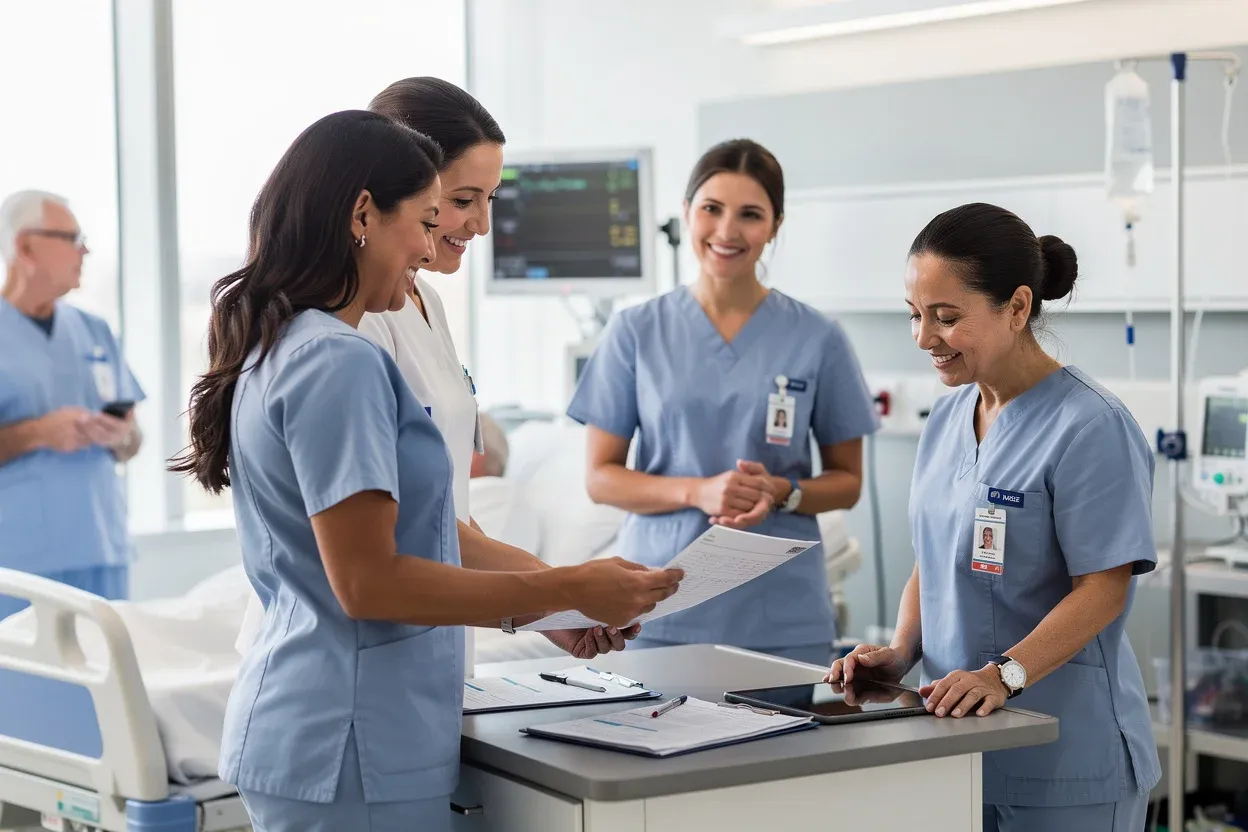
- Hospitals: These facilities provide exposure to diverse forensic nursing cases, ranging from emergency treatment of trauma victims to specialized care for victims of violence. Hospitals allow students to practice skills under direct supervision in a fast-paced environment, enhancing clinical decision-making and patient interaction.
- Outpatient Clinics: Offering follow-up care and forensic examinations, outpatient clinics enable students to develop detailed assessment and documentation skills crucial for legal processes. This environment facilitates close patient engagement in less acute but equally important forensic cases.
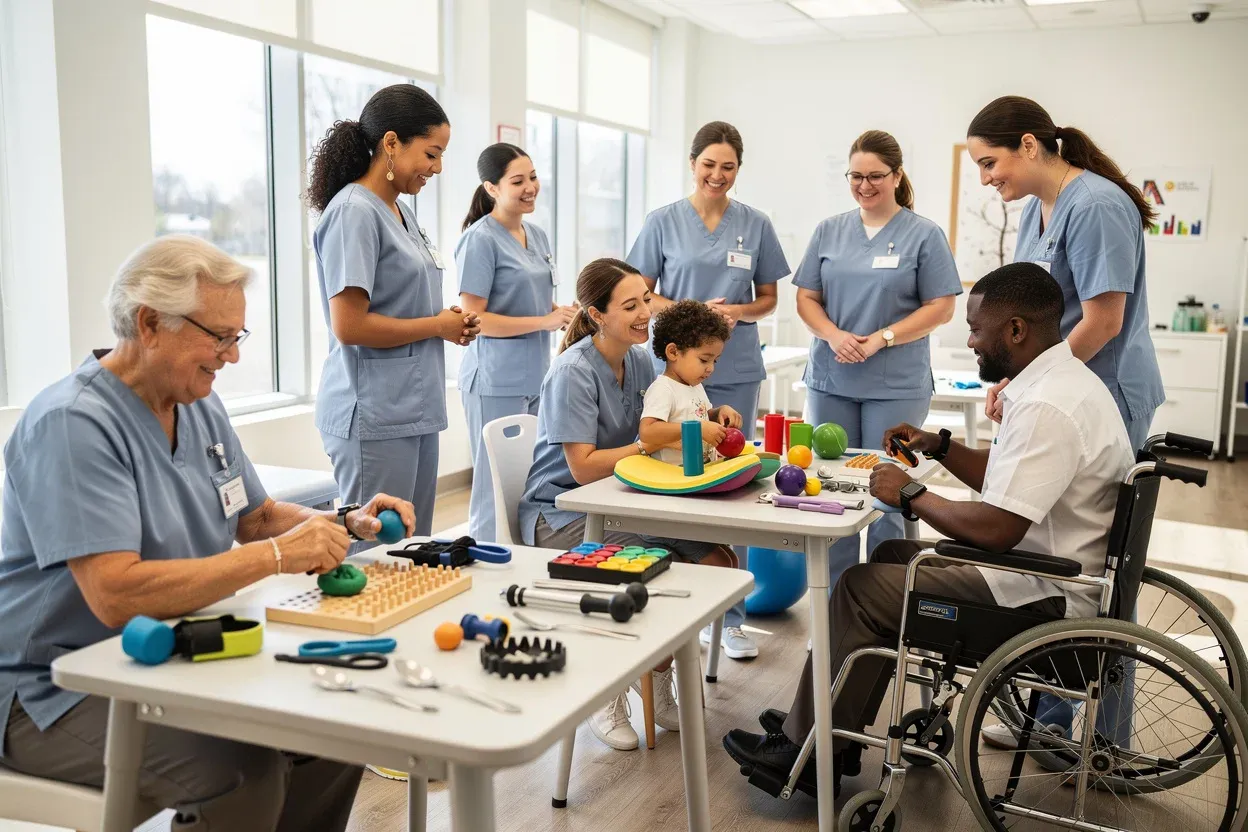
- Rehabilitation Centers: These centers focus on long-term recovery of patients affected by trauma or abuse, helping students understand the continuum of care and the role of interdisciplinary collaboration in forensic nursing cases beyond initial treatment.
- Community Health Organizations: Working in these settings allows students to engage in public health initiatives, victim advocacy, and education. This broadens understanding of forensic nursing's social context and complements clinical expertise with community-based approaches.
When discussing the variety of clinical sites, a professional with a forensic nursing degree noted, "At first, I was unsure if I could find a placement close enough to manage my job and family. The process involved reaching out to different facilities and sometimes waiting for openings, which was stressful.
However, once placed, the support from supervisors and exposure to real cases made the challenges worthwhile. I often felt a deep sense of purpose during clinical hours, knowing my contribution directly impacted victims' care and legal outcomes." This reflection highlights the practical and emotional complexities students face while navigating their clinical training options.

How flexible are forensic nursing clinical schedules and locations?
Forensic nursing programs often provide adaptable clinical placements and schedules tailored to fit the diverse needs and locations of students. Currently, around 60% of healthcare-related programs utilize hybrid or online formats, enhancing access to clinical experiences close to students' residences. This adaptability is essential for those managing education alongside work and family commitments.
The following points highlight typical ways forensic nursing clinicals offer flexibility in timing and location.
- Local Placement Options: Many programs collaborate with nearby hospitals, clinics, and law enforcement agencies to enable students to complete clinical hours within their communities. This approach minimizes travel demands and reduces related expenses.
- Evening and Weekend Scheduling: To support students juggling jobs or daytime responsibilities, clinical shifts are often available during evenings and weekends. These options increase opportunities to gain practical experience outside standard hours.
- Facility Network Partnerships: Programs usually maintain connections with a range of healthcare and forensic organizations, broadening the selection of clinical sites and making it easier for students to find locations that suit their geographic or personal situations.
- Hybrid Program Flexibility: Combining online theoretical coursework with hands-on clinicals allows students to schedule in-person clinical hours more conveniently. This model helps balance demanding training with other life obligations.
How do preceptors and clinical site approvals work?
Forensic nursing programs often partner with local healthcare facilities and professionals to assign qualified preceptors and approve clinical sites. Recent data indicate that over 60% of nursing programs encounter difficulties securing adequate clinical placements due to rising demand and a shortage of available preceptors. Effective coordination is critical to help students complete clinical hours near their homes while meeting accreditation standards.
The following key points highlight common procedures involved in approving preceptors and clinical sites for forensic nursing clinical education.
- Preceptor Qualifications: Preceptors must hold valid forensic nursing credentials and licensure, demonstrating expertise in both clinical care and forensic practices. Many programs require preceptors to have prior teaching experience or to complete specialized preceptor training to ensure competent student guidance.
- Affiliation Agreements: Formal contracts between nursing programs and clinical sites define each party's responsibilities, liability considerations, and adherence to accreditation policies. These agreements secure institutional collaboration and clarify expectations for clinical supervision and education.
- Site Evaluation: Clinical sites undergo comprehensive review focusing on patient volume, availability of forensic services, and safety measures. Sites must offer diverse learning experiences aligned with forensic nursing competencies to fulfill program requirements.
- Student Coordination: Students and program coordinators communicate proactively to arrange placements, allowing sufficient time for approval processes. Early planning helps avoid delays caused by background checks and institutional reviews.
- Supervision Standards: Preceptors provide direct oversight, including feedback, guidance, and performance evaluations. Maintaining clear communication among students, preceptors, and faculty supports consistent learning aligned with clinical objectives.
- Approval Timelines: The vetting and approval of preceptors and clinical sites typically span several weeks to months, depending on institutional policies. Advance scheduling by students and coordinators is vital to secure preferred local placements without interruption.
What costs should you expect when completing forensic nursing clinicals locally?
Students pursuing forensic nursing clinicals near their homes often face a range of direct and indirect costs that can impact their budgets. Surveys indicate that healthcare education-related expenses beyond tuition can average between $500 and $1,000 during clinical placements. Factoring in these local forensic nursing clinical expenses early can help students better prepare financially.
The costs of completing forensic nursing clinicals near home may include the following common expenses:
- Transportation and Fuel: Frequent travel to clinical sites can add up, especially when facilities are not nearby. Students typically spend between $50 and $200 monthly on public transit or fuel, depending on their commute distance and frequency.
- Parking Fees: Many clinical locations charge daily or monthly parking fees that range from $5 to $15 per day. These can accumulate notably during long or repeated clinical shifts.
- Uniforms and Supplies: Specific uniforms or scrubs costing $50 to $150 are often mandatory, along with necessary equipment like stethoscopes and ID badges that may also add to student expenses.
- Immunizations and Background Checks: Up-to-date immunizations and criminal background screenings are commonly required by clinical sites, with associated fees often falling between $100 and $300.
- Site Onboarding Fees: Certain healthcare institutions impose orientation or administrative fees to cover training or processing, typically charged between $50 and $150 depending on the policy.
For students exploring related health science degrees, programs such as an online nutritionist degree also highlight the importance of budgeting for clinical-related expenses.
What challenges can students face with local clinical placements?
While some students have the opportunity to complete forensic nursing clinicals near their home or hometown, local placement options often come with logistical, administrative, or geographic challenges. Limited placement capacity and coordination requirements can affect accessibility and scheduling. Nearly 60% of healthcare training programs report clinical placement shortages, particularly in specialized fields like forensic nursing.
Several factors commonly influence the availability and success of local forensic nursing clinical placement, including:
- Limited Site Availability: Access to approved forensic nursing clinical sites nearby is often constrained by a small number of healthcare facilities that meet program criteria. This scarcity creates intense competition among students for available spots.
- Geographic Restrictions: Students may face difficulties securing clinical placements if regional limitations restrict where approved sites can be utilized, often requiring travel to distant facilities.
- Approval and Preceptor Shortages: Schools must approve clinical sites and preceptors, but finding qualified supervisors in forensic nursing can be challenging, reducing the number of suitable local options.
- Scheduling Conflicts: Aligning academic calendars with site availability can delay or interrupt clinical hour completion, especially when facilities operate on schedules that differ from the students' programs.
Demanding commutes, time-consuming onboarding processes, and differing site-specific protocols also contribute to practical challenges during clinical training. Students balancing coursework and clinical hours often need strong organizational skills and flexibility to navigate these complexities successfully. Prospective students can research how long does it take to become a nurse practitioner a related topic that offers insight into clinical training timelines and requirements in nursing specialties.
Can local forensic nursing clinicals help you get a job after graduation?
Completing local forensic nursing clinicals offers valuable hands-on experience and helps build connections within the community's healthcare system. Nearly 70% of healthcare employers prioritize candidates with clinical experience from local facilities, which often leads to better chances of employment and workforce retention. These clinicals expose students to the specific environment and culture of nearby medical settings.
Local forensic nursing clinicals contribute to employment prospects in several important ways:
- Professional Networking: Clinical placements allow students to form relationships with local nurses, physicians, and healthcare staff, creating opportunities for mentorship and future job recommendations.
- Workplace Familiarity: Working in local hospitals or clinics helps students adapt to the specific protocols and routines they will encounter as employees, easing the transition from student to professional.
- Employer Recognition: Strong performance in local rotations increases visibility among potential employers who track and prefer candidates they know and trust.
- Local Workforce Demand: Healthcare organizations often seek to retain professionals trained within the community, reinforcing demand for students who complete their clinicals locally.
- Communication Skills: Collaborating with interdisciplinary teams during clinicals sharpens essential communication and teamwork abilities highly valued in forensic nursing roles.
What Students Say About Completing Forensic Nursing Clinicals Locally
- Khai: "Completing my forensic nursing clinical hours locally has been a game changer. The process required coordinating closely with nearby hospitals and law enforcement agencies, but the access to real-world cases helped me build hands-on skills without the stress of relocating. Having a clinical placement near home really boosted my confidence and prepared me for my future career in ways I didn't anticipate."
- Julio: "The challenge with local forensic nursing clinical placements is definitely the availability of specialized facilities willing to take students. I had to actively reach out and sometimes wait weeks for confirmation, which was stressful. Despite this, staying in my home city made it easier to balance school and work, and ultimately I feel more job-ready thanks to the familiarity with local healthcare providers."
- Jayden: "From a professional standpoint, securing supervised forensic nursing clinical hours close to home allowed me to integrate theoretical knowledge with community-specific practices. While some students might relocate for unique opportunities, I found that local hospitals provided sufficient case variety and professional mentorship, enriching my practical experience without uprooting my life. This balance significantly enhanced my readiness for a forensic nursing career."
Other Things You Should Know About Forensic Nursing Degrees
Yes, most forensic nursing programs require thorough documentation of clinical hours and activities, regardless of location. Students must maintain detailed logs of cases handled, procedures observed, and skills practiced during their clinicals. This documentation is typically reviewed by both the program and clinical site supervisors to ensure compliance with educational standards.
Forensic nursing clinicals usually require supervision by a qualified and licensed forensic nurse or a professional with relevant forensic experience. This ensures that students receive appropriate guidance and feedback throughout their clinical practice. Programs often verify the credentials of supervisors at local sites before approving the placement.
Some healthcare facilities without specialized forensic units may still allow students to complete clinical hours if they can provide forensic nursing-related experiences. These can include emergency departments, sexual assault response teams, or multidisciplinary forensic teams within general hospitals. Approval depends on the facility's ability to meet the program's educational objectives and supervision criteria.
Students often need to proactively seek and secure clinical placements in their local area by contacting potential sites, submitting necessary paperwork, and coordinating with program officials. Taking initiative can broaden placement opportunities, especially in communities with fewer dedicated forensic nursing facilities. This approach can also demonstrate commitment and professionalism to prospective placement sites.
References
- How to Onboard Your Students for a Clinical Rotation - ARC/STSA https://arcstsa.org/how-to-prepare-your-students-for-a-clinical-rotation/
- Career Pathway After Clinical Medicine | Career in Medicine https://icmhs.co.ke/blog/career-pathway-after-clinical-medicine
- Fixed Schedules vs. Flexible Work Arrangements: Managing Your Lab Personnel https://www.labmanager.com/fixed-schedules-vs-flexible-work-arrangements-managing-your-lab-personnel-33648
- Clinical Trial Costing: Phase-By-Phase Budget Guide | Abacum https://www.abacum.ai/blog/clinical-trial-costing
- Clinical Placement Services https://onlinedegrees.elmhurst.edu/clinical-placement-services
- Managing clinical placements for online programs https://corehighered.com/en/blog/managing-clinical-rotations-for-online-programs
- CRO Perspective: 4 Surprising Reasons Clinical Trials Are So Expensive - Palleos https://www.palleos.com/resource-library/blog/why-clinical-trials-are-so-expensive/
- Forensic Nursing: A Comprehensive Guide - Madonna https://absn.madonna.edu/blog/forensic-nursing/
- 21 questions with a Forensic Nurse Practitioner https://www.anmfsa.org.au/Web/News/2021/21_questions_with_a_Forensic_Nurse_Practitioner.aspx
- Administrative and legal regulation of licensing for medical practice | Law and Safety https://pb.univd.edu.ua/index.php/PB/article/view/787