2026 Can You Complete Medical Studies Clinicals Locally?

Co-Founder and Chief Data Scientist
A rural nursing assistant balancing family care and a part-time job often wonders if clinical placements can be completed close to home. In Medical Studies programs, securing supervised clinical hours within nearby healthcare facilities can significantly ease the logistical challenges posed by distance and scheduling. According to the Bureau of Labor Statistics, employment for medical and health services managers is expected to grow 32% from 2020 to 2030, indicating strong demand for qualified professionals.
This article examines whether students can fulfill clinical requirements locally and explores factors influencing placement availability, helping learners plan their training without unnecessary relocation.
Key Things to Know About Completing Medical Studies Clinicals Locally
- Most medical studies programs partner with nearby hospitals or clinics to facilitate local clinical placements, easing students' access to supervised practical experience.
- Completing clinicals near home offers flexibility, reducing travel time and costs while allowing students to balance work, study, and personal commitments effectively.
- Students must verify state licensing requirements, confirm site availability, and ensure their program's approval process supports local clinical placements before enrollment.
Can you complete medical studies clinicals near your home or hometown?
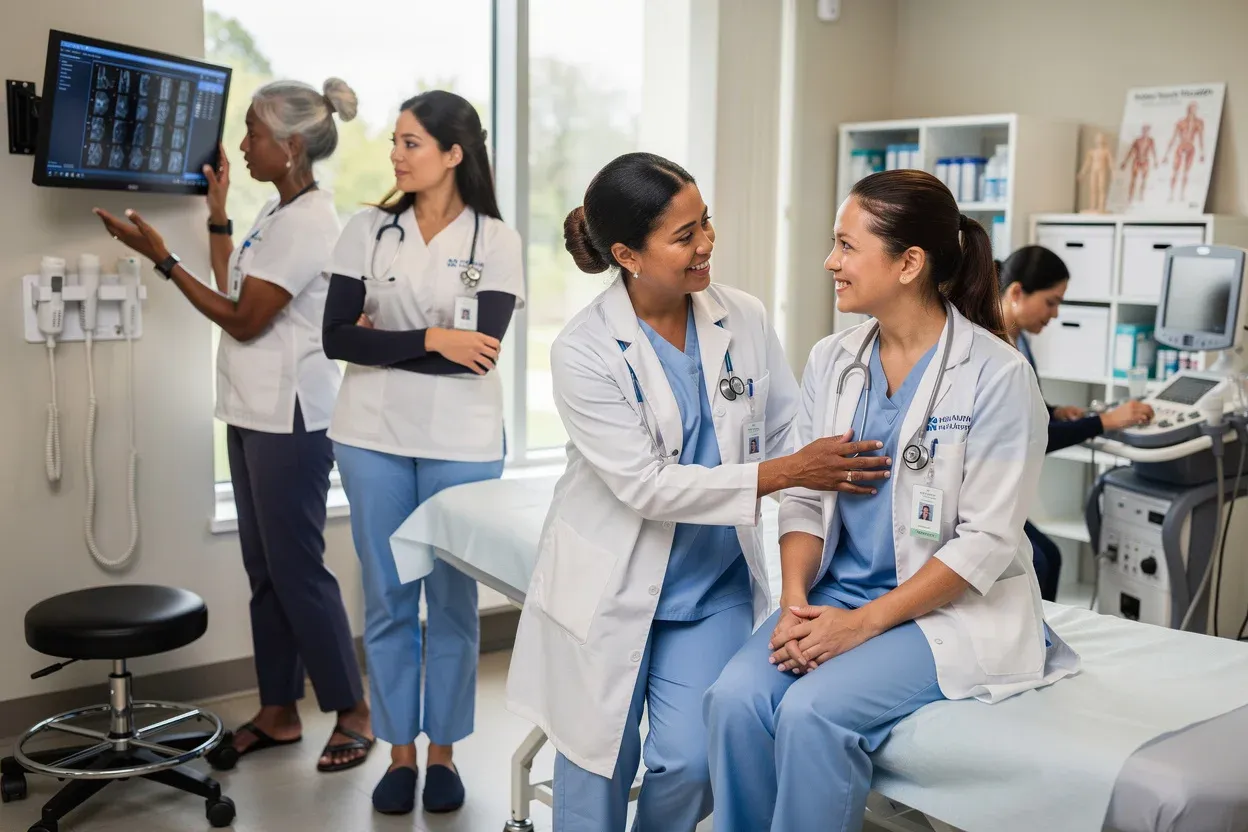
Clinical placements for medical studies students may often be completed near their home or hometown, depending on factors such as the program's structure, the school's local partnerships, and the geographic availability of approved sites. This proximity can offer greater convenience and scheduling flexibility, making it easier for students to balance clinical hours with personal responsibilities. Nearly 60% of medical students arrange some portion of their clinical training within 50 miles of their residence, reflecting the demand for accessible local clinical experiences.
The ability to complete medical studies clinicals locally depends on several important factors, including:
- School Affiliation Networks: Established partnerships between schools and local hospitals or clinics facilitate smoother placement processes. Programs with extensive networks can offer a wider range of local clinical placement options for medical studies students, enhancing opportunities close to home.
- Geographic Location: Urban and suburban areas generally provide more nearby clinical sites compared to rural regions. Students living in rural or less-populated areas may face challenges securing suitable placements without traveling farther.
- Regulatory Requirements: State or regional standards often shape where clinicals can be completed by defining acceptable training environments and mandatory clinical hours. These regulations ensure consistent quality but may restrict placement flexibility.
- Placement Coordination: Dedicated placement offices or coordinators play a key role in identifying and securing local clinical sites. The efficiency of these services directly affects a student's ability to complete clinicals locally.
- Facility Availability: Healthcare providers must have adequate capacity and staffing to accommodate students. Even if a student lives nearby, limited facility approval can necessitate placements farther away.
Some students interested in alternative pathways might explore options like a DNP program without clinical hours, but for those pursuing medical studies, understanding local clinical placement dynamics remains critical.
Table of contents
How do medical studies clinical placements work?
Medical studies clinical placements are arranged through partnerships between schools and approved healthcare sites, providing essential hands-on experiences that help students apply classroom knowledge in real-world medical settings. These placements often depend on available facilities and scheduling logistics, which can influence whether students complete their clinical hours locally or elsewhere. Research shows that up to 80% of clinical competencies are gained through direct patient interaction during these placements.
Key factors in how clinical placements work include:
- Partnership Networks: Schools establish relationships with hospitals, clinics, and community health organizations to create a network of approved training sites that meet accreditation and regulatory standards. This network forms the basis for clinical placement opportunities.
- Placement Coordination: Clinical coordinators manage placement approvals, ensuring students are assigned to facilities that comply with licensing and educational requirements. Students may suggest local sites, but final decisions rest with the coordination team to verify eligibility.
- Supervision and Scheduling: Students complete their hours under the supervision of licensed healthcare professionals, who guide skill development and ensure patient safety. Scheduling depends on supervisor availability, which can affect clinical site assignment and travel considerations.
- Accredited Environments: Clinical sites must maintain high-quality standards and have qualified instructors to meet accreditation rules, impacting where students can complete their training within the local clinical placement process for medical students.
- Geographic Considerations: Many programs try to place students at nearby sites to minimize travel challenges, but availability and licensing requirements may require flexibility on location.
Students pursuing degrees such as RN BSN can often find clinical placement options near their homes, depending on their institution's network and regional healthcare partners.

What state authorization and licensing rules affect local clinicals?
State authorization policies, regional education regulations, and professional licensing standards all play significant roles in determining if Medical Studies students can complete their clinical rotations near their home or hometown. Variations in state requirements influence eligibility for clinical placement, approval procedures, and access to authorized training sites. Notably, about 45 states participate in interstate licensure compacts that aim to simplify cross-state clinical training, especially in healthcare professions like nursing.
The following factors commonly affect whether local clinicals are possible for students in Medical Studies programs:
- State Authorization: Education providers and clinical facilities must be legally approved to operate within a state. Without such authorization, students may be barred from completing clinical hours locally regardless of proximity or program affiliation.
- Licensing Board Requirements: Professional boards impose rules on what kinds of clinical settings and supervisors qualify for licensure credit. These often include mandatory oversight by licensed professionals with specific credentials, which can restrict placement options.
- Out-of-State Restrictions: Students hoping to train in a different state may face extra approvals, paperwork, or even be entirely limited in their ability to complete clinical training outside their program's primary state.
- Affiliation Agreements: Formal partnerships between academic institutions and healthcare providers establish approved clinical sites. Without these agreements, students may have fewer or no local clinical placement opportunities.
A Medical Studies degree graduate shared that securing a local clinical placement involved navigating a complex mix of paperwork and approvals. "There were weeks of waiting for my school to confirm agreements with nearby clinics," he recalled. He also emphasized the uncertainty caused by changing state rules and how it required constant communication with program advisors to ensure his hours would count. The process, he said, not only tested his patience but also strengthened his skills in persistence and adaptability-qualities that proved invaluable throughout his clinical experience.
Can online medical studies programs arrange local clinical placements?
Online medical studies programs often enable students to complete their required clinical hours close to home by leveraging partnerships with local healthcare providers or coordinating placements at approved facilities in various regions. This approach enhances accessibility and scheduling flexibility, which is particularly beneficial for those balancing personal commitments.
A 2022 report from the Association of American Medical Colleges found that about 68% of online healthcare education programs offer distance-based clinical training facilitated through local sites.
The ability to arrange local clinical placements depends on several key factors:
- School Partnerships: Many programs have formal agreements with hospitals, clinics, or community health centers in specific areas to provide students with access to suitable clinical training sites near their hometowns.
- State and Regional Policies: Regulations can restrict clinical placements to certain states or geographic regions, affecting whether students can complete local clinical hours as part of their online medical studies program.
- Facility Approval Standards: Clinical sites must meet accreditation and supervision criteria to qualify. Programs ensure that local facilities adhere to these standards before allowing students to train there.
- Student Involvement: Some programs empower students to identify or suggest potential local clinical sites, subject to school approval, which may increase placement options but requires active participation.
- Affiliation Agreements: Establishing new local clinical sites involves administrative processes that can be time-consuming, influencing the timing and availability of placement near a student's residence.
Prospective students seeking information about schools that offer flexible admission policies may explore options such as online colleges no application fee.
What types of facilities can you use for medical studies clinicals?
Many medical studies programs now offer students the chance to complete clinical hours near their home, easing logistical challenges. Recent trends show that over 70% of clinical placements take place in community and outpatient settings, reflecting a shift towards more accessible, local training options. Strong partnerships between healthcare providers and educational institutions support this growing demand for nearby clinical opportunities.
Students typically complete clinical hours in a variety of healthcare environments, including but not limited to the following:
- Hospitals: These facilities provide a wide range of patient care scenarios, offering students exposure to acute, emergency, and inpatient settings where they practice hands-on skills under close supervision.
- Outpatient Clinics: Focused on scheduled, non-emergency visits, outpatient clinics allow students to develop diagnostic and communication skills in a less intense setting compared to hospitals.
- Rehabilitation Centers: These centers specialize in therapeutic care for patients recovering from injuries or surgeries, giving students insight into long-term patient management and teamwork across multiple health disciplines.
- Long-Term Care Facilities: Nursing homes and similar sites offer experience with elderly or chronically ill populations, highlighting patient-focused care and complex care coordination over extended periods.
- Community Health Organizations: Catering to diverse populations and specialized health services, these organizations help students appreciate varying healthcare needs and preventive care strategies.
When asked about clinical placements, a professional with a Medical Studies degree shared that finding a local site greatly reduced stress during training. She recalled, "Working close to home meant I could balance clinical hours with family obligations, but the process required proactive networking to secure quality placements."
She emphasized the value of diverse clinical experiences outside hospitals, noting how community-based settings enhanced her understanding of patient care continuity. Her journey underscored the importance of resourcefulness and adaptability during clinical training, making local opportunities invaluable to her professional growth.

How flexible are medical studies clinical schedules and locations?
Medical studies programs often provide considerable flexibility in clinical placement locations and schedules to support students with varying personal and geographic constraints. Approximately 65% of healthcare students choose clinical sites within a convenient commuting distance, reflecting the strong preference for accessible, local rotations. Additionally, the increase in hybrid and online healthcare education supports students balancing clinical requirements with remote learning.
Options commonly available to students include:
- Proximate Clinical Sites: Numerous programs collaborate with nearby hospitals and community clinics to ensure students can complete their clinical hours close to home, reducing commute times and accommodating daily responsibilities.
- Alternative Hours: Evening and weekend clinical shifts are frequently offered to help students who work or have family obligations fulfill their hands-on training without conflicting with typical daytime commitments.
- Healthcare Network Partnerships: Educational institutions maintain formal connections with a diverse range of medical facilities, including both urban and rural locations, granting students a wider selection of clinical environments suited to their lifestyle and travel capacity.
- Required Travel Considerations: While local placements are prioritized, certain specialized experiences might necessitate short-term travel; schools typically minimize these demands and provide advance notice to allow adequate planning.
- Integrated Hybrid Models: Many programs combine online coursework with practical clinical experiences, enabling students to complete theoretical learning remotely and schedule clinical hours flexibly around site availability.
How do preceptors and clinical site approvals work?
Medical studies programs commonly manage preceptor assignments and clinical site approvals through partnerships with healthcare facilities, ensuring students receive relevant hands-on experience close to home. Approximately 60% of healthcare training programs report increased demand for clinical placements amid ongoing preceptor shortages, underscoring the need for efficient site coordination. These efforts help align clinical experiences with accreditation standards and student geographic preferences.
Key aspects of how preceptors and clinical site approvals function in medical studies programs include:
- Preceptor Qualifications: Preceptors are typically licensed healthcare professionals with experience in relevant clinical areas. They often complete orientation or training to ensure their supervision supports curriculum goals and maintains quality educational oversight.
- Affiliation Agreements: Formal agreements between educational institutions and clinical sites establish legal terms for student placements. These documents cover liability, confidentiality, and compliance, forming the foundation that allows local clinical training to proceed.
- Site Evaluation Criteria: Clinical sites undergo reviews assessing facility resources, patient population diversity, and staff preparedness. This evaluation ensures learning environments meet safety and educational standards necessary for effective clinical experiences.
- Supervision Expectations: Preceptors provide direct supervision and feedback while documenting student progress according to program requirements. Consistent communication between the program and site helps monitor clinical competencies effectively.
- Approval Timelines: Site approvals require advance planning, often taking several months to finalize agreements. Early coordination alleviates challenges tied to site or preceptor availability and streamlines student placement.
- Student Coordination Responsibilities: Students may assist by identifying potential clinical sites or preceptors near their residence. Programs then review these suggestions to ensure suitability while balancing student preferences and accreditation compliance.
What costs should you expect when completing medical studies clinicals locally?
Students in medical studies programs often face a range of direct and indirect costs when completing clinical requirements locally. Surveys indicate healthcare students typically spend between $500 and $1,500 on expenses beyond tuition during clinical training. These financial factors can impact decisions about whether local clinical placement costs in medical studies fit their overall budget.
When budgeting for expenses of completing medical studies clinicals locally, students should consider several common cost categories, including but not limited to:
- Transportation and Fuel: Regular travel to clinical sites can result in ongoing commuting costs such as gas, public transit fares, or vehicle maintenance. Depending on location and frequency, these expenses may range from $50 to over $200 monthly, significantly adding up throughout the clinical period.
- Parking Fees: Many healthcare facilities charge for parking, often requiring students to purchase daily or monthly passes. These fees can accumulate quickly, typically ranging between $30 and $100 per month during clinical rotations.
- Uniforms and Supplies: Most programs require specific uniforms like scrubs along with essential clinical tools such as stethoscopes and ID badges. Initial costs for uniforms may be $50 to $150, with potential additional expenses for replacements or upgrades as program requirements evolve.
- Immunizations and Background Checks: Compliance with healthcare regulations usually requires students to provide proof of immunizations and submit to criminal background checks. These safety protocols can cost between $75 and $200 depending on the necessary tests and certifications.
Prospective students seeking affordable options might explore programs offering the cheapest online nutrition degree as part of their broader educational planning.
What challenges can students face with local clinical placements?
Some students may have opportunities to complete medical studies clinicals near their home or hometown, but local placements often present logistical, administrative, or geographic challenges depending on program structure and regional availability. Limited placement capacity affects approximately 30% of programs, making access to local sites competitive and uncertain. These issues, along with coordination requirements and healthcare facility availability, can impact scheduling and accessibility for students pursuing local clinical training.
The following are common challenges encountered when navigating state licensing and accreditation for local clinicals in medical studies:
- Limited Nearby Sites: The number of local clinical sites that accept students is often restricted, leading to high demand and competition. This scarcity can force students to consider locations farther from home, complicating logistics and travel.
- Geographic Restrictions: Rural or underserved regions may have few healthcare facilities approved for clinical placements, narrowing options and sometimes making it difficult to meet program requirements while staying local.
- School Approval Processes: Each clinical placement usually requires school and sometimes state approval, which can delay or limit available opportunities. Navigating these administrative steps demands attention to deadlines and thorough communication with coordinators.
- Scheduling Conflicts: Fixed clinical site hours may not align with students' academic timetables, requiring flexibility and compromise. Balancing coursework with placement demands often challenges even well-organized students.
- Preceptor Availability: A shortage of qualified supervisors at local sites can limit the number of students accepted, impacting the quality and feasibility of experiential learning nearby.
Long commutes and varying onboarding protocols further complicate local clinical experiences, requiring students to exercise resilience and strong management skills. For those looking to expand their healthcare education options, programs like the cheapest BSN to MSN online offer additional pathways to advance while accommodating clinical placement challenges.
Can local medical studies clinicals help you get a job after graduation?
Completing medical studies clinical placements locally allows students to gain practical skills and build familiarity with healthcare environments common to their region. Over 70% of healthcare employers prefer applicants with hands-on clinical experience in nearby facilities, which can improve graduates' prospects in competitive job markets. Establishing industry connections through local placements often contributes to smoother employment transitions after finishing school.
Several key benefits of local clinical experiences can enhance job readiness:
- Professional Networking: Working alongside local healthcare professionals helps students form relationships with potential employers and mentors who may influence future job opportunities.
- System Familiarity: Exposure to local healthcare workflows, policies, and culture prepares students to adapt more quickly to full-time roles within their community healthcare systems.
- Employer Recognition: Demonstrating competence during local clinicals can lead to positive evaluations and recommendations, which are valuable during hiring decisions.
- Workforce Insight: Students gain awareness of local healthcare demands, enabling them to align their training with areas experiencing higher staff needs.
- Communication Skills: Engaging with multidisciplinary teams in local settings helps develop essential team interaction abilities valued by employers.
- Practical Readiness: Hands-on experience in nearby clinical environments increases confidence in patient care, improving overall job preparedness.
What Students Say About Completing Medical Studies Clinicals Locally
- Khai: "Completing my clinical placements close to home has been an incredibly positive experience. The local healthcare facilities have clear requirements and structured supervision, which made scheduling and fulfilling my hours straightforward. I feel that being in a familiar environment has boosted my confidence and helped me gain practical skills that directly relate to my future career in medical studies."
- Julio: "Coordinating local clinical placements has proven more challenging than I anticipated, with limited availability and high competition at nearby healthcare centers. This has sometimes required me to consider relocating or commuting further away to complete the necessary hours. Despite these hurdles, I appreciate how the experience highlights the importance of flexibility and proactive planning in pursuing medical studies."
- Jayden: "The career benefits of engaging in clinicals locally are undeniable, as working within my community allows me to build meaningful connections and better understand patient needs. While some placements did require additional documentation and coordination, the support from local health institutions made the process manageable. Overall, staying local has given me a solid foundation to feel ready for a medical studies career in familiar settings."
Other Things You Should Know About Medical Studies Degrees
The number of clinical hours students can complete at local healthcare facilities often depends on the policies of their educational institution and the availability of approved sites. Some programs may require a minimum number of hours to be completed at specific kinds of facilities or in particular specialties that may not be available locally. Students should verify these requirements early to ensure their local clinicals will meet academic and accreditation standards.
Typically, students cannot independently select local clinical sites without prior approval from their medical studies program. Schools usually maintain partnerships with specific hospitals, clinics, or healthcare providers to ensure consistent supervision and quality of training. Any arrangement outside of these existing agreements generally requires approval to ensure the site meets educational and regulatory standards.
Completing clinicals locally may limit exposure to certain patient populations or medical specialties, depending on the resources of the local healthcare environment. While local clinicals offer convenience, students may miss opportunities to work in diverse or highly specialized settings often available in larger or urban medical centers. Programs might supplement local experiences with rotations in other locations to provide broader clinical exposure.
Local clinical experiences can prepare students well for licensure exams if the training covers core competencies required by licensing bodies. However, some licensing authorities expect clinical exposure to varied clinical environments, which may necessitate rotations beyond the local area. Students should confirm that their local clinical placements align with the requirements set by the medical licensing organizations relevant to their intended practice location.
References
- How Much Does a Clinical Trial Cost? https://www.sofpromed.com/how-much-does-a-clinical-trial-cost
- Clinical Preceptor and Site Information https://www.westernu.edu/veterinary/academic-program/veterinary-preceptor-site-info/
- Clinical Trial Costing: Phase-By-Phase Budget Guide | Abacum https://www.abacum.ai/blog/clinical-trial-costing
- Streamline Clinical Placement Management Process: 5 Tips https://cliniciannexus.com/resources/clinical-placement-management-process
- ARENSIA · Expert for Exploratory Clinical Trials in Patients https://www.arensia-em.com/blog-5-understanding-clinical-studies-a-beginner-s-guide
- How to Overcome Local Hiring Limitations and Grow Globally | Fronted | Fronted https://fronted.com/articles/how-to-overcome-local-hiring-limitations-and-unlock-business-growth
- The Biggest Challenges Of Localisation Project Management | International Achievers Group https://internationalachieversgroup.com/localisation/the-biggest-challenges-of-localisation-project-management/
- 14 Localization problems and how to avoid them - POEditor Blog https://poeditor.com/blog/localization-problems/
- Clinical trial cost calculator | CLINICAL TRIAL RISK TOOL https://clinicaltrialrisk.org/rct-cost-modelling/clinical-trial-cost-calculator/
- Can You Work in Hospitals or Arrange Clinical Rotations While Studying Abroad? - Medlink Students https://www.medlinkstudents.com/blog/can-you-work-in-hospitals-or-arrange-clinical-rotations-while-studying-abroad/