2026 Case Management Master's Programs With Practicum Placement Support

Co-Founder and Chief Data Scientist
When preparing for a master's in case management, the structure and support of practicum placements can define career trajectories. Challenges like inconsistent matching processes and variable supervisor credentials often leave students navigating uncertain field experiences. Programs with strong foundation or bridge courses help bridge knowledge gaps, yet the diversity of placement sites and adherence to accreditation standards remain critical factors for evaluating practical readiness. According to the National Center for Education Statistics in 2024, adult learners now constitute over 40% of master's enrollments, reflecting a need for flexible programs that accommodate career changers and remote students. Understanding these program elements helps optimize decisions grounded in long-term employment outcomes.
Key Things to Know About Case Management Master's Programs With Practicum Placement Support
- Matching practicum placements often reflect student specialization and local service needs, which can delay start times; this tradeoff between fit and timing challenges working students aiming for swift program completion.
- Supervisor qualifications directly influence employability as employers expect evidence of field expertise and mentorship quality, intensifying scrutiny on programs with clinically credentialed on-site professionals.
- Diverse practicum site options increase exposure to multifaceted client populations, aligning with workforce demands highlighted by the 2024 Bureau of Labor Statistics projecting a 12% growth in social service roles, yet may require costly travel or relocation.
What Are Case Management Master's Programs With Practicum Placement Support?
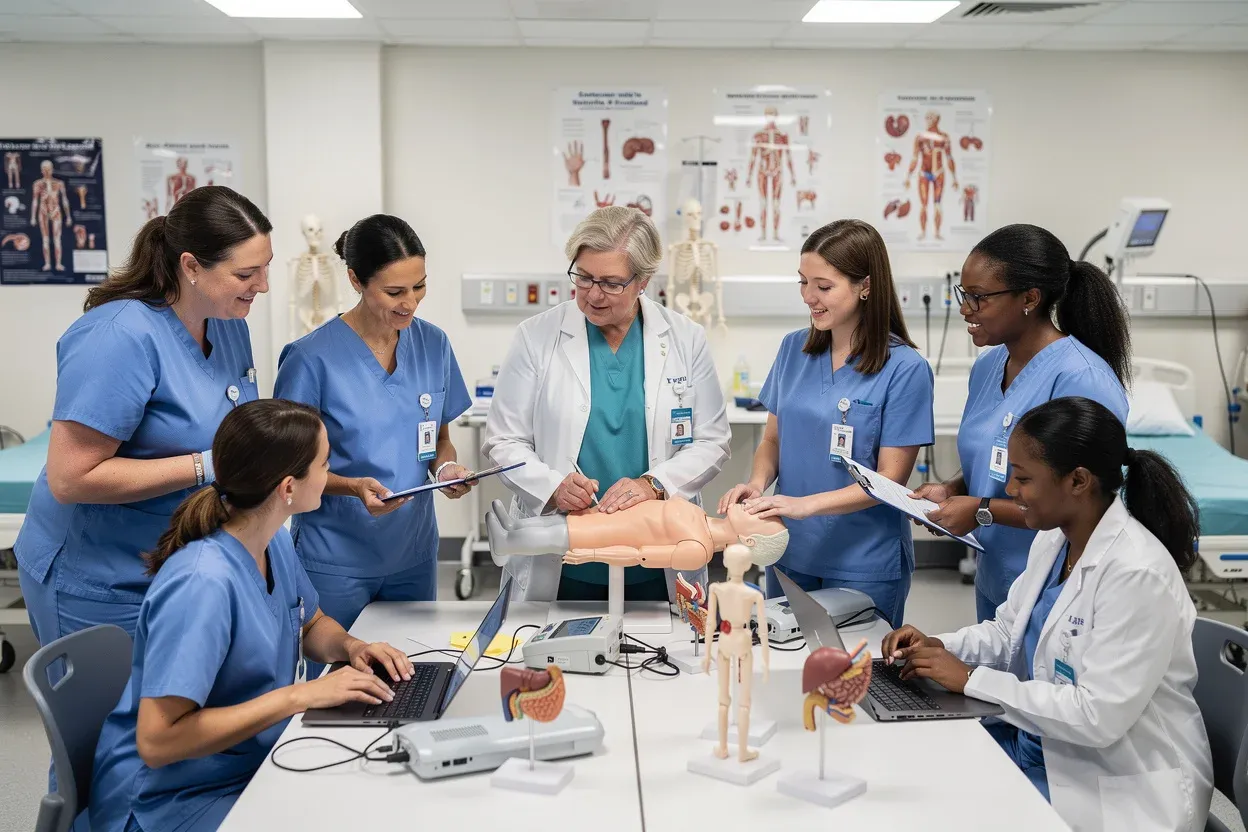
Master's-level practicum experiences in case management differ fundamentally from internships or field placements by embedding structured, academically supervised training that ensures consistent skill development aligned with professional standards. Where some programs leave students to independently secure field sites-often a significant hurdle for those new to healthcare or located in less populated regions-case management graduate programs offering field placement assistance proactively manage the process. This support directly affects employability by reducing delays in licensure timelines and exposure to practice environments that meet employer expectations for rigor and supervised client engagement.
- Definition: A practicum in a case management master's context is a mandatory, supervised field experience embedded within a curriculum, designed to integrate theory with applied practice under certified supervisors, distinct from broader internships that may lack strict academic oversight.
- Placement Support: Programs with practicum placement support maintain partnerships with accredited agencies, handle site vetting and scheduling, and tailor placements based on student specialization and location-thus mitigating challenges common in rural or under-networked student populations.
- Relevance to Career Outcomes: Reliable placement coordination enhances early career readiness by guaranteeing supervision consistent with accreditation standards, which many employers view as a proxy for candidate preparedness and regulatory compliance.
- Contrast With Self-Sourced Placements: Students without placement support risk inconsistent quality, site availability issues, and extended program timelines-factors that can delay graduation and affect workforce entry, especially in regions lacking dense healthcare networks.
- Workforce Implication: As employer scrutiny intensifies on practical training verification, choosing case management master's programs with practicum placement support becomes pivotal for those aiming to bridge academic credentials with effective service delivery in real-world settings.
This article will explore the nuanced mechanisms behind practicum placement support, comparing program models, supervisory standards, and contingency planning to equip prospective master's students with an informed framework for selecting case management graduate programs that best align with their professional goals and circumstances. For those tracking broader healthcare education affordability or concurrent credentialing, related offerings such as the cheapest medical billing and coding online courses also reflect growing demand across healthcare systems for accessible and workforce-ready training.
Why Is Practicum Placement Support Critical in Case Management Master's Programs?
Practicum placement support fundamentally influences the trajectory of case management master's students by shaping not only their immediate clinical competencies but also their long-term employability and credentialing success. Without structured assistance, students encounter delays and misalignments that can imperil their timely entry into the profession.
Outcomes research and professional consensus emphasize that robust placement infrastructure is indispensable for meeting formal training standards and preparing students for real-world demands. Accredited programs integrate placement partnerships that uphold licensing board requirements and ensure consistent supervision, thereby safeguarding both educational quality and regulatory compliance.
- Licensing Board Compliance: Many state and national certification authorities mandate supervised practicum hours completed in vetted settings. Programs actively managing placements help students avoid credentialing setbacks common in uncoordinated site searches.
- Supervision Quality: Qualified supervisors are essential for mentorship and evaluative feedback. Programs that broker site relationships typically verify supervisors' credentials and maintain ongoing communication, which sustains practicum rigor and accountability.
- Placement Matching: Thoughtful alignment of student goals with site specialty, location, and learning opportunities optimizes skill development, whereas self-directed placements often produce mismatches that necessitate repeated searches or compromise learning depth.
- Risk Mitigation: Without institutional infrastructure, students risk late placements, cancellations, or unsuitable learning environments, causing program delays and financial strain-factors especially acute for those in rural or constrained regions.
- Accreditation Standards: Bodies such as the Commission on Accreditation for Case Management Programs require documented agreements and systematic practicum supervision, making placement support a recognized institutional responsibility.

How Do Case Management Master's Programs Structure Their Practicum Components?
Effective practicum structuring in case management master's programs critically shapes how students translate theory into workplace competence. For instance, graduates entering rural healthcare settings often rely on practicum designs that accommodate geographic and scheduling limitations while ensuring substantial hands-on exposure aligned with employer expectations. Programs that simply mandate hours without considering flexibility or supervision quality may hinder employability, especially where local placements are scarce or supervision standards vary.
- Timing: Practicums are typically scheduled in the latter stages of the curriculum, ensuring students have completed foundational courses before engaging in fieldwork-this sequencing supports readiness for complex case scenarios encountered in practice.
- Credit Hours: Most practicums represent between 3 and 6 credit hours, corresponding to approximately 200 to 450 hours of direct field experience; this range aligns with accreditation requirements and reflects the intensity necessary for skill mastery.
- Integration With Coursework: Programs differ on whether practicums run concurrently with advanced coursework, promoting immediate theory-practice integration, or occupy a distinct capstone phase, allowing immersive focus but potentially increasing time pressures.
- Models: Sequential practicum models span multiple semesters for paced skill development and flexibility, ideal for working professionals. Intensive block placements condense hours into shorter, full-time intervals, offering deep immersion but posing challenges for students balancing work or family. Concurrent practicum placements amid ongoing courses can enhance learning synergy but may elevate stress and time demands.
- Flexibility & Supervision: The overall practicum value rests not just on hours completed but on the adaptability to student constraints and quality of supervision provided. Robust programs feature well-matched field sites, trained supervisors, and contingency plans addressing placement disruptions, factors crucial in sustaining educational and workforce outcomes.
Prospective students keen to compare the structure of practicum components in case management master's programs would benefit from examining these dimensions carefully. This approach ensures alignment with individual circumstances and labor market realities rather than relying strictly on total practicum hours or generic program descriptions. For those exploring options, reviewing the breadth and responsiveness of practicum placement support often distinguishes substantive programs from minimalistic offerings, a consideration especially relevant for those in remote areas or transitioning careers. Evaluating practicum frameworks alongside notions of supervisor qualifications and site diversity will provide a practical lens beyond admissions rhetoric.
For an expanded view of related fields offering strong practical training support, consider exploring the best medical coding programs, which share similar workforce integration challenges.
What Qualifications Do Students Need to Qualify for Case Management Practicum Placement Assistance?
Eligibility for practicum placement in master's case management programs hinges on more than academic achievement; it reflects compliance with legal, ethical, and professional thresholds that protect both students and placement sites. These conditions act as safeguards ensuring students engage with vulnerable populations responsibly while also managing institutional liabilities. For instance, a delayed background check can postpone a practicum start date, creating a ripple effect on graduation timing and workforce entry.
- GPA Thresholds: Programs usually require a minimum GPA around 3.0 to confirm both academic capability and potential for dependable application of complex client interventions.
- Prerequisite Coursework: Completion of foundational classes in ethics, human behavior, and social policy is essential to prepare students for practical challenges encountered during fieldwork.
- Background Checks: Criminal screening is mandatory to uphold safety standards for populations served and to maintain placement site compliance with regulatory expectations.
- Immunization/Health Documentation: Proof of vaccinations such as MMR, TB, and influenza aligns with public health mandates and protects both students and clients in clinical or community settings.
- Professional Liability Insurance: Required coverage shields sites and students from legal exposure related to clinical decisions and actions during practicum engagements.
Students should request detailed timelines from programs specifying when each requirement must be fulfilled, as premature or delayed steps can impede placement. Early planning-such as addressing prerequisites before program start or initiating health clearances ahead-mitigates barriers that might otherwise extend time to credentialing or reduce site options.
One graduate recalled hesitancy during rolling admissions when uncertain if prerequisite courses completed outside the master's program would satisfy eligibility. Waiting weeks for official course validation delayed the background check submission, pushing back her practicum start. This experience underscored the importance of confirming eligibility criteria upfront and coordinating document submissions proactively to avoid last-minute hurdles impacting practicum scheduling and subsequent employment opportunities.
Which Types of Practicum Sites Are Commonly Used in Case Management Master's Programs?
Practicum site selection in case management master's programs significantly influences skill development, client exposure, and professional adaptation. Students embedded in hospitals gain experience in acute care dynamics, rapid decision-making, and interdisciplinary teamwork-essential for roles requiring crisis management and discharge planning. Conversely, outpatient clinics provide extended engagement with chronic conditions, fostering expertise in care continuity and patient education, which aligns well with practices emphasizing longitudinal support.
- Hospitals: Intense environments demanding quick clinical judgment and collaboration across specialties, ideal for developing acute intervention capabilities.
- Outpatient Clinics: Settings emphasizing long-term patient relationships, insurance navigation, and education on chronic health management.
- Schools: Focus on children and family systems, addressing behavioral and social factors affecting academic progress, with strong stakeholder coordination.
- Community Agencies: Exposure to social determinants of health and advocacy, often working with vulnerable populations requiring culturally sensitive approaches.
- Nonprofit Organizations: Mission-driven contexts requiring resourcefulness amid funding limitations, supporting underserved communities through comprehensive services.
- Government Offices: Engagement with public benefits and regulatory frameworks, preparing students for systemic advocacy and policy implementation roles.
- Private Practices: Opportunities for personalized client interaction and insights into business operations, aligning with entrepreneurial or niche specialization goals.
- Corporate or Workplace Environments: Focus on occupational health and wellness programs, highlighting risk management within organizational cultures.
Since each setting cultivates distinct competencies and professional cultures, it is critical for students to align practicum placements with their career objectives. Prospective students should investigate how programs allocate practicum sites and whether they can influence placement decisions, as these factors directly impact market readiness and job satisfaction post-graduation.

How Do Case Management Programs Match Students With Appropriate Practicum Placements?
Effective matching of students with practicum placements in case management master's programs hinges on balancing logistical realities with educational goals. Programs vary between centralized placement systems, where administrators assign students to sites meeting strict supervisory and accreditation criteria, and hybrid models that allow students to select preferred sites from approved lists before final confirmation. These approaches directly affect how well placements support skill development and career relevance, especially in specialized or underserved areas.
- Geographic Proximity: Placement options for students living outside urban centers or in rural areas often face constraints that limit diversity and specialty exposure, impacting both the scope of learning and future job market competitiveness.
- Student Interests: Aligning placements with career focus or population specialties enhances practical experience, though students may need to compromise if site availability is scarce in their niche.
- Site Availability: Programs with extensive active partnerships provide broader choices, while limited site networks risk mismatches that can weaken practicum value and reduce employer appeal.
- Supervision Capacity: The qualifications and availability of supervisors affect placement timing and quality, as experienced supervisors are pivotal for effective skill transfer and professional growth-a core concern highlighted by criteria around supervisor qualifications for practicum placements.
- Accreditation Alignment: Sites must comply with program and accreditation standards, potentially excluding agencies that otherwise may seem suitable due to lack of credentials or experience levels required.
Prospective students should inquire how far in advance placements are finalized, the contingencies if preferred sites are unavailable, and the extent to which students influence the student practicum placement matching process. Understanding these operational details is essential for realistic expectations and identifying programs with robust placement infrastructure rather than minimal assistance. Those seeking flexible or specialized options might also explore related pathways, such as radiology tech online programs, which may offer complementary practicum models or geographic coverage beneficial for broadening clinical exposure.
What Is the Role of Field Supervisors and Faculty Liaisons in Case Management Practicum Programs?
Field supervisors and faculty liaisons serve fundamentally different but equally crucial roles in case management practicum programs, directly influencing a student's practical learning and future employability. Field supervisors provide hands-on mentoring and real-time feedback within the practicum setting, often holding licenses like LCSW, LPC, or nursing credentials paired with several years of relevant experience. Their expertise anchors the student's skill development to real-world demands. Faculty liaisons, in contrast, oversee the academic integrity of the practicum, ensuring compliance with educational standards and facilitating communication between students, supervisors, and the institution. Their involvement is less frequent but essential for maintaining program quality and resolving conflicts.
- Qualifications: Field supervisors must meet regulatory requirements that usually include professional licensure and multiple years of case management experience, while faculty liaisons are typically faculty with academic oversight duties but not daily site supervision.
- Responsibilities: Supervisors focus on direct coaching and skill modeling; liaisons monitor progress, review documentation, and uphold program accreditation.
- Impact of Supervision Quality: Effective supervision correlates strongly with skill mastery and job readiness; weak oversight can diminish practicum value and reduce employment prospects.
- Contact and Support: Prospective students should clarify how often faculty liaisons engage with both students and supervisors, including virtual check-ins, which are critical for those in rural locations.
- Escalation Processes: Programs must have clear protocols for addressing issues such as unsuitable placements or supervisor conflicts, including options for reassignment.
A graduate shared that during the rolling admissions application phase, uncertainty about field placements delayed their enrollment decision. They waited weeks to learn if their preferred practicum offered qualified supervision and consistent faculty oversight, knowing these factors would shape their hands-on learning and future employability. This hesitation reflects the broader challenge of assessing practicum quality when program information is incomplete or conveyed late-underscoring why prospective students must probe deeply into supervision structures before committing.
How Do Case Management Programs Support Students Who Face Challenges Securing a Practicum Site?
Difficulty securing practicum sites often stems from structural bottlenecks that directly impact student readiness and employability in case management master's programs. Students in rural locations or those balancing employment commonly face site shortages and scheduling conflicts that programs must strategically mitigate. A growing share of programs responding to rising enrollment trends prioritize robust placement infrastructures demonstrated by lower student attrition and faster degree completion, reflecting industry expectations for immediate field readiness.
- Geographic Scarcity: Students in non-urban settings confront a limited pool of approved practicum sites. Strong programs maintain an actively updated, vetted site database to increase placements beyond metropolitan hubs, addressing a core barrier often overlooked in program marketing.
- Competitive Demand: Multiple programs routinely compete for the same high-quality sites, requiring dedicated practicum coordinators who strategically manage site allocations to balance fairness with optimal student preparation.
- Credential and Clearance Delays: Background checks and professional clearances can delay start dates, necessitating documented contingency protocols that allow immediate reassignment to alternate sites or remote practicum options to prevent interruptions.
- Mid-Placement Failures: Sudden site closures or supervisor unavailability may disrupt learning. Programs with transparent communication pathways and rapid problem-solving policies minimize negative impacts on students' progression.
- Personal Hardships: Employment obligations and transportation or health challenges complicate scheduling. Support systems that tailor placement logistics acknowledge these realities, enhancing completion rates and workforce readiness.
Case management practicum site placement assistance requires managing complex variables that vary by student circumstance and program resources. Prospective students-particularly those in geographically constrained areas or with employment restrictions-should actively inquire about contingency planning and site diversity when evaluating programs. Awareness of these factors aligns expectations with practical realities and helps differentiate programs that genuinely prioritize field preparation.
Students interested in specialized or accelerated pathways may benefit from exploring available accelerated FNP programs online, which often share logistical challenges and solutions comparable to those in case management placements.
What Accreditation Standards Govern Practicum Requirements in Case Management Master's Programs?
Accreditation standards dictate critical facets of practicum requirements in case management master's programs, directly influencing the legitimacy and effectiveness of field placements. These standards extend beyond defining minimal hours to setting supervision ratios, site vetting procedures, and ongoing oversight, which are essential for meeting national licensing board requirements for case management master's practicum and ensuring practicum quality aligns with professional expectations. A candidate's choice between programs with rigorous accreditation compliance and those with minimal field placement support may decisively impact employability and licensure eligibility, especially in states with strict verification processes.
- Council on Social Work Education (CSWE): As the primary programmatic accreditor for social work and related disciplines, CSWE requires a minimum of 900 practicum hours under qualified supervision, typically mandating a student-to-supervisor ratio no greater than 15:1. Approved practicum sites must demonstrate capacity for direct, relevant case management experience, linking academic goals with site performance evaluations to maintain accreditation integrity.
- Accrediting Commission of Career Schools and Colleges (ACCSC): Targeting career-focused institutions, ACCSC obligates programs to formalize practicum arrangements, including supervisory roles, minimum contact hours, and monitoring plans. These requirements help secure continuity for students, especially those in rural or geographically dispersed areas facing potential site disruptions.
- National Association of Social Workers (NASW) Standards: Though not an accreditor, NASW guidelines influence practicum best practices by emphasizing ethical supervision models, diversity in placement options, and manageable caseloads. These standards indirectly shape accreditation expectations and inform program design to satisfy workforce demands.
Degree seekers should scrutinize how well programs adhere to these standards because compliance has tangible implications for graduate recognition by licensure boards and employers. Many advanced programs and hiring entities verify that practicum experience occurred under accreditation-compliant circumstances, reflecting not only the depth of training but also administrative reliability. Prospective students-whether exploring traditional pathways or looking at the easiest SLP masters programs to get into for comparative insight-must request written confirmation of current accreditation status and detailed practicum criteria to avoid costly assumptions about program quality and licensing viability.
How Do Online and Hybrid Case Management Master's Programs Handle Practicum Placement Support?
Effectively facilitating practicum placements for online and hybrid case management master's students requires navigating a complex web of state-specific licensing rules, supervisor approvals, and site agreements. The geographic scattering of students-often spanning multiple jurisdictions-forces programs to develop intricate placement frameworks that balance compliance and accessibility. These logistical demands directly impact students' ability to secure high-quality, relevant field experiences, which employers consistently identify as critical for job readiness.
Programs commonly employ several models to address these challenges, each with distinct practical tradeoffs meaningful for students depending on their location and career stage:
- Nationally Networked Site Databases: Centralized repositories of pre-approved practicum sites enable efficient matching across states but may disadvantage students in rural or underserved areas where site options are limited, risking suboptimal placement quality.
- State-Specific Placement Coordinators: Dedicated personnel managing placements within individual states ensure regulatory compliance and cultivate local partnerships, but this model can restrict flexible placement choices for students living outside coordinator jurisdictions and requires significant institutional investment.
- Partnerships with Multi-Site Organizations: Aligning with organizations that operate multiple sites nationwide streamlines supervision consistency and placement logistics; however, it can narrow students' exposure to diverse practice settings, potentially limiting experiential breadth employers expect.
- Student-Identified Site Approval Workflows: Empowering students to propose practicum sites offers autonomy and covers unusual circumstances but increases administrative vetting burden and variability in practicum quality, which some employers may cautiously assess.
Prospective students should critically evaluate a program's success rate in placing students across states, the availability of support mechanisms for those in less accessible regions, and any lingering state licensing restrictions that could inhibit credential portability. With entry-level case manager salaries typically ranging between $50,000 and $70,000 annually depending on location and sector, ensuring strong, compliant practicum experiences directly influences employability and long-term career trajectory in an expanding healthcare coordination labor market.
What Graduates Say About Case Management Master's Programs With Practicum Placement Support
- Ramon: "The heavy workload during my Case management master's program was a significant challenge, especially while balancing part-time work. I chose this program because of its practicum placement support, which I knew would be crucial to gaining real-world skills. Ultimately, it helped me secure an internship that became a full-time position, though I quickly learned that without licensure, salary growth in this field is fairly limited."
- Marcos: "With a career change in mind but limited funds, I picked a program that included practicum support to offset the high costs of unpaid internships. Getting hands-on experience early helped me build a portfolio that employers actually cared about, which eased my transition into remote Case management roles. However, I still face stiff competition for senior jobs since many positions require additional certifications beyond the master's degree."
- Silas: "Time constraints pushed me to complete a fast-track Case management program with practicum placement, hoping for a quick workforce entry. I ended up with a solid internship that sharpened my practical skills, but I was surprised to find many employers prioritize long-term experience over formal credentials. This reality shaped my decision to pursue fieldwork opportunities simultaneously to stay competitive despite the program's accelerated pace."
Other Things You Should Know About Case Management Degrees
Practicum placements often serve as a mandatory component for state licensure or professional certification in case management, but the specific requirements vary widely by jurisdiction. Some states require documented hours in a supervised clinical or field setting that align with their credentialing boards, meaning not all practicum experiences automatically qualify. Prospective students should prioritize programs with clearly articulated partnerships that meet the credentialing standards in their target employment location to avoid delays or additional training post-graduation.
Programs generally mandate between 300 to 600 practicum hours, with significant implications for students balancing work or family commitments. Higher hour requirements can mean more comprehensive exposure but also a heavier workload that may not be feasible for all. Students should weigh whether a program's practicum duration matches their capacity to commit time while considering that more extensive practicum hours often correlate with stronger employer recognition and networking opportunities.
Prospective students need to inquire about site selection criteria, supervisor qualifications, contingency plans for placement disruptions, and geographic flexibility, especially if they reside outside urban centers. Programs with a robust placement infrastructure typically have formal agreements with diverse agencies and assign dedicated coordinators to facilitate matches aligned with students' career goals. Prioritizing programs that provide transparent information and demonstrate proactive problem-solving in placements can prevent the frustration of last-minute site changes or poor fit with supervisors.
Effective placement support extends beyond finding a site; it includes opportunities for networking, mentorship, and skill development tailored to local labor markets. Students should target programs that integrate practicum experiences with employer connections and post-placement job assistance, particularly in sectors or regions where case management roles are competitive. Choosing programs with strategic practicum partnerships often leads to better job placement rates and accelerated career advancement versus those offering minimal or generic placement support.
References
- CARE Centre for Internationally Educated Nurses https://care4nurses.org/case-management/
- What Do Faculty Liaisons Have to Offer? https://www.socialworker.com/feature-articles/field-placement/What_Do_Faculty_Liaisons_Have_to_Offer%3F/
- View of Evaluating the Field Practicum Experience in Social Work Fieldwork Programs Using an Online Survey Approach: Student and Supervisor Responses https://ejournals.bib.uni-wuppertal.de/index.php/sws/article/view/544/1074
- Case Management Software in Higher Education https://www.engage2serve.com/blog/case-management-software-in-higher-education/
- Practicum - Places for People https://www.placesforpeople.org/work-with-us/practicum/
- CACREP Policy Document - CACREP https://www.cacrep.org/for-programs/cacrep-policy-document/
- What is Case Management? A Scoping and Mapping Review | International Journal of Integrated Care https://ijic.org/articles/10.5334/ijic.2477
- Supervised Practicum Sites: Masters in Counseling Psychology https://www.pacifica.edu/student-services/practicums-internships-fieldwork/supervised-practicum-sites/
- Case Management Accreditation - URAC https://www.urac.org/accreditation-cert/case-management-accreditation/
- Practicum and Internship Handbook | East Texas A&M https://www.etamu.edu/practicum-internship-cmhc-handbook/