2026 Does a Community Health Program Require In-Person Clinical Training?

Co-Founder and Chief Data Scientist
Prospective students often face uncertainty determining whether a community health program requires in-person clinical training-especially when accreditation mandates specify strict clock-hour requirements critical to licensure eligibility. Geographic barriers and placement logistics complicate fulfilling these hours, potentially delaying graduation or certification. With approximately 78% of community health graduates securing employment within the first year, meeting clinical training standards is essential for career success.
This article explores accreditation criteria, hour documentation, clinical placement challenges, and the consequences of incomplete training, providing a detailed, practical guide to help students navigate in-person clinical requirements from enrollment through post-graduation licensure.
Key Things to Know About the Community Health Programs That Require In-Person Clinical Training
- Accreditation mandates often require in-person clinical training-ensuring students meet specific supervised hours that online-only formats cannot fulfill, essential for program approval.
- Placement logistics demand coordination with healthcare sites-students must navigate background checks, scheduling, and documentation to secure compliant clinical hours within required timeframes.
- Geographic constraints affect access-rural students may face travel burdens or limited site availability, impacting timely completion and post-graduation licensure eligibility tied to clinical experience.
What Is In-Person Clinical Training in the Context of a Community Health Program, and Why Does It Matter for Prospective Students?
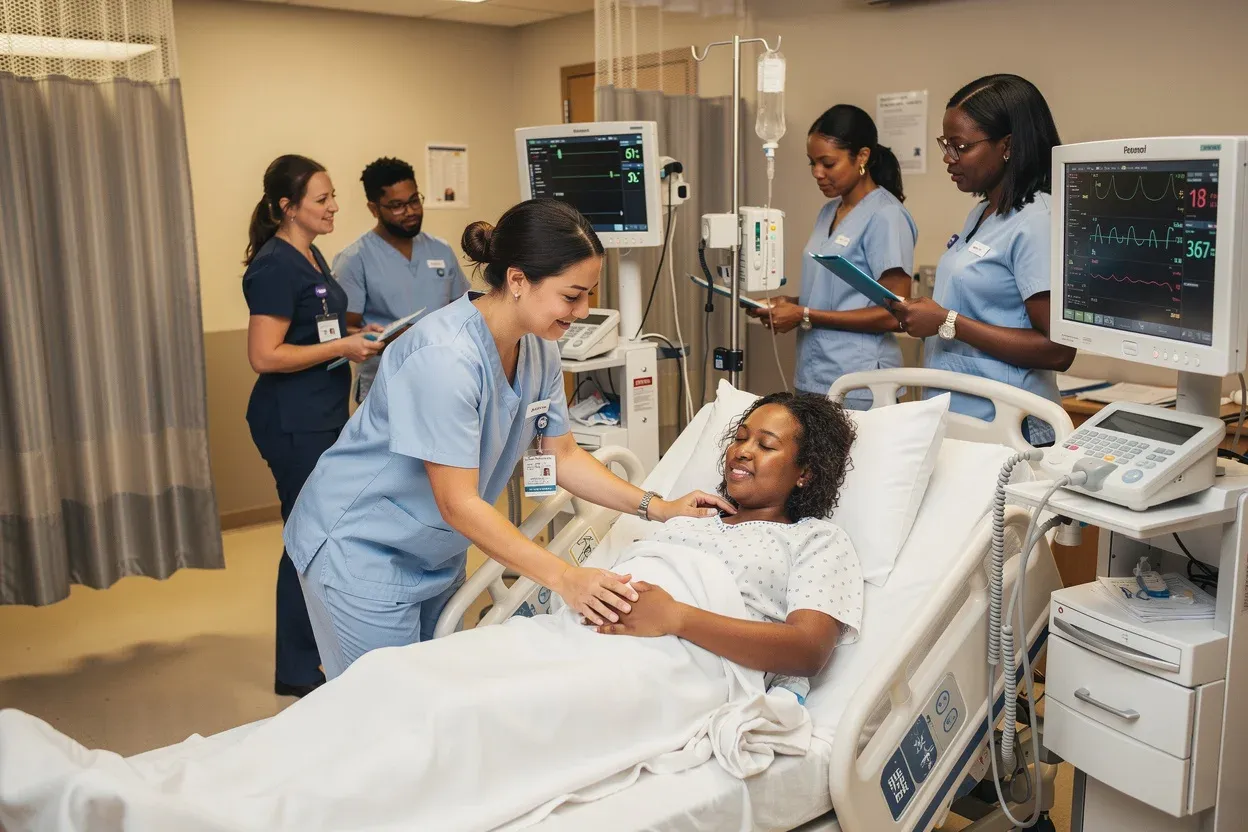
In-person clinical training within community health programs refers to supervised, direct-practice hours completed in approved real-world settings such as clinics, community organizations, or healthcare institutions. This hands-on experience-distinct from classroom instruction, simulation labs, or virtual practicums-is essential for developing practical skills in community health practice and should not be confused with theoretical coursework. Accreditation bodies like the Council on Education for Public Health (CEPH) and professional associations define this training as a mandatory, professionally and often legally required component of accredited community health programs.
These standards emphasize that in-person clinical training sharpens critical skills for community engagement, assessment, and intervention, which virtual alternatives cannot fully replicate. This requirement significantly impacts prospective students, limiting scheduling flexibility and requiring proximity to approved clinical sites. Many programs neither waive nor substitute these hands-on hours, making them a non-negotiable feature tied directly to eligibility for post-graduation licensure and certification in most states. Thus, clinical training requirements demand careful evaluation alongside tuition, faculty, and curriculum.
For those navigating this process, key considerations include the total hours required, the availability and limitations of virtual alternatives, responsibility for securing clinical placements, and the influence of accreditation on training mandates. These factors have particular relevance for working adults, geographically constrained students, and individuals facing complex personal circumstances.
- Hours Required: The total clock hours mandated by accreditation and licensing authorities.
- Virtual Alternatives: The extent remote practicums may supplement but rarely replace in-person experience.
- Placement Arrangements: Clarification of whether students or programs secure clinical sites.
- Accreditation Impact: How recognized accreditation shapes and enforces clinical training requirements.
- Practical Challenges: Considerations for working adults, students constrained by location, and those with personal hardships.
Students interested in related fields might explore PharmD online programs, which, like community health paths, often require rigorous in-person clinical training to meet licensure standards.
Understanding the in-person clinical training requirements for community health programs in the United States is essential for informed decision-making and successful program completion.
Table of contents
Is In-Person Clinical Training Legally or Professionally Required to Earn a Community Health Degree?
In-person clinical training requirements for community health degrees in the US are shaped by multiple regulatory layers-each with distinct implications for students and institutions alike. The Council on Education for Public Health (CEPH) sets foundational accreditation-level mandates that require hands-on, supervised field experiences to ensure graduates' competence. Failure to comply with these standards risks accreditation loss, which consequently disqualifies graduates from licensure in most regulated community health roles. This makes in-person clinical training an effectively mandatory component regardless of individual student circumstances or employer flexibility.
Licensing board mandates vary by state but frequently impose their own clinical hour requirements, often insisting on documented in-person hours supervised by qualified professionals. Students pursuing professional licensure must therefore verify their chosen programs meet these specific state mandates-since accreditation requirements and licensing board criteria do not always align. Programs offering virtual or hybrid clinical components may not fulfill these licensing prerequisites, seriously affecting post-graduation certification and employability.
- Accreditation-Level Mandates: CEPH demands real-world clinical placements integral to program approval and student competency.
- Licensing Board Mandates: State boards require specific, documented in-person clinical hours with supervision to qualify graduates for licensure.
- Program-Level Requirements: Some programs exceed minimums by adding extra in-person hours or specialized site placements to enhance training quality.
Students must consult three authoritative sources to navigate clinical training protocols: CEPH's published accreditation standards; their state's licensing board requirements for clinical hours and supervision; and the student handbook of their program, which outlines site eligibility, documentation, and background check policies. This triad forms the complete framework governing compliance-helping students manage logistics, fulfill hour documentation, and ensure eligibility for licensure.
Given these complexities, prospective and current students should thoroughly investigate how clinical training requirements intersect with their personal schedules and geographic constraints. Those balancing work, family, or distance considerations can explore alternative options but must prioritize meeting the concrete in-person clinical training requirements to secure professional licensure or certification.
For students comparing programs, including hybrid or online pathways, reviewing the clinical training infrastructure remains critical-particularly for those intent on licensure. Programs vary widely, so informed choices include assessing how clinical placements align with state mandates and professional standards. For related educational options, see affordable online nursing programs.

How Many Hours of In-Person Clinical Training Does a Typical Community Health Program Require?
Accredited community health programs rely on standards from established bodies like the Council on Education for Public Health and data from the National Association of Colleges and Employers to define in-person clinical training requirements. Typically, accreditation mandates a minimum of 400 to 500 clinical hours, ensuring students gain meaningful practical experience-preferably with a substantial portion involving direct service.
- Minimum Required Hours: Programs generally require at least 400 to 500 on-site clinical hours to meet accreditation expectations, emphasizing both observation and hands-on practice.
- Median Program Requirements: Most community health curricula specify between 500 and 600 hours, divided into phases:
- Practicum: Early training with supervised observation and limited direct work, usually 150 to 250 hours.
- Internship or Residency: Advanced stage focusing on independent, high-volume direct practice, typically 300 to 400 hours or more.
- Upper-End Intensives: Some rigorous programs require over 700 hours, providing deeper immersion to develop advanced clinical skills and improve licensure outcomes.
- Time Commitment: Completing approximately 600 hours over two semesters means weekly on-site commitments of around 15 to 20 hours-alongside coursework, supervision, and documentation-posing significant scheduling demands, especially for working students and those with family or geographic constraints.
- Professional Development Trade-offs: Programs at minimum hour levels offer flexibility but potentially less comprehensive skill-building; intensive programs may enhance competency and employability at the cost of greater weekly time investment.
A professional who completed his community health degree described navigating the clinical hours as "a balancing act between real-life responsibilities and academic demands." He recalled, "Managing 15 to 20 hours weekly on-site meant coordinating with my supervisor and juggling family time, which wasn't easy. But the practicum helped me build confidence through observation, and the internship pushed me to apply skills independently-each phase taught me something different." He added that thorough hour tracking and communication with clinical sites were crucial, and despite the strain, the experience ultimately felt rewarding and vital for entering the field.
Can Any Part of the Community Health Clinical Training Requirement Be Completed Online or Virtually?
Many accreditation bodies emphasize that core clinical training components-such as direct client assessment, physical intervention, and crisis response-must be conducted in-person, as these are essential for community health clinical training compliance. Virtual, telehealth, or simulation-based training typically cannot replace these essential hands-on experiences, though some limited activities may be allowed online.
- Simulation Labs: While simulation-based training can support skills development, it usually takes place in controlled campus settings and may or may not count toward required clinical hours, depending on accreditor policies. Students should verify if simulation hours are accepted as part of the minimum clinical requirements.
- Telehealth Training: Post-pandemic policies vary by state and accrediting body-some now permit virtual case consultations, documentation reviews, or secondary supervision through telehealth platforms. These activities are supplementary and generally cannot substitute primary clinical hours.
- Licensing Board Guidelines: Different states impose diverse standards on virtual clinical hours. Some boards have integrated permanent telehealth components into training mandates, while others uphold strict in-person clinical hour requirements. Prospective students must check their target state's specific rules on permissible virtual clinical hour percentages.
- Temporary Versus Permanent Policies: Emergency allowances for virtual clinical hours introduced during the COVID-19 pandemic were mostly temporary and have largely been rescinded since 2022. Current standards favor restoring in-person clinical placements while cautiously incorporating virtual elements for non-direct care tasks.
- Student Preparation: Before enrolling, students should inquire about the exact portion of clinical hours that can be completed virtually, types of eligible activities, and policy flexibility as telehealth regulations evolve.
Those needing flexible clinical options may consider programs such as the LPN accelerated program, which clearly outline virtual training allowances aligned with current accreditation and licensing board rules. When evaluating can any part of the community health clinical training requirement be completed online, it is vital to scrutinize program specifics and state-level telehealth training policies to ensure compliance and eligibility for licensure.
Who Is Responsible for Arranging Clinical Placements in a Community Health Program - the Student or the School?
Community health programs typically employ one of two clinical placement models, each shaping the student experience differently. School-arranged placements rely on formal partnerships between the program and approved clinical sites, with students assigned directly to these locations. This arrangement offers predictability and reduces administrative burdens on students.
Alternatively, student-arranged placements shift responsibility onto learners, who must proactively locate and secure their own clinical sites-always needing program approval before starting. This process demands early and thorough preparation, often beginning months ahead of clinical deadlines, and requires verifying that supervisors meet credentialing standards and agree to provide mandated supervision hours.
Key logistical considerations for student-arranged placements include:
- Advance Preparation: Early site search and vetting to meet clinical requirements.
- Supervisor Credentials: Confirming supervisors hold appropriate qualifications and availability.
- Program Approval: Securing formal consent to ensure site compliance before clinical hours commence.
- Networking Dependence: Relying heavily on personal or regional professional connections, which can be limiting for those in rural or underserved areas.
Prospective students should inquire about a program's placement resources by asking:
- Affiliation Network: Are there established agreements with sites in the student's location?
- Placement Rates: What share of students complete local placements successfully?
- Student Support: Does the program assist those struggling to find clinical sites?
- Geographic Reach: Are rural or underserved regions adequately integrated into the clinical network?
Programs lacking strong clinical site infrastructure can pose risks-students responsible for securing their own placements may face delays or failure to complete required hours, especially in less-populated areas where clinical options are sparse. Evaluating this aspect is essential for making informed enrollment decisions.
Reflecting on her experience, a professional who built her career after completing a Community Health degree recalled how navigating clinical placements was both challenging and enlightening. "I had to start scouring for sites almost a semester before my clinical hours," she said, emphasizing the pressure of balancing job hours and family commitments. "One supervisor nearly didn't qualify, and getting the program's approval took weeks of back-and-forth." Despite the hurdles, she viewed the process as an early lesson in advocacy and persistence, skills that later proved invaluable in her public health work. "It forced me to be proactive and resourceful-qualities every community health practitioner needs."

How Do Accreditation Standards Shape the In-Person Clinical Training Requirements of Community Health Programs?
Accreditation standards set clear, measurable criteria to ensure clinical training in community health programs meets professional expectations. These standards-issued by bodies like CEPH, CCNE, or the Commission on Accreditation of Healthcare Management Education-define the minimum required in-person clinical hours, typically ranging from 400 to 1,000 depending on the field and licensing needs. Students must complete and document these hours within approved clinical environments.
Supervisor Credentials: Clinical supervisors must hold appropriate licenses or certifications relevant to their field and usually have several years of professional experience. This guarantees expert guidance and consistent quality during student placements.
Supervision Ratios and Settings: Standards prescribe maximum student-to-supervisor ratios to maintain personalized oversight. Clinical hours must be completed at accredited locations-such as community health clinics, approved hospitals, or public health agencies-that serve diverse populations representative of real practice settings.
Enforcement Mechanism: Programs that fail to comply with these stringent clinical training requirements risk losing their accreditation. Without accreditation, graduates become ineligible for national certification exams and state licensure, directly impacting their ability to practice professionally.
Programmatic vs. Regional Accreditation: While regional accreditation applies to entire institutions, specialized programmatic accreditation governs the clinical training quality specific to community health programs. Regional accreditation alone does not ensure compliance with clinical training standards required for licensure.
Verification Tips: Prospective students should consult the accreditation body's online directory to confirm program status, request the latest accreditation self-study or site visit report from programs, and verify with their state licensing board that the program meets licensure eligibility criteria. This due diligence helps ensure that clinical training aligns with current professional mandates.
What Types of Clinical Settings Are Accepted for Community Health Clinical Training Hours?
Accreditation bodies and professional associations define a broad spectrum of clinical settings eligible for community health clinical training hours, ensuring students can access diverse placements suited to their needs and geographic realities. These approved settings include:
- Healthcare Systems: Large hospitals, outpatient clinics, and integrated health networks providing exposure to multidisciplinary teams and varied patient populations.
- Community Mental Health Centers: Facilities focusing on behavioral health, offering hands-on experience with mental health interventions and community support.
- Schools: K-12 and higher education institutions serving youth health promotion and preventive service roles.
- Private Practices: Solo or group practices-whether primary or specialty care-meeting supervision and documentation standards.
- Government Agencies: Local health departments and public health offices emphasizing epidemiology, policy implementation, and population health.
- Nonprofit Organizations: Community-based nonprofits involved in health education, outreach, or advocacy that provide structured clinical supervision.
- Other Relevant Settings: Including correctional facilities, faith-based health initiatives, mobile clinics, and workplace wellness programs aligned with community health competencies.
To qualify as an approved clinical site, settings must ensure direct interaction with target populations, uphold ethical standards, and provide structured, supervised clinical experiences. Supervision is generally required from a licensed professional credentialed in relevant fields like public health, nursing, or social work, who can verify hours and guide students effectively. The availability of qualified supervisors often varies by setting, influencing whether a site can meet the required supervision contact hour mandates.
Programs accepting a wider array of clinical settings enable greater placement flexibility-especially important for students in rural or underserved locations. Conversely, programs restricting clinical sites by institution type or population may limit placement options and extend completion timelines for students in smaller markets. Prospective and current students should review their program's approved site lists, analyze recent graduate placement data, and consult clinical coordinators to identify setting types that best align with their career goals and local accessibility.
How Does In-Person Clinical Training in a Community Health Program Affect Students Who Work Full-Time?
Full-time working students in community health programs often face significant challenges fulfilling in-person clinical training requirements. According to data from the NACE First-Destination Survey and studies on adult learner completion rates, many encounter scheduling conflicts that complicate their ability to complete required clinical hours alongside full-time employment. Most approved clinical sites operate during standard weekday business hours, limiting availability for students who can only attend evenings or weekends. This creates a substantial issue because employer leave policies rarely support the consistent weekly time commitment clinical training demands-an obstacle frequently underestimated at enrollment and realized only later during placement coordination.
- Scheduling Conflicts: Clinical placements generally do not accommodate nontraditional hours, forcing working students to balance job responsibilities with clinical demands and sometimes lose paid work hours to meet training obligations.
- Program Accommodations: Some community health programs address these challenges by offering extended timelines, allowing students to distribute clinical hours over additional semesters. Others establish partnerships with evening or weekend sites or arrange placements within students' employers' organizations.
- Employer Partnerships: When students are employed in relevant health settings, formal agreements between employers and programs may enable flexible scheduling or grant credit for on-the-job experience.
- Leave Policies: Certain programs provide leave-of-absence options to help students pause coursework temporarily during demanding clinical phases without losing progress.
- Questions to Ask: Prospective and current students should inquire about the percentage of peers working full time during clinicals, available scheduling accommodations, secured evening/weekend placements in their area, and extended completion timelines that allow balancing work and training.
Given the realities of balancing full-time employment and clinical training requirements in community health programs, students must carefully evaluate program offerings before enrolling. Understanding clinical site hours, placement logistics, and program-level support is essential to successfully managing in-person clinical training demands. For those seeking flexibility while pursuing certification and hands-on experience, exploring the best medical assistant programs can provide valuable options that recognize working adults' scheduling needs.
Do Hybrid or Online Community Health Programs Still Require In-Person Clinical Training?
Hybrid or online community health clinical training in-person mandates remain firmly in place despite flexible coursework delivery. Accreditation bodies and state licensing boards require students to demonstrate clinical competencies through direct, supervised, hands-on practice-experiences that virtual simulations or online coursework alone cannot fulfill. This regulatory approach ensures that while academic content can be accessed remotely, clinical training remains an essential, in-person component necessary for licensure eligibility and professional readiness.
Most online community health programs employ a logistical model where students complete academic work remotely but fulfill clinical hours at approved local sites in their home geographic area. These sites must meet credentialing standards and be supervised by qualified professionals familiar with licensing criteria. The program's clinical placement office often supports coordination. This distributed clinical model allows students geographic flexibility-crucial for balancing work and family-but also carries risks, such as inconsistent site quality and variable supervisor qualifications by location.
- Accreditation and Licensing: In-person clinical training is mandated to ensure mastery of competencies in real-world clinical settings beyond theoretical knowledge.
- Clinical Placement Logistics: Students complete clinical hours at locally approved sites supervised by credentialed professionals, supported by institutional placement coordination.
- Advantages: Geographic flexibility lets students balance studies with personal responsibilities.
- Risks: Variability in clinical site quality and supervisor expertise depending on location.
- Evaluation Advice:
- Confirm if the program has formal clinical partnerships in your geographic area.
- Inquire about site vetting and supervisor credentialing protocols.
- Assess clinical coordination support offered to remote students.
- Request documented placement success rates across multiple geographic markets beyond the institution's metro area.
Prospective students should scrutinize these elements before enrolling in hybrid community health programs to avoid pitfalls in clinical training completion. Meeting these in-person clinical requirements is critical-since incomplete or unverified clinical hours can jeopardize post-graduation licensure and certification outcomes. For those seeking pathways that balance rigorous practice and flexible study, exploring options like the shortest online nurse practitioner program may offer insight into accelerated yet compliant clinical preparation routes.
How Far in Advance Do Community Health Students Typically Need to Secure Their Clinical Placement Sites?
Students in community health programs need to secure clinical placement sites at least three to six months before their clinical semester begins-a time frame that reflects the complexity of the process. Multiple tasks must be completed simultaneously before any clinical hours count, often requiring more lead time than students anticipate.
- Site Identification: Locate clinical sites that meet accreditation standards and program goals.
- Application Submission: Apply to several sites early, since popular locations fill quickly.
- Site Interviews and Supervisor Agreements: Attend interviews and secure formal agreements, both of which can be delayed by scheduling conflicts.
- Background Checks and Health Screenings: Complete mandatory clearances that can take weeks and directly affect timelines.
- Liability Insurance: Provide proof of coverage required for placement approval, involving coordination with insurance providers.
- Program Approval: Obtain official approval from the clinical coordinator, ensuring all requirements are met.
Late starts often lead to filled slots, extended background check wait times, or additional approval rounds-each risking semester deferral, longer program duration, and extra tuition costs. Proactively planning backward from the clinical start date helps avoid these pitfalls.
- Site Identification: 3-4 months before clinical semester.
- Application and Interview: 2-3 months ahead.
- Background Checks and Health Screening: Minimum of 6-8 weeks.
- Liability Insurance and Program Approval: At least 4 weeks prior.
This timeline encourages managing placement requirements early-helping students navigate logistical and professional demands without unexpected delays in their clinical training.
What Background Check, Health, and Liability Requirements Must Community Health Students Meet Before Starting Clinical Training?
Before starting in-person clinical training, community health students must meet several mandatory prerequisites to ensure safety, compliance, and professionalism within clinical environments. These requirements should be initiated at application or early in the first semester to avoid delays.
- Background Checks: Required by accreditation bodies and state licensing boards, these include criminal history screenings, often with fingerprinting and drug tests. Processing times vary from two to eight weeks, making early submission essential to avoid clinical placement delays.
- Health Screening and Immunizations: Verification of current immunizations-such as MMR, Tdap, Hepatitis B, and influenza-is needed to meet infection control policies at clinical sites. Additional mandates may include tuberculosis testing and N95 respirator fit testing. Retrieving medical records or obtaining catch-up vaccines can extend preparation time.
- Professional Liability Insurance: Malpractice insurance is mandatory to protect students and clinical facilities from liability arising from clinical practice errors. Students must secure this through approved carriers prior to placement.
- HIPAA Training: Completion of privacy and security training is required before accessing any protected health information, ensuring students understand legal and ethical responsibilities.
- Site-Specific Requirements: Clinical sites often impose additional criteria beyond program standards. For example, hospital settings may demand extra drug screenings, flu vaccinations, or respirator fit tests, while educational sites might require state-specific fingerprinting and child abuse clearances. Students should consult assigned clinical sites to obtain exact requirements and allow sufficient time for compliance.
Students must allocate sufficient time and resources early on to navigate these layered requirements-failure to do so can delay clinical start dates and impact graduation licensure timelines significantly.
What Graduates Say About the Community Health Programs That Require In-Person Clinical Training
- Sebastian: "The accreditation mandates for our community health program were rigorous but reassuring-knowing the clinical training met such high standards gave me confidence in my education's credibility. The required clock hours were demanding, yet they ensured I gained real, hands-on experience that textbooks alone can't provide. Without navigating the placement logistics myself, I wouldn't have realized how instrumental the support team was in securing sites that matched my career goals. "
- Jodi: "Reflecting on my time in community health, I found that geographic constraints presented a surprising challenge-finding nearby clinical placements was tough, especially balancing my personal commitments. However, those constraints pushed me to explore diverse settings I otherwise wouldn't have considered, enriching my perspective. The impact of clinical training on licensure eligibility really stood out-completing those hours was not just a box to check, but the essential bridge to practicing professionally. "
- Evelyn: "From a practical standpoint, understanding placement logistics was crucial-the detailed coordination ensured I could fulfill the program's requirements without unnecessary delays. Accreditation mandates shaped how the clinical components were structured, reinforcing the program's integrity and helping me prepare for certification exams. Importantly, the required clock hours of face-to-face training directly influenced my post-graduation certification eligibility, which was vital for advancing my career. "
Other Things You Should Know About Community Health Degrees
Geographic location significantly influences both the availability and the quality of clinical training sites for community health programs. Urban areas typically offer a wider variety of clinical settings-such as hospitals, community clinics, and nonprofit organizations-providing diverse hands-on experiences. In contrast, rural or remote locations may have fewer approved training sites, which can limit opportunities and potentially impact the range of skills a student can acquire during their clinical hours.
In-person clinical hours are generally mandatory for accreditation and licensure in community health programs, with few exceptions. Some programs may offer limited virtual simulations or alternative placements during exceptional circumstances-such as public health emergencies-but these are usually insufficient to replace all required in-person training. Waivers are rare and typically require documentation of extenuating circumstances; students should consult their program's policies and accrediting bodies for specific guidance.
Completion of in-person clinical training is a crucial requirement for eligibility to sit for licensure and certification exams in community health professions. Accreditation bodies and state licensing boards mandate documented clinical hours to ensure graduates have practical experience. Failure to fulfill these requirements can delay or prevent certification and licensure, effectively impacting a graduate's ability to practice professionally.
Prospective students should review whether the program has established partnerships with diverse and accredited clinical sites that align with their career goals. It is important to inquire about site availability in their geographic area, supervision quality, and the support provided for background checks and scheduling. Additionally, verifying whether the program clearly outlines the number of required clinical hours and how it assists with placement logistics gives insight into the program's readiness to support successful clinical completion.
References
- OAR 409-030-0220 – State and Nationwide Criminal Background Checks https://oregon.public.law/rules/oar_409-030-0220
- Clinical Training Opportunities at Community Health - Community Health https://www.chcrr.org/clinical-preceptorship-at-community-health/
- Free, Online Community Health Worker (CHW) Educational Training https://phennd.org/update/free-online-community-health-worker-chw-educational-training/
- Understanding Healthcare Accreditation Requirements: By Service Line | CHAP https://chapinc.org/blog-news/understanding-healthcare-accreditation-requirements/
- From Classroom to Clinic: Why Hands-On Community Training Matters... https://www.themedicportal.com/blog/from-classroom-to-clinic-why-hands-on-community-training-matters-more-than-ever/
- Community Health Worker https://explorehealthcareers.org/careers/allied-health-professions/community-health-worker/
- How to Gain Patient Care Experience Before PA School https://advclinical.org/blog/how-to-gain-patient-care-experience/
- Should a premed become a community health worker to get clinical experience? https://academy.capyear.co/blog/community-health-worker
- Accreditation https://www.jointcommission.org/en-us/accreditation
- Partners’ Community Health Worker Training Classes | Partners In Care Foundation https://www.picf.org/workforce-development-training-center/chw-training-lessons/