2026 Entry-Level Jobs With a Forensic Nursing Degree

Co-Founder and Chief Data Scientist
What entry-level jobs are available with a forensic nursing degree? Recent graduates often seek beginner roles that combine healthcare skills with legal and investigative work. The forensic nursing field is projected to grow by 15% over the next decade, reflecting increased demand for professionals trained in evidence collection and victim support.
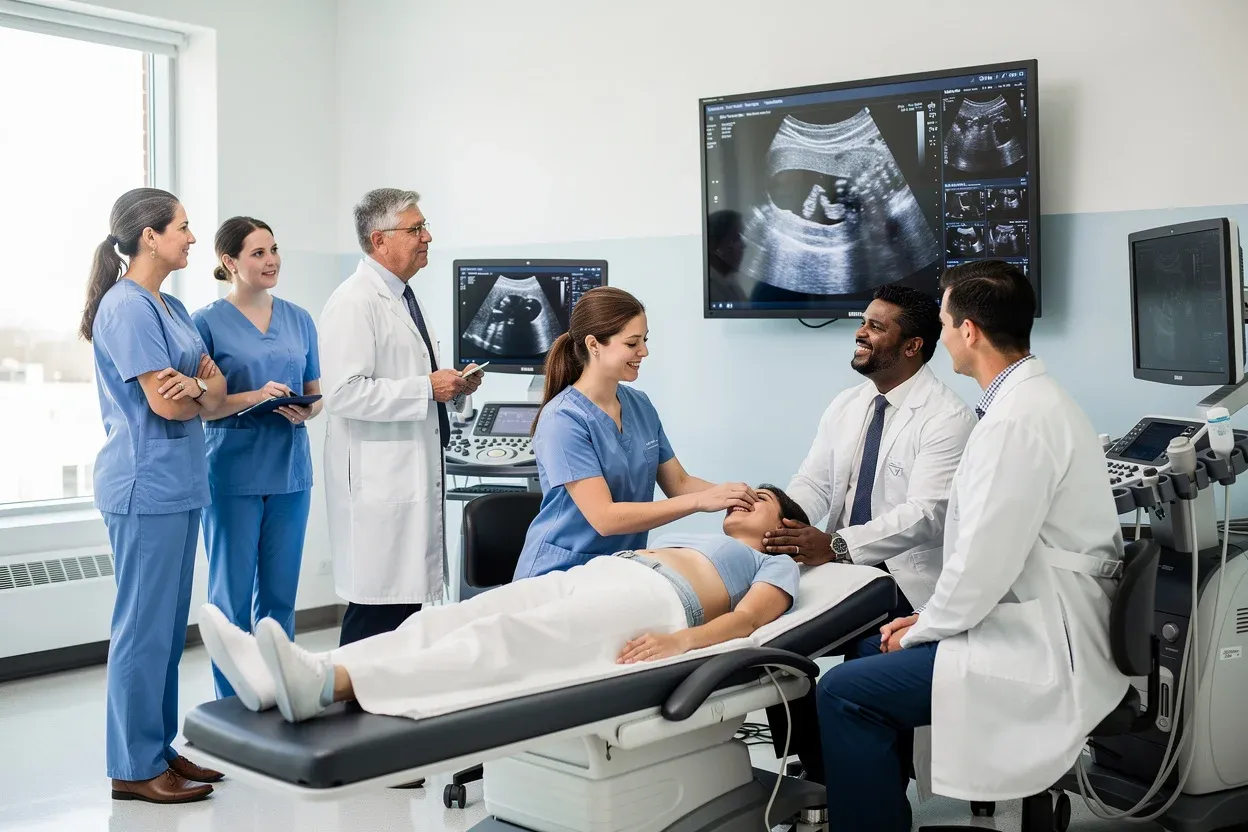
Entry-level jobs typically include sexual assault nurse examiner (SANE) positions, medical forensic examiner assistants, and roles in community health programs. Understanding these opportunities helps graduates navigate the competitive job market. This article explores key beginner roles and job opportunities for those starting their careers with a forensic nursing degree.
Key Benefits of Entry-Level Jobs With a Forensic Nursing Degree
- Entry-level jobs provide hands-on experience in forensic nursing, essential for mastering specialized techniques required in crime scene analysis and patient care.
- These roles offer clear pathways for career advancement, with many graduates progressing to certified forensic nurse examiner or legal nurse consultant positions.
- Starting positions enable graduates to build professional networks and enhance resumes, increasing employability in a competitive field expected to grow 26% by 2030.
What Entry-Level Jobs Can You Get With a Forensic Nursing Degree?
About 60% of graduates with a forensic nursing degree find entry-level positions within the first year, reflecting steady demand for foundational roles in this field. These jobs offer essential experience that helps build skills applicable across forensic nursing career opportunities for graduates. Below are several common entry-level roles that provide valuable professional development.
- Forensic Nurse Examiner: This position involves conducting thorough physical assessments and collecting evidence from victims of violence, such as sexual assault or abuse. It helps graduates develop critical clinical and investigative skills necessary for interfacing between healthcare and the legal system.
- Victim Advocate: Working in medical or legal settings, victim advocates provide emotional support and inform patients of their rights while assisting them through healthcare or judicial processes. This role strengthens communication abilities and fosters a trauma-informed approach to patient care.
- Medical Record Reviewer: These specialists focus on compiling and reviewing medical data related to injury cases for legal use. Attention to detail and familiarity with medical-legal documentation are key skills refined in this role, supporting accuracy in forensic nursing documentation.
- Clinical Research Assistant: Assisting in forensic healthcare studies, this role involves data collection, patient recruitment, and maintaining research protocols. It broadens scientific knowledge and can serve as a stepping stone to research-focused positions within forensic nursing.
Those seeking a path to enter forensic nursing may also explore easy nursing programs that facilitate foundational education and credentialing for this growing healthcare discipline.
Table of contents
Which Industries Hire the Most Forensic Nursing Graduates?
Forensic nursing graduates enter a variety of industries that value their unique blend of healthcare and legal expertise. About 60% of these graduates find employment in clinical healthcare settings, highlighting strong demand where medical and forensic knowledge intersect. Several key sectors lead in hiring forensic nursing degree holders, each offering distinct roles aligned with their specialized skills.
- Healthcare: Hospitals and trauma centers are primary employers of forensic nurses, where they support victims of violence and abuse through examinations, evidence collection, and legal testimony. These roles are critical in bridging patient care and legal documentation.
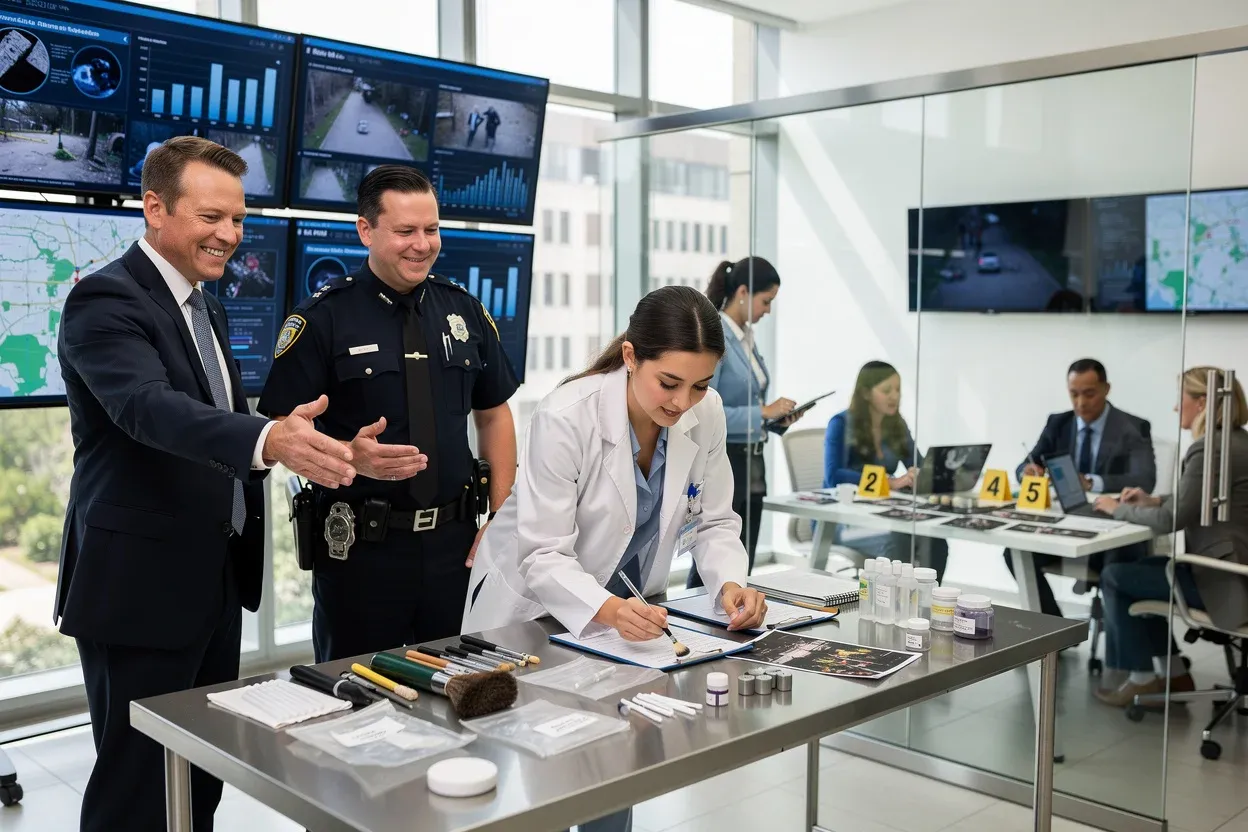
- Law Enforcement: Police departments and sheriff's offices recruit forensic nurses to assist with investigations involving sexual assault, child abuse, and death scenes. Forensic nurses collaborate closely with detectives and forensic specialists, providing essential medical insight for criminal cases.
- Legal System: Forensic nurses often work with attorneys and victim advocacy groups, delivering expert witness testimony and helping interpret medical evidence in court. Their involvement strengthens both prosecution and defense efforts in criminal justice proceedings.
- Correctional Facilities: Prisons and juvenile detention centers employ forensic nurses to address inmate health needs related to violence and abuse while ensuring proper forensic documentation for legal actions.
- Public Health Agencies: These agencies hire forensic nursing graduates to develop violence prevention programs and community outreach initiatives, utilizing their combined healthcare and forensic expertise to shape policy and education.
When asked about industries hiring the most forensic nursing graduates, a professional with this degree shared how the challenges of working in corrections involved balancing medical care with legal requirements. He explained, "Being a forensic nurse in a prison setting demands attention to both the health conditions of inmates and the detailed documentation needed for justice. It's emotionally intense because you see the realities behind the incarceration, and the role requires building trust while maintaining objectivity." This firsthand perspective underscores the complexity and importance of forensic nursing roles across diverse sectors.

Which Entry-Level Forensic Nursing Jobs Pay the Highest Salaries?
Salaries for entry-level positions in forensic nursing differ widely depending on the specific duties and expertise required. Roles with more specialized responsibilities and direct involvement in legal procedures tend to offer higher pay for recent graduates. Below are several of the top-paying entry-level positions for forensic nursing graduates.
- Sexual Assault Nurse Examiner (SANE): These nurses provide expert care to sexual assault survivors, collecting forensic evidence and thoroughly documenting injuries. Due to the advanced training and sensitive nature of the work, SANEs typically start with salaries between $60,000 and $75,000, reflecting the role's technical demands and emotional challenges.
- Forensic Nurse Investigator: Working alongside law enforcement agencies, these nurses gather clinical evidence to support criminal investigations. Their involvement in legal processes and investigative duties generally leads to entry-level pay ranging from $55,000 to $70,000.
- Forensic Psychiatric Nurse: Focused on assessing the mental health of individuals involved in the criminal justice system, these nurses perform forensic evaluations and patient care. Salaries for newcomers usually fall between $58,000 and $68,000, combining psychiatric expertise with forensic knowledge.
- Emergency Department Forensic Nurse: Managing initial trauma assessments and evidence collection, these nurses blend acute care with forensic responsibilities. Entry-level pay in this position commonly ranges from $50,000 to $60,000, reflecting the dual nature of the role.
- Forensic Medical Examiner Assistant: Assisting medical examiners with case preparation and administrative tasks, this role involves fewer clinical duties and typically starts with salaries around $45,000 to $55,000.
What Skills Do Employers Look for in Entry-Level Forensic Nursing Graduates?
Employers hiring entry-level forensic nursing graduates seek candidates who demonstrate a balance of practical skills and interpersonal abilities beyond academic achievements. Studies show that about 65% of employers identify a gap in communication and clinical judgment among new graduates. These workforce gaps highlight the importance of specific competencies valued by employers.
The essential skills include:
- Clinical Assessment and Evidence Collection: Graduates must efficiently conduct physical exams and collect forensic evidence accurately. This ability is critical to maintaining legal standards and ensuring that cases are supported by reliable data.
- Attention to Detail: Employers prioritize candidates who document findings meticulously. Small inaccuracies can jeopardize investigations, making precision vital in forensic nursing roles.
- Effective Communication: Strong communication skills enable nurses to interact compassionately with patients and collaborate effectively with law enforcement and legal teams. This skill is crucial for gathering accurate information and promoting interdisciplinary cooperation.
- Emotional Resilience: Handling traumatic cases requires emotional stability to provide empathetic care without burnout. Nurses who maintain professionalism under stress are highly valued by employers.
- Critical Thinking and Problem-Solving: The ability to assess complex, ambiguous situations quickly and make informed decisions is essential in forensic nursing settings.
Employers often use behavioral interviews and practical simulations to identify these skills in candidates. For graduates interested in enhancing their qualifications, exploring the cheapest RN to BSN online Texas programs can provide valuable pathways to bridge skill gaps and gain relevant certifications and internships for forensic nursing graduates.
Do Employers Hire Forensic Nursing Graduates With No Internships?
Employers often value internship experience when hiring entry-level forensic nursing graduates, as it demonstrates practical skills and exposure to real-world cases. A 2022 survey from the National Forensic Nursing Workforce Center found that about 68% of employers prefer candidates who have completed relevant clinical internships. While internships can enhance a resume, they are not a universal requirement. Hiring decisions typically consider a range of qualifications beyond just internship participation.
Graduates without internships can still compete by highlighting strong academic records, relevant coursework, and transferable skills such as critical thinking and communication. Involvement in research projects or clinical simulations related to forensic nursing also helps demonstrate capability. Since employer expectations and job requirements vary widely, candidates showing competence through alternative experiences remain viable for many forensic nursing roles.

What Certifications Help Entry-Level Forensic Nursing Graduates Get Hired?
Certifications are a key asset that can strengthen a forensic nursing degree by verifying specialized skills and improving job prospects. A 2022 survey by the International Association of Forensic Nurses found that 68% of hiring managers prefer candidates who hold relevant certifications, underscoring their importance in early career success. Below are several certifications that significantly boost employability for entry-level forensic nursing graduates.
- Sexual Assault Nurse Examiner (SANE-A and SANE-P): These certifications certify expertise in caring for adult/adolescent and pediatric sexual assault victims, respectively, and ensure proficiency in forensic evidence collection. Employers expect SANE certification as a fundamental credential for clinical competence in forensic healthcare settings.
- Basic Forensic Nursing Certification (BFN): This credential covers the basics of forensic nursing, including crime scene protocols and legal documentation. It signals that a graduate is prepared for foundational forensic responsibilities and supports roles in healthcare and law enforcement collaboration.
- Certified Forensic Nurse (CFN): The CFN demonstrates broad competency in forensic assessments, injury analysis, and expert testimony. It is valuable for graduates who aim to join multidisciplinary forensic teams and handle diverse casework.
- Certified Sexual Assault Nurse Examiner (CSANE): This certification reflects advanced skills in trauma-informed care, evidence handling, and courtroom testimony, making it ideal for candidates working directly with victims and the legal system.
- Forensic Nurse Examiner (FNE): FNE focuses on practical forensic nursing aligned with investigations, such as injury documentation and maintaining chain of custody, giving employers confidence in a candidate's attention to detail and forensic workflow.
A professional with a forensic nursing degree shared that obtaining these certifications was essential but emotionally demanding. She explained the challenge of balancing rigorous coursework with hands-on training and test preparation, remarking, "Each certification felt like a milestone that confirmed my readiness to support victims while navigating complex legal and medical environments."
She added that employers valued her certifications more than just her academic record, noting how these credentials opened doors to specialized clinical experiences early in her career. This firsthand insight highlights how certifications not only enhance job applications but also build self-assurance in forensic nursing practice.
How Can Students Prepare for Entry-Level Forensic Nursing Jobs While in College?
Employers in healthcare often look for graduates who have practical experience and a thorough understanding of forensic nursing before hiring. In fact, 78% of healthcare employers prefer candidates with hands-on learning completed during their studies. Early career preparation not only builds confidence but also improves job prospects after graduation. Consider the following strategies to enhance your readiness while still in college.
- Gain Practical Experience: Seek clinical rotations or volunteer roles in forensic settings. This exposure helps develop essential skills and familiarizes you with real-world casework scenarios.
- Develop Core Skills: Focus on honing technical abilities such as evidence collection and medical documentation alongside soft skills like communication, critical thinking, and empathy. Both are critical for effective patient care and legal processes.
- Engage in Academic Projects: Participate in research or class assignments related to forensic nursing topics. Such involvement deepens your knowledge and highlights your proactive commitment to the field.
- Use Campus Resources: Take advantage of resources like career services, simulation labs, and student organizations dedicated to forensic nursing. These provide valuable networking opportunities and practical skills development.
Integrating these activities into your education can help bridge theory and practice, making you a more competitive candidate for entry-level positions in forensic nursing.
How Competitive Is the Entry-Level Job Market for Forensic Nursing Graduates?
The entry-level job market for forensic nursing graduates is moderately competitive, with demand for qualified professionals often tempered by a surplus of applicants. A 2022 survey by the International Association of Forensic Nurses found that about 65% of recent graduates secured jobs within their first year, demonstrating steady but selective hiring. This balance shapes early career opportunities for forensic nursing graduates as they navigate a competitive field. Several factors influence how challenging it can be to obtain entry-level roles.
Applicant volume plays a crucial role in this competitiveness, as many candidates now seek positions due to growing interest in forensic nursing programs. Employers typically expect more than just academic credentials; clinical experience and understanding of legal and investigative processes are highly valued. The level of competition also varies by role type. For example, hospital-based sexual assault nurse examiner positions attract many applicants, whereas openings in law enforcement or medical examiner offices tend to be fewer and more selective.
Regional differences further impact opportunities, with some areas offering more roles but also drawing applicants from wider geographic regions. In parallel, prospective professionals often research related healthcare careers, such as exploring how much does a medical coder make, to understand broader job market landscapes.
What Remote Entry-Level Jobs Can You Get With a Forensic Nursing Degree?
The rise of remote work has significantly increased opportunities for entry-level professionals with a forensic nursing degree. Between 2020 and 2023, remote healthcare job listings grew by over 50%, reflecting greater acceptance of virtual work in specialized fields. This growth has created a range of forensic nursing remote jobs for beginners, offering flexible career options for new graduates.
- Telehealth Forensic Nurse Consultant: This role involves providing remote consultations on forensic cases, collaborating virtually with law enforcement or legal teams. Nurses evaluate cases remotely and educate clients about injury documentation, helping build foundational forensic and communication skills.
- Remote Medical Records Analyst: Nurses in this position review medical records for forensic accuracy from a distance, ensuring documentation completeness and identifying key clinical details. This role hones analytical and forensic documentation skills essential for early-career development.
- Forensic Case Coordinator (Remote): Coordinators manage communications between medical, legal, and investigative parties remotely. Responsibilities include maintaining case files and scheduling virtual meetings, which enhance organizational and interdisciplinary collaboration abilities for beginners.
- Online Educator or Content Developer: Forensic nursing graduates may develop educational materials or teach forensic concepts online. This position strengthens instructional skills while allowing experts to share knowledge through virtual platforms.
Remote Victim Advocate with Clinical Expertise: This role offers medical guidance and emotional support to victims via phone or video, connecting them to resources. It is ideal for applying clinical knowledge in empathetic communication and crisis management remotely.
New forensic nursing graduates interested in expanding their skillset might also explore opportunities linked to an online ultrasound tech school, which can complement their remote work capabilities.
How Quickly Can Forensic Nursing Graduates Get Promoted?
Promotion speed for forensic nursing graduates is shaped by individual performance, accumulated experience, and the employing organization's structure. Typically, entry-level forensic nursing roles see their first promotion within two to four years, although this timeline can fluctuate. Early-career professionals who quickly develop specialized skills and demonstrate clinical judgment tend to move up faster. On average, the pace of advancement reflects both the ability to handle complex cases and active participation in multidisciplinary teams.
Factors that affect how quickly forensic nursing graduates climb the career ladder include ongoing skill enhancement, consistently strong workplace contributions, and leadership shown in investigative or clinical environments. The complexity of assigned cases and the availability of specialized roles also influence promotion timing. Since forensic nursing careers span various settings-from hospitals to law enforcement agencies-promotion timelines vary significantly by employer and job role.
Individuals interested in furthering their education might consider exploring online kinesiology programs to complement their skill set and expand advancement opportunities.
What Graduates Say About Entry-Level Jobs With a Forensic Nursing Degree
- Khai: "Starting my career in forensic nursing was both thrilling and challenging. When applying for entry-level roles, I found that onsite positions offered the best hands-on experience, which was crucial for building my practical skills. Choosing a job that emphasized mentorship really helped me feel supported, and this foundation has already opened the door to more advanced opportunities."
- Julio: "Reflecting on my journey, I realized that flexibility was key when considering entry-level roles in forensic nursing. I opted for a hybrid position, which allowed me to balance clinical work with remote case documentation. This approach not only enhanced my time management but also proved essential in shaping a well-rounded career path."
- Jayden: "My experience entering the forensic nursing field taught me the importance of aligning a job with long-term goals. I focused on roles within larger healthcare organizations that could offer diverse case exposure and professional development. This strategic choice has accelerated my career growth and broadened my perspective on the impact of forensic nursing in the justice system."
Other Things You Should Know About Forensic Nursing Degrees
Entry-level forensic nursing professionals often begin their careers in environments such as hospitals, sexual assault response centers, and law enforcement agencies. These settings provide opportunities to apply clinical skills while collaborating with multidisciplinary teams. New graduates may also work in community health organizations that focus on victim support and outreach.
Most entry-level forensic nursing roles are full-time, reflecting the need for consistent availability in clinical and investigative settings. However, part-time and per diem positions can also be found, especially in larger medical centers and specialized clinics. Flexibility in scheduling is often necessary due to the unpredictable nature of forensic cases.
Typically, new forensic nurses receive specialized training in evidence collection techniques, legal documentation, and courtroom testimony. Many employers provide structured orientation programs that include supervised clinical practice alongside experienced forensic nursing staff. Continuing education is also encouraged to maintain competence with evolving forensic protocols.
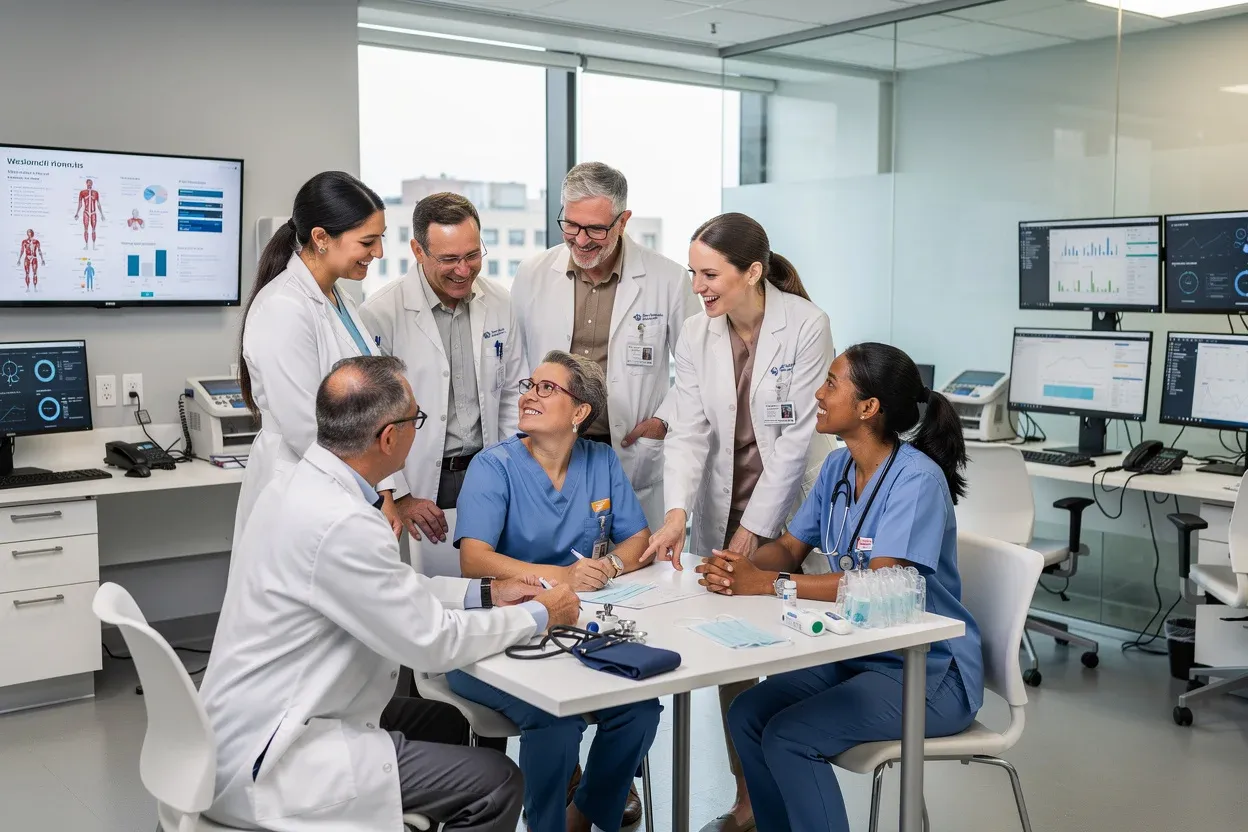
Collaboration is essential in forensic nursing roles, as nurses must work closely with law enforcement, legal professionals, and social workers to ensure comprehensive care and proper handling of cases. Effective communication and teamwork skills are critical from the outset, facilitating accurate evidence collection and victim advocacy. This multidisciplinary interaction is a fundamental aspect of entry-level positions.
References
- Will I be able to get some jobs with no experience? or contingent of passing the NCLEX? I am currently a Nursing student, graduating in May | Incredible Health https://www.incrediblehealth.com/nurse-advice/questions/92793653/will-i-be-able-to-get-some-jobs-with-no
- Forensic Nursing: A Comprehensive Guide - Madonna https://absn.madonna.edu/blog/forensic-nursing/
- 7 Essential Forensic Nurse Interview Questions to Ask https://credenzahealth.com/facilities/resources/7-essential-forensic-nurse-interview-questions
- Forensic nurse specialist: what I do at work | RCN Magazine | Royal College of Nursing https://www.rcn.org.uk/magazines/Career/2025/Feb/What-I-do-at-work-forensic-nurse-specialist
- Forensic Nurse Salary, Career Outlook & Education Requirements https://www.forensicscolleges.com/careers/forensic-nurse
- 3 Top Reasons You Should Become a Forensic Nurse https://www.edumed.org/articles/reasons-to-become-a-forensic-nurse/
- Forensic Nurse Certification Program https://aihcp.net/forensic-nurse-specialist-certification-program/
- Forensic Nurse Expert – IAFN SANE-P Specialty at [Hidden Company] https://dailyremote.com/remote-job/forensic-nurse-expert-iafn-sane-p-specialty-4654036
- Forensic Nurse: Career Guide, Salary, Certifications & More | Trusted Health https://www.trustedhealth.com/nursing-specialties-guide/forensic-nurse
- What Can You Do With MSN - Forensic Nursing? - Aspen University https://www.aspen.edu/altitude/what-you-can-do-with-forensic-nursing-msn/