2026 Industries Hiring Graduates With a Biomimicry Degree

Co-Founder and Chief Data Scientist
Where can graduates with a biomimicry degree find meaningful employment? As the demand for sustainable design and innovation grows, jobs for biomimicry degree holders are expanding across diverse sectors, including environmental consulting, product design, and renewable energy. Approximately 45% of biomimicry graduates enter industries focused on sustainability and innovation, reflecting a rising need for their specialized skills. Understanding where graduates typically work can help recent graduates and career changers navigate the evolving job market effectively. This article explores the industries hiring graduates with a biomimicry degree, offering valuable insights into viable career opportunities within this dynamic field.
Key Benefits of Industries Hiring Graduates With a Biomimicry Degree
- Industries hiring graduates with a biomimicry degree offer diverse career opportunities, fostering employment flexibility across sectors like sustainability, design, and engineering.
- Growing industry demand for biomimicry skills supports long-term career growth and professional stability amid evolving environmental challenges.
- Cross-industry work enables graduates to develop transferable skills, broadening their expertise and enhancing adaptability in competitive job markets.
What Industries Have the Highest Demand for Biomimicry Majors?
Employer demand for biomimicry majors varies significantly across industries focused on sustainable innovation and nature-inspired problem solving. A recent industry survey found that 40% of companies investing in green technology prioritize hiring graduates with biomimicry expertise to enhance product design and operational efficiency. Below are some of the top sectors actively recruiting professionals with this specialized degree.
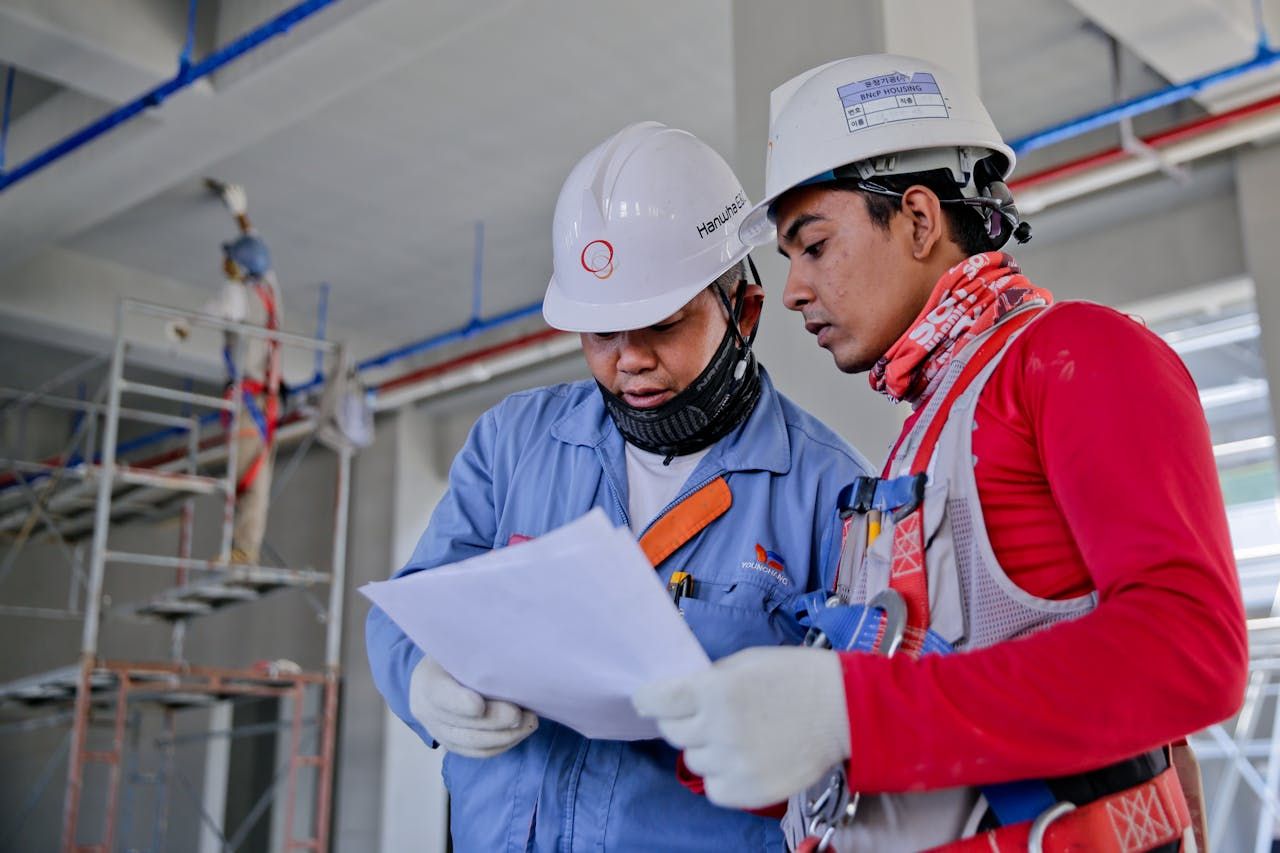
- Architecture and Construction: This industry increasingly integrates biomimicry to develop sustainable building techniques that mimic natural processes like ventilation and water management. Employers seek biomimicry majors to drive innovation in energy-efficient design and materials, reducing environmental impact while improving building performance.
- Product Design and Manufacturing: Companies focused on environmentally friendly goods value biomimicry for its role in creating durable and resource-efficient products. Biomimicry knowledge helps streamline development by applying nature-based solutions that optimize lifecycle sustainability and reduce waste.
- Renewable Energy: The renewable energy sector leverages biomimicry to enhance technology efficiency, such as turbine blades modeled after bird wings or whale fins. This approach has contributed to measurable gains, with firms reporting a 15% average increase in operational efficiency through nature-inspired innovations.
- Environmental Consulting: Sustainability-focused firms hire biomimicry graduates to design ecosystem restoration projects and develop strategies that balance human activities with environmental health. Expertise in biomimicry supports regulatory compliance and helps companies meet ambitious climate resilience goals.
For students considering interdisciplinary options, exploring an online pharmacy school might offer additional career flexibility in fields blending life sciences and applied research.
Table of contents
Which Industries Have the Strongest Job Outlook for Biomimicry Graduates?
Job outlook for biomimicry graduates is shaped by multiple factors, including industry growth trends, workforce demand, and projected hiring needs. The sustainable product design market alone is expected to surpass $500 billion by 2027, highlighting the expanding opportunities for professionals in biomimicry-related fields. The following industries showcase the strongest demand and growth potential for graduates with biomimicry expertise.
- Sustainable Product Design and Manufacturing: This sector faces rising pressure to reduce environmental impacts and integrate circular economy principles. Biomimicry professionals who develop nature-inspired prototypes are highly sought after due to regulatory shifts and evolving consumer preferences.
- Clean Energy and Environmental Technology: Rapid expansion in clean technology investments, exceeding $500 billion globally, drives demand for graduates who innovate energy-efficient systems like solar harvesting and water purification rooted in natural processes.
- Architecture and Urban Planning: The push toward green building practices and smart cities fuels growth in the use of nature-based design to enhance energy efficiency, resilience, and occupant well-being, creating roles for biomimicry specialists.
- Biotechnology and Materials Science: With annual growth rates above 10%, this field benefits from bio-inspired materials and synthetic biology advances. Biomimicry knowledge bridges biology with engineering and chemistry, supporting rapid innovation.
- Agricultural Technology: Climate change pressures and food security needs have increased adoption of biomimicry techniques like ecosystem-based pest control and soil regeneration, making this industry a growing employer of biomimicry graduates.

What Entry-Level Jobs Are Available for Biomimicry Graduates?
Entry-level roles serve as crucial stepping stones for biomimicry graduates, enabling the application of academic concepts to real-world challenges while gaining interdisciplinary experience. Notably, more than 60% of recent graduates in biomimicry-related fields land entry-level positions within six months, highlighting steady demand in sustainability and innovation sectors. Below are common beginner roles that support foundational growth in this evolving profession.
- Research Assistant: This role involves supporting scientific investigations by gathering and analyzing data linked to natural systems. Working mostly in academic or corporate labs, research assistants aid in experiments that reveal biological strategies, honing skills in data analysis and experimental design essential for biomimicry development.
- Junior Sustainability Consultant: Graduates help organizations incorporate biomimetic approaches into environmental initiatives, assessing materials and processes for sustainability impacts. This position builds experience in interpreting biological insights to improve eco-friendly business solutions.
- Product Development Associate: Involved in the creation of bio-inspired products, these associates assist with prototype testing, conduct literature research on natural phenomena, and liaise with engineering teams, gaining hands-on knowledge of how biology informs design innovation.
- Environmental Educator: Working with nonprofits or schools, educators promote understanding of biomimicry principles through curriculum development, workshops, and community outreach, enhancing communication skills and public engagement in sustainability.
- Laboratory Technician: Positioned in research labs focused on bioengineering or material sciences, technicians maintain equipment and oversee testing that replicates biological functions, strengthening technical competencies vital to biomimicry research protocols.
A biomimicry graduate I spoke with described the early career journey as "both exciting and challenging," emphasizing how entry-level roles required patience and adaptability. He recalled initially feeling overwhelmed by the breadth of interdisciplinary knowledge but found that hands-on involvement in lab work and consulting projects rapidly deepened his understanding. "Walking the line between biology and engineering demanded constant learning," he reflected, noting that direct collaboration with experts helped bridge his academic background with industry applications. This gradual immersion, he said, was key to building confidence and competence in the field's unique demands.
What Industries Are Easiest to Enter After Graduation?
Industries that are easier for recent biomimicry graduates to enter typically have high demand for entry-level roles, accept a wide range of academic backgrounds, and emphasize transferable skills over specialized experience. Workforce surveys indicate that around 65% of employers worldwide are more willing to hire candidates with creative problem-solving abilities alongside technical expertise. The following industries stand out for their accessibility to biomimicry graduates.
- Environmental Consulting: This sector values fresh perspectives on sustainability and ecological systems. Employers often seek new graduates who can apply biomimicry principles to environmental assessments and planning, creating opportunities with relatively low barriers to entry.
- Product Design and Development: Companies in this field appreciate creative innovation inspired by natural systems. Biomimicry graduates benefit from an openness to diverse educational backgrounds, as their knowledge supports advancing material and design innovations.
- Architecture and Urban Planning: Growing emphasis on sustainable, nature-inspired projects has increased demand for entry-level professionals familiar with biomimicry concepts. Design firms and urban agencies actively look for candidates who bring sustainability-focused ideas to the table.
- Manufacturing: As industries pursue greener production methods and eco-friendly materials, manufacturers increasingly seek graduates who understand biomimicry-driven sustainable processes. This sector offers accessible roles tied to innovation and environmental improvement.
- Environmental Education and Nonprofits: Organizations centered on advocacy and education recruit entry-level talent capable of communicating scientific ideas and managing programs. These settings value adaptable graduates who can integrate interdisciplinary knowledge effectively.
What Industries Offer the Best Starting Salaries for Biomimicry Graduates?
Starting salaries for biomimicry graduates vary significantly depending on the industry, influenced by factors like specialized skill demand, funding availability, and workforce shortages. On average, roles in technology and aerospace sectors offer about 15% higher entry-level pay compared to other fields. Below are some of the highest paying industries for entry-level biomimicry jobs.
- Technology: Companies focused on sustainable product design and materials science lead the way, often offering starting salaries between $65,000 and $85,000. These positions require technical expertise and innovative biomimetic solutions, making compensation competitive to attract top talent.
- Aerospace and Defense: This sector pays between $70,000 and $90,000 at entry level, reflecting the need for advanced nature-inspired engineering in materials, aerodynamics, and energy efficiency amid strict regulatory environments.
- Environmental Consulting: Typically offering $55,000 to $75,000 starting salaries, firms in this industry apply biomimicry to develop sustainable solutions, with pay influenced by project funding and sector growth.
- Pharmaceuticals and Biotechnology: With a focus on medical innovations using biomimicry, starting pay ranges from $60,000 to $80,000, driven by high research investments and crucial health industry demands.
- Education and Training: For graduates considering roles such as a nurse practitioner school instructor or similar, salaries vary but can be enhanced by specialized biomimicry knowledge integrated into curricula.

Which Skills Do Industries Expect From Biomimicry Graduates?
Employer expectations for biomimicry graduates differ across sectors but consistently require a blend of hands-on expertise and readiness for real-world challenges. In fact, a recent survey found over 65% of companies engaged in sustainable development prioritize advanced research skills when recruiting biomimicry specialists. The following core skills emerge as essential for success in this evolving field.
- Systems Thinking: This skill is vital as biomimicry involves interpreting complex natural structures and adapting them to practical solutions. Graduates must analyze interconnected biological models to design innovative products or processes, enhancing efficiency and problem-solving capabilities in multidisciplinary projects.
- Creative Innovation: Employers expect biomimicry professionals to generate inventive ideas by drawing inspiration from nature's tested methods. This fosters unique, marketable innovations that keep companies competitive, especially in industries like technology, architecture, and materials science.
- Interdisciplinary Collaboration: Effective teamwork across biology, engineering, design, and business fields is critical for integrating biomimicry concepts seamlessly. Being skilled at communication and collaboration accelerates project timelines and enriches innovation by leveraging diverse expertise.
- Research Proficiency: Mastery in identifying natural models and validating their applications ensures designs are both scientifically sound and commercially viable. This analytical strength supports credibility and drives adoption within environmental and sustainability-focused markets.
- Sustainability Expertise: Familiarity with environmental impact, resource management, and circular economy ideas enables graduates to champion responsible development. This expertise aligns with global trends and enhances the value of biomimicry solutions in sectors committed to green growth.
Reflecting on these expectations, a professional with a biomimicry degree shared how early career challenges centered on synthesizing diverse biological data and translating it into tangible prototypes. "The complexity of natural ecosystems often felt overwhelming at first," she recalled, "but patience and iterative testing became key to refining solutions." Her experience highlighted the emotional resilience needed alongside technical skills. She also emphasized the satisfaction of collaborating with experts from varied disciplines, saying it "transformed isolated ideas into holistic innovations." This insight underscores how industry demands shape both the practical and interpersonal growth of biomimicry graduates.
Which Industries Require Certifications for Biomimicry Graduates?
Many industries require certifications for biomimicry graduates to ensure compliance with safety, sustainability, and professional standards. According to recent workforce studies, over 60% of employers in green technology and design sectors prioritize candidates with recognized credentials. These certifications validate expertise and improve job prospects. The following industries commonly expect additional qualifications beyond a biomimicry degree.
- Environmental Consulting and Sustainable Design: Certifications related to environmental impact assessment and green building standards are frequently sought to ensure projects comply with governmental regulations. These credentials demonstrate a practical application of biomimicry principles and enhance employability by aligning with industry best practices.
- Construction and Architecture: Licenses as professional engineers or architects are typically required, often accompanied by sustainability-focused certifications. These credentials confirm the ability to integrate biomimicry responsibly while meeting building codes and collaborating with regulatory agencies.
- Manufacturing and Product Design: Quality management and environmental compliance certifications are preferred to assure employers the candidate understands how to innovate with nature-inspired solutions. These credentials support adherence to product safety, lifecycle impact assessments, and responsible sourcing.
- Healthcare and Biotechnology: Licenses or certifications in regulatory affairs, clinical research, or bioengineering are important due to the strict oversight in medical device development and drug delivery systems. These ensure safety standards and regulatory frameworks are met in biomimicry applications within medical innovation.
Which Industries Offer Remote, Hybrid, or Flexible Careers for Biomimicry Graduates?
Workplace flexibility has become a significant trend across many industries, driven by advanced digital tools and changing workforce expectations. Studies show that over 70% of professionals in project-based roles now engage in remote or hybrid work arrangements. This shift creates diverse opportunities for biomimicry graduates seeking flexible and hybrid careers.
- Environmental Consulting: This industry thrives on project-based work analyzing ecosystems and creating sustainable solutions inspired by nature. Biomimicry graduates benefit from remote data analysis and reporting, coupled with occasional site visits that enable hybrid schedules supported by cloud-based collaboration.
- Sustainable Product Design: Professionals develop eco-friendly materials and nature-inspired products through global teamwork. Digital prototyping and asynchronous brainstorming sessions allow flexible work, as teams split their time between office and home environments.
- Technology and Innovation: Firms specializing in biomimetic engineering and bio-inspired algorithms embrace remote workflows. Coding, simulation, and virtual testing lend themselves well to flexible work setups, making it easier for specialists to collaborate from diverse locations.
- Nonprofit and Research Organizations: Focused on conservation and sustainability, these entities mix fieldwork with remote analysis and grant writing. Digital communication tools facilitate coordination across sites, supporting hybrid and remote roles for biomimicry professionals.
Those exploring biomimicry remote work opportunities can find roles that combine innovation with flexibility, enhancing career satisfaction. For students aiming to balance education with work, researching pathways at best accredited medical billing and coding schools online may offer insights into flexible learning options complementary to these career paths.
What Industries Have the Strongest Promotion Opportunities?
Promotion opportunities often depend on industry growth, organizational structure, and demand for experienced professionals. Studies show that about 70% of career advancements in professional industries occur through internal promotions, highlighting the importance of sectors with clear leadership pipelines. Here are top industries where biomimicry degree career growth industries facilitate strong advancement pathways.
- Sustainable Product Design: This industry prioritizes innovation and sustainability, offering tiered roles that promote progression from research to project leadership and executive functions. The increasing demand for eco-friendly products ensures diverse experience and upward mobility for biomimicry graduates.
- Environmental Consulting: Firms emphasize performance-based advancement supported by leadership training and complex project management. This creates structured opportunities for biomimicry professionals to evolve from junior consultants to senior managerial roles.
- Renewable Energy: Organizational growth and evolving technology provide pathways for biomimicry graduates to move into strategic leadership. Leadership schemes nurture technical experts to oversee operations and innovation teams in this dynamic field.
- Research Institutions: These environments offer structured ladders from research associates to principal investigators, based on project impact and interdisciplinary leadership. Long-term career growth is encouraged by continuous knowledge creation.
Exploring career options within these top industries hiring biomimicry graduates can significantly influence professional advancement. For students interested in related allied health fields, programs such as 1 year radiology tech programs demonstrate how short, affordable education routes also align with career growth trends.
How Do You Choose the Best Industry With a Biomimicry Degree?
Choosing the best industry with a biomimicry degree involves evaluating career interests, preferred work environments, long-term growth potential, and how well these align with personal strengths. Since biomimicry applies to many sectors, focusing on industries that match your passion for problem-solving can lead to greater satisfaction. A 2023 workforce study found that over 70% of graduates consider advancement opportunities and stability as key factors when selecting an industry. This underscores the importance of selecting fields where your skills and creative strengths can flourish while offering clear pathways for career growth.
Comparing industries for biomimicry graduates requires examining advancement opportunities, industry stability, workplace flexibility, and prospects for professional development. Understanding how each sector responds to economic shifts and supports continuing education helps anticipate long-term fit and success. Researching industry-specific expectations through internships, networking, or informational interviews sharpens this insight, ensuring alignment with your career goals. For those seeking flexible education options to enhance their credentials, exploring a fast online master's in healthcare management may also support broader career pathways with a biomimicry degree.
What Graduates Say About Industries Hiring Graduates With a Biomimicry Degree
- Khai: "Choosing the right industry was daunting at first, but starting my career in sustainable product design showed me just how versatile biomimicry graduates can be. This field helped me develop critical thinking and problem-solving skills that are treasured across various sectors, from environmental consulting to architecture. Now, I see my career impact as not just professional growth but also contributing to creating a more sustainable future."
- Julio: "Reflecting on my journey, entering the renewable energy sector after earning my degree in Biomimicry was transformative. The hands-on experience honed my skills in innovation and interdisciplinary collaboration, which are essential in this fast-evolving industry. Having a biomimicry background opened doors to leadership roles where I influence eco-friendly energy solutions, making my career both rewarding and impactful."
- Jayden: "Starting out in urban planning, my biomimicry education gave me a unique edge in understanding natural systems and their integration within cities. The career helped me build adaptability and communication skills while emphasizing the importance of sustainable design. I've seen firsthand how a biomimicry foundation leads to meaningful contributions and lasting change in professional environments."
Other Things You Should Know About Biomimicry Degrees
Industries that hire graduates with a biomimicry degree often use nature-inspired solutions to innovate and improve product design. For example, companies in manufacturing and technology study biological systems to enhance efficiency, sustainability, and functionality. Graduates help translate natural models into practical applications, ensuring products minimize environmental impact while maximizing performance.
Sustainability is a core focus in nearly all sectors that incorporate biomimicry concepts. Graduates often contribute by designing processes and materials that reduce waste and energy consumption. Businesses in construction, fashion, and urban planning increasingly apply these principles to meet environmental regulations and consumer demand for eco-friendly products.
Yes, sectors such as aerospace, automotive, and environmental consulting frequently engage biomimicry graduates for research and development projects. These collaborations focus on improving material properties, energy efficiency, and system resilience by mimicking biological adaptations. Such partnerships often involve academic institutions and private companies working together to push innovation boundaries.
Interdisciplinary knowledge is critical for biomimicry graduates working across various industries. Understanding biology, engineering, design, and environmental science enables graduates to bridge gaps between natural models and industrial applications. This versatility allows them to tailor biomimetic solutions to different challenges, making them valuable in multiple sectors.
References
- Careers at Learn Biomimicry https://www.learnbiomimicry.com/careers
- Biomimicry: Learning from Nature's Genius https://www.graydi.us/blog/gray-insights/biomimicry-learning-from-natures-genius
- Biomimicry Switzerland https://biomimicryswitzerland.org/projects-1
- Accelerator - The Biomimicry Institute https://biomimicry.org/innovation/accelerator/
- Putting Biomimicry to Work in the Workplace: 10 Examples https://www.talkspirit.com/blog/biomimicry-in-the-workplace-examples
- 41 Hybrid Remote Design Jobs in Germany and Switzerland https://meetfrank.com/
- Jobs Archive - Biomimicry 3.8 https://biomimicry.net/jobs/
- Path to Biomimicry Specialist: Career Information and Courses https://opencourser.com/career/e605a4/biomimicry-specialist
- Remote Climate Jobs - Find remote environmental & sustainability jobs! https://www.remoteclimatejobs.com/
- Biomimicry as second nature: Research centers and degree programs encourage eco-friendly design https://bulletin.ceramics.org/article/biomimicry-as-second-nature-research-centers-and-degree-programs-encourage-eco-friendly-design/