2026 Most Valuable Skills You Build in a Nursing Informatics Degree and Which Careers Use Them Most

Co-Founder and Chief Data Scientist
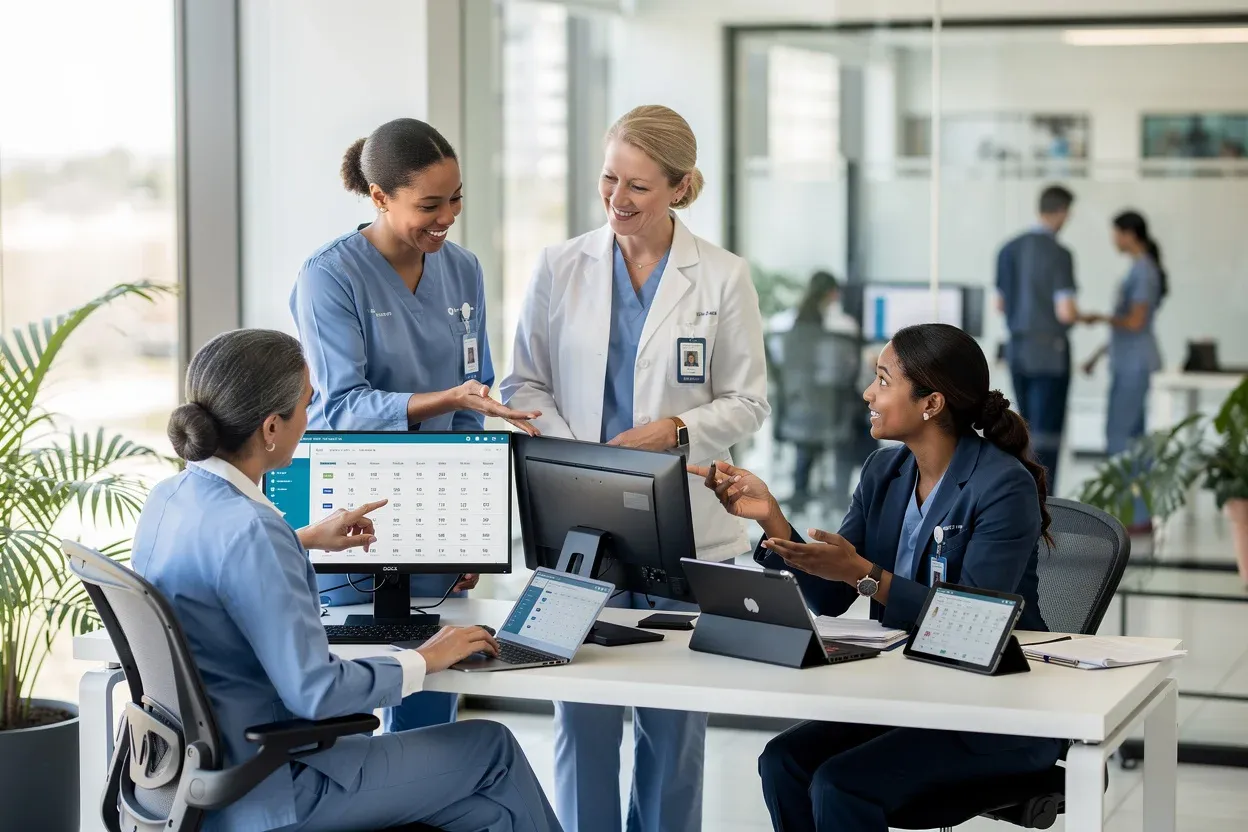
How can a nursing informatics degree equip career switchers with both clinical expertise and advanced data management skills critical in today's healthcare landscape? With healthcare organizations increasingly relying on electronic health records and data-driven decisions, graduates must balance technical proficiency with patient-centered perspectives. Enrollment in nursing informatics programs grew by 12% annually over the past five years, reflecting rising employer demand for professionals adept in system integration and clinical workflow optimization. This article explores the most valuable skills cultivated in nursing informatics degrees and highlights the careers that utilize these competencies to improve healthcare outcomes and operational efficiency.
Key Benefits of the Most Valuable Skills You Build in a Nursing Informatics Degree
- Developing data analysis and clinical technology skills prepares graduates for roles in healthcare IT, improving patient outcomes and operational efficiency by over 30% in some facilities.
- The versatility of informatics skills allows professionals to adapt across sectors like public health, insurance, and software development, meeting diverse organizational needs.
- Continuous learning in nursing informatics fosters leadership and innovation, supporting career advancement and higher earning potential in a rapidly evolving digital healthcare landscape.
What Are the Core Skills Taught in Nursing Informatics Programs?
Programs focused on nursing informatics develop specialized skills that enable students to manage and analyze healthcare data effectively, ultimately supporting improved patient outcomes. About 72% of graduates report feeling well-prepared to meet the demands of rapidly changing healthcare environments, highlighting the importance of these key competencies. These skills equip students to excel in professional settings where healthcare and technology intersect.
The following are some of the core skills developed in nursing informatics programs:
- Data Management: This skill involves organizing and retrieving healthcare information efficiently to support evidence-based practices. It is essential for improving health information systems and ensuring reliable access to clinical data in various healthcare settings.
- Clinical Decision Support: Students learn to utilize informatics tools that assist healthcare professionals in making informed decisions. These systems enhance patient care quality and safety by providing data-driven insights to guide clinical actions.
- System Implementation: Knowledge in this area includes assisting with the deployment and optimization of health IT systems. Graduates develop the ability to integrate software applications that improve workflow efficiency and healthcare delivery.
- Interdisciplinary Communication: Effective translation of technical information into actionable insights is emphasized to foster collaboration between healthcare and IT teams. This ensures that diverse stakeholders understand and utilize informatics solutions appropriately.
- Ethical Data Governance: Managing sensitive healthcare data with respect to privacy laws and regulations is a critical skill. Understanding ethical considerations and compliance helps protect patient information and maintain trust in healthcare systems.
These key competencies developed in nursing informatics degrees prepare students to adapt and contribute meaningfully within dynamic healthcare environments. Students interested in advancing their qualifications often explore affordable online DNP programs to further enhance their expertise and career prospects.
Table of contents
What Technical Skills Are Taught in Nursing Informatics Programs?
Nursing informatics programs develop critical technical competencies that link healthcare with information technology, enabling students to translate academic knowledge into practical solutions. As nearly 75% of healthcare roles now demand proficiency in electronic health records and health information systems, these skills are essential for effective digital literacy in healthcare. This foundation supports making informed decisions using accurate data in clinical and administrative settings.
Key nursing informatics technical skills in healthcare include the following:
- Data Management and Analysis: Students learn to collect, store, and interpret health data using advanced software tools. This skill ensures accurate evaluation necessary for evidence-based decision-making in academic projects and real-world healthcare environments.
- Electronic Health Record Proficiency: Training focuses on navigating and optimizing EHR platforms, which enhances patient documentation, streamlines workflows, and fosters better communication among healthcare teams.
- Health Information Technology Competencies: Coursework covers system architectures, database design, and software development principles relevant to healthcare. These skills support interoperability and secure information exchange, essential for protecting patient data.
- Regulatory Compliance and Data Standards: Knowledge of standards like HL7 and HIPAA regulations prepares students to maintain data integrity and uphold patient privacy within technical systems.
- Programming and Scripting Basics: Foundational programming skills help customize and troubleshoot healthcare software, advancing technical problem-solving capabilities.
Students seeking robust technical education in this field may also consider related paths, such as a masters in healthcare management, which complements nursing informatics by broadening leadership and operational expertise.
These core software competencies for nursing informatics graduates prepare them to meet the evolving demands of healthcare technology with confidence and precision.

What Soft Skills Do Nursing Informatics Students Develop?
Nursing informatics programs enhance vital interpersonal and behavioral skills that prepare students for success both academically and professionally. This training aligns with employer priorities, with a 2023 LinkedIn survey indicating that 92% of healthcare employers highly value strong communication and teamwork abilities. These programs cultivate skills that prove essential across multiple healthcare environments.
The key soft skills nursing informatics students develop include the following:
- Effective Communication: Students learn to clearly articulate complex health information to peers, instructors, and multidisciplinary teams. This skill ensures precise documentation, logical presentation of ideas, and active participation in discussions.
- Collaboration and Teamwork: Through group projects and cross-disciplinary interactions, students develop respect for diverse viewpoints and the ability to work smoothly with others within healthcare settings.
- Critical Thinking: Nursing informatics education sharpens students' abilities to assess data, solve problems, and make well-informed decisions while anticipating potential challenges in clinical and technological contexts.
- Adaptability: Given the rapid evolution in healthcare technology and practices, students become comfortable with change and open to continuous learning to maintain effectiveness in dynamic environments.
- Emotional Intelligence: Training promotes self-awareness and empathy, equipping students to handle interpersonal relationships thoughtfully and maintain positive connections with colleagues and patients.
A nursing informatics degree graduate shared that during their studies, adapting to new software systems while collaborating with a diverse team was particularly challenging. "It was overwhelming at times to balance understanding the technical side while communicating changes to my peers. However, learning to listen actively and express ideas clearly transformed the experience," they explained. The graduate also emphasized how developing patience and empathy helped manage conflicts and foster a supportive atmosphere, reinforcing the critical role these soft skills play throughout the program and beyond.
What Transferable Skills Come From a Nursing Informatics Degree?
Employers increasingly value adaptability, with 89% recognizing it as essential for success in dynamic work environments. The nursing informatics degree provides a solid foundation of transferable skills that facilitate cross-industry mobility and professional growth. These competencies open doors to various career opportunities using nursing informatics transferable skills in diverse sectors.
Key transferable skills developed through a nursing informatics degree include:
- Data Analysis: This skill involves interpreting complex datasets to guide decision-making processes. It is applicable beyond healthcare, supporting roles that prioritize evidence-based strategies and performance evaluations.
- Systems Thinking: Graduates learn to assess and improve interconnected processes, a valuable skill for managing projects, optimizing operations, and enhancing quality outcomes across multiple industries.
- Effective Communication: The ability to convey technical information clearly to varied audiences fosters collaboration and facilitates understanding in academic, corporate, or public environments.
- Problem-Solving: Integrating technology with practical solutions develops creative approaches adaptable to challenges in many professional settings committed to continuous improvement.
- Adaptability: Training emphasizes navigating evolving technologies and regulations, preparing graduates to remain productive within rapidly changing workplaces.
For those seeking further specialization, exploring options such as an online PhD nursing can deepen expertise and expand career trajectories.
What Nursing Informatics Skills Are Most in Demand Today?
Recent surveys show that over 70% of healthcare employers report a notable shortage of nursing informatics expertise among their clinical staff. This gap highlights an urgent industry demand for specialized skills that enhance both patient care and healthcare technology integration.
Key abilities in this field include the following:
- Data Analytics: This skill entails examining complex healthcare data sets to identify patterns and inform clinical decisions. It supports the delivery of evidence-based care by transforming raw information into actionable insights.
- EHR Management: Mastery of electronic health record systems is essential for maintaining accurate, secure, and accessible patient information. Professionals with this skill help safeguard data integrity and optimize workflows.
- Clinical Decision Support: Designing tools that assist caregivers at the point of care reduces errors and standardizes treatment approaches. Such systems enhance decision-making and patient safety.
- Interoperability Knowledge: Understanding how disparate health IT systems communicate enables seamless exchange of patient data. This promotes coordinated care and minimizes duplication of efforts.
- Project Management: Coordinating informatics initiatives requires managing timelines, resources, and stakeholder expectations. This ensures technology solutions align with clinical needs efficiently.
When I spoke with a professional holding a nursing informatics degree about which skills employers seek, she reflected on her early experiences navigating complex IT projects in clinical settings. "Initially, it was challenging to bridge the gap between technical teams and nursing staff," she said. "But developing strong communication alongside project management skills made a huge difference." She described moments of frustration when technology rollouts stalled due to misaligned priorities, yet emphasized the rewarding nature of seeing improved workflows and patient outcomes as a result of her efforts. Her insights highlight how mastery of these skills is critical beyond theory, involving adaptability and collaboration in real-world healthcare environments.

What Skills Do Employers Expect From Entry-Level Nursing Informatics Graduates?
Employers evaluating entry-level nursing informatics graduates focus heavily on a blend of healthcare knowledge and technical expertise. Around 70% of healthcare organizations report challenges in locating new professionals who possess both clinical and IT skills essential for immediate contributions. This emphasizes the demand for comprehensive capabilities that enable graduates to be effective from day one.
Key skills that are commonly sought after include:
- Clinical Understanding: Graduates should have a strong grasp of nursing concepts and healthcare processes to effectively apply this knowledge when managing and optimizing informatics systems aimed at enhancing patient outcomes and safety.
- Health IT Competency: Proficiency with electronic health records and health information technologies is vital. Entry-level professionals are expected to support system use and maintenance, facilitating better clinical decision support through technology.
- Data Analytics: The ability to gather, examine, and interpret healthcare data helps in recognizing patterns and promoting evidence-based improvements in clinical practice and workflow efficiency.
- Communication Skills: Clear and effective communication is necessary to bridge the gap between clinical teams and IT personnel. Graduates must articulate technical details in an understandable way to foster teamwork and collaborative problem-solving.
- Problem-Solving: Employers expect new nursing informatics practitioners to approach system and workflow challenges methodically, demonstrating the capacity to troubleshoot and resolve issues with limited supervision.
What Careers Require the Skills Learned in Nursing Informatics Programs?
A 2023 report by the Healthcare Information and Management Systems Society (HIMSS) found that 72% of healthcare employers consider nursing informatics competencies critical when hiring for hybrid healthcare and IT roles. This underscores strong demand for professionals with skills that combine clinical knowledge and data management. These skills are increasingly valued across various healthcare and technology sectors.
The following careers frequently require the expertise gained through nursing informatics programs:
- Health Informatics Specialist: These professionals focus on designing, managing, and optimizing electronic health records (EHR) systems. They ensure patient data accuracy, accessibility, and security, helping to improve care delivery and reduce medical errors.
- Clinical Informatics Coordinator: Leveraging skills in data analysis and clinical practice, they translate health data into actionable insights that support better clinical decision-making and patient outcomes.
- Healthcare Administrator: Nursing informatics abilities enhance the development and implementation of technology-driven workflows, increasing operational efficiency and compliance with healthcare regulations within hospitals and healthcare organizations.
- Public Health Data Analyst: These roles utilize nursing informatics expertise to analyze population health data, supporting disease surveillance and informing public health initiatives and policies.
- Healthcare Technology Consultant: Employed by healthcare technology companies, they provide clinical insights essential for developing user-friendly software and medical device solutions tailored to both providers and patients.
Which Nursing Informatics Skills Lead to Higher Salaries?
Certain nursing informatics skills are closely tied to higher salaries because they enhance healthcare outcomes, streamline data management, and support technological integration-qualities employers highly reward in today's evolving health landscape. These competencies demonstrate a professional's ability to connect clinical knowledge with IT solutions, making them valuable assets and justifying improved compensation. Identifying the highest paying nursing informatics skills in the US helps professionals prioritize their career development for better financial rewards.
Key nursing informatics competencies linked to salary growth include:
- Data Analytics and Interpretation: Skilled professionals who analyze clinical datasets to inform evidence-based care often receive a 10% to 20% salary increase. Their insights help healthcare organizations optimize patient outcomes and operational efficiency.
- Health Information Management and EHR Optimization: Expertise in refining electronic health records systems can lead to $5,000 to $12,000 higher annual pay as it improves usability, ensures regulatory compliance, and reduces costly errors.
- Project Management in Healthcare IT: Leading technology adoption or workflow improvements usually results in a 12% to 25% salary premium, reflecting leadership skills that drive impactful change.
- Clinical Decision Support System (CDSS) Development: Professionals designing or enhancing CDSS tools often earn an additional $7,000 to $15,000 yearly, thanks to their role in advancing patient safety and clinical efficiency.
- Interoperability and Health IT Standards Compliance: Mastery in integrating diverse health systems and adhering to standards like HL7 or FHIR typically commands 10% to 18% higher salaries, emphasizing their importance in coordinated care delivery.
Those interested in advancing their credentials to acquire these competencies may explore programs such as PhD healthcare degrees, which can further deepen expertise and open doors to higher salary potentials.
How Do Internships Help Develop Nursing Informatics Skills?
Internships play a vital role in how nursing informatics internships enhance practical skills development by offering real-world exposure that bridges academic theory with clinical practice. Students gain experience working with electronic health records, health information systems, and clinical workflows, which reinforces classroom learning through hands-on application.
Research shows that over 70% of nursing informatics students who completed internships reported improved proficiency and confidence in informatics tasks, demonstrating measurable benefits of internships in building nursing informatics professional competencies. This practical experience helps students apply theoretical concepts in active healthcare environments, preparing them for the demands of their future roles.
Through structured tasks and supervised practice, internships support the refinement of essential nursing informatics skills such as data analysis, system customization, and clinical workflow integration. Working alongside experienced professionals provides immediate feedback and fosters the development of problem-solving abilities within real clinical or administrative settings.
These experiences strengthen core competencies that enable students to contribute effectively to healthcare organizations. Additionally, those interested in specialized roles can explore career pathways where informatics skills intersect with clinical expertise, such as improving psychiatric mental health nurse practitioner salary data integration and patient care technology.
How Do You List Nursing Informatics Skills on a Resume?
Presenting nursing informatics skills effectively on a resume plays a key role in showcasing your expertise and matching what potential employers look for. Clear, well-organized skill descriptions help convey your qualifications and make your application stand out in a crowded field.
Consider these best practices to structure your nursing informatics skills clearly and professionally:
- Concise Clustering: Group related skills into a coherent section with a clear heading, such as "Technical Skills" or "Professional Competencies." This approach helps recruiters quickly identify your core abilities without sifting through vague or dispersed details.
- Specific Terminology: Use precise language that reflects the technical and clinical knowledge gained during your education. Avoid general terms and instead name specific tools, software, or processes familiar within nursing informatics.
- Balanced Skill Types: Combine technical skills like electronic health record management with clinical and analytical abilities to present a well-rounded profile. Highlighting this range showcases your adaptability and comprehensive training.
- Quantifiable Contributions: Where appropriate, incorporate action verbs and outcomes to demonstrate how your skills improved workflows or patient care. This enhances the impact beyond listing competencies.
- Professional Tone: Maintain clear and formal language, steering clear of casual expressions. This strengthens your credibility and fits industry expectations.
- Transferable Competencies: Emphasize critical thinking, problem-solving, and communication skills to illustrate how you apply nursing informatics knowledge in diverse healthcare settings.
What Graduates Say About the Most Valuable Skills You Build in a Nursing Informatics Degree
- Pierce: "Enrolling in a nursing informatics degree truly transformed how I approach healthcare technology. The most valuable skill I gained was learning to analyze clinical data effectively, which is crucial for roles in health IT and data management. While the coursework was challenging, especially mastering advanced analytics tools, the real-world problem-solving experience prepared me for leadership in hospital informatics systems."
- Aryan: "Reflecting on my time in the nursing informatics program, I found that each degree level offers distinct skill sets-from basic electronic health record management in the associate program to complex system design at the master's level. One challenge was balancing technical learning with nursing practice, but this integration has been invaluable in my career as a clinical informatics specialist, where I bridge gaps between nurses and tech teams."
- Jonathan: "My nursing informatics degree equipped me with a rare blend of clinical insight and IT expertise vital for improving patient outcomes. The communication and project management skills I developed were just as important as the technical knowledge, especially in roles like informatics nursing consultant. These skills help me advocate effectively for technology adoption that genuinely benefits both staff and patients."
Other Things You Should Know About Nursing Informatics Degrees
Data analysis skills enable professionals to interpret complex healthcare information, leading to improved patient outcomes and operational efficiency. Those with strong analytical abilities often advance into leadership roles such as informatics specialists or clinical data managers, where they guide decision-making based on data insights.
Beyond hospitals and clinics, nursing informatics expertise is valuable in health technology companies, insurance firms, public health organizations, and government agencies. These sectors rely on informatics professionals to develop, manage, and evaluate health information systems that support diverse population health and policy initiatives.
Communication skills facilitate collaboration between IT specialists, clinical staff, and administrators by translating technical information into practical healthcare applications. Effective communication ensures that technology solutions align with the clinical environment, enhancing teamwork and project success.
Adaptability is critical due to the rapidly evolving nature of healthcare technologies and regulations. Graduates must quickly learn new systems, protocols, and standards to maintain compliant and efficient information management. This flexibility supports continuous improvement and innovation within healthcare organizations.
References
- Preparing for the Future of Nursing Informatics https://online.norwich.edu/online/about/resource-library/preparing-future-nursing-informatics
- What is a Nurse Informaticist? https://www.allnursingschools.com/nursing-informatics/
- Essential Skills Needed By an Informatics Nurse - TheInformaticsNurse.com https://theinformaticsnurse.com/essential-skills-needed-by-an-informatics-nurse/
- Nursing Informatics | Ultimate Guide to Career Paths & Salaries | Maryville Nursing https://nursing.maryville.edu/blog/nursing-informatics
- Importance of Soft Skills in Nursing | University of Bridgeport https://www.bridgeport.edu/news/nursing-soft-skills/
- Building Your Nursing Resume: Skills Healthcare Facilities Want in 2025 https://www.coastalcarestaffing.com/blogs/nursing-resume-guide-2025
- Careers in Nursing Informatics | VU Online https://online.vu.edu.au/blog/nursing-informatics-careers
- What Are the Opportunities in Nursing Informatics? | NursingEducation https://nursingeducation.org/insights/nursing-informatics/
- Nursing Informatics & Nurse Informaticists Career Guide: How to Become One - Nurseslabs https://nurseslabs.com/nursing-informatics-nurse-informaticists/
- 3 Areas of Focus for Nursing Informatics Competencies https://www.healthstream.com/resources/3-areas-of-focus-for-nursing-informatics-competencies