2026 Which Health Services Degree Careers Are Most Likely to Be Remote in the Future?

Co-Founder and Chief Data Scientist
Health services graduates aiming for remote careers face a unique challenge-identifying which roles align with evolving telework trends and technology demands. While administrative and data analysis positions show promise with over 35% current remote adoption, clinical roles lag due to direct patient care requirements. Employers' remote culture varies widely-some embrace full virtual teams, while others require on-site presence-impacting geographic flexibility. Technology proficiency increasingly shapes access, especially for freelance and self-employed professionals seeking autonomy outside traditional settings. This article examines these factors, offering evidence-based insights to guide students and professionals toward health services careers with the most sustainable remote work trajectories.
Key Things to Know About the Health Services Degree Careers Most Likely to Be Remote in the Future
- Remote adoption rates vary-health informatics and health administration show over 40% remote work prevalence due to digital recordkeeping and policy tasks.
- Careers with high technology use and low hands-on clinical duties-like telehealth coordination-fit remote models better, reducing geographic constraints significantly.
- Employers in public health and insurance sectors increasingly embrace remote culture, supporting freelancers and consultants with flexible, long-term telework opportunities.
What Does 'Remote Work' Actually Mean for Health Services Degree Careers, and Why Does It Matter?
Remote work in health services degree careers is best understood as a spectrum rather than a simple yes-or-no condition. Fully remote roles operate 100% off-site, allowing professionals to perform all tasks from home or anywhere with internet access. Hybrid roles combine scheduled on-site presence-such as direct client interaction-with remote work for administrative or analytical duties.
Remote-eligible roles are primarily on-site but offer flexibility for occasional telework depending on employer policies or situational needs. This nuanced approach helps clarify the varying levels of remote accessibility across health services career pathways.
Since 2020, data from Pew Research Center, the Stanford Institute for Economic Policy Research, and the BLS American Time Use Survey reveal significant penetration of remote work across many sectors. However, health services continues to require on-site involvement for patient care and specialized equipment access.
Yet, segments like data management, health informatics, policy, and consulting within health services have seen durable adoption of remote or hybrid work, reflecting broader workforce shifts. This evolving remote work landscape is critical for those exploring remote work opportunities for health services degree careers in the US.
The remote work question matters profoundly to health services degree seekers: geographic flexibility expands accessible job markets beyond local areas, eliminates commute costs and time burdens, and can increase compensation by connecting professionals with high-wage metropolitan employers remotely.
Peer-reviewed research correlates remote work with improved job satisfaction and retention, factors crucial to career stability and quality of life. Prospective students considering institutions like Chamberlain University should weigh remote work access as part of their decision-making.
This article uses an analytical framework that includes:
- Task-Level Remote Compatibility: Whether specific job functions can be done off-site without compromising quality.
- Employer-Level Remote Adoption: The extent to which organizations in the health services field implement remote or hybrid work policies.
- Structural Constraints: Licensing, regulatory rules, direct client presence, or equipment needs mandating on-site work despite remote work potential.
This framework allows health services professionals and students to assess remote work realistically-moving beyond anecdotal advice toward evidence-based career planning that aligns with evolving remote work trends.
Table of contents
Which Health Services Career Paths Have the Highest Remote Work Adoption Rates Today?
Several health services career paths exhibit high adoption rates for remote or hybrid work, reflecting shifts in technology and operational models that enable practitioners to perform effectively outside traditional clinical settings. These trends shape the landscape for those evaluating health services specializations with the highest remote work adoption rates in the United States.
- Health Information Management Specialists: Managing electronic health records, compliance data, and patient information through secure digital platforms makes remote work highly feasible. This career path has sustained strong remote job posting volumes and practitioner participation well beyond pre-pandemic levels due to its primarily digital deliverables.
- Medical and Health Services Managers: These professionals oversee healthcare operations, budgeting, and compliance, often leveraging cloud-based systems and teleconferencing. Their outcomes are measured by organizational metrics rather than physical presence, supporting widespread hybrid work in large health systems and government agencies, although smaller providers may still require onsite roles.
- Health Educators and Community Health Workers: Focused on client education, program outreach, and prevention, these roles increasingly utilize virtual meetings and telehealth tools-making remote delivery a durable norm in public health domains emphasizing education.
- Medical Coders and Billers: Their task-based role, translating medical records into standardized codes for billing, relies on digital workflows compatible with remote work technologies. Industry acceptance across healthcare providers and insurers supports sustained remote presence in this field.
- Behavioral Health Specialists and Teletherapists: Mental health counseling and therapy have fundamentally shifted to virtual platforms, supported by evolving interstate licensing and hybrid practice models. This has driven long-lasting remote work adoption among these specialists.
- Healthcare IT Specialists: Charged with healthcare software implementation, cybersecurity, and infrastructure maintenance, these roles are innately suited to remote work. Large hospital systems and health tech companies often encourage remote arrangements due to measurable output metrics.
Interpreting remote work adoption requires considering employer size, sector, and geography. Large urban health systems with tech-forward cultures lead durable remote work trends, while rural and small clinical settings often necessitate onsite roles despite identical job titles. Early-career professionals and students must prioritize obtaining employer-specific remote work data as occupation-wide averages may obscure meaningful differences.
For those pursuing remote-friendly health services career paths, researching remote accessibility across entry-level, mid-career, and senior roles is essential. Prospective students interested in advanced credentials should explore reputable sources like online nurse practitioner programs that align with these remote work trajectories. Such alignment enhances long-term flexibility and career satisfaction.

How Does the Nature of Health Services Work Determine Its Remote Compatibility?
Prospective health services workers should examine their target role's task mix through occupational datasets, detailed job descriptions, and interviews with professionals currently working remotely to accurately determine remote feasibility across diverse employers and locations.
- Digital Deliverables: Tasks generating reports, analyses, communications, or data-driven products fit remote work well, relying mainly on computer systems and secure networks instead of physical sites.
- Virtual Interaction: Remote client meetings, stakeholder consultations, and supervisory roles occur effectively through video conferencing and asynchronous platforms, supporting administrative and management functions.
- Research and Knowledge Work: These roles focus on analyzing health data, crafting policy, or synthesizing information-activities often location-independent when access to databases and secure systems is ensured.
- Physical Presence Requirements: Many clinical or field tasks demand in-person execution, including patient assessments, treatment administration, operating lab equipment, and emergency interventions-limiting remote viability despite digital progress.
- Regulatory and Compliance Functions: Certain jobs need onsite inspections or verifications within facilities or patient environments, posing practical barriers to remote options.
- Collaborative Production Constraints: Hands-on or creative teamwork-especially involving real-time feedback or training-is frequently viewed as less effective remotely, restricting telework possibilities in these areas.
What Health Services Specializations Are Most Likely to Offer Remote Roles in the Next Decade?
Certain health services specializations are expected to experience growth in remote work opportunities over the next decade due to enduring structural factors rather than temporary pandemic shifts.
- Health Informatics: Leads this trend as digitization of patient data and telehealth platform investments create demand for remote data analysis roles. These positions thrive in organizations fostering remote-first cultures with flexible, asynchronous communication.
- Telemedicine Providers: Including physicians and mental health counselors, benefit from real-time virtual consultations supported by advancing technology and strong client demand for accessible care that matches in-person outcomes.
- Health Administration and Policy Analysts: Emphasizing data review and strategic tasks well suited for remote environments, these roles grow as organizations expand secure digital infrastructure.
- Medical Coding and Billing Specialists: The ongoing digitization of health systems and electronic claims submission firmly establish remote work as a lasting feature in this specialization.
In contrast, specialties such as surgical technology and physical therapy, where physical supervision and hands-on interactions are critical, face constraints or shrinking remote work availability. Regulatory requirements and client preferences for in-person service limit remote adoption in these fields despite recent pandemic-era experimentation.
Students weighing health services specializations with remote work opportunities should align remote work trajectory with factors like compensation, unemployment risk, and career growth. Prioritizing roles that combine sustained remote flexibility and strong labor demand offers a strategic advantage.
For those interested in nursing pathways, exploring online LPN programs can be a valuable route to entering a growing field with flexible options.
Which Industries Employing Health Services Graduates Are Most Remote-Friendly?
Health services graduates find the most remote work opportunities in sectors where digital systems and flexible workflows align closely with their duties. Five industries notably combine strong employment levels of health services professionals with advanced remote work practices - distinguishing strategic remote adoption from provisional arrangements.
- Health Informatics and Technology: This sector centers on managing health data and delivering digital health tools via cloud platforms and electronic records. Organizations use outcome-based management and asynchronous communication, making remote roles in telehealth coordination, analytics, or software support highly viable without onsite presence.
- Health Insurance and Managed Care: With a large share of health services employment, this field embraces remote models due to its administrative and virtual customer service nature. Distributed teams leverage secure cloud environments to comply with regulations, enabling sustainable remote operations.
- Public Health and Health Policy Organizations: These entities emphasize population-level initiatives and research, depending heavily on digital collaboration and flexible workflows. Remote positions in policy review, health communication, and grant administration are well-supported by ingrained remote work cultures.
- Health Education and Training Providers: Delivering healthcare education largely online, this industry offers remote opportunities in teaching, instructional design, and curriculum development, often structured on digital-native tools with geographically dispersed teams.
- Medical and Health Research Institutions: Although laboratory roles require onsite presence, substantial research tasks such as data analysis and literature review are remote-compatible. Virtual collaboration and asynchronous communication support hybrid remote models here.
Conversely, direct healthcare delivery-like hospitals and clinics-faces inherent remote work limits due to patient interactions, supervision rules, and regulatory demands. Manufacturing of health products and professional services emphasizing face-to-face client engagement also resist full remote adoption.
Still, health services graduates seeking remote access in these less flexible sectors can focus on telehealth, compliance, or administrative roles and target subunits with verified remote-friendly cultures using industry salary data and remote work policy benchmarks.

How Do Government and Public-Sector Health Services Roles Compare on Remote Work Access?
Federal agencies rapidly expanded telework during 2020-2022, driven by pandemic responses, with the Office of Personnel Management (OPM) data highlighting widespread remote work adoption. Since 2023, however, political and administrative pressures have curtailed these arrangements, prompting a shift toward more cautious return-to-office policies.
At the state and local levels, remote work access varies extensively due to differences in leadership priorities, infrastructure, and budget. Some states support robust hybrid models-particularly for roles less dependent on in-person duties-while others require more consistent office presence.
This variability means government health services roles cannot be broadly assumed to offer remote flexibility comparable to private-sector positions.
- Federal Telework Capacity: Strong early pandemic adoption followed by notable reductions starting in 2023, reflecting shifting policy and political influences.
- State and Local Variability: Wide regional differences exist, influenced by jurisdiction-specific governance and resources; hybrid arrangements are common where feasible.
- Role Function Compatibility: Positions such as policy analysis, research, compliance reviews, grant management, data analysis, and program administration typically allow for remote or hybrid work due to task characteristics.
- Direct Service Limitations: Jobs involving client interaction, regulatory inspections, law enforcement, or emergency response generally necessitate physical presence, restricting remote options.
- Private-Sector Comparison: Private employers tend to maintain more consistent telework offerings for similar roles, benefiting from fewer bureaucratic constraints and competitive workforce recruitment.
- Research and Inquiry Recommendations: Candidates should examine agency-specific telework policies, request telework eligibility details during hiring, and review OPM surveys to assess remote work prevalence as it varies significantly by job and employer.
What Role Does Technology Proficiency Play in Accessing Remote Health Services Roles?
Technology proficiency is a critical gatekeeper for remote health services employment-remote employers rely on demonstrated digital fluency because they cannot directly observe work processes. Data from LinkedIn Skills Insights, CompTIA remote work adoption surveys, and Burning Glass Technologies reveal that employers expect candidates to master both foundational remote work tools and specialized health services digital platforms.
- Foundational Remote Tools: These include video conferencing software, cloud-based collaboration platforms, and project management systems that support asynchronous workflows and team communication in distributed settings.
- Health Services Digital Competencies: Proficiency with electronic health record (EHR) systems, telehealth delivery platforms, patient management programs, and data analytics tools signals true remote work readiness within specialized health services roles.
- Demonstrated Remote Experience: Employers seek evidence through portfolios, certifications, or documented virtual teamwork showing a candidate's capacity to maintain productivity and communication standards without direct supervision.
- Technology as a Screening Criterion: Skills assessments and certification exams focused on remote tool use filter candidates early-making prior preparation essential.
- Development Strategies: Integrate coursework featuring remote-friendly technologies to build foundational skills. Obtain certifications in EHRs, telehealth platforms, or project management for resume enhancement. Engage in internships or practicums with remote components to gain practical experience and portfolio material.
- Customized Learning Plans: Candidates must distinguish tools requiring formal training (e.g., regulatory-compliant EHRs), skills developed via self-practice (e.g., video conferencing fluency), and competencies best acquired through remote work experience.
By proactively addressing these technology proficiencies before job search, health services graduates enhance their competitive positioning for remote roles and overcome a primary barrier to entry in this evolving employment landscape.
How Does Geographic Location Affect Remote Work Access for Health Services Degree Graduates?
Metropolitan hubs such as Washington, D.C., Boston, and San Francisco lead remote-eligible health services job postings, driven by employer demand and higher job availability. States in the Northeast and on the West Coast consistently offer more remote opportunities, while Midwestern and Southern states lag behind. This regional remote work opportunities for health services degree graduates highlight a geographic clustering that contradicts the assumption that remote roles inherently eliminate location barriers.
The impact of geographic location on remote careers in health services is profound due to state-specific hiring restrictions. Employers impose these limits based on state tax nexus laws, licensure reciprocity challenges, compliance with employment regulations, and preferences for collaborating within certain time zones. This geographic paradox means graduates' state of residence remains critical for securing remote health services roles-even when no onsite presence is required.
Geographic restrictions disproportionately affect three health services specializations. Licensed professionals such as clinical social workers and nurses face stringent state licensure rules that impede cross-state practice. Regulated industry roles, including healthcare administration and compliance, encounter state-specific mandates limiting multi-state remote work.
Client-facing roles like telehealth counseling and remote case management must adhere to client location laws governing where services can be legally provided.
- Statistic: Only 27% of health services roles nationwide are regularly performed remotely, according to a recent BLS telework supplement-reflecting persistent geographic and occupational limits.
- Metro Concentration: Washington, D.C., Boston, and San Francisco concentrate the highest number of remote health services postings, creating competitive job markets.
- Geographic Paradox: State-specific hiring rules diminish the theoretical location flexibility of remote positions in health services.
- Specialization Impact: Licensed, regulated, and client-facing roles see the most stringent geographic remote work restrictions, limiting cross-state employment options.
- Assessment Tools: Graduates should leverage LinkedIn filters, Flex Index data, and licensure reciprocity resources to evaluate remote work availability and restrictions in their state and specialization.
To navigate these geographic constraints, graduates should perform a careful remote work access analysis. Utilizing LinkedIn job filters helps identify remote positions available within their state. Complementing this with Flex Index remote policy data reveals employers with inclusive state hiring practices. Consulting licensure reciprocity databases through professional associations further clarifies interstate portability of credentials.
This comprehensive approach allows prospective students and early-career professionals to realistically assess remote job accessibility within their target specialization and location-an essential step when exploring remote-friendly options such as those found in a best online DNP program.
Which Health Services Careers Are Most Likely to Remain On-Site Despite Remote Work Trends?
Several health services degree careers requiring on-site presence face strong structural barriers to remote work-often driven by physical demands, regulatory requirements, and specialized task necessities rather than employer preferences. The Dingel-Neiman remote work feasibility index combined with McKinsey Global Institute task analyses and BLS telework data identify which health services roles have the least remote work potential in the US due to these inherent constraints.
- Clinical Direct-Care Providers: Physicians, nurses, physical therapists, and medical technicians rely on hands-on patient contact, physical examinations, and procedures that cannot be digitized or delegated remotely. Their roles require direct intervention and use of medical equipment, making remote work structurally infeasible.
- Laboratory and Research Personnel: Professionals involved in laboratory testing, biomedical research, and pharmaceutical manufacturing must operate complex instruments and manage biological samples in controlled environments. These requirements create physical infrastructure dependencies that exclude remote options.
- Licensed Practice Supervision Roles: Certain jurisdictions mandate licensed practitioners, such as radiologic technologists or clinical laboratory scientists, to perform or supervise tasks on-site to comply with regulations and ensure quality control, legally restricting remote practice.
- Government and Defense Health Workers: Working in military or government health sectors often involves strict facility access limitations and security clearances, requiring on-site presence to handle sensitive materials, classified information, or emergency readiness.
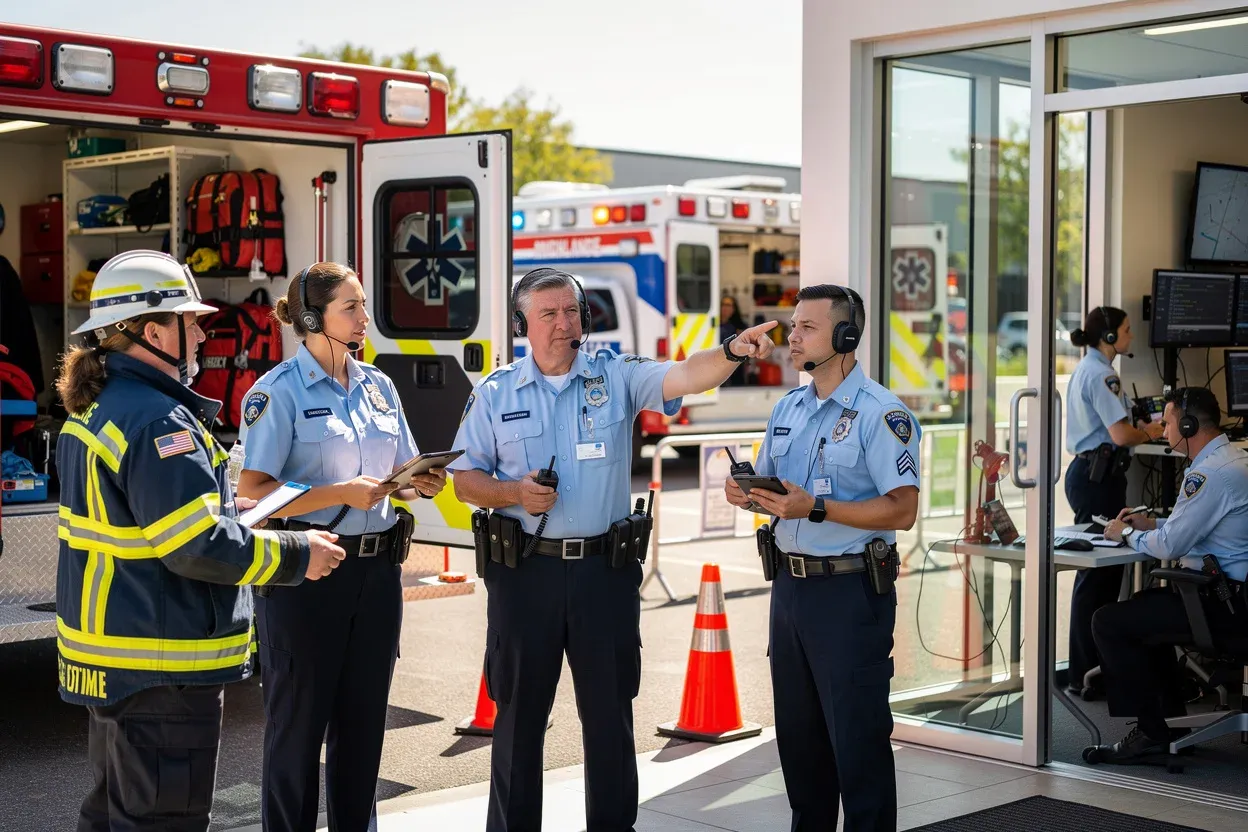
- Emergency Response Personnel: Paramedics, emergency medical technicians, and trauma specialists must provide rapid, physical interventions in unpredictable environments, roles incompatible with remote execution without severely compromising effectiveness.
Those considering a health services specialization with low remote work potential in the US should recognize hybrid career strategies that blend primarily on-site work with remote components like telehealth consultations, education, policy advising, or professional writing. Such approaches enable some degree of flexibility but acknowledge the ceiling imposed by core job requirements.
For students evaluating degree options, programs like a BSN to MSN bridge can support advancement into roles that may offer marginally improved remote work prospects while retaining essential clinical duties.
Ultimately, career planners must balance their remote work priorities against other factors-some of the highest-paid and most recession-resistant health services paths demand persistent on-site presence. Constructing a personal evaluation matrix that weighs remote accessibility alongside compensation, job security, and professional fulfillment will aid in aligning career choices with lifestyle goals.
How Does a Graduate Degree Affect Remote Work Access for Health Services Degree Holders?
Higher education levels strongly correlate with access to remote roles in health services by positioning professionals for senior, autonomous positions that employers increasingly permit to be remote. Data from the NACE First-Destination Survey and LinkedIn Workforce Insights reveal that advanced credentials often accelerate progression into roles with greater responsibility-roles typically linked to more flexible work arrangements.
Senior health services practitioners with specialized expertise and proven outcomes enjoy remote work access at significantly higher rates than entry-level employees performing supervised, on-site tasks.
This connection between seniority and remote eligibility means graduate education functions as an indirect lever, enhancing remote work access by fast-tracking career advancement and essential credentialing. However, not all graduate credentials equally impact remote eligibility. Three credential types stand out:
- Professional Master's Programs: Preparing graduates for senior individual contributor or management roles, these programs align closely with employer willingness to allow remote work due to the autonomy these positions require.
- Doctoral Programs: PhDs and clinical doctorates often lead to independent research or academic roles featuring high remote work autonomy, especially within universities and research institutions.
- Specialized Graduate Certificates: Concentrated in in-demand subspecialties such as health informatics or telehealth management, these certificates enable entry into niche, remote-compatible career paths.
Prospective students should also consider alternative pathways to remote work that may offer comparable benefits without significant time and financial investment. Building seniority within existing remote-compatible entry-level roles, developing advanced technology skills relevant to telehealth, and targeting employers with established remote-friendly cultures can produce durable remote work access.
Ultimately, aligning education choices with specific health services subfields and career goals is critical for maximizing remote work flexibility.
What Entry-Level Health Services Career Paths Offer the Fastest Route to Remote Work Access?
Entry-level roles in health services offering immediate or near-term remote work commonly appear in administrative, data-focused, and telehealth support functions. These positions typically exist within digital-first healthcare organizations and employers who maintain uniform remote policies regardless of employee tenure.
Such companies prioritize established remote infrastructures and roles defined by concrete, task-based outputs-allowing performance to be measured without requiring physical supervision.
- Medical Coding and Billing Specialists: These positions provide clear remote work opportunities from the outset, due to their task-driven nature and quantifiable outcomes. Common employers include health insurers, telehealth providers, and outsourced billing services operating with remote-first or hybrid work models.
- Health Data Analysts: Early-career analysts working with digital platforms are often recruited by research entities and health technology startups. These organizations feature structured remote onboarding and have experienced managers capable of guiding remote novice staff effectively.
- Telehealth Support Coordinators: These roles enable remote work immediately, supporting virtual patient care through telemedicine companies and health call centers with mature remote cultures and robust performance tracking systems.
- Public Health Informatics Assistants: Entry-level assistants in public health informatics frequently obtain remote positions within government agencies or nonprofit research institutions committed to comprehensive digital infrastructure and dispersed team collaboration.
However, prioritizing remote access early in health services careers carries risks. Remote environments can restrict spontaneous mentorship, impede in-person skill development, and limit professional networking-elements critical to early-stage learning. Prospective remote employees should carefully evaluate whether the gains in flexibility outweigh potential reductions in practical skill-building opportunities typical of onsite roles.
To optimize both remote access and career growth, early-career professionals are advised to seek employers offering structured remote mentorship, hybrid models including regular in-person meetings, and clear guidelines balancing remote work with essential hands-on experience. Defining acceptable levels of remote engagement in relation to career objectives helps ensure sustained professional growth alongside remote flexibility.
What Graduates Say About the Health Services Degree Careers Most Likely to Be Remote in the Future
- Jaime: "When I look back at my journey with the health services degree, I'm truly excited about how technology proficiency is shaping remote careers in this field. Employers are increasingly valuing digital skills-especially familiarity with telehealth platforms-which means remote work opportunities are expanding rapidly. The shift feels like a long-term trajectory where those with the right tech savviness will thrive."
- Enzo: "Reflecting on my experience, the industry and employer remote culture assessment was a real eye-opener. Many healthcare organizations are still adapting-but those who embrace remote work are seeing significant benefits. For anyone pursuing health services, understanding this cultural shift and how to navigate geographic constraints can make a big difference in career flexibility and progression."
- Rowan: "From my perspective, task-level compatibility analysis is crucial for anyone aiming for a remote career in health services. Certain roles lend themselves better to remote settings, which opens doors for freelance and self-employment alternatives I hadn't initially considered. It's clear that the future of health services careers involves a blend of structured employment and entrepreneurial remote work options."
Other Things You Should Know About Health Services Degrees
The 10-year employment outlook for the safest health services careers is generally positive, with many roles projected to grow faster than the average across all industries. Careers focused on healthcare administration, health informatics, and public health management are especially stable due to ongoing demand for healthcare coordination and digital health solutions. These positions also tend to have higher remote work potential because their tasks often involve data analysis, regulatory compliance, and communication rather than hands-on patient care.
Mid-career roles in health services that focus on health information management, clinical documentation improvement, and telehealth coordination are among the most in-demand. These tracks benefit from the increasing integration of technology in healthcare delivery, requiring specialized skills in electronic health records and remote patient monitoring. Professionals with these skills are more likely to find roles that offer flexibility, including remote or hybrid work options.
Freelance and self-employment opportunities can reduce unemployment risk by diversifying income sources and offering greater control over work environments. Health services graduates who develop consultancy skills in areas like coding and billing, healthcare IT, or policy analysis often access remote freelance positions. However, success in self-employment depends on building a strong professional network and staying current with regulatory changes and industry standards.
Historically, health services fields show lower sensitivity to economic recessions compared to many other sectors, largely because healthcare is an essential service. While some administrative roles might experience temporary slowdowns, positions related to health IT and telehealth have demonstrated resilience or even growth. This stability makes these health services careers more favorable for those prioritizing remote work continuity during economic downturns.
References
- Mastering Remote Healthcare Roles: Essential Skills, Benefits, and Future Trends - April 2026 April 2026: https://lavhi.com/remote-healthcare-roles-skills-benefits-and-future/
- Remote Work in the Public Sector https://rgsjpa.org/remote-work-in-the-public-sector-opportunities-and-challenges/
- 16 Healthcare Careers You Can Start in No Time https://www.edumed.org/medical-careers/best-entry-level/
- 7 Essential Skills for Landing a Six-Figure Remote Medical Job https://www.virtualvocations.com/blog/guest-posts/7-essential-skills-for-landing-a-six-figure-remote-medical-job/
- What is Remote Healthcare and How Does it Work? https://www.adsc.com/blog/remote-healthcare-how-does-it-work
- Remote support of hospital equipment – how does it work and what are the data security issues? https://acutecaretesting.org/en/articles/remote-support-of-hospital-equipment--how-does-it-work-and-what-are-the-data-security-issues
- Best Remote Healthcare Jobs With Top Salaries for 2025 | Allocation Assist https://www.allocationassist.com/best-remote-healthcare-jobs-with-top-salaries/
- 17 of the Best Entry-Level Careers in Healthcare https://credenzahealth.com/career-advice/17-of-the-best-entry-level-careers-in-healthcare
- Top 5 Remote Healthcare Jobs | FoxHire https://www.foxhire.com/blog/top-5-remote-healthcare-jobs
- Remote Healthcare Jobs No Degree? Yes, These Roles Are Booming https://bask.health/blog/remote-healthcare-jobs-no-degree