2026 Which Industries Offer the Best Career Paths for Neurodiagnostic Technology Degree Graduates?

Co-Founder and Chief Data Scientist
Choosing an industry that balances compensation, job stability, advancement opportunities, and supportive workplace culture can challenge neurodiagnostic technology degree graduates. Many face uncertainty over where their skills align best long-term-healthcare institutions, research facilities, or tech-driven diagnostics startups. Recent labor data reveals that mean annual wages in hospital environments exceed $60,000, reflecting both demand and professional investment. This article explores how these and other sectors compare-considering licensing requirements, remote work options, and growth potential-to equip readers with a detailed roadmap for selecting an industry where their career can flourish sustainably and meaningfully.
Key Things to Know About the Industries That Offer the Best Career Paths for Neurodiagnostic Technology Degree Graduates
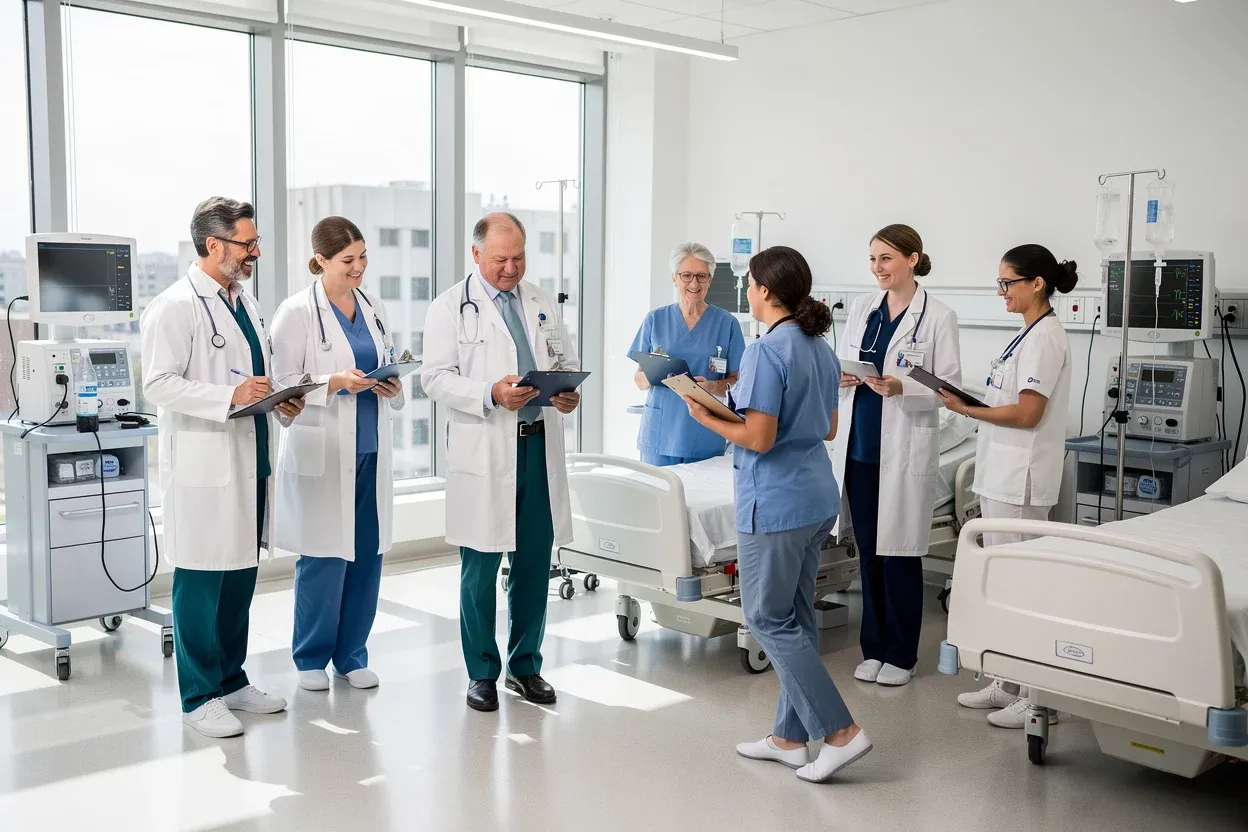
- Healthcare institutions-especially hospitals and specialized neurological clinics-offer robust job stability and career advancement for neurodiagnostic technology graduates, with median salaries exceeding $60,000 annually.
- Research organizations prioritize professional development and innovation, providing access to cutting-edge technology and collaborative workplace cultures that foster skill growth.
- Telehealth services are expanding-enabling remote work options and flexible schedules-while maintaining competitive compensation and licensure compliance, ideal for work-life balance.
Which Industries Offer the Highest Starting Salaries for Neurodiagnostic Technology Degree Graduates?
Graduate neurodiagnostic technology professionals seeking the highest starting salaries in the United States should target several industries where wage premiums reflect complex skill requirements, labor shortages, and economic factors. Recent Bureau of Labor Statistics Occupational Employment and Wage Statistics (OEWS) data highlight top-paying sectors for entry-level neurodiagnostic technology professionals based on mean and median wages.
- Specialty Hospitals: These facilities handle intricate neurological conditions demanding advanced neurodiagnostic expertise. Their need for precision and a competitive labor market in specialized care drives higher starting pay.
- Outpatient Care Centers: Increasing demand for minimally invasive diagnostics and cost-effective treatment supports rising wages. Expansion in this sector enhances opportunities and value for skilled technologists.
- Research and Development Organizations: Employers engaged in neurological disease research or medical technology innovation offer superior compensation to attract graduates with the ability to assist in clinical trials and experimental diagnostic techniques, reflecting a premium on technical skills.
- Federal Government Healthcare Facilities: Structured pay scales and the demand for dependable neurodiagnostic services within veteran and public health programs make government healthcare a competitive starting salary environment.
- Healthcare Equipment and Supplies Manufacturing: Wage premiums here arise from the blend of healthcare knowledge and technical application in product support and clinical roles.
- Private Neurology Practices: These clinics offer above-average salaries to retain skilled technologists critical to patient care outcomes and practice success, driven by focused neurodiagnostic service demand.
- University Hospitals: Academic medical centers combine complex case work with research and teaching missions, which elevates starting salaries owing to expectations of clinical proficiency plus scholarly involvement.
Starting salary is only part of the picture for graduates mapping career paths in neurodiagnostic technology. Subsequent analyses will explore how these figures compare to career advancement potential, job stability, and overall satisfaction-factors shaping long-term success in the field. For those considering educational pathways, resources covering related healthcare careers such as RN to BSN no clinicals programs may offer insights for broader professional development.
Which industries offer the highest starting salaries for neurodiagnostic technology degree graduates in the United States is an evolving question as market demands and technological innovations shift-making ongoing research essential for career changers, working professionals, and graduate students assessing the landscape of neurodiagnostic technology opportunities.
Table of contents
What Are the Fastest-Growing Industries Actively Hiring Neurodiagnostic Technology Graduates Today?
Several industries in the USA are experiencing above-average growth in roles for neurodiagnostic technology graduates, driven by demographic shifts, advancing technologies, and evolving healthcare demands. These growth trajectories vary-some represent structural, long-term expansion, while others reflect temporary surges linked to economic cycles or short-term project needs.
- Healthcare Facilities: Hospitals and specialized clinics show enduring growth fueled by an aging population and rising incidence of neurological disorders such as epilepsy, Alzheimer's disease, and stroke. This translates into sustained demand for neurodiagnostic technologists to conduct diagnostic testing and patient monitoring in both inpatient and outpatient settings.
- Ambulatory Care and Outpatient Centers: The move toward outpatient diagnostics-prompted by cost-efficiency and patient preference-is expanding neurodiagnostic career opportunities outside traditional hospital environments. Investment in satellite clinics and same-day procedure centers supports this steady growth.
- Neuroscience Research Institutions: With increased federal funding and private investment, research centers focusing on brain health and neurodegenerative diseases are recruiting technologists skilled in advanced diagnostic methods. This sector offers emerging career opportunities for neurodiagnostic technology degree holders linked to scientific innovation and long-term growth.
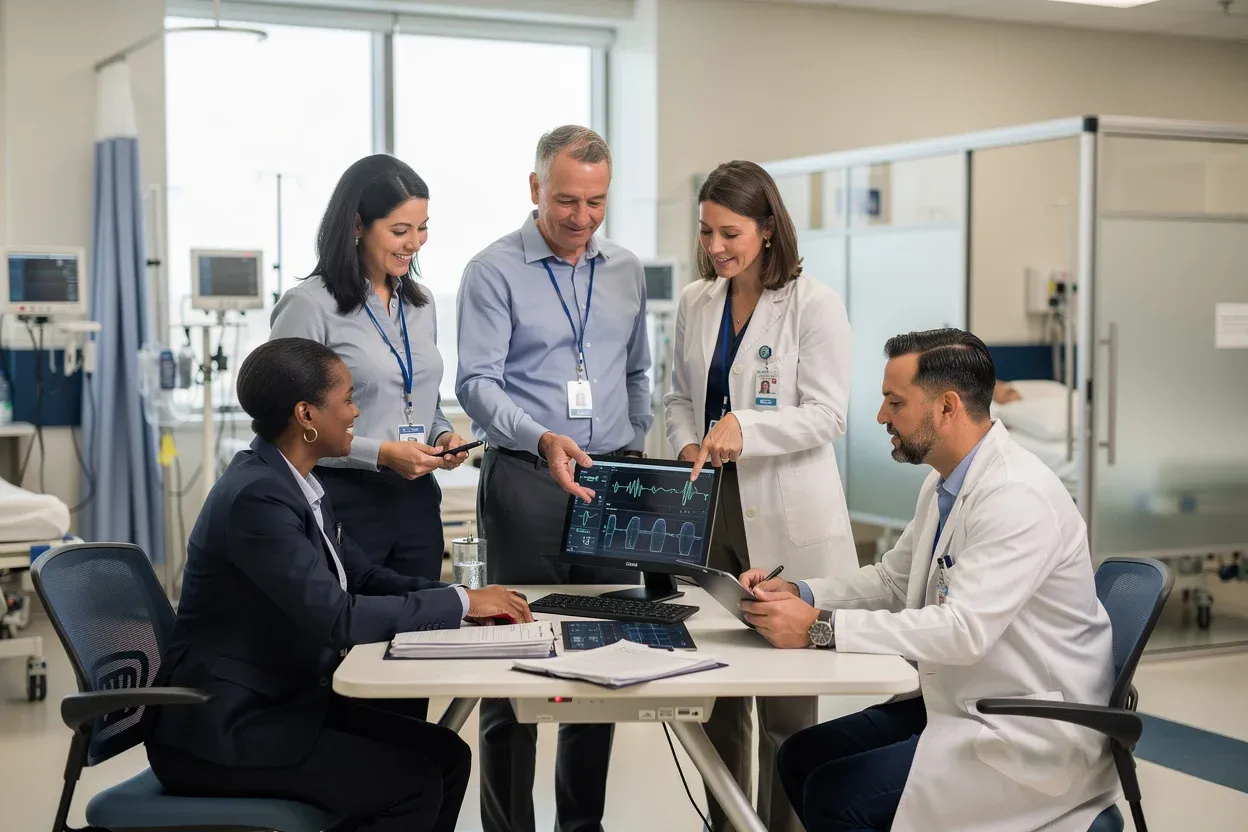
- Telemedicine and Remote Monitoring Services: Advances in digital health create new roles for professionals adept at operating remote monitoring equipment and interpreting virtual diagnostic data. Although still in an early stage, this segment promises sustainable growth alongside broader adoption of telehealth.
- Educational and Training Organizations: Heightened regulatory standards and continuing professional development requirements drive expansion in organizations dedicated to certification and training, supporting career sustainability through credential renewal and skill advancement.
- Short-Term Surge Industries: Temporary staffing agencies and contract-based clinical trials reflect episodic demand spikes-often pandemic-related-that generate immediate job openings but may lack long-term stability.
Graduates assessing this landscape should weigh factors such as licensing mandates, technological proficiency required, and advancement opportunities. Healthcare systems integrating neurodiagnostic services tend to invest more in professional development with clearer career paths. Emerging sectors like telemedicine demand adaptability to rapid tech change but offer flexible work options. Understanding these nuanced drivers helps align career choices with fast-growing industries hiring neurodiagnostic technology graduates in the USA that provide both immediate and enduring prospects.
For those seeking related academic pathways, nursing programs no TEAS required can offer accessible routes into allied health fields complementing neurodiagnostic expertise-more details are available at nursing programs no TEAS required.

How Does Industry Choice Affect Long-Term Earning Potential for Neurodiagnostic Technology Professionals?
The industry selected by neurodiagnostic technology professionals greatly influences their long-term salary growth. While entry-level salaries often remain comparable, pay trajectories can vary widely, shaping lifetime earnings and job satisfaction.
- Growth Industries: Fields like hospital neuroscience departments, specialized neurological clinics, and research institutions typically show substantial wage increases over ten to fifteen years-often doubling or tripling initial pay. This is fueled by regular, performance-based raises, transparent promotion paths, and strong demand for expertise.
- Compressed Wage Bands: In contrast, smaller diagnostic centers and some outpatient facilities tend to have narrow salary ranges. Regardless of experience or improving skills, salaries in these roles often plateau, limiting earning potential even with excellent performance.
- Bonus Variability: Total compensation differs across sectors based on bonuses, profit-sharing, and equity options. For example:
- Academic and research settings may award grants or bonuses tied to project outcomes.
- Private healthcare providers sometimes provide profit-sharing that boosts overall earnings.
- Long-Term Focus: Evaluating initial salary offers alone can be misleading. Modeling income over ten to twenty years-factoring in raises, bonuses, and promotion opportunities-is essential for assessing the best industry fit.
- Additional Factors:
- The availability of remote work can affect quality of life and career longevity.
- Licensing demands and employer-supported professional development influence advancement and salary growth.
When asked about how industry choice influenced his earnings, a neurodiagnostic technology professional reflected on the early uncertainties and eventual clarity: "Starting out, I was overwhelmed trying to decide between research and clinical settings. The salary differences weren't clear until I tracked growth over several years. I faced tough choices about certifications and relocating for better opportunities. Ultimately, focusing on a hospital role with strong advancement paths paid off, but it took patience and continuous learning. I learned not to fixate on the starting salary but to plan for the long haul."
Which Industries Provide the Most Stable and Recession-Proof Careers for Neurodiagnostic Technology Graduates?
Industries employing neurodiagnostic technology graduates have shown varied resilience during recessions-healthcare sectors, especially hospitals and outpatient clinics, remain among the most recession-proof with steady demand fueled by an aging population and critical neurological care needs. These settings often provide the highest median salaries coupled with established career advancement paths, balancing financial reward and stability. Licensing and certification requirements standardize professional growth, reinforcing long-term job security. This dynamic is central to evaluating neurodiagnostic technology career stability in healthcare sectors.
Government and nonprofit institutions, including neurological research centers, typically offer more security despite slower growth. Their mission-driven focus tends to shield these roles from economic volatility, although salaries may trail private-sector counterparts. Some of these organizations have begun integrating limited remote work options, particularly for data analysis and telemonitoring functions, creating modest flexibility in traditionally hands-on roles.
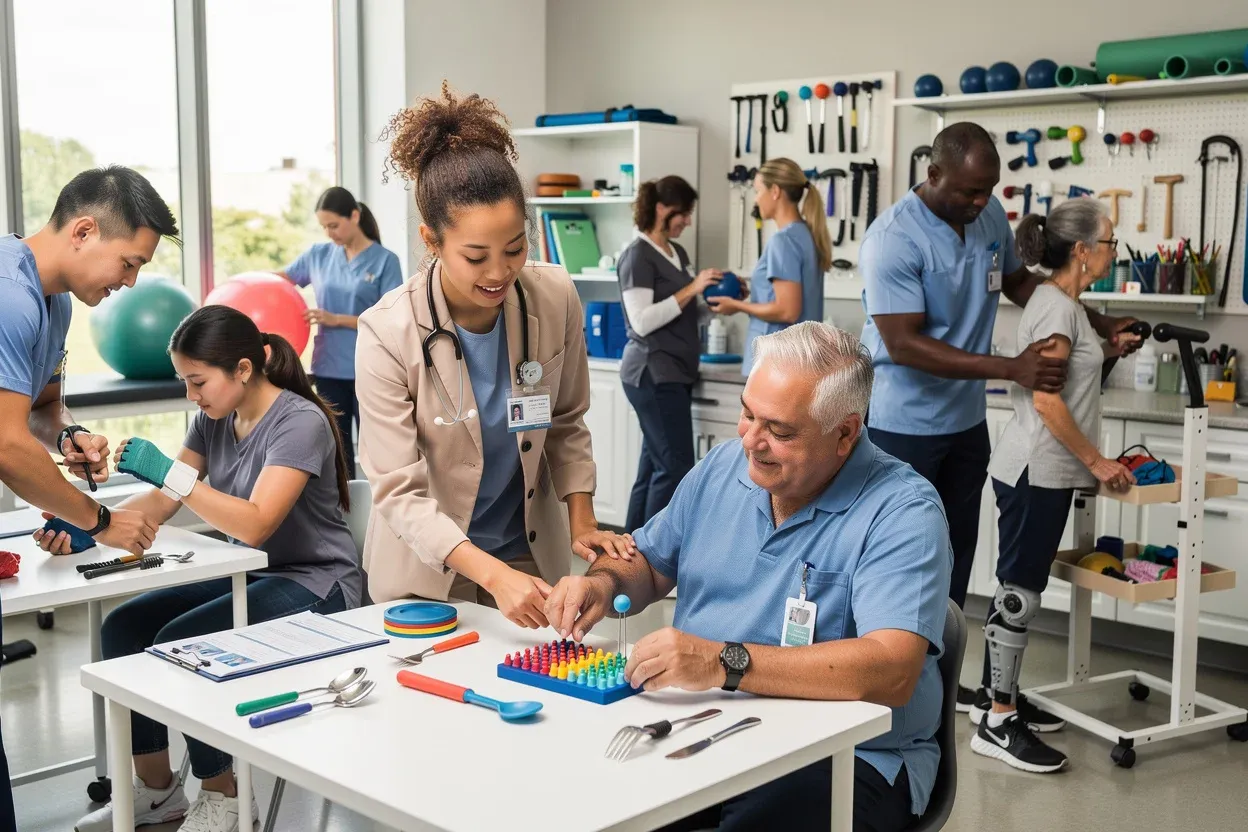
Graduates often face a trade-off between higher remuneration in private medical device companies-which provide competitive wages and opportunities in sales, training, and technical support-and the relative stability of public or nonprofit employers. Rehabilitation and long-term care facilities meanwhile sustain consistent employment during downturns, although pay scales are generally moderate. This sector appeals to those prioritizing meaningful patient impact alongside job reliability.
Trends: During the 2020 COVID-19 disruption, healthcare employment rebounded faster than most industries, with neurodiagnostic technology roles integral to essential diagnostic services. This trend underscores ongoing demand despite macroeconomic challenges.
- Healthcare: High demand, strong salaries, career growth, recession-resistant
- Government/Nonprofit: Stable funding, mission focus, moderate pay, select remote roles
- Private Sector: Higher earnings, growth potential, greater vulnerability to downturns
- Rehabilitation/Long-Term Care: Meaningful work, steady employment, moderate wages
When considering these sectors, graduates should weigh their financial needs and risk tolerance carefully. Exploring options through no application fee online colleges can further support a strategic approach to entering this stable, mission-critical field.
What Role Does the Private Sector Play in Shaping Career Paths for Neurodiagnostic Technology Degree Holders?
The private sector offers diverse opportunities for neurodiagnostic technology graduates across industries such as biomedical technology, private healthcare, neurotech startups, and medical device manufacturing. Notable employers range from Fortune 500 giants like Medtronic and GE Healthcare to innovative, venture-backed startups and large private hospital networks like HCA Healthcare and Sonic Healthcare. These companies attract talent for roles spanning diagnostics, research, and product development.
Several aspects differentiate private-sector roles from those in the public sector:
- Compensation Structure: Typically, private employers provide higher base salaries and performance-based bonuses, though bonus policies vary significantly between startups and established firms.
- Promotional Timelines: Career advancement is generally faster and merit-based in private companies, especially tech-focused ones, contrasting with the slower, tenure-driven hierarchies common in public settings.
- Performance Culture: Private firms emphasize innovation and measurable results, rewarding adaptability and cross-functional expertise, which can be both inspiring and demanding.
- Work Environment: Startups often offer flexible schedules and remote work options, whereas large corporations maintain more structured workflows and formal processes.
- Industry-Specific Reputation:
- Medtronic is valued for comprehensive employee benefits and rigorous compliance training.
- GE Healthcare is recognized for its international presence and global assignments.
- Neurotech startups provide hands-on development roles but entail higher variability and risk.
- Private hospital systems offer predictable workloads with strong clinical focus, favored by those desiring stability.
- Professional Fit: Innovators seeking rapid impact might prefer startups, while those favoring clear career paths and stability often gravitate toward large corporations or hospital networks.
When I spoke with a professional who built her career after earning a neurodiagnostic technology degree, she described entering the private sector as both thrilling and challenging. "Transitioning from academic training to a fast-paced startup pushed me to quickly develop not only my technical skills but also adaptability and business awareness," she said. Navigating performance metrics tied closely to product milestones required constant learning and resilience. Yet, the opportunity to shape emerging neurotech products and collaborate across teams fueled a deep sense of purpose. She emphasized that choosing the right private employer meant aligning personal work style with company culture-something she discovered only through experience and reflection.

How Do Public Sector and Government Agencies Compare to Private Employers for Neurodiagnostic Technology Graduates?
Employment Landscape: Neurodiagnostic Technology professionals often find government roles within entities like the Department of Veterans Affairs, state health agencies, and public hospitals. These positions operate under civil service systems featuring stepwise grade levels, which provide structured but gradual career progression based on tenure and performance.
Compensation Structure: Public sector salaries are determined by established pay scales with fixed increments, which can limit earning potential compared to private sector opportunities. In contrast, private employers-including specialty neurology clinics and diagnostic labs-typically offer more adaptable compensation plans with performance incentives but may lack the holistic benefits found in government roles.
Career Advancement: Government employment emphasizes stability with more predictable yet slower promotion pathways. Private companies often offer faster advancement, particularly in larger healthcare organizations and research institutions where innovation and specialization are rewarded through leadership roles and raises.
Distinct Government Benefits: Those working in public service can access defined-benefit pension plans and enjoy stronger job security. Additionally, federal positions often come with eligibility for student loan forgiveness programs-an important perk for graduates managing education debt.
Trade-Offs: Choosing a government career means accepting capped earnings and less flexibility in negotiating pay. The slower pace of advancement may also deter individuals seeking rapid growth or entrepreneurial challenges typical in private sector settings.
Industry Trends: The U.S. Bureau of Labor Statistics projects an 8% growth in employment for neurodiagnostic technologists from 2022 to 2032, with government healthcare facilities increasing recruitment to address rising veteran and public health demands-favoring stable, long-term careers in the public sector.
Which Industries Offer the Clearest Leadership and Advancement Pathways for Neurodiagnostic Technology Professionals?
Hospital systems and specialized neurodiagnostic centers lead the healthcare industry by offering the clearest advancement pathways for neurodiagnostic technology professionals. These environments typically have merit-based promotion ladders that elevate technologists to supervisory, managerial, and director roles-often within ten to fifteen years. Surveys from professional associations highlight that hospitals with formal leadership development and internal mentorship programs accelerate this upward mobility.
Merit-Based Promotion: Regular performance evaluations, continuing certification, and advanced credentials are critical criteria for career progression within healthcare settings.
Leadership Roles: Positions such as team leader, clinical manager, and department director responsible for neurodiagnostic services become achievable milestones.
Graduate Education: Earning an MBA focused on healthcare administration or clinical specialties significantly accelerates advancement toward executive leadership, including roles like Chief Neurodiagnostic Officer or Director of Clinical Services.
Professional Development: Commitment to ongoing certification and expanding interdisciplinary skills enhances readiness for leadership challenges.
Research and academic institutions provide mixed clinical and research leadership roles, favoring those who supplement technical expertise with master's or doctoral degrees. These sectors typically offer positions such as program coordinators, lab directors, and principal investigators-with leadership visibility enhanced through grant management experience.
Academic Leadership: Roles encompass faculty appointments and program oversight positions.
Research Management: Leadership opportunities include project leads backed by grant funding knowledge.
Advanced Degrees: A master's or PhD in neurodiagnostics or neuroscience combined with management training propels faster access to leadership responsibilities.
Within medical device and technology companies, career advancement is emerging rapidly-especially in clinical affairs and product management tracks. Roles range from clinical specialist to product manager and technical director. An MBA or specialization in product development or regulatory affairs supports expedited career growth in these sectors.
Management Tracks: Opportunities span from technical roles to leadership in product management.
Business Education: Advanced business degrees focusing on relevant industry areas accelerate upward mobility.
Over 60% of neurodiagnostic technology professionals employed in hospital environments report reaching managerial roles within 12 years-confirming the healthcare sector's strong leadership pipeline. Prospective graduates should carefully assess each industry's decade-long career ceiling and commitment to transparent promotion to ensure sustained growth beyond immediate hiring prospects.
What Emerging and Technology-Driven Industries Are Creating New Demand for Neurodiagnostic Technology Skills?
Graduates with neurodiagnostic technology skills are increasingly in demand within technology-driven neurodiagnostic career opportunities, as industries leverage their expertise in neurological signal acquisition, data analysis, and patient monitoring. These sectors integrate neurodiagnostic competencies with innovative tools to enhance processes and products.
- Artificial Intelligence: AI in healthcare requires professionals capable of interpreting complex brainwave data and embedding neurophysiological insights into machine learning models. Neurodiagnostic graduates familiar with programming and neural interfaces are sought after to improve brain-computer interfaces and diagnostic software.
- Clean Energy: This seemingly unrelated sector values neurodiagnostic talent for developing human-machine interaction and operator safety systems in renewable energy technologies. Skills in real-time biofeedback and data acquisition enhance safety and efficiency.
- Biotechnology: Biotechnology's growth into neurotherapeutics and neuroprosthetics drives demand for technicians proficient in electrophysiological monitoring and neural signal interpretation, especially those with complementary knowledge in biomedical engineering or molecular biology.
- Advanced Manufacturing: Neurodiagnostic technology supports robotics and automation by improving ergonomic designs and safety systems. Graduates understanding brain-motor control relationships contribute to cutting-edge adaptive manufacturing and wearable neurotech devices.
- Digital Health: The rise of telehealth, wearable gadgets, and remote patient monitoring creates roles for neurodiagnostic professionals with certification in telemedicine and data security, facilitating neurological data collection beyond clinical settings.
For those exploring emerging industries demanding neurodiagnostic tech skills, pursuing targeted upskilling-such as certifications in data analytics, programming languages like Python, or graduate studies in biomedical informatics-greatly enhances employability. Mastery of regulatory frameworks and interdisciplinary collaboration also supports career advancement.
While emerging industries often provide higher compensation and innovative work environments, they come with uncertainties related to job stability and market shifts. Graduates should evaluate industry maturity, funding, and regulation carefully to balance risks and rewards for a sustainable career path. For professionals considering a broader health science education, an online dietitian degree might also complement neurodiagnostic technology expertise in patient-centered roles.
How Do Nonprofit and Mission-Driven Organizations Compare as Career Options for Neurodiagnostic Technology Graduates?
Nonprofit and mission-driven organizations offer compelling career opportunities in nonprofit neurodiagnostic technology organizations for graduates who seek purpose alongside professional growth. These sectors prioritize public service, patient-centered care, and community impact-creating work environments closely aligned with meaningful, long-term outcomes.
Compensation in nonprofit neurodiagnostic technology roles tends to be 10-25% lower than comparable private sector jobs, as shown by nonprofit compensation surveys from organizations like Nonprofit HR. Despite this, financial incentives help offset the pay gap:
- Public Service Loan Forgiveness (PSLF): Neurodiagnostic technologists working full-time at qualifying nonprofit employers may qualify for this program, which forgives remaining federal student loan balances after 10 years of qualifying payments, making these roles financially viable over time.
- Additional Benefits: Many nonprofits offer generous health insurance, retirement plans, and paid time off, contributing significantly to total compensation value compared to some private employers.
- Professional Development: Mission-driven organizations often support continuing education and certification maintenance, funding opportunities that enhance technical skills and advancement potential.
Workplace culture in nonprofits often emphasizes teamwork, equity, and mission alignment, fostering higher job satisfaction when values align with organizational goals-especially in healthcare roles serving underserved populations or advancing neurological health equity. Mission-driven neurodiagnostic technology jobs with advancement potential may include specialized clinical roles, program management, or leadership positions connected to the organization's social impact.
Remote work options vary, as neurodiagnostic duties generally require onsite presence; however, related education, research, or administrative roles within these organizations may offer flexible arrangements. Licensing and certification remain consistent across sectors, with nonprofits frequently supporting credential maintenance.
Prospective graduates exploring related educational paths might consider a nutritionist degree online as an example of another mission-focused healthcare profession.
Which Industries Support the Most Remote and Flexible Work Arrangements for Neurodiagnostic Technology Degree Holders?
Remote and hybrid roles for neurodiagnostic technology professionals vary widely across sectors. Healthcare settings like hospitals and rehabilitation centers predominantly require onsite presence due to the hands-on nature of procedures such as EEG monitoring and nerve conduction tests. These environments limit flexibility and prioritize direct patient interaction.
Industries embracing telehealth and medical technology show greater openness to remote work, leveraging digital tools for patient data analysis, virtual consultations, and equipment support. Key sectors with notably flexible cultures include:
- Telehealth and Digital Health Companies: Offer opportunities to conduct remote diagnostics, provide technical support, and guide patients through virtual platforms.
- Medical Research Organizations: Enable remote involvement in data analysis and reporting for clinical trials and neurophysiological studies, accommodating geographic flexibility.
- Medical Device and Software Firms: Provide technical training and product development roles that often operate on flexible schedules compatible with remote work.
Remote positions allow graduates to tap into competitive salaries typical of metropolitan areas while residing in lower-cost regions-broadening career geography. Recent workforce reports estimate about 35% of neurodiagnostic technology-related jobs now include remote or hybrid options, reflecting growing industry adaptability.
To navigate this landscape, candidates should:
- Evaluate Employer Culture: Check for explicit telework policies and flexible scheduling through company reviews and job descriptions.
- Clarify Role Expectations: Determine if duties involve telehealth tasks or require on-site patient care.
- Advocate for Flexibility: Communicate preferences during interviews and inquire about remote or hybrid work possibilities.
These approaches empower professionals to align career choices with lifestyle priorities without compromising growth opportunities.
How Do Industry-Specific Licensing and Certification Requirements Affect Neurodiagnostic Technology Career Entry?
Healthcare Licensing: Many clinical roles require strict state licenses and certifications-such as those issued by the American Board of Neurophysiologic Monitoring (ABNM) or the American Board of Registration of Electroencephalographic and Evoked Potential Technologists (ABRET). These certifications demand passing rigorous exams and completing supervised clinical training, often extending the preparation time beyond earning the degree. They are crucial for practicing as registered neurodiagnostic technologists in hospitals and specialized neurological centers.
Academic and Research Settings: These sectors generally impose fewer formal licensing mandates but prioritize advanced degrees and peer-endorsed certifications. Continuing education through industry societies is key for enhancing eligibility for research grants and leadership positions, offering greater flexibility though with competitive entry.
Biomedical and Industry Roles: Employers in device development or neurodiagnostic technology software value hands-on experience and targeted technical skills more than licensure. Achieving certifications recognized by clinical partners can still noticeably boost a candidate's profile and credibility.
Credentialing Advantages: Securing additional professional credentials beyond state licenses distinguishes candidates by showcasing specialized expertise-advancing hiring potential and unlocking supervisory or research career tracks.
Regulatory Variation: Licensing rules fluctuate significantly by state and employer, making it essential for candidates to confirm current standards regularly with appropriate boards and associations to avoid unexpected barriers.
Industry Growth Outlook: The U.S. Bureau of Labor Statistics projects a 7% growth for neurodiagnostic technologists through 2032-highlighting increased demand and reinforcing the importance of licensing and certification as gateways to stable, well-compensated roles.
What Graduates Say About the Industries That Offer the Best Career Paths for Neurodiagnostic Technology Degree Graduates
- Riggs: "Having graduated with a neurodiagnostic technology degree, I found that the compensation in hospital settings truly reflects the specialized skills required-I was pleasantly surprised at how competitive the salaries are. Beyond that, the stability of the healthcare industry provides real peace of mind in uncertain times. If you're someone who values both financial reward and job security, this field offers a great balance."
- Curtis: "The advancement opportunities in neurodiagnostic technology surprised me the most-starting in a clinical role, I quickly realized there's room to grow into supervisory or specialist positions. Plus, workplaces often foster a collaborative culture that feels more like a team than just coworkers, which makes daily tasks rewarding. For anyone who thrives on personal and professional growth in a supportive setting, this industry is ideal."
- Waylon: "Reflecting on my time entering the neurodiagnostic technology field, I can confidently say the workplace culture stands out above all. From my experience, environments emphasize respect, ongoing learning, and patient care excellence-a combination that makes going to work fulfilling every day. While compensation and stability are important, it's the people and the culture that truly define career satisfaction here."
Other Things You Should Know About Neurodiagnostic Technology Degrees
Industries such as outpatient clinics and academic medical centers often provide the best work-life balance and job satisfaction for neurodiagnostic technology graduates. These settings typically offer more regular hours and fewer emergency calls compared to hospital-based roles. Job satisfaction is higher when professionals feel supported by collaborative teams and have opportunities to engage in research or teaching alongside clinical duties.
Geographic location greatly affects available opportunities-urban areas tend to have more hospitals, specialized clinics, and research institutions requiring neurodiagnostic technologists, offering diverse roles and higher wages. Rural regions might have fewer positions but can offer a close-knit work environment and less competition. Licensure requirements and access to continuing education vary by state, impacting how easily graduates can practice and advance.
Large hospital systems and academic medical centers usually invest heavily in ongoing professional development for neurodiagnostic technology staff. These employers provide funding for certifications, advanced training, and attendance at national conferences. Research-focused institutions often support education as a way to stay current with evolving diagnostic equipment and techniques, which benefits both employee growth and patient care quality.
Graduates should consider factors such as desired work environment, patient interaction level, and career advancement opportunities when evaluating industry fit. Those prioritizing mission-driven work might prefer nonprofit or research institutions, while others seeking higher compensation might target private sector clinics. Aligning industry characteristics with personal values-including work-life balance and growth potential-increases long-term career satisfaction and success.
References
- Private Sector IT Vs. Public Sector IT , Which One is Better to work for? https://community.spiceworks.com/t/private-sector-it-vs-public-sector-it-which-one-is-better-to-work-for/521730
- Tech as a Mission Enabler for Nonprofits & Higher Ed | Grant Thornton https://www.grantthornton.com/insights/articles/nfp/2025/mission-enabler-nonprofits-highered
- 7 Best Industries for Remote Work: Where Startups Are Hiring Remotely - Growth List https://growthlist.co/7-best-industries-for-remote-work/
- EEG Jobs: Your Complete Guide to a Rewarding Career in Neurodiagnostics - SpecialtyCare https://specialtycareus.com/blog-eeg-jobs-career-opportunities/
- Neurodiagnostic Technologists — Career Path Guide https://jobcannon.io/careers/neurodiagnostic-technologists
- Neurodiagnostics Market Growth Analysis - Size and Forecast 2024-2028 | Technavio https://www.technavio.com/report/neurodiagnostics-market-industry-analysis
- The Unique Benefits of Working for Nonprofits: Why You Should Consider a Mission-Driven Career https://www.nonprofitlearninglab.org/post/the-unique-benefits-of-working-for-nonprofits-why-you-should-consider-a-mission-driven-career
- A Comprehensive Guide to Neurodiagnostic Technician Salaries - Neuro Pathway https://myneuropathway.com/blog/a-comprehensive-guide-to-neurodiagnostic-technician-salaries/
- Neurodiagnostic Technologist - Explore Healthcare Careers - Mayo Clinic College of Medicine & Science https://college.mayo.edu/academics/explore-health-care-careers/careers-a-z/neurodiagnostic-technologist/
- Compensation and Benefits for Science, Technology, Engineering, and Mathematics (STEM) Workers https://www.rand.org/pubs/research_reports/RR4267.html