
2027 Best Accounting Degree Programs Ranking in Dallas

Co-Founder and Chief Data Scientist
Choosing the right accounting degree program is an important step toward a successful career. In this article, you'll discover the 2027 Best Accounting Degree Programs Ranking in Dallas, developed by the Research.com team of data scientists. This ranking is designed to help you make an informed decision about which programs truly stand out in quality and value.
Exploring these top options will give you confidence in your choice, opening doors to rewarding opportunities. Pursuing an accounting degree can be a smart investment in your future, offering skills that employers highly value and a path to personal growth.
Key benefits of getting accounting degree in Dallas
- Salary for accounting degree graduates: Graduates in Dallas can expect rewarding salaries, such as a Staff Accountant earning around $90,780 annually and Bookkeepers or Tax Preparers earning close to $49,580. These figures highlight promising financial benefits early in your career.
- Career paths: Accounting degree holders from Dallas colleges often secure roles like Associate Auditor or Accounts Payable Clerk, providing diverse opportunities in finance and accounting fields. This variety allows graduates to choose a path that fits their interests and strengths.
- Benefits of online degrees: Earning an accounting degree online from Dallas-based universities offers flexibility to balance work and study, making it ideal for busy individuals. Online graduates often enjoy the same quality education and job prospects as traditional students.
- Key benefits of getting accounting degree in Dallas
- What can I expect from accounting degree in Dallas?
- Where can I work with accounting degree in Dallas?
- How much can I make with accounting degree in Dallas?
- 2027 Best Accounting Degree Programs Ranking in Dallas
- Key Findings
- How long does it take to complete accounting degree in Dallas?
- Most Affordable Accounting Programs in Dallas, TX
- What's the difference between online and on-campus accounting degree?
- Professional Certification and Licensing Pathways
- What is the average cost of accounting degree in Dallas?
- Accreditation and CPA Exam Preparation
- What financial aid is available to accounting degree students in Dallas?
- What are the prerequisites for enrolling in accounting degree program in Dallas?
- Professional Certifications and Continuing Education Opportunities
- What courses are typically in accounting degree programs in Dallas?
- What types of specializations are available in accounting degree programs in Dallas?
- How do you choose the best accounting degree in Dallas?
- What career paths are available for accounting degree students in Dallas?
- What is the job market for accounting degree in Dallas?
- Top Trending Accounting Rankings
- See What Experts Have To Say About Studying Accounting
What can I expect from accounting degree in Dallas?
So, you're thinking about the cost of an accounting degree in Dallas? On average, students attending popular schools like the University of Texas at Dallas or Southern Methodist University can expect to pay anywhere from $10,000 to $30,000 per year, depending on whether they're in-state or out-of-state. Many graduates remember stretching their budgets but felt it was worth it because of the hands-on experience they gained through local internships and networking events.
One common story you'll hear is how these programs balance classroom learning with real-world skills, making the investment feel more practical. For instance, students often use tools like QuickBooks or SAP well before graduating, which makes landing that first job feel a whole lot easier. Plus, a lot of Dallas institutions offer flexible online or hybrid options, helping working professionals keep earning while they learn without breaking the bank.
Keep in mind, financial aid and scholarships are also widely available, and many feel the support from Dallas schools really lifts the burden. Graduates often say the experience was an investment that opened doors quickly in Dallas's buzzing job market.
Where can I work with accounting degree in Dallas?
If you're studying accounting in Dallas, you'll find plenty of places to kick-start your career once you graduate. Many grads from popular schools like the University of Texas at Dallas and Southern Methodist University land jobs at big public accounting firms-the "Big Four" like Deloitte and PwC are right here, along with lots of mid-sized firms. These spots are great if you want to get hands-on experience with audits, taxes, or financial advice across different industries.
Others dive straight into the corporate world. Dallas is packed with Fortune 500 companies like AT&T and Southwest Airlines that need accountants to crunch numbers as financial analysts or internal auditors. Imagine working in a buzzing office specializing in energy or telecom, where your cost accounting skills make a real impact on big projects!
And don't forget government and nonprofits-they're hiring too. Local agencies want accounting pros to handle budgets and reporting, while nonprofits look for people to manage grants and fundraising finances. Many grads say this variety keeps their work exciting and rewarding.
How much can I make with accounting degree in Dallas?
If you're studying accounting in Dallas, you're in a great spot to earn a solid paycheck after graduation. Graduates from local schools like the University of Texas at Dallas often land jobs as staff accountants making around $90,780 a year, according to government data. That's roughly $43.65 an hour - not too shabby for starting out!
Other common roles that grads take include bookkeepers, tax preparers, associate auditors, and accounts payable clerks. These positions typically bring in about $49,580 annually, which is a decent entry point while you build experience and certifications.
Many Dallas grads find that once they earn their CPA license or gain five years under their belt, their salaries shoot up well beyond the starting numbers. Imagine working in a bustling Dallas finance firm, climbing the ladder, and boosting your income close to six figures - it's a realistic goal!
So if you're aiming for a rewarding career, these numbers show accounting in Dallas is a smart move that can pay off nicely as you grow in the field.
2027 Best Accounting Degree Programs Ranking in Dallas
How do we rank schools?
Investing in your education is a significant decision that can shape your future, and the Research.com team understands the importance of making informed choices. To assist prospective students in Dallas, we have meticulously crafted the "2027 Best Accounting Degree Programs Ranking in Dallas." Our commitment to quality, credibility, and accuracy is reflected in the extensive research and analysis conducted to compile this ranking.
We utilized the following reputable data sources to ensure a comprehensive evaluation of accounting programs:
By exploring this ranking, readers will gain valuable insights into the best accounting degree programs available in Dallas, helping them make informed decisions about their educational paths. For more details on our methodology, please visit our Research.com methodology page.


Key Findings
- The average yearly cost for a bachelor's degree in accounting at Dallas-area public institutions is between $10,000 and $15,000 for in-state students.
- Private colleges typically charge $25,000 to $40,000 annually for accounting programs.
- Starting salaries for accounting graduates in Dallas average about $55,000 per year, increasing to $80,000-$95,000 or more with experience and certifications like CPA.
- The Dallas-Fort Worth-Arlington area expects faster-than-average job growth for accountants through 2030 due to business expansion and regulation changes.
- Many programs offer internships and CPA exam preparation to improve job readiness and career prospects.
- Professional organizations such as the Dallas CPA Society provide valuable networking opportunities for students and new graduates.
How long does it take to complete accounting degree in Dallas?
If you're aiming for a bachelor's in accounting in Dallas, expect to spend about four years grinding through classes-just like most students at places like the University of Texas at Dallas or Southern Methodist University. These schools have programs designed with that timeline in mind, so you won't be stuck dragging it out forever. Some grads share how taking summer courses helped them finish a bit faster, while others juggling jobs went part-time, which stretched their studies but made it manageable.
Thinking about a master's? That typically adds another one to two years, especially if you're chasing the CPA license, which needs those extra credits. It's pretty common for folks to plan their schedules around this so they're not overwhelmed.
Things like transferring previous credits or hopping on accelerated programs can also shave off some time. At the end of the day, it's all about balancing life and school in a way that fits you best here in Dallas.
Most Affordable Accounting Programs in Dallas, TX
For students looking to pursue an accounting degree without accumulating significant debt, exploring the most affordable options is crucial. The cost of tuition can vary widely among institutions in Dallas, TX, making it essential for prospective students to research and compare prices. Some universities offer competitive pricing for their accounting programs, making them attractive to students who are financially conscious. For instance, online accounting programs can provide a more economical path to a degree, with some institutions offering pricing that is significantly lower than their traditional counterparts. To find the cheapest online accounting programs in Texas, students should consider factors such as tuition rates, fees, and the potential for financial aid. By doing so, they can make an informed decision that balances academic quality with financial viability, setting themselves up for success without shouldering an unmanageable debt burden.
What's the difference between online and on-campus accounting degree?
If you're thinking about an accounting degree in Dallas, the big question is usually online or on-campus? Online programs from schools like the University of North Texas allow you to attend classes whenever it fits your schedule-perfect if you're juggling work or family. One graduate shared how she loved the freedom to study late at night after her kids were asleep while still acing tough accounting concepts.
On the flip side, students at Southern Methodist University enjoy that close-knit campus vibe. Being face-to-face lets you ask questions right away, join study groups, and meet local accounting pros through networking events. That hands-on connection boosted one recent graduate's confidence landing an internship with a big Dallas firm.
Costs vary too. Online learners often save money on commuting and housing, which is a big win in Dallas where living expenses add up. But campus resources-like libraries and career offices-can give on-campus students a leg up when prepping for the CPA exam or job hunting.
- Online degrees give you flexibility and can slash your costs.
- On-campus programs offer personal support and local networking.
- Both prepare you well for CPA licensure and Dallas's competitive job market.
- Think about your lifestyle and goals to pick what fits you best.
Professional Certification and Licensing Pathways
Obtaining an accounting degree is only the first step toward a successful finance career in Texas; earning professional certifications and securing licensure can dramatically boost your marketability and salary potential. In Texas, aspiring Certified Public Accountants (CPAs) must complete 150 credit hours of education, pass the Uniform CPA Examination, and fulfill at least one year (2,000 hours) of relevant work experience under a licensed CPA, as overseen by the Texas State Board of Public Accountancy. Many programs in Dallas, including those at the University of Texas at Dallas and Southern Methodist University, integrate CPA review courses or partnerships with local firms to streamline this process. Beyond the CPA, specialized credentials such as the Certified Management Accountant (CMA) and Certified Internal Auditor (CIA) offer targeted expertise. The CMA, administered by the Institute of Management Accountants, emphasizes financial planning and analysis, while the CIA focuses on audit, risk, and governance skills through the Institute of Internal Auditors. Graduates keen on enhancing their day-to-day bookkeeping and financial record-keeping expertise often pursue dedicated bookkeeping certifications, which can be completed in as little as a few months and provide immediate proof of proficiency in platforms like QuickBooks and Sage. Maintaining any of these credentials requires ongoing continuing professional education (CPE), with CPAs in Texas mandated to complete 120 hours of CPE every three years. By planning for both initial licensure and future CPE requirements early-leveraging campus workshops, webinars, and local AICPA chapter events-Dallas graduates can ensure their skills remain current, their networks expand, and their career trajectories ascend in the competitive accounting landscape.
What is the average cost of accounting degree in Dallas?
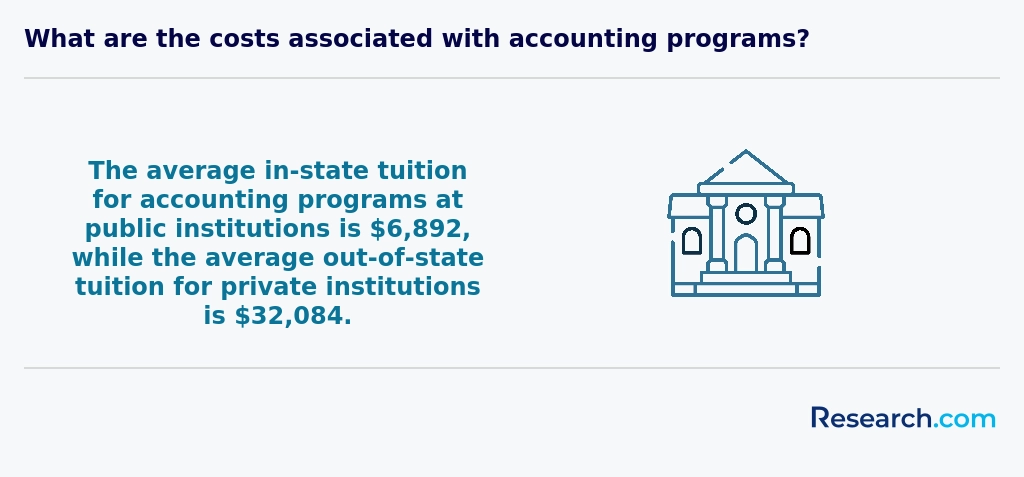
When you think about the average cost of accounting degree in Dallas, it generally lands around $40,190 for in-state students, while out-of-state students might expect to pay closer to $58,926. Many students attending universities like the University of Texas at Dallas find the tuition manageable, especially with in-state rates, which can make a big difference in overall expenses. Graduates often share how budgeting carefully and applying for aid helped them stay on track financially.
It's not just about tuition, though. Other expenses like books, materials, and technology fees can add up, so it's good to plan for those too. Some students start their journey at community colleges to save money, taking general education classes for as little as $3,500 to $5,000 per year before transferring to bigger programs. This flexible approach is a lifesaver for many who want to keep costs down.
For those curious about the total tuition and fees for accounting programs Dallas offers, exploring options like the cheapest online accounting programs in Texas can open doors to affordable, high-quality education without sacrificing convenience or flexibility.
Many graduates from Dallas-based schools feel confident about their investment, noting that with financial aid, scholarships, and sometimes employer assistance, the path to an accounting degree is more accessible than it seems at first glance.
Accreditation and CPA Exam Preparation
Accreditation is a hallmark of quality in accounting education, ensuring that programs meet rigorous standards set by bodies such as the Association to Advance Collegiate Schools of Business (AACSB) or the Accreditation Council for Business Schools and Programs (ACBSP). In Dallas, TX, top accounting degree programs often boast AACSB accreditation, which not only enhances academic credibility but also signals to employers that graduates possess a curriculum aligned with industry best practices. Prospective students should verify accreditation status when comparing programs and consider how this recognition can streamline the path to licensure. Preparing for the Uniform CPA Examination is a critical component of any robust accounting curriculum. Leading Dallas institutions integrate CPA review courses-powered by providers like Becker and Wiley-directly into the coursework, offering dedicated workshops, practice simulations, and access to licensed faculty mentors. Programs often track and publish first-time CPA exam pass rates, with competitive schools in Dallas reporting rates above the national average of 50–55%. These metrics provide transparency and help students gauge the effectiveness of each program’s exam preparation resources. Beyond CPA licensure, accredited programs in Dallas frequently support additional credentials, such as the Certified Management Accountant (CMA) and Certified Internal Auditor (CIA) designations. Specialized electives, exam voucher subsidies, and student chapters of professional bodies like the AICPA and IMA enrich the learning experience and expand networking opportunities. For aspiring accountants seeking cost-effective yet high-quality credentials, our Most Affordable Accounting Degree Programs Ranking in the West offers a comprehensive comparison of accredited programs that balance value with exam success.
What financial aid is available to accounting degree students in Dallas?
If you're diving into an accounting degree in Dallas, you'll find tons of financial aid options that make things way easier on your wallet. For example, many students at the University of Texas at Dallas lean on federal financial aid like Pell Grants, which can cover up to $7,395 a year without having to pay it back. That's a huge relief when balancing tuition costs around $10,000 to $25,000 annually for in-state students.
Besides federal aid, locals often benefit from the Texas Grant Program, which helps Texas residents cover tuition at public schools if they show financial need and enroll full-time. Graduates from Southern Methodist University mention how these state grants, combined with scholarships from groups like the Dallas Chapter of the Texas Society of CPAs, really brightened their financial outlook.
Work-study gigs on campus also add a nice boost, letting you earn while gaining hands-on experience. Some employers in Dallas even pitch in with tuition reimbursement, turning your job into a smart way to pay for school. With all these options, getting through your accounting degree feels a lot more doable and less stressful.
What are the prerequisites for enrolling in accounting degree program in Dallas?
To get into an accounting degree program in Dallas, you'll usually need a high school diploma or something similar like a GED. Many students who've succeeded at popular Dallas colleges found that having solid math skills, especially in areas like algebra and statistics, really helped them breeze through the early classes. It's not just about ticking boxes-strong math basics make accounting way more understandable and actually fun.
Most Dallas schools also look for a decent GPA, often around 2.5 to 3.0, which isn't too intimidating if you've kept steady grades. Some students shared that submitting SAT or ACT scores wasn't always a big deal, since testing rules have gotten more relaxed recently, but it's good to check each college's specifics.
For those eyeing grad programs here, like a Master of Accountancy, having a bachelor's degree-ideally related to accounting-and some coursework in financial accounting or economics is key. Plus, schools in Dallas often want to see a little extra: maybe a personal statement, a recommendation, or even internship experience in finance, which really gave former students a leg up when applying.
Professional Certifications and Continuing Education Opportunities
In today’s evolving accounting landscape, earning additional certifications not only bolsters your resume but also enhances your career trajectory. Beyond traditional degree programs, professionals are increasingly turning to specialized certifications-such as CPA, CMA, or even niche credentials-to stay competitive and demonstrate their commitment to lifelong learning. These credentials can provide practical, up-to-date expertise in areas like forensic accounting, data analytics, or tax strategy, ensuring that your skills remain relevant in a fast-changing financial environment. Moreover, many institutions now offer flexible certificate programs that allow professionals to upskill without committing to another full degree. For instance, you might explore options where can i get an accounting certificate without a degree-a viable pathway for those looking to expand their qualifications while continuing to work. Embracing these additional educational opportunities can not only boost your marketability but also provide the critical tools needed to adapt to future industry trends, all while reinforcing your professional credibility and expertise.
What courses are typically in accounting degree programs in Dallas?
If you're diving into an accounting degree in Dallas, expect to take a bunch of solid courses that really set you up for success. Most students at places like the University of Texas at Arlington start with basics like Financial Accounting and Managerial Accounting. Think of these as the building blocks, helping you understand how money moves in and out of companies and how businesses make smart financial choices.
As you get deeper, you'll tackle courses like Intermediate and Advanced Financial Accounting-these get into tricky stuff like detailed financial reports, which is super handy if you want to work with real company reports later on. Cost Accounting is another favorite, showing you how to track and control expenses, which is a must-have skill for any manager.
- Auditing classes feel like a detective story, teaching you how to check for errors and keep everything honest.
- Federal Income Taxation breaks down taxes for both individuals and businesses, so you're not lost during tax season.
- Accounting Information Systems brings tech into the mix, so you're comfortable using software like QuickBooks or Excel.
And it's not just accounting-all those economics, stats, and business law courses make your degree well-rounded. Graduates from Dallas schools always mention how these classes helped them feel ready for internships and jobs in the city's bustling business scene.
What types of specializations are available in accounting degree programs in Dallas?
If you're looking into accounting degree specializations in Dallas, you'll find plenty of options that fit different career goals. Lots of students at Dallas colleges love diving into tax accounting because it gears you up for handling tricky tax laws, especially since Texas has its own tax rules on top of federal ones. Graduates often rave about how this focus helped them snag jobs quickly in local firms.
Another favorite is auditing. Picture yourself working for a Dallas-based company, checking financial records for accuracy-graduates often say this specialization gave them solid skills to stand out in public accounting or corporate audit roles. Forensic accounting is also gaining traction, with students excited about uncovering fraud and financial misdeeds, a big deal given how important corporate governance is nowadays.
For those interested in global business, international accounting is a hit at universities here, helping grads work with multinational clients. Financial accounting remains a core path too, especially since many Dallas programs align with CPA requirements.
If you're wondering about getting started or can i get an accounting certificate without a degree, many find certificate programs a handy step toward these specializations. Exploring Dallas accounting program concentration options really opens doors to careers tailored just for you.
How do you choose the best accounting degree in Dallas?
When choosing the best accounting degree in Dallas, start by checking out schools with solid reputations like the University of Texas at Dallas or Southern Methodist University. Graduates often mention how having faculty who understand local business practices made a real difference in their learning experience. Plus, these programs usually line up well with what you need to pass the CPA exam, which is a big deal for advancing your career.
If budget's top of mind, explore affordable accounting colleges in Dallas since tuition can vary a lot-from public university rates around $11,000 a year to private schools charging much more. Many students found that scholarships or financial aid helped lighten the load. Also, don't overlook programs offering flexibility with evening or online classes if you're juggling work and studies.
Internships with Dallas-area firms are another huge plus. Graduates often talk about how real-world experience landed them their first jobs. And if you want to widen your skills, you might also want to look into bookkeeping certifications through bookkeeping certifications-they can complement your degree nicely.

What career paths are available for accounting degree students in Dallas?
If you're studying accounting in Dallas, you've got a bunch of cool career paths to choose from. Graduates from local colleges often land gigs as Certified Public Accountants (CPAs), which opens doors to senior roles in firms or corporate finance. Many others find themselves thriving as corporate accountants or financial analysts, especially since Dallas hosts a ton of Fortune 500 companies where these roles are crucial for managing budgets and forecasts. Some grads enjoy digging into internal audits, helping companies sharpen their efficiency and stay compliant-definitely satisfying work for those who love problem-solving.
Jobs with accounting degree Dallas TX also extend into specialties like tax preparation and forensic accounting. It's pretty exciting because you get to work with everything from local businesses to high-net-worth clients, and even get involved in fraud investigations in this bustling business city. Plus, with trends like fintech and data analytics growing here, accounting grads who pick up those skills find themselves with a real edge in the job market. If you want to explore affordable options to study, check out the Most Affordable Accounting Degree Programs Ranking in the West.
What is the job market for accounting degree in Dallas?
If you're aiming for a solid career in finance, the accounting job outlook in Dallas is actually pretty bright. Graduates from popular schools like the University of Texas at Dallas often find themselves snapping up roles quickly thanks to the city's growing demand for accounting pros. Think about it: Dallas hosts major companies such as AT&T and Texas Instruments, so there's always a need for someone who can crunch numbers, handle taxes, and keep the books clean.
Many accounting grads in Dallas share how their experience juggling coursework and internships helped them land good jobs in corporate accounting or even healthcare finance. The steady growth in these fields makes the Dallas accounting degree employment opportunities especially attractive for newcomers. Plus, the median pay here is around $77,000 annually, which beats the national average and gives a nice boost to starting salaries.
For those worried about the time commitment, some universities offer a fast track bachelor degree specifically designed for students eager to jump into the job market sooner without compromising quality.
Frequently Asked Questions About accounting
Accounting degree students in Dallas can maximize their learning experience by actively engaging with both academic and professional opportunities. Enrolling in programs accredited by the AACSB or ACBSP ensures access to high-quality curricula aligned with industry standards. Dallas, as a major economic hub, hosts numerous internships and cooperative education positions with top accounting firms such as Deloitte and PwC, offering practical exposure that supplements classroom knowledge. According to the Texas Workforce Commission, accounting jobs in Dallas are projected to grow 10% by 2030, highlighting demand for skilled graduates.
Networking through local chapters of professional groups like the Texas Society of CPAs helps students build valuable connections. Participating in study groups and utilizing university resources such as career centers also supports skill development. Additionally, leveraging software training in programs like QuickBooks and Excel prepares students to meet employer expectations effectively.
The accounting field is evolving rapidly, creating new opportunities for students pursuing degrees in Dallas. Emerging niches include forensic accounting, where professionals investigate financial crimes, and environmental accounting, which focuses on sustainability reporting. These areas reflect growing business and regulatory demands.
Another fast-growing niche is data analytics in accounting. Experts proficient in both finance and technology help organizations interpret complex data to improve decision-making. According to the U.S. Bureau of Labor Statistics, Dallas has seen a 12% increase in demand for accountants skilled in these areas over the past five years.
Additionally, compliance and risk management accounting remain vital due to stricter federal and Texas state regulations affecting local industries. Professionals with knowledge in these specialties are highly sought after in Dallas's financial and corporate sectors.
Preparing for the job market after completing an accounting degree in Dallas involves a strategic mix of skills development and networking. Dallas is a growing economic hub, with a 4% increase in accounting job openings projected through 2028 according to the U.S. Bureau of Labor Statistics. Graduates should seek internships or part-time roles in local firms to gain practical experience and build professional connections.
Obtaining certifications like the CPA enhances employability in Dallas, where over 60% of accountants hold this credential per the Texas State Board of Public Accountancy. Additionally, mastering accounting software commonly used in the region, such as QuickBooks and SAP, is beneficial.
Networking within Dallas' accounting community, including participation in local chapters of the AICPA or Dallas CPA Society, can open doors to job opportunities. Finally, tailoring resumes to reflect knowledge of Dallas' business environment, especially in sectors like energy and finance, increases competitiveness in the local market.
Employers in Dallas highly value accounting graduates who demonstrate strong analytical skills and proficiency with accounting software such as QuickBooks and Microsoft Excel. According to the Bureau of Labor Statistics, detail orientation and accuracy in financial reporting are critical in this field. Communication skills, both written and verbal, are also essential, as accountants must clearly present complex financial information to clients and stakeholders.
Local industry surveys highlight that familiarity with tax regulations and compliance, especially within Texas laws, increases employability. Additionally, problem-solving abilities and ethical judgment are key competencies sought by Dallas employers. With Dallas being a major business hub, adaptability to fast-paced environments is equally important.
Finding internships in Dallas relevant to an accounting degree involves leveraging local resources and networks. Dallas hosts a strong financial sector, with many firms seeking accounting interns, including Big Four firms and regional accounting companies. According to the Dallas Regional Chamber, financial services employ over 100,000 people in the metro area, creating numerous internship opportunities.
Start by exploring university career centers such as those at the University of Texas at Dallas or Southern Methodist University. These centers often partner with local businesses to provide internship listings.
Additionally, consider joining professional organizations like the Dallas CPA Society, which offers networking events and internship connections tailored to accounting students.
An accounting degree significantly enhances career mobility and advancement opportunities in Dallas's competitive job market. Dallas, a key financial center in Texas, boasts a growing demand for accounting professionals due to its expanding business hubs and corporate headquarters. According to the U.S. Bureau of Labor Statistics, the Dallas-Fort Worth metro area expects a 10% growth in accountant and auditor jobs from 2022 to 2032, which is above the national average. Holding a degree in accounting often meets the educational requirements for certifications like CPA, highly valued by employers in Dallas.
Graduates with accounting degrees gain access to a broad range of positions, from entry-level accounting roles to senior management and financial analyst jobs. Many Dallas-based firms prefer candidates with formal accounting education because it provides essential knowledge in tax, audit, and financial regulations, which are vital in a city with a diverse economy. Furthermore, networking opportunities through local professional organizations, such as the Dallas CPA Society, help facilitate career advancement.
In summary, earning an accounting degree in Dallas not only equips students with crucial skills but also positions them well for upward mobility in a dynamic marketplace noted for its demand for qualified finance professionals.
Studying for an accounting degree in Dallas equips students with skills that extend beyond traditional bookkeeping. Programs often integrate courses in finance, data analytics, and business law. This interdisciplinary approach prepares graduates to work effectively with professionals in various fields such as marketing, management, and IT.
Dallas is a growing financial hub, with over 50% of local accounting graduates employed in diverse industries, according to the Texas Workforce Commission. This environment encourages students to develop adaptability and communication skills crucial for collaborative roles.
Moreover, many Dallas universities emphasize real-world projects and internships. These opportunities enable students to apply accounting knowledge in cross-functional teams, enhancing problem-solving abilities across sectors like healthcare, technology, and manufacturing.
When choosing between a thesis and a non-thesis accounting degree program in Dallas, students should consider their career goals and time commitments. Thesis programs typically require original research and a written dissertation, which can prepare graduates for careers in academia or advanced research roles. Non-thesis options focus more on practical coursework, ideal for those aiming to enter the workforce quickly or pursue professional certifications like the CPA.
In Dallas, where the accounting job market is strong - with a 5.3% growth rate projected by the Texas Workforce Commission through 2030 - practical skills are highly valued. Programs at institutions like the University of Texas at Dallas highlight this balance between theory and practice.
Additionally, thesis tracks often take 6 to 12 months longer. Students should assess university resources, faculty expertise, and their own learning preferences before deciding.
Students based in Dallas who wish to study accounting abroad have several options through established exchange programs and partnerships. Many Dallas universities with strong accounting programs, such as the University of Texas at Dallas, facilitate study abroad opportunities in countries like the United Kingdom, Australia, and Canada. These programs often last one semester to a full academic year, allowing students to earn credits toward their degree while gaining international experience.
Additionally, Dallas students can participate in international internships or attend business schools abroad with recognized accounting curriculums. According to NAFSA, over 12% of US students in business fields study abroad, demonstrating growing interest. These experiences can enhance global accounting skills, a valuable asset in Dallas' increasingly international economy.
Students pursuing accounting degrees in Dallas have access to various part-time job opportunities that enhance their educational experience. Common options include working as accounting clerks, bookkeeping assistants, or tax preparers. These roles provide practical exposure to financial recordkeeping, tax regulations, and software tools commonly used in the industry.
Dallas' growing financial sector offers internships and entry-level positions in firms ranging from local small businesses to larger accounting companies, which can be valuable for skill development. According to the U.S. Bureau of Labor Statistics, Dallas-Fort Worth-Arlington metropolitan area employed over 60,000 accountants and auditors in 2023, indicating ample opportunities for part-time and flexible roles.
Many employers in Dallas seek candidates with proficiency in QuickBooks, Excel, and other accounting software, aligning well with typical accounting curriculum. Additionally, roles in payroll services or assisting tax preparation during tax season provide timely real-world experience essential in building strong resumes for graduates entering the job market.
Accounting students in Dallas have numerous networking opportunities to build professional connections. The city is home to chapters of major organizations such as the Texas Society of CPAs (TXCPA) Dallas Chapter, which hosts regular events, workshops, and conferences. These provide excellent chances for students to meet practicing accountants and industry leaders.
Local universities often partner with firms for networking sessions, internships, and career fairs, helping students gain real-world contacts. Dallas also hosts annual accounting events that attract thousands of professionals, facilitating relationship-building and job placement.
Additionally, the Dallas-Fort Worth metro area's strong economy supports over 50,000 accounting jobs, making networking crucial for career growth in this competitive market (U.S. Bureau of Labor Statistics, 2023).
Alumni networks play a crucial role for accounting degree students in Dallas by providing valuable connections in a competitive job market. Many Dallas-based universities, including the University of Texas at Dallas, have active alumni communities that offer mentorship, internship opportunities, and job placements to current students. According to the Texas Workforce Commission, Dallas has a growing demand for accounting professionals, with over 18,000 accounting jobs projected by 2030, making networking essential.
These networks facilitate access to experienced professionals who can offer career advice and insights about the local job market. They also host events, workshops, and panels focused on accounting trends and skills in Dallas's business environment.
Engagement with alumni enhances students' understanding of regional industries such as finance, real estate, and energy, all prominent in Dallas's economy. This connection helps students align their education with practical workplace expectations, increasing employability upon graduation.
Customizing your accounting degree in Dallas to align with career goals involves selecting programs that offer flexible course options and specialized tracks. Many Dallas institutions provide concentrations such as forensic accounting, tax accounting, or auditing, allowing students to focus on areas that match their interests and desired job roles.
Additionally, internships and cooperative education opportunities within Dallas's robust financial and business sectors enhance practical experience. Leveraging local connections can improve job prospects after graduation.
Some universities also allow part-time, evening, or online classes, which can help working professionals tailor their studies around their schedules.
According to the Texas Workforce Commission, Dallas's demand for accountants is projected to grow 10% through 2030, reinforcing the value of specialized skills in this region.
Accounting students in Dallas face several common challenges throughout their studies. One major difficulty is managing the rigorous coursework, which often includes advanced subjects like taxation, auditing, and financial reporting. According to the Texas Higher Education Coordinating Board, the competition for spots in top Dallas accounting programs has increased, adding pressure to maintain high grades.
Many students also struggle with balancing internships or part-time work alongside their studies. Dallas's growing economy means accounting internships are competitive, requiring strong time-management skills. Additionally, preparing for the CPA exam is a well-known hurdle, demanding focused study and understanding of evolving state licensing requirements.
With an accounting degree in Dallas, graduates can pursue several key professional certifications that enhance career prospects and earning potential. The most recognized is the Certified Public Accountant (CPA) license, which requires passing a rigorous exam and meeting state-specific experience requirements set by the Texas State Board of Public Accountancy.
Another valuable certification is the Certified Management Accountant (CMA), focusing on financial management and strategic business skills. Dallas professionals often choose the CMA to advance in corporate accounting roles.
Other certifications include the Certified Internal Auditor (CIA) and the Enrolled Agent (EA), which specialize in auditing and tax representation respectively. According to the Dallas/Fort Worth Society of CPAs, earning these credentials can significantly boost local job opportunities in public accounting, corporate finance, and government sectors.
Writing a winning application for an accounting program in Dallas requires careful preparation and attention to detail. Start by highlighting your academic achievements, especially in math, economics, and business-related courses, which are key for accounting studies. Many Dallas-area schools, like the University of Texas at Dallas, value a strong GPA-typically above 3.0-for admission.
Include a well-crafted personal statement that explains your interest in accounting, your career goals, and why studying in Dallas benefits you, considering the city's growing financial sector. Be sure to mention any internships or relevant work experience, which can set you apart.
Dallas has a competitive job market for accountants, with the Bureau of Labor Statistics projecting a 7% growth in the Dallas-Fort Worth metro area through 2031, making a strong application even more critical.
Accounting is a global profession requiring a strong understanding of international regulations and standards. In the United States, including Dallas, accountants often follow the Generally Accepted Accounting Principles (GAAP), while many countries use International Financial Reporting Standards (IFRS). This difference highlights the importance of adaptability for accountants working with multinational corporations.
Dallas offers access to many firms involved in global trade and finance, which increases demand for accountants skilled in cross-border financial reporting. According to the Bureau of Labor Statistics, employment for accountants in Texas is projected to grow 10% from 2022 to 2032, reflecting a steady need for professionals with global knowledge.
US accounting degrees, especially from Dallas institutions, emphasize both local compliance and international accounting practices, preparing students to work in diverse environments. This blend of skills is vital as companies continue expanding globally and seek accountants who can navigate complex financial landscapes across different jurisdictions.
Students pursuing an accounting degree in Dallas can gain practical experience through various opportunities integrated into local programs. Many Dallas colleges offer internships that connect students with accounting firms and corporate finance departments, providing real-world exposure. According to the Dallas Regional Chamber, internships in accounting have grown 15% over the past five years, reflecting increased industry demand.
Additionally, students can join campus accounting clubs or participate in competitions such as those sponsored by the Texas Society of Certified Public Accountants. Volunteering for nonprofit organizations in Dallas also offers valuable hands-on experience with bookkeeping and tax preparation.
These practical experiences complement academic learning and improve employment prospects in the competitive Dallas job market.
Choosing the right concentration within an accounting degree program in Dallas requires understanding your career goals and the local job market. Dallas has a strong demand for accountants with skills in auditing, tax accounting, and forensic accounting, reflecting its diverse economy and large corporate presence, according to the Dallas Regional Chamber.
Consider concentrations that align with growing fields such as financial analysis or corporate accounting. Research shows that Dallas employers especially value certifications like CPA and experience in software such as SAP or QuickBooks. Look for programs offering this practical training.
Additionally, review the curriculum and internship opportunities offered by Dallas-area colleges, as hands-on experience can significantly enhance your employment prospects. Consulting resources from the Texas Society of CPAs can provide insights into current professional trends.
Related Accounting Rankings for Nearby Cities
- 2027 Best Accounting Degree Programs Ranking in Houston
- 2027 Best Accounting Degree Programs Ranking in San Antonio
- 2027 Best Accounting Degree Programs Ranking in Conway
- 2027 Best Accounting Degree Programs Ranking in Jackson
- 2027 Best Accounting Degree Programs Ranking in Memphis
- 2027 Best Accounting Degree Programs Ranking in New Orleans
- 2027 Best Accounting Degree Programs Ranking in Saint Louis
- 2027 Best Accounting Degree Programs Ranking in Birmingham
- 2027 Best Accounting Degree Programs Ranking in Huntsville
- 2027 Best Accounting Degree Programs Ranking in Montgomery
Top Trending Accounting Rankings
See What Experts Have To Say About Studying Accounting
Read our interview with Accounting experts


Yaw M. Mensah
Accounting Expert
Professor and Interim Vice Dean for Strategic Partnerships
Rutgers Business School

References
- What Jobs Can You Get with an Accounting Degree? https://www.mountunion.edu/academics/undergraduate-degrees/accounting/what-jobs-can-you-get-with-an-accounting-degree
- The Benefits of Continuing Accounting Education | INAA https://www.inaa.org/the-benefits-of-continuing-accounting-education/
- Accounting Work Experience in London | Guaranteed work experience https://www.kbmtr.co.uk/accounting-work-experience.php
- 8 Accounting Niches You Should Consider | Accountancy | Bingparse https://www.icslearn.co.uk/blog/accountancy/8-accounting-niches-you-should-consider/
- Must-Have Skills for Accounting & Finance Graduates Entering Singapore’s Competitive Job Market https://www.lsbf.edu.sg/blog/accountancy-and-finance/must-have-skills-for-accounting-finance-graduates-entering-singapores-competitive-job-market
- Are accounting students overloaded and under-supported? https://www.studentvoice.ai/blog/accounting-students-challenges-with-workload-and-support/
- Professional Networking in Accounting - Accounting.com https://www.accounting.com/resources/networking-tips-for-landing-a-job/
- Get Ahead in Accounting: Ways to Build Relevant Work Experience https://www.fctraining.org/gain-accounting-work-experience.php
- Harnessing the Power of an Alumni Network | Friend & Grant Accountants https://www.friendandgrant.co.uk/blog/how-to-harness-the-power-of-alumni-networks/
- Popular Accounting Degree Jobs to Consider https://www.dbu.edu/blog/popular-accounting-degree-jobs-to-consider.html


