
2027 Best Accounting Degree Programs Ranking in Oklahoma

Co-Founder and Chief Data Scientist
Choosing the right accounting degree program can feel overwhelming, especially with so many options available in Oklahoma. This article presents the 2027 Best Accounting Degree Programs Ranking in Oklahoma, developed by the Research.com team of data scientists to help you make an informed decision.
By exploring this ranking, you'll discover programs that align with your goals and provide valuable skills for a successful career. Taking this step can open doors to rewarding opportunities in the accounting field and bring confidence to your educational journey.
Key benefits of getting accounting degree in Oklahoma
- Salary for accounting degree graduates: Graduates in Oklahoma can expect competitive salaries, such as a Staff Accountant earning around $90,780 annually, and other roles like Bookkeeper or Tax Preparer averaging about $49,580 per year.
- Career paths: Many Oklahoma accounting graduates find diverse opportunities in public accounting, corporate finance, or government agencies, benefiting from strong local business connections and university career support.
- Online degree benefits: Earning an online accounting degree from a recognized Oklahoma university offers flexibility and the same respected credentials, making it easier for working adults to advance their careers without sacrificing income.
- Key benefits of getting accounting degree in Oklahoma
- What can I expect from accounting degree in Oklahoma?
- Where can I work with accounting degree in Oklahoma?
- How much can I make with accounting degree in Oklahoma?
- 2027 Best Accounting Degree Programs Ranking in Oklahoma
- Key Findings
- How long does it take to complete accounting degree in Oklahoma?
- Professional Certifications and Continuing Education
- What's the difference between online and on-campus accounting degree?
- Cost Considerations for Accounting Students in Oklahoma
- What is the average cost of accounting degree in Oklahoma?
- Return on Investment (ROI) of an Accounting Degree in Oklahoma
- What financial aid is available to accounting degree students in Oklahoma?
- Industry Trends & Future Opportunities in Accounting
- What are the prerequisites for enrolling in accounting degree program in Oklahoma?
- What courses are typically in accounting degree programs in Oklahoma?
- What types of specializations are available in accounting degree programs in Oklahoma?
- How do you choose the best accounting degree in Oklahoma?
- What career paths are available for accounting degree students in Oklahoma?
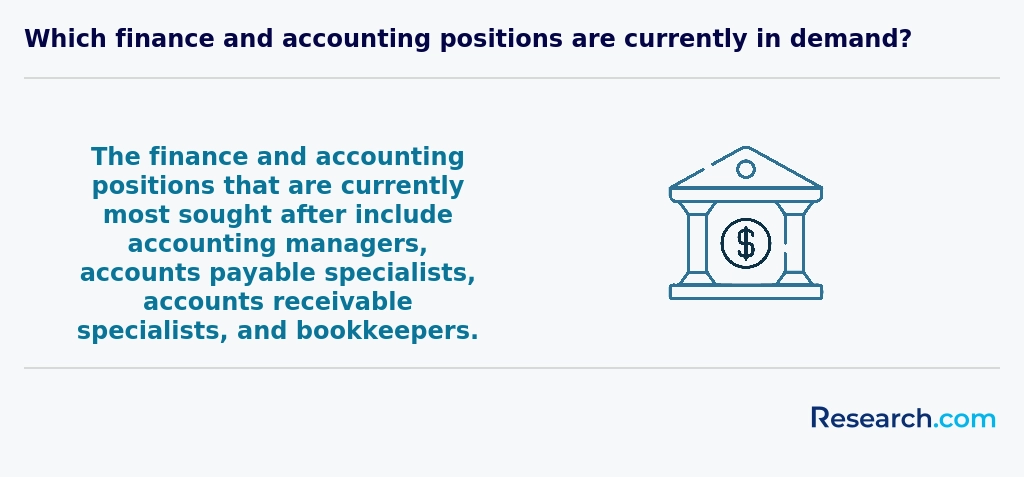
- What is the job market for accounting degree in Oklahoma?
- Related Accounting Rankings for Nearby States
- Top Trending Accounting Rankings
- See What Experts Have To Say About Studying Accounting
What can I expect from accounting degree in Oklahoma?
The average cost of earning an accounting degree in Oklahoma is notably affordable compared to national figures, making it an attractive option for many students. For example, graduates from prominent institutions such as the University of Oklahoma or Oklahoma State University often report tuition fees around $8,500 per year for in-state students at public universities. This lower tuition cost reduces financial stress and allows students to focus more on mastering core subjects like taxation, auditing, and financial accounting.
Many students appreciate how this affordability enables them to pursue additional coursework or combined bachelor's and master's programs, which are often required to meet Oklahoma's 150 credit-hour CPA licensure standard. Graduates frequently share how manageable tuition fees helped them balance studies with internships or part-time jobs, enriching their practical experience without overwhelming debt.
This financial accessibility, coupled with strong career support from local organizations such as the Oklahoma Society of Certified Public Accountants, encourages students to confidently invest in an accounting education that leads to promising job prospects in the state's stable market.
Where can I work with accounting degree in Oklahoma?
Graduates with an accounting degree in Oklahoma often find themselves working in diverse environments due to the state's robust economy and wide-ranging industries. Many start their careers in public accounting firms, especially in cities like Oklahoma City and Tulsa, where CPA firms offer roles in auditing, tax preparation, and consulting. For instance, graduates from the University of Oklahoma and Oklahoma State University frequently secure entry-level positions at these firms, gaining valuable hands-on experience.
Others pursue corporate accounting jobs in sectors such as energy and manufacturing, with Tulsa's energy companies providing numerous opportunities for managing financial reporting and budgets. Graduates feel motivated knowing their work directly supports major Oklahoma enterprises like Williams Companies, adding relevance and impact to their daily tasks.
Government roles with state or municipal agencies also attract graduates seeking stability and benefits. Positions in budget oversight and compliance with financial regulations are common within offices like the Oklahoma Office of Management and Enterprise Services. These jobs appeal to those who value public service and a structured career path.
Nonprofits across Oklahoma, including health and educational organizations, require accountants to manage finances related to donations and grants. Graduates often express satisfaction working with community-focused groups, where their skills contribute to meaningful causes within the state.
How much can I make with accounting degree in Oklahoma?
Accounting degree graduates in Oklahoma commonly enter roles such as staff accountants, bookkeepers, tax preparers, and associate auditors, with mean annual wages varying by position. According to recent data, staff accountants in Oklahoma earn an average of $90,780 per year, reflecting a strong starting point for degree holders. Bookkeepers, tax preparers, associate auditors, and accounts payable clerks typically earn around $49,580 annually, providing steady entry-level options for those newly credentialed.
Graduates from institutions like the University of Oklahoma or Oklahoma State University often find the salary figures motivating, as they align well with career aspirations in Oklahoma City or Tulsa's growing markets. Many report feeling confident about their earning potential when securing positions close to or exceeding these averages.
For instance, a graduate hired as a staff accountant in Tulsa might expect an annual salary near $90,000, enabling a comfortable lifestyle while gaining valuable experience. This data highlights the rewarding prospects of accounting careers in Oklahoma regions known for strong professional opportunities and economic growth.
2027 Best Accounting Degree Programs Ranking in Oklahoma
How do we rank schools?
Investing in your education is a significant decision that can shape your future, and the Research.com team understands the importance of making informed choices. To assist prospective students in Oklahoma, we have meticulously crafted the "2027 Best Accounting Degree Programs Ranking in Oklahoma." Our commitment to quality, credibility, and accuracy is reflected in the extensive research and analysis conducted to compile this ranking.
We utilized the following reputable data sources to ensure a comprehensive evaluation of accounting programs:
By exploring this ranking, readers will gain valuable insights into the top accounting degree programs available in Oklahoma, empowering them to make well-informed decisions about their educational and career goals. For more details on our methodology, please visit our Research.com methodology page.


# 9 position
Southeastern Oklahoma State University
Bachelor of Business Administration in Accounting


Key Findings
- The cost for a bachelor's degree in accounting in Oklahoma ranges from $9,000 to $25,000 per year, varying by public or private institutions.
- Public universities like the University of Oklahoma and Oklahoma State University offer lower tuition rates for in-state students.
- Entry-level accountants earn about $50,000 annually, with mid-career salaries between $65,000 and $80,000.
- Top accounting professionals and managers in Oklahoma can reach six-figure incomes depending on their role.
- Accounting jobs in Oklahoma are expected to grow by about 5% over the next decade, matching national trends.
- The Oklahoma Society of Certified Public Accountants provides support through job placements, mentoring, and continuing education opportunities.
How long does it take to complete accounting degree in Oklahoma?
Completing an accounting degree in Oklahoma typically requires around four years for a Bachelor of Science (B.S.) in Accounting when enrolled full-time. Many students at the University of Oklahoma or Oklahoma State University successfully follow this timeline, balancing rigorous coursework with internships to gain practical experience. These programs usually involve completing 120 to 130 credit hours, combining foundational general education with specialized accounting classes.
For those pursuing an Associate Degree in Accounting, community colleges such as Tulsa Community College offer a streamlined two-year path. Graduates of these programs often express satisfaction with the faster pace, which enables them to enter the workforce sooner or transition seamlessly into four-year degrees.
Graduate students pursuing a Master of Accountancy (MAcc) typically invest one to two years beyond their bachelor's degree. This advanced study not only accelerates professional ambitions but also aligns with Oklahoma's CPA exam requirements, motivating many students to complete the program efficiently and confidently.
Professional Certifications and Continuing Education
After earning your accounting degree in Oklahoma, pursuing professional certifications can significantly boost your career prospects and salary potential. The most recognized credential is the Certified Public Accountant (CPA) license, which requires passing the Uniform CPA Exam, fulfilling 150 credit hours, and completing state-specific work experience-typically one to two years under a licensed CPA. Many programs offer integrated CPA review courses, helping students prepare for exam sections on auditing, financial accounting, regulation, and business environment concepts. Beyond the CPA, other in-demand credentials include:
- Certified Management Accountant (CMA): Focused on financial planning, analysis, and management decision support. Candidates must pass a two-part exam and have two years of professional experience in management accounting or financial management.
- Certified Internal Auditor (CIA): Ideal for those interested in risk assessment and internal controls. The CIA exam covers internal audit basics, practice standards, and business knowledge for internal auditing.
- Certified Fraud Examiner (CFE): Geared toward forensic accounting and fraud detection. Requirements include passing the CFE Exam and demonstrating two years of professional experience in a fraud-related field.
- Certified Bookkeeper: For graduates aiming to specialize in bookkeeping, a certified bookkeeper course online can provide comprehensive training in payroll, financial statement preparation, and adjusting entries, often with faster completion timelines than degree programs. Continuing professional education (CPE) is mandatory to maintain these certifications and stay current with evolving accounting standards and tax regulations. Many Oklahoma institutions and online platforms offer CPE modules, workshops, and webinars tailored to both new and seasoned accountants. By combining a solid academic foundation with respected certifications and ongoing education, you’ll position yourself as a highly qualified candidate in Oklahoma’s competitive accounting job market.
What's the difference between online and on-campus accounting degree?
Online and on-campus accounting degrees in Oklahoma offer distinct learning experiences tailored to different needs. Graduates from programs at the University of Oklahoma or Oklahoma State University often highlight that online study provides the flexibility to balance work and family commitments, allowing access to lectures and assignments anytime, which is ideal for those living in rural areas. Conversely, students attending on-campus programs benefit from direct interaction with professors and peers, enhancing understanding of complex subjects like auditing through immediate feedback and group collaboration.
Those pursuing on-campus degrees also enjoy immersion in campus life, including access to libraries and career services, which fosters stronger networking opportunities. The cost for in-state students ranges from $9,000 to $22,000 annually on-campus, with online tuition per credit hour generally comparable. However, success in online programs demands high self-discipline, as students manage their own schedules without the structured environment available on campus.
Cost Considerations for Accounting Students in Oklahoma
When considering an accounting degree in Oklahoma, one crucial aspect to think about is the cost. The expense of tuition, fees, and other educational costs can be significant, but there are ways to make it more manageable. For instance, looking into the cheapest accounting school in Oklahoma can be a great starting point. Many universities in Oklahoma offer competitive pricing for their accounting programs, with some even providing online options that can be more economical. Additionally, exploring financial aid options such as scholarships, grants, and loans can help alleviate some of the financial burden. It's also important to consider the potential return on investment, as accounting graduates in Oklahoma can expect to earn competitive salaries. By weighing the costs against the potential benefits, prospective students can make an informed decision about their educational path and set themselves up for success in their future careers.
What is the average cost of accounting degree in Oklahoma?
The average cost of an accounting degree in Oklahoma varies considerably depending on residency status and the type of institution attended. For in-state students enrolled at public universities such as the University of Oklahoma or Oklahoma State University, the median in-state total cost is approximately $10,234. Graduates from these programs often describe a manageable financial burden, emphasizing how this affordability allowed them to focus more on gaining practical skills rather than stressing over tuition fees.
Conversely, out-of-state students and those attending private colleges like Oklahoma City University or Oral Roberts University face significantly higher expenses, with median total costs around $39,614. These graduates frequently highlight how scholarships and financial aid played a critical role in making their education feasible, as private institutions tend to offer packages to help offset the sticker price. When contemplating the average cost of accounting degree in Oklahoma, students should consider these financial aid options carefully to reduce their total expenses for Oklahoma accounting programs.
Beyond tuition, students report budgeting for additional costs such as textbooks, supplies, and specific course fees, which cumulatively add to the overall investment. Those targeting highly ranked and affordable programs are encouraged to explore the cheapest accounting school in Oklahoma, where both the financial and educational value align well with student goals and state averages.
Return on Investment (ROI) of an Accounting Degree in Oklahoma
Investing in an accounting degree in Oklahoma offers strong ROI when you compare total costs against post-graduation earnings and career growth. On average, in‐state tuition at public universities is around $6,892 per year, while out‐of‐state or private tuition can reach $32,084 annually. When you factor in living expenses, books, and fees, the total cost of a four‐year bachelor’s program typically ranges from $40,000 to $70,000 for Oklahoma residents. However, graduates report median starting salaries of $55,000 to $65,000 in entry‐level roles such as staff accountant or tax associate, with mid‐career salaries climbing to $85,000 and beyond for CPAs or financial analysts. This translates into a payback period of approximately three to five years for in‐state students, and five to seven years for out‐of‐state students, depending on career trajectory and certification attainment. To maximize ROI:
- Consider accelerated or online programs that reduce time-to-degree. For example, students seeking budget-friendly paths may explore our Low Cost Online Accounting Degree Programs Ranking in Missouri for comparative savings strategies.
- Leverage internships and co‐op placements to secure higher starting salaries. Graduates who complete internships report starting salaries up to 10% above the state average.
- Pursue certifications like CPA or CMA within two years of graduation to boost earning potential by 15–20%. By carefully selecting a program aligned with your financial and career goals-and by capitalizing on work‐based learning and certification opportunities-you can ensure your accounting degree in Oklahoma delivers strong long‐term financial returns.
What financial aid is available to accounting degree students in Oklahoma?
Accounting students in Oklahoma commonly access federal financial aid programs such as Pell Grants and Direct Subsidized and Unsubsidized Loans by completing the FAFSA. For example, a graduate from the University of Oklahoma recalls how the Pell Grant, which in 2023-2024 offered up to $7,395, significantly eased tuition costs, allowing a stronger focus on studies instead of financial stress.
State aid is another pivotal resource. The Oklahoma Tuition Aid Grant (OTAG) provides need-based support specifically for residents attending in-state colleges like Oklahoma State University, helping reduce tuition expenses. Additionally, the Oklahoma Tuition Scholarship rewards academically high-performing students with a GPA of 3.25 or above, which many accounting students at Tulsa Community College have benefited from, fostering motivation and academic excellence.
Beyond grants and loans, numerous scholarships target accounting majors through institutions and professional bodies like the Oklahoma Society of Certified Public Accountants. Work-study programs also offer practical experience and income, as many students engaged at regional universities have shared they developed valuable skills while supporting their education.
Industry Trends & Future Opportunities in Accounting
As the accounting landscape evolves rapidly with advances in technology and changes to regulatory frameworks, staying informed about industry trends can help you shape a successful long-term career. Today’s accounting professionals are increasingly expected to integrate data analytics, artificial intelligence, and automation into their daily work, making digital literacy a critical asset. With emerging roles such as forensic accountants specializing in cybersecurity or financial analysts leveraging big data, prospective students should aim to build a diverse skill set that addresses both traditional accounting principles and modern technological demands. In addition, online learning opportunities are expanding, allowing students to adapt to flexible schedules and remote environments while still receiving high-quality instruction. For those who are budget-conscious yet value an accredited education, exploring options like the cheapest accredited online accounting degree can provide a cost-effective pathway to enter the frontlines of a tech-driven industry. By keeping up with these forward-thinking trends and embracing innovative learning methods, you’ll be better positioned to navigate the evolving demands of the accounting field and seize new career opportunities as they arise.
What are the prerequisites for enrolling in accounting degree program in Oklahoma?
To enroll in an accounting degree program in Oklahoma, students must typically hold a high school diploma or an equivalent credential like a GED. Many universities, including those popular among accounting students, expect applicants to have a strong foundation in mathematics and English, reflecting the essential skills needed for success in the field.
Standardized testing remains relevant at most institutions. While some schools have adopted test-optional policies, submitting competitive SAT or ACT scores-generally around or above the Oklahoma average ACT score of 20.9-can significantly enhance your application. Graduates often recall how meeting these academic benchmarks gave them confidence during the admission process at well-known Oklahoma colleges.
Preparatory courses in high school algebra, precalculus, statistics, and language arts are highly recommended. Some students benefit from college placement tests in math or English that ensure readiness for rigorous coursework, with remedial classes offered as needed. Experience with technology and critical thinking skills, gained through internships or related jobs, can also positively impact your admission prospects and smooth your transition into an accounting program.
What courses are typically in accounting degree programs in Oklahoma?
Accounting degree programs in Oklahoma comprehensively cover essential courses that prepare students for professional success. Graduates from renowned institutions like the University of Oklahoma and Oklahoma State University emphasize the importance of core classes such as Financial Accounting, where they learn to accurately prepare and interpret financial statements critical for real business scenarios.
Courses in Managerial Accounting teach students internal decision-making skills, aiding future accountants in helping companies optimize operations. Intermediate and Advanced Accounting classes challenge students with complex topics like consolidations and partnerships, reflecting real-world financial reporting complexities.
Many students find Cost Accounting particularly rewarding, as it provides practical techniques for budgeting and cost control-skills frequently applied during internships at local Oklahoma firms. Taxation courses introduce the federal income tax system, directly relevant for those seeking CPA certification.
Auditing and Accounting Information Systems further round out the curriculum, combining ethical standards training with technology use, which graduates report as invaluable for adapting to modern accounting environments. These courses equip Oklahoma accounting students with the expertise and confidence needed to thrive in a competitive job market.
What types of specializations are available in accounting degree programs in Oklahoma?
Accounting degree specializations in Oklahoma offer students diverse pathways tailored to their career aspirations and interests. Graduates from universities statewide frequently highlight concentrations such as Financial Accounting, which emphasizes mastering financial statements critical for roles in corporate finance. Managerial Accounting is popular among students who aspire to influence business strategy through analytical decision-making. Those drawn to regulatory and compliance roles often pursue Auditing or Taxation, learning state and federal tax codes alongside audit methods.
Specializations in Forensic Accounting are increasingly valued, equipping graduates to investigate fraud and financial misconduct-a dynamic field relevant at many Oklahoma colleges. Additionally, Oklahoma accounting programs with concentrations in Information Systems Accounting enable students to blend technology with finance, reflecting the growing demand for automated financial systems expertise. Many students appreciate that these programs align with CPA requirements, enhancing professional readiness.
Prospective students mindful of budget often explore options like the cheapest accredited online accounting degree programs offered by some institutions, allowing flexible and cost-effective study. This comprehensive array of specializations ensures accounting graduates from Oklahoma are well-positioned for a range of successful careers.
How do you choose the best accounting degree in Oklahoma?
Choosing the best accounting degree programs in Oklahoma requires focusing on accredited institutions such as the University of Oklahoma and Oklahoma State University, which hold AACSB accreditation, signaling rigorous academics and respected faculty. Graduates often highlight how this accreditation enhanced their preparedness for the CPA exam and boosted employer confidence during job interviews.
Affordability is a major consideration for many prospective students. Affordable accounting schools Oklahoma offer in-state tuition ranging roughly from $3,000 to $11,000 annually, with some private schools providing specialized programs despite higher costs. Graduates appreciate the balance between cost and quality, especially when financial aid and scholarships reduce expenses significantly.
It is essential to select programs aligned with Oklahoma's 150-semester-hour requirement for CPA exam eligibility. Schools offering integrated bachelor's and master's degrees or specialized tracks in tax and auditing create graduates who feel confident entering the profession. Those interested in bookkeeping may explore a certified bookkeeper course online for additional credentials.
Finally, successful alumni frequently praise strong internship networks and career services connecting students with local firms, facilitating smooth transitions into Oklahoma's competitive accounting market.
What career paths are available for accounting degree students in Oklahoma?
Graduates with an accounting degree in Oklahoma find diverse career opportunities spanning public accounting, corporate roles, and government positions. Many seek CPA licensure through programs offered at popular institutions like the University of Oklahoma and Oklahoma State University, enabling advancement in auditing, tax advisory, and consulting roles that meet local industry demand. Oklahoma's vibrant economy supports accounting career opportunities in Oklahoma across sectors such as energy, agriculture, and finance, ensuring graduates can apply their skills in dynamic environments.
Corporate accounting positions in cities like Tulsa and Oklahoma City attract graduates who manage financial reporting, budgeting, and compliance. These roles offer competitive salaries and steady growth, enhancing job satisfaction and professional development. Others pursue government accounting, contributing to fiscal transparency and fund management at the state and local levels. For those seeking innovation, emerging fields like forensic and environmental accounting provide rewarding challenges that reflect evolving regulatory needs.
Many students also explore cost-effective education options, as seen in local institutions, and some utilize resources like the Low Cost Online Accounting Degree Programs Ranking in Missouri to balance tuition and quality. This practical approach supports a fulfilling career in jobs with accounting degree in Oklahoma.
What is the job market for accounting degree in Oklahoma?
The accounting job opportunities in Oklahoma remain stable, supported by the state's diverse economy that spans agriculture, energy, and finance. Graduates from well-regarded universities and colleges in Oklahoma frequently find positions in regional banks, government agencies, and energy firms. Many report gaining practical experience through internships offered by their schools, which significantly boosts employability upon graduation. These real-world experiences help graduates navigate complex tax planning and financial analysis tasks required by employers in Oklahoma City and Tulsa.
The Oklahoma accounting degree employment outlook is positive, with projected job growth around 6% over the next decade, closely matching national trends. Salaries in Oklahoma tend to be slightly lower than the national average but remain competitive when factoring in the state's cost of living, which is about 11% below the U.S. average. Accountancy graduates who earn CPA licensure, a rigorous requirement that includes 150 semester hours, typically enjoy enhanced salary potential and broader job prospects.
Students aiming for expedited career paths often choose to pursue a fast track bachelor degree online, allowing them to enter the workforce sooner while still benefiting from Oklahoma's strong job market for accounting professionals.
Frequently Asked Questions About accounting
Accounting degree students in Oklahoma can maximize their learning experience by combining strong classroom instruction with practical opportunities. Many universities in Oklahoma, such as the University of Oklahoma and Oklahoma State University, offer cooperative education programs and internships that provide valuable real-world experience. According to the Oklahoma State Regents for Higher Education, hands-on practice significantly improves job readiness for accounting graduates.
Students should also engage with professional organizations like the Oklahoma Society of CPAs, which offers networking events, workshops, and mentoring. Additionally, maintaining a strong GPA is crucial, especially for those aiming to pursue Certified Public Accountant (CPA) licensure, a common requirement for accounting careers in Oklahoma.
Utilizing campus resources such as tutoring centers and career counseling can further support student success.
The accounting profession in Oklahoma is evolving with several emerging niches gaining importance. One of the fastest-growing areas is forensic accounting, which involves investigating financial fraud and disputes. According to the Bureau of Labor Statistics, demand for forensic accountants is expected to grow by 16% nationally through 2031, reflecting increased corporate oversight and regulatory requirements.
Another niche gaining traction is environmental accounting, where professionals help organizations track and reduce their environmental impact. This area aligns with growing sustainability efforts in Oklahoma industries, particularly energy and agriculture.
Technology-driven fields like data analytics and cybersecurity within accounting are also expanding. These specialties focus on managing and protecting financial data, a critical need given Oklahoma's rise in digital business operations.
Graduates with an accounting degree in Oklahoma can improve their job prospects by gaining relevant certifications such as the Certified Public Accountant (CPA). Oklahoma requires 150 credit hours and passing the Uniform CPA Exam for licensure. According to the Oklahoma Society of CPAs, demand for accountants is expected to grow by 7% through 2030 in the state, aligning with the national average.
Building practical experience through internships or part-time roles during studies is highly valuable. Local firms in Oklahoma City and Tulsa often seek candidates with hands-on knowledge of accounting software like QuickBooks and Excel.
Networking through professional groups and attending career fairs within Oklahoma universities enhances job market readiness. Familiarity with Oklahoma's tax codes and regulations also gives graduates a competitive edge.
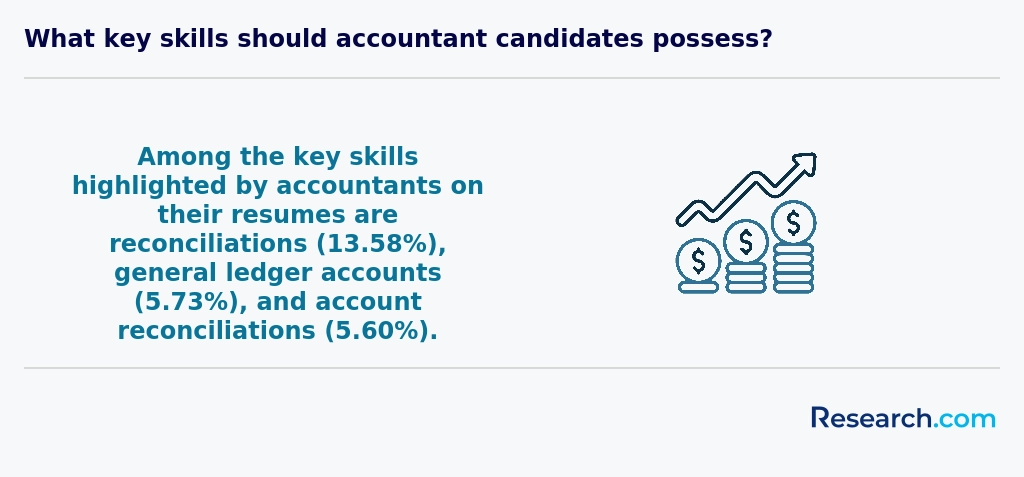
Employers in Oklahoma highly value accounting degree graduates who possess strong analytical and problem-solving skills. These abilities are essential for interpreting financial data and making informed decisions, which are crucial in the state's diverse industries, including energy and agriculture. Accuracy and attention to detail are also vital, as errors can lead to significant financial and legal consequences.
Communication skills, both written and oral, are increasingly important. Professionals must clearly present complex financial information to clients or management. According to the Oklahoma Employment Security Commission, demand for accountants remains steady, with employers seeking graduates familiar with current accounting software and regulatory standards like GAAP and tax codes specific to Oklahoma.
Technological proficiency, especially in software such as QuickBooks and Excel, is frequently required. Knowledge of auditing and tax preparation further strengthens a candidate's profile, reflecting the needs of local CPA firms and corporate employers in Oklahoma.
Finding internships in Oklahoma relevant to an accounting degree involves several practical steps tailored to the state's job market. Many universities, including the University of Oklahoma and Oklahoma State University, offer career services that connect students with local firms.
Students should explore the Oklahoma Society of CPAs, which frequently posts internship opportunities specifically for accounting students within the state. Networking at local chapter events can improve chances of placement.
Additionally, job boards like Handshake and Indeed list internships in Oklahoma, with many positions concentrated in Oklahoma City and Tulsa, the state's main business hubs.
According to the U.S. Bureau of Labor Statistics, Oklahoma's accounting employment is projected to grow 6% from 2022 to 2032, supporting steady demand for interns and entry-level accountants.
An accounting degree in Oklahoma significantly enhances career mobility and advancement opportunities within the state's dynamic job market. According to the U.S. Bureau of Labor Statistics, Oklahoma employed over 7,000 accountants and auditors in 2023, with an expected growth rate of 7% through 2031, slightly above the national average. Earning a degree provides foundational knowledge essential for certifications like the CPA, which is often required for higher-level positions in public accounting, corporate finance, and government sectors.
Employers in Oklahoma value graduates with strong accounting credentials for roles that demand analytical skills and regulatory compliance understanding. Professionals with degrees tend to access management roles faster, earn higher salaries, and enjoy broader job opportunities across industries.
Studying for an accounting degree in Oklahoma offers students a strong foundation that extends beyond traditional accounting skills, preparing them for interdisciplinary roles. Many programs incorporate coursework in business law, information systems, finance, and communication, enabling students to integrate accounting with other fields effectively.
Oklahoma institutions emphasize practical experience through internships and case studies, helping students develop problem-solving abilities applicable in diverse professional environments. According to the Oklahoma State University Spears School of Business, over 70% of accounting graduates find employment in roles requiring multidisciplinary knowledge within six months of graduation.
This interdisciplinary approach aligns with the evolving demands of today's job market, where professionals must navigate complex regulatory, technological, and financial landscapes simultaneously. Oklahoma's accounting education fosters skills valuable for careers in auditing, consulting, financial analysis, and managerial roles across industries.
When choosing between a thesis and a non-thesis accounting degree program in Oklahoma, consider your career goals and learning preferences. Thesis programs typically require original research, which develops strong analytical skills useful for academic or research careers. Non-thesis options focus more on practical coursework, often appealing to students aiming to enter the workforce quickly.
Oklahoma universities such as the University of Oklahoma and Oklahoma State University offer both paths. According to the Oklahoma State Regents for Higher Education, about 60% of accounting graduate students enroll in non-thesis programs due to their faster completion time and professional focus.
Financial and time commitments also differ between programs. Thesis programs may require additional semesters while producing publishable work, which some employers in Tulsa and Oklahoma City highly value for advanced roles.
Students in Oklahoma seeking to study accounting abroad have several pathways, often through exchange programs or partnerships facilitated by their home institutions. Major Oklahoma universities with accounting programs, such as the University of Oklahoma and Oklahoma State University, sometimes offer semester-long study abroad options in countries with strong business ties, including the UK, Canada, and Australia.
These programs allow students to earn credits toward their accounting degree while gaining international experience. According to the Institute of Management Accountants, nearly 90% of accounting professionals find global awareness valuable, making abroad study a strategic choice.
Furthermore, federal financial aid and scholarship options may support study abroad expenses, encouraging participation. Students should consult their university's study abroad office to explore opportunities and ensure courses align with CPA certification requirements relevant to Oklahoma.
Students pursuing an accounting degree in Oklahoma have various part-time job opportunities that directly enhance their education. Positions such as bookkeeping assistants, tax preparers, and accounting clerks provide practical experience with financial records and software commonly used in the field.
Oklahoma's local businesses and firms often seek interns or part-time workers to support payroll, audit preparation, and accounts receivable tasks. According to the Oklahoma Employment Security Commission, the demand for accounting support roles is expected to grow by 5% through 2028, offering steady opportunities for students.
Additionally, working with tax preparation firms during tax season can sharpen students' skills in tax law and client communication. These roles strengthen resumes and often align well with classroom theories and practices.
Accounting students in Oklahoma have access to a variety of networking opportunities through university programs and professional organizations. Many universities, such as the University of Oklahoma and Oklahoma State University, host chapters of the Beta Alpha Psi honor society, which connects students with accounting professionals and potential employers.
The Oklahoma Society of CPAs (OSCPA) is a vital resource, offering student memberships that include access to workshops, conferences, and mentorship programs. This helps students build professional relationships early in their careers. According to the OSCPA, over 2,000 members participate statewide, creating a broad network for new graduates.
Additionally, career fairs and internship programs at Oklahoma colleges often feature local accounting firms, providing students direct contact with industry leaders. This engagement helps students secure practical experience and job placements in the competitive Oklahoma accounting market.
Alumni networks play a significant role in supporting accounting degree students in Oklahoma. These networks connect current students with graduates working across the state's diverse economy, including Tulsa and Oklahoma City, where many accounting firms are based. Through alumni events and mentorship programs, students gain valuable insights into local job markets and professional expectations.
Networking with alumni can lead to internship and job opportunities, as many Oklahoma firms prefer candidates referred through trusted connections. According to the Oklahoma Society of Certified Public Accountants, nearly 60% of CPAs in the state find jobs through networking.
Additionally, alumni often provide guidance on CPA exam preparation and continuing education. This support strengthens students' career readiness in a competitive field.
Customizing an accounting degree program in Oklahoma allows students to align their education with specific career goals. Many Oklahoma universities offer concentrations such as forensic accounting, auditing, tax accounting, or managerial accounting. Choosing relevant electives in these areas helps tailor skills for roles in public accounting firms, corporate finance, or government agencies.
Students can also take advantage of internship opportunities available in Oklahoma's growing financial sector to gain practical experience. Additionally, some schools provide pathways that fulfill the education hours required for the Certified Public Accountant (CPA) exam, which is vital for many accounting careers.
Engaging in student organizations and networking events within Oklahoma can further enhance career prospects by connecting learners to local professionals and firms.
Accounting students in Oklahoma often face a variety of challenges during their studies. One significant difficulty is keeping up with frequent changes in tax laws and financial regulations, which requires continuous learning beyond classroom instruction. Additionally, the rigorous curriculum demands strong skills in mathematics, critical thinking, and attention to detail.
Many students also struggle with balancing coursework, internships, and part-time jobs, especially as Oklahoma offers limited paid internship opportunities in smaller cities compared to larger metropolitan areas.
According to the Oklahoma State Board of Accountancy, the pass rate for the CPA exam in Oklahoma hovered around 52% in recent years, reflecting the high standards and exam difficulty students must overcome.
With an accounting degree in Oklahoma, graduates can pursue several well-recognized professional certifications that enhance career prospects. The most notable is the Certified Public Accountant (CPA) credential, which requires meeting education and experience standards set by the Oklahoma Accountancy Board along with passing the Uniform CPA Exam.
Other valuable certifications include the Certified Management Accountant (CMA) and Certified Internal Auditor (CIA), which focus on management accounting and auditing respectively. According to the Oklahoma Society of CPAs, the CPA remains the most sought-after credential in the state's growing accounting job market.
These certifications often increase earning potential and open doors in public accounting, corporate finance, and government roles across Oklahoma.
Writing a winning application for an accounting program in Oklahoma requires clear focus and preparation. Start by showcasing strong academic records, especially in mathematics and business-related courses, as these form the foundation of accounting studies. Many programs in Oklahoma, such as those at the University of Oklahoma and Oklahoma State University, seek applicants with a GPA above 3.0.
Highlight relevant experience, including internships or part-time jobs in finance or accounting fields. Oklahoma's growing energy and agriculture sectors often provide practical accounting work environments, which can strengthen your application.
Additionally, craft a compelling personal statement explaining your career goals and why you chose accounting. Demonstrating knowledge about Oklahoma's economic landscape and how you plan to contribute can impress admissions committees. Lastly, prepare strong letters of recommendation from teachers or employers familiar with your skills and work ethic.
The field of accounting is increasingly global, with professionals expected to navigate diverse financial regulations and standards. For students in Oklahoma pursuing accounting degrees, understanding International Financial Reporting Standards (IFRS) alongside US Generally Accepted Accounting Principles (GAAP) is crucial. According to the Oklahoma Accountancy Board, many firms value accountants who can work cross-border, especially as local companies engage in international trade.
US accounting certifications such as CPA remain highly respected worldwide, opening doors globally. The Bureau of Labor Statistics projects a 6% growth in accounting jobs nationwide through 2032, signaling stability for graduates. Familiarity with global practices enhances employability for those from Oklahoma entering multinational companies or firms with foreign clients.
Students pursuing an accounting degree in Oklahoma can gain practical experience through internships offered by many universities and local organizations. These internships enable hands-on work in tax preparation, auditing, and financial analysis. Universities such as the University of Oklahoma and Oklahoma State University have partnerships with regional accounting firms and businesses, providing valuable placement opportunities.
Additionally, students can participate in volunteer income tax assistance programs, gaining real-world skills while serving the community. According to the Oklahoma Society of Certified Public Accountants, networking events and mentorship programs also help students connect with professionals and improve job prospects.
Choosing the right concentration within an accounting degree program in Oklahoma depends on your career goals and interests. Common concentrations include auditing, taxation, forensic accounting, and managerial accounting. Oklahoma's growing economy and diverse industries influence demand for specialized skills, especially in taxation and audit services.
Consider the 150-credit hour requirement for CPA licensure in Oklahoma, ensuring your concentration aligns with these credits. The Oklahoma Accountancy Board offers clear guidelines on necessary coursework.
Research programs at local universities like the University of Oklahoma or Oklahoma State University; many provide data on job placement rates and salary outcomes by concentration.
Related Accounting Rankings for Nearby States
- 2027 Best Accounting Degree Programs Ranking in Texas
- 2027 Best Accounting Degree Programs Ranking in Tennessee
- 2027 Best Accounting Degree Programs Ranking in North Dakota
- 2027 Best Accounting Degree Programs Ranking in Wisconsin
- 2027 Best Accounting Degree Programs Ranking in Ohio
- 2027 Best Accounting Degree Programs Ranking in North Carolina
- 2027 Best Accounting Degree Programs Ranking in South Carolina
- 2027 Best Accounting Degree Programs Ranking in Virginia
- 2027 Best Accounting Degree Programs Ranking in Montana
- 2027 Best Accounting Degree Programs Ranking in Utah
Top Trending Accounting Rankings
See What Experts Have To Say About Studying Accounting
Read our interview with Accounting experts


John Wermert, Ph.D., CPA
Accounting Expert
Associate Professor of Accounting
Middle Tennessee State University

References
- How to Choose an Accounting Specialization https://freemannews.tulane.edu/2025/11/03/how-to-choose-an-accounting-specialization
- How to Meet Accounting Degree Requirements for Career Success - ICMS https://www.icms.edu.au/degree-discovery/how-to-meet-accounting-degree-requirements/
- How to get into accounting as a graduate https://targetjobs.co.uk/careers-advice/accountancy-banking-and-finance/how-get-accounting-graduate
- Inside the world of accounting internships: What to expect : ThisWayToCPA : AICPA https://www.thiswaytocpa.com/work-experience/articles/internships/inside-world-accounting-internships-what-expect/
- What Jobs Can You Do With an Accounting Degree? - Intuit Blog https://www.intuit.com/blog/life-at-intuit/intuit-experts/accounting-degree/
- 15 Accounting Careers: Undergraduate & Graduate Paths https://www.baypath.edu/news/bay-path-university-blogs/post/15-accounting-careers-undergraduate-graduate-paths/
- Why More Future CPAs Are Rethinking Traditional Career Paths - Controllers Council https://controllerscouncil.org/why-more-future-cpas-are-rethinking-traditional-career-paths/
- Accounting Degree Program Guide | Accounting.com https://www.accounting.com/degrees/overview/
- Tips for University Graduates Looking to Land Their First Accounting Job https://www.elby.ca/blog/2022/04/27/tips-for-university-graduates-looking-to-land-their-first-accounting-job/
- Why International Career Mobility is Key to Attracting the Next Generation of Professional Accountants https://www.ifac.org/knowledge-gateway/discussion/why-international-career-mobility-key-attracting-next-generation-professional-accountants


