
2027 Best Online Accounting Degree Programs Ranking in the South

Co-Founder and Chief Data Scientist
Choosing the right online accounting degree program can be challenging, especially when you want to find options tailored for students in the South. This article features the 2027 Best Online Accounting Degree Programs Ranking in the South, created by the Research.com team of data scientists to help you make an informed choice.
Reading this guide will give you clear insights into reputable programs that fit your goals and lifestyle. Earning an accounting degree can open doors to rewarding careers and long-term success.
Let's explore these opportunities together and set you on a confident path forward.
Key benefits of getting online accounting degree in the South
- Accounting degree graduates in the South can expect competitive salaries, such as Staff Accountants earning a mean annual wage of $90,780 and Bookkeepers or Tax Preparers around $49,580, offering strong financial stability.
- Career paths for accounting graduates include roles like Associate Auditor and Accounts Payable Clerk, with opportunities to grow within local businesses or large corporations, as seen in graduates from universities like the University of Florida.
- Online accounting degrees provide flexible learning schedules and cost savings, helping graduates balance work and study efficiently, similar to students from popular Southern schools offering accredited online programs.
- Key benefits of getting online accounting degree in the South
- What can I expect from online accounting degree in the South?
- Where can I work with online accounting degree in the South?
- How much can I make with online accounting degree in the South?
- 2027 Best Online Accounting Degree Programs Ranking in the South
- Key Findings
- How long does it take to complete online accounting degree in the South?
- Accreditation and CPA Eligibility
- What's the difference between online and on-campus accounting degree?
- Accreditation and CPA Licensure: Ensuring Quality and Career Readiness
- What is the average cost of online accounting degree in the South?
- Professional Certifications & Continuing Education in Accounting
- What financial aid is available to online accounting degree students in the South?
- Accreditation and Professional Certification Pathways
- What are the prerequisites for enrolling in online accounting degree program in the South?
- Choosing the Right Online Accounting Program in the South
- What courses are typically in online accounting degree programs in the South?
- What types of specializations are available in online accounting degree programs in the South?
- How do you choose the best online accounting degree in the South?
- What career paths are available for online accounting degree students in the South?
- What is the job market for online accounting degree in the South?
- Top Trending Accounting Rankings
- See What Experts Have To Say About Studying Accounting
What can I expect from online accounting degree in the South?
The average cost of an online accounting degree in the South varies, but many students report that public universities offer in-state tuition discounts that make education affordable. For example, graduates from universities in Texas and North Carolina often found their tuition ranged between $6,000 and $12,000 per year, which helped them manage costs while balancing work and family commitments.
Several online programs include comprehensive financial aid options, which eased the pressure for many students who juggled part-time jobs or parenting. Attending a school with AACSB accreditation, common in Southern universities, adds value without dramatically increasing expenses. Graduates frequently mention that affordability combined with quality instruction made achieving CPA eligibility more realistic.
One graduate from a Georgia university shared how the manageable tuition and online format allowed them to complete the 150 credit hours needed for CPA licensure without relocating or quitting their job. These practical financial benefits help students focus on mastering skills like QuickBooks and auditing without worrying about overwhelming debt.
Where can I work with online accounting degree in the South?
Graduates with an online accounting degree from popular Southern schools like the University of Florida or Texas A&M often find rewarding roles in public accounting firms, ranging from small local practices to major Big Four offices in cities like Atlanta or Dallas. These positions offer hands-on experience in auditing, tax preparation, and financial reporting-key stepping stones for career growth.
Others leverage their degrees to work as corporate accountants or financial analysts at regional headquarters of large companies in Charlotte or Houston, enjoying stable salaries and opportunities for advancement. Graduates appreciate how certifications like CPA or CMA, common goals among Southern students, further enhance their employability with firms and government agencies.
Many successful alumni shared that their degrees opened doors to local government roles in budgeting or audit departments, especially in states such as Georgia and Tennessee where demand is strong. These roles combine community impact with career stability, appealing to those seeking work-life balance.
With expanding industries like energy in Texas and finance in North Carolina, online accounting students are encouraged to explore versatile job markets, often working remotely or relocating easily within the South's diverse economic hubs.
How much can I make with online accounting degree in the South?
Graduates from online accounting programs at popular Southern universities often find entry-level roles such as bookkeeper, tax preparer, or associate auditor with mean annual wages around $49,580. For example, a recent graduate from a well-known institution in North Carolina shared how starting as a bookkeeper provided a solid financial foundation, allowing them to hone practical skills while earning a respectable salary near this national average.
With experience, stepping into staff accountant roles can significantly increase earnings, as these positions have a mean annual wage of about $90,780 according to recent data. Many alumni from Texas and Florida colleges noted that once they obtained certifications like the CPA, regional employers were eager to reward their expertise with salaries approaching this figure, especially in metropolitan areas like Dallas or Miami.
Familiarity with specialized areas such as tax accounting or accounts payable also improves income prospects in the South, where a lower cost of living means these salaries stretch further. Graduates appreciate how their online degrees open doors to these opportunities, balancing flexibility with lucrative career paths.
2027 Best Online Accounting Degree Programs Ranking in the South
How do we rank schools?
Investing in your education is a significant decision that can shape your future, and the Research.com team recognizes the importance of providing accurate and trustworthy information. To support prospective students interested in accounting degrees in the South, we have carefully developed the "2027 Best Online Accounting Degree Programs Ranking in the South." Our dedication to quality, credibility, and precision is evident through extensive research and the use of multiple authoritative data sources.
We utilized the following reputable data sources to ensure a comprehensive and reliable ranking:
By consulting this ranking, readers will gain insightful guidance on the top online accounting degree options in the South, empowering them to make informed educational choices with confidence. For a deeper understanding of how this ranking was formulated, please visit our Research.com methodology page.


Key Findings
- Tuition for online accounting bachelor's degrees in the South ranges from $10,000 to $25,000, depending on whether the school is public or private.
- The job market for accountants in the South is expected to grow by 7% over the next decade, matching national growth rates.
- Starting salaries for accounting graduates in the South are typically between $50,000 and $55,000, with higher wages in cities like Atlanta, Dallas, and Charlotte.
- Experienced accountants can earn between $75,000 and $85,000 annually, especially with CPA certification.
- Many Southern universities offer regionally accredited online programs that fulfill CPA exam eligibility and combine both synchronous and asynchronous courses.
- The South's diverse economy, including finance, energy, and manufacturing sectors, supports consistent demand for accounting professionals.
How long does it take to complete online accounting degree in the South?
Completing an online accounting degree in the South typically ranges from two to four years, shaped by your enrollment plan and degree level. Graduates from popular schools in Texas or Georgia often share how full-time bachelor's programs usually take about four years, mirroring traditional timelines but with online flexibility. Taking accelerated summer courses can shorten this, sometimes down to 18-24 months if you juggle your schedule smartly.
For instance, associate degrees at Southern colleges generally wrap up in about two years, offering a practical stepping stone that lets you transfer credits into a bachelor's program later on, saving time and money. Many students found that enrolling part-time while working allowed steady progress without burnout, though it naturally stretches the timeline.
Factors such as prior credits or relevant work experience can speed things up. A graduate from North Carolina noted that applying previous college credits and taking some accelerated classes allowed them to finish earlier than expected, all while balancing a part-time job.
Accreditation and CPA Eligibility
Accreditation by recognized bodies ensures your degree meets academic and professional standards needed for the CPA exam across Southern states. Look for programs approved by:
- Association to Advance Collegiate Schools of Business (AACSB)
- Southern Association of Colleges and Schools Commission on Colleges (SACSCOC)
- State board credit requirements: 150 total college credits, including 24 in accounting and 24 in business
- Core courses in financial accounting, auditing, taxation, ethics, and business law
When evaluating an online accounting degree, confirm it aligns with your state board’s education, experience, and exam eligibility criteria to streamline your path to licensure.
What's the difference between online and on-campus accounting degree?
Choosing between online and on-campus accounting degrees in the South means weighing flexibility against direct interaction. Online programs at universities like the University of Florida let you study on your own schedule, ideal if you're working or managing family duties. Graduates often appreciate the ability to pause and replay lectures, fitting coursework around busy days.
On the other hand, on-campus programs such as those at Georgia Southern University offer face-to-face networking with professors and peers. This in-person setting helps with hands-on projects and makes it easier to connect with local accounting firms for internships. Many students find these opportunities boost confidence and build a stronger professional network.
Cost is another consideration: on-campus tuition averages about $9,000 a year for Southern public universities. Online programs may be cheaper but vary by school. Ultimately, succeeding online requires strong self-discipline, while on-campus study offers more routine and immediate support.
Accreditation and CPA Licensure: Ensuring Quality and Career Readiness
Choosing a program with proper accreditation and understanding state licensure requirements are critical steps in maximizing both educational value and career prospects. Accreditation signals that a school meets rigorous academic standards, while CPA licensure unlocks higher-level roles and competitive salaries. • Key Accrediting Bodies – AACSB (Association to Advance Collegiate Schools of Business): Recognized globally for high-quality business and accounting programs. – ACBSP (Accreditation Council for Business Schools and Programs): Emphasizes teaching excellence and student outcomes. – State Boards of Accountancy: Approve programs that meet educational requirements for the CPA exam in each Southern state. • CPA Exam Eligibility 1. Credit Hours: Most Southern states require 150 semester hours, including a specified number of accounting and business courses. 2. Ethics Requirement: A separate ethics course or exam is often mandated to demonstrate professional responsibility. 3. Work Experience: 1–2 years under a licensed CPA’s supervision, varying by state. • Benefits of Accredited, Licensure-Ready Programs – Streamlined Path to CPA: Ensures you meet exam eligibility without extra coursework. – Employer Confidence: Firms prefer graduates from accredited programs when hiring for audit, tax and advisory roles. – Financial Value: Accredited programs often partner with state boards to offer scholarships, while cost-effective options exist-explore an accounting degree online affordable to balance quality with budget. By prioritizing accreditation and CPA licensure criteria, you’ll invest in a program that not only imparts essential skills but also paves the way for a thriving accounting career in the South.
What is the average cost of online accounting degree in the South?
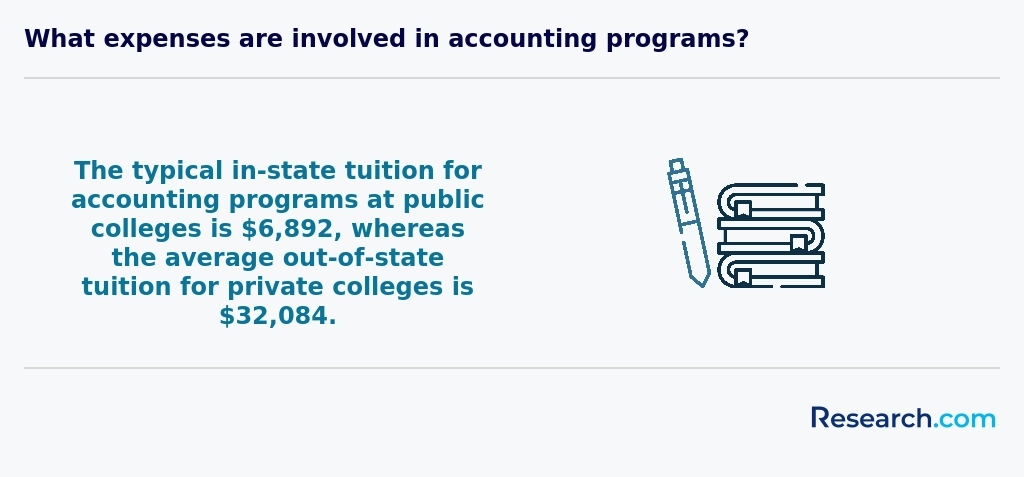
The average cost of an online accounting degree in the South varies widely depending on residency and institution type, but median figures provide a practical estimate to guide your planning. For in-state students, the total tuition and fees for Southern online accounting programs typically average around $18,504. This figure reflects many graduates' experiences at well-regarded public universities across states like Texas and Florida, where affordability meets quality education.
Out-of-state students should prepare for significantly higher expenses, with median total costs reaching about $48,152. These out-of-state rates highlight the premium often associated with attending popular online programs from institutions such as the University of Texas System or the University of Florida, where online learners enjoy robust resources but at a steeper price tag. Graduates from these programs often emphasize that the investment is worth it due to the programs' reputations and networking possibilities.
Overall, the median total cost for an online accounting degree in the South falls near $35,730, balancing both in-state and out-of-state figures. Many students pursuing the most popular accounting school programs find that careful comparison of these costs alongside accreditation and program outcomes enhances their return on investment. To explore your options, consider reviewing the most popular accounting school lists targeting Southern regions for tailored guidance on top programs and their costs.
Professional Certifications & Continuing Education in Accounting
In today’s competitive job market, earning an accounting degree is only the first step toward a flourishing career. Many graduates find that supplementing their degree with professional certifications not only bolsters their expertise but also sets them apart to potential employers. Certifications such as Certified Public Accountant (CPA), Certified Management Accountant (CMA), and specialized credentials in Bookkeeping and Tax Preparation can translate into higher earning potential and more robust career advancement opportunities. Moreover, understanding the pathway toward these certifications-like exploring options to see how long does it take to get a bookkeeping certificate-can provide clarity and strategic direction. Many professionals emphasize that continuing education and hands-on training are integral to staying current with regulatory changes and technological advances in accounting. As you weigh your educational options, consider whether your program of choice offers integrated preparation for these certifications through career services, exam review sessions, and real-world internship experiences. By combining academic learning with targeted professional development, you can build a compelling resume that highlights both your credentials and your practical skills, positioning you for long-term career success.
What financial aid is available to online accounting degree students in the South?
Start by filling out the FAFSA to unlock federal aid like the Pell Grant, which can cover up to $7,395 annually. Many online accounting students in Southern universities, such as those attending schools in Georgia or Texas, have found this step critical for easing tuition stress.
Next, explore state-specific grants and scholarships. For example, graduates from Texas and Georgia often benefited from programs like the Texas Educational Opportunity Grant or the Georgia HOPE Scholarship, which significantly eased their financial burden through targeted support in their home states.
Don't overlook institutional aid at popular Southern schools offering online accounting degrees. Many students received merit-based scholarships thanks to their strong academic records or related work experience, particularly at universities in cities like Atlanta or Dallas, where the demand for accountants boosts available aid.
Professional organizations, such as the AICPA and NABA, also grant scholarships. Several graduates credit these funds for covering certification-related costs, boosting their confidence and career readiness.
Finally, if employed, check for employer tuition reimbursement. Many Southern companies, especially in finance and healthcare, have robust programs that helped past students fully or partially pay for their degrees while working.
Accreditation and Professional Certification Pathways
Choosing an accredited online accounting program is essential for ensuring academic quality and meeting the educational requirements for professional certifications like the CPA. In the Southern United States, reputable institutions typically hold regional accreditation from bodies such as the Southern Association of Colleges and Schools Commission on Colleges (SACSCOC), while high-caliber accounting programs often pursue specialized accreditation from the Association to Advance Collegiate Schools of Business (AACSB) or the Accreditation Council for Business Schools and Programs (ACBSP). Regional Accreditation: • Ensures that an institution meets rigorous academic standards and is recognized by employers and other universities. • Credits earned from regionally accredited schools are more widely transferable, which benefits students planning to pursue advanced degrees. Accounting-Specific Accreditation: • AACSB accreditation is considered the gold standard for business education, reflecting a program’s commitment to continuous improvement, faculty qualifications, and cutting-edge curricula. • ACBSP accreditation focuses on teaching excellence and student outcomes, offering a practical approach to accounting education. CPA Exam Eligibility: To sit for the Uniform CPA Examination, most Southern states require candidates to complete at least 150 semester hours of college coursework, including specified accounting and business courses. Students should verify state-specific requirements and consider programs that integrate CPA review content or offer credit for exam preparation courses. Continuing Professional Education: Beyond initial licensure, accredited programs often provide pathways for CPE credits, helping graduates maintain their CPA licenses and stay current with evolving standards and technologies. For students seeking affordable, high-quality online programs, it’s helpful to compare tuition rates and scholarship opportunities. You can explore top value options in our Most Affordable Accounting Degree Programs Ranking in Grand Rapids, MI to find a program that balances cost with accreditation and professional support.
What are the prerequisites for enrolling in online accounting degree program in the South?
To enroll in an online accounting degree program in the South, start by ensuring you have a high school diploma or GED, which is the baseline requirement at schools like the University of Florida or Georgia State University. Many graduates recall that meeting a minimum GPA of around 2.5 to 3.0 was essential to demonstrate readiness for the coursework ahead. If math isn't your strongest subject, you'll want to highlight completed algebra or statistics classes from high school-this comes up often in programs across Texas and beyond.
Transfer students and those seeking a graduate accounting degree typically need a relevant bachelor's degree and may be asked for GRE or GMAT scores, although some Southern universities have begun waiving these tests.
Official transcripts are a must, along with personal statements or letters of recommendation in some cases, which helped past students stand out during admissions at schools like Florida State University. Also, reliable internet access and basic software are non-negotiables for smooth online learning.
Choosing the Right Online Accounting Program in the South
When considering an online accounting degree in the South, one of the most critical decisions you'll make is choosing the right program for your needs. This decision can significantly impact your future career prospects and personal growth in the dynamic world of accounting. A key factor to consider is the program's reputation and standing among peers, which can be assessed by looking into rankings such as the most popular accounting school in your area. Understanding what makes a program stand out can help you make an informed decision that aligns with your educational and career goals. Factors such as accreditation, curriculum, faculty credentials, student-to-faculty ratio, internship opportunities, flexibility of learning formats, and cost along with available financial aid options should all be carefully evaluated. By focusing on these aspects, you can find an online accounting program in the South that not only meets your educational needs but also sets you up for a successful career in a field that's currently seeing a decline in graduates, making your degree even more valuable.
What courses are typically in online accounting degree programs in the South?
When pursuing an online accounting degree in the South, you can expect a curriculum designed to balance theory with real-world application. Graduates from well-known Southern schools often highlight core courses like Financial Accounting, where you learn to track and report business transactions-skills used daily by accountants in firms from Atlanta to Miami.
Managerial Accounting is typically next, guiding you through internal business decisions and budgeting, which Southern graduates say helped them contribute instantly in their job roles. Courses in Intermediate and Advanced Accounting build on this foundation with complex topics, preparing students to handle nuanced financial challenges facing regional companies.
Students also take Auditing and Taxation, essential for meeting state CPA requirements common across Southern states. Plus, Accounting Information Systems teaches you how technology streamlines accounting processes-a must-have skill in today's digital workplaces at schools like LSU or the University of Florida.
Beyond accounting, business law and ethics courses equip you to make sound, principled decisions, a frequently praised aspect of Southern programs that graduates say builds confidence for real client interactions.
What types of specializations are available in online accounting degree programs in the South?
Students choosing an online accounting degree in the South often select from specializations like Taxation, Auditing, Forensic Accounting, and Management Accounting. These choices directly address the region's economic landscape, such as handling diverse tax codes for small businesses and corporations common in Southern states. Graduates from well-known Southern universities report feeling confident applying these skills to real-world challenges, like navigating both federal and state tax regulations with ease.
Specializations in Financial Analysis or Government Accounting are also practical options, particularly because several Southern states have strong public sectors offering stable job opportunities. Many students appreciate the direct connection between their coursework and regional industry demands, which boosts their career prospects. For those starting from scratch, understanding how long does it take to get a bookkeeping certificate can be a useful step before diving into these specialized fields.
Overall, focusing on online accounting degree specializations in the South gives students tailored skills and clarity in their career path. The South region accounting degree concentrations online reflect the diverse financial disciplines in demand, ensuring graduates feel prepared and optimistic about entering the workforce.
How do you choose the best online accounting degree in the South?
Start by verifying program accreditation, focusing on recognized agencies like AACSB or ACBSP, which Southern graduates often praise for boosting employer confidence. Many students aiming for CPA licensure choose schools in the South offering programs that meet the 150-credit hour requirement, commonly through 5-year combined bachelor's and master's degree paths. This approach eases the licensing process and saves time.
Cost is another practical consideration. Public universities in the South usually offer more affordable online options, with tuition ranging from $8,000 to $15,000 annually, while private institutions can exceed $20,000. Balancing quality with budget, many graduates highlight the value found in accounting degree online affordable programs that don't compromise on comprehensive curricula.
Flexibility matters for busy Southern students balancing work and life. Look for programs with asynchronous classes and strong tech platforms, which past students found essential for managing their schedules effectively. Also, prioritize schools providing excellent student support services like career advising and tutoring tailored for online learners to replicate the on-campus experience remotely.
What career paths are available for online accounting degree students in the South?
Graduates with an online accounting degree in the South can explore several practical career paths that align with regional market demands. Many start in entry-level roles like staff accountant or financial analyst, gaining experience that leads to higher positions. Universities popular in the South, such as those in Texas or Florida, have alumni reporting positive outcomes working in strong local sectors like energy, healthcare, and government agencies.
Accounting degree job prospects southern states often include becoming a Certified Public Accountant (CPA), which opens doors to auditing, tax, and advisory roles with competitive salaries. Other common jobs include corporate accountants managing company finances, government accountants overseeing public budgets, forensic accountants investigating fraud, and tax specialists helping navigate complex state laws. Graduates appreciate the variety these paths offer, tailoring careers to personal strengths and local demand.
For those seeking affordable education options before pursuing these careers, exploring the Most Affordable Accounting Degree Programs Ranking in Grand Rapids, MI can offer insight into cost-effective pathways to enter the field of online accounting career opportunities in the South.
What is the job market for online accounting degree in the South?
The job market for graduates with an online accounting degree in the South remains robust and full of opportunity. Cities like Atlanta, Dallas, Charlotte, and Houston offer a wealth of positions in accounting, tax preparation, and auditing. Graduates from popular Southern universities often find that their online degrees open doors to corporate and small business roles, especially when combined with internships and local networking. Many feel encouraged by the steady demand driven by diverse industries such as healthcare, manufacturing, and energy.
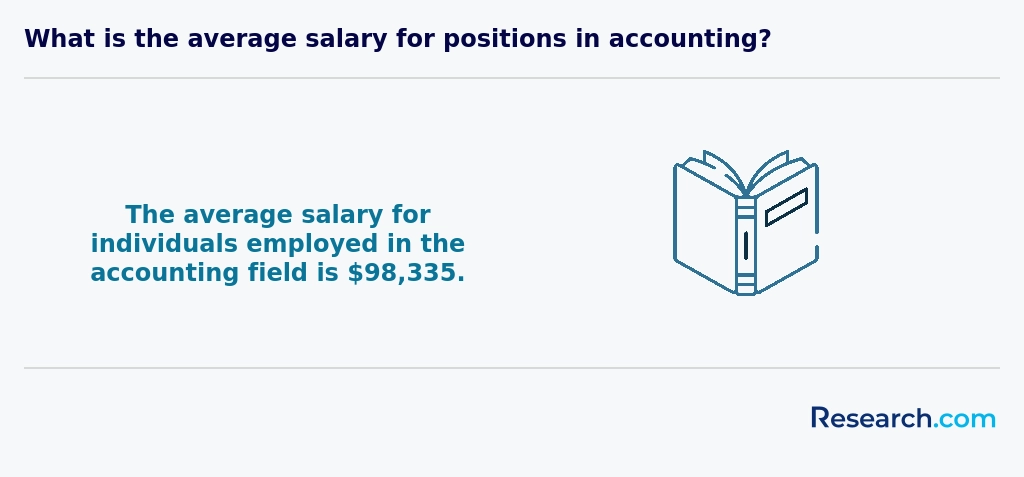
Graduates appreciate knowing the South's mean annual salary ranges from $58,000 to $77,000, with entry-level roles in Texas and Florida starting near $55,000. Earning certifications like the CPA is frequently reported as a game-changer in their career progression. Online accounting degree job market South clearly rewards those who combine relevant credentials with practical experience.
For students mindful of costs, it's useful to consider regional options where the average tuition ranges from $10,000 to $15,000 annually at public universities. Look for programs that align coursework with CPA requirements to boost competitiveness. Also, check resources like online colleges fafsa to ease financial planning and ensure a practical path to success in the accounting career opportunities in the Southern US.
Frequently Asked Questions About accounting
Students pursuing online accounting degrees in the South can enhance their learning by actively engaging with interactive course materials and virtual discussions. A 2023 report from the Southern Regional Education Board highlights that students who participate in synchronous sessions tend to perform 15% better on exams. Utilizing regional professional networks, such as the Florida Institute of CPAs or the Texas Society of CPAs, offers practical insights and local industry connections. Additionally, leveraging software commonly used in Southern accounting firms, like QuickBooks and Sage, can build relevant skills. Time management tools and setting a consistent study schedule are essential to balance coursework with personal responsibilities.
Emerging niches within the accounting field reflect the evolving needs of businesses, especially in the Southern United States. One growing area is forensic accounting, which combines accounting with investigative skills to detect fraud and financial misconduct. According to the Bureau of Labor Statistics, jobs in forensic accounting are expected to grow by 16% nationally through 2032, with Southern financial hubs like Atlanta leading demand.
Another key niche is environmental accounting, focusing on analyzing costs related to sustainability and regulatory compliance. This aligns with Southern states' increased investment in green energy and infrastructure.
Additionally, technology-driven roles such as data analytics and blockchain accounting are gaining importance. South Carolina's expanding tech sector, for instance, is fostering demand for accountants skilled in these areas.
Preparing for the job market after earning an online accounting degree in the South involves strategic steps tailored to regional opportunities. Graduates should focus on obtaining certifications like the CPA, which is highly regarded in Southern states such as Texas and Georgia. According to the Bureau of Labor Statistics, accounting jobs in the South are projected to grow by 8% through 2030, highlighting a strong demand for qualified professionals.
Networking is essential. Joining local chapters of organizations like the American Institute of CPAs (AICPA) or state-specific societies can open doors to internships and job openings. Additionally, gaining proficiency in accounting software commonly used in the South, such as QuickBooks and SAP, increases employability.
Many employers in this region value real-world experience, so consider internships or part-time roles while studying. Career services offered by online programs often help connect graduates with Southern-based companies. Staying updated on Southern financial regulations and tax laws also gives candidates an advantage in this competitive market.
Employers in the South increasingly value accounting graduates who combine technical expertise with strong analytical skills. Proficiency in software like QuickBooks, Excel, and emerging ERP systems is often required, reflecting the ongoing digital transformation of accounting practices. According to the National Association of State Boards of Accountancy (NASBA), nearly 70% of Southern employers prioritize candidates with experience in data analysis and financial reporting.
Effective communication skills are also crucial, as accountants must explain complex financial information to non-experts. Additionally, attention to detail and ethical integrity remain foundational, especially amid regional growth in industries like healthcare and manufacturing that demand strict compliance.
Finding internships in the South for accounting students involves a strategic approach that leverages both local resources and online platforms. Start by exploring university career centers, as many schools have established connections with regional firms and businesses specializing in accounting and finance.
Another key step is to use national sites like Handshake and Indeed, filtering for internships in Southern states such as Texas, Georgia, and Florida, where the demand for accountants is growing due to strong business sectors. According to the U.S. Bureau of Labor Statistics, the Southeast sees steady employment growth in accounting roles, increasing internship opportunities.
Networking is also crucial-joining regional chapters of professional organizations like the American Institute of CPAs (AICPA) can open doors to internships and mentorships. Additionally, targeted outreach to local accounting firms and financial institutions often results in practical experience offers unseen on public job boards.
An online accounting degree significantly enhances career mobility and advancement opportunities in the Southern U.S. This region, with a growing business sector and financial services industries, increasingly values flexible education paths that align with evolving market needs. According to the U.S. Bureau of Labor Statistics, accounting jobs in the South are projected to grow by about 7% from 2022 to 2032, reflecting steady demand.
Employers in states such as Texas, Georgia, and Florida often prioritize candidates with accredited online degrees, especially those with CPA eligibility. Online programs also support working professionals by allowing them to earn credentials without sacrificing income, facilitating promotions or career shifts within accounting and finance roles.
Studying for an online accounting degree in the South equips students with diverse skills that extend beyond traditional accounting. Programs often integrate courses in finance, information systems, and business law, fostering interdisciplinary expertise. This approach aligns with workforce demands in Southern states, where finance and technology sectors are growing rapidly, according to the U.S. Bureau of Labor Statistics.
Many Southern universities emphasize collaboration with industries such as healthcare and energy, where accounting intersects with regulatory compliance and data analysis. Through case studies and practical projects, students learn to apply accounting principles alongside technology and management concepts, preparing them for complex roles.
Graduates are thus positioned to contribute effectively in multifaceted environments, a necessity highlighted by a recent report from the National Association of State Boards of Accountancy showing an increasing need for accountants with interdisciplinary knowledge in the South.
When choosing between a thesis and a non-thesis online accounting degree in the South, students should consider their career goals and learning preferences. Thesis programs typically appeal to those interested in research, advanced study, or pursuing a PhD. They involve a significant research project, developing skills in analysis and academic writing.
Non-thesis programs focus more on practical skills and coursework, often preferred by professionals aiming to advance in industry or obtain certifications like the CPA. According to the Southern Association of Colleges and Schools, many Southern institutions offer flexible options tailored to working adults.
Cost and duration may also vary, with thesis programs potentially requiring more time.
Students based in the South seeking to study accounting abroad have several options primarily facilitated by partnerships between U.S. universities and international institutions. Many Southern colleges offer study abroad programs that include accounting courses in countries such as the United Kingdom, Australia, and Canada, where accounting standards align closely with U.S. regulations. According to NAFSA, about 15% of Southern institution students participate in study abroad programs, often combining in-person and online coursework.
Additionally, some Southern universities provide dual-degree options or international internships, allowing students to gain global experience without full relocation. These programs enhance understanding of international accounting practices, valuable in an increasingly globalized economy. Students should consult their university's study abroad office for updated opportunities and specific credit transfer policies.
Part-time job opportunities in the South that complement an online accounting degree often include roles in bookkeeping, tax preparation, and financial clerking. According to the U.S. Bureau of Labor Statistics, southern states like Texas, Georgia, and Florida have a growing demand for such positions due to expanding business sectors. These jobs provide practical experience with accounting software such as QuickBooks and Excel, enhancing skills learned through coursework.
Many students find internships or assistant roles in local accounting firms or corporate finance departments. Additionally, during tax season, working as a tax preparer or assistant at firms like H&R Block can offer valuable hands-on training aligned with accounting principles and regulations.
Online accounting students in the South benefit from diverse networking opportunities tailored to virtual learners. Many southern universities partner with local chapters of organizations like the American Institute of CPAs (AICPA) and regional accounting societies, providing students with access to professional events, webinars, and mentorship programs.
Additionally, online students can join student chapters of Beta Alpha Psi, a prestigious accounting honor society, which encourages networking through virtual meetings and career fairs. The Southern Regional Education Board highlights that participation in such groups increases job prospects by up to 30%.
Local business incubators and virtual conferences in metropolitan areas such as Atlanta and Dallas also offer valuable connections in accounting.
Alumni networks play a crucial role for students pursuing online accounting degrees in the South. These networks provide access to a wide community of graduates who have navigated the regional job market, frequently sharing job leads and career advice. According to a 2023 report by the National Association of Colleges and Employers, 85% of jobs are filled through networking, highlighting the importance of strong alumni connections.
Many Southern universities support active accounting alumni groups that offer mentorship, internship opportunities, and professional development events online. This direct link often helps students connect with firms in key Southern economic hubs like Atlanta, Charlotte, and Dallas.
In addition, alumni networks can provide insights about state-specific accounting regulations and certification processes, which vary across Southern states. This specialized guidance improves a student's preparedness for CPA exams and local employment.
Customizing an online accounting degree program in the South allows students to align their education with specific career goals. Many Southern universities offer flexible curricula featuring electives in areas like forensic accounting, taxation, and auditing. This flexibility helps students gain expertise tailored to their desired career paths.
Additionally, some programs provide opportunities for specialization through certificate options or dual degrees. According to the Southern Association of Colleges and Schools Commission on Colleges (SACSCOC), regional accreditation ensures that these programs meet quality standards, which is crucial for professional certification and employment.
Internships and networking with Southern-based accounting firms often enhance practical experience and job prospects.
Online accounting students in the South often face challenges related to internet access and technology. According to the Federal Communications Commission (FCC), rural areas in Southern states have lower broadband availability, which can affect students' ability to engage in live lectures and submit assignments on time.
Another common difficulty is balancing coursework with work and family responsibilities. Many Southern students enroll in online programs while managing full-time jobs, making time management critical. Research from the Southern Regional Education Board highlights that nearly 40% of online learners in the South juggle employment alongside studies.
Additionally, some students struggle with limited in-person networking opportunities, which are valuable in the accounting profession. Building connections with peers and faculty can be harder online, impacting mentoring and internship chances.
With an online accounting degree from a Southern institution, students can pursue several key professional certifications that enhance career prospects. The most popular is the Certified Public Accountant (CPA) license, which requires passing a standardized exam and meeting state-specific experience and education criteria. Southern states often align with the National Association of State Boards of Accountancy for CPA requirements.
Other recognized credentials include the Certified Management Accountant (CMA) and Certified Internal Auditor (CIA), which focus on management accounting and internal auditing respectively. These certifications increase job opportunities and earning potential in the South's growing business sectors, including finance and manufacturing. According to the American Institute of CPAs, demand for CPAs in the South has grown by 8% in recent years.
Applying to an online accounting program in the South requires careful preparation to stand out. First, ensure your application highlights relevant coursework and professional experience, as Southern universities often value practical knowledge alongside academic achievements. According to the National Center for Education Statistics, Southern states award over 40% of the nation's accounting degrees, increasing competition.
Strong recommendation letters and a clear statement of purpose detailing your career goals in accounting will strengthen your application. Demonstrating familiarity with regional accounting standards or specific Southern industries can also be beneficial. Additionally, maintaining a GPA above 3.0 improves admission chances, and timely submission is essential for programs with rolling deadlines.
Accounting is a vital profession recognized worldwide, with demand growing steadily in the United States and beyond. Globally, accountants play key roles in financial transparency, compliance, and decision-making. For students pursuing an online accounting degree in the South, understanding international standards such as IFRS (International Financial Reporting Standards) is increasingly important, as many US firms engage in global business.
The Southern region, including states like Texas and Georgia, shows strong employment growth for accountants-projected at about 7% through 2031 per the U.S. Bureau of Labor Statistics. This growth aligns with global trends where financial expertise is essential across industries.
Professionals with CPAs (Certified Public Accountants) or advanced degrees often enjoy competitive salaries compared to other regions, reflecting the South's expanding economy. Awareness of global accounting practices further enhances career opportunities, especially for those interested in multinational corporations.
Students pursuing an online accounting degree in the South can gain practical experience through internships and cooperative education programs offered by many Southern universities. These opportunities often allow remote participation, helping students build skills alongside academic learning.
The Southern Regional Education Board highlights that Southern states have growing demand for accounting professionals, leading to numerous local internships in firms and corporations eager to support virtual candidates. Additionally, students should consider joining accounting clubs or organizations affiliated with their schools, which often provide networking events and real-world case studies.
Leveraging software simulators and cloud-based accounting tools used in courses also builds technical proficiency essential for the field.
Choosing the right concentration within an online accounting degree program in the South starts with understanding your career goals. Common concentrations include audit, taxation, forensic accounting, and managerial accounting. Each focuses on different skills and job markets. For example, taxation is in high demand due to the region's growing small business sector, as reported by the Southern Business Journal in 2023.
Next, consider the state's certification requirements if you plan to become a CPA. Southern states often have varying credit hour or exam rules, so aligning your concentration with these helps ensure smooth licensure.
Research graduate outcomes from Southern schools to identify concentrations with higher employment rates. Networking opportunities and faculty expertise can also influence your choice.
Top Trending Accounting Rankings
See What Experts Have To Say About Studying Accounting
Read our interview with Accounting experts

Yaw M. Mensah
Accounting Expert
Professor and Interim Vice Dean for Strategic Partnerships
Rutgers Business School

John Wermert, Ph.D., CPA
Accounting Expert
Associate Professor of Accounting
Middle Tennessee State University

References
- How to Choose an Accounting Specialization https://freemannews.tulane.edu/2025/11/03/how-to-choose-an-accounting-specialization
- COURSES 2026 https://accountingacademy.co.za/courses
- Accelerated Accounting Degrees Online 2025 | Accounting.com https://www.accounting.com/degrees/accounting/accelerated-online-bachelors/
- Must-Have Skills for Accounting & Finance Graduates Entering Singapore’s Competitive Job Market https://www.lsbf.edu.sg/blog/accountancy-and-finance/must-have-skills-for-accounting-finance-graduates-entering-singapores-competitive-job-market
- Accountants of the Future https://www.deloitte.com/us/en/programs/center-for-controllership/blogs/future-of-accounting-profession.html
- How Is Accounting Higher Education Preparing the Future ... https://run.unl.pt/bitstreams/00df48b8-e024-4711-a8e3-529769165df8/download
- Accounting and Broad Scope Engagement: Leveraging Interdisciplinary and Multidisciplinary Approaches https://www.ifac.org/knowledge-gateway/discussion/accounting-and-broad-scope-engagement-leveraging-interdisciplinary-and-multidisciplinary-approaches
- Expectations of accounting students in relation to their ... https://sevenpubl.com.br/anais7/article/download/4780/8840/19578
- Skills You Need for a Career Path in Accounting | AIU https://www.aiuniv.edu/degrees/business/articles/top-skills-for-career-in-accounting
- Accounting Career: Outlook and Overview | DeVry University https://www.devry.edu/blog/accounting-career-outlook.html


