
2027 Most Affordable Accounting Degree Programs Ranking in District of Columbia

Co-Founder and Chief Data Scientist
Exploring accounting degree programs can feel overwhelming, especially when budgeting for your future education. This article introduces the 2027 Most Affordable Accounting Degree Programs Ranking in District of Columbia, created by the Research.com team of data scientists to guide you in making an informed decision.
By reviewing this ranking, you'll discover valuable options that balance quality and affordability. Pursuing an accounting degree opens doors to rewarding careers and financial stability. Keep reading to find a program that fits your goals and supports your success.
Key benefits of getting accounting degree in District of Columbia
- Accounting degree graduates in District of Columbia can earn competitive salaries, such as Staff Accountants making a mean annual wage of $90,780 and Bookkeepers earning around $49,580 per year.
- Graduates from popular DC universities often explore diverse career paths including tax preparation, auditing, and accounts payable roles, offering flexibility and stable job opportunities.
- Obtaining an accounting degree online from well-known DC institutions provides convenience and allows balancing work and study, making education accessible without sacrificing quality.
- Key benefits of getting accounting degree in District of Columbia
- What can I expect from accounting degree in District of Columbia?
- Where can I work with accounting degree in District of Columbia?
- How much can I make with accounting degree in District of Columbia?
- 2027 Most Affordable Accounting Degree Programs Ranking in District of Columbia
- Key Findings
- How long does it take to complete accounting degree in District of Columbia?
- 2024 Most Affordable Accounting Degree Programs in District of Columbia
- What's the difference between online and on-campus accounting degree?
- Professional Certifications and Licensure Pathways
- What is the average cost of accounting degree in District of Columbia?
- Emerging Trends in Accounting Education and Technology
- What financial aid is available to accounting degree students in District of Columbia?
- What are the prerequisites for enrolling in accounting degree program in District of Columbia?
- Why Choose an Accounting Degree in the District of Columbia
- What courses are typically in accounting degree programs in District of Columbia?
- What types of specializations are available in accounting degree programs in District of Columbia?
- How do you choose the best accounting degree in District of Columbia?
- What career paths are available for accounting degree students in District of Columbia?
- What is the job market for accounting degree in District of Columbia?
- Related Accounting Rankings for Nearby States
- Top Trending Accounting Rankings
- See What Experts Have To Say About Studying Accounting
What can I expect from accounting degree in District of Columbia?
The average cost of an accounting degree in the District of Columbia typically ranges from $30,000 to $60,000 per year at well-known institutions that offer accredited programs. Graduates from universities popular for accounting degrees in DC often highlight the value of strong connections to government agencies and accounting firms, which justifies the investment. For example, students attending AACSB-accredited programs in DC benefit from tailored coursework and internship opportunities that can lead to high-paying roles in both public and private sectors.
Several graduates report that despite the relatively high tuition, the exposure to regulatory bodies and exclusive CPA exam preparation tailored to DC licensing makes the expense worthwhile. Many say that the hands-on experience and networking available uniquely position them for competitive salaries, such as the DC average annual accountant wage of about $91,000 in 2023, which exceeds national figures. These positive outcomes illustrate why students consider accounting programs in DC a strategic career investment.
Where can I work with accounting degree in District of Columbia?
Graduates with accounting degrees from institutions like the University of the District of Columbia and Georgetown University often secure positions across a broad spectrum of employers within the District of Columbia. Many find rewarding roles in federal agencies such as the Department of the Treasury and the IRS, where they apply skills in auditing, tax analysis, and financial reporting. These positions offer a stable career path with meaningful public service impact.
Local government bodies, including the Office of the Chief Financial Officer of DC, frequently hire accounting professionals to oversee municipal budgeting and ensure compliance, providing graduates with hands-on experience in government finance management. Graduates describe this as an empowering opportunity to contribute directly to their community's fiscal health.
Graduates also capitalize on the vibrant private sector, joining top public accounting firms like Deloitte or PwC in entry-level auditor or tax associate roles. Working in these dynamic environments exposes them to diverse industries and complex financial systems, fueling professional growth and satisfaction.
Accounting alumni report optimism about careers in nonprofit organizations and corporate finance departments in sectors such as technology and healthcare. The Washington metropolitan area's employment concentration for accountants is approximately 4% above the national average, with a median annual salary around $85,000, underscoring strong local demand for these skills.
How much can I make with accounting degree in District of Columbia?
Graduates with accounting degrees in the District of Columbia can expect promising salary prospects reflecting the region's dynamic job market. According to the latest U.S. Bureau of Labor Statistics data, staff accountants earn a mean annual wage of approximately $90,780, one of the higher averages nationally. Entry-level roles such as bookkeepers, tax preparers, associate auditors, and accounts payable clerks generally offer mean salaries near $49,580, providing solid starting points for recent graduates.
Many graduates from well-known local institutions, such as Georgetown University or George Washington University, find that these figures hold true or even improve with targeted experience and certifications like CPA. For instance, by entering roles at government agencies or prominent accounting firms based in DC, new professionals often witness salary growth that exceeds $100,000 annually within a few years. This is due to the premium on navigating federal regulations and complex financial environments that the district demands.
Students often share satisfaction with the strong demand for accounting expertise in sectors like government and nonprofits, leading to consistent raises and career advancement. The salary data combined with these professional opportunities clearly explains why many accounting graduates stay excited and optimistic about their financial futures in DC.
2027 Most Affordable Accounting Degree Programs Ranking in District of Columbia
How do we rank schools?
Investing in your education is a significant decision that can shape your future, and the Research.com team understands the importance of making informed choices. To assist prospective students in the District of Columbia, we have meticulously crafted the "2027 Most Affordable Accounting Degree Programs Ranking." Our commitment to quality, credibility, and accuracy is reflected in the extensive research and analysis conducted to compile this ranking.
We utilized the following reputable data sources to ensure a comprehensive evaluation of accounting degree programs:
By exploring this ranking, readers will gain valuable insights into the most affordable accounting degree programs available in the District of Columbia, helping them make well-informed decisions about their educational investments. For more details on our methodology, please visit our Research.com methodology page.
# 1 position
Strayer University-District of Columbia
Bachelor of Science in Accounting

# 2 position
University of the District of Columbia
Bachelor of Business Administration in Accounting


Key Findings
- Tuition for public institutions in D.C. ranges from $15,000 to $20,000 per year for in-state students, while private schools charge between $30,000 and $50,000 annually.
- The average starting salary for accounting graduates in D.C. is about $60,000, with experienced accountants making over $90,000.
- D.C. has a strong job market for accountants due to many government, nonprofit, and private sector employers.
- Many local programs prepare students for the Certified Public Accountant (CPA) exam, important for professional licensing.
- Accreditation by the AACSB is a key factor to consider when choosing an accounting program in D.C.
How long does it take to complete accounting degree in District of Columbia?
Completing a bachelor's degree in accounting in the District of Columbia typically takes about four years of full-time study. Graduates from prominent universities like Georgetown, George Washington, and Howard University often reflect on an intense yet rewarding curriculum requiring 120 to 130 credit hours. These programs cover core subjects such as financial reporting, taxation, and auditing, building a solid foundation for future CPA licensure.
Many students appreciate how accredited local programs align with CPA board requirements, often motivating them to pursue additional coursework. This is particularly common as candidates must complete 150 semester hours to become licensed CPAs, encouraging some to extend their studies through graduate degrees or extra undergraduate classes.
Part-time students in DC might spend up to six years balancing studies with work or life commitments, while some accelerated paths enable completion in as little as three years by attending year-round sessions.
Graduates frequently express satisfaction with the flexibility and rigor offered by these programs, emphasizing how local resources support their career ambitions.
2024 Most Affordable Accounting Degree Programs in District of Columbia
To help you balance cost with quality, here are the top five most affordable accounting degree programs in the District of Columbia for 2024. Each listing includes estimated annual tuition, program format, and unique highlights. Many students also boost their credentials quickly by pursuing an online bookkeeping certificate alongside their degree.
- University of the District of Columbia (UDC)
• Annual In-State Tuition: $6,892
• Program Format: On-campus & Hybrid options
• Highlights: DC Futures Scholarship, small class sizes, direct partnerships with local government agencies for internships. - Howard University
• Annual In-State Tuition: $21,000
• Program Format: On-campus & Online evening courses
• Highlights: HBCU heritage, CPA exam prep embedded in curriculum, mentorship from industry professionals. - Catholic University of America
• Annual Tuition: $39,000
• Program Format: On-campus with weekend intensives
• Highlights: Experiential learning through nonprofit partnerships, volunteer tax assistance clinics. - American University
• Annual Tuition: $50,000
• Program Format: On-campus, evening, and fully online tracks
• Highlights: Access to AU’s Kogod Career Center, leadership in ethical accounting practices. - George Washington University
• Annual Tuition: $52,000
• Program Format: On-campus, hybrid, and accelerated online options
• Highlights: Proximity to federal agencies, high CPA pass rates, robust alumni network in finance and government.
What's the difference between online and on-campus accounting degree?
Online accounting degree programs in the District of Columbia offer significant flexibility, enabling students to attend classes from anywhere, which appeals to working professionals balancing jobs and family. Graduates from programs at institutions like George Washington University often highlight how this format allowed them to continue working while earning credentials. In contrast, on-campus programs, such as those at American University, provide direct faculty interaction and access to campus resources, fostering a strong community and facilitating networking with local financial firms and federal agencies.
Cost differences are notable; on-campus tuition at private universities in D.C. can exceed $40,000 annually, while online options tend to be more affordable, reflecting fewer overhead expenses. However, online students must manage asynchronous course schedules with self-discipline. Both formats meet rigorous accreditation standards like AACSB or ACBSP, ensuring quality education. The choice depends on one's learning style and professional goals within the competitive and opportunity-rich environment of Washington, D.C.
Professional Certifications and Licensure Pathways
Pursuing an Accounting degree in the District of Columbia is a strategic first step, but obtaining professional certifications and licensure can significantly accelerate your career. The Certified Public Accountant (CPA) credential remains the gold standard: in D.C., candidates must complete 150 semester hours, pass the Uniform CPA Examination, and accrue one year of supervised experience under a licensed CPA. Beyond the CPA, specialized credentials like the Certified Management Accountant (CMA) and Certified Internal Auditor (CIA) enhance expertise in strategic finance and risk management. • CPA Exam Preparation: Top D.C. programs integrate review courses and mock exams to boost pass rates above the national average of 50%. • CMA Certification: Offered by the Institute of Management Accountants, this designation requires two exam parts and two years’ professional experience. Graduates with a focus on managerial accounting often see a 20% salary increase post-certification. • CIA Pathway: Ideal for those drawn to auditing and compliance, the CIA exam covers governance, risk management, and audit practices, with flexible testing windows. For those considering advanced study, many aspiring accountants explore affordable master’s options that align with their licensure timelines. See our Inexpensive Online Master's in Accounting Degree Programs Ranking in Massachusetts for examples of cost-effective pathways to both a master’s degree and enhanced certification readiness.
What is the average cost of accounting degree in District of Columbia?
The average cost of obtaining an accounting degree in District of Columbia varies notably between in-state and out-of-state students. Based on recent median figures, the total in-state cost for a typical accounting program hovers around $58,574, while out-of-state students face a median total cost near $77,794. These totals reflect all tuition expenses over the duration of the degree.
For students seeking an affordable accounting degree programs DC 2027, public universities like the University of the District of Columbia offer significant savings with tuition ranges approximately between $8,000 and $10,000 annually for residents. Graduates often note feeling motivated by how manageable these costs made their education without sacrificing quality. On the other hand, private institutions such as American University or George Washington University command tuition upwards of $45,000 per year, resulting in total costs well above $200,000 for four years. Graduates from these schools often emphasize the value of strong alumni networks and career connections that can come with such higher-priced programs.
Additional expenses including textbooks, materials, and technology fees typically add $1,000 to $2,000 annually. Many accounting students successfully utilize scholarships, financial aid, and employer tuition assistance to ease the financial burden. To gauge how costs compare or find tailored options, prospective students can explore the best accounting degree in District of Columbia listings, ensuring a realistic view of investment versus prospects.
Understanding this data helps clarify the total financial commitment required, allowing students to make well-informed decisions regarding their education in Washington, D.C.
Emerging Trends in Accounting Education and Technology
The accounting landscape is evolving rapidly as technological advancements reshape the industry and redefine educational priorities. Today’s students are not only expected to master traditional accounting principles but are also encouraged to develop skills in data analytics, cybersecurity, and emerging technologies such as artificial intelligence and blockchain. These industry shifts are inspiring universities to redesign their curricula and offer innovative programs that combine theory with practical application. For instance, many institutions now offer flexible formats and accelerated paths which allow students to quickly adapt to the digital transformation in financial services. Embracing these trends, learners can further enhance their expertise by exploring specialized accounting courses that focus on the latest digital tools, thereby positioning themselves for success in a technology-driven marketplace. Additionally, industry partnerships and real-world projects are increasingly becoming integral parts of these programs, ensuring that graduates are well-prepared to tackle modern challenges and seize emerging opportunities in both public and private sectors.
What financial aid is available to accounting degree students in District of Columbia?
Accounting students in the District of Columbia rely heavily on a mix of federal, state, and private financial aid to manage costs that can reach up to $40,000 annually at private institutions. Completing the FAFSA is essential to access federal grants like the Pell Grant, which provides up to $7,395 annually for students with significant financial need. Federal student loans also offer reasonable interest rates and flexible repayment plans, easing the financial burden during and after studies.
Graduates from the University of the District of Columbia, a popular choice for accounting degrees, often highlight the impact of the DC Tuition Assistance Grant (DCTAG), which helps cover tuition at public DC colleges. Additionally, scholarships from groups such as the DC CPA Society reward academic achievement and commitment to the field, often tied to maintaining a strong GPA or internship performance in DC accounting firms.
Work-study programs and graduate assistantships provide both financial support and hands-on experience. Many students gain valuable exposure through roles assisting faculty with research or teaching, which also helps fund their education. Some students balance studies with employer-sponsored tuition reimbursement, a benefit offered by several DC-based companies encouraging professional growth in accounting and finance.
What are the prerequisites for enrolling in accounting degree program in District of Columbia?
To enroll in an accounting degree program in the District of Columbia, students must first hold a high school diploma or an equivalent credential like a GED. Universities such as George Washington University and University of the District of Columbia emphasize strong foundational skills in mathematics-particularly algebra and geometry-as accounting heavily depends on numerical accuracy. English proficiency is also crucial, with graduates often recalling how language arts courses improved their ability to write detailed reports and communicate clearly with clients.
Applicants usually submit SAT or ACT scores, although some DC schools have adopted test-optional policies, reflecting national trends. Undergraduate programs may ask for basic economics or business knowledge, but this is typically flexible. Many students appreciate this pragmatic approach since it allows them to strengthen gaps through initial courses.
For graduate programs like an MBA in accounting, a bachelor's degree from an accredited institution is required, ideally with coursework in business or math. International students must demonstrate English language proficiency, commonly through TOEFL or IELTS exams.
Additional prerequisites often include financial accounting, managerial accounting, or statistics courses before major-level classes, helping students feel prepared and confident once fully admitted. Letters of recommendation and personal statements provide opportunities for applicants to express genuine motivation, aligning with experiences shared by successful graduates from DC's accounting programs.
Why Choose an Accounting Degree in the District of Columbia
When considering an accounting degree, it's essential to think about the location and its potential impact on your career. The District of Columbia is a hub for finance, government, and non-profit organizations, making it an ideal place to study and work in accounting. With numerous opportunities for internships, job placements, and networking, the District offers a unique environment that can enhance your educational experience and future career prospects. For those looking to pursue the best accounting degree in District of Columbia, understanding the local job market, available specializations, and the potential for growth can make a significant difference in your decision-making process. The combination of academic rigor, practical experience, and professional opportunities in the District of Columbia can provide a solid foundation for a successful career in accounting, making it a worthwhile consideration for aspiring accountants.
What courses are typically in accounting degree programs in District of Columbia?
Accounting degree programs in the District of Columbia consistently include core courses such as Financial Accounting, which equips students with skills to prepare and analyze financial statements critical in real-world business settings. Managerial Accounting is another essential course, focusing on budgeting and decision-making processes that graduates from institutions like University of the District of Columbia find directly applicable when managing company resources.
Auditing courses teach procedures to ensure financial accuracy and compliance, reflecting standards upheld by local firms and regulatory bodies like the District of Columbia Board of Accountancy. Taxation classes cover individual and corporate tax codes, helping students gain confidence in navigating complex tax filing requirements.
Other key courses include Accounting Information Systems, integrating technology with accounting processes, and Business Law, which prepares students for ethical challenges and legal issues they'll face in the workforce. Graduates often highlight how Intermediate and Advanced Accounting deepened their understanding of intricate financial transactions, boosting their readiness for CPA exams and public sector roles in D.C.'s dynamic economic environment.
What types of specializations are available in accounting degree programs in District of Columbia?
Accounting degree programs in the District of Columbia regularly offer several specializations to equip students with targeted expertise. Common options include Tax Accounting, essential for navigating federal and local tax regulations-crucial in D.C.'s landscape dominated by government agencies and law firms. Another key focus is Auditing, preparing graduates for roles verifying financial statements within public accounting firms and corporate sectors. Graduates from universities in D.C. often highlight how the Forensic Accounting specialization allowed them to engage with fraud detection and litigation support, reflecting the District's strong regulatory environment.
Management Accounting is also a popular track, training students in budgeting and cost control to support strategic decisions in business operations. Additionally, Government and Nonprofit Accounting, with its emphasis on public fund management, attracts many due to D.C.'s concentration of federal and nonprofit organizations. This specialization stands out among affordable accounting degree specializations District of Columbia students seek for local career alignment.
Prospective students looking for accounting degree concentration options in District of Columbia appreciate how programs balance theoretical knowledge with practical application, often sharing positive experiences about their preparedness for the local job market. Students often find value in exploring accounting courses tailored to these concentrations as part of their degree pathways.
How do you choose the best accounting degree in District of Columbia?
Choosing an accounting degree in the District of Columbia requires evaluating accreditation, curriculum depth, and costs to match your career goals. Graduates from top accounting programs in DC universities often emphasize the value of AACSB or ACBSP accreditation, which many employers in the region prioritize for CPA exam sponsorship and job placement. These programs typically include hands-on internships, allowing students to build practical skills within DC's financial and governmental sectors.
For those seeking affordable accounting degree programs in District of Columbia, community colleges offer associate degrees at substantially lower tuition-often under $7,000 annually-making them appealing for budget-conscious students. Conversely, private institutions may charge more than $30,000 but provide extensive networking opportunities near professional hubs.
Students balancing work and study appreciate programs offering flexibility through online or evening classes. To explore foundational skills, one might consider an online bookkeeping certificate to supplement learning. Best accounting schools in District of Columbia for cost and quality successfully combine rigorous curricula with local job market insights, contributing to positive graduate outcomes in the competitive DC accounting field.
What career paths are available for accounting degree students in District of Columbia?
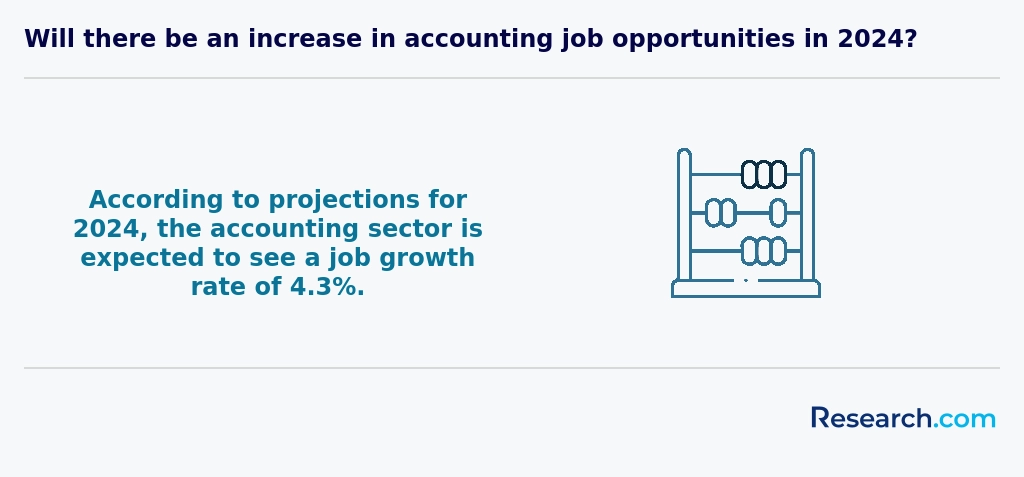
Accounting degree graduates in the District of Columbia have diverse career paths reflecting the region's strong public and private sectors. Many find opportunities as certified public accountants (CPAs), auditors, tax advisors, and financial analysts, benefiting from salaries above the national median of $77,000 as of 2023. Government agencies like the U.S. Treasury and IRS are key employers, particularly for those holding certifications such as the CPA or Certified Government Financial Manager (CGFM).
Jobs with accounting degree in District of Columbia also include roles in corporate finance, consulting firms, and nonprofits, where skills in financial reporting, budgeting, and forensic accounting are in demand. Graduates from local universities often highlight the advantages of networking and job openings linked to the proximity to government and international organizations. Many use their degree to advance into executive positions like CFOs or controllers, leveraging strong analytical and regulatory expertise.
Students exploring affordable pathways sometimes refer to rankings like the Inexpensive Online Master's in Accounting Degree Programs Ranking in Massachusetts to supplement their education while studying in D.C., enhancing career flexibility and opportunities.
What is the job market for accounting degree in District of Columbia?
The accounting degree job outlook District of Columbia shows steady demand, supported by the region's diverse economy consisting of government agencies, private firms, and nonprofit organizations. Graduates from popular local universities frequently secure positions with federal departments or consulting firms, where their skills in auditing and financial analysis are highly valued. Employment growth is projected around 7% over the next decade, matching national averages but bolstered locally by the city's concentration of accounting roles.
Graduates often report positive experiences transitioning to careers in D.C.'s competitive market, where a CPA certification notably improves hiring prospects. Salary expectations are strong, with a mean annual wage near $87,000-significantly above the national average-reflecting the high cost of living and specialized roles available. Employment opportunities for accounting graduates DC include roles in government, nonprofit budgeting, and financial consulting, providing varied options for career advancement.
While tuition in D.C. can be on the higher end, students recognize the return on investment, especially when compared to local salary premiums. For those weighing academic choices, exploring what is the easiest masters degree can also help balance time and cost considerations while aiming for strong job market results.
Frequently Asked Questions About accounting
Accounting degree students in the District of Columbia can maximize their learning by engaging deeply with both academic and practical experiences. DC is home to several accredited institutions offering specialized accounting programs, adhering to standards set by the Association to Advance Collegiate Schools of Business (AACSB), ensuring high-quality education.
Students should seek internships with local government agencies or private accounting firms, as DC's strong public sector presence offers unique opportunities in auditing and financial management. According to the Bureau of Labor Statistics, DC has a 5% higher employment concentration for accountants than the national average, highlighting local demand.
Participating in professional organizations like the District of Columbia Society of Certified Public Accountants (DCSCPA) provides networking and continuing education benefits. Combining classroom study with real-world practice and professional networking is essential for a successful accounting career in DC.
Emerging niches within the accounting field reflect the growing complexity and specialization of financial environments. In the District of Columbia, areas like forensic accounting are gaining traction due to increased demand for fraud detection and legal compliance. According to the Bureau of Labor Statistics, forensic accountants earn a median wage higher than traditional accountants, highlighting its value.
Environmental accounting is another evolving sector, driven by increased regulatory requirements and corporate sustainability goals. Accountants skilled in this niche help organizations track environmental costs and regulatory compliance.
Additionally, technology-related roles such as data analytics and cybersecurity accounting are developing rapidly, especially in a tech-heavy hub like D.C., where government and private sector organizations require advanced data security and analysis expertise.
To prepare for the job market after completing an accounting degree in the District of Columbia, students should focus on gaining relevant experience. Internships with local firms or government agencies, such as the IRS or D.C. Office of the Chief Financial Officer, provide valuable hands-on skills and networking opportunities. According to the Bureau of Labor Statistics, accounting jobs in Washington D.C. are expected to grow by 7% through 2031, faster than the national average.
Obtaining certifications like the CPA (Certified Public Accountant) enhances employability, especially given D.C.'s strong demand for licensed accountants.
Additionally, joining professional organizations such as the D.C. Association of CPAs can help graduates connect with employers and stay informed about industry trends.
Employers in District of Columbia highly value accounting graduates who possess strong analytical and problem-solving skills. These abilities help professionals interpret complex financial data and comply with regulatory standards. According to the DC Department of Employment Services, proficiency in accounting software such as QuickBooks and Microsoft Excel is in high demand.
Communication skills are essential, as accountants must explain financial information clearly to clients and colleagues. Attention to detail is critical for accuracy in financial reporting and audits.
Knowledge of current tax laws and regulations specific to District of Columbia also gives graduates a competitive edge in the local job market.
Finding internships in the District of Columbia relevant to an accounting degree involves leveraging local resources and industry connections. Many universities, such as George Washington University and American University, offer career centers that connect students with internship opportunities in accounting firms, government agencies, and non-profits located in D.C.
The D.C. area hosts numerous public accounting offices and federal government agencies that regularly offer internships for accounting students. According to data from the D.C. Department of Employment Services, accounting and finance internships have seen a steady 5% increase annually, reflecting strong industry demand.
Networking events held by the D.C. chapter of the American Institute of CPAs (AICPA) also provide access to internship leads. Additionally, job search platforms like Handshake and internships.gov list openings specifically for accounting students based in D.C.
In the District of Columbia, an accounting degree significantly enhances career mobility and advancement opportunities. According to the U.S. Bureau of Labor Statistics, professionals with accounting qualifications often experience faster job growth compared to non-degree holders in finance-related roles. The local government, nonprofit organizations, and numerous corporate headquarters value accounting expertise for roles ranging from auditors to financial analysts.
Employers in D.C. frequently prefer candidates with a bachelor's degree in accounting, especially when paired with certifications like CPA (Certified Public Accountant). This combination can lead to higher starting salaries and quicker promotion tracks.
Networking opportunities and internships available through D.C.-based schools also contribute to upward mobility, providing access to influential professional circles.
Studying for an accounting degree in District of Columbia equips students with versatile skills applicable to various interdisciplinary roles. Programs often include coursework that integrates finance, business law, information systems, and ethics, reflecting the complex nature of today's business environment. This broad approach prepares graduates to collaborate effectively across departments such as marketing, management, and information technology.
Many D.C. institutions emphasize experiential learning through internships and partnerships with local government agencies, NGOs, and financial firms. According to the Bureau of Labor Statistics, interdisciplinary skills boost employability, especially in metropolitan areas like D.C. where diverse sectors converge.
Furthermore, the concentration on regulatory frameworks specific to federal and municipal agencies provides unique expertise that bridges accounting with public administration and compliance roles.
Choosing between a thesis and a non-thesis accounting degree program in the District of Columbia depends on your career goals and academic interests. A thesis program typically involves conducting original research and writing a substantial paper, which can be beneficial if you plan to pursue a PhD or research-related roles.
On the other hand, a non-thesis program focuses more on coursework and practical skills, which aligns well with careers in public accounting, corporate finance, or government jobs.
According to the National Center for Education Statistics, many DC universities offer both options, allowing flexibility. Consider the time commitment too; thesis programs often take longer to complete. Evaluate your personal interests and career plans carefully when deciding.
Students based in the District of Columbia seeking to study accounting abroad have several pathways available through U.S. higher education institutions and exchange programs. Many universities in DC, including Georgetown University and American University, offer study-abroad partnerships with accredited international business schools that focus on accounting and finance. These programs typically last one semester to a full academic year, allowing students to earn credits that count toward their degree.
The U.S. Department of Education and the Institute of International Education report that roughly 10% of U.S. accounting students participate in study-abroad programs, exposing them to global accounting standards such as IFRS. Additionally, some schools provide dual-degree options where students earn both a U.S. degree and a foreign accounting credential, benefiting those aiming for multinational careers.
Financial aid and scholarships for study abroad are often available through universities and external foundations, helping to offset costs. Consulting academic advisors within DC universities is recommended to identify accredited and cost-effective options aligned with career goals.
Students pursuing accounting degrees in the District of Columbia have access to various part-time job opportunities that complement their education. Popular roles include bookkeeping assistant, tax preparer, and auditing clerk positions, often available within local government agencies, nonprofits, and accounting firms. According to the U.S. Bureau of Labor Statistics, D.C. has a strong demand for accounting professionals, making internships and part-time roles more accessible in the public sector. Additionally, working as a financial clerk in businesses located in the city can enhance practical skills such as spreadsheet management and financial reporting. These jobs provide valuable experience relevant to CPA exam requirements.
Accounting students in the District of Columbia benefit from strong networking opportunities due to the area's concentration of professional organizations and government agencies. The DC chapter of the American Institute of Certified Public Accountants (AICPA) hosts regular events where students can meet experienced accountants and recruiters. Additionally, participation in the Beta Alpha Psi honor society is common among accounting students at local universities, providing valuable access to internships and job fairs.
The proximity to major federal agencies, such as the IRS and the Government Accountability Office, offers unique student engagement through internships and seminars. According to the Bureau of Labor Statistics, DC has a higher-than-average concentration of accounting jobs, emphasizing the value of networking locally. These opportunities help students develop professional contacts crucial for career advancement in accounting.
Alumni networks offer significant advantages to accounting degree students in the District of Columbia. These networks provide valuable connections within the local business and government sectors, crucial for a city with a strong federal and financial presence. According to the U.S. Bureau of Labor Statistics, DC's accounting employment is expected to grow by 7% through 2031, emphasizing the importance of professional contacts.
Students benefit from mentorship programs, internships, and job referrals facilitated by alumni. Networking events and seminars often led by graduates help students understand regional market trends and CPA licensure requirements in DC. These connections can increase job placement rates and support career advancement after graduation.
In District of Columbia, students pursuing an accounting degree can customize their programs by selecting electives aligned with their career goals. Many universities offer concentrations such as forensic accounting, taxation, or auditing. Choosing these specializations helps develop expertise relevant to your desired field. Additionally, DC schools often provide internship opportunities with local government agencies and financial firms, which enhances practical experience.
Flexible scheduling options, including evening or online courses, allow working professionals to balance education and career. According to the National Center for Education Statistics, nearly 30% of accounting students in DC opt for online courses. Finally, obtaining certifications like CPA after graduation augments your degree and improves job prospects within the metropolitan area.
Accounting students in the District of Columbia often face demanding academic workloads, balancing complex subjects like taxation, auditing, and financial reporting. Many report challenges with mastering evolving regulations, given DC's unique status and proximity to federal agencies. The cost of living and tuition in DC rank among the highest nationally, which can increase financial stress for students, according to data from the U.S. Bureau of Labor Statistics and the National Center for Education Statistics.
Additionally, competition for internships and CPA exam preparation is intense, as the area hosts many government and private accounting firms. Navigating these factors requires strong time management and resourcefulness.
An accounting degree in the District of Columbia opens the door to several professional certifications highly respected throughout the United States. The most sought-after is the Certified Public Accountant (CPA) credential, which requires passing the Uniform CPA Exam and meeting education and experience prerequisites. Washington, D.C., follows the National Association of State Boards of Accountancy guidelines, often requiring 150 semester hours of education.
Other valuable certifications include the Certified Management Accountant (CMA) and Certified Internal Auditor (CIA), both enhancing expertise in specialized fields. The American Institute of Certified Public Accountants (AICPA) and Institute of Management Accountants provide detailed certification paths applicable nationwide.
Obtaining these certifications can significantly boost career prospects and salary potential for accounting professionals in the District. According to the U.S. Bureau of Labor Statistics, accountants with certifications tend to earn 10 to 15 percent more than their non-certified peers in metropolitan areas like Washington, D.C.
To write a winning application for an accounting program in District of Columbia, start by highlighting your strong quantitative skills and any relevant coursework in math or finance. Admissions committees value applicants who demonstrate both analytical ability and practical experience, such as internships or part-time work in accounting-related roles.
Be sure to include a clear personal statement explaining your career goals and why you chose accounting. Tailor it to reflect an understanding of DC's unique job market, where accounting graduates can work in government agencies, nonprofits, or private firms. According to the Bureau of Labor Statistics, DC's median annual wage for accountants is higher than the national average, reflecting strong local demand.
Your application should also showcase your academic achievements, including GPA and any certifications like CPA exam progress. Finally, obtain strong recommendation letters from professors or employers who can attest to your professionalism and dedication to the field.
Accounting careers in the District of Columbia offer strong global relevance due to the city's role as a center for international finance and policy. Graduates with accounting degrees here gain skills valued worldwide, including familiarity with U.S. Generally Accepted Accounting Principles (GAAP) and International Financial Reporting Standards (IFRS) used by many multinational companies.
According to the U.S. Bureau of Labor Statistics, the demand for accountants in D.C. is expected to grow by 8% from 2022 to 2032, reflecting the broader global emphasis on financial transparency and regulatory compliance. Many local firms engage in cross-border transactions, necessitating accountants who understand both domestic and international standards.
Hiring organizations often look for candidates with knowledge of global tax laws and auditing practices, making an accounting degree from this region valuable beyond U.S. borders. Students can also benefit from D.C.'s proximity to federal agencies and international organizations, offering unique internship opportunities.
Students pursuing an accounting degree in the District of Columbia have several effective ways to gain practical experience while studying. Many local universities and colleges offer internships with nearby government agencies, non-profits, and private accounting firms, providing hands-on training relevant to the industry.
Additionally, organizations like the DC Society of CPAs frequently post internship and mentorship opportunities, connecting students with experienced professionals.
Participating in campus clubs focused on finance and accounting can enhance applied skills and networking.
According to the U.S. Bureau of Labor Statistics, internships increase employment chances by up to 60% for accounting graduates in metropolitan areas like DC.
Choosing the right concentration within an accounting degree in the District of Columbia depends on your career goals and the local job market. Common concentrations include auditing, taxation, forensic accounting, and managerial accounting. DC's financial sector and government agencies often seek professionals skilled in auditing and taxation.
Consider the demand for specialties in the area; government roles may value forensic accounting due to fraud investigations, while private firms prioritize tax expertise. According to the Bureau of Labor Statistics, accountants in DC earn a median salary of around $91,000, reflecting the high demand for well-qualified professionals.
Research program curricula at DC institutions to find concentrations aligning with these trends and your interests. Make sure your choice also supports CPA exam requirements if certification is a goal. Local networking events and internships can provide insight into which concentration best fits the District's market.
Related Accounting Rankings for Nearby States
- 2027 Most Affordable Accounting Degree Programs Ranking in Idaho
- 2027 Most Affordable Accounting Degree Programs Ranking in California
- 2027 Most Affordable Accounting Degree Programs Ranking in Arizona
- 2027 Most Affordable Accounting Degree Programs Ranking in Colorado
- 2027 Most Affordable Accounting Degree Programs Ranking in Minnesota
- 2027 Most Affordable Accounting Degree Programs Ranking in Alabama
- 2027 Most Affordable Accounting Degree Programs Ranking in Florida
- 2027 Most Affordable Accounting Degree Programs Ranking in Georgia
- 2027 Most Affordable Accounting Degree Programs Ranking in West Virginia
- 2027 Most Affordable Accounting Degree Programs Ranking in Delaware
Top Trending Accounting Rankings
See What Experts Have To Say About Studying Accounting
Read our interview with Accounting experts

Yaw M. Mensah
Accounting Expert
Professor and Interim Vice Dean for Strategic Partnerships
Rutgers Business School

John Wermert, Ph.D., CPA
Accounting Expert
Associate Professor of Accounting
Middle Tennessee State University

References
- District of Columbia CPA Requirements https://www.efficientlearning.com/cpa/resources/state-requirements/dc/
- Are accounting students overloaded and under-supported? https://www.studentvoice.ai/blog/accounting-students-challenges-with-workload-and-support/
- How to Meet Accounting Degree Requirements for Career Success - ICMS https://www.icms.edu.au/degree-discovery/how-to-meet-accounting-degree-requirements/
- 5 accounting certifications without a degree | Becker https://www.becker.com/blog/career/5-accounting-certifications-you-can-earn-without-a-degree
- Certification and Licensing https://www.gwscpa.org/certification-licensing
- Skills You Need for a Career Path in Accounting | AIU https://www.aiuniv.edu/degrees/business/articles/top-skills-for-career-in-accounting
- Washington D.C. CPA Requirements | Accounting.com https://www.accounting.com/states/dc-cpa/
- Networking events for accountants in 2026 | Eagle Education https://www.eagle-education.co.uk/eagle/networking-events-for-accountants-in-2026/
- How to Find Your Ideal Accounting Niche - INAA https://www.inaa.org/how-to-find-your-ideal-accounting-niche/
- How to get into accounting as a graduate https://targetjobs.co.uk/careers-advice/accountancy-banking-and-finance/how-get-accounting-graduate


