
2027 Most Valuable Accounting Degree Programs Ranking in Iowa

Co-Founder and Chief Data Scientist
Choosing the right accounting degree program can shape your future career and open doors to exciting opportunities. For students in Iowa, finding programs that offer real value is essential.
This article presents the 2027 Most Valuable Accounting Degree Programs Ranking in Iowa, developed by the Research.com team of data scientists. It aims to guide you through the best choices based on data, helping you make an informed decision.
Whether you're starting your journey or considering a change, understanding which programs stand out can boost your confidence and success in the accounting field.
Key benefits of getting accounting degree in Iowa
- Accounting degree graduates in Iowa can earn competitive salaries, with Staff Accountants making a mean annual wage of $90,780 and other roles such as Bookkeepers, Tax Preparers, and Associate Auditors earning around $49,580 per year.
- Graduates have diverse career paths available, from auditing and bookkeeping to tax preparation, often inspired by successful alumni from universities like the University of Iowa who enjoy rewarding and stable jobs.
- Completing an accounting degree online, as offered by institutions such as Iowa State University, provides flexibility and convenience without sacrificing quality, making it easier for busy students to balance work and study.
- Key benefits of getting accounting degree in Iowa
- What can I expect from accounting degree in Iowa?
- Where can I work with accounting degree in Iowa?
- How much can I make with accounting degree in Iowa?
- 2027 Most Valuable Accounting Degree Programs Ranking in Iowa
- Key Findings
- How long does it take to complete accounting degree in Iowa?
- Next Steps for a Successful Accounting Career
- What's the difference between online and on-campus accounting degree?
- Return on Investment of an Accounting Degree in Iowa
- What is the average cost of accounting degree in Iowa?
- What financial aid is available to accounting degree students in Iowa?
- What are the prerequisites for enrolling in accounting degree program in Iowa?
- Affordability and Financial Considerations for Accounting Degree Programs in Iowa
- What courses are typically in accounting degree programs in Iowa?
- What types of specializations are available in accounting degree programs in Iowa?
- How do you choose the best accounting degree in Iowa?
- What career paths are available for accounting degree students in Iowa?
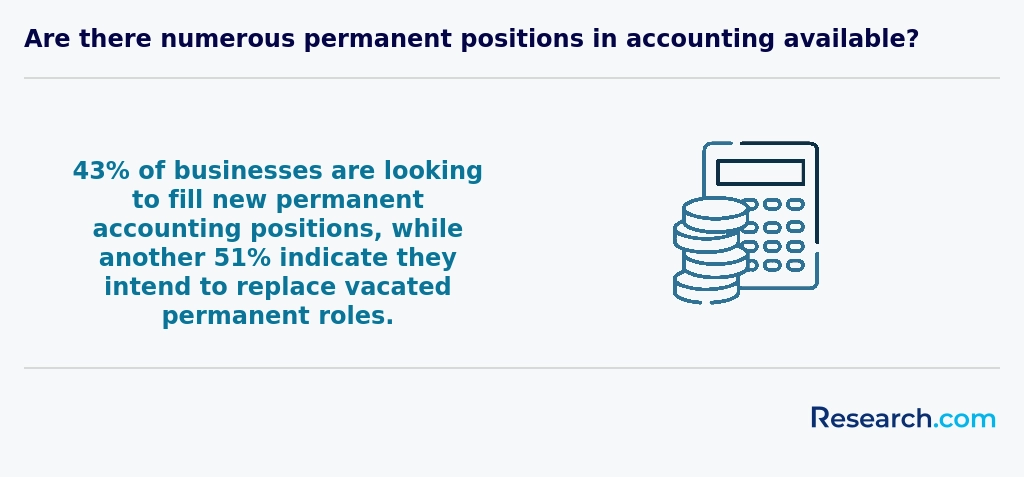
- What is the job market for accounting degree in Iowa?
- Related Accounting Rankings for Nearby States
- Top Trending Accounting Rankings
- See What Experts Have To Say About Studying Accounting
What can I expect from accounting degree in Iowa?
The average cost of pursuing an accounting degree in Iowa varies but typically falls between $10,000 and $15,000 per year for in-state students at public universities like the University of Iowa or Iowa State University. Many students find this investment manageable, especially considering the strong return in career opportunities and salary potential after graduation. Graduates often share how the practical, hands-on experience gained through internships and cooperative education options at these institutions gave them confidence and real-world skills.
Private schools such as Drake University may have higher tuition, yet many students feel supported by scholarships, financial aid, and part-time work opportunities that help make the education affordable. These universities emphasize preparing students for the CPA exam and offer rich connections via the Iowa Society of CPAs, making the cost worthwhile. The combination of well-rounded education and local industry engagement helps graduates feel excited and ready to launch their careers in Iowa's thriving accounting and finance sectors.
Where can I work with accounting degree in Iowa?
Graduates with an accounting degree from well-regarded Iowa colleges like the University of Iowa or Iowa State University find themselves welcomed in a variety of rewarding career paths throughout the state. Many begin their journeys at public accounting firms in vibrant cities such as Des Moines and Cedar Rapids, where they quickly develop skills in auditing, tax preparation, and consulting while working alongside experienced professionals. These real-world experiences spark confidence and open doors to advancement.
Others step into corporate accounting roles within Iowa's strong manufacturing, agriculture, and finance sectors. Imagine contributing to the financial success of companies like Deere & Company or Principal Financial Group, managing budgets and ensuring compliance, while building a meaningful career rooted in your community.
Government positions with local agencies or the Iowa Department of Revenue provide fulfilling opportunities with stability and strong benefits, perfect for graduates seeking long-term growth. Not to mention, innovative accounting graduates often launch their own consulting practices, bringing fresh expertise to small businesses across Iowa.
The diversity of Iowa's economy guarantees every graduate a chance to thrive and shape their future with confidence.
How much can I make with accounting degree in Iowa?
Graduates from popular Iowa institutions such as the University of Iowa and Iowa State University often step confidently into the workforce, knowing their accounting degree opens doors to rewarding careers. Entry-level positions like Staff Accountant offer a mean annual wage of about $90,780 in Iowa, reflecting strong earning potential right from the start. Even roles such as Bookkeeper, Tax Preparer, Associate Auditor, and Accounts Payable Clerk provide solid mean annual wages around $49,580, which allows new graduates to enjoy financial independence while gaining valuable experience.
Many accounting graduates in Iowa find themselves thriving in vibrant metropolitan areas like Des Moines, where salaries tend to be higher and professional growth opportunities abound. Imagine starting your career contributing to a thriving business or guiding a nonprofit's finances, knowing your skills are valued and your income reflects your expertise. Earning certifications like the CPA further boosts income and career advancement, making your degree an even more powerful asset.
These rewarding salaries and growth paths show that an accounting degree in Iowa offers not just a job, but a stable and exciting future in finance and business.
2027 Most Valuable Accounting Degree Programs Ranking in Iowa
How do we rank schools?
Investing in your education is a significant decision that can shape your future, and the Research.com team understands the importance of making informed choices. To assist prospective students, we have meticulously developed the "2027 Most Valuable Accounting Degree Programs Ranking in Iowa." Our commitment to quality, credibility, and accuracy is demonstrated through thorough research and analysis to ensure a reliable evaluation.
We utilized the following reputable data sources to create this ranking:
By exploring this ranking, readers will gain valuable insights into the most valuable accounting degree programs in Iowa, enabling them to make well-informed decisions about their educational and career paths. For more information on how this ranking was created, please visit our Research.com methodology page.


Key Findings
- Tuition for a bachelor's degree in accounting in Iowa ranges from $9,000 to $11,000 per year at public universities and can exceed $30,000 annually at private colleges.
- Entry-level accountants in Iowa earn between $52,000 and $58,000 per year, with mid-career salaries around $70,000 to $75,000.
- Experienced accountants and CPAs in Iowa can earn more than $90,000 annually, especially in cities like Des Moines.
- The job market for accountants in Iowa is growing at about 6% over the next decade, with opportunities in finance, insurance, manufacturing, government, and agriculture.
- Iowa schools offer accredited programs meeting the 150-credit hour CPA requirement, with options for internships to improve job prospects.
- State-funded scholarships and financial aid programs are available to help reduce the cost of obtaining an accounting degree in Iowa.
How long does it take to complete accounting degree in Iowa?
Completing an accounting degree in Iowa is an achievable and rewarding journey that often takes about four years for full-time students. Many graduates from well-known institutions like the University of Iowa and Iowa State University share how immersive four-year programs, built around 120 to 130 credit hours, allowed them to balance core studies with hands-on accounting skills. These programs create a solid foundation for success, helping students feel confident and prepared for their future careers.
For those juggling work or family commitments, part-time study can extend the timeline to five or six years, but this path provides flexibility and a unique sense of accomplishment. Graduates often reflect on the pride they felt managing real-life challenges while steadily advancing toward their goals.
Students aiming even higher often pursue a master's degree or MBA focused on accounting, which can add one to two years, or sometimes just one in accelerated programs at Iowa schools. This dedication exemplifies how Iowa's education system supports every step of your professional growth.
Next Steps for a Successful Accounting Career
For prospective students, preparing for an accounting career goes beyond choosing the right degree program-it’s about actively building the skills, networks, and experiences that will set you apart in a competitive job market. To this end, consider pursuing internships early in your academic journey, engaging with accounting clubs, and seeking mentorship opportunities from experienced professionals. In addition, staying up-to-date with industry trends and technological advancements, such as cloud computing and data analytics, can significantly enhance your marketability. For those interested in practical guidance on launching your career, check out our comprehensive guide on becoming accountant, which offers actionable tips and career advice from industry experts. By taking strategic steps and investing in continued professional development, you can create a strong foundation for a thriving career in accounting while maximizing the return on your educational investment.
What's the difference between online and on-campus accounting degree?
Studying accounting in Iowa offers two vibrant paths, each tailored to different lifestyles and ambitions. Online accounting degrees, embraced by many graduates from schools like the University of Iowa, provide remarkable flexibility-perfect for those balancing jobs or family. Imagine logging in after a day's work to engage with interactive digital tools designed to strengthen your grasp on financial accounting and auditing. This flexibility enables learners to progress confidently without sacrificing other priorities.
Conversely, attending an on-campus program, such as at Iowa State University, opens doors to rich, face-to-face interactions. Graduates often speak about the power of collaborating in lively study groups and gaining hands-on experience in traditional accounting labs. These settings cultivate deep professional connections with local firms and the Iowa Society of CPAs, which can spark internships and long-term career opportunities.
Both paths meet Iowa's rigorous CPA educational requirements, empowering students to shine in their careers. Whether you thrive in a digital classroom or the dynamic campus atmosphere, your accounting journey in Iowa is designed to inspire growth and success.
Return on Investment of an Accounting Degree in Iowa
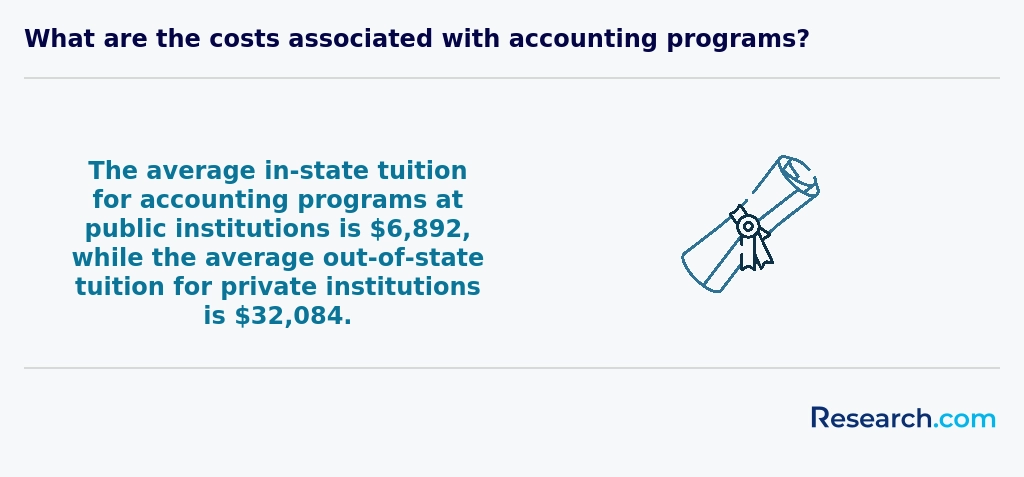
Calculating the return on investment (ROI) of an accounting degree helps prospective students weigh upfront costs against long-term earnings. In Iowa, where in-state tuition averages $6,892 per year and out-of-state costs can exceed $32,000, understanding payback periods and debt-to-earnings ratios is crucial for informed decision-making. On average, graduates accumulating $30,000 in educational debt and earning a starting salary of $55,000 can expect to recoup their investment within five to seven years. When factoring in scholarships, work-study earnings, and part-time internships, the payback period can shrink to three to four years. Community college pathways further reduce tuition burdens, allowing many associate degree holders to enter the workforce debt-light and begin climbing the salary ladder immediately. Salary trajectories vary by role: staff accountants command a mean annual wage of $86,740, while financial analysts in corporate settings often exceed $75,000 within two years of graduation. By comparing program costs with these earnings, students can calculate a personalized ROI. Leveraging CPA licensure, specializing in high-growth fields like forensic accounting, and securing early internships all contribute to maximizing ROI and accelerating career advancement. Recent graduates who secured internships often transition to high-earning roles-see our list of top 10 highest paying accounting jobs to understand potential income trajectories. Implementing strategic financial planning, including early FAFSA submission and targeted scholarship applications, further enhances the overall value proposition of an accounting education in Iowa.
What is the average cost of accounting degree in Iowa?
The average cost of an accounting degree in Iowa reflects a balanced investment in a promising future, with the median total cost around $48,760 for out-of-state students and approximately $36,684 for those studying in-state. Many graduates from well-known public universities like the University of Iowa and Iowa State University share that managing the accounting degree tuition and fees Iowa becomes more achievable when paired with scholarships, work-study programs, or internships. They often describe their journey as challenging yet rewarding, emphasizing the long-term value of a quality education.
Accounting students at private institutions such as Drake University experience higher tuition, but they also benefit from personalized support and strong alumni networks that provide motivation and opportunities. The financial commitment reflects not only the classroom experience but also access to invaluable resources that push students toward success. Prospective students often find comfort in learning from these stories, realizing that financing an accounting degree is a step many have successfully navigated.
Consider exploring options with public and private schools, weighing costs alongside the stories of past students who have flourished. For those curious about where to start, checking out the most affordable accounting schools in Iowa can be a positive first step toward mapping out your path. Taking into account the average cost of accounting degree Iowa reinforces the idea that a dedicated student can thrive in the state's diverse educational landscape.
What financial aid is available to accounting degree students in Iowa?
Financial aid options for accounting students in Iowa create amazing opportunities to make your education affordable and achievable. Many graduates from the University of Iowa and Iowa State University share how Pell Grants helped lift financial burdens, offering up to $7,395 annually to cover essential expenses without repayment worries.
State-funded scholarships, such as the Iowa Tuition Grant, provide up to $6,800 yearly for in-state students attending private colleges, easing the path toward your accounting degree. Imagine receiving merit-based scholarships from public universities that reward your hard work and academic dedication, motivating you to keep excelling.
Workforce-focused scholarships from organizations like the Iowa Society of CPAs inspire future accountants by directly supporting those passionate about launching their careers in Iowa. Many students balance these awards with Federal Work-Study jobs connected to their studies, gaining practical experience while earning.
With median salaries near $60,000 annually, financial aid transforms dreams into exciting realities here in Iowa's vibrant accounting community.
What are the prerequisites for enrolling in accounting degree program in Iowa?
To enroll in an accounting degree program in Iowa, students typically need a high school diploma or GED, laying a strong foundation for success. Many graduates from universities like the University of Iowa or Iowa State University share how their solid backgrounds in algebra, geometry, and even basic statistics helped them confidently navigate college-level accounting courses. This preparation builds the math skills essential for mastering the financial details they'll encounter.
Some schools may ask for SAT or ACT scores, but the welcoming test-optional policies at many Iowa colleges since 2020 mean your overall academic record shines brighter. Graduates often recall how their dedication to business clubs or internships made their applications stand out, bringing real-world experience into the classroom.
Additionally, looking ahead to CPA licensure, students understand that earning 150 semester hours might mean pursuing extra coursework or a master's degree, which motivates them to plan their educational journey thoughtfully. This roadmap empowers many to achieve their accounting dreams right here in Iowa.

Affordability and Financial Considerations for Accounting Degree Programs in Iowa
One crucial aspect for prospective accounting students in Iowa to consider is the affordability of their desired degree program. With the rising costs of tuition and living expenses, it's essential to evaluate the financial implications of pursuing an accounting degree. Students can explore options such as scholarships, grants, and financial aid to help offset these costs. For instance, researching the most affordable accounting schools in Iowa can provide valuable insights into institutions that offer quality education at a lower cost. By understanding the various financial aid opportunities available and the overall cost of attendance, students can make informed decisions about their educational paths and plan for a successful and financially stable future in the accounting profession.
What courses are typically in accounting degree programs in Iowa?
Accounting degree programs in Iowa offer an exciting pathway through essential courses that build both skill and confidence. Graduates from Iowa State University and the University of Iowa often reflect on how foundational classes like financial accounting helped them master the art of preparing clear, accurate financial statements-a vital skill for any business setting.
Managerial accounting courses inspire students to think strategically, empowering them to use accounting data to support smart business decisions. Many find intermediate accounting challenging but rewarding, as it dives deeply into accounting standards that shape real-world financial reporting.
Taxation classes give students the unique advantage of understanding both federal IRS laws and Iowa-specific tax codes, equipping them to navigate complexities with ease. Auditing courses bring excitement by teaching how to review and ensure the accuracy of financial records, a skill that former students say directly boosted their confidence in professional roles.
Students also enjoy exploring business law, ethics, and technology, especially courses featuring modern accounting software, preparing them to thrive in Iowa's evolving job market with a diverse, practical toolkit.
What types of specializations are available in accounting degree programs in Iowa?
Iowa's accounting degree specializations open doors to exciting and diverse career paths, inspiring many students across popular universities like the University of Iowa and Iowa State University. Graduates often speak of how focusing on Tax Accounting empowers them to navigate complex tax codes confidently, an invaluable skill in Iowa's evolving business landscape. Others find fulfillment in Auditing and Assurance, relishing the role of safeguarding financial accuracy for local firms and agencies.
Many students pursuing types of accounting concentrations Iowa can choose also explore Forensic Accounting, blending investigative skills with finance to uncover fraud-a thrilling field gaining momentum here. Managerial Accounting draws those passionate about shaping business decisions, especially in Iowa's thriving manufacturing and farm sectors. Additionally, Government and Nonprofit Accounting attracts students eager to support vital public agencies and charities. Throughout their studies, students feel motivated knowing their specialization aligns perfectly with real-world needs and future opportunities.
For students focused on becoming accountant, these specializations provide tailored paths enriched by preparation for certification and career growth in Iowa's welcoming professional community.
How do you choose the best accounting degree in Iowa?
Choosing the best accounting degree in Iowa means focusing on programs with strong accreditation like those at the University of Iowa or Iowa State University, where graduates often highlight how accreditation opened doors to CPA licensure and prestigious internships. These programs provide more than just theoretical knowledge; they offer real-life experiences that prepare you to thrive in Iowa's dynamic financial and agricultural sectors.
Affordable accounting colleges Iowa offer great value, balancing cost with quality. Many students marvel at how managing tuition alongside scholarships made their dream education possible without overwhelming debt. Exploring schools with specialized tracks-such as forensic or tax accounting-lets you tailor your studies to your passion and career aspirations, creating opportunities for fulfilling and high-demand careers.
Learning formats matter too. Graduates appreciate smaller class sizes at Iowa institutions that foster deep connections and personalized support, while flexible online options empower working students to succeed. To envision your future, consider how programs with practical internships and strong job networks boost confidence and readiness for the workforce. For an inspiring look at career possibilities, check the top 10 highest paying accounting jobs which can motivate your path forward.
What career paths are available for accounting degree students in Iowa?
Graduates with an accounting degree in Iowa find abundant opportunities across diverse sectors. From public accounting roles like auditors and tax advisors to corporate finance positions in leading firms such as Deere & Company, Iowa's economy offers a vibrant landscape. Many students from popular colleges in Iowa share inspiring stories of landing roles in government agencies where they manage public funds and ensure regulatory compliance, embodying meaningful public service. This variety makes accounting careers in Iowa both dynamic and rewarding.
Accounting degree job opportunities Iowa also extend into nonprofits, where graduates help organizations maintain financial health through grant compliance and reporting. Successful graduates often highlight how pursuing their education at Iowa-based universities prepared them for certification as Certified Public Accountants, boosting their confidence and career prospects.
For those considering the financial investment in their education, exploring the Most Affordable Accounting Degree Programs Ranking in Indianapolis, IN can provide valuable insights. This practical approach empowers students to pursue fulfilling careers without overwhelming costs, inspiring many to embrace their future in accounting with enthusiasm and optimism.
What is the job market for accounting degree in Iowa?
The job market for graduates holding an accounting degree in Iowa is vibrant and full of promise. Many graduates from well-known Iowa institutions find rewarding roles in diverse settings such as public accounting firms, corporate finance teams, government agencies, and nonprofits. These opportunities perfectly illustrate the positive employment opportunities for Iowa accounting graduates, often allowing them to gain hands-on experience with real clients and projects right after completing their studies.
Several recent graduates from popular colleges in Iowa share inspiring stories of landing jobs with competitive starting salaries, typically between $50,000 and $60,000, with experienced professionals earning even more. The thriving metropolitan areas like Des Moines and Cedar Rapids offer the highest concentrations of accounting roles where new accountants can grow and thrive in their careers.
Choosing to study accounting in Iowa is not only a smart decision for job prospects but also financially feasible. In-state tuition costs are reasonable, and many students find that continuous education and earning certifications lead to greater career advancement. For those weighing their educational options, it's worth exploring an easy masters degree to further boost their credentials and open doors to even more exciting roles within the accounting field.
Frequently Asked Questions About accounting
Accounting degree students in Iowa can enhance their learning by engaging with hands-on experiences such as internships and cooperative education programs. Iowa offers numerous opportunities through local businesses and governmental agencies, which help students apply classroom knowledge to real-world scenarios. According to the Iowa Department of Education, practical experience significantly improves job placement rates for accounting graduates.
Additionally, students should consider joining professional organizations like the Iowa Society of CPAs. These groups offer access to networking, mentorship, and continuing education, which are critical for professional growth. Keeping up to date with changes in US tax laws and accounting standards through online resources and workshops also strengthens student expertise.
Utilizing university career services and attending job fairs focused on finance and accounting in Iowa further prepare students for competitive employment. Research shows that graduates who take advantage of these resources tend to secure higher starting salaries and more advanced positions.
Emerging niches within the accounting field in Iowa reflect broader national trends while addressing local business needs. One growing area is forensic accounting, which focuses on investigating financial fraud and disputes. This specialization is increasingly vital as Iowa's businesses face complex regulatory environments.
Another expanding niche is environmental accounting, driven by Iowa's strong agricultural and manufacturing sectors. Professionals in this field assess the financial impact of environmental regulations and sustainability efforts.
Additionally, accounting roles related to data analytics are becoming essential. Iowa employers seek accountants skilled in interpreting large data sets to support strategic decision-making. According to the Bureau of Labor Statistics, Iowa's demand for accountants is projected to grow by 7% through 2032, underscoring these evolving specialties.
After completing an accounting degree in Iowa, preparing for the job market involves several key steps. Firstly, gaining practical experience through internships or part-time roles with local firms can significantly enhance employability. According to the Iowa Workforce Development, the demand for accountants in Iowa is expected to grow by 8% from 2022 to 2032.
Networking is also crucial. Joining state professional organizations like the Iowa Society of CPAs provides access to job listings, mentorship, and industry events.
Earning certifications, particularly the CPA license, is highly valued by employers in Iowa's competitive accounting sector.
Finally, staying informed about local job trends and developing skills in accounting software can boost hiring prospects.
Employers in Iowa highly value accounting graduates with strong analytical and technical skills. Proficiency in accounting software like QuickBooks, Sage, and Excel is essential, as these tools are widely used in Iowa's diverse business sectors. According to the Iowa Workforce Development, candidates with the ability to interpret financial statements and conduct audits stand out in the job market.
Additionally, communication skills are critical, enabling graduates to explain complex financial information clearly. Knowledge of state and federal tax regulations, including Iowa-specific tax codes, is also in demand. Ethical judgment and attention to detail remain top priorities, reflecting the importance of accuracy and compliance in accounting roles.
To find accounting internships in Iowa, students should start by using local university career centers, which often partner with regional employers. Schools like the University of Iowa and Iowa State University provide dedicated resources and job fairs for accounting students.
The Iowa CPA Society lists internship opportunities and networking events valuable for gaining professional contacts. Additionally, websites like Handshake and LinkedIn offer updated internship listings specifically in Iowa. Target firms range from Big Four accounting firms to local businesses in Des Moines, a regional financial hub.
According to the Iowa Workforce Development agency, demand for accounting internships continues due to steady growth in Iowa's finance sector, increasing students' chances of placement.
In Iowa, earning an accounting degree significantly enhances career mobility and advancement opportunities. According to the U.S. Bureau of Labor Statistics, Iowa's employment of accountants and auditors is projected to grow about 7% from 2021 to 2031, reflecting solid demand within the state. Graduates often qualify for positions ranging from staff accountant roles to management and advisory jobs in industries like agriculture, finance, and manufacturing, which are prominent in Iowa's economy.
The degree also prepares students for professional certifications such as the CPA, which can further increase earning potential and job prospects. Employers in Iowa often prioritize candidates with formal accounting education for leadership positions, making the degree a valuable asset for upward mobility. Additionally, regional networking opportunities and internship programs linked to Iowa's universities support career transitions within the state's job market.
Studying for an accounting degree in Iowa offers valuable preparation for interdisciplinary roles by integrating key concepts from finance, business, and information systems. Many Iowa universities design their accounting programs to include courses in data analytics, management, and communication, which are essential skills in today's complex work environments. According to the Iowa Department of Education, over 70% of accounting graduates find positions requiring cross-departmental collaboration.
Additionally, internships and experiential learning opportunities in Iowa's diverse industries, such as agriculture and manufacturing, allow students to apply accounting knowledge in various contexts. This practical experience fosters adaptability and broadens problem-solving abilities.
Academic advisors often emphasize teamwork and critical thinking to prepare students for roles beyond traditional accounting functions, aligning with workforce trends reported by the U.S. Bureau of Labor Statistics for the region.
When choosing between a thesis and a non-thesis accounting degree program in Iowa, consider your career goals carefully. Thesis programs typically involve original research and a formal written document, ideal for students interested in academia or advanced study such as a PhD. Non-thesis options focus more on practical skills and coursework, which suits those aiming for direct entry into accounting roles.
According to the Iowa College Student Aid Commission, over 60% of accounting graduates in Iowa enter the workforce immediately, favoring non-thesis programs for their applied nature. Thesis routes may take longer to complete but enhance critical thinking and research skills, which can be advantageous for CPA candidates considering specialization or consulting roles.
Evaluate your time availability, interest in research, and preferred career path before deciding on the program format.
Students based in Iowa who wish to study accounting abroad have several options through U.S. universities' exchange and study abroad programs. Many Iowa institutions, such as the University of Iowa and Iowa State University, offer partnerships with international universities where accounting coursework can be completed. These programs often last a semester or full academic year.
Additionally, students can pursue dual-degree or internship programs that combine international experience with hands-on accounting practice. The National Association of State Boards of Accountancy (NASBA) highlights that global exposure enhances CPA exam preparedness, relevant since Iowa's CPA requirement includes 150 credit hours.
Financial aid, scholarships, and credited internships abroad may be available, but students should consult their Iowa institution's study abroad office for specific guidance and up-to-date options.
Students pursuing accounting degrees in Iowa have several part-time job options that complement their studies and build practical skills. Common roles include bookkeeping assistants, tax preparers, and accounts payable/receivable clerks. These positions allow students to apply classroom knowledge to real-world financial tasks.
Iowa's strong agricultural and manufacturing sectors often offer internships and part-time roles in accounting departments, providing exposure to industry-specific accounting practices. According to the Iowa Workforce Development, finance and accounting jobs in the state are expected to grow by 5% from 2022 to 2032, indicating increasing opportunities for students.
Many local CPA firms hire part-time interns during tax season, giving students vital experience with tax codes and client communication. These opportunities can be found through university career centers or networking within Iowa's business communities.
Accounting students in Iowa benefit from multiple networking opportunities that connect them with industry professionals and potential employers. Many universities, including the University of Iowa and Iowa State University, host events with local chapters of the Iowa Society of CPAs (ISCPA). This organization is a key resource, offering workshops, career fairs, and mentorship programs specifically designed for accounting students.
Internships and cooperative education programs also provide direct connections to Iowa's accounting sector, which includes firms in Des Moines, a regional finance hub. According to the Bureau of Labor Statistics, Iowa's accounting employment remains strong, with steady growth projected, making networking valuable for job placement.
Students can further engage in conferences, guest lectures, and student chapters of national accounting associations, enhancing their professional network within the state. These structured opportunities help prepare accounting students for the competitive job market in Iowa.
Alumni networks play a crucial role for accounting degree students in Iowa by providing valuable connections within the local and state accounting communities. Many Iowa universities, such as the University of Iowa and Iowa State University, have strong alumni associations that facilitate mentorship opportunities and career guidance. According to the Iowa Society of CPAs, networking through alumni can increase job placement rates by nearly 20% for recent graduates. These networks also offer access to job fairs, internships, and exclusive events featuring Iowa-based accounting firms. For students, this direct link to experienced professionals helps bridge the gap between academic knowledge and practical application in Iowa's job market.
In Iowa, students can tailor their accounting degree programs by selecting specialized electives aligned with various career paths such as public accounting, corporate finance, or auditing. Many universities offer options like forensic accounting, tax accounting, and information systems that enhance specific skills.
Internships within Iowa's thriving agricultural, manufacturing, and financial sectors provide valuable hands-on experience. Additionally, pursuing certifications such as the CPA license is critical; Iowa requires 150 semester hours, which many degree programs help students meet through combined bachelor's and master's paths.
Resources like the Iowa Society of CPAs offer guidance on career tracks, networking, and continuing education opportunities specific to the state's accounting industry.
Accounting students in Iowa commonly face challenges balancing rigorous coursework with practical experience requirements. Many programs emphasize mastering complex subjects like tax regulations, auditing standards, and financial reporting. This can be demanding, especially for students new to accounting principles. Additionally, Iowa students must navigate the Certified Public Accountant (CPA) exam process, which requires 150 credit hours and passing a challenging four-part test. According to the Iowa Accountancy Examining Board, the average CPA pass rate varies yearly but remains below 60%, reflecting the exam's difficulty.
Moreover, students often struggle to find relevant internships in Iowa's competitive job market, limiting hands-on learning opportunities. Smaller cities may offer fewer openings compared to larger metro areas like Des Moines, increasing competition. Time management and securing professional mentorships also represent notable hurdles for aspiring accounting professionals in the state.
With an accounting degree in Iowa, graduates can pursue several respected professional certifications that enhance career opportunities.
The most popular certification is the Certified Public Accountant (CPA), which is highly valued by employers in Iowa and nationwide. To qualify, candidates must meet education and experience requirements set by the Iowa Board of Accountancy and pass the Uniform CPA Exam.
Other notable certifications include the Certified Management Accountant (CMA) and Certified Internal Auditor (CIA), which focus on management accounting and audit roles, respectively. These credentials can open doors in corporate finance and internal auditing fields.
According to the Iowa CPA Society, professionals with these certifications typically see higher salary potentials and job security within the state.
To write a winning application for an accounting program in Iowa, start by highlighting your academic achievements, especially in math and business-related courses. Strong grades in these areas are crucial, as many Iowa programs look for a GPA around 3.0 or higher. Include any relevant work experience, internships, or volunteer roles that demonstrate your interest and skills in accounting.
Many Iowa universities require standardized test scores such as the ACT or SAT, so aim to meet or exceed their averages; for example, the University of Iowa's accepted ACT range is about 22-28. Personal statements should clearly explain your career goals and why you chose accounting. Finally, securing strong letters of recommendation from teachers or employers can significantly boost your application.
The global perspective on an accounting career highlights the growing demand for skilled professionals who understand both local and international financial regulations. In the U.S., including Iowa, accounting degrees prepare students to navigate complex tax laws and reporting standards like GAAP, while gaining awareness of global frameworks such as IFRS.
According to the U.S. Bureau of Labor Statistics, employment of accountants and auditors is projected to grow 7% from 2022 to 2032, signaling steady demand. Iowa's strong agricultural and manufacturing sectors create unique accounting needs, encouraging graduates to develop diverse skills applicable worldwide.
With increasing globalization, accountants often collaborate across borders, making cultural competence and knowledge of international markets valuable. Many Iowa universities enhance their programs by incorporating global case studies and internships.
Gaining practical experience while studying for an accounting degree in Iowa is crucial for career readiness. Many Iowa colleges and universities offer internship programs with local accounting firms, businesses, and government agencies. According to the Iowa CPA Society, internships provide students with valuable exposure to real-world accounting tasks and increase job placement rates after graduation.
Additionally, students can participate in cooperative education (co-op) programs that combine classroom learning with paid work experience. These opportunities enable students to apply theoretical knowledge directly.
Accounting clubs and case competitions in Iowa institutions also give hands-on experience and networking possibilities with industry professionals. Volunteering for nonprofit organizations can further develop relevant skills while building a resume.
Choosing the right concentration within an accounting degree program in Iowa depends on your career goals and interests. Common concentrations include auditing, taxation, forensic accounting, and managerial accounting. Each area leads to different job opportunities and skill sets. For example, taxation focuses on understanding federal and state tax laws, while auditing emphasizes examining financial records for accuracy.
In Iowa, accountancy jobs are expected to grow by about 8% through 2031, according to the Iowa Workforce Development. This growth highlights demand across various accounting specialties. Exploring concentrations that align with local industry needs, such as agriculture or manufacturing accounting, can also be beneficial.
Consider programs that offer Certified Public Accountant (CPA) exam preparation, as CPA licensure is highly valued in Iowa. Researching faculty expertise and internship opportunities in your chosen concentration can further guide your decision.
Related Accounting Rankings for Nearby States
- 2027 Most Valuable Accounting Degree Programs Ranking in Minnesota
- 2027 Most Valuable Accounting Degree Programs Ranking in Illinois
- 2027 Most Valuable Accounting Degree Programs Ranking in Indiana
- 2027 Most Valuable Accounting Degree Programs Ranking in Kentucky
- 2027 Most Valuable Accounting Degree Programs Ranking in Arkansas
- 2027 Most Valuable Accounting Degree Programs Ranking in Colorado
- 2027 Most Valuable Accounting Degree Programs Ranking in Louisiana
- 2027 Most Valuable Accounting Degree Programs Ranking in Alabama
- 2027 Most Valuable Accounting Degree Programs Ranking in Georgia
- 2027 Most Valuable Accounting Degree Programs Ranking in Delaware
Top Trending Accounting Rankings
See What Experts Have To Say About Studying Accounting
Read our interview with Accounting experts

John Wermert, Ph.D., CPA
Accounting Expert
Associate Professor of Accounting
Middle Tennessee State University

Yaw M. Mensah
Accounting Expert
Professor and Interim Vice Dean for Strategic Partnerships
Rutgers Business School

References
- Iowa CPA Education Requirements 2026 https://www.superfastcpa.com/iowa-cpa-education-requirements/
- Future CPAs https://www.iacpa.org/future-cpas
- Everything About Bachelor’s in Accounting https://www.allbusinessschools.com/accounting/bachelor-degree-in-accounting/
- College Readiness: Connecting with the Alumni Network - Community Foundation https://southcoastcf.org/college-readiness-connecting-with-the-alumni-network/
- What Can You Do With an Accounting Degree? Roles, Settings, and Required Skills https://www.ucumberlands.edu/blog/what-can-you-do-accounting-degree-roles-settings-and-required-skills
- Jobs you can get with a degree in Accounting | Monroe University https://www.monroeu.edu/academics/undergraduate-programs/school-business-and-accounting/jobs-with-degree-in-accounting
- Why CA Firms Can't Afford to Overlook Alumni Networks: A Key Strategy for Growth and Success https://hoopstr.ai/corporate-resource-center/blog/why-ca-firms-need-to-adopt-corporate-alumni-programs-for-growth-and-success-in-a-changing-industry
- Expectations of accounting students in relation to their ... https://sevenpubl.com.br/anais7/article/download/4780/8840/19578
- Accounting Degree Program Guide | Accounting.com https://www.accounting.com/degrees/overview/
- Inside the world of accounting internships: What to expect : ThisWayToCPA : AICPA https://www.thiswaytocpa.com/work-experience/articles/internships/inside-world-accounting-internships-what-expect/


