
2027 Most Valuable Accounting Degree Programs Ranking in Kansas

Co-Founder and Chief Data Scientist
Choosing the right accounting degree program in Kansas can shape your future career and open doors to exciting opportunities. This article introduces the 2027 Most Valuable Accounting Degree Programs Ranking in Kansas created by the Research.com team of data scientists.
Our goal is to help you make an informed choice by highlighting programs that offer real value and strong career prospects. Whether you're starting fresh or planning a change, understanding which programs stand out can boost your confidence and guide your path.
Exploring accounting degrees is a step toward financial stability, personal growth, and professional success. Let this ranking support your journey.
Key benefits of getting accounting degree in Kansas
- Accounting degree graduates in Kansas can expect strong earnings, with staff accountants making a mean annual wage of $90,780 and tax preparers earning about $49,580, providing solid financial rewards for their hard work.
- Career paths are diverse, from roles like staff accountant to accounts payable clerk, offering many opportunities to find a fulfilling job that matches your skills and interests.
- Online accounting degrees offer flexibility and convenience, allowing students from Kansas to balance study with life commitments while still accessing quality education from well-known universities.
- Key benefits of getting accounting degree in Kansas
- What can I expect from accounting degree in Kansas?
- Where can I work with accounting degree in Kansas?
- How much can I make with accounting degree in Kansas?
- 2027 Most Valuable Accounting Degree Programs Ranking in Kansas
- Key Findings
- How long does it take to complete accounting degree in Kansas?
- Career Paths and Industry Trends: Mapping Your Future in Accounting
- What's the difference between online and on-campus accounting degree?
- Faculty Expertise and Industry Connections
- What is the average cost of accounting degree in Kansas?
- What financial aid is available to accounting degree students in Kansas?
- Affordability and Return on Investment in Kansas Accounting Programs
- What are the prerequisites for enrolling in accounting degree program in Kansas?
- Continuing Education and Professional Certification
- What courses are typically in accounting degree programs in Kansas?
- What types of specializations are available in accounting degree programs in Kansas?
- How do you choose the best accounting degree in Kansas?
- What career paths are available for accounting degree students in Kansas?
- What is the job market for accounting degree in Kansas?
- Related Accounting Rankings for Nearby States
- Top Trending Accounting Rankings
- See What Experts Have To Say About Studying Accounting
What can I expect from accounting degree in Kansas?
The average cost of earning an accounting degree in Kansas typically ranges from $10,000 to $25,000 per year for in-state tuition at public universities like the University of Kansas or Kansas State University. Graduates often find this investment worthwhile, as these programs provide strong preparation for professional success. Many students share that their hands-on experience with internships and the practical use of accounting software made the cost feel justified, especially when securing internships with local accounting firms or businesses.
Out-of-state students or those opting for private colleges may face higher tuition, sometimes up to $35,000 annually. However, financial aid, scholarships, and work-study programs are commonly available to help manage expenses. Graduates often recall how applying for these funding options eased their financial burden, allowing them to focus fully on adopting skills that align with CPA licensure requirements in Kansas.
Considering the median annual wage for accountants in Kansas is around $73,000, many graduates express confidence that their education cost was an investment that quickly paid off in stable employment and career growth within the state's dynamic economy.
Where can I work with accounting degree in Kansas?
Graduates with an accounting degree in Kansas find diverse career paths across public accounting firms, large corporations, government agencies, and nonprofits. Many start by joining local CPA firms where they perform auditing and tax preparation, gaining hands-on experience that builds confidence and expertise. For instance, graduates from the University of Kansas often share how internships with Wichita-based firms helped them develop practical skills and secure full-time roles.
In the private sector, companies like Koch Industries in Wichita hire accounting graduates for financial analysis, budgeting, and payroll management roles. These positions offer exposure to complex financial operations and encourage graduates to apply their classroom knowledge in dynamic business settings.
State and local governments also provide stable opportunities, with accountants working on budget preparation and public fund auditing. Those studying at Kansas State University appreciate nearby municipal roles that blend community impact with professional growth.
Additionally, nonprofit organizations and educational institutions seek accountants to manage grants and ensure financial compliance, giving graduates a sense of purpose in contributing to meaningful causes. With employment growth projected around 7% in Kansas metropolitan areas through 2031, pursuing accounting locally offers a practical and rewarding career path.
How much can I make with accounting degree in Kansas?
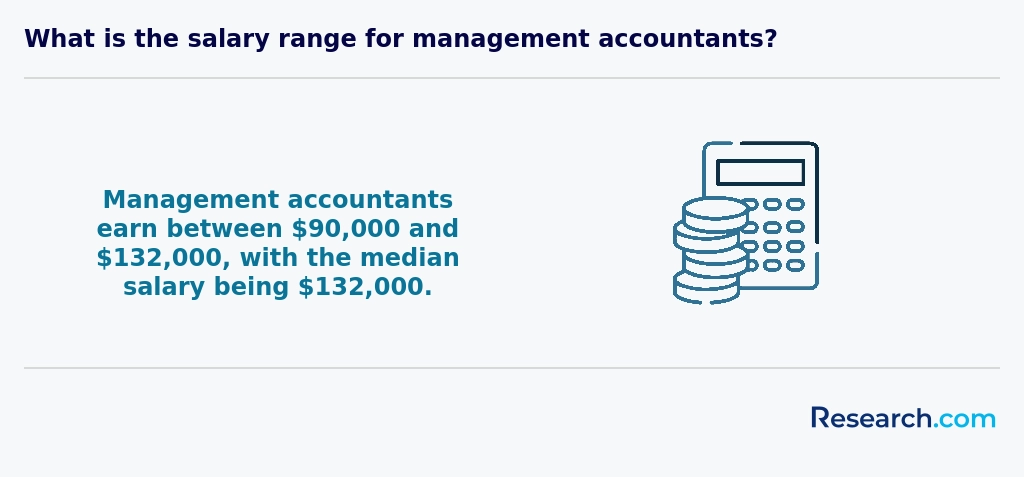
Graduates with an accounting degree in Kansas typically start in roles like Staff Accountant, where the mean annual wage reaches about $90,780, according to recent data. This salary offers a strong foundation, especially for those coming from well-regarded programs at universities like the University of Kansas or Wichita State University. Many graduates find this starting salary motivating, reflecting their hard work during college and their growing expertise.
Entry-level roles such as Bookkeeper, Tax Preparer, Associate Auditor, and Accounts Payable Clerk have average annual wages around $49,580. These positions provide excellent early-career experience, allowing graduates to build practical skills while earning a respectable income. For example, recent graduates from community colleges in Kansas have reported feeling confident moving into these roles, appreciating the stability as they pursue certification or further specialization.
With continued education, licensing, and experience, salaries can rise substantially. Graduates who acquire CPA credentials and gain experience often move into higher-paying roles, potentially doubling their initial earnings. Starting locally in Kansas and leveraging university career services can open doors to such career progressions.
2027 Most Valuable Accounting Degree Programs Ranking in Kansas
How do we rank schools?
Investing in your education is a significant decision that can shape your future, and the Research.com team understands the importance of making informed choices. To assist prospective students in Kansas, we have meticulously developed the "2027 Most Valuable Accounting Degree Programs Ranking in Kansas." Our commitment to quality, credibility, and accuracy is demonstrated through rigorous research and thorough analysis to ensure this ranking truly reflects the best opportunities available.
We utilized the following reputable data sources to guarantee a comprehensive evaluation of accounting degree programs:
By exploring this ranking, readers will gain valuable insights into the most valuable accounting degree programs in Kansas, helping them make confident and informed decisions about their educational and career paths. For more information on how this ranking was created, please visit our Research.com methodology page.


# 10 position
Washburn University
BBA in Accounting


# 14 position
Southwestern College
Bachelor of Science in Accounting

# 15 position
Ottawa University-Kansas City
Bachelor of Arts in Accounting


# 19 position
Washburn University
Master of Accountancy
# 20 position
Ottawa University-Online
Bachelor of Science in Accounting

Key Findings
- Tuition for public universities in Kansas ranges from $9,000 to $11,000 per year for in-state undergraduate accounting students.
- Private colleges charge higher tuition, typically between $20,000 and $30,000 annually.
- Entry-level accountants earn between $50,000 and $58,000 per year, with mid-career salaries increasing to $65,000-$80,000.
- Certified Public Accountants (CPAs) and senior accountants can earn six-figure salaries, especially in cities like Wichita and Overland Park.
- Employment in accounting and auditing roles in Kansas is projected to grow by about 6% over the next decade.
- Kansas requires 150 credit hours of education to sit for the CPA exam, encouraging many students to pursue graduate coursework.
How long does it take to complete accounting degree in Kansas?
Completing an accounting degree in Kansas typically takes about four years of full-time study, aligning with the 120 to 130 credit hours required by main universities like the University of Kansas and Kansas State University. Graduates often recall managing a full course load while balancing campus life, which helps keep the timeline on track.
For those who juggle work or other commitments, part-time study can extend this period to five or six years. Many students appreciate the flexible options these schools offer-such as evening and online classes-which make it easier to continue education without sacrificing income or family time.
Aspiring CPAs pursue an additional year or more to meet the 150 semester hour requirement Kansas enforces, often through graduate courses. Graduates find that planning early for this extension can reduce stress and open up higher career opportunities.
Alternatively, those seeking faster entry into the workforce may choose a two-year associate degree, focusing on essential accounting skills.
Career Paths and Industry Trends: Mapping Your Future in Accounting
Exploring the various career paths and keeping pace with industry trends is paramount for students and professionals in accounting. This section provides detailed insights about potential career trajectories after graduation, including roles beyond traditional accounting positions. For example, many graduates have found success in specialized fields such as forensic accounting, internal auditing, and corporate finance. Additionally, emerging trends such as data analytics integration and automation in financial reporting continue to shape the industry, making adaptability a highly valued skill. Understanding how different roles align with personal strengths can help in charting a successful career roadmap. Students are encouraged to explore opportunities not only in established sectors but also in innovative niches. For those seeking further guidance on career prerequisites and market expectations, resources on accounting jobs offer valuable insights and practical advice. Staying informed about future industry trends, technological advancements, and evolving regulatory standards can be a game changer. Whether you aspire to lead financial departments or specialize in niche accounting fields, continuous learning and professional development are crucial for long-term success in this ever-changing landscape.
What's the difference between online and on-campus accounting degree?
Online accounting degrees in Kansas offer unmatched flexibility, ideal for working professionals or those managing family commitments. Graduates from programs like those at Fort Hays State University often share how accessing lectures anytime allowed them to balance work and study without losing progress. This is especially helpful for students living far from urban centers like Wichita, where daily commutes to campuses such as the University of Kansas can be challenging.
In contrast, students in on-campus programs at Kansas State University experience direct interaction with professors and peers, fostering relationships that boost networking and internship opportunities. Many graduates value the hands-on support available on campus, including tutoring and career fairs, which can lead to stronger connections within Kansas's accounting job market.
Costs vary, with on-campus tuition typically between $8,000 and $15,000 per year for in-state students, though online degrees sometimes reduce expenses related to housing and travel. Students should weigh convenience and community engagement to choose the best path for their professional goals.
Faculty Expertise and Industry Connections
Kansas’s top accounting programs are distinguished by their faculty’s extensive professional credentials and deep industry ties. Many professors hold active CPA licenses, PhDs, or specialized certifications in forensic accounting, financial analysis, and taxation. Their research contributions in academic journals, as well as consulting engagements with regional businesses, ensure that classroom instruction reflects the latest regulatory developments and technological trends. This blend of theoretical rigor and practical insight equips students with the critical thinking skills necessary for success on the CPA exam and in professional roles. Beyond credentials, accounting departments in Kansas maintain robust partnerships with leading firms-ranging from Big Four auditors to regional CPA practices. Industry advisory boards, comprised of alumni and corporate sponsors, review curricula annually to align coursework with employer needs. Guest lectures, case study collaborations, and sponsored capstone projects provide students with real-world experience. These connections also open doors to exclusive internship pipelines, where undergraduates can apply classroom learning to audit engagements, tax preparation, and financial consulting assignments. To further broaden professional networks, many accounting programs host annual career fairs and alumni panels, inviting seasoned practitioners to share insights on industry trends and career progression. Virtual networking platforms and mentorship programs pair students with Kansas-based CPAs who guide resume development and interview preparation. For those exploring flexible learning pathways or seeking comparative program data, consider our Affordable Online Bachelor's in Accounting Degree Programs Ranking in the Midwest, which highlights cost-effective options with similar faculty and industry engagement standards. By leveraging expert instruction and strategic partnerships, students in Kansas gain a competitive edge in today’s dynamic accounting landscape.
What is the average cost of accounting degree in Kansas?
The average cost of an accounting degree in Kansas varies depending on whether you attend a public or private institution and your residency status. For Kansas residents enrolling in public universities, the median in-state total cost is about $11,221, making it a practical choice for many students. Graduates from these programs often reflect on their manageable tuition fees combined with a strong education foundation, which helped them start their careers confidently without overwhelming debt.
Out-of-state students face higher costs, with the median total cost rising to approximately $38,816, close to the average for private schools, which often reach between $25,000 and $35,000 per year in tuition alone. Many graduates from private universities near Kansas, such as those attending Rockhurst University, share how the additional expenses are offset by excellent networking opportunities and resources that boost their professional growth.
Students pursuing accounting degrees in Kansas should also consider expenses like books, supplies, and living costs when calculating the Kansas accounting degree total expenses. Some find budgeting for room and board challenging but rewarding when it leads to campus engagement and stronger peer connections.
For those seeking ways to reduce costs, exploring the most affordable accounting programs in Kansas is a strategic step. Financial aid, scholarships, and payment plans offered by many universities can substantially lower the financial burden and help you focus on academic success.
What financial aid is available to accounting degree students in Kansas?
Accounting students in Kansas can access a variety of financial aid options to help manage tuition and related costs. Many start by applying for federal aid through the FAFSA, unlocking Pell Grants which provide up to $7,395 without the need for repayment, a relief reported by many accounting graduates from the University of Kansas. Additionally, subsidized and unsubsidized federal loans offer flexible repayment that suits students balancing school and part-time work.
State-based aid is also a significant resource. Students attending local institutions like Kansas State University often benefit from the Kansas Comprehensive Grant, which targets those with financial need. For underrepresented groups, the Kansas Ethnic Minority Scholarship Program offers targeted support, making degree completion more accessible and inspiring confidence among recipients.
Many accounting students further reduce expenses through scholarships from their universities or professional organizations such as the Kansas Society of Certified Public Accountants (KSCPA). These awards, often merit-based, are highly valued by graduates who maintained strong GPAs and showed dedication to accounting careers. Combined with work-study opportunities and internships, these financial aids create practical pathways for students to succeed without overwhelming debt.
Affordability and Return on Investment in Kansas Accounting Programs
. When considering an accounting degree in Kansas, one crucial factor is the affordability and potential return on investment of the program. Prospective students often weigh the costs of tuition, fees, and living expenses against the potential salary ranges and career advancement opportunities. To make an informed decision, it's essential to explore the various options available, including scholarships, grants, and financial aid packages. For instance, students can look into the most affordable accounting programs in Kansas, which can provide a high-quality education at a lower cost. By understanding the total cost of attendance and the potential return on investment, students can choose a program that aligns with their financial situation and career goals, setting them up for success in the accounting field.
What are the prerequisites for enrolling in accounting degree program in Kansas?
To enroll in an accounting degree program in Kansas, you need a high school diploma or equivalent like a GED. Most popular universities, such as those in Lawrence or Wichita, require SAT scores around 1000-1200 or ACT scores between 20 and 24. Graduates often recall how meeting these score benchmarks made them confident about their readiness for college-level work.
Strong math skills are essential-courses like algebra and geometry are usually prerequisites. Students who took these classes in high school found themselves more comfortable handling financial analysis and accounting software later on.
Transcripts showing a GPA of around 2.5 to 3.0 on a 4.0 scale are typically expected. Many students shared that maintaining this GPA helped them build discipline for rigorous coursework. For advanced degrees, a bachelor's in accounting or related fields and classes in economics and business law are often required.
Including recommendation letters and personal statements can strengthen your application, showcasing your motivation, as celebrated by graduates from Kansas' well-known business schools.
Continuing Education and Professional Certification
Graduates of Kansas accounting programs can significantly boost their career trajectory by pursuing industry-recognized credentials. The Certified Public Accountant (CPA) license remains the gold standard: candidates must complete 150 semester hours (often satisfied through a bachelor’s plus a master’s degree), pass all four sections of the Uniform CPA Examination (Auditing & Attestation, Business Environment & Concepts, Financial Accounting & Reporting, Regulation), and fulfill one year of supervised accounting experience under a licensed CPA. Many universities-including the University of Kansas and Kansas State University-offer tailored master’s programs and review courses designed to streamline credit requirements and reinforce exam readiness. Beyond the CPA, two additional certifications can open specialized paths. The Certified Management Accountant (CMA) designation, offered by the Institute of Management Accountants, requires passing a two-part exam focused on financial planning, analysis, control, and decision support, plus two years of professional experience in management accounting. The Certified Internal Auditor (CIA) credential, granted by the Institute of Internal Auditors, demands successful completion of three exam parts covering governance, risk management, and audit practices, along with one to two years of relevant work. Earning one or more certifications not only validates expertise but can also lead to leadership roles-financial controller, director of finance, or CFO-where top performers often rank among the highest paid accountant professionals in the state. To maintain these credentials, CPAs must complete continuing professional education (CPE) hours annually, while CMAs and CIAs adhere to their respective CPE requirements, ensuring that Kansas accountants stay current with evolving regulations, technologies, and best practices.
What courses are typically in accounting degree programs in Kansas?
Accounting degrees in Kansas typically include essential courses like Principles of Financial Accounting, which helps students understand basic financial statements-a skill graduates often praise for its clarity during their internships at places like the University of Kansas. Managerial Accounting is another key course, focusing on cost analysis and internal business decisions, a favorite among students who later work in local businesses for hands-on experience.
Intermediate Accounting dives deeper into detailed financial reporting, preparing students for real-world challenges often faced by graduates from Kansas State University entering public accounting firms. Auditing teaches how to examine financial records critically, a course many find rewarding when they apply auditing standards during practical projects.
Additional courses include Taxation, where students learn personal and business tax laws, and Accounting Information Systems, emphasizing technology's role-both crucial for handling modern accounting tasks. Business Law and Ethics in Accounting ensure that graduates not only know the numbers but also the legal and moral frameworks guiding the profession in Kansas.
This curriculum's practical design helps students feel confident and well-prepared for careers locally or nationwide.
What types of specializations are available in accounting degree programs in Kansas?
Accounting degree specializations in Kansas commonly include tax accounting, auditing, forensic accounting, and management accounting, each designed to meet specific industry demands within the state. Graduates from popular universities in Kansas share how specializing in tax accounting helped them confidently navigate Kansas's distinct state tax laws, making them highly sought after by local firms. Others focused on auditing, gaining hands-on experience with manufacturing and agribusiness companies, which taught them the critical skills needed to maintain financial transparency in Kansas's key industries.
For those drawn to investigative work, forensic accounting combines finance with fraud detection, a specialization that graduates found rewarding due to the rising importance of financial crime prevention nationwide. Management accounting specialists developed skills in budgeting and cost analysis, advancing operational efficiencies for Kansas businesses. Choosing the right specialization can boost your prospects in Kansas's job market, especially if you tailor your studies like many have at well-regarded local colleges with strong programs for the best accounting majors in Kansas universities. For more details on requirements, check our guide to accounting jobs.
How do you choose the best accounting degree in Kansas?
To choose the best accounting degree in Kansas, prioritize programs with regional accreditation, like those at the University of Kansas or Wichita State University, which are known for strong accounting curricula and affordable tuition. Graduates from these schools often highlight the benefit of programs that offer clear pathways to meet the Kansas State Board of Accountancy's 150-credit-hour requirement, essential for CPA eligibility.
Look for schools that emphasize practical experience, as internships in Kansas City's vibrant business centers can enhance job prospects. Many students appreciate programs that prepare them for CPA certification with solid exam resources and connections to local firms. Smaller programs provide personalized support, while larger universities offer extensive networking opportunities.
Cost also matters; affordable accounting colleges in Kansas 2027 like these public institutions make quality education accessible, supported by scholarships and financial aid. For those aiming to be the highest paid accountant, choosing a program with strong CPA pass rates and specialization options like forensic accounting is a proven strategy.
What career paths are available for accounting degree students in Kansas?
Accounting graduates in Kansas find diverse career paths across public accounting, corporate roles, government, and non-profit sectors. Many start in regional firms in cities like Wichita or Overland Park, gaining experience as auditors or tax consultants. These roles often lead to CPA certification, boosting career growth. Graduates from popular Kansas universities frequently share how their internships with local public accounting firms helped them secure full-time roles, making early professional connections crucial.
Internal accounting jobs in industries such as aviation-think Spirit AeroSystems-and large agribusinesses offer opportunities in budgeting, financial analysis, and compliance. These positions often deliver stability and room to advance within Kansas' robust economy. Students pursuing an accounting degree here appreciate programs that emphasize practical skills and networking, essential for navigating jobs for accounting graduates Kansas.
Government and non-profit organizations also hire accountants to manage public funds and oversee financial reporting. Benefits like job security and contributing to public service motivate many graduates. For those comparing costs, exploring options such as the Affordable Online Bachelor's in Accounting Degree Programs Ranking in the Midwest can help balance quality education with budget.
What is the job market for accounting degree in Kansas?
The demand for accounting jobs in Kansas remains strong, supported by a diverse economy including manufacturing, agriculture, and financial services. Graduates from popular Kansas universities often find rewarding roles in cities like Wichita, Overland Park, and Kansas City, where local firms actively recruit. These graduates frequently share that their accounting degrees opened doors to stable positions in public accounting and corporate departments, emphasizing the real-world value of strong financial compliance skills.
Kansas accounting salary and growth are promising, with wages around $72,000 annually and employment expected to grow about 7% by 2032. This steady growth reflects increased complexity in tax laws and the rising need for skilled accountants familiar with data analytics and digital systems. Graduates report feeling confident about career stability and upward mobility within this environment.
Investing in an accounting degree in Kansas is financially practical, with in-state tuition ranging $8,000-$12,000 yearly. Many students use internships tied to their programs to gain firsthand experience. For those eager to accelerate their path, exploring a fast track college degree can provide a competitive advantage in the local market.
Frequently Asked Questions About accounting
Accounting degree students in Kansas can maximize their learning experience by combining classroom knowledge with practical application. Internships at local accounting firms or businesses provide valuable real-world experience and help build professional networks. According to the Kansas Department of Labor, the demand for accountants in the state is expected to grow 5% through 2030, highlighting the importance of gaining relevant experience early.
Students should also take advantage of state resources like the Kansas Society of Certified Public Accountants, which offers networking events, workshops, and mentoring programs. Enrolling in courses that prepare for the CPA exam, which has a 50% pass rate nationally, can also improve career prospects. Using campus career services and joining accounting clubs can further enhance skills and job readiness.
The accounting field in Kansas is evolving, with several emerging niches gaining prominence. One rapidly growing area is forensic accounting, where professionals help uncover financial fraud and disputes. According to the Kansas Department of Labor, demand for forensic accountants has increased by over 12% in recent years. Another key niche is environmental accounting, which focuses on tracking costs related to sustainability and regulatory compliance, reflecting broader green economy trends.
Technology-driven roles are also expanding. Expertise in data analytics and blockchain applications in accounting is becoming crucial, especially as Kansas businesses digitize finances. These niches offer new opportunities for graduates beyond traditional accounting paths.
To prepare for the job market after completing an accounting degree in Kansas, students should focus on gaining practical experience alongside their studies. Internships are crucial; many Kansas companies, including accounting firms in Wichita and Kansas City, offer internship programs that enhance skills and build professional networks.
Obtaining certifications like the Certified Public Accountant (CPA) license is highly recommended. Kansas requires 150 credit hours and passing the Uniform CPA Exam, which significantly increases job prospects and salary potential, as noted by the Kansas Board of Accountancy.
Engaging with professional organizations such as the Kansas Society of CPAs can provide networking opportunities and access to job postings, workshops, and mentorship programs.
Additionally, strong communication and proficiency in accounting software like QuickBooks or Microsoft Excel are highly valued in Kansas's job market, according to recent reports by the U.S. Bureau of Labor Statistics.
Employers in Kansas seek accounting graduates with a strong foundation in technical skills such as proficiency in Generally Accepted Accounting Principles (GAAP) and familiarity with accounting software like QuickBooks and Microsoft Excel. According to the Kansas Department of Labor, candidates who demonstrate analytical abilities and attention to detail tend to excel in the job market.
Communication skills, both written and verbal, are also highly valued, as accountants often need to explain complex financial information clearly to clients and colleagues. Additionally, understanding tax regulations and compliance requirements specific to Kansas enhances employability.
Leadership and ethical judgment are critical, aligning with the demand for trustworthy professionals in this regulatory environment. Employers frequently reference data from the National Association of State Boards of Accountancy, showing these qualities improve career prospects and advancement opportunities for graduates within the state.
Finding internships in Kansas for accounting students involves several practical steps. Start by contacting the career services offices at local universities such as the University of Kansas or Kansas State University, which often have established partnerships with regional accounting firms. These offices provide internship listings and resume support tailored to accounting majors.
Networking is also crucial. Join professional organizations like the Kansas Society of CPAs which hosts events and job boards focused on accounting careers. According to the Bureau of Labor Statistics, accounting-related internships increase employability by offering hands-on experience in financial reporting, auditing, and tax preparation.
Additionally, explore internship opportunities at major Kansas employers such as Koch Industries, which frequently recruit accounting interns. Online job portals like Handshake and LinkedIn also list Kansas internships specifically for accounting students.
An accounting degree significantly enhances career mobility and advancement opportunities in Kansas. According to the U.S. Bureau of Labor Statistics, the Kansas City metropolitan area employs the largest share of accountants and auditors in the state, with salaries averaging around $72,000 annually. Earning an accounting degree is often a prerequisite for obtaining certifications like the CPA, which can increase earning potential and open leadership roles in finance and auditing.
In Kansas, industries such as agriculture, manufacturing, and finance value accountants who understand local economic conditions. Graduates with accounting degrees frequently move into roles in corporate finance, government agencies, and public accounting firms.
The Kansas Department of Labor reports a steady demand for accounting professionals through 2030, driven by business growth in urban centers like Wichita and Overland Park. This demand encourages employers to promote qualified professionals who possess formal education and relevant experience, demonstrating how an accounting degree is instrumental in career progression within the state.
Studying for an accounting degree in Kansas equips students with foundational skills in financial reporting, auditing, and taxation while encouraging cross-disciplinary knowledge. Many programs include coursework in business law, information systems, and management, reflecting the integrated nature of modern accounting roles. This interdisciplinary approach prepares graduates to collaborate effectively with professionals in marketing, finance, and IT sectors. According to the Kansas Department of Labor, the state emphasizes adaptable skills as employers seek accountants who understand regulatory environments and data analysis.
Universities in Kansas often partner with local industries, providing real-world experience that enhances problem-solving across departments. This combination of theory and practice readies students for diverse career paths beyond traditional accounting positions.
Choosing between a thesis and a non-thesis accounting degree program in Kansas depends on your career goals and learning preferences. Thesis programs typically require original research and are suitable for students aiming for academic careers, CPA licensure, or advanced certifications. According to the Kansas Board of Accountancy, completing 150 credit hours is essential for CPA eligibility, and some thesis students find research experience helpful.
Non-thesis tracks focus more on practical coursework and internships, ideal for those seeking direct entry into the accounting workforce. Kansas universities like the University of Kansas offer both options, allowing flexibility based on professional plans.
Students in Kansas seeking to study accounting abroad have several pathways through U.S. institutions with international partnerships. Many Kansas universities offer study abroad programs in accounting, allowing students to spend a semester or year at partner schools in countries like the United Kingdom, Australia, or Canada. These programs often include courses aligned with U.S. accounting standards and can count toward degree requirements.
Additionally, some students choose to participate in exchange programs supported by organizations such as the Institute of Management Accountants (IMA), which provides resources for international study options focused on accounting. According to the Kansas Board of Regents, over 15% of accounting students in the state explore study abroad opportunities, reflecting growing interest.
Financial aid and scholarships specifically for accounting students studying abroad are sometimes available, helping to offset costs. Choosing programs with strong CPA exam preparation aligned with Kansas licensing requirements is recommended for students planning to return and work locally.
Students pursuing accounting degrees in Kansas can benefit greatly from part-time jobs that offer practical experience. Positions such as accounting clerks, bookkeepers, and tax preparers are commonly available and align well with academic studies. According to the U.S. Bureau of Labor Statistics, Kansas has a steady demand for bookkeeping and accounting support roles, with an expected 5% growth over the next decade.
Many local accounting firms and small businesses seek part-time help during tax season, providing opportunities to apply classroom knowledge in real-world settings. Additionally, university campuses often offer roles in their finance departments, which allow students to develop skills in financial reporting and data analysis.
Internships and cooperative education programs are increasingly popular in Kansas, serving as a bridge between theoretical learning and professional practice. These roles not only enhance a resume but also network connections, essential for career advancement in accounting.
Accounting students in Kansas have several valuable networking opportunities to enhance their professional growth. Many universities host chapters of prominent organizations like Beta Alpha Psi, a national accounting honor society, which connects students with local accounting firms and industry professionals. The Kansas Society of CPAs (KSCPA) plays a significant role by offering student memberships, mentoring programs, and regional events. These gatherings enable students to meet certified public accountants and hiring managers from top companies based in Kansas.
In addition, career fairs at institutions like the University of Kansas and Kansas State University regularly draw recruiters seeking accounting candidates. Participating in internships through partnerships established by these schools further expands networks and practical job experience.
Alumni networks provide significant advantages for accounting degree students in Kansas. Many universities in the state, such as the University of Kansas and Wichita State University, maintain active alumni groups that offer mentoring and career guidance. These connections can help students access internships and job opportunities in Kansas's competitive accounting market, which includes major firms in Kansas City and Wichita.
According to the Kansas Board of Regents, nearly 70% of accounting graduates find employment through networking within six months of graduation. Alumni events and online platforms enable students to build professional relationships with experienced accountants, increasing their chances of success.
Additionally, alumni often share industry insights and licensure advice relevant to Kansas's CPA requirements, guiding students through certification and continuing education.
Customizing an accounting degree program in Kansas allows students to tailor their education to meet specific career goals. Many Kansas universities offer elective courses in areas such as taxation, auditing, and forensic accounting. This lets students focus on specialties aligned with their interests.
Internships and cooperative education opportunities are common, providing practical experience in local firms or government agencies. Additionally, some programs feature partnerships with Kansas-based businesses, enhancing job placement chances.
Certification preparation, including CPA exam support, often fits into curricula to help graduates meet Kansas licensing requirements. According to the Kansas Board of Accountancy, over 900 CPAs are licensed annually, showing a strong demand for qualified professionals.
Accounting students in Kansas often face several notable challenges throughout their studies. One major difficulty is mastering complex coursework, particularly in areas like tax regulations and auditing standards, which frequently update and vary by state.
Another significant challenge is balancing academic responsibilities with internships or part-time jobs, as practical experience is vital for certification and employment. According to the Kansas Board of Accountancy, about 60% of students report finding sufficient internship opportunities to be difficult.
Additionally, preparing for the CPA exam poses a rigorous challenge, given Kansas's requirement of 150 credit hours and specific ethical exam components.
With an accounting degree in Kansas, students can pursue several key professional certifications that enhance career prospects and earning potential. The most prominent certification is the Certified Public Accountant (CPA), which requires passing the Uniform CPA Exam and meeting experience criteria set by the Kansas Board of Accountancy. According to the National Association of State Boards of Accountancy (NASBA), over 20,000 CPAs are licensed in Kansas as of 2023.
Other valuable certifications include the Certified Management Accountant (CMA), emphasizing financial management skills, and the Certified Internal Auditor (CIA), important for internal auditing roles. These certifications can open doors to diverse careers in public accounting, corporate finance, and government positions.
To write a winning application for an accounting program in Kansas, start by carefully reviewing the admission requirements of each school. Many institutions, such as the University of Kansas and Wichita State University, require a solid academic record with coursework in math and business. Highlight your GPA, standardized test scores, and relevant experiences.
Strong personal statements are crucial; clearly express your motivation for pursuing accounting. Mention any internships, job experiences, or volunteer work related to finance or business.
Letters of recommendation should come from teachers or employers familiar with your skills in accounting or related fields. Demonstrating clear career goals and understanding of accounting's role in Kansas' growing economy, supported by data from the Kansas Department of Labor, can strengthen your case.
Accounting is a global profession with standards and practices shaped by international bodies such as the International Financial Reporting Standards (IFRS) and the U.S.-based Generally Accepted Accounting Principles (GAAP). For students in Kansas, understanding these frameworks is crucial, as businesses increasingly operate across borders. According to the Kansas State Board of Accountancy, professionals licensed in Kansas often engage with multinational corporations, highlighting the importance of global financial literacy.
The U.S. Bureau of Labor Statistics projects a 6% growth in accounting jobs nationally from 2022 to 2032, reflecting stable demand. Kansas mirrors this trend, with metropolitan areas like Wichita and Kansas City supporting numerous firms requiring accountants knowledgeable in global finance regulations. Familiarity with international accounting standards can enhance career prospects both within and beyond state lines.
Gaining practical experience while studying for an accounting degree in Kansas is essential for career readiness. Many universities in Kansas offer internship programs connected to local businesses, accounting firms, and government offices. These internships provide real-world exposure and often align with course credit requirements.
The Kansas Board of Accountancy encourages students to seek internships as they build hours needed for CPA licensure. Additionally, student organizations like Beta Alpha Psi promote networking and experiential learning opportunities. According to the Bureau of Labor Statistics, entry-level accounting roles in Kansas often require internships or relevant work experience.
Participating in campus-based accounting clinics or volunteer tax assistance programs also helps develop essential skills. These options allow students to apply classroom knowledge in practical settings and strengthen their resumes.
Choosing the right concentration within an accounting degree program in Kansas depends on your career goals and local industry demands. Popular concentrations include public accounting, managerial accounting, taxation, and auditing. According to the Kansas Board of Accountancy, over 60% of licensed CPAs in the state specialize in public accounting, reflecting strong job prospects in this area.
Consider whether you prefer working directly with clients, analyzing financial data internally, or focusing on tax laws. Kansas employers often seek accountants skilled in both technical accounting and software such as QuickBooks or SAP.
Research programs at Kansas universities to compare concentration offerings and course content. Accreditation by the AACSB or ACBSP ensures quality education aligned with state and national standards.
Related Accounting Rankings for Nearby States
- 2027 Most Valuable Accounting Degree Programs Ranking in Colorado
- 2027 Most Valuable Accounting Degree Programs Ranking in Arkansas
- 2027 Most Valuable Accounting Degree Programs Ranking in Minnesota
- 2027 Most Valuable Accounting Degree Programs Ranking in Illinois
- 2027 Most Valuable Accounting Degree Programs Ranking in Louisiana
- 2027 Most Valuable Accounting Degree Programs Ranking in Alabama
- 2027 Most Valuable Accounting Degree Programs Ranking in Kentucky
- 2027 Most Valuable Accounting Degree Programs Ranking in Indiana
- 2027 Most Valuable Accounting Degree Programs Ranking in Georgia
- 2027 Most Valuable Accounting Degree Programs Ranking in Arizona
Top Trending Accounting Rankings
See What Experts Have To Say About Studying Accounting
Read our interview with Accounting experts


Yaw M. Mensah
Accounting Expert
Professor and Interim Vice Dean for Strategic Partnerships
Rutgers Business School

References
- 6 accounting niches for your new firm https://www.becker.com/blog/career/accounting-niches-for-your-firm
- One for the books - Kansas State University Foundation https://ksufoundation.org/impact/campus-impact/introducing-the-herbel-family-school-of-accountancy/
- 5 Niches for Accountants to Consider - Samera Global https://sameraglobal.com/5-niches-for-accountants-to-consider/
- Must-Have Skills for Accounting & Finance Graduates Entering Singapore’s Competitive Job Market https://www.lsbf.edu.sg/blog/accountancy-and-finance/must-have-skills-for-accounting-finance-graduates-entering-singapores-competitive-job-market
- College Readiness: Connecting with the Alumni Network - Community Foundation https://southcoastcf.org/college-readiness-connecting-with-the-alumni-network/
- ACCOUNTING AND AUDITING (THESIS / NON-THESIS) - Lisansüstü Eğitim Enstitüsü https://lee.nisantasi.edu.tr/en/accounting-and-auditing/
- Know more about thesis vs non- thesis: what is the difference? https://studyfans.com/en/blogs/816
- Jobs you can get with a degree in Accounting | Monroe University https://www.monroeu.edu/academics/undergraduate-programs/school-business-and-accounting/jobs-with-degree-in-accounting
- Master’s Program in Accounting and Auditing (Thesis/Non-Thesis, Turkish) https://www.isikun.edu.tr/en/academic/graduate/accounting-auditing/masters-program-accounting-and-auditing-thesis/non-thesis
- The top Accounting Schools in Kansas https://big4accountingfirms.org/schools/kansas/


