
2027 Most Valuable Accounting Degree Programs Ranking in Ohio

Co-Founder and Chief Data Scientist
Choosing the right accounting degree program in Ohio can shape your future career and financial success. This article introduces the 2027 Most Valuable Accounting Degree Programs Ranking in Ohio, developed by the Research.com team of data scientists. It offers a clear, data-driven look at which programs provide the best value for students like you.
By exploring this ranking, you'll gain insights that simplify your decision-making and help you invest wisely in your education. An accounting degree opens doors to stable, rewarding career paths-let us guide you toward the best choices available.
Key benefits of getting accounting degree in Ohio
- Salary for accounting degree graduates: Graduates can expect solid earnings, such as a Staff Accountant's mean annual wage of $90,780 and a Bookkeeper's mean annual wage of $49,580 in Ohio, offering strong financial stability.
- Career paths: Accounting degrees open doors to diverse roles like Tax Preparer, Associate Auditor, and Accounts Payable Clerk, providing flexibility and opportunities to grow professionally within various industries.
- Online degree benefits: Earning an accounting degree online from a well-known Ohio university offers convenience and balance, allowing students to study at their own pace while gaining the same respected credentials as traditional graduates.
- Key benefits of getting accounting degree in Ohio
- What can I expect from accounting degree in Ohio?
- Where can I work with accounting degree in Ohio?
- How much can I make with accounting degree in Ohio?
- 2027 Most Valuable Accounting Degree Programs Ranking in Ohio
- Key Findings
- How long does it take to complete accounting degree in Ohio?
- Return on Investment: Balancing Cost and Career Prospects
- What's the difference between online and on-campus accounting degree?
- Industry Trends and Future Outlook
- What is the average cost of accounting degree in Ohio?
- Essential Skills and Tools for Accounting Professionals
- What financial aid is available to accounting degree students in Ohio?
- What are the prerequisites for enrolling in accounting degree program in Ohio?
- Finding the Best Accounting Program in Ohio: A Comprehensive Guide
- What courses are typically in accounting degree programs in Ohio?
- What types of specializations are available in accounting degree programs in Ohio?
- How do you choose the best accounting degree in Ohio?
- What career paths are available for accounting degree students in Ohio?
- What is the job market for accounting degree in Ohio?
- Related Accounting Rankings for Nearby States
- Top Trending Accounting Rankings
- See What Experts Have To Say About Studying Accounting
What can I expect from accounting degree in Ohio?
The average cost of an accounting degree in Ohio varies widely depending on the institution and degree level, yet many students find it manageable with proper planning. For example, graduates from well-regarded universities like Ohio State University or Miami University often report tuition costs ranging from $10,000 to $15,000 per year for in-state students. Community colleges offering associate degrees typically charge less, sometimes under $5,000 annually, making them a budget-friendly starting point.
Many students reflect on the value of investing in a program that prepares them for the CPA exam, especially since Ohio requires 150 credit hours. Several universities offer combined bachelor's and master's pathways, which can affect overall costs but also streamline the journey to certification.
Graduates appreciate that while tuition is an important factor, Ohio's relatively lower living expenses help ease financial concerns. Scholarships, internships connected through the Ohio Society of CPAs, and job placement services at institutions like Kent State University often provide supporting resources that ease the burden and create a sense of opportunity and confidence in managing costs.
Where can I work with accounting degree in Ohio?
Graduates from accounting programs at institutions like Ohio State University and Miami University often find Ohio's job market welcoming and diverse. Many step into roles at well-known public accounting firms such as Deloitte or PwC, where they gain hands-on experience auditing local and multinational clients, which builds a strong foundation for their careers. This tangible experience frequently anchors their confidence and sharpens their skills.
Others choose to join the corporate world, working in finance departments of Ohio-based giants like Procter & Gamble or Nationwide Insurance. Here, the work shifts toward budgeting and strategic financial planning, allowing graduates to directly impact company success and growth-something many find deeply rewarding.
In government roles, graduates often tell how managing public budgets or auditing municipal expenditures offers a meaningful connection to their communities in cities like Columbus or Cleveland. These positions bring a sense of purpose that many cherish.
Nonprofit accounting, though smaller, appeals to graduates looking to blend financial expertise with social impact. Overall, Ohio's varied opportunities give accounting graduates the room to thrive professionally and personally.
How much can I make with accounting degree in Ohio?
Graduates with an accounting degree from well-regarded Ohio institutions like Ohio State University or Miami University have a solid foundation for entering roles such as staff accountant, bookkeeper, or associate auditor. Based on recent data, staff accountants in Ohio earn a mean annual wage of about $90,780, which reflects both the skill level and demand for these positions in the state. Bookkeepers and associate auditors typically see mean salaries near $49,580 annually, providing a realistic starting point just after graduation.
Many graduates recall the excitement of landing their first accounting roles and quickly realizing how experience and professional certifications can elevate their earnings. For example, entry-level jobs such as tax preparers and accounts payable clerks begin around $49,580 annually, but with dedication and the right credentials, salaries rise noticeably over time.
Studying accounting in Ohio offers the advantage of local industry connections, especially in cities like Columbus and Cincinnati, where larger employers pay competitive wages. Graduates often feel encouraged by the clear pathways to advancement, knowing that their degree unlocks a spectrum of valuable, attainable opportunities within the state's diverse economy.
2027 Most Valuable Accounting Degree Programs Ranking in Ohio
How do we rank schools?
Investing in your education is a significant decision that can shape your career and future, and the Research.com team understands the importance of making well-informed choices. To assist prospective students in Ohio, we have carefully developed the "2027 Most Valuable Accounting Degree Programs Ranking in Ohio." Our dedication to quality, credibility, and accuracy is demonstrated through the extensive research and analysis behind this ranking.
We utilized the following reputable data sources to ensure a comprehensive evaluation of accounting degree programs:
By exploring this ranking, readers will gain valuable insights into the most valuable accounting degree programs in Ohio, empowering them to make informed decisions about their educational investments. For more details on how this ranking was created, please visit our Research.com methodology page.
# 1 position
Franklin University
Bachelor of Science in Accounting


# 6 position
Youngstown State University
Bachelor of Science in Business Administration in Accounting


# 8 position
Franklin University
Master of Science in Accounting

# 11 position
University of Northwestern Ohio
Bachelor of Science in Accounting


.webp)
Key Findings
- Annual tuition for accounting degrees in Ohio ranges from about $4,000-$6,000 at community colleges to $10,000-$12,000 at public universities for in-state students, with private colleges costing between $25,000 and $35,000.
- Entry-level accounting jobs in Ohio typically pay around $52,000 per year, with experienced accountants earning between $70,000 and $85,000 annually.
- Employment for accountants and auditors in Ohio is projected to grow by 7% over the next decade, aligning with the national average.
- To become a CPA in Ohio, candidates must complete 150 semester hours of college credit, pass the Uniform CPA Examination, and meet experience requirements.
- The demand for accountants in Ohio is driven by key industries such as manufacturing, finance, government, and healthcare.
How long does it take to complete accounting degree in Ohio?
Completing an accounting degree in Ohio usually takes about four years for full-time students following a traditional bachelor's program. Graduates from institutions like Ohio State University or Miami University often recall a balanced rhythm of coursework across fall and spring semesters, occasionally accelerated by summer classes. This timeline matches the classic 120 to 130 credit hour requirement that most undergraduates encounter.
Some graduates choose to extend their education, pursuing a master's degree to meet the 150-credit-hour CPA requirement enforced by the Ohio Accountancy Board. This path typically adds one to two years but offers rewarding specialization that many find well worth the extra time.
Part-time students or working professionals often share how studying during evenings or online platforms can stretch the duration beyond four years. Yet, many appreciate the flexibility this provides, sometimes taking advantage of accelerated combined degree options available at Ohio's universities, finishing in about five years while balancing life and work.
The journey is personal and rewarding, shaped by individual circumstances but grounded in Ohio's supportive educational environment.
Return on Investment: Balancing Cost and Career Prospects
When evaluating accounting degree programs in Ohio, students should measure not only tuition and fees but also the long-term earnings potential to determine overall return on investment (ROI). On average, in-state tuition at Ohio public universities is about $6,892 per year, leading to a total tuition cost of approximately $27,568 for a four-year bachelor’s in accounting. By contrast, graduates report entry-level salaries ranging from $47,440 for bookkeepers to $86,740 for staff accountants, with mid-career salaries often exceeding $75,000. To calculate ROI, subtract total program cost from projected earnings over the first five years and divide by total cost; programs where this ratio exceeds 1.5 are generally considered “high value” by industry analysts. Beyond tuition and salary, students should factor in indirect expenses-textbooks, software subscriptions, and potential lost income if studying full-time-and weigh them against perks like paid internships or cooperative education opportunities that yield real-world experience. Ohio State University, for example, offers structured internship pathways that can significantly boost early career earnings, improving net ROI by as much as 15%. Similarly, online programs at the University of Cincinnati allow working professionals to minimize opportunity costs, enhancing ROI even if per-credit tuition is slightly higher. For students seeking to compare affordability and value across state lines, it can be instructive to review programs in regions with lower tuition but comparable post-graduation outcomes. For instance, our comprehensive Most Affordable Accounting Degree Programs Ranking in Delaware highlights institutions that combine low-cost tuition with strong job placement rates, providing a benchmark for cost-conscious applicants evaluating Ohio’s offerings.
What's the difference between online and on-campus accounting degree?
Choosing between online and on-campus accounting degrees in Ohio often comes down to how you want to balance your life and learning. Graduates from Ohio University's online program often mention the freedom to study around their work schedules or family needs, appreciating the deep dives into subjects like taxation or auditing at their own pace. Meanwhile, those who walked the halls of the University of Cincinnati on campus highlight the energy of real-time discussions with professors and peers, plus easy access to internships through local firms, which enriched their practical understanding.
Cost also plays a real role in these choices. On-campus students face tuition around $11,000 annually at public institutions, but also must consider expenses like commuting and housing. Online learners sometimes have lower fees but invest more self-discipline and tech-savviness. Both paths fully prepare students for the CPA exam required by the Ohio Accountancy Board, reflecting that success depends more on your learning style and life demands than on the mode itself.
Industry Trends and Future Outlook
The evolving landscape of accounting is increasingly shaped by technological advancements, regulatory changes, and the growing demand for strategic financial insights. Today’s students not only need a strong academic foundation but also must be aware of trends such as automation, artificial intelligence, and data analytics that are redefining traditional accounting roles. Understanding these trends can help you anticipate future job requirements and skill demands, ensuring that your education remains relevant long after graduation. In this dynamic environment, emerging roles in forensic accounting, sustainability reporting, and advisory services are gaining momentum. Staying informed through industry reports, professional seminars, and networking with experts is essential for adapting to these shifts. Prospective students are encouraged to explore resources that offer the latest insights on future opportunities-resources like our comprehensive guide on accounting career paths and salaries can provide a deeper understanding of how these trends translate into practical career outcomes. By integrating current industry trends into your decision-making process, you can better assess the long-term value of an accounting degree in Ohio and position yourself as a forward-thinking professional ready to meet the challenges of the future.
What is the average cost of accounting degree in Ohio?
The average cost of an accounting degree in Ohio typically centers around a median total of $48,136, though this varies depending on residency and institution. Graduates from well-known public universities often reflect on their journey knowing that in-state students benefit significantly from lower tuition fees, often totaling about $33,650, making the experience more manageable financially. Out-of-state students, meanwhile, face considerably higher expenses, aligning with the median cost of around $48,136. These figures help clarify the realistic financial commitment required for prospective students planning their futures in accounting.
Many students pursuing accounting degrees at popular institutions like Ohio State University or Miami University recount balancing the costs of tuition with additional expenses such as books, supplies, and living costs. They recall how scholarship support and financial aid made a meaningful difference, easing the burden and enabling them to focus more on their studies and less on finances. Considering the total expenses for accounting degree Ohio 2027 projections, these real stories highlight the importance of thorough financial planning.
For those seeking an affordable accounting school in Ohio, it is wise to research and compare options. Institutions offering strong programs may have different tuition structures, making a substantial difference in overall costs. Many students suggest starting early with financial aid applications and understanding residency rules to maximize savings. Exploring detailed resources like the affordable accounting school in Ohio listings can guide future accountants in making informed, confident decisions about where to invest their time and money.
Essential Skills and Tools for Accounting Professionals
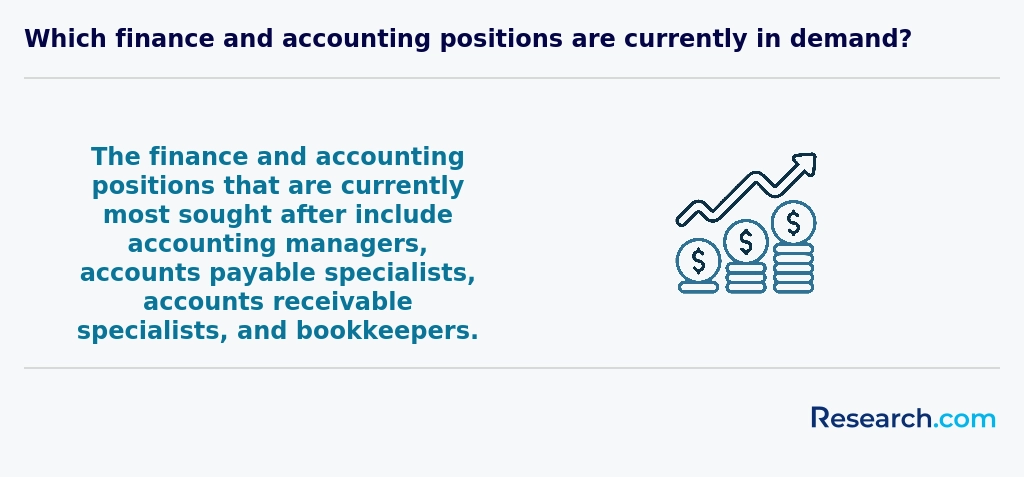
Building a competitive edge in Ohio’s accounting landscape requires mastery of both technical competencies and industry-standard software. Among the most sought-after hard skills are advanced Microsoft Excel functions-pivot tables, VLOOKUP, and Power Query-for data analysis and financial modeling. Proficiency in accounting platforms such as QuickBooks, Sage Intacct, and SAP ERP enables efficient transaction processing, while familiarity with SQL and Python can streamline data extraction and automation. Emerging technologies like cloud-based bookkeeping and robotic process automation (RPA) are increasingly integrated into curricula at institutions like Ohio State University and Case Western Reserve University, ensuring graduates stay ahead of digital transformation. Equally important are professional certifications that validate expertise: beyond the CPA license, consider the Certified Management Accountant (CMA) credential for strategic finance roles or the Certified Internal Auditor (CIA) designation for risk and compliance positions. Soft skills-critical thinking, clear communication, and ethical judgment-are reinforced through group projects and case studies, preparing students to present complex financial information to stakeholders. Hands-on experience through internships often translates to full-time offers, and tracking compensation trends can inform career planning. For example, students exploring salary benchmarks may check out how much does a accountant make to compare starting wages for staff accountants, financial analysts, and specialized roles. By combining robust software skills with targeted certifications and professional experiences, accounting graduates in Ohio can position themselves for accelerated career growth and long-term success.
What financial aid is available to accounting degree students in Ohio?
Students pursuing an accounting degree in Ohio find that financial aid often makes a significant difference in managing expenses. Graduates from Ohio State University recall applying early for federal aid through FAFSA, which unlocked opportunities like the Pell Grant-covering up to $7,395 for eligible students and easing tuition costs at public universities. Many also benefited from the Ohio College Opportunity Grant, specifically designed for in-state students, which provided essential assistance in making education more affordable.
Merit-based scholarships offered by institutions such as Miami University and Kent State University regularly reward academic achievement in accounting, encouraging students to excel. Some graduates emphasize the value of private scholarships from groups like the Ohio Society of CPAs, which often support motivated students looking to boost their financial resources beyond federal and state aid.
Work-study programs and internships remain vital paths for many, allowing students to gain real-world experience and supplement income while advancing their careers. These combined sources of support foster hope and confidence, making Ohio's accounting programs accessible and worthwhile.
What are the prerequisites for enrolling in accounting degree program in Ohio?
When preparing to enroll in an accounting degree in Ohio, you'll find that a high school diploma or GED is the baseline requirement. Reflecting on stories shared by graduates from Ohio State University and Miami University, strong skills in math really stood out as essential. They often recalled how early coursework in algebra and basic statistics made the transition into core accounting classes smoother and less stressful.
Many Ohio institutions, like Cleveland State University, still ask for SAT or ACT scores, though some campuses may now offer test-optional pathways. Former students emphasize that submitting good scores helped them stand out during competitive admissions, even if not strictly required.
Applicants should also be ready to submit personal statements and secure recommendation letters, which several Buckeye graduates described as powerful tools to express their passion for accounting. Those applying as in-state students noticed that proving residency not only influenced tuition costs but also connected them more deeply with the university community.
Transfer students recount the relief in having their general education credits recognized, ensuring they avoided unnecessary repeat classes when moving between Ohio colleges.
Finding the Best Accounting Program in Ohio: A Comprehensive Guide
When selecting an accounting program in Ohio, it's crucial to consider several factors that can significantly impact your educational experience and future career prospects. One of the primary considerations should be the cost and affordability of the program, as this can affect your return on investment. For instance, prospective students can explore options like an affordable accounting school in Ohio to minimize their financial burden while still accessing quality education. Additionally, accreditation, curriculum, experiential learning opportunities, and career support services are essential aspects to evaluate, ensuring that the program aligns with your academic and professional goals. By meticulously assessing these factors, you can make an informed decision and choose a program that not only meets your needs but also sets you up for success in the accounting profession.
What courses are typically in accounting degree programs in Ohio?
Accounting degrees in Ohio offer a thoughtfully structured curriculum that reflects both the complexity and practicality of the field. Graduates from institutions like Ohio State University and Miami University often recall the confidence gained from courses in financial accounting, where they learned to prepare and analyze statements critical to any business decision. Managerial accounting classes provided them with hands-on experience in guiding internal company strategies, a skill many find immediately applicable in internships and entry-level roles.
Auditing courses stand out for their emphasis on accuracy and ethical standards-graduates appreciate how this foundation ensures trustworthiness in real-world financial evaluations. Taxation classes deeply engage students by covering both federal and Ohio-specific tax laws, sparking a sense of readiness to handle local and national tax complexities.
Additionally, courses in business law, ethics, and information systems anchor students in the legal and technological frameworks shaping the profession. Many recall how these lessons helped them navigate ever-evolving regulations confidently. These programs balance theory with practical skills, leaving students inspired and equipped to meet Ohio's CPA exam requirements and excel professionally.
What types of specializations are available in accounting degree programs in Ohio?
Accounting degree specializations in Ohio offer a rich array of focused paths tailored to the state's vibrant economic landscape. Graduates from institutions like Ohio State University and Miami University often highlight how specializations such as Financial Accounting prepare them to handle comprehensive financial reports critical to Ohio's manufacturing and healthcare industries. These experiences make the abstract regulations feel tangible and relevant.
Other concentration options include Managerial Accounting, where students learn to make strategic decisions within companies, fitting perfectly with Ohio's numerous mid-sized businesses. Tax Accounting attracts those intrigued by navigating the complexities of state and local tax laws-a skill highly valued across Ohio's diverse economy.
Many graduates also find themselves drawn to Forensic Accounting, blending investigative skills with financial expertise to combat fraud-an increasingly essential role in Ohio's corporate and legal sectors. To understand all available routes and their impact, exploring accounting career paths and salaries can offer deeper insight into post-degree opportunities.
These Ohio accounting program concentration options reflect both industry demands and student aspirations, creating a well-rounded foundation for varied and rewarding accounting careers.
How do you choose the best accounting degree in Ohio?
Choosing the best accounting degree in Ohio starts with looking closely at the program's accreditation and reputation. Graduates from Ohio State University and Miami University often share how AACSB accreditation gave them confidence their education was respected by employers and prepared them for the CPA exam. This exam remains a key milestone for anyone pursuing a career in accounting in Ohio, so picking a curriculum that covers essential topics like auditing and taxation is crucial. Many who studied at popular Ohio universities highlight how curriculum flexibility with specializations, such as forensic accounting, made their learning experience more engaging and aligned with their career goals.
Cost matters too, especially when considering affordable accounting degrees Ohio universities or community colleges offer. One graduate's story about managing tuition at a public institution, while taking advantage of local internships in Columbus, speaks to the value of real-world connections these schools provide. Ohio's strong ties between schools and accounting firms offer students invaluable practical experience that can ease the transition into employment after graduation.
Finally, while researching the best accounting degree programs in Ohio, remember to factor in class sizes and faculty expertise. Smaller, interactive classes at some institutions foster a supportive environment that many alumni credit for their success. Those who embraced technology-heavy programs felt more prepared for today's evolving workplace. For those wondering how much does a accountant make, these choices directly impact future career satisfaction and earnings.
What career paths are available for accounting degree students in Ohio?
Graduates of accounting programs in Ohio find a variety of career paths well within reach, thanks to the state's robust economic sectors like manufacturing, healthcare, and finance. Many accounting students from popular Ohio universities share how their internships with regional public accounting firms provided valuable hands-on experience in auditing and tax consulting, leading to rewarding positions shortly after graduation. These real-world opportunities underscore the strength of Ohio's job market for accounting degree holders, encouraging confidence in their career prospects.
Corporate roles are abundant in cities like Columbus and Cleveland, where budgeting, financial analysis, and management accounting are key functions. Ohio's emphasis on CPA certification reflects a commitment to high professional standards, something graduates find motivating as they pursue long-term careers in both the private and public sectors. Many students appreciate how government positions in offices such as the Ohio Auditor of State offer stability combined with public service rewards.
For those weighing education costs against benefits, the Most Affordable Accounting Degree Programs Ranking in Delaware can serve as a useful comparison. Overall, exploring accounting career opportunities in Ohio shows promising job prospects and steady growth, making it a practical path filled with possibilities.
What is the job market for accounting degree in Ohio?
The accounting degree job outlook Ohio is notably steady, with graduates from institutions like Ohio State University and University of Cincinnati frequently finding roles soon after graduation. These programs equip students with practical skills valued by employers in Columbus and Cleveland, where demand for accountants remains consistent across industries such as manufacturing and healthcare. Many graduates share positive experiences about beginning as tax accountants or auditors, appreciating how the diverse job market allows exploration and growth.
Ohio accounting career opportunities 2027 continue to be promising, especially for those who pursue the Certified Public Accountant (CPA) license. Graduates often describe the CPA path as challenging yet rewarding, providing a clear direction for career advancement and salary increase. The affordability of local education, with in-state tuition under $12,000 yearly, adds confidence to the decision to study accounting here.
For those looking for quicker entry points, several students explore 6 month certificate programs high paying jobs in related financial fields before committing to a full degree. This practical approach often complements long-term goals, blending speed and solid foundations.
Frequently Asked Questions About accounting
Accounting degree students in Ohio can maximize their learning by actively engaging in both classroom and practical experiences. Ohio is home to several accredited programs recognized by the AACSB, which ensures quality education aligned with professional standards.
Students should take advantage of internship opportunities offered by local firms, as Ohio's strong manufacturing and financial sectors provide diverse real-world exposure. According to the Ohio Department of Higher Education, internship participation improves job placement rates by up to 20% in accounting fields.
Joining student organizations like Beta Alpha Psi can also enhance networking with professionals and peers. Additionally, preparing for the CPA exam early and utilizing university resources supports academic success and career readiness.
The accounting field in Ohio is expanding beyond traditional roles, with emerging niches gaining importance. One notable area is forensic accounting, which involves investigating financial crimes and fraud. Demand for forensic accountants in Ohio is rising, partly due to increased regulatory scrutiny.
Environmental accounting is also becoming relevant as companies seek expertise in reporting sustainability and managing environmental costs. Ohio's manufacturing sector drives this trend, as firms comply with new state and federal regulations.
Another growing niche is data analytics within accounting. Professionals skilled in analyzing large datasets to improve financial decision-making are in greater demand. According to the Ohio Department of Job and Family Services, jobs requiring data skills in accounting have increased by 12% over the last five years.
These niches reflect a shift toward specialized knowledge in Ohio's accounting job market, encouraging students to explore diverse skills alongside core accounting principles.
After completing an accounting degree in Ohio, preparing for the job market involves several key steps. First, obtaining professional certifications such as the Certified Public Accountant (CPA) license significantly improves job prospects. Ohio's Board of Accountancy outlines clear requirements, including 150 credit hours and passing the Uniform CPA Exam.
Networking is crucial; joining organizations like the Ohio Society of Certified Public Accountants (OSCPA) connects graduates with local employers and mentors. Internships or part-time roles during studies can provide practical experience.
Ohio's Bureau of Labor Statistics reports that the state's accounting employment is projected to grow about 7% through 2030, indicating steady demand. Developing skills in accounting software such as QuickBooks and Excel is also recommended to meet employer expectations.
Employers in Ohio highly value accounting graduates who demonstrate strong analytical and critical thinking skills. According to the Ohio Society of CPAs, proficiency in interpreting financial data and applying regulatory standards is essential for success in the state's accounting jobs.
Technical skills such as expertise with accounting software like QuickBooks and Excel are frequently requested. Additionally, knowledge of Generally Accepted Accounting Principles (GAAP) remains a fundamental requirement across various employers.
Communication skills also rank prominently. Accountants must clearly explain complex financial information to non-financial stakeholders, making both written and verbal abilities important.
Finally, ethical judgment and attention to detail are critical in Ohio's accounting profession, aligning with licensure standards and industry expectations.
Finding internships in Ohio for accounting students involves a combination of leveraging university resources, professional networks, and online job platforms. Many Ohio colleges, such as Ohio State University and University of Cincinnati, maintain career centers that partner with local firms to offer accounting internships tailored to students. According to the Ohio Society of CPAs, internships are a critical step toward meeting certification requirements.
Online platforms like Handshake and LinkedIn also list numerous Ohio-based accounting internships. Networking through local chapters of organizations like the American Accounting Association can connect students to opportunities. Additionally, applying directly to accounting firms in cities like Columbus and Cleveland increases chances of landing internships relevant to the field.
An accounting degree in Ohio significantly enhances career mobility and advancement opportunities. According to the Ohio Department of Job and Family Services, professionals with accounting credentials experience faster wage growth than those without degrees. Employers in Ohio often prefer candidates with a bachelor's degree in accounting for roles such as auditors, tax examiners, and financial analysts.
The degree provides foundational knowledge essential for obtaining certifications like CPA (Certified Public Accountant), which is highly valued in Ohio's job market. CPA holders in Ohio earn median salaries approximately 20% higher than their non-certified peers, as reported by the Bureau of Labor Statistics (BLS) in 2023.
Additionally, accounting graduates benefit from a diverse range of industries in Ohio, including manufacturing, finance, and healthcare, all of which demand skilled accountants for leadership roles. This versatility helps graduates move into management or specialist positions more rapidly.
Studying for an accounting degree in Ohio offers strong preparation for interdisciplinary roles by blending core accounting skills with knowledge from related fields such as finance, information systems, and business law. Many Ohio universities integrate courses that emphasize data analysis, risk management, and ethical decision-making, all vital for versatile careers.
Ohio's accounting programs often align with Ohio's diverse economy, including manufacturing, healthcare, and tech sectors, enabling students to understand various industry-specific challenges. According to the Ohio Department of Higher Education, 40% of graduates enter multidisciplinary roles that require both accounting expertise and broader business acumen.
Furthermore, Ohio schools frequently encourage internships and collaborative projects with other departments, fostering communication and teamwork skills essential for interdisciplinary positions.
Choosing between a thesis and a non-thesis accounting degree program in Ohio depends on your career goals and learning preferences. Thesis programs typically require conducting original research and writing a comprehensive paper, which is ideal for students aiming for academic careers or advanced research roles.
Non-thesis programs focus more on coursework and practical skills, making them suitable for those who plan to enter the workforce directly, such as in public accounting or corporate finance. According to the National Association of State Boards of Accountancy, Ohio has over 20 accredited programs offering both options, reflecting diverse education paths.
Consider your interest in research, time commitment, and whether you plan to pursue certifications like the CPA, which may favor practical experience over research.
Students based in Ohio who wish to study accounting abroad have several structured options. Many Ohio universities with strong accounting programs, such as Ohio State University and Miami University, offer study-abroad partnerships with accredited international institutions. These programs allow students to earn credit toward their degree while gaining global experience.
Additionally, Ohio students may participate in exchange programs that last a semester or a full academic year, often in countries with well-regarded accounting education like the United Kingdom, Canada, or Australia. These opportunities help fulfill educational requirements and enhance cross-cultural competencies important in the accounting profession.
The National Association of State Boards of Accountancy (NASBA) recognizes international coursework when appropriately accredited, which is essential for students planning to sit for the CPA exam in Ohio.
Students pursuing accounting degrees in Ohio can find several part-time job opportunities that enhance their education and practical skills. Common roles include bookkeeping assistants, tax preparers, and audit clerks, often available through local accounting firms or businesses in cities such as Columbus and Cleveland.
Ohio's diverse economy, including manufacturing and finance sectors, offers relevant work experiences where students can apply classroom knowledge. According to the Ohio Department of Job and Family Services, accounting and auditing clerks had a median wage of around $20 per hour in 2023, making part-time roles financially beneficial as well.
Additionally, internships-paid or unpaid-at CPA firms or corporate finance departments provide valuable hands-on learning that can improve job prospects after graduation.
Accounting students in Ohio benefit from diverse networking opportunities that connect them with professionals and peers. Many universities partner with local chapters of national organizations, such as the Ohio Society of CPAs, which hosts events, workshops, and conferences tailored for aspiring accountants.
Additionally, Ohio colleges often support student chapters of the American Accounting Association, offering access to regional networking events and guest lectures. These experiences enable students to build relationships with industry experts and potential employers.
Internships facilitated through university career centers also play a critical role. According to the National Association of Colleges and Employers, 70% of Ohio accounting interns receive job offers upon graduation, highlighting the importance of practical connections.
Alumni networks provide valuable support to accounting degree students in Ohio by connecting them with professionals who have experience in the local job market. These networks often organize events, mentorship programs, and career workshops, helping students gain insights and develop professional skills.
According to the Ohio Society of CPAs, networking through alumni can increase job placement rates by offering access to internships and job openings that are not publicly advertised. This is especially important in Ohio's competitive accounting sector, where firms value recommendations from trusted sources.
Additionally, alumni in Ohio accounting programs often share advice on passing CPA exams and navigating state licensing requirements, which significantly benefits current students aiming for certification.
Customizing an accounting degree in Ohio allows students to better align their education with specific career aspirations. Many Ohio universities offer concentration options such as forensic accounting, taxation, or auditing within their accounting programs. These specializations enable students to develop expertise in high-demand fields. Pursuing internships with local CPA firms or businesses also enhances practical skills and networking opportunities. Ohio's accounting graduates have access to preparation for the CPA license, which requires 150 credit hours, often fulfilled by combining a bachelor's and a master's degree. According to the Ohio Board of Accountancy, CPA certification significantly improves job prospects and salary potential in the state.
Accounting students in Ohio often face a range of challenges that can impact their academic success. One major difficulty is managing the demanding coursework, which typically includes advanced topics like tax regulation, audit procedures, and financial reporting.
In Ohio, students must also prepare for the CPA exam, which has a notoriously low pass rate nationwide-around 57% as of the 2023 data from the National Association of State Boards of Accountancy. Balancing exam preparation with college responsibilities can be stressful.
Additionally, many Ohio students report financial pressure, as tuition and fees for public universities have steadily risen over the past decade, according to the Ohio Department of Higher Education.
Finally, finding quality internships remains competitive, yet vital for real-world experience and job placement after graduation.
With an accounting degree in Ohio, graduates can pursue several respected professional certifications that enhance career opportunities. One of the most sought-after is the Certified Public Accountant (CPA) credential. Ohio requires 150 semester hours of education and passing the Uniform CPA Exam, which aligns well with typical accounting degree programs.
Other valuable certifications include the Certified Management Accountant (CMA) and Certified Internal Auditor (CIA). These focus more on management accounting and internal controls, respectively, and can be earned after passing exams and meeting experience criteria.
According to the Ohio Society of CPAs, obtaining these certifications can significantly increase earning potential and job prospects within Ohio's competitive accounting job market.
Applying to an accounting program in Ohio requires careful preparation to stand out. Begin with a strong academic record, emphasizing coursework in math, economics, and business. Ohio institutions often look for at least a 3.0 GPA, but competitive programs may require higher. Highlight relevant experience, such as internships or part-time work in finance or bookkeeping, to demonstrate practical interest.
Submit a clear, well-written personal statement explaining your motivation for studying accounting and your career goals. According to Ohio's Board of Accountancy, showing awareness of licensing requirements can be a plus. Also, secure strong letters of recommendation from teachers or employers familiar with your skills.
Accounting is a globally recognized profession offering diverse career opportunities. In the United States, including Ohio, accountants frequently engage with international standards such as IFRS (International Financial Reporting Standards), reflecting the global nature of business today.
The Ohio State University reports that Ohio's accounting degree programs incorporate global financial principles to prepare students for multinational firms. According to the Bureau of Labor Statistics, Ohio's metropolitan areas show steady growth in accounting jobs, emphasizing skills in international compliance and cross-border transactions.
Understanding global tax regulations and financial laws is increasingly important for accountants, especially as businesses expand internationally.
Many Ohio accounting programs encourage certifications like CPA, which hold value worldwide, further enhancing global career prospects.
Gaining practical experience while studying for an accounting degree in Ohio is essential for career readiness. Many Ohio universities encourage students to participate in internships with local firms, corporations, or government agencies. For example, the Ohio Society of CPA's Annual Career Fair connects students with employers seeking accounting interns.
Additionally, cooperative education (co-op) programs integrate paid work experiences with academic studies, allowing students to apply classroom knowledge in real-world settings. Ohio State University and Miami University offer such options within their accounting programs. According to the National Association of Colleges and Employers, 65% of accounting graduates with internship experience receive job offers prior to graduation.
Students may also engage in student-run accounting organizations or campus tax preparation clinics to develop hands-on skills and professional networks.
Choosing the right concentration within an accounting degree program in Ohio depends largely on your career goals and interests. Common specializations include audit, taxation, forensic accounting, and management accounting. Each offers distinct career paths; for example, tax specialists often work in public accounting firms or corporate tax departments, while forensic accountants focus on fraud investigation, a growing field in Ohio.
According to the Ohio Board of Accountancy, areas like audit and tax remain in high demand, reflecting Ohio's strong manufacturing and service industries. Consider programs that prepare you for the CPA exam, which requires specific coursework across accounting domains.
Review course offerings and internships available locally, as practical experience in Ohio's economy plays a crucial role in job placement.
Related Accounting Rankings for Nearby States
- 2027 Most Valuable Accounting Degree Programs Ranking in Indiana
- 2027 Most Valuable Accounting Degree Programs Ranking in Kentucky
- 2027 Most Valuable Accounting Degree Programs Ranking in Illinois
- 2027 Most Valuable Accounting Degree Programs Ranking in Georgia
- 2027 Most Valuable Accounting Degree Programs Ranking in Delaware
- 2027 Most Valuable Accounting Degree Programs Ranking in Alabama
- 2027 Most Valuable Accounting Degree Programs Ranking in Arkansas
- 2027 Most Valuable Accounting Degree Programs Ranking in Louisiana
- 2027 Most Valuable Accounting Degree Programs Ranking in Connecticut
- 2027 Most Valuable Accounting Degree Programs Ranking in Minnesota
Top Trending Accounting Rankings
See What Experts Have To Say About Studying Accounting
Read our interview with Accounting experts


John Wermert, Ph.D., CPA
Accounting Expert
Associate Professor of Accounting
Middle Tennessee State University

References
- Master’s Program in Accounting and Auditing (Thesis/Non-Thesis, Turkish) https://www.isikun.edu.tr/en/academic/graduate/accounting-auditing/masters-program-accounting-and-auditing-thesis/non-thesis
- Accounting Certifications Guide | Accounting.com https://www.accounting.com/certifications/overview/
- On Your Way to Becoming A CPA - Guide https://ohiocpa.com/future-cpas/becoming-a-cpa
- Why International Career Mobility is Key to Attracting the Next Generation of Professional Accountants https://www.ifac.org/knowledge-gateway/discussion/why-international-career-mobility-key-attracting-next-generation-professional-accountants
- 8 Accounting Niches You Should Consider | Accountancy | Bingparse https://www.icslearn.co.uk/blog/accountancy/8-accounting-niches-you-should-consider/
- 6 accounting niches for your new firm https://www.becker.com/blog/career/accounting-niches-for-your-firm
- Must-Have Skills for Accounting & Finance Graduates Entering Singapore’s Competitive Job Market https://www.lsbf.edu.sg/blog/accountancy-and-finance/must-have-skills-for-accounting-finance-graduates-entering-singapores-competitive-job-market
- Accounting https://www.capital.edu/academics/majors-and-minors/accounting/
- Jobs you can get with a degree in Accounting | Monroe University https://www.monroeu.edu/academics/undergraduate-programs/school-business-and-accounting/jobs-with-degree-in-accounting
- Why Is Accounting So Hard? Understanding Challenges and Misconceptions https://www.glasscubes.com/why-is-accounting-so-hard-understanding-challenges-and-misconceptions/


