
2027 Best Business Degree Programs Ranking in Iowa

Co-Founder and Chief Data Scientist
Choosing the right business degree program in Iowa can shape your future success. This article introduces the 2027 Best Business Degree Programs Ranking in Iowa, developed by the Research.com team of data scientists to guide you through your options.
By exploring this ranking, you'll gain insight into which programs offer quality education and promising career paths. Pursuing a business degree opens doors to exciting opportunities, personal growth, and lasting skills.
Read on to discover the best programs and take a confident step toward your goals.
Key benefits of getting business degree in Iowa
- Salary for business degree graduates: In Iowa, business graduates can earn competitive salaries such as $83,190 annually for Business Development Executives and $112,950 for Business Analysts, reflecting rewarding financial opportunities.
- Career paths: Graduates from Iowa State University often explore diverse roles from marketing and sales to strategic analysis, gaining versatile skills that open doors in many industries.
- Online degree benefits: Earning a business degree online from the University of Iowa allows flexible scheduling and personalized pacing, helping students balance work and study while still earning a respected credential.
- Key benefits of getting business degree in Iowa
- What can I expect from business degree in Iowa?
- Where can I work with business degree in Iowa?
- How much can I make with business degree in Iowa?
- 2027 Best Business Degree Programs Ranking in Iowa
- Key Findings
- How long does it take to complete business degree in Iowa?
- Cost Considerations and Financial Aid for Business Degree Programs in Iowa
- What's the difference between online and on-campus business degree?
- Affordable Online Business Degree Options for Cost-Conscious Students
- What is the average cost of business degree in Iowa?
- Return on Investment of Business Degrees in Iowa
- What financial aid is available to business degree students in Iowa?
- Student Life & Campus Culture in Iowa
- What are the prerequisites for enrolling in business degree program in Iowa?
- What courses are typically in business degree programs in Iowa?
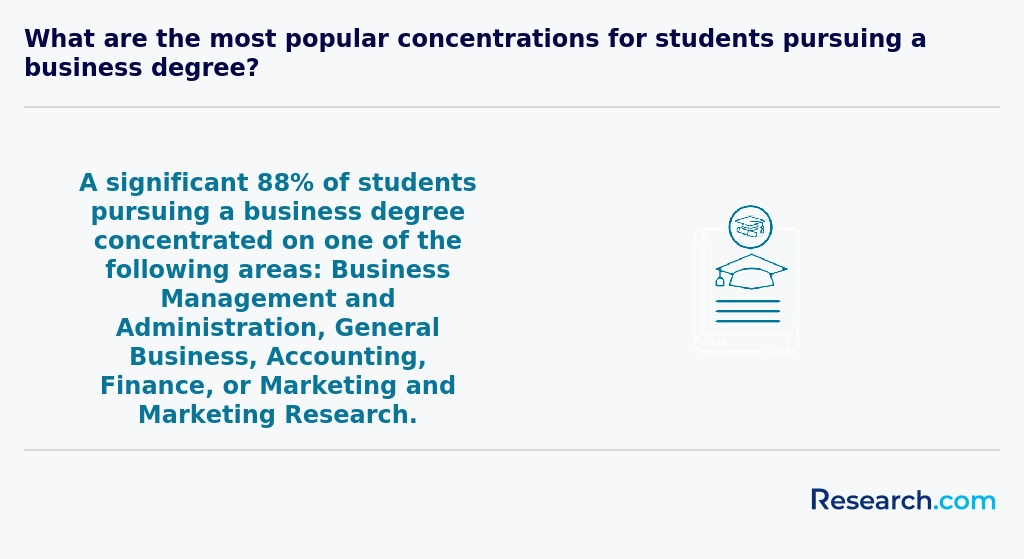
- What types of specializations are available in business degree programs in Iowa?
- How do you choose the best business degree in Iowa?
- What career paths are available for business degree students in Iowa?
- What is the job market for business degree in Iowa?
- Related Business Rankings for Nearby States
- Top Trending Business Rankings
- See What Experts Have To Say About Studying Business
What can I expect from business degree in Iowa?
The average cost of pursuing a business degree in Iowa often comes as a pleasant surprise to many students. At public universities like Iowa State University and the University of Iowa, in-state tuition for undergraduate business programs generally falls between $8,000 and $10,000 annually. Graduates frequently reflect on how this affordability allowed them to focus more on gaining practical experience rather than worrying about overwhelming debt.
Graduate programs, such as MBAs, typically have higher tuition, but many offer flexible options like part-time enrollment or online courses. This approach suits students balancing work and study, a common situation for those tapping into the strong local economy's opportunities.
One former student shared that attending a business school with AACSB accreditation felt like a wise investment, ensuring their education translated into meaningful career prospects without excessive financial strain. The practical internships available in Des Moines further enhanced their learning without extra cost. This blend of quality and affordability makes Iowa a compelling choice for aspiring business professionals.
Where can I work with business degree in Iowa?
Business graduates from Iowa's universities often find themselves stepping confidently into diverse industries right after graduation. From the bustling finance sector in Des Moines to innovative agricultural firms spread across the state, the professional avenues are wide and varied. For instance, graduates from the Tippie College of Business at the University of Iowa often share stories of starting their careers at major insurance companies like Principal Financial Group, where their skills in analytics and management are prized.
Others who studied at Iowa State University describe exciting opportunities in manufacturing companies such as Rockwell Collins, where business expertise in supply chain and project coordination directly impacts operational success. The vibrant agricultural economy offers unique roles in agribusiness marketing and finance, especially valued by graduates with a knack for combining business knowledge with Iowa's farming heritage.
Healthcare administration is rapidly growing here, and many business alumni find rewarding positions managing hospital budgets and strategic planning. For those drawn to entrepreneurship, the supportive Iowa environment, bolstered by local programs, makes starting a small business feel both achievable and inspiring.
How much can I make with business degree in Iowa?
Graduates from business programs in Iowa, such as those at the University of Iowa or Iowa State University, can expect promising earning potential that grows with experience and specialization. For example, business analysts in Iowa report a mean annual wage of $112,950, reflecting the premium placed on analytical and strategic skills in today's market. This figure is encouraging for new graduates who see a clear pathway from entry-level roles to higher-paying, impactful positions.
Another role closely tied to business degrees, the business development executive, earns an average of $83,190 annually in Iowa. This steady figure demonstrates how business acumen and relationship-building can be rewarded in various industries present across the state, from finance in Des Moines to manufacturing near Cedar Rapids.
Graduates often find themselves excited by these opportunities, sharing stories of starting with modest salaries that quickly evolve as they gain certifications or pursue advanced degrees like the MBA. Attending businesses schools in Iowa offers direct access to localized industry connections that significantly influence salary growth and career trajectory.
2027 Best Business Degree Programs Ranking in Iowa
How do we rank schools?
Investing in your education is a significant decision that can shape your future, and the Research.com team understands the importance of making informed choices. To assist prospective students in Iowa, we have meticulously crafted the "2027 Best Business Degree Programs Ranking in Iowa." Our commitment to quality, credibility, and accuracy is reflected in the extensive research and analysis conducted to compile this ranking.
We utilized the following reputable data sources to ensure a comprehensive evaluation of business degree programs:
By exploring this ranking, readers will gain valuable insights into the best business degree programs available in Iowa, helping them make well-informed decisions about their educational paths. For more details on our methodology, please visit our Research.com methodology page.


Key Findings
- Public universities in Iowa charge about $9,000 to $10,000 per year in tuition for in-state business students, while private institutions may exceed $25,000 annually.
- Total yearly costs at public universities, including fees and living expenses, typically range from $15,000 to $20,000.
- Recent business graduates in Iowa start with an average salary of around $50,000, with mid-career salaries rising to $75,000-$85,000.
- The job market favors business graduates due to strong demand in agriculture, manufacturing, finance, insurance, and healthcare sectors.
- Iowa's urban centers like Des Moines and Cedar Rapids offer many opportunities, especially in financial services and insurance.
How long does it take to complete business degree in Iowa?
Completing a business degree in Iowa generally takes about four years for a traditional bachelor's program, as experienced by many graduates from institutions like the University of Iowa or Drake University. These students often describe their journey as rigorous but rewarding, balancing core courses in accounting, marketing, and management while managing campus life. For those attending Iowa State University, this period includes exposure to diverse business concepts alongside general education requirements, creating a well-rounded academic experience.
Many graduates reflect on the flexibility offered through part-time or accelerated paths, especially when juggling work or family responsibilities. For example, community college students at Kirkwood often transition from two-year associate degrees to bachelor programs, finding a sense of accomplishment in progressing steadily at their own pace.
The commitment can feel substantial, yet the opportunity to grow professionally and personally in Iowa's supportive academic environment makes the extended effort worthwhile. Online and hybrid options further empower students to customize their timelines without losing momentum.
Cost Considerations and Financial Aid for Business Degree Programs in Iowa
When considering a Business degree in Iowa, one of the crucial factors to evaluate is the cost of attendance and the availability of financial aid. Understanding the financial implications of pursuing a business education can help prospective students make informed decisions about their academic and career paths. For instance, students looking for cheapest business programs in iowa can explore various options that balance affordability with quality education. Many institutions in Iowa offer competitive tuition rates, scholarships, and grants to support students in their academic endeavors. Furthermore, online and on-campus programs may have different cost structures, with online programs sometimes offering more flexibility in terms of pricing and payment schedules. By carefully assessing these factors and exploring available financial aid options, prospective business students in Iowa can navigate the financial aspects of their education with confidence, setting themselves up for success in their future careers.
What's the difference between online and on-campus business degree?
Graduates from Iowa State University often reflect on the enriching experience of on-campus business programs, where face-to-face interactions and lively classroom discussions foster strong collaboration skills. The immediate access to faculty and campus resources, like career services and networking events, creates a vibrant environment that many find motivating and supportive.
Conversely, those who completed their degrees online through the University of Northern Iowa highlight the flexibility that allowed them to balance work and family commitments while pursuing their studies. The convenience of asynchronous lessons and the ability to study from rural areas or wherever life takes them made education accessible without sacrificing quality.
Both paths demand dedication but differ in social dynamics. On-campus students often enjoy spontaneous networking and mentoring opportunities, while online learners appreciate virtual events that connect them to Iowa's business community. Tuition costs are similar, yet online students save on commuting and housing, adding practical value alongside academic rigor.
Affordable Online Business Degree Options for Cost-Conscious Students
For students in Iowa seeking a budget-friendly path to a business degree without sacrificing quality, online programs offer significant savings on tuition and fees. Many accredited Iowa institutions cap per-credit costs below $400, allowing undergraduates to complete a bachelor’s in business for under $50,000 total. Beyond state borders, prospective learners can explore the Low Cost Online Business Degree Programs Ranking in Romeoville, IL for additional insights into competitively priced curricula that balance affordability with academic rigor. Key considerations when evaluating affordable online options include:
- Tuition Structure: Look for programs with flat-rate tuition for in-state and out-of-state students, reducing unexpected cost surges each semester.
- Financial Aid Compatibility: Ensure the program accepts federal aid, grants, and scholarships-many online degrees in Iowa fully support FAFSA funding.
- Accreditation Status: Confirm regional accreditation or AACSB recognition to guarantee that credits transfer smoothly and employer credibility remains high.
- Support Services: Even at lower price points, quality online programs should provide career counseling, virtual labs, and networking events to mirror on-campus experiences. By prioritizing these factors, students can secure a respected business credential that fits their budget while enjoying the flexibility of digital learning.
What is the average cost of business degree in Iowa?
The average cost of a business degree in Iowa typically centers around a median total expense of about $47,500, reflecting both tuition and additional fees. Graduates from well-known institutions such as the University of Iowa or Iowa State University often recall managing these costs alongside living expenses, which can add substantially to the overall financial commitment. For many in-state students, the median total cost is notably lower, near $34,762, illustrating the value of residency when planning for the total expenses for business degree Iowa 2027.
It's common to hear from former students that while tuition is a major component, expenses like textbooks, supplies, and room and board add layers of financial reality. These relatable stories often highlight the importance of budgeting and seeking out financial aid opportunities, which Iowa colleges are quite active in providing to business students. The affordability factor deeply influences prospective students' choices, guiding them toward more cost-effective pathways.
Exploring options beyond the traditional private college route also supports better financial planning. For example, residents attending public universities benefit from in-state tuition rates which considerably reduce total costs. For those looking for alternatives, the cheapest business programs in iowa serve as helpful resources to find affordable yet quality education without compromising their goals or ambitions.
Return on Investment of Business Degrees in Iowa
Understanding the return on investment (ROI) for a business degree in Iowa is essential for informed decision-making. By comparing average program costs against potential earnings, students can estimate how quickly their education pays off and which format-on-campus, online, or accelerated-maximizes value. • Average Cost vs. Earnings: - In-state tuition for public universities ranges from $8,000 to $15,000 per academic year. Private institutions may charge $30,000–$50,000 annually. - With median starting salaries of $69,000, Business graduates typically recoup tuition costs within 2–4 years, depending on scholarship awards and part-time work during study. • Payback Period by Degree Level: - Associate Degree: 1.5–2 years, ideal for entry-level roles that quickly offset lower tuition. - Bachelor’s Degree: 3–4 years, balancing comprehensive coursework with rising mid-career salaries above $80,000. - Master’s Degree (MBA): 2–3 years; graduates often see salary bumps of 20–30%, accelerating ROI further when compared to bachelor’s programs. • Format Comparison: - On-Campus Programs: Higher tuition but richer networking; payback may extend if relocation or living expenses are significant. - Online Programs: Lower overhead and flexible pacing can shorten payback to under three years. - Accelerated Pathways: For professionals seeking swift advancement, exploring short mba programs can yield faster promotions and higher salaries, reducing ROI timelines. • ROI Drivers: - Internship participation and employer partnerships often translate into full-time offers upon graduation. - Scholarships and state aid (e.g., Last-Dollar Scholarship) decrease out-of-pocket costs, improving net ROI. By evaluating tuition outlay, expected salary progression, and format flexibility, Iowa business students can choose programs that deliver the highest ROI, aligning educational investment with long-term career goals.
What financial aid is available to business degree students in Iowa?
Many business students in Iowa find financial aid essential in making their education affordable. Federal aid through the FAFSA is usually the first step; grants like the Pell Grant can cover thousands of dollars annually without repayment. For example, graduates from the University of Iowa often rely on these federal programs to ease their tuition costs.
State grants, such as the Iowa Tuition Grant and Vocational-Technical Tuition Grant, provide additional support, especially for those attending private colleges or community colleges. At Iowa State University, business students frequently combine these with merit scholarships offered by their schools, which reward academic success and leadership. These awards have enabled graduates to focus more on learning and less on financial stress.
Many students also tap into employer tuition reimbursement, especially when working in Iowa's thriving sectors like finance or manufacturing. This practical funding avenue lets them gain experience while earning their degrees. Moreover, local scholarships from Iowa business groups add another layer of financial relief, making the dream of a business degree a manageable reality for many.
Student Life & Campus Culture in Iowa
A vibrant campus atmosphere plays a crucial role in shaping the overall college experience and fostering both personal and professional growth. Business students in Iowa not only benefit from rigorous academic curricula but also enjoy a dynamic student life that includes active participation in business clubs, networking events, and leadership workshops. Many campuses host regular seminars, guest lectures, and entrepreneurial competitions that offer hands-on experiences beyond the classroom, helping students build essential soft skills and long-lasting professional relationships. Campus culture in Iowa's business programs is notably supportive; students engage in collaborative projects and social events that promote diversity and inclusivity. This vibrant community spirit, coupled with state-of-the-art facilities and dedicated academic advisors, creates an environment where aspiring professionals can thrive academically and socially. For prospective students looking for flexibility and opportunities to balance studies with extracurricular endeavors, checking out the easiest business degrees options might provide additional insights into programs that combine academic excellence with a rich campus experience. Moreover, student-run organizations and mentorship programs often serve as bridges to the professional world, enabling early career exposure through internships and industry partnerships. By actively participating in these initiatives, students gain not only lifelong friendships but also vital real-world experience-an essential complement to their academic journey.
What are the prerequisites for enrolling in business degree program in Iowa?
Enrolling in a business degree program in Iowa calls for a clear grasp of academic and practical prerequisites that ensure you're ready for the challenges ahead. Many graduates from renowned institutions like the University of Iowa's Tippie College of Business recall the importance of having a solid high school foundation, especially courses in math, English, and social studies. They emphasize how meeting the minimum GPA requirement-typically around 2.5 to 3.0-helped open doors, while competitive SAT scores between 1100 and 1300 often strengthened applications.
Real-world experiences shared by past students illustrate how prerequisite courses in algebra, economics, statistics, and computer literacy eased their transition into advanced classes. For those pursuing graduate degrees, like an MBA, completing a bachelor's and gaining two to five years of professional experience proved invaluable, often more than just test scores.
Understanding the financial commitment, with in-state undergraduate costs near $9,000 to $12,000 annually, also gave many confidence to plan wisely. This combination of preparation and foresight fosters a sense of readiness and excitement as you embark on your business education journey in Iowa.
What courses are typically in business degree programs in Iowa?
At universities across Iowa, business students often find themselves immersed in courses that go beyond textbooks to real-world application. Graduates frequently reflect on how classes like Principles of Management brought leadership theories to life through group projects and case studies, mirroring challenges faced by local companies in cities like Iowa City or Cedar Rapids.
Financial Accounting courses are praised for their clear connection to everyday business operations, as students learn to prepare and analyze statements much like entry-level accountants do in regional firms. Marketing Fundamentals allow exploration of consumer behavior using market research tailored to Iowa's diverse economy, helping students feel confidently ready for careers in retail or finance.
Many also value courses such as Business Law and Ethics in Business, which frame the legal and moral landscape they'll navigate professionally, often referencing Iowa's unique regulatory environment. This hands-on approach strengthens understanding and builds the practical skills essential to thriving in Iowa's robust economic sectors.
What types of specializations are available in business degree programs in Iowa?
Business degree specializations in Iowa offer students practical pathways to careers shaped by the state's economic fabric. Graduates from popular Iowa universities often reflect on how specializing in Accounting, for example, provided them with skills directly applicable to auditing and financial roles in agricultural or manufacturing firms prevalent locally. The sense of preparedness they express is rooted in the focused curriculum tailored for Iowa's job market.
Finance remains a sought-after major, especially among those aiming for roles in Des Moines' thriving financial sector. Students find that understanding investment management and corporate finance not only boosts confidence but also positions them competitively for regional opportunities. Marketing, another top business major Iowa universities emphasize, connects learners deeply with real-world advertising and digital strategies that drive success in growing e-commerce enterprises.
Management, Entrepreneurship, and Supply Chain Management are also meaningful specializations, providing students with leadership and operational skills critical to industries like insurance and food processing. The wide array of majors invites students to explore easiest business degrees while aligning studies with clear career goals and emerging industry needs in Iowa.
How do you choose the best business degree in Iowa?
Choosing the best business degree in Iowa means looking beyond just the campus or tuition costs. Graduates from the University of Iowa often share how AACSB accreditation reassured them their education met rigorous standards, preparing them well for competitive fields like finance or marketing. Considering your specific interests, such as entrepreneurship or supply chain management, helps align your degree with local industries thriving in Iowa.
Many affordable business colleges in Iowa provide diverse programs with strong internship opportunities, allowing students to connect with employers in growing sectors like professional services. Reflecting on alumni experiences, strong career support and networking proved essential in landing rewarding jobs after graduation. Deciding whether you prefer an on-campus setting or more flexibility, some have found that exploring short mba programs offered practical pathways to advance quickly without sacrificing quality.

What career paths are available for business degree students in Iowa?
Graduates with a business degree in Iowa often find themselves stepping into diverse roles thanks to the state's multifaceted economy. For those studying at well-regarded institutions like the University of Iowa or Drake University, opportunities in financial services and banking are abundant, with big names like Wells Fargo welcoming new talent into their Iowa branches. Many graduates share how hands-on internships during their studies helped them connect theoretical knowledge with practical management roles in manufacturing firms, a sector where Iowa consistently ranks high nationally.
Another path that stands out reflects the state's strong retail and regional business presence, particularly in vibrant cities like Des Moines and Cedar Rapids. Graduates frequently express enthusiasm about starting in marketing and sales, where they also gain valuable experience that opens doors to leadership positions. For those interested in human resources or entrepreneurship, the supportive Iowa environment and targeted programs cultivate a spirit of growth and innovation. This real-world perspective resonates deeply with students who appreciate the balance of theory and career-ready skills.
Those exploring business degree career opportunities in Iowa also recognize the unique niche of agribusiness management, supported by the state's agriculture-driven economy. Business graduates often find rewarding roles in supply chain logistics tied to farm production and food processing, illustrating how specialized knowledge can lead to meaningful careers. Many recent alumni highlight the affordability of their education, often ranging from $8,000 to $20,000 annually at public institutions, while pointing to their solid earning potential post-graduation. For those seeking further guidance, resources such as the Low Cost Online Business Degree Programs Ranking in Romeoville, IL offer additional insight into accessible pathways.
What is the job market for business degree in Iowa?
The job market for business degree holders in Iowa remains both stable and promising, shaped by the state's diverse economy and strong business community. Graduates from renowned institutions like the University of Iowa and Iowa State University often share experiences of quickly finding roles in marketing, finance, or management thanks to the solid reputation of these programs. This optimistic outlook reflects the broader trend of steady growth in employment opportunities for Iowa business graduates, supported by local companies and startups seeking skilled professionals.
Entry-level positions typically offer salaries between $45,000 and $55,000 per year, which many recent graduates find encouraging as they begin their careers. With experience, these numbers rise significantly, with managerial roles averaging near $100,000 annually, illustrating the worthwhile investment in a business degree here. Understanding the types of college majors can help students align their strengths with Iowa's job market demands, making the path clearer for future success.
Frequently Asked Questions About business
Business degree students in Iowa can maximize their learning experience by actively engaging in internships offered by local industries, especially in sectors like agriculture, finance, and manufacturing, which are vital to the state's economy. According to the Iowa Economic Development Authority, these fields account for a significant share of employment, providing relevant work experience.
Students should also take advantage of networking events hosted by Iowa's chambers of commerce and business incubators. These connections often lead to mentorship opportunities and job placements.
Furthermore, enrolling in experiential learning courses and student organizations focused on entrepreneurship can enhance practical skills.
Utilizing resources such as the Iowa Workforce Development statistics helps students align their studies with market demands and career growth areas within the state.
The business landscape in Iowa is evolving, creating new opportunities for students pursuing business degrees. Emerging niches include data analytics, supply chain management, and sustainable business practices. Iowa's growing logistics sector-bolstered by its central location-places a premium on expertise in supply chain and operations management.
Data analytics is another fast-growing area, with companies seeking professionals who can interpret large datasets to improve decision-making. According to the Iowa Economic Development Authority, demand for data-savvy managers is expected to rise by over 15% through 2028.
Sustainability is gaining traction as businesses focus on environmental impact. Students versed in sustainable business strategies can find opportunities in Iowa's expanding agricultural and manufacturing sectors, which prioritize eco-friendly innovations.
After earning a business degree in Iowa, preparing for the job market requires strategic steps to enhance employment prospects. Iowa's diverse economy, with strong sectors like finance, manufacturing, and agriculture, offers various opportunities for business graduates. According to the Iowa Workforce Development, gaining relevant internships during studies can increase job placement success by over 20%. Engaging with local professional organizations like the Iowa Business Council helps build valuable networks. Additionally, refining skills in data analysis and digital marketing aligns with employer demands. Leveraging university career services and attending job fairs in cities such as Des Moines or Cedar Rapids are effective ways to connect with recruiters.
Employers in Iowa highly value business degree graduates who demonstrate strong communication skills. According to the Iowa Workforce Development, clear writing and verbal abilities are essential for teamwork and client relations.
Analytical skills rank prominently as well. Graduates who can interpret data and apply problem-solving techniques meet demands from sectors like finance and manufacturing, which dominate Iowa's economy.
Leadership and adaptability are also critical. With Iowa's diverse industrial base, employers seek graduates capable of managing projects and adjusting to evolving market conditions.
Lastly, proficiency in technology and business software is increasingly important. The Iowa Department of Education highlights that graduates skilled in Excel, data management, and digital tools gain an edge in hiring.
Finding internships in Iowa relevant to a business degree involves several strategies. Start by exploring resources at your college's career center, as many Iowa universities, such as the University of Iowa and Iowa State University, maintain partnerships with local companies.
Iowa's economy includes strong sectors like finance, agriculture, and manufacturing, offering diverse internship opportunities. According to the Iowa Workforce Development, over 13,000 business-related jobs are available statewide, meaning you can find internships in areas like marketing, accounting, and management.
Additionally, leverage Iowa-based job platforms and attend networking events hosted by local chambers of commerce. Internships through organizations like the Iowa Bankers Association provide practical business experience. Lastly, consider applying to internships in cities such as Des Moines, ranked among the top metropolitan areas for young professionals.
In Iowa, earning a business degree significantly enhances career mobility and advancement opportunities. According to the Iowa Workforce Development, jobs requiring business-related skills are projected to grow by 8% between 2020 and 2030, higher than the average for all occupations. This growth spans sectors such as finance, management, and marketing.
Graduates with business degrees often report faster promotions and increased earning potential compared to those without formal education in the field. The degree equips students with essential skills in leadership, communication, and data analysis, highly valued by Iowa employers.
Additionally, regional employers like John Deere and Principal Financial Group frequently seek candidates with strong business credentials, demonstrating local demand for these qualifications.
Studying for a business degree in Iowa equips students with skills that span multiple disciplines, preparing them for diverse roles across industries. Iowa's business programs emphasize collaboration with fields such as technology, economics, and communication, reflecting the state's mixed economy, which includes agriculture, manufacturing, and finance. According to the Iowa Department of Education, many universities integrate courses in data analytics, supply chain management, and ethical leadership, enhancing interdisciplinary understanding. This approach supports graduates in adapting to the evolving job market, where employers seek professionals who can navigate complex business environments and work effectively with cross-functional teams.
Choosing between a thesis and a non-thesis business degree program in Iowa depends on your career goals and learning preferences. Thesis programs focus on original research, ideal for students planning to pursue doctoral studies or research-intensive roles. Non-thesis options often emphasize practical skills through coursework and internships, suitable for those targeting immediate employment in Iowa's thriving business sectors like finance and manufacturing.
A 2023 report by the Iowa Department of Education highlighted that over 65% of business graduates in the state enter the workforce directly, favoring non-thesis paths. Consider faculty expertise and program structure at institutions like the University of Iowa or Iowa State University when deciding.
Students in Iowa pursuing business degrees have several opportunities to study abroad through established programs at universities such as the University of Iowa and Iowa State University. These institutions offer exchange partnerships with schools across Europe, Asia, and Latin America, allowing students to earn credits while gaining international business perspectives.
Many programs focus on global finance, marketing, and supply chain management, fields that align with Iowa's strong agricultural and manufacturing economy. According to the Iowa Board of Regents, approximately 20% of business students participate in study abroad programs, reflecting growing interest.
Additionally, scholarships and grants are available specifically for Iowa students to offset costs. This support makes global experience more accessible, enhancing career prospects in an increasingly interconnected business environment.
Part-time job opportunities in Iowa that complement business degree education often include roles in retail management, administrative assistance, and customer service. These positions develop skills in communication, leadership, and operations, essential for business students. According to the Iowa Workforce Development data, sectors such as finance, insurance, and professional services are growing and offer entry-level opportunities for students.
Internships and part-time roles in local banks, small businesses, or nonprofit organizations provide hands-on experience in financial analysis, marketing, and project coordination. These roles help students apply theoretical knowledge practically while networking within Iowa's business community.
Additionally, many Iowa colleges partner with nearby enterprises to offer student employment aligned with coursework, providing a practical bridge between education and the professional world.
Business students in Iowa have access to numerous networking opportunities that can significantly enhance their careers. Universities often host events where students meet industry professionals and alumni, fostering valuable connections. For example, the University of Iowa's Tippie College of Business organizes career fairs attended by over 100 companies annually, offering direct recruitment chances.
Local chambers of commerce in cities like Des Moines and Cedar Rapids provide networking events tailored for business students and young professionals. Additionally, Iowa's strong presence in insurance, finance, and agriculture sectors creates unique internship and mentorship opportunities through regional organizations such as the Iowa Bankers Association.
Alumni networks provide valuable support for business degree students in Iowa by connecting them with professionals who have firsthand experience in the local market. Iowa's economy, known for its strong agribusiness, finance, and manufacturing sectors, benefits from these networks as graduates can tap into industry-specific job opportunities.
Many Iowa universities offer extensive alumni databases and mentorship programs, which help current students navigate career paths and develop professional skills. According to the Iowa Workforce Development, business-related roles in the state are projected to grow by 7% by 2030, making these connections vital for employment prospects.
Networking through alumni often leads to internships and job placements, enhancing real-world experience before graduation. Overall, these networks serve as a bridge between academic learning and professional success in Iowa's competitive business environment.
Customizing a business degree program in Iowa allows students to align their education with specific career goals through elective courses, concentrations, and internships. Many Iowa universities offer specializations such as finance, marketing, supply chain management, or entrepreneurship. According to the Iowa Department of Education, tailoring coursework to industry needs can improve job placement rates, with business graduates in Iowa seeing a 5% higher employment rate than the national average in 2023.
Students can also gain practical experience by pursuing internships within Iowa's key industries, like insurance and manufacturing, which often partner with local schools. Additionally, certificate programs and workshops provide opportunities to develop niche skills that meet evolving market demands.
Business students in Iowa face several challenges related to academic rigor and financial pressures. Many programs require balancing demanding coursework with internships or part-time jobs to gain practical experience, which can be stressful. Additionally, Iowa's average tuition fees for public universities hover around $9,000 per year for in-state students, leading to concerns about student debt, as reported by the National Center for Education Statistics (NCES, 2023).
Students also contend with limited local networking opportunities compared to larger metropolitan areas. While cities like Des Moines offer growing business hubs, students in rural areas may struggle to access these resources. Research from the Iowa Department of Education highlights that access to quality mentorship and career services varies significantly across institutions.
With a business degree from an Iowa institution, you can pursue several professional certifications to enhance your career prospects. Popular options include the Certified Public Accountant (CPA) credential, essential for accounting roles and governed by the Iowa Accountancy Examining Board.
Many graduates also aim for the Project Management Professional (PMP) certification, which is widely respected across industries. For finance professionals, the Chartered Financial Analyst (CFA) designation is a strong choice to demonstrate expertise in investment management.
The Certified Management Accountant (CMA) offered by the Institute of Management Accountants is another valuable certification, focusing on financial management skills.
According to Iowa Workforce Development, business and financial operations occupations are expected to grow by 6.3% through 2030, highlighting the value of these credentials.
Writing a winning application for a business program in Iowa starts with clear, focused goals. Admissions committees value applicants who demonstrate strong motivation and a genuine interest in Iowa's growing business environment. Highlighting experiences related to Iowa's key industries, such as manufacturing and finance, can strengthen your case. According to the Iowa Department of Workforce Development, business-related occupations are projected to grow by 6% through 2030, reflecting robust career opportunities.
It is essential to present a well-organized resume emphasizing leadership, teamwork, and problem-solving skills. Include any relevant internships or volunteer roles within Iowa's diverse economic sectors. Additionally, strong letters of recommendation from academic or professional contacts who can attest to your potential in business studies add credibility. Aim for a concise personal statement that connects your ambitions with the specific program's strengths, showing you have researched Iowa's unique market and educational offerings.
Global perspectives on a business career emphasize the importance of cross-cultural understanding and international markets. For students in Iowa pursuing a business degree, this means gaining skills that are highly valued worldwide, such as global marketing, supply chain management, and international finance. According to the U.S. Bureau of Labor Statistics, employment in management occupations, including business careers, is expected to grow by 8% nationally from 2022 to 2032, reflecting a steady demand.
Iowa's economy is closely tied to agriculture, manufacturing, and financial services, sectors that increasingly interact with global markets. The Iowa Department of Economic Development highlights that exports were valued at over $9 billion in 2022, showing strong international connectivity. Business graduates who understand global trends are better positioned to contribute to such industries.
Educational programs in Iowa often incorporate global case studies and internships with multinational companies. This practical experience enhances graduates' abilities to adapt and innovate in various cultural and economic contexts. As globalization continues, a business degree with a global perspective prepares students for diverse, dynamic career paths.
Gaining practical experience while studying for a business degree in Iowa is essential to prepare for the competitive job market. Many Iowa universities offer internship programs that connect students with local businesses in sectors like agriculture, finance, and manufacturing-key industries in the state. For example, the Iowa Workforce Development reports that internships improve job placement rates by up to 60% among business graduates.
Students can also join campus-based consultancy projects or business clubs to develop real-world skills. Cooperative education (co-op) programs are increasingly common, allowing students to alternate semesters of classroom study with paid work experience.
Furthermore, Iowa's strong network of small and medium enterprises offers numerous opportunities for part-time roles that complement academic learning.
Choosing the right concentration within a business degree in Iowa involves aligning your interests with regional economic strengths. Iowa's economy is heavily focused on agriculture, finance, manufacturing, and health services, so concentrations such as agricultural business, finance, supply chain management, or healthcare management can offer strong career prospects. According to the Iowa Workforce Development, finance and insurance jobs grew by over 6% from 2019 to 2023, signaling demand in these fields.
Consider your career goals, internships, and local industry connections when selecting a concentration. Business schools in Iowa often provide opportunities to engage with the state's leading companies, enhancing practical experience alongside academics.
Related Business Rankings for Nearby States
- 2027 Best Online Business Degree Programs Ranking in Minnesota
- 2027 Best Online Business Degree Programs Ranking in Wisconsin
- 2027 Best Online Business Degree Programs Ranking in Nebraska
- 2027 Best Online Business Degree Programs Ranking in South Dakota
- 2027 Best Online Business Degree Programs Ranking in Missouri
- 2027 Best Online Business Degree Programs Ranking in Indiana
- 2027 Best Online Business Degree Programs Ranking in North Dakota
- 2027 Best Online Business Degree Programs Ranking in Michigan
- 2027 Best Online Business Degree Programs Ranking in Ohio
- 2027 Best Online Business Degree Programs Ranking in Oklahoma
Top Trending Business Rankings
See What Experts Have To Say About Studying Business
Read our interview with Business experts


David Souder
Business Expert
Senior Associate Dean for Faculty and Research
Michigan State University

Ingrid S. Greene
Business Expert
Clinical Assistant Professor of Management
Loyola Marymount University

References
- A 2016 Global Perspective on Business and Career Planning https://careerproinc.com/blogging/a-2016-global-perspective-on-business-and-career
- 1. Online registration https://moderna.edu.pl/majors/management/bachelor-of-management/business-management/
- How to Write a Statement of Purpose for Business School https://www.statementswritingservices.com/blog/how-to-write-a-statement-of-purpose-for-business-school.html
- Scholarships & Grants https://educate.iowa.gov/higher-ed/financial-aid/scholarships-grants
- Business degree: What to study and how to find a job https://brive.com/blog/studies/business-degree-guide-to-study-and-find-a-job/
- Networking Tips for Business Students: Building a Foundation for Success https://londonsba.org.uk/blog/networking-tips-for-business-students-building-a-foundation-for-success/
- 8 Best Places to Study Abroad for Business [+ How to Choose] https://www.semesteratsea.org/study-abroad-for-business/
- Business Transfer Major, AA Degree - Iowa Lakes Community College https://iowalakes.edu/program/associate-in-arts-business-transfer-aa/
- Business Administration Transfer Major, A.A. - Iowa Western Community College https://www.iwcc.edu/academic_programs/business/business-administration-transfer-major-a-a/
- Business Administration Degree Salary | UE Amsterdam https://www.ue-amsterdam.com/blog/business-administration-degree-salary-how-much-can-you-earn


