
2027 Best Business Degree Programs Ranking in West Virginia

Co-Founder and Chief Data Scientist
Exploring your options for business degrees in West Virginia just got easier. This article introduces the 2027 Best Business Degree Programs Ranking in West Virginia, carefully crafted by the Research.com team of data scientists to guide you toward the best choices.
Whether you're starting your college journey or considering a transfer, understanding which programs stand out can boost confidence in your decision. A strong business degree opens doors to rewarding careers and personal growth.
Read on to discover programs that align with your goals and aspirations in 2027.
Key benefits of getting business degree in West Virginia
- Business degree graduates in West Virginia can expect strong salary potential, such as Business Analysts earning a mean annual wage of $112,950 and Business Development Executives earning around $83,190, reflecting rewarding financial opportunities.
- Graduates from popular West Virginia universities often explore diverse career paths, including roles in consulting, finance, and marketing, offering exciting opportunities for growth and personal fulfillment.
- Obtaining a business degree online in West Virginia provides flexibility and convenience, allowing graduates to balance work and study while gaining valuable skills without sacrificing their current lifestyle.
- Key benefits of getting business degree in West Virginia
- What can I expect from business degree in West Virginia?
- Where can I work with business degree in West Virginia?
- How much can I make with business degree in West Virginia?
- 2027 Best Business Degree Programs Ranking in West Virginia
- Key Findings
- How long does it take to complete business degree in West Virginia?
- Affordability of Business Schools in West Virginia
- What's the difference between online and on-campus business degree?
- What is the average cost of business degree in West Virginia?
- Return on Investment for Business Degrees in West Virginia
- What financial aid is available to business degree students in West Virginia?
- Enhancing Career Prospects with Online Business Certificates
- What are the prerequisites for enrolling in business degree program in West Virginia?
- Faculty Expertise and Research Strength
- What courses are typically in business degree programs in West Virginia?
- What types of specializations are available in business degree programs in West Virginia?
- How do you choose the best business degree in West Virginia?
- What career paths are available for business degree students in West Virginia?
- What is the job market for business degree in West Virginia?
- Related Business Rankings for Nearby States
- Top Trending Business Rankings
- See What Experts Have To Say About Studying Business
What can I expect from business degree in West Virginia?
If you're thinking about getting a business degree in West Virginia, one of the best parts is the cost. Most in-state students at places like West Virginia University pay around $9,000 to $11,000 per year for their business programs. That's a pretty sweet deal compared to the national average, especially when you consider the quality of education you're getting.
Graduates from WVU's John Chambers College of Business often mention how affordable tuition helped them focus more on their studies and internships without stressing over huge debts. Imagine starting your career with less financial pressure-it makes the whole experience way more enjoyable and motivating. Plus, smaller class sizes mean you get personal attention from professors who genuinely want to see you succeed.
So, if you're planning to stay local and want a solid business education without breaking the bank, West Virginia's schools offer a smart and budget-friendly path to your degree.
Where can I work with business degree in West Virginia?
With a business degree in West Virginia, you've got plenty of doors open. Graduates from places like West Virginia University and Marshall University often land jobs in finance, working with local banks in Charleston or Huntington, where they handle things like investment advising or loan management. Imagine helping folks in your community get the best financial solutions-that's pretty rewarding.
Others find their groove in healthcare administration, blending business smarts with the booming health sector here. Handling billing or compliance for hospitals can feel meaningful, knowing you play a key role behind the scenes. Manufacturing is another hotspot; big names like Toyota offer roles in supply chain or quality control-perfect if you enjoy balancing numbers with hands-on problem-solving.
And don't forget retail and small biz management-graduates love working with SMEs to boost sales and marketing. Plus, state jobs and nonprofits in places like Morgantown provide gigs in public admin and budgeting, often with a direct impact on local programs. Business grads in West Virginia really get to connect their skills with real community growth.
How much can I make with business degree in West Virginia?
If you're graduating with a business degree in West Virginia, you can expect some pretty solid earning potential. For example, a business development executive typically pulls in about $83,190 a year, which is a nice step up from the average entry-level roles. Graduates from schools like West Virginia University or Marshall University often land roles like this and feel confident knowing their degree translates to good pay.
Another standout is the business analyst position, where you can expect an average annual salary around $112,950. Imagine working at a regional healthcare company or energy firm in Charleston or Morgantown, using your skills to help streamline operations and analyze market trends-these jobs really reward your expertise.
The fact that West Virginia's cost of living is lower than the national average means these salaries can stretch further, letting you enjoy a comfortable lifestyle without the stress of sky-high expenses. Many grads tell us that landing these kinds of roles makes paying off student loans and saving for the future feel achievable and rewarding.
2027 Best Business Degree Programs Ranking in West Virginia
How do we rank schools?
Investing in your education is a significant decision that can shape your future, and the Research.com team understands the importance of making informed choices. To assist prospective students in West Virginia, we have meticulously crafted the "2027 Best Business Degree Programs Ranking in West Virginia." Our commitment to quality, credibility, and accuracy is reflected in the extensive research and analysis conducted to compile this ranking.
We utilized the following reputable data sources to ensure a comprehensive evaluation of business degree programs:
By exploring this ranking, readers will gain valuable insights into the best business degree programs available in West Virginia, helping them make informed decisions about their educational paths. For more details on our methodology, please visit our Research.com methodology page.


Key Findings
- Annual in-state tuition for public universities in West Virginia ranges from $7,500 to $10,000, while private schools often charge over $20,000.
- Starting salaries for business graduates are typically between $48,000 and $55,000 per year, increasing to $70,000-$90,000 with experience.
- Key industries hiring business graduates include healthcare administration, finance, retail management, and energy.
- Many programs offer internships and cooperative education with local employers to enhance practical experience and job prospects.
- Accreditation by AACSB is available at some schools, indicating a high academic quality and improving job market competitiveness.
How long does it take to complete business degree in West Virginia?
In West Virginia, finishing a business degree usually takes around four years if you're studying full-time, just like most graduates from West Virginia University or Marshall University will tell you. Think about it like this: you're balancing 120 to 130 credit hours-mixing general education, core business classes, and electives-spread over eight semesters. Many students find this timeline pretty manageable when they stick to a steady pace and follow their school's recommended course plan.
But life isn't always that simple. Some grads who work part-time or take on other responsibilities stretch their degree to five or even six years. Others grab a few online courses to fit their crazy schedules, sometimes finishing faster or slower depending on how they juggle it all.
Then there are those who start with an associate degree or transfer credits, speeding things up a bit. So if you picture yourself walking through the halls at WVU, it's all about balancing your load while enjoying college life to finish strong in about four years.
Affordability of Business Schools in West Virginia
When considering a business degree in West Virginia, one of the crucial factors to evaluate is the affordability of the programs. Prospective students often find themselves comparing costs and benefits across different institutions. To navigate these financial considerations effectively, it's essential to research not only the tuition fees but also the availability of financial aid, scholarships, and the potential return on investment. For those looking for the most affordable options, exploring the cheapest business schools in West Virginia can provide valuable insights. This approach allows students to weigh their choices based on economic viability and potential career outcomes, making informed decisions about their educational investments.
What's the difference between online and on-campus business degree?
If you're thinking about a business degree in West Virginia, the biggest difference between online and on-campus programs is how you experience school day-to-day. At places like West Virginia University or Marshall University, on-campus students talk about the buzz of walking into a classroom, grabbing coffee with classmates, and jumping into group projects face-to-face. Those spontaneous hallway chats and on-campus networking events really help make connections that stick.
On the flip side, online students love the freedom to study from their couch or a local coffee shop anytime they want. For example, a working professional juggling family life can watch lectures after the kids are asleep without worrying about commuting to Morgantown or Huntington. These students stay engaged through virtual discussions and teamwork using tech tools, which can feel just as meaningful-especially when professors are equally passionate and available.
And yep, cost-wise, online programs in West Virginia often cost a bit less since you skip the rent and parking fees. But both options aim to maintain top-notch quality, so whether you're hitting the campus library or logging in remotely, you're getting a solid business education that West Virginia grads proudly talk about.
What is the average cost of business degree in West Virginia?
If you're thinking about snagging a business degree in West Virginia, you'll want to know the average cost so you can plan ahead. On average, the total cost for an in-state student to earn a business degree here is about $10,376, which is pretty affordable compared to many other states. Out-of-state students, however, can expect to pay closer to $33,108 overall, so that's something to keep in mind if you're not a resident.
Many grads from popular schools like West Virginia University or Marshall University share how their tuition stayed manageable, especially when combined with financial aid and scholarships. Living on campus or nearby can add some extra expenses, but plenty of students find ways to balance costs with campus jobs or clever budgeting. Books, supplies, and tech fees usually add a bit more, but most find these manageable within their budgets.
Thanks to the average cost of business degree West Virginia students face, choosing a local university can make a real difference. If you're curious about which schools offer great value and quality programs, you can check out a list of the cheapest business schools in West Virginia. Lots of students say this helped them pick the right fit without stretching their finances too thin.
All in all, the business degree tuition fees in West Virginia make getting a solid business education feel like a smart, doable investment in your future.

Return on Investment for Business Degrees in West Virginia
Prospective students often gauge a program’s value by its return on investment (ROI), balancing total costs against long-term earnings. In West Virginia, graduates can expect competitive payback periods thanks to moderate tuition rates (ranging from $12,600 to $13,100) and average starting salaries around $65,000–$80,000. Here’s how the numbers stack up: • Average Total Debt vs. Starting Salary: – Median student debt for a bachelor’s in business: ~$25,000 – Average starting salary: $68,000 – Estimated payback period: 4–5 years • Net ROI Over 10 Years (after loan repayment): – Cumulative earnings: ~$700,000 – Total cost (tuition + living + interest): ~$75,000 – Net gain: ~$625,000 • Factors Boosting ROI: – High job placement rates (75% within six months) – Strong alumni network and in-state salary growth (3–5% annual raises) – Flexible online options that minimize lost wages To accelerate your ROI further, many students pursue advanced credentials. For those seeking a fast track to leadership roles, explore our curated list of quick mba degrees, which can amplify earnings potential in as little as one year. By analyzing both upfront costs and long-term benefits, you can choose a business program in West Virginia that delivers maximum financial and career returns.
What financial aid is available to business degree students in West Virginia?
If you're aiming for a business degree in West Virginia, financial aid can really lighten the load. Many grads from West Virginia University found the FAFSA essential since it unlocks federal options like Pell Grants, which helped them cover thousands without the stress of paying it back. During the 2023-2024 year, some Pell Grants even topped $7,300-pretty huge when tuition at public schools hovers around $8,000 a year.
State scholarships are a big deal, too. For instance, the PROMISE Scholarship covers full in-state tuition if you keep a solid 3.0 GPA, and that's saved a ton of business students at Marshall University from worrying about fees. The WV Higher Ed Grant also throws in anywhere from $1,000 to $4,000 for needy students, making a real dent in expenses.
Many say merit scholarships from their universities were lifesavers-getting rewarded for leadership or grades feels great and pads that wallet.
Plus, work-study gigs on campus helped some manage living costs without dipping into loans. It's a mix of federal, state, and campus support that lets you focus on your classes without fretting over the bills.
Enhancing Career Prospects with Online Business Certificates
In today's competitive business landscape, supplementing a traditional business degree with specialized online certifications can significantly boost your career trajectory. Earning an online business certificate not only deepens your expertise in niche areas such as digital marketing, data analytics, or project management, but also demonstrates your commitment to continuous learning and professional growth. Many professionals have found that these concise, targeted programs complement academic studies by providing practical skills that can be applied immediately in the workplace. For instance, obtaining relevant certifications may equip you with the latest industry tools and trends, positioning you as a more attractive candidate for leadership roles. Additionally, these courses offer the flexibility to study while working, making it easier to balance career advancement with academic enrichment. For a curated selection of top certifications that can elevate your professional profile, check out what are the best online business certificates to advance your careers and discover opportunities to enhance your skill set and marketability. This integration of traditional education and online certifications creates a powerful combination that can lead to new job opportunities, higher earning potential, and long-term career success in the evolving business environment.
What are the prerequisites for enrolling in business degree program in West Virginia?
If you're thinking about jumping into a business degree in West Virginia, the first thing you'll need is a high school diploma or something equivalent like a GED. Pretty much every college here, like West Virginia University or Marshall University, will ask you for official transcripts to prove you've nailed that part. Graduates often say that having solid grades in math and English really helps, because these subjects come up a lot in business classes.
Some schools still want SAT or ACT scores, but lots are going test-optional now, which makes things less stressful. For example, WVU looks at your whole profile, so good grades and a strong work ethic can count just as much as test scores. Transfer students or those heading for an MBA usually need a bachelor's degree and might have to show work experience or submit GRE/GMAT scores, though some schools offer waivers based on what you've done before.
If English isn't your first language, expect to prove you're comfortable with it through tests like TOEFL. Also, some students mention that taking beginner courses in economics or accounting ahead of time really made the jump into business studies smoother. Overall, knowing this helps you feel ready rather than overwhelmed when applying to programs in West Virginia.
Faculty Expertise and Research Strength
West Virginia’s top business degree programs are distinguished by a faculty body whose collective expertise drives both academic excellence and industry innovation. At West Virginia University’s College of Business and Economics, over 120 full-time professors hold doctoral degrees from institutions such as Harvard, Michigan State, and UNC Chapel Hill, ensuring that course content is informed by cutting-edge research. Similarly, Marshall University’s Lewis College of Business boasts specialized research centers in Supply Chain Innovation and Entrepreneurship, where faculty collaborate with local enterprises on real-world projects that benefit regional economies. These institutions maintain rigorous AACSB accreditation standards, underscoring their commitment to high-quality teaching and scholarly output. Faculty members regularly publish in peer-reviewed journals like the Journal of Business Logistics and the Strategic Management Journal, and they are often invited to present at national conferences-providing students direct access to thought leaders in areas such as financial analytics, digital marketing, and organizational behavior. Through mentorship programs, students can engage with professors on independent research, gaining hands-on experience that enhances both resumes and practical skill sets. For students seeking flexible, cost-effective learning options, exploring the Cheapest Online Business Degree Programs Ranking in Villanova, PA can offer additional insights into faculty quality and research opportunities beyond West Virginia, ensuring a well-informed decision when comparing programs across state lines.
What courses are typically in business degree programs in West Virginia?
If you're thinking about studying business in West Virginia, you'll find courses that cover all the essentials, like accounting, economics, and marketing. Graduates from top schools like West Virginia University often talk about how practical and relevant these classes felt-learning accounting wasn't just theory; it was about real-world financial decisions they could picture making on the job.
Typical courses include everything from Principles of Accounting and Business Law to Organizational Behavior and Financial Management. Many students say that classes on Business Ethics and Data Analysis really helped them understand how to handle tough situations with integrity and make smart, data-driven choices.
Plus, several schools add a hands-on touch with courses on business communication and operations management, which grads found useful when stepping into teamwork and leadership roles. Electives like entrepreneurship or supply chain management let you focus on what excites you most, whether it's starting your own business or working in manufacturing sectors booming right here in West Virginia.
What types of specializations are available in business degree programs in West Virginia?
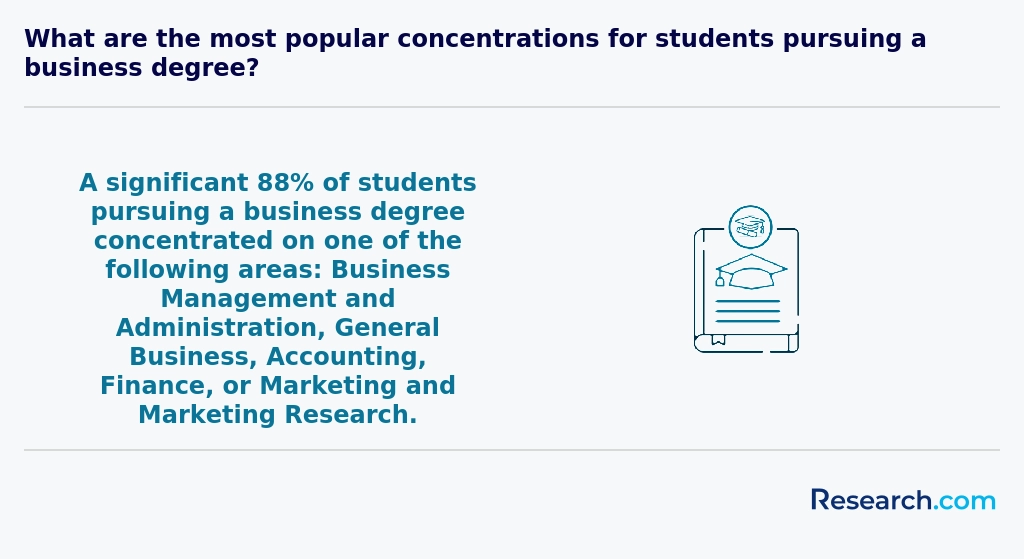
If you're thinking about a business degree in West Virginia, you'll find some pretty cool options to specialize in. Lots of students at popular schools like West Virginia University and Marshall University dive into specializations like accounting, finance, marketing, management, or entrepreneurship. These tracks aren't just buzzwords-they actually prep you with skills you'll use in real jobs. For example, grads who picked accounting say the hands-on tax and auditing lessons made landing their first job way smoother, especially since the state's demand for accountants is growing.
Other business degree specializations in West Virginia include Supply Chain Management, Human Resource Management, and International Business, each tailored to fit local and regional job markets. Graduates often share how focusing on management helped them confidently lead teams in healthcare or manufacturing firms right here in West Virginia.
Curious about the variety? If you want a quick boost or a fresh skill set, check out what are the best online business certificates to advance your careers, which many students combine with their degrees for extra edge.
How do you choose the best business degree in West Virginia?
Picking the best business degree in West Virginia comes down to a few key things that grads from West Virginia University and Marshall University swear by. Reputation and accreditation matter a lot; if the program is AACSB-accredited, like these schools' business degrees, you're probably getting solid teaching and a good curriculum. Many find peace of mind knowing their degree holds weight with employers locally and beyond.
Cost is another biggie. Lots of students love that affordable business degrees West Virginia options mean lower tuition than many places, but don't forget to factor in fees and living expenses. Graduates often mention how scholarships and work-study helped keep the financial stress low while focusing on their studies.
Focus on what you want to specialize in too. WV programs often offer tracks in energy management or healthcare administration that line up with the state's economy. Internships here are gold-they connect you with real jobs and industries that graduates say made job hunting less scary.
If you want to move fast, check out schools with quick mba degrees options too-they can be a game-changer for jumping into the business world.
What career paths are available for business degree students in West Virginia?
If you're thinking about a business degree career opportunities in West Virginia, you've got a lot of exciting directions to explore. Many grads from schools like West Virginia University find themselves diving into financial services, working as financial analysts or accountants in Charleston's growing financial scene. It's a rewarding path, especially with jobs expected to grow steadily over the next decade.
Others lean toward healthcare management, stepping into roles at hospitals or healthcare facilities where their business skills really make a difference. Imagine managing operations at a busy hospital in Morgantown, keeping everything running smoothly-graduates say it feels pretty fulfilling.
The state's manufacturing and energy sectors also offer solid job prospects. Business grads often snag jobs managing supply chains or logistics for coal or natural gas companies. And if you're feeling entrepreneurial, West Virginia's support for small businesses makes starting your own venture a real possibility.
For a broader look at options, some grads recommend checking out the Cheapest Online Business Degree Programs Ranking in Villanova, PA to see how affordable paths can lead to great careers. When considering West Virginia business degree job prospects, marketing, human resources, and sales roles round out the picture with plenty of openings across the state's diverse economy.
What is the job market for business degree in West Virginia?
If you're thinking about business degree job opportunities in West Virginia, you're in luck-graduates from local schools like West Virginia University or Marshall University often find steady work in fields like finance, healthcare management, and logistics across the state. Many grads land roles as financial analysts or business managers in places like Charleston or Morgantown, where employers really value strong skills in business analytics and financial management. From what graduates tell me, the transition into the workplace feels smoother here compared to bigger cities, mainly because the cost of education is way more affordable, typically between $10,000 and $25,000 per year at public colleges.
One popular story I hear is from grads who chose West Virginia for its balance of quality education and job prospects. They usually start with salaries in the $40,000 to $55,000 range, moving up to $70,000 or more as they gain experience. If you want to explore further, it's worth checking out programs like the easiest phd program in related fields, which help sharpen marketable skills.
For those curious about the West Virginia business degree employment outlook, the job market is pretty stable thanks to a diverse economy involving healthcare, energy, and finance. Employers look for folks with skills in budgeting, marketing, and supply chain management, so focusing on those can really pay off.
Frequently Asked Questions About business
Business degree students in West Virginia can maximize their learning experience by combining academic studies with practical opportunities. Internships at local companies provide hands-on experience essential for career readiness. West Virginia's economy, heavily influenced by industries like manufacturing, healthcare, and energy, offers diverse internship placements.
Engaging with organizations such as the West Virginia Chamber of Commerce or local business development centers helps students build professional networks. According to the West Virginia Higher Education Policy Commission, students who participate in experiential learning have higher employment rates post-graduation.
Additionally, students should make use of university resources like career services, workshops, and mentorship programs. Pursuing certifications related to business analytics or project management can also enhance skills valued by employers in the state's growing technology and logistics sectors.
Emerging niches in the business field in West Virginia reflect broader national trends with local economic influences. Areas like data analytics, supply chain management, and sustainable business practices are gaining prominence as companies adapt to technological changes and environmental concerns.
According to the West Virginia Department of Commerce, the state's logistics and manufacturing sectors are expanding, increasing demand for experts skilled in supply chain optimization. Additionally, the rise of remote work has boosted interest in digital marketing and e-commerce specialties within business programs.
Environmental, social, and governance (ESG) roles are becoming vital as West Virginia industries seek sustainable development. Business students focusing on these niches may find strong career prospects in the state's evolving economy.
Graduates with a business degree in West Virginia should focus on enhancing both technical and soft skills to prepare for the competitive job market. Networking is crucial; joining local organizations such as the West Virginia Chamber of Commerce helps build valuable connections. Internships and cooperative education programs offered by state universities provide practical experience and increase employability. According to the Bureau of Labor Statistics, West Virginia's top business sectors include healthcare administration, finance, and manufacturing, highlighting areas of opportunity.
Developing proficiency in data analysis and digital marketing can distinguish candidates. Additionally, career services at West Virginia universities often provide resume workshops, interview preparation, and job fairs tailored to business graduates. Staying informed about regional economic trends improves job-seeking strategies and aligns skills with employer needs.
Employers in West Virginia highly value business degree graduates who demonstrate strong communication and analytical skills. According to the West Virginia Department of Commerce, effective problem-solving and critical thinking are essential for success in the state's evolving economy. Additionally, proficiency in data analysis and financial literacy is increasingly important, reflecting the nationwide trend toward data-driven decision-making.
The state's key industries, including energy, healthcare, and manufacturing, demand graduates who can adapt to technological tools and collaborate across diverse teams. Moreover, leadership and project management abilities are frequently sought after, especially as many West Virginia companies emphasize innovation and operational efficiency.
Finding internships in West Virginia relevant to a business degree involves leveraging multiple local resources. Many universities in West Virginia, such as West Virginia University and Marshall University, offer dedicated career services that connect students with internship opportunities in finance, marketing, and management sectors.
Students should explore partnerships these institutions maintain with regional companies, where sectors like energy, healthcare, and manufacturing often seek business interns. According to the West Virginia Department of Commerce, the state's economy includes growing small and medium-sized enterprises that frequently offer internships.
Online platforms like Handshake and Indeed also list internships by location and field, making it easier to find openings within West Virginia's business community. Networking through local business organizations, such as chambers of commerce or professional business associations, can provide additional leads and mentorship opportunities.
In West Virginia, earning a business degree significantly enhances career mobility and advancement opportunities. According to the West Virginia Department of Commerce, business graduates often find roles across diverse sectors, including finance, healthcare, and manufacturing, with the state's median salary for business professionals around $62,000 annually. A degree provides foundational skills in management, leadership, and communication, valued by local employers such as Appalachian Power Company and Mylan Pharmaceuticals.
Employers increasingly prefer candidates with formal education, which correlates with higher promotion rates. The Higher Education Policy Commission reports that business degree holders in West Virginia experience a 15% faster career progression compared to non-degree holders. This degree also enables entry into competitive graduate programs that foster further advancement.
Studying for a business degree in West Virginia offers students a solid foundation in core business principles while emphasizing interdisciplinary skills. Many West Virginia colleges integrate courses from economics, information technology, and communication, preparing graduates to work across multiple fields. For example, the West Virginia Higher Education Policy Commission highlights growing demand for professionals who can blend business acumen with data analysis and digital tools.
Additionally, West Virginia's evolving industries-such as energy, healthcare, and manufacturing-require managers who understand diverse perspectives. Business programs often encourage internships and collaborations that cross traditional departmental lines, enhancing adaptability.
According to the U.S. Bureau of Labor Statistics, regional business sectors emphasize teamwork, critical thinking, and technology skills, which West Virginia's degree programs actively cultivate.
When choosing between a thesis and a non-thesis business degree program in West Virginia, consider your career goals and learning preferences. A thesis option emphasizes research, requiring students to develop original work under faculty supervision. This path suits those planning to pursue academia or research-intensive roles.
Non-thesis tracks typically focus on coursework and practical skills, ideal for immediate entry into West Virginia's business sector, which includes industries such as energy, healthcare, and manufacturing. According to the West Virginia Department of Commerce, professionals with applied business knowledge are in growing demand.
Programs at institutions like West Virginia University offer both options, allowing students to match their choice with career aspirations and time commitments.
Students based in West Virginia who seek to study business abroad have several pathways through their home institutions. Many West Virginia universities, including West Virginia University and Marshall University, offer exchange programs with partner schools in Europe, Asia, and Latin America. These programs allow students to earn credits abroad while gaining international business experience.
West Virginia students can also participate in global study tours or summer programs focused on business topics, often integrated within their degree requirements. Access to scholarships and grants supporting study abroad is growing, which helps offset costs.
According to the Institute of International Education's 2022 data, the percentage of West Virginia students studying abroad in business fields has steadily increased over recent years, reflecting a broader national trend toward global education in business.
West Virginia offers various part-time job opportunities that can enhance a business degree education. Many students find roles in local banks, financial services, and insurance companies, which are significant employers in the state. According to the West Virginia Higher Education Policy Commission, sectors like finance and management have shown steady growth, providing valuable work experience for business students.
Additionally, internships or assistant roles at small businesses and nonprofit organizations across cities such as Charleston and Morgantown offer practical exposure to marketing, operations, and project management. These experiences develop essential skills relevant to business careers.
Retail management and customer service positions also remain popular, helping students improve communication and leadership abilities while balancing studies. Leveraging part-time work related to accounting, sales, or business analysis can significantly boost resumes and professional networks in West Virginia's business community.
Business students in West Virginia benefit from diverse networking opportunities through their institutions and local industry connections. Universities like West Virginia University and Marshall University host career fairs, guest speaker events, and alumni gatherings specifically focused on business fields. These gatherings enable students to connect with regional employers from sectors such as energy, healthcare, and finance, which are key parts of West Virginia's economy according to the U.S. Bureau of Labor Statistics.
Additionally, student-run organizations such as the Business Student Association provide platforms for peer networking and professional development. The West Virginia Small Business Development Center also offers workshops and mentorship programs, fostering connections between students and local entrepreneurs. Such resources are valuable for creating relationships that support career advancement.
Alumni networks play a crucial role for business degree students in West Virginia by providing access to professional connections within the state's diverse economy. Graduates from West Virginia universities often remain engaged, offering mentorship and job leads in key industries such as energy, healthcare, and finance. According to the West Virginia Chamber of Commerce, these connections can increase internship and employment opportunities by up to 30% for students involved in active alumni groups.
Networking events and online platforms specifically tailored to West Virginia business programs help students build relationships with influential local business leaders. This support can be pivotal for career development and navigating the regional job market.
Customizing a business degree program in West Virginia allows students to align their education with specific career goals. Many universities offer elective courses in fields such as finance, marketing, management, and entrepreneurship. This flexibility enables students to build expertise in areas relevant to West Virginia's growing industries, including energy, healthcare, and technology.
Students can also choose concentrations or minors to deepen their knowledge in specialized subjects. Internships with local companies offer practical experience and networking opportunities, which are critical for job placement.
According to the West Virginia Department of Commerce, business services and professional sectors remain key employers, highlighting the value of tailored skills.
Business students in West Virginia often face multiple challenges during their studies. One significant issue is limited access to large-scale internship opportunities compared to more populous states, which can affect practical experience and networking. According to the West Virginia Department of Commerce, the state's smaller corporate sector results in fewer high-profile internships for students.
Additionally, many students encounter financial difficulties. West Virginia has a higher-than-average student loan debt per borrower, which can cause stress and distract from academic performance. The National Center for Education Statistics reports that the average debt for West Virginia graduates exceeds $30,000.
Moreover, rural locations where many universities are situated may limit students' exposure to diverse business environments. This geographical factor can challenge students looking to engage with broad industry sectors or startups.
A business degree from a West Virginia institution opens doors to various professional certifications that enhance career opportunities. One popular choice is the Certified Public Accountant (CPA), particularly for students focusing on accounting. West Virginia requires 150 credit hours and passing the Uniform CPA Exam to obtain licensure. For those interested in management, the Project Management Professional (PMP) certification is valuable, reflecting leadership skills sought by local employers.
The Certified Management Accountant (CMA) credential is also accessible and respected, especially in finance roles. According to the West Virginia Department of Commerce, demand for business professionals with certifications is growing, emphasizing the importance of such qualifications in the state's evolving economy.
Applying to a business program in West Virginia requires careful preparation to stand out. Start by researching schools like West Virginia University or Marshall University, which offer accredited business degrees recognized regionally. Highlight your academic achievements, relevant work experience, and leadership skills in your application. According to the U.S. Bureau of Labor Statistics, West Virginia's growing industries, such as energy and healthcare, value strong business fundamentals, so tailor your essays to reflect how a degree will help you contribute locally.
Be sure to request strong recommendation letters and meet all deadlines precisely. Including clear, concise career goals tied to West Virginia's economy can impress admissions committees.
A business career today is increasingly shaped by a global outlook. Employers in West Virginia and across the U.S. value graduates who understand international markets, diverse cultures, and global economic trends. According to the U.S. Bureau of Labor Statistics, global business knowledge enhances job prospects and salary potential.
West Virginia's growing industries, such as manufacturing and technology, benefit from international trade connections. Business graduates with global skills can help local companies compete worldwide. Research from the West Virginia Department of Commerce highlights export growth as a key economic driver, reinforcing the need for globally-minded professionals.
Studying business with a global emphasis also prepares students for careers in multinational corporations, government agencies, or non-profits focused on global issues. Understanding global perspectives improves critical thinking and adaptability in varied work environments.
Gaining practical experience while studying for a business degree in West Virginia can greatly enhance your job prospects. Many universities in the state offer cooperative education (co-op) programs and internships that allow students to work with local businesses throughout their studies. For example, West Virginia University's John Chambers College of Business and Economics connects students to internships in key industries such as energy, healthcare, and finance.
Additionally, students may engage in on-campus consulting projects and business clubs, providing hands-on leadership and problem-solving experience. According to the West Virginia Department of Commerce, the state hosts over 20,000 business establishments, offering diverse opportunities for real-world exposure.
When choosing a concentration within a business degree program in West Virginia, consider local economic trends and job opportunities. The state has a strong presence in healthcare, energy, and manufacturing industries, so concentrations like healthcare management, energy business, or supply chain management may align well with regional employers.
Review program offerings at West Virginia universities to see which specializations match your interests and career goals. According to the West Virginia Department of Commerce, sectors like healthcare are projected to grow by over 15% through 2028, indicating promising fields for graduates.
Additionally, consider internship and networking opportunities available in your chosen field. Connecting with West Virginia businesses during your studies can significantly enhance job prospects after graduation.
Finally, evaluate your personal skills and strengths to select a concentration where you can excel and find meaningful work in the state's economy.
Related Business Rankings for Nearby States
- 2027 Best Online Business Degree Programs Ranking in Virginia
- 2027 Best Online Business Degree Programs Ranking in Ohio
- 2027 Best Online Business Degree Programs Ranking in Pennsylvania
- 2027 Best Online Business Degree Programs Ranking in Maryland
- 2027 Best Online Business Degree Programs Ranking in North Carolina
- 2027 Best Online Business Degree Programs Ranking in Tennessee
- 2027 Best Online Business Degree Programs Ranking in Indiana
- 2027 Best Online Business Degree Programs Ranking in South Carolina
- 2027 Best Online Business Degree Programs Ranking in New Jersey
- 2027 Best Online Business Degree Programs Ranking in Michigan
Top Trending Business Rankings
See What Experts Have To Say About Studying Business
Read our interview with Business experts


David Souder
Business Expert
Senior Associate Dean for Faculty and Research
Michigan State University

Ingrid S. Greene
Business Expert
Clinical Assistant Professor of Management
Loyola Marymount University

References
- Business Administration - WVU Parkersburg https://www.wvup.edu/academics/programs/business-administration/
- WVU Potomac State College | Academics | Business Management (BAS) Online https://academics.potomacstatecollege.edu/majors/four-year-programs/business-management-online
- The Biggest Challenges for Business School Students | EU Business School https://www.euruni.edu/blog/the-biggest-challenges-for-business-school-students/
- West Virginia CPA requirements https://www.becker.com/cpa-review/west-virginia-cpa-requirements
- 55 Trending Business Ideas for 2025 and Beyond https://www.uschamber.com/co/start/business-ideas/top-trending-business-ideas
- West Virginia Invests Grant for Education - CFWV.com https://www.cfwv.com/financial-aid/wv-invests-grant/
- Is a thesis always mandatory in a master's degree program? - EFMU: The Euler-Franeker Memorial University and Institute https://euler.euclid.int/is-a-thesis-always-mandatory-in-masters-degree-program/
- Networking Tips for Business Students and MBA Candidates - Cyprus West University https://www.cwu.edu.tr/networking-tips-for-business-students-and-mba-candidates/
- 5+1: Five challenges facing business schools and one solution https://charteredabs.org/insights/opinion/51-five-challenges-facing-business-schools-and-one-solution
- Business Management - Eastern West Virginia Community and Technical College https://easternwv.edu/academics/business-management/


