
2027 Fastest Online Bachelor's in Business Degree Programs Ranking in the Midwest

Co-Founder and Chief Data Scientist
Are you considering earning a business degree online while living in the Midwest? Choosing the right program can be overwhelming, but our 2027 Fastest Online Bachelor's in Business Degree Programs Ranking in the Midwest is here to guide you. Created by the Research.com team of data scientists, this ranking helps you identify programs that offer quality education efficiently.
Reading this article can save you time and effort, helping you find a program that fits your goals and lifestyle. A business degree opens doors to exciting career opportunities and personal growth. Explore your options with confidence!
Key benefits of getting online business degree in the Midwest
- Business degree graduates in the Midwest can expect competitive salaries, such as Business Analysts earning around $112,950 annually and Business Development Executives making about $83,190 per year, showing strong financial rewards.
- Graduates from popular Midwestern universities often find diverse career paths in fields like business analysis, management, and development, offering flexibility and growth opportunities in various industries.
- Obtaining a business degree online from a respected Midwestern school provides convenience and the ability to balance work and study, allowing students to gain valuable skills without disrupting their current lifestyle.
- Key benefits of getting online business degree in the Midwest
- What can I expect from online business degree in the Midwest?
- Where can I work with online business degree in the Midwest?
- How much can I make with online business degree in the Midwest?
- 2027 Fastest Online Bachelor's in Business Degree Programs Ranking in the Midwest
- Key Findings
- How long does it take to complete online business degree in the Midwest?
- Tips for Success in Your Online Business Degree Journey
- What's the difference between online and on-campus business degree?
- Admission Requirements and Processes for Online Business Degree Programs in the Midwest
- What is the average cost of online business degree in the Midwest?
- Return on Investment: Balancing Affordability and Career Outcomes
- What financial aid is available to online business degree students in the Midwest?
- Student Support and Resources
- What are the prerequisites for enrolling in online business degree program in the Midwest?
- Accreditation and Program Quality Assurance
- What courses are typically in online business degree programs in the Midwest?
- What types of specializations are available in online business degree programs in the Midwest?
- How do you choose the best online business degree in the Midwest?
- What career paths are available for online business degree students in the Midwest?
- What is the job market for online business degree in the Midwest?
- Top Trending Business Rankings
- See What Experts Have To Say About Studying Business
What can I expect from online business degree in the Midwest?
The average cost of earning an online business degree in the Midwest tends to range between $15,000 and $35,000 for a full bachelor's program, depending on the institution and residency status. Graduates from well-regarded universities like those in Illinois or Ohio often mention that this investment felt balanced against the flexibility and career opportunities it offered. Many found the asynchronous structure allowed them to maintain jobs or family responsibilities while advancing their education without taking on excessive debt.
Students appreciate how Midwestern colleges often provide a practical curriculum tailored to the regional economy, which adds real value beyond just the price. For example, graduates highlight how courses linked to finance and manufacturing sectors helped them secure local positions in cities like Chicago or Columbus, where business hubs demand relevant skills. When budgeting for your degree, consider the accreditation and student support services, as these factors influence both cost and post-graduation success.
Ultimately, the cost reflects a balance between quality education and accessible, flexible learning that prepares students well for the Midwest's unique economic landscape.
Where can I work with online business degree in the Midwest?
Graduates with an online business degree from respected Midwestern institutions often find themselves stepping into diverse and thriving industries that align well with the region's economic strengths. For instance, many who studied through universities like Indiana University or the University of Illinois have moved into dynamic roles in management and finance within Chicago's bustling corporate environment, gaining confidence in their ability to contribute meaningfully to large organizations.
Others have embraced opportunities in healthcare administration, drawn by the expanding hospital networks and service providers scattered across the Midwest. These positions offer a rewarding balance between business savvy and community impact, an appealing scenario for those who value meaningful work alongside career growth.
Midwestern grads from schools such as Ohio State frequently highlight thriving careers in supply chain management and analytics, capitalizing on the region's strong manufacturing and distribution hubs. Their experiences reveal how hands-on projects and internships connect classroom lessons to real-world challenges, making each workday a chance to build valuable expertise.
Entrepreneurship also flourishes here, supported by accessible incubators and business centers. Graduates often describe the excitement of launching startups, fueled by the region's supportive networks, proving that an online business degree can open diverse and fulfilling paths close to home.
How much can I make with online business degree in the Midwest?
Graduates from online business programs in the Midwest often find themselves entering the workforce with strong salary prospects. For example, many business analysts based in cities near the University of Michigan or Ohio State University report average earnings around $112,950 annually, reflecting solid demand for analytical skills in these regional markets.
Similarly, those who step into roles as business development executives in areas like Chicago or Indianapolis typically earn about $83,190 per year. This figure highlights the value of networking and strategic thinking skills honed through courses commonly offered by well-known Midwest institutions such as the University of Illinois at Urbana-Champaign.
Graduates often share that the blend of practical coursework and real-world applications provided by their online degrees prepares them to negotiate competitive salaries, especially in urban centers where wages trend higher. These salary outcomes provide encouraging evidence that investing in a Midwest-based online business degree can translate to rewarding career earnings.
2027 Fastest Online Bachelor's in Business Degree Programs Ranking in the Midwest
How do we rank schools?
Investing in your education is a significant decision that can profoundly impact your career and future, and the Research.com team is fully aware of the importance of making well-informed choices. To support students seeking fast online bachelor's degrees in business in the Midwest, we have carefully developed the "2027 Fastest Online Bachelor's in Business Degree Programs Ranking in the Midwest." Our dedication to quality, credibility, and accuracy is demonstrated through rigorous research and comprehensive analysis carried out to produce this ranking.
We utilized the following reputable data sources to ensure a well-rounded and precise evaluation:
By consulting this ranking, readers will benefit from clear, trustworthy insights that facilitate selecting the fastest and most credible online business programs tailored to their needs. For more information about our evaluation process, please visit our Research.com methodology page.



# 9 position
Bethel University, Minnesota
Bachelor of Business Management



# 17 position
Central Michigan University
Bachelor of General Business Administration: Applied Communications


# 20 position
Academy College
Bachelor of Business Administration
Key Findings
- Online business degrees in the Midwest typically cost between $20,000 and $35,000 for the entire program.
- Starting salaries for business graduates in the region average $50,000 to $55,000 within one year of graduation.
- Salaries often increase to a median of $75,000 to $85,000 after five to ten years in the field.
- Employment for business and financial occupations in the Midwest is projected to grow 5% to 7% through the mid-2020s.
- High demand exists in areas like management, marketing, accounting, and human resources.
- Many Midwestern online business programs offer flexible scheduling and hold accreditation from bodies like the Higher Learning Commission or AACSB.
How long does it take to complete online business degree in the Midwest?
Completing an online business degree in the Midwest often ranges from two to four years, reflecting varied student experiences and program structures. Many graduates from schools like the University of Illinois share how transferring credits from prior study or relevant coursework cut their timeline in half, allowing completion in as little as two years. This accelerated path brings a sense of achievement and momentum for those eager to enter the workforce quickly.
Others appreciate the flexibility of trimester systems seen at institutions such as Ohio State University, enabling them to take more courses annually. Through shorter, intensive terms, these students find themselves finishing - sometimes within three years - while balancing work and family commitments. That balance often fosters a confident, manageable pace without sacrificing quality.
Additionally, part-time students embracing this route find value in extending their studies up to five or six years, appreciating the freedom it provides. Their positive reflections often highlight the program's adaptability to life's demands, making education accessible and personally rewarding across the Midwest.
Tips for Success in Your Online Business Degree Journey
Navigating an online business degree program requires more than just enrolling in courses-it calls for strategic planning and proactive engagement with the digital learning environment. To excel in your studies and balance professional and personal commitments, consider establishing a dedicated study space, setting clear goals, and adopting a consistent routine. Leverage time-management tools like calendars and task managers to organize coursework, virtual group projects, and exam preparations. Make sure to participate actively in online discussions and virtual networking events, as these interactions can open doors to internships and future job opportunities. Additionally, don’t hesitate to seek support from academic advisors and career services, which are integral to maximizing your online learning experience. For students weighing their educational pathways, understanding the value of their degree is key-if you're curious about the broader benefits of your educational choice, check out Is Business Administration a Good Major? for more insights. Engaging with alumni networks and industry professionals can also provide invaluable mentorship and practical advice, ultimately strengthening your career prospects in the competitive Midwest job market.
What's the difference between online and on-campus business degree?
The key difference between online and on-campus business degrees in the Midwest lies in how students engage with their education. Graduates from Indiana University often recall the energizing buzz of face-to-face group projects and networking events that build real connections. This hands-on experience is something on-campus programs uniquely offer through campus resources like career centers and in-person mentorship.
Meanwhile, alumni from the University of Illinois Urbana-Champaign who pursued online degrees appreciate the flexibility to study asynchronously, balancing jobs or family life without sacrificing quality. They share how attending virtual lectures from home allowed them to save on housing costs and eliminate commute stress-important factors when managing tight budgets common among Midwest students.
Both paths uphold strong regional accreditation, ensuring employers in Chicago's competitive market recognize the degree's value equally. Choosing between these formats often reflects individual priorities: the immersive community of campus life or the adaptable schedule and convenience of online learning.
Admission Requirements and Processes for Online Business Degree Programs in the Midwest
Admission to online business degree programs in the Midwest typically involves several steps and requirements, which may vary depending on the institution and the specific program. Generally, applicants need to submit their high school diploma or equivalent, standardized test scores such as the SAT or ACT, and transcripts showing a strong academic record, particularly in subjects like mathematics and English. Some programs may also require prerequisite coursework, such as algebra or economics, and application essays or letters of recommendation. Transfer students are usually required to have a minimum GPA, typically around 2.5 or higher, and may need to submit additional documents like course syllabi for evaluation. It's essential for prospective students to check the specific admission requirements for their chosen program, as these can differ significantly between institutions. Moreover, understanding the admission process timeline is crucial, including deadlines for application submissions, financial aid, and scholarship opportunities. Many universities offer online portals or advising services to guide applicants through the process, ensuring they meet all necessary criteria for a successful enrollment. Additionally, some programs may offer conditional admission or provisional acceptance based on certain conditions being met, such as completing specific coursework or achieving a particular GPA during the first semester. By carefully reviewing and complying with these requirements, aspiring business students can successfully navigate the admission process and embark on their academic journey in an online business degree program in the Midwest.
What is the average cost of online business degree in the Midwest?
The average cost of an online business degree in the Midwest typically centers around $50,560, with notable differences depending on residency status and institution type. Graduates from public universities, popular among Midwest students, often benefit from a more affordable in-state rate around $42,570, making these institutions appealing to those seeking Midwest affordable online business bachelor programs. It's common to hear from alumni that the financial investment felt manageable, especially when factoring in scholarships or employer tuition assistance programs that soften the burden.
On the other hand, students choosing private universities often face a higher price tag, sometimes exceeding $55,000, particularly for out-of-state enrollees who experience median total costs closer to $55,524. Many of these private institutions maintain rigorous standards, which graduates appreciate for the personalized attention and networking opportunities that come with them. Sharing these real-life experiences helps prospective students feel more confident about how much to expect when budgeting for their education.
It's important to reflect on individual circumstances, such as whether one qualifies for in-state tuition or accelerated programs, which can further influence pricing. For those considering if business fits their goals, exploring resources like Is Business Administration a Good Major? offers clarity on the journey ahead. Realistic financial planning combined with a clear understanding of costs across Midwest institutions can make pursuing a business degree online both viable and rewarding.
Return on Investment: Balancing Affordability and Career Outcomes
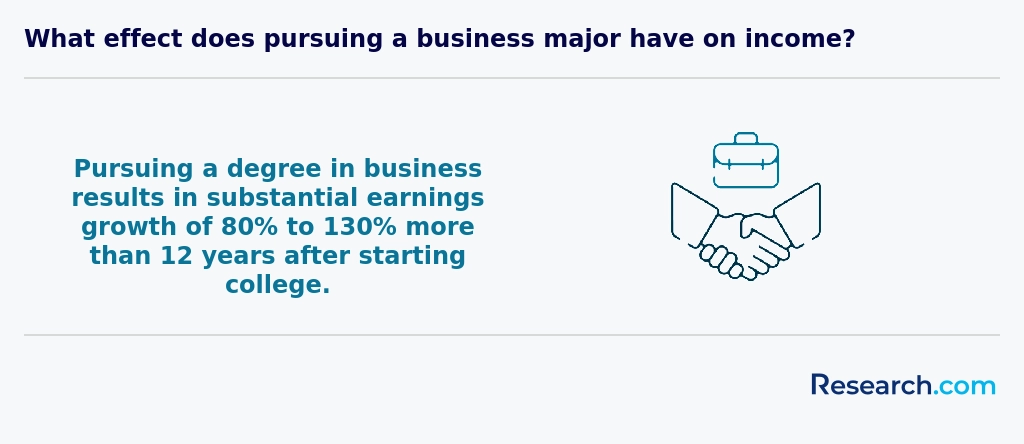
When evaluating the true value of an online business degree in the Midwest, it’s essential to consider both the upfront costs and the long-term financial gains. On average, graduates recoup their investment within five to seven years, thanks to median starting salaries ranging from $55,000 to $65,000 and annual growth rates of 5%–7%. By comparing total tuition expenses-including fees and materials-against projected earnings, prospective students can calculate a realistic payback period. Tools such as net present value (NPV) calculators help quantify the long-term benefit of earning a business bachelor’s degree versus entering the workforce immediately. Affordability plays a critical role in maximizing return on investment. Students should explore programs that deliver quality curricula at competitive rates, while also offering financial aid packages, payment plans, and employer tuition reimbursement. For those seeking even more budget-friendly options without sacrificing accreditation or outcomes, our Low Cost Online Business Degree Programs Ranking in Orlando, FL highlights top choices that merge affordability with accelerated graduation timelines. By aligning cost considerations with career goals-such as targeting roles in business analytics or project management that command median salaries above $80,000-students can ensure their degree yields both professional advancement and financial stability. Finally, it’s wise to factor in hidden expenses and potential savings. Online learners often save on commuting, housing, and campus fees, which can reduce total costs by up to 20%. Combined with scholarship opportunities and part-time work, these savings shorten the time needed to break even. Ultimately, a strategic approach to program selection-one that weighs tuition, completion speed, and employment outcomes-enables students to achieve the highest return on their educational investment.
What financial aid is available to online business degree students in the Midwest?
Financial aid for online business degrees in the Midwest often starts with federal support, which proved invaluable for many graduates from well-known institutions like the University of Illinois or Ohio State University. For instance, the Pell Grant, offering up to $7,395 annually, helped one recent graduate cover a large share of their tuition, easing the burden during their studies.
Student loans with low federal interest rates also played a key role, allowing others to focus on their coursework without immediate financial pressure, knowing repayment would begin after graduation. Work-study programs offered practical experience alongside steady income, complementing academic growth in institutions such as Michigan State University.
State-specific grants, like Illinois' MAP program, were often the deciding factor for residents choosing in-state online programs, making education accessible. Scholarships from universities and private foundations boosted morale by recognizing merit or need, while employer tuition reimbursement programs provided an unexpected but welcome relief, transforming once-daunting expenses into achievable goals.
Student Support and Resources
Midwestern online business students access a suite of services designed to keep you on track and connected.
- 24/7 technical support for seamless learning platform access
- Digital library access, including academic journals and business databases
- Personalized academic advising for course selection and degree planning
- Career services with resume reviews, interview prep and virtual job fairs
- Online networking events, discussion boards and peer mentoring groups
For insight into accelerated online degree pathways, see our best online construction management degree offerings.
What are the prerequisites for enrolling in online business degree program in the Midwest?
Enrolling in an online business degree in the Midwest requires meeting a thoughtful set of prerequisites that prepare students for success. Graduates from well-known Midwestern schools often share how having a high school diploma or equivalent was just the start; submitting official transcripts helped admissions teams understand their academic journeys clearly. Many found that maintaining a solid GPA, typically between 2.0 and 3.0, was essential, especially within competitive programs at universities renowned in the region.
In my experience speaking with alumni, standardized tests like the SAT or ACT are increasingly optional, which alleviates stress and broadens access. Yet, demonstrating English proficiency through TOEFL or IELTS scores remains important for non-native speakers at institutions such as those in Illinois or Ohio. Letters of recommendation or personal statements were frequently described as opportunities to showcase unique motivation and career goals beyond the numbers.
Financial readiness is another reality many appreciate, knowing costs vary but typically fall within a manageable range. Technical preparedness, such as reliable internet access and computer skills, is often the final but crucial step toward joining a Midwest online business cohort, ensuring smooth participation in virtual learning environments.

Accreditation and Program Quality Assurance
Ensuring that an online bachelor’s in business program holds proper accreditation is essential for educational rigor, credit transferability, and employer recognition. In the Midwest, most reputable institutions are regionally accredited by the Higher Learning Commission (HLC) and often hold specialized accreditation from bodies such as AACSB, ACBSP, or IACBE. Accreditation safeguards that curricula are regularly reviewed, faculty meet stringent qualifications, and learning outcomes align with industry standards. Key accreditation insights:
- Regional Accreditation: Look for HLC status to guarantee that credits transfer smoothly between institutions and that federal financial aid eligibility is maintained.
- Specialized Accreditation: Programs accredited by AACSB or ACBSP signal excellence in business education, with rigorous peer review of faculty research, student outcomes, and continuous improvement processes.
- Employer Confidence: Hiring managers often prefer graduates from accredited programs, knowing that coursework meets professional competencies and ethical standards.
- Continuous Monitoring: Accredited schools submit annual reports and periodic self-studies, ensuring curriculum remains current with emerging business trends, technology integration, and best practices. Students planning to advance their business education can also evaluate graduate options. For example, graduates seeking leadership roles can seamlessly transition into our best part time online mba programs, which maintain high accreditation standards and offer flexible schedules designed for working professionals. By prioritizing accreditation and quality assurance, prospective students in the Midwest can confidently select an online business degree program that delivers measurable ROI, industry-relevant skills, and a solid foundation for lifelong career growth.
What courses are typically in online business degree programs in the Midwest?
Graduates from popular Midwestern universities often recall how essential foundational courses like accounting, finance, marketing, and management shaped their understanding of real business operations. For example, mastering accounting helped them confidently interpret financial statements during internships at regional firms, while finance classes allowed insightful participation in budgeting discussions at local startups.
Many also highlight the value of business law and ethics courses, which brought clarity to navigating regulatory challenges in Midwest industries, particularly manufacturing and logistics sectors. One graduate from a well-known college shared how studying business communication refined their ability to lead team meetings effectively, a skill that proved invaluable in their supply chain management role.
Courses in information systems and data analytics are increasingly pivotal, especially at institutions emphasizing technology's role in business. These lessons empowered students to use digital tools to analyze market trends and make strategic decisions relevant to Midwestern economies.
Electives in entrepreneurship and international business offer exciting opportunities to tailor studies, reflecting the region's diverse economic landscape while fueling enthusiasm for innovative career paths.
What types of specializations are available in online business degree programs in the Midwest?
Online business degree specializations Midwest programs frequently offer include marketing, finance, human resources, supply chain management, and entrepreneurship. Graduates from renowned Midwest colleges often reflect on how deeply these concentrations shaped their career paths. For instance, marketing students at popular universities learn digital marketing and brand management through projects tied to the region's growing e-commerce sector, making theoretical concepts tangible.
Many students have found finance specialization rewarding, as it prepares them for roles in investment analysis and corporate finance, aligning well with the Midwest's expanding financial analyst demand. Human resources tracks also stand out, given the manufacturing-heavy states where managing diverse workforces and labor compliance are crucial. These are real environment examples fostering practical skills.
Supply chain management is a particularly valued option, mirroring Midwest transportation hubs like Chicago and Detroit. Graduates often recall internships providing firsthand logistics experience critical for regional industries. Entrepreneurship is another path buoyed by many state initiatives supporting local startups, appealing to creative minds eager to launch ventures.
Additional concentrations like business analytics and international business also flourish, bridging data-driven decisions and global trade knowledge. Students looking for flexibility may explore best part time online mba programs incorporating these options, making Midwest online business degree concentration options more accessible and versatile for diverse career goals.
How do you choose the best online business degree in the Midwest?
Choosing the best online business degree in the Midwest means weighing factors like accreditation, flexibility, and cost against your personal and professional life. Graduates from respected Midwestern universities share how AACSB accreditation ensured their education met rigorous standards, preparing them well for regional industries such as manufacturing and agriculture. Flexible online formats allowed these students to balance work and family without feeling overwhelmed, a vital aspect given the area's commitment to community and career stability.
Cost considerations also shape decisions. Many students find that public universities' in-state tuition rates make affordable online business bachelor's Midwest options more accessible, avoiding burdensome debt. They advise exploring scholarships and employer tuition assistance to ease expenses further. For those prioritizing value, the Low Cost Online Business Degree Programs Ranking in Orlando, FL highlights cost-effective paths that still deliver quality education.
Curriculum and career support are equally important. Graduates praise programs offering concentrations like supply chain management or entrepreneurship, which reflect the Midwest's economic strengths. Strong alumni networks and internship opportunities helped them secure meaningful roles locally, making the degree a worthwhile investment for growth and fulfillment.

What career paths are available for online business degree students in the Midwest?
Graduates with an online business degree in the Midwest often discover a range of fulfilling career paths tailored to the region's economic landscape. Many find themselves thriving as financial analysts in Chicago's dynamic banking sector or stepping into marketing manager roles within manufacturing hubs around Indianapolis. The practical experiences shared by graduates from well-regarded Midwest business schools highlight how a strong foundation prepares them to navigate diverse industries with confidence. These roles not only offer competitive salaries but also a sense of accomplishment in contributing to steady regional growth.
Others pursue careers as human resource specialists or operations managers, playing key roles in well-established corporations and the Midwest's robust supply chain networks. The versatility of a business degree allows graduates to adapt quickly, whether stepping into leadership positions or launching startups. Those inclined toward entrepreneurship often credit their education with providing the tools needed for success in fields ranging from retail to technology innovation.
For students balancing work and study, exploring fast degree college options for working adults offers practical pathways to career advancement. Choosing business programs in the Midwest helps ensure access to job opportunities attuned to local markets, making an online business degree careers Midwest prospect realistic and rewarding.
What is the job market for online business degree in the Midwest?
The job market for an online business degree in the Midwest offers a promising outlook shaped by the region's dynamic economy. Graduates from well-regarded institutions such as the University of Illinois or Ohio State University often share how their education opened doors in management, marketing, and financial analysis roles within local hubs like Chicago and Columbus. These cities' strong corporate presence creates steady demand for business professionals who combine theoretical knowledge with practical skills.
Many graduates appreciate the affordable tuition costs of Midwestern schools, which allows them to pursue their ambitions without overwhelming debt. The environment fosters growth in areas like logistics and supply chain management, reflecting the region's emphasis on transportation networks. For those balancing work and study, investing time in internships and certifications alongside a degree proves invaluable-particularly when paired with online certifications that pay well.
Ultimately, the Midwest career opportunities for business graduates online stem from a blend of strong foundational programs, access to diverse industries, and a supportive network that values both experience and education.
Frequently Asked Questions About business
Midwest students pursuing online business degrees can enhance their learning by actively engaging with their course materials and instructors. Utilizing virtual office hours and discussion boards helps build connections and clarify complex topics. Many Midwest universities integrate local business case studies, which offer practical insights tailored to the regional economy.
Networking through online student groups or regional business associations also boosts opportunities. According to the U.S. Bureau of Labor Statistics, nearly 30% of Midwest businesses are small enterprises, highlighting the value of gaining entrepreneurial skills relevant to this market.
Additionally, students should explore internships or remote projects with Midwest companies to apply theory in real-world settings. This hands-on experience is crucial for career readiness and professional growth.
Emerging niches within the business field reflect the changing economic landscape and technological advances, especially in the Midwest. One key area gaining momentum is supply chain management, driven by the region's strong manufacturing and logistics sectors. According to the U.S. Bureau of Labor Statistics, employment in supply chain roles is projected to grow 22% by 2030 in the Midwest.
Another notable niche is data analytics and business intelligence. Companies increasingly rely on data-driven decisions, creating demand for professionals skilled in interpreting complex business data. Midwestern universities are expanding online courses in these subjects to meet market needs.
Finally, entrepreneurship with a focus on sustainable business practices has grown, reflecting Midwest communities' increased investment in green technologies and social entrepreneurship. This trend is supported by local economic initiatives reported by the Midwest Economic Development Association.
Preparing for the job market after earning an online business degree in the Midwest involves strategic steps. Start by building a strong resume showcasing your skills, internships, and any relevant projects completed during your studies. Networking is crucial; leverage platforms like LinkedIn and join local business associations such as the Midwest Business Association.
According to the U.S. Bureau of Labor Statistics, business-related jobs in the Midwest are expected to grow by 5% through 2030, highlighting opportunities in finance, management, and marketing sectors. Gaining professional certifications like PMP or CPA can enhance your job prospects significantly.
Utilize your school's career services to access job fairs and interview preparation tailored to regional employers. Understanding regional industries like manufacturing, agriculture, and logistics can also inform your job search, aligning your skills with Midwest market demands.
Employers in the Midwest highly value communication and leadership skills in business degree graduates. According to the National Association of Colleges and Employers (NACE), over 80% of employers seek strong oral and written communication abilities. Additionally, analytical thinking is crucial, as many Midwestern companies rely on data-driven decision making to stay competitive.
The Midwest's diverse economy, including manufacturing, finance, and agriculture, demands adaptability and problem-solving skills. The U.S. Bureau of Labor Statistics highlights that employers increasingly prefer candidates proficient in digital tools like Excel and enterprise software. Collaboration and teamwork also remain top priorities, reflecting the region's focus on community-oriented business practices.
Finding internships in the Midwest relevant to a business degree requires strategic planning and resourcefulness. Start by exploring opportunities through your online program's career services, which often partner with regional companies. The Midwest, home to major business hubs like Chicago and Minneapolis, hosts a variety of industries including manufacturing, finance, and agriculture, offering diverse internship options.
Utilize platforms like Handshake and LinkedIn to connect with employers actively seeking interns in states such as Illinois, Ohio, and Michigan. According to the National Association of Colleges and Employers, internships in the Midwest grow annually by about 4%, reflecting expanding business needs.
Networking with local business organizations, such as chambers of commerce or economic development groups, can also uncover hidden internship prospects. Additionally, consider reaching out directly to companies known for strong internship programs like Cargill or General Motors, which maintain a presence in the region.
An online business degree significantly enhances career mobility and advancement opportunities across the Midwest. According to the U.S. Bureau of Labor Statistics, the region's expanding sectors-such as finance, healthcare management, and manufacturing-favor candidates with formal business education. Employers increasingly value the flexibility and self-discipline demonstrated by online graduates, who often balance studies with work. Graduates from accredited Midwestern programs can access higher salaries; the National Association of Colleges and Employers (NACE) reports business majors earn a median starting salary of around $58,000 nationally, with Midwestern industries offering competitive packages. Online degrees also open doors to leadership roles in regional firms adapting to digital transformations.
Studying for a business degree in the Midwest offers strong preparation for interdisciplinary roles by combining core business knowledge with practical skills in areas like technology, healthcare, and manufacturing-key industries in the region. Many programs emphasize collaboration across fields, reflecting the area's diverse economic landscape.
According to the U.S. Bureau of Labor Statistics, the Midwest's manufacturing and healthcare sectors account for over 30% of regional employment, encouraging business curricula to integrate cross-sector case studies and problem-solving.
Additionally, online degrees often provide flexible learning with courses in data analytics, management, and communication, helping students adapt to roles that span multiple disciplines.
This approach readies graduates to work effectively in teams and lead initiatives that require knowledge beyond traditional business functions.
Choosing between a thesis and a non-thesis business degree program in the Midwest depends on your career goals and learning preferences. Thesis programs typically require original research and are ideal for students interested in academic careers or advanced graduate study. Non-thesis programs focus on practical skills and coursework, appealing to professionals aiming for direct entry into the business workforce.
In the Midwest, many online programs offer flexibility catering to working adults. According to the National Center for Education Statistics, around 60% of business students prefer non-thesis tracks due to time constraints. Research-intensive schools, like those in the Big Ten Conference, often provide thesis options for rigorous academic training.
Consider your long-term plans and time availability when choosing between these paths.
Students based in the Midwest seeking to study business abroad often explore online programs offering international exposure. Many Midwestern universities partner with global institutions, allowing students to take specialized courses focusing on international business practices. For example, several accredited universities provide virtual study-abroad opportunities where students engage with global case studies and collaborate with peers worldwide.
According to the National Center for Education Statistics, about 15% of U.S. undergraduate business students participate in some form of global learning, including online options. Midwestern schools like the University of Illinois and Ohio State University have expanded their online business curricula to include global business concentrations.
These programs emphasize cross-cultural communication, international marketing, and global supply chain management, all essential for succeeding in today's interconnected markets. Students benefit by gaining international skills without leaving home, making online global business education a flexible option for the Midwest demographic.
Part-time jobs in the Midwest that align well with business degree studies often include roles in retail management, customer service, and administrative support. These positions develop crucial skills such as communication, problem-solving, and basic financial management. According to the U.S. Bureau of Labor Statistics, retail trade and office administration remain strong employers in the region, providing opportunities for students to apply business concepts in real-world settings.
Internships or assistant roles in local firms also offer valuable experience with Midwest companies adapting to digital business trends. Engaging in part-time bookkeeping or social media marketing can enhance understanding of business operations and analytics.
Online business students in the Midwest benefit from various networking opportunities despite remote learning. Many Midwestern universities offer access to virtual career fairs, alumni groups, and professional mentorship programs that connect students with local businesses. For example, the University of Illinois at Urbana-Champaign hosts annual online networking events tailored to business students.
Midwestern states have a strong presence of Fortune 500 companies, creating internships and job placement prospects. According to the Midwest Economic Development Association (MEDA), these connections help online students build professional networks crucial for career growth. Additionally, business organizations such as local Chambers of Commerce and the Midwest Business Network provide virtual meetups and webinars specifically supporting online learners.
Alumni networks offer significant advantages to online business degree students in the Midwest. These networks create connections with past graduates who understand the regional market, which is crucial for job placement and career growth. According to the Midwest Economic Development Institute, nearly 60% of business jobs in states like Illinois, Ohio, and Michigan are filled through referrals-highlighting the value of strong alumni ties.
These networks provide access to industry events, mentorship programs, and exclusive job boards tailored to the Midwest's diverse economy. Furthermore, students benefit from local business insights shared by alumni working in key sectors such as manufacturing, finance, and healthcare management. Strong alumni networks also foster lifelong professional relationships that extend beyond graduation, supporting ongoing career advancement.
Customizing an online business degree in the Midwest allows students to tailor their education to specific career goals. Many universities offer concentrations such as finance, marketing, entrepreneurship, or supply chain management, which align with regional economic strengths. For example, the Midwest's strong manufacturing and agricultural sectors provide opportunities to specialize in operations or agribusiness.
Students can also select electives that focus on emerging trends like data analytics or sustainable business practices. Internships and partnerships with local companies give practical experience, enhancing job readiness. According to the National Center for Education Statistics, over 60% of Midwestern business graduates find employment in industries relevant to their concentration within six months of graduation. This customization boosts career relevance and employability.
Online business students in the Midwest often face challenges related to balancing studies with work and family commitments. According to the National Center for Education Statistics, about 60% of online students are working adults, which can complicate scheduling and increase stress levels.
Another issue is the limited access to reliable high-speed internet in some rural areas, which affects a significant portion of Midwest residents. The Federal Communications Commission reports nearly 22% of rural Midwestern households lack broadband access, hindering smooth participation in virtual classes.
Additionally, students may encounter fewer in-person networking opportunities compared to traditional programs, impacting career connections. These factors contribute to the unique hurdles for Midwestern online business learners.
An online business degree from a Midwest institution opens the door to various professional certifications that can greatly enhance your career prospects. Popular certifications include the Certified Public Accountant (CPA), especially relevant for those focusing on accounting careers. The Midwest has a strong demand for CPAs, with states like Illinois and Michigan offering numerous opportunities in finance sectors.
Another widely recognized credential is the Project Management Professional (PMP), ideal for graduates interested in managing teams and processes. Businesses in the Midwest often value PMP certification due to the region's industrial and manufacturing base.
For marketing professionals, the Certified Marketing Professional (CMP) designation can validate skills learned during the degree. Many Midwest firms seek marketing experts familiar with digital tools and consumer analytics.
Lastly, Certified Business Analyst Professional (CBAP) is valuable for those pursuing business analysis roles. According to the U.S. Bureau of Labor Statistics, the Midwest's demand for analysts is expected to grow steadily through 2030.
Applying to an online business degree program in the Midwest requires clear, concise, and well-organized materials. Focus on demonstrating your motivation and career goals in the personal statement, emphasizing how a Midwest program aligns with your ambitions. Highlight any relevant work experience or leadership roles, as many Midwest schools value practical skills alongside academic performance.
Make sure your transcripts reflect a strong foundation in quantitative courses such as math or economics. According to the National Center for Education Statistics, Midwestern students often benefit from schools that prioritize business analytics and finance.
Request recommendation letters from supervisors or professors familiar with your abilities. Lastly, proofread all documents carefully and follow each school's specific application instructions to increase your chances of admission.
Global perspectives on a business career emphasize adaptability and cross-cultural competence. In the Midwest, online business degrees increasingly include international business modules to prepare students for a global market. According to the U.S. Bureau of Labor Statistics, demand for business professionals with global insight is projected to grow by 8% through 2031, highlighting the importance of international understanding.
Midwestern economies, such as Chicago and Minneapolis, are hubs for multinational corporations that value employees skilled in global trade and digital communication. Business students with global perspectives are better positioned to navigate diverse markets and supply chains.
Higher education institutions in the Midwest are responding by integrating global case studies and virtual international collaborations into their curricula. This prepares graduates to compete in a connected economy where knowledge of global finance, marketing, and regulations matters.
Gaining practical experience while studying for an online business degree in the Midwest is essential for career readiness. Many Midwestern universities partner with local companies to offer virtual internships, allowing students to apply classroom concepts in real-world settings.
Additionally, students can engage in project-based courses that simulate business challenges, enhancing problem-solving skills.
Networking opportunities are also available through regional business associations like the Midwest Business Alliance, providing access to mentors and industry events.
According to the National Association of Colleges and Employers, 65% of employers prefer candidates with internship experience, making these opportunities crucial for job placement after graduation.
Choosing the right concentration within an online business degree in the Midwest involves aligning your interests with regional economic trends. The Midwest is known for strong manufacturing, agriculture, and healthcare sectors, which influence demand for specializations like supply chain management, agribusiness, and healthcare administration.
Research labor market data from sources like the Bureau of Labor Statistics and regional economic reports to understand job growth and salary prospects. For example, supply chain roles in the Midwest are projected to grow faster than the national average, with median wages above $70,000 annually.
Consider your career goals and skills. Concentrations in finance, marketing, or entrepreneurship may suit graduates aiming for urban centers like Chicago or Minneapolis, hubs for corporate and startup activity. Additionally, verify that your chosen program offers accredited curriculum endorsed by organizations such as AACSB or ACBSP to ensure quality education.
Top Trending Business Rankings
See What Experts Have To Say About Studying Business
Read our interview with Business experts

David Souder
Business Expert
Senior Associate Dean for Faculty and Research
Michigan State University


David W. Stewart
Business Expert
Emeritus President's Professor of Marketing
Loyola Marymount University

References
- Great Colleges for Business in the Midwest https://www.collegexpress.com/interests/business/articles/schools-business/colleges-great-business-programs-midwest/
- Niche Business Ideas: A Guide to Profitable Niche Business Selection - Inar Learn https://inarlearn.com/niche-business-ideas-a-guide-to-profitable-niche-business-selection/
- Is a thesis always mandatory in a master's degree program? - EFMU: The Euler-Franeker Memorial University and Institute https://euler.euclid.int/is-a-thesis-always-mandatory-in-masters-degree-program/
- Best Online Business Schools in the Midwest (MBA) https://www.bschools.org/locations/midwest
- The Seven Biggest Challenges Faced by Student Entrepreneurs https://venturewell.org/blog/five-biggest-challenges/
- 55 Trending Business Ideas for 2025 and Beyond https://www.uschamber.com/co/start/business-ideas/top-trending-business-ideas
- Part-Time Students: 9 Things You Need to Know – EU Business School https://www.euruni.edu/blog/part-time-students-9-things-you-need-to-know/
- FAFSA Approved Medical Programs | Midwest Institute MO https://www.midwestinstitute.edu/financial-aid/
- Networking Tips for Business Students and MBA Candidates - Cyprus West University https://www.cwu.edu.tr/networking-tips-for-business-students-and-mba-candidates/
- Online and Traditional Business Degrees Comparison | Free Essay Example https://studycorgi.com/online-and-traditional-business-degrees-comparison/


