
2027 Fastest Online Master's in Business Degree Programs Ranking in Minnesota

Co-Founder and Chief Data Scientist
If you're in Minnesota and considering advancing your career, choosing the right online master's in business program is key. This article presents the 2027 Fastest Online Master's in Business Degree Programs Ranking in Minnesota, created by the Research.com team of data scientists to help guide your decision.
By exploring these top programs, you'll gain insights into options that combine quality and efficiency. Earning a business degree can open doors to new opportunities and growth. We're here to support your journey with clear, reliable information tailored just for you.
Key benefits of getting online business degree in Minnesota
- Business degree graduates in Minnesota can earn competitive salaries, such as a Product Manager making around $166,410 annually or an Operations Manager earning about $129,330, showing strong financial rewards for their skills.
- Career paths include roles like Management Consultant, Supply Chain Analyst, and Business Intelligence Analyst, offering diverse opportunities for growth and success after graduating from popular Minnesota colleges.
- Online business degrees provide flexibility and convenience, allowing graduates to balance work and study effectively, as seen with many students from well-known Minnesota universities who thrive without disrupting their careers.
- Key benefits of getting online business degree in Minnesota
- What can I expect from online business degree in Minnesota?
- Where can I work with online business degree in Minnesota?
- How much can I make with online business degree in Minnesota?
- 2027 Fastest Online Master's in Business Degree Programs Ranking in Minnesota
- Key Findings
- How long does it take to complete online business degree in Minnesota?
- Accreditation and Quality Assurance for Online Business Programs in Minnesota
- What's the difference between online and on-campus business degree?
- How to Accelerate Your Online Business Master’s
- What is the average cost of online business degree in Minnesota?
- Pursuing an Affordable Online Business Degree in Minnesota
- What financial aid is available to online business degree students in Minnesota?
- Accreditation and Faculty Expertise
- What are the prerequisites for enrolling in online business degree program in Minnesota?
- Industry Trends and Future Outlook for Online Business Graduates in Minnesota
- What courses are typically in online business degree programs in Minnesota?
- What types of specializations are available in online business degree programs in Minnesota?
- How do you choose the best online business degree in Minnesota?
- What career paths are available for online business degree students in Minnesota?
- What is the job market for online business degree in Minnesota?
- Related Business Rankings for Nearby States
- Top Trending Business Rankings
- See What Experts Have To Say About Studying Business
What can I expect from online business degree in Minnesota?
The average cost of an online business degree in Minnesota typically ranges from $15,000 to $30,000 for a bachelor's program, depending on the institution and format. Graduates from well-known schools such as the University of Minnesota or St. Cloud State University often highlight the affordability combined with quality education as a key benefit. They describe balancing work and study without overwhelming financial strain, which enhances their overall academic experience.
Many Minnesota colleges offer competitive tuition rates for online learners, often lower than on-campus counterparts due to reduced facility fees. Scholarships and financial aid opportunities further ease the expense, making the pursuit of a business degree accessible and appealing for working professionals and recent high school graduates alike.
Students recount how the reasonable investment in their education leads to valuable career growth, underscoring the practical return on cost. Since business programs emphasize applied skills and networking within Minnesota's diverse economy, graduates feel well-prepared for roles across finance, marketing, and entrepreneurship, confident their education aligns cost and career rewards effectively.
Where can I work with online business degree in Minnesota?
Graduates with an online business degree in Minnesota frequently find rewarding careers across varied sectors such as finance, healthcare, retail, and technology. Those who studied at institutions like the University of Minnesota or St. Cloud State University often secure roles in management, marketing, or financial analysis at well-known regional companies like Target and Best Buy. These corporate environments value the practical business skills and leadership qualities that online programs emphasize.
Many alumni also thrive in the public sector, working in state or local government as budget analysts or economic planners. Others contribute to nonprofit organizations, gaining satisfaction from leading fundraising efforts or program management. For example, graduates from business programs at Metropolitan State University report fulfilling careers in administrative roles within Minnesota's healthcare industry, a sector employing a significant portion of the workforce.
The entrepreneurial path is another common choice, with small businesses and startups benefiting from the strategic knowledge these graduates bring. The combination of academic rigor and real-world application fosters confidence and adaptability, empowering graduates to navigate Minnesota's diverse economic landscape effectively.
How much can I make with online business degree in Minnesota?
Graduates with an online business degree in Minnesota can anticipate rewarding salaries that reflect the state's dynamic economy and diverse job market. Entry-level business professionals often start earning between $50,000 and $60,000 annually, depending on their chosen specialization and employer. For example, those pursuing careers as business intelligence analysts can expect an average annual wage of about $83,190, according to recent BLS data.
More experienced professionals benefit significantly from advanced education, such as an online MBA from institutions like the University of Minnesota's Carlson School of Management. Graduates advancing into roles such as management consultants often see mean annual wages around $115,530, while operations managers in Minnesota earn on average $129,330 per year.
Product managers command some of the highest salaries, with mean annual earnings of $166,410, reflecting Minnesota's robust business sectors in technology and logistics. Supply chain analysts also enjoy strong salaries, averaging $115,530, highlighting the demand for specialized skills.
These figures underscore the tangible financial advantages for graduates of Minnesota's reputable online business programs, reaffirming the value of pursuing business degrees in this state.
2027 Fastest Online Master's in Business Degree Programs Ranking in Minnesota
How do we rank schools?
Investing in your education is a significant decision that can shape your future, and the Research.com team understands the importance of making informed choices. To assist prospective students in Minnesota, we have meticulously crafted the "2027 Fastest Online Master's in Business Degree Programs Ranking in Minnesota." Our commitment to quality, credibility, and accuracy is reflected in the extensive research and analysis conducted to compile this ranking.
We utilized the following reputable data sources to ensure a comprehensive evaluation of business degree programs:
By exploring this ranking, readers will gain valuable insights into the fastest online master's business degree programs available in Minnesota, helping them make informed decisions about their educational paths. For more details on our methodology, please visit our Research.com methodology page.
# 1 position
Bethel University, Minnesota
Master of Business Administration



# 5 position
Walden University
Master of Business Administration

Key Findings
- Online business degrees in Minnesota cover key areas such as management, finance, marketing, and entrepreneurship, with many programs being fully online.
- The cost for a bachelor's online business degree ranges from $15,000 to $35,000, while graduate degrees like an online MBA range from $25,000 to $60,000.
- Starting salaries for business degree holders average around $52,000 annually, increasing to about $85,000 for mid-career professionals.
- Job demand is strong in sectors such as finance, healthcare administration, retail management, and technology in the Minneapolis-St. Paul area.
- Programs often emphasize practical skills like data analytics, digital marketing, and supply chain management to match job market trends.
How long does it take to complete online business degree in Minnesota?
Completing an online business degree in Minnesota varies by degree level and student circumstances. For example, graduates from well-known institutions like the University of Minnesota's Carlson School of Management often finish a bachelor's degree in about four years when enrolled full-time, aligning with the typical requirement of 120 credit hours. Part-time students or those balancing work might take longer but appreciate the flexibility to tailor their pace.
Online associate degrees, commonly offered through community colleges such as Minneapolis College, usually take around two years full-time. Many students find this schedule manageable while working or managing family commitments.
Graduate programs, notably online MBAs provided by schools like St. Thomas University, offer a broader range of completion times-from 18 months to three years-depending on course load and program design. This flexibility enables professionals to accelerate their studies or extend them based on career demands.
Across Minnesota, students value how online business degrees accommodate real-life responsibilities without sacrificing quality, making the journey both achievable and rewarding.
Accreditation and Quality Assurance for Online Business Programs in Minnesota
Accreditation serves as a hallmark of academic rigor and institutional integrity, assuring students and employers alike that an online business degree meets established standards of excellence. In Minnesota, prospective students should look for both regional accreditation-typically granted by the Higher Learning Commission (HLC)-and specialized programmatic accreditation from bodies such as AACSB (Association to Advance Collegiate Schools of Business), ACBSP (Accreditation Council for Business Schools and Programs), or IACBE (International Accreditation Council for Business Education). Regional accreditation ensures that credits are transferable among institutions, which is vital if you plan to pursue further education or relocate. Programmatic accreditation, on the other hand, focuses on curriculum relevance, faculty qualifications, and continuous improvement processes specific to business disciplines. Employers often give preference to graduates from AACSB- or ACBSP-accredited programs, as these designations indicate adherence to best practices in business education. When evaluating affordability alongside accreditation status, consider reviewing our Inexpensive Online Business Degree Programs Ranking in Minnesota, which highlights accredited programs that balance cost and quality. Verification of accreditation can be done via the U.S. Department of Education’s Database of Accredited Postsecondary Institutions and Programs (DAPIP) or the Council for Higher Education Accreditation (CHEA) database. By prioritizing accredited programs, students safeguard their eligibility for federal financial aid, ensure greater flexibility in credit transfer, and enhance long-term career prospects in Minnesota’s competitive business landscape.
What's the difference between online and on-campus business degree?
Online and on-campus business degree programs in Minnesota differ primarily in their mode of delivery and flexibility, though they lead to the same qualifications. Graduates from the University of Minnesota's Carlson School of Management often recall the tangible value of face-to-face interactions, where in-person networking and campus resources like career centers and internships played a crucial role in their career development.
Conversely, business students from institutions such as Bemidji State University appreciate online programs for their adaptability, allowing them to balance work and family while progressing at their own pace. Many online learners express satisfaction with accessing diverse coursework beyond Minnesota's borders, which enhances their educational experience.
Tuition costs generally align between formats; however, online students benefit from savings on commuting and housing, easing financial burdens. Both pathways maintain rigorous academic standards, but experiential aspects differ-on-campus programs offer immediate community engagement, while online programs empower students through convenience and self-directed scheduling.
How to Accelerate Your Online Business Master’s
Speed up your degree completion by combining strategic credit planning with flexible enrollment options.
- Transfer eligible credits from undergraduate or previous graduate coursework to reduce credit requirements.
- Enroll in trimester or quarter systems to take courses year-round, including summer and winter sessions.
- Choose accelerated formats (6–8 week courses) to maintain steady progress without long breaks.
- Take a full credit load each term-within program limits-to finish in 12–18 months.
- Leverage portfolio assessments or prerequisite waivers when applicable to bypass foundational courses.
To explore other fast-track online options, see the 2-year construction management degree online.
What is the average cost of online business degree in Minnesota?
The average cost of an online business degree in Minnesota varies depending on the type of institution and residency status. For many students, the total tuition and fees for Minnesota online business programs reflect a middle ground between public and private options, with median costs around $27,750. Graduates from public universities in Minnesota often recall how in-state tuition offered them significant savings, creating a more attainable path to earning their degree without excessive debt. These experiences highlight how regional education pricing plays a crucial role in planning one's financial future while pursuing a business education.
Private colleges, on the other hand, typically charge higher tuition, but many students find their investment worthwhile due to the personalized support and expansive alumni networks they access. Alumni from renowned institutions such as the Carlson School of Management emphasize the value of quality and reputation alongside tuition costs. Many online learners appreciate flexible scheduling options that allow them to balance coursework with career and family commitments while managing educational expenses effectively.
Students intending to explore affordable educational routes often compare costs through resources like the most affordable business schools in Minnesota. These resources provide detailed tuition information helping prospective students align their academic goals with realistic budgeting. Understanding the average cost of online business degrees in Minnesota enables informed decisions, permitting future professionals to pursue their ambitions confidently while appreciating the financial commitments involved.

Pursuing an Affordable Online Business Degree in Minnesota
To pursue an affordable online business degree in Minnesota, students should consider factors such as tuition costs, financial aid opportunities, and the potential return on investment. One crucial step is researching institutions that offer most affordable business schools in Minnesota, which can provide a high-quality education at a lower cost. By exploring these options, students can make informed decisions about their educational investments, balancing affordability with the potential for long-term career success and financial stability. Additionally, understanding the job market and career paths available to graduates can help students choose a program that aligns with their professional goals, ultimately leading to a fulfilling and lucrative career in the business sector.
What financial aid is available to online business degree students in Minnesota?
Students pursuing online business degrees in Minnesota benefit from a variety of financial aid options tailored to fit their unique needs. Many graduates from the University of Minnesota report leveraging federal student aid, including Direct Unsubsidized Loans and Grad PLUS Loans, to cover tuition costs with manageable repayment plans.
Minnesota's State Grant program further supports eligible residents, often assisting students enrolled at public universities offering online business programs. For example, some students find these grants instrumental in reducing their financial burden, especially when combined with institutional scholarships or teaching assistantships that waive portions of tuition in exchange for research or mentoring roles.
Graduates often share positive experiences with employer tuition reimbursement programs, where working professionals receive support for advancing their degrees while maintaining their careers. Private scholarships from local organizations like the Minneapolis Foundation also play a significant role, providing crucial aid through competitive applications.
These layered financial resources create a realistic pathway for many Minnesotans to pursue advanced business education online without overwhelming debt.
Accreditation and Faculty Expertise
Accreditation is a critical factor when evaluating online master’s in business degree programs in Minnesota. The highest standard is AACSB accreditation, which fewer than 5% of global business schools hold, ensuring rigorous academic quality and industry relevance. Prospective students should verify whether their chosen institution is accredited by AACSB, ACBSP, or IACBE to guarantee that credits transfer easily and employers recognize the credential. Faculty expertise directly impacts the learning experience and career readiness of online learners. Leading Minnesota programs staff seasoned professors with doctoral qualifications and real-world business backgrounds. For example, faculty at the University of Minnesota boast published research in top journals and partnerships with local corporations, offering students access to cutting-edge case studies and consulting projects. Beyond accreditation and scholarly credentials, top programs invest in dedicated support services. Academic advisors, career coaches, and technology help desks collaborate to guide students from enrollment through graduation. Regular virtual office hours and robust alumni networks enable networking and mentorship, which enhance job placement rates post-graduation. When comparing options, consider specialized tracks taught by industry veterans, such as supply chain management or digital marketing. Programs that advertise flexible delivery often highlight their mba program for working professionals, designed with evening seminars and accelerated modules, ensuring you receive both academic rigor and practical insights without sacrificing your career growth.
What are the prerequisites for enrolling in online business degree program in Minnesota?
To enroll in an online business degree program in Minnesota, applicants must meet specific academic and professional prerequisites tailored to both undergraduate and graduate levels. For undergraduate programs, a high school diploma or equivalent is essential, along with a minimum GPA typically ranging from 2.5 to 3.0. Many Minnesota schools, including well-regarded institutions like the University of Minnesota and Minnesota State University, often adopt test-optional policies, relieving some pressure around SAT or ACT scores.
Graduate programs such as online MBAs require a relevant bachelor's degree with a minimum GPA of about 3.0. Graduates from diverse academic backgrounds who bring two to three years of professional experience are highly valued, as seen in the experiences of recent alumni from Carlson School of Management. Letters of recommendation and personal statements play a crucial role in showcasing leadership qualities and motivation.
International students must demonstrate English proficiency through TOEFL or IELTS scores, ensuring success in Minnesota's rigorous academic settings. These prerequisites reflect a blend of achievement and practical insight that has helped many students thrive and advance their careers.
Industry Trends and Future Outlook for Online Business Graduates in Minnesota
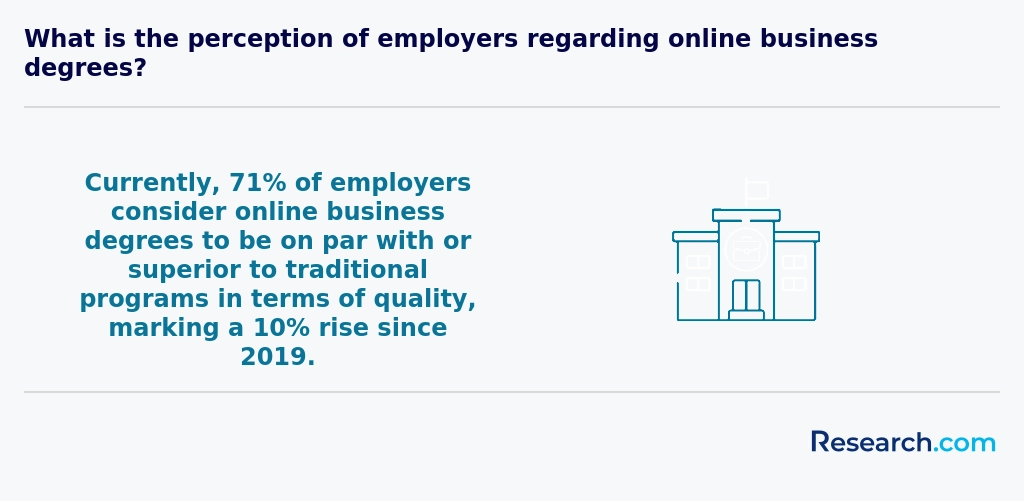
The business landscape is evolving rapidly with the surge in digital transformation, remote work, and sustainability initiatives. As technology continues to reshape industries, online business programs in Minnesota are not only adapting to current demands but also preparing graduates for future challenges. Prospective students can expect curricula that increasingly emphasize emerging topics such as data analytics, digital marketing, and agile project management alongside traditional business fundamentals. This forward-thinking approach ensures that graduates are well-equipped to meet the dynamic needs of modern companies and make strategic decisions in an ever-changing economic environment. Moreover, staying abreast of industry trends can provide a competitive edge. In today’s marketplace, graduates who continuously enhance their skill sets tend to secure more advanced roles and greater earning potential. For example, professionals who actively monitor market developments are better positioned to explore exciting opportunities like business administration jobs that require innovative problem-solving and digital proficiency. By integrating industry trends into their learning journey, online business degree programs in Minnesota not only enhance academic rigor but also offer a roadmap for long-term career growth. This proactive approach encourages students to view education as a lifelong endeavor, aligning academic achievements with evolving professional landscapes.
What courses are typically in online business degree programs in Minnesota?
Online business degree programs in Minnesota typically include a comprehensive set of core courses that equip students with a solid foundation in essential business disciplines. Graduates from well-known institutions such as the University of Minnesota and St. Cloud State University often highlight courses like Financial Accounting and Managerial Accounting, which enable them to confidently interpret financial statements and manage budgets in real-world business environments.
Marketing Principles classes provide practical insights on consumer behavior and promotional strategies, helping students design effective campaigns. Courses in Organizational Behavior immerse students in understanding workplace dynamics, often reflecting scenarios they will encounter in Minnesota's diverse corporate sectors.
Additionally, Business Law introduces legal frameworks critical for navigating regulatory challenges, while Operations Management focuses on optimizing production processes, skills highly valued in Minnesota's manufacturing and logistics industries. Finance Fundamentals and Strategic Management further prepare students to make informed decisions and lead enterprises successfully.
Many students appreciate the inclusion of Economics, where micro and macroeconomic theories are tied to Minnesota's actual market forces, making the learning experience vivid and directly applicable to their future careers.
What types of specializations are available in online business degree programs in Minnesota?
Students pursuing an online business degree in Minnesota typically choose from a range of specializations that align with the state's economic strengths and career opportunities. Common concentrations include Finance, Marketing, Management, Data Analytics, and Healthcare Management. For instance, Finance focuses on investment strategies and corporate finance, benefiting from Minnesota's strong financial sector with firms like U.S. Bancorp. Marketing specializations emphasize digital campaigns and consumer behavior, crucial skills as e-commerce continues to grow.
Graduates from universities such as the University of Minnesota often share how Management studies, covering leadership and project management, helped them secure roles within Minnesota's thriving small business environment. Data Analytics programs attract students aiming to work with big data at prominent companies like Target Corporation. Healthcare Management is another key area, leveraging Minnesota's status as a healthcare hub with institutions like the Mayo Clinic.
Those researching the best Minnesota business degree concentrations online appreciate programs that combine academic rigor with practical experience, often through internships. Many students find that these specializations open doors to business administration jobs tailored to Minnesota's diverse market.
How do you choose the best online business degree in Minnesota?
Choosing the best online business degree in Minnesota involves prioritizing accredited programs, especially those with AACSB accreditation, which employers highly respect. Graduates from institutions like the University of Minnesota often emphasize how this recognition helped open doors in competitive local industries such as healthcare and finance. Cost considerations are also critical; while the average in-state tuition hovers around $13,000, online options can vary significantly, so seeking affordable online MBA Minnesota programs with transparent fees is essential to balance investment and value.
Flexibility is paramount for working students; many appreciate programs offering asynchronous courses that accommodate busy schedules without compromising academic rigor. Minnesota State system schools often excel here, providing robust online student services that support success. Selecting a curriculum aligned with Minnesota's dominant sectors-such as supply chain management or healthcare administration-increases job prospects. Furthermore, schools with strong business partnerships and internship opportunities enrich learning through real-world experience. Students aiming to advance their career should explore an mba program for working professionals tailored to these practical needs and regional economic strengths.

What career paths are available for online business degree students in Minnesota?
Graduates with an online business degree in Minnesota pursue diverse career paths that reflect the state's strong and varied economy. Common roles include financial analysts who contribute to Minnesota's expanding banking sector, marketing managers driving campaigns for companies like 3M and General Mills, and human resources managers supporting staffing in nonprofits and corporations around the Twin Cities. Operations managers play a critical role overseeing activities in manufacturing and logistics, while business consultants provide strategic advice across multiple industries.
Many graduates from universities known for robust business programs in Minnesota confidently enter these fields, leveraging practical skills developed through real-world projects. The range of opportunities and growing job markets align well with the expectations of students seeking online business degree careers Minnesota offers. For those concerned about affordability, programs in the state often provide competitive tuition; prospective students can explore Inexpensive Online Business Degree Programs Ranking in Minnesota for guidance on cost-effective options.
These career paths offer rewarding prospects, combining steady employment growth with the chance to make meaningful contributions to Minnesota's evolving business landscape.
What is the job market for online business degree in Minnesota?
The job market for online business degree holders in Minnesota is robust, driven by the state's diverse economy that spans healthcare, finance, manufacturing, and technology sectors. Graduates from institutions such as the University of Minnesota's Carlson School of Management and Minnesota State University frequently secure positions as marketing coordinators, financial managers, and business analysts, reflecting strong demand. This positive trend in the business career opportunities Minnesota online degree graduates experience is fueled by regional economic stability and the presence of Fortune 500 headquarters like Target and 3M.
Many online learners, balancing work and study, appreciate how Minnesota's corporate culture emphasizes professional growth and supports continuing education. This is especially true in urban centers like Minneapolis and St. Paul where cost of living challenges make online study appealing. Business graduates often find employers willing to accommodate flexible schedules, enabling them to gain valuable experience alongside earning their degree.
For those seeking accelerated paths, exploring the best accelerated online programs for working adults can be a strategic choice to enhance career progression efficiently.
Frequently Asked Questions About business
Online business degree students in Minnesota can maximize their learning by actively engaging with course materials and participating in virtual discussions. Research indicates that students who dedicate consistent weekly hours tend to perform better. Leveraging local economic contexts, such as Minnesota's robust finance and health sectors, can help students tailor projects and case studies to real-world business environments.
Networking virtually with Minnesota-based peers and alumni expands opportunities for internships and mentorships. Additionally, using state resources like MnSCU libraries or local business development centers provides access to valuable data and research.
Planning a balanced schedule and using time management tools supports meeting assignment deadlines effectively.
The business landscape in Minnesota is evolving rapidly, and several emerging niches are shaping the future of the field. One notable area is data analytics and business intelligence, driven by the state's strong tech and healthcare industries. According to the Minnesota Department of Employment and Economic Development, jobs in these sectors are expected to grow by nearly 15% by 2030.
Another important niche is sustainable business practices, reflecting growing environmental awareness and local government incentives. Professionals skilled in sustainable supply chain management and corporate social responsibility are increasingly in demand.
Additionally, digital marketing and e-commerce have expanded, fueled by a rise in online retail and Minnesota's strong small business network. Understanding these areas is essential for students pursuing online business degrees today.
After completing an online business degree in Minnesota, preparing for the job market involves several practical steps. Start by leveraging the state's strong business environment, which includes a diverse economy driven by sectors like finance, retail, and healthcare. According to the Minnesota Department of Employment and Economic Development, business occupations are projected to grow steadily through 2030.
Building a solid professional network is essential. Engage with local business chapters such as the Minneapolis Regional Chamber or networking groups focused on your specialization. Internships and part-time roles during study can provide valuable real-world experience and employer connections.
Additionally, polishing skills like data analysis, communication, and project management increases competitiveness. Many Minnesota employers prioritize candidates proficient in technology and teamwork. Using resources offered by your online program's career services can help with resume building and interview preparation tailored to Minnesota's job market.
Employers in Minnesota highly value business degree graduates who possess strong analytical and communication skills. According to the Minnesota Department of Employment and Economic Development, critical thinking and problem-solving are essential for entry-level business roles statewide. Candidates who can interpret data and make strategic decisions tend to stand out.
Additionally, teamwork and leadership abilities are frequently cited as top skills. Many Minnesota companies seek graduates who can collaborate effectively and guide projects, especially in diverse, remote, or hybrid work environments.
Technical proficiency, including familiarity with business software and data analytics tools, is increasingly important as Minnesota's business sector embraces digital transformation. These competencies enhance a graduate's employability across industries such as finance, healthcare, and manufacturing.
Finding internships in Minnesota related to a business degree involves leveraging local resources and networks. Many Minnesota universities and colleges offer career services that connect students with companies in key industries such as finance, healthcare, and technology. The Minneapolis-Saint Paul area is home to major corporations like Target and 3M, which often host internship programs.
Online job platforms like Handshake and LinkedIn list numerous Minnesota internships suitable for business students. Additionally, the Minnesota Chamber of Commerce and local Small Business Development Centers provide valuable internship leads and networking opportunities. According to the Minnesota Department of Employment and Economic Development, business internships here can lead to a 20% higher chance of job placement after graduation.
Obtaining an online business degree in Minnesota can significantly enhance career mobility and advancement. The state's diverse economy, driven by sectors such as healthcare, finance, and manufacturing, demands skilled professionals with strong business acumen. According to the Minnesota Department of Employment and Economic Development, business management roles are expected to grow by 7% through 2028, suggesting expanding opportunities for degree holders.
Online degrees offer flexibility, allowing working professionals to upskill without disrupting their careers. Employers in Minnesota increasingly recognize accredited online programs, which improves job prospects and eligibility for promotions.
Furthermore, Minnesota's strong corporate presence, including Fortune 500 companies, often values the advanced knowledge and leadership skills that online business graduates bring, supporting faster career progression.
Studying for a business degree in Minnesota offers students a unique advantage in preparing for interdisciplinary roles. Many programs emphasize collaboration across fields like finance, marketing, technology, and management. This approach equips students with versatile skills essential for Minnesota's diverse economy, which includes strong sectors such as healthcare, manufacturing, and retail.
According to the Minnesota Department of Employment and Economic Development, firms increasingly value employees who can cross traditional boundaries and integrate knowledge from multiple disciplines.
Online business programs often incorporate real-world projects and case studies reflecting this trend, enhancing critical thinking and problem-solving abilities.
This prepares graduates to work effectively in teams and adapt to complex business environments.
Choosing between a thesis and a non-thesis online business degree in Minnesota depends largely on your career goals and learning preferences. Thesis programs emphasize research and critical analysis, which is ideal if you plan to pursue doctoral studies or a career in academia. Non-thesis options typically focus on coursework and practical skills, appealing to those aiming for leadership roles in Minnesota's diverse business sectors, such as finance and healthcare.
The University of Minnesota, a prominent institution in the state, indicates that thesis programs often require 6-12 additional credit hours for research. Non-thesis programs usually allow faster graduation, which suits working professionals. Consider your workload, timeline, and whether you want to develop deep research skills or apply knowledge directly.
According to data from the Minnesota Department of Employment and Economic Development, the state's business sector grew by 3.2% in 2023, highlighting a demand for practical management skills often emphasized in non-thesis programs. Ultimately, evaluate how each path aligns with your professional ambitions and learning style.
Students in Minnesota interested in studying business abroad have several options that accommodate online learning combined with international experience. Many Minnesota universities offering online business degrees provide study abroad programs or international internships lasting from a few weeks to a full semester. These opportunities allow students to gain global business insights while maintaining progress toward their degree.
According to the Institute of International Education, Minnesota ranks among the top states for outbound student mobility, reflecting growing interest in global business education. Students often partner with institutions in Europe, Asia, and Latin America.
Additionally, some programs offer virtual exchange components, connecting Minnesota-based students with peers worldwide to discuss international market trends. These flexible options align well with the busy schedules of working professionals.
Part-time job opportunities in Minnesota that complement business degree education are plentiful, especially in metropolitan areas like Minneapolis-Saint Paul. Roles such as administrative assistants, sales associates, and marketing interns help students apply business concepts in real-world settings. According to the Minnesota Department of Employment and Economic Development, the state's business and financial operations sector is projected to grow by 6.5% between 2021 and 2031, highlighting ample employment prospects.
Additionally, internships with local startups and established companies provide hands-on experience in areas like finance and management. Many Minnesota businesses value candidates with practical skills, making part-time work a crucial step for networking and career growth.
Online business students in Minnesota have access to a variety of networking opportunities designed to connect them with local professionals and peers. Universities offering online business degrees often provide virtual networking events, alumni groups, and industry-specific forums to foster collaboration. For example, the University of Minnesota's Carlson School of Management hosts online career fairs and mentorship programs tailored for distance learners.
Minnesota's strong business environment, including headquarters of Fortune 500 companies like Target and 3M, offers additional networking potential through internships and local business organization meetings. According to the Minnesota Chamber of Commerce, the state's business network supports over 6,700 companies, facilitating robust professional connections for students.
Students can also engage with regional chapters of national professional associations such as the Minnesota Statewide MBA Association, which hosts events supporting career growth and networking in various sectors.
Alumni networks provide valuable support for online business degree students in Minnesota by connecting them with former graduates working across diverse industries. These connections can lead to mentorship opportunities, internships, and job placements within Minnesota's robust business sectors like finance, healthcare, and technology.
According to the Minnesota Private College Council, strong alumni engagement increases career prospects for graduates by up to 30%. Networking events, both virtual and in-person, enable students to build professional relationships that can last well beyond graduation.
Moreover, alumni networks often share exclusive job openings from Minnesota-based companies, giving students a competitive edge. This community fosters ongoing learning and collaboration, which is crucial for career advancement in the evolving business landscape.
Customizing an online business degree program in Minnesota allows students to align their education with specific career goals. Many Minnesota universities offer flexible curricula with concentration options such as finance, marketing, entrepreneurship, and supply chain management. Choosing electives tailored to the local market can enhance job readiness, especially in sectors like healthcare, retail, and agriculture, which are prominent in Minnesota's economy.
Students can also select internships or capstone projects focusing on Minnesota companies, providing practical experience and networking opportunities. Accredited programs often allow transfer credits and part-time study, helping professionals balance work and education effectively. According to the Minnesota Department of Employment and Economic Development, business management roles in the state are projected to grow 6% through 2030, making specialization valuable.
Online business students in Minnesota often face challenges related to time management. Balancing coursework with work and family responsibilities is a common struggle, as reported by the Minnesota Office of Higher Education. Technical issues can also create barriers, especially for those in rural areas with limited internet access. Additionally, students may experience feelings of isolation due to limited face-to-face interaction with peers and instructors. Navigating financial aid and understanding costs specific to Minnesota institutions adds complexity. Finally, ensuring their online degree meets employer expectations in Minnesota's competitive job market is a persistent concern for students aiming to advance their careers.
An online business degree from Minnesota prepares students for a range of professional certifications that can enhance their career prospects. Popular certifications include the Certified Public Accountant (CPA) for accounting professionals and the Project Management Professional (PMP) for management roles. Additionally, the Certified Management Accountant (CMA) and Chartered Financial Analyst (CFA) credentials are valuable for those interested in finance and analytics.
According to the Minnesota Department of Employment and Economic Development, industries such as finance and insurance employ over 140,000 people statewide, increasing demand for certified professionals. Earning these certifications can significantly improve job opportunities and earning potential in Minnesota's competitive business market.
Writing a winning application for an online business degree in Minnesota requires careful preparation. Start by clearly stating your career goals and how the program aligns with them. Many Minnesota schools value applicants who demonstrate a strong understanding of the state's economy, which includes industries like healthcare, finance, and manufacturing, according to the Minnesota Department of Employment and Economic Development.
Highlight relevant work experience and leadership skills. Provide specific examples to show your practical knowledge and readiness for graduate-level study. A strong personal statement that reflects your motivations and fit with the program can set your application apart.
Additionally, ensure your application meets all requirements, such as transcripts and standardized tests if required. Thorough proofreading and adherence to deadlines are essential.
The global perspective on a business career highlights increasing interconnectedness through international markets and digital innovation. For students in Minnesota pursuing online business degrees, understanding global trends is essential. According to the U.S. Bureau of Labor Statistics, business and financial operations jobs are projected to grow 7% nationally from 2021 to 2031, reflecting global economic expansion.
Minnesota's diverse economy, featuring global companies like Target and 3M, offers unique opportunities for business graduates to engage with international markets. The Minnesota Department of Employment and Economic Development notes significant growth in trade and logistics, encouraging skills in global management and cross-cultural communication.
Globally minded business professionals benefit from skills in international finance, marketing, and supply chain management, all increasingly emphasized within online degree curricula.
Gaining practical experience while studying for an online business degree in Minnesota is essential for career readiness. Many Minnesota universities offering online business programs encourage internships with local companies. The Twin Cities area, home to over 400,000 business establishments, provides abundant opportunities for virtual or in-person internships. For example, students can connect with major employers like Target or 3M for real-world projects. Additionally, online programs often integrate case studies, simulations, and consulting projects that mimic actual business challenges. Participating in Minnesota's small business networks or entrepreneurial hubs can also help students build valuable skills and professional connections.
Choosing the right concentration within an online business degree program in Minnesota involves aligning your career goals with the region's economic strengths. Minnesota's business landscape is strong in industries like healthcare, finance, manufacturing, and technology, according to the Minnesota Department of Employment and Economic Development.
Identify which sectors are growing and match your interests. For example, finance and healthcare management are prominent fields with high demand for skilled professionals. Additionally, consider programs that offer concentrations in entrepreneurship or supply chain management, as Minnesota hosts many corporate headquarters and logistic companies.
Review program curricula closely to ensure they cover skills valued by local employers and provide practical experience opportunities.
Related Business Rankings for Nearby States
- 2027 Fastest Online Master's in Business Degree Programs Ranking in Wisconsin
- 2027 Fastest Online Master's in Business Degree Programs Ranking in South Dakota
- 2027 Fastest Online Master's in Business Degree Programs Ranking in Nebraska
- 2027 Fastest Online Master's in Business Degree Programs Ranking in Illinois
- 2027 Fastest Online Master's in Business Degree Programs Ranking in Missouri
- 2027 Fastest Online Master's in Business Degree Programs Ranking in Ohio
- 2027 Fastest Online Master's in Business Degree Programs Ranking in Colorado
- 2027 Fastest Online Master's in Business Degree Programs Ranking in Kentucky
- 2027 Fastest Online Master's in Business Degree Programs Ranking in Arkansas
- 2027 Fastest Online Master's in Business Degree Programs Ranking in Tennessee
Top Trending Business Rankings
See What Experts Have To Say About Studying Business
Read our interview with Business experts

David W. Stewart
Business Expert
Emeritus President's Professor of Marketing
Loyola Marymount University


David Souder
Business Expert
Senior Associate Dean for Faculty and Research
Michigan State University

References
- Different types of business degrees and salaries https://www.phoenix.edu/articles/business/types-of-business-degrees-and-salaries.html
- Online Business Major | Hamline University - Minnesota https://www.hamline.edu/academics/online-bachelors-business-major
- Business https://www.century.edu/programs/business/
- Jobs after studying business administration: opportunities ... https://www.jobteaser.com/en/advices/jobs-after-studying-business-administration-opportunities-at-a-glance
- Bachelor of Business Administration Online Degree ... https://mankato.mnsu.edu/academics/online-and-off-campus-programs/online-education/online-bachelors-completion-programs/bachelors-of-business-administration/
- Finding Networking Opportunities as a Student https://www.nshss.org/resources/blog/blog-posts/how-to-find-networking-opportunities-as-a-student/
- Why Alumni Networks Matter in Business School: 7 Reasons https://europe.ceibs.edu/article/why-alumni-networks-matter-business-school
- Alumni Rate Their Business School https://poetsandquantsforundergrads.com/news/best-business-schools-alumni-rate-undergraduate-business-degrees/5/
- Is an Online Business Degree Worth It? https://ace.edu/blog/what-employers-think-about-online-business-degrees/
- Online Colleges in Minnesota | 25 Best Online Schools in MN https://www.onlinecolleges.net/minnesota/


