
2027 Fastest Online Business Degree Programs Ranking in Minnesota

Co-Founder and Chief Data Scientist
Choosing the right online business degree program can be overwhelming, especially with so many options available in Minnesota. This article introduces the 2027 Fastest Online Business Degree Programs Ranking in Minnesota, created by the Research.com team of data scientists to help you make a confident, informed decision.
By exploring this ranking, you'll discover programs that combine quality education with flexibility, supporting your career goals and personal growth. Earning a business degree opens doors to exciting opportunities and lasting success.
Take a step closer to your future with insights designed just for you.
Key benefits of getting online business degree in Minnesota
- Business degree graduates in Minnesota can earn competitive salaries, such as a Business Analyst making a mean annual wage of $112,950 or a Business Development Executive earning about $83,190 per year, reflecting the strong value of the degree in the job market.
- Graduates from popular Minnesota universities often find diverse career paths in roles like Business Analysts and Business Development Executives, providing exciting opportunities across multiple industries to grow and succeed.
- Getting a business degree online offers flexibility and convenience, allowing students from Minnesota to balance work and life commitments while still gaining a respected degree from recognized institutions, opening doors to rewarding careers.
- Key benefits of getting online business degree in Minnesota
- What can I expect from online business degree in Minnesota?
- Where can I work with online business degree in Minnesota?
- How much can I make with online business degree in Minnesota?
- 2027 Fastest Online Business Degree Programs Ranking in Minnesota
- Key Findings
- How long does it take to complete online business degree in Minnesota?
- Return on Investment (ROI) of Online Business Degrees in Minnesota
- What's the difference between online and on-campus business degree?
- Continuing Education and Professional Development
- What is the average cost of online business degree in Minnesota?
- Accreditation and Professional Certifications
- What financial aid is available to online business degree students in Minnesota?
- Industry Trends and Future Outlook
- What are the prerequisites for enrolling in online business degree program in Minnesota?
- Determining the Best Fit for Your Educational and Career Goals
- What courses are typically in online business degree programs in Minnesota?
- What types of specializations are available in online business degree programs in Minnesota?
- How do you choose the best online business degree in Minnesota?
- What career paths are available for online business degree students in Minnesota?
- What is the job market for online business degree in Minnesota?
- Related Business Rankings for Nearby States
- Top Trending Business Rankings
- See What Experts Have To Say About Studying Business
What can I expect from online business degree in Minnesota?
The average cost of an online business degree in Minnesota can feel pretty doable if you know where to look. Public universities like the University of Minnesota often offer lower tuition rates for in-state students, which grads say really helped keep things affordable while balancing work and life. Many shared how paying around $12,000 to $20,000 for a full bachelor's program online made a huge difference compared to pricier private colleges.
Private schools, like those in the Twin Cities, might charge more-sometimes upwards of $30,000 to $40,000-but students mention that their specialized courses and networking opportunities made it worth the investment. Plus, lots of programs come with career services and internship support, so you're not just paying for classes but also help landing a job after graduation.
For master's degrees, grads talk about accelerated programs costing between $15,000 and $25,000 that let them finish faster and jump into a new career path without a long financial hangover. Overall, the mix of affordability and real-world skills keeps Minnesota's online business degrees popular among locals looking for flexibility and value.
Where can I work with online business degree in Minnesota?
If you earn an online business degree in Minnesota, you're stepping into a job market packed with exciting opportunities. Graduates from places like the University of Minnesota's Carlson School of Management often find themselves working at major companies like Target or 3M, diving into roles in marketing, sales, or management. It's pretty common to hear stories from fellow grads landing jobs in human resources or financial analysis, plugging their skills right into Minnesota's strong corporate scene.
Even if you're looking at smaller companies, places like Minneapolis and St. Paul have tons of growing businesses that love hiring business-savvy folks to help them scale up or manage day-to-day operations. For example, finance or accounting grads might start at local banks or financial firms, joining companies like Wells Fargo or U.S. Bank in roles like loan officers or financial advisors.
On the healthcare side, business graduates from colleges like Saint Mary's University of Minnesota find great careers supporting big organizations like Mayo Clinic, handling budgets and operations. And if you're dreaming big, Minnesota's startup scene welcomes entrepreneurs with open arms-resources from local chambers and SBDCs make launching your own venture totally doable.
How much can I make with online business degree in Minnesota?
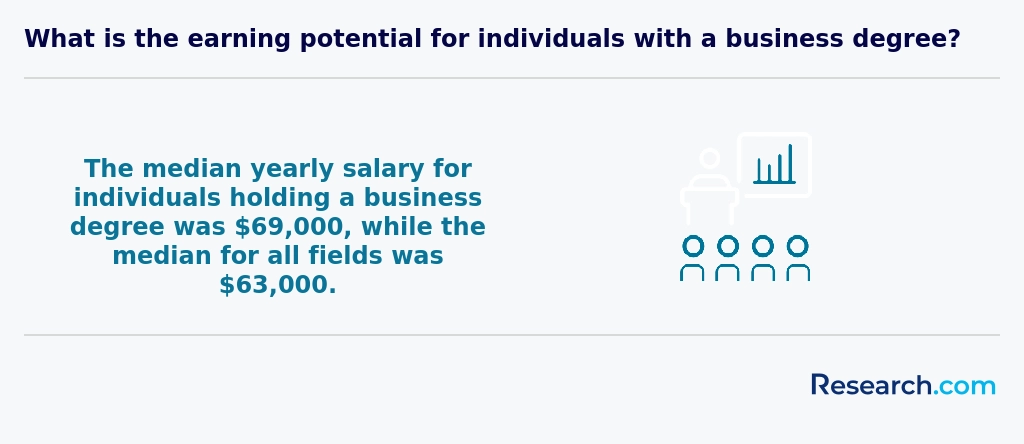
Graduates with an online business degree in Minnesota often find themselves stepping into roles that pay well right from the start. For instance, taking a job as a Business Development Executive can bring in an average annual wage of about $83,190. That's a solid paycheck that helps cover living expenses while gaining valuable experience.
On the other hand, if you're aiming for a position as a Business Analyst, the salary potential is even higher. These roles can pull in an average yearly salary of roughly $112,950, especially in vibrant metropolitan areas like Minneapolis or St. Paul. Many graduates from popular Minnesota schools like the University of Minnesota's Carlson School and St. Thomas find these numbers exciting as they reflect the growing demand for skilled business professionals.
Hearing from fellow alumni, landing a role with such salaries feels rewarding and motivates current students to keep pushing. These pay rates really highlight how practical that online business degree can be for earning power in Minnesota's competitive job market.
2027 Fastest Online Business Degree Programs Ranking in Minnesota
How do we rank schools?
Investing in your education is a significant decision that can shape your future, and the Research.com team understands the importance of making informed choices. To assist prospective students in Minnesota, we have meticulously compiled the "2027 Fastest Online Business Degree Programs Ranking in Minnesota." Our commitment to quality, credibility, and accuracy is demonstrated through the rigorous research and analysis employed in creating this ranking.
We utilized the following reputable data sources to ensure a comprehensive evaluation of online business degree programs:
By exploring this ranking, readers will gain valuable insights into the fastest online business degree programs available in Minnesota, helping them make well-informed decisions about their educational paths. For more information on how this ranking was created, please visit our Research.com methodology page.
# 1 position
Bethel University, Minnesota
Master of Business Administration

# 2 position
Bethel University, Minnesota
Bachelor of Business Management

# 5 position
Academy College
Bachelor of Business Administration

# 8 position
Walden University
Doctor of Management

# 10 position
Walden University
Master of Business Administration
Key Findings
- Online business degrees in Minnesota cost between $10,000 and $25,000 per year, with public universities offering lower tuition for in-state students.
- Graduates can expect starting salaries around $55,000 annually, with potential to exceed $90,000 within ten years.
- Top employment cities include Minneapolis and St. Paul, where industries like finance, healthcare, and technology offer many job opportunities.
- Common job roles for graduates are business analysts, marketing managers, financial advisors, and human resources specialists.
- Minnesota's unemployment rate is below the national average, indicating strong demand for business degree holders.
- Many programs are accredited by ACBSP or AACSB, ensuring recognized quality and employer acceptance.
How long does it take to complete online business degree in Minnesota?
If you're looking to finish an online business degree in Minnesota, the timeline really depends on your pace and situation. For most full-time students at popular schools like the University of Minnesota or St. Cloud State, it usually takes about four years to earn a bachelor's degree. But plenty of students juggling work or family choose part-time options, stretching their studies to five or six years without feeling overwhelmed.
Some graduates rave about accelerated programs offered by places like Minnesota State University. These can let you wrap up your degree in just a year or two if you've already got some college credits or an associate degree. For online MBAs, you might expect two years full-time, but many Minnesotan schools offer part-time or fast-track versions that trims that down to about 15 months.
Plus, transferring relevant credits can really speed things up-and help you save money too. So whether you're balancing a job or want to dive right in, Minnesota's flexible options make completing an online business degree totally doable.
Return on Investment (ROI) of Online Business Degrees in Minnesota
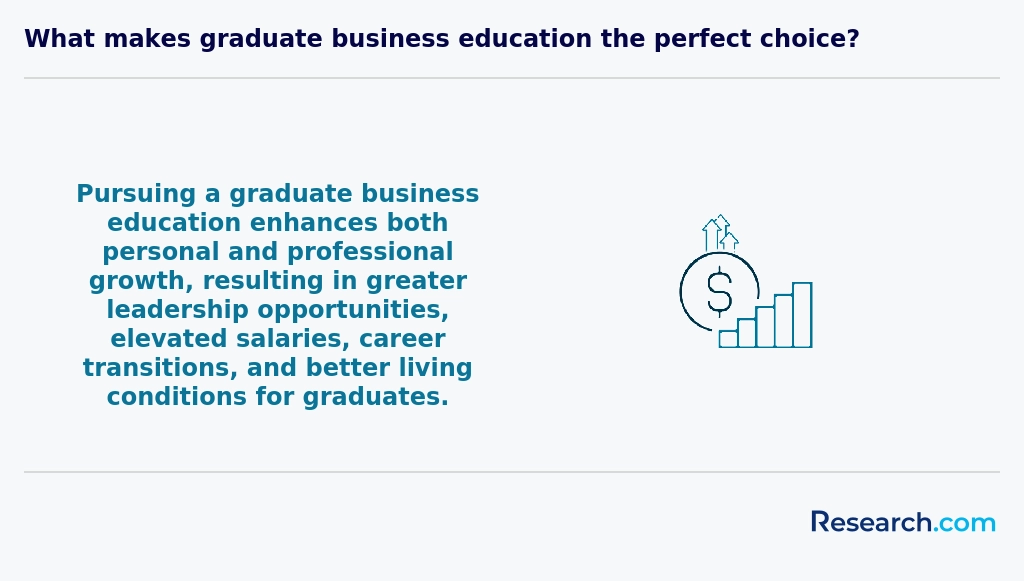
Investing in an online business degree in Minnesota can yield substantial financial returns over the long term. On average, graduates report a salary premium of 10–15% within five years of completion, translating to an additional $7,000–$10,000 annually compared to peers without a degree. When calculating net present value (NPV), factoring in tuition costs, living savings, and projected salary increases, many students break even within 4–6 years post-graduation. This strong ROI is driven by high-demand roles such as Business Analysts, Financial Managers, and Project Managers, which command competitive wages in metropolitan areas like Minneapolis–St. Paul.
To maximize ROI, prospective students should consider not only tuition but also program duration and specialization. Accelerated bachelor’s and master’s tracks can reduce opportunity costs by 20–30%, allowing graduates to enter the workforce sooner. Additionally, examining affordability metrics can help identify programs that balance quality and cost. For those seeking affordable graduate options, see our Inexpensive Online Master's in Business Degree Programs Ranking in Wisconsin, which highlights institutions with the lowest total cost of attendance.
What's the difference between online and on-campus business degree?
Choosing between online and on-campus business degrees in Minnesota really comes down to how you like to learn and what fits your lifestyle. Online programs, like those from the University of Minnesota's Carlson School, offer amazing flexibility. Imagine balancing work, family, or even a road trip while catching up on lectures whenever it suits you. Graduates often mention the freedom to study at their own pace and how that helped them keep their day jobs without stress.
On the flip side, on-campus degrees-offered by schools like Minnesota State University-bring that classic college vibe. Picture sitting in a bustling classroom, chatting face-to-face with classmates, or grabbing coffee with professors after a tough finance class. Many grads say that vibe boosted their confidence and helped them build local business connections through internships and campus events.
Tuition costs in Minnesota are pretty similar for both, but online students save on commuting and housing. Plus, both options stick to strong regional accreditation, so employers respect your diploma no matter where or how you study.
Continuing Education and Professional Development
After completing your online business degree in Minnesota, consider these pathways to strengthen your expertise and career readiness:
- Earn industry-recognized certifications (e.g., PMP, CFA, SHRM) to stand out in roles like project management or finance.
- Join professional associations such as the Minnesota Chamber of Commerce or local business networks for mentorship and job leads.
- Pursue advanced degrees, including an online emba to deepen leadership skills and boost earning potential.
- Enroll in micro-credentials or short courses-like digital marketing or data analytics-to quickly adapt to evolving industry trends.
What is the average cost of online business degree in Minnesota?
The average cost of an online business degree in Minnesota sits around $40,230 total, which is a pretty reasonable figure when you break it down over the course of a full program. If you're a local student attending a well-known public school like Minnesota State University or part of the University of Minnesota system, you might see even better numbers, especially with in-state tuition averaging closer to $27,630. Graduates from these schools often share how the affordability made it easier to focus on their studies without stressing too much about piling on debt.
Out-of-state students looking at Minnesota's online business degrees should budget higher-closer to $55,260 on average. That's still competitive when compared to many private colleges, which tend to charge more but often offer generous financial aid. Many students who found their places at private institutions say scholarships or employer tuition reimbursement programs helped lighten the financial load.
When you're scouting for an affordable online business degree programs Minnesota has options with good reputations and manageable costs. Considering all the extras like course fees and materials, it's smart to plan a bit above tuition. A lot of online business grads recommend checking out financial aid and university support services early on to maximize your savings and keep your journey smooth.
If you want to explore schools carefully, you can start with a list of the affordable business school in Minnesota-it'll save you time and help you find the best value for your education.
Accreditation and Professional Certifications
When evaluating online business degree programs in Minnesota, accreditation serves as a critical marker of quality and employer recognition. Prospective students should prioritize programs accredited by esteemed bodies such as the Association to Advance Collegiate Schools of Business (AACSB), the Accreditation Council for Business Schools and Programs (ACBSP), or the International Accreditation Council for Business Education (IACBE). These accreditations ensure rigorous curriculum standards, qualified faculty, and continuous improvement processes that align with industry expectations. Beyond institutional accreditation, many graduates enhance their marketability by obtaining professional certifications. Earning credentials such as the Project Management Professional (PMP), Certified Financial Analyst (CFA), or Society for Human Resource Management (SHRM) can bolster your resume and demonstrate specialized expertise to employers. For instance, pairing an AACSB-accredited online business degree with a PMP certification often accelerates career advancement in operations and project leadership roles. For those considering graduate education as a pathway to leadership, exploring an mba degree online cheap provides an affordable option to build both academic credentials and professional networks. Many Minnesota institutions offer accelerated MBA tracks that seamlessly integrate certification prep courses, allowing students to graduate with both a master’s degree and industry-recognized credentials in as little as one year. Verifying accreditation status is straightforward: review the U.S. Department of Education’s database or consult each accreditor’s official website. Confirm that both the institution and specific business program hold current accreditation to ensure eligibility for federal financial aid and confidence in the value of your degree. By choosing an accredited program and pursuing targeted certifications, online business graduates in Minnesota can distinguish themselves in a competitive job market and lay a strong foundation for long-term career success.
What financial aid is available to online business degree students in Minnesota?
If you're diving into an online business degree in Minnesota, you're in luck-there's a bunch of financial aid options to help lighten the load. Most grads from places like the University of Minnesota or Augsburg University swear by filling out the FAFSA first. It opens doors to federal grants like Pell Grants, which don't need paying back, plus subsidized loans that can make tuition way more manageable.
On top of that, the Minnesota State Grant Program is a huge help if you live here. Many online business students mention how they scored grants based on their household income, making schools like Minnesota State University more affordable. Don't forget about the scholarships some universities offer; they often reward students for their hustle or leadership, which can cover anything from a slice of tuition to a full ride.
Also, if you're working, check if your employer has tuition reimbursement-many in Minnesota do, helping those juggling jobs and studies. Finally, private scholarships from Minnesota business groups add extra cash that's worth hunting down. These options combined really show how Minnesota supports students chasing that business degree dream.
Industry Trends and Future Outlook
As the business landscape continues to evolve rapidly, online business degree programs in Minnesota are also undergoing significant transformations to meet new industry demands. Emerging trends such as digital transformation, data-driven decision making, and increased integration of artificial intelligence are reshaping course curriculums and methodologies. Programs are now placing a greater emphasis on developing skills that enable graduates to navigate complex business challenges and drive innovation in a competitive global market. In addition, many institutions are strengthening their partnerships with local and national businesses to offer real-world projects, internships, and networking opportunities that ensure students are well-prepared for future challenges. This proactive approach not only bridges the gap between academic theories and practical applications but also enhances the overall student experience and employability. Current market data indicates that graduates with advanced business degrees often enjoy higher earning potentials, which makes exploring further academic advancement a strategic move. For those looking to take their education to the next level, consider reviewing What Are The Highest Paying Business Masters Degrees to gain insight into programs that combine rigorous academics with robust career prospects. Looking ahead, as technological advances continue to influence the workforce, online programs are expected to further innovate by incorporating more interactive tools, virtual simulations, and personalized learning paths. Prospective students should keep abreast of these trends to choose a program that not only aligns with their current career goals but also prepares them for the future possibilities of the business world.
What are the prerequisites for enrolling in online business degree program in Minnesota?
If you're looking to enroll in an online business degree program in Minnesota, you'll want to have a high school diploma or something equivalent ready to go. Most programs, like those at popular schools such as the University of Minnesota or Saint Cloud State, expect a solid GPA-usually around 2.5 to 3.0. Some grads recall having to send in their SAT or ACT scores, though plenty of colleges are moving away from requiring tests these days, making things a bit easier.
Along with transcripts showing your skills in math, English, and social studies, you'll often need to provide a personal statement. Think of it as your chance to tell the school why business excites you and what you hope to do. Letters of recommendation and a resume can also help-especially if you have some work experience or are coming in as a transfer student.
For those eyeing grad programs like an MBA, expect to have a bachelor's degree first, ideally with a 3.0 GPA or higher. Many programs want to see a couple of years' work experience, reflecting how Minnesota business schools value real-world skills.

Determining the Best Fit for Your Educational and Career Goals
To find the most suitable online business degree program in Minnesota, it's essential to consider several key factors, including accreditation, program flexibility, curriculum and specializations, cost and financial aid, support services, reputation and outcomes, and community and networking opportunities. For instance, when exploring options for an affordable business school in Minnesota, you may want to prioritize institutions that offer competitive tuition rates, generous financial aid packages, and a strong reputation for job placement. By weighing these factors and doing your research, you can make an informed decision about which online business degree program in Minnesota is the best fit for your educational and career goals, setting yourself up for success in the business world.
What courses are typically in online business degree programs in Minnesota?
When you dive into an online business degree in Minnesota, you'll tackle courses that really set you up for success in the real world. Think about classes like Principles of Management, where you learn how to lead teams and make smart decisions-something graduates from places like the University of Minnesota often mention as super useful when stepping into their first management roles.
Financial Accounting is another big one, teaching you how to read and understand financial reports-a skill that recent grads from Minnesota State University say gave them confidence during job interviews. Marketing Fundamentals introduces you to the tricks of understanding customers and creating campaigns, something many students at St. Cloud State University find exciting and creative.
Other courses like Business Law and Economics help you see the bigger picture, from contracts to market behaviors, while Operations Management and Business Statistics show you how to keep things running smoothly and make decisions based on data. Plus, you'll usually get to pick electives like entrepreneurship or international business, which means you can focus on what really lights your fire!
What types of specializations are available in online business degree programs in Minnesota?
If you're exploring online business degree specializations Minnesota, you'll find a solid lineup of options tailored to local industries. Graduates from popular Minnesota colleges often highlight how specializations like Accounting help them land steady roles in finance thanks to the state's strong corporate presence. Others love Marketing because it dives into digital strategies perfect for Minnesota's emerging tech and retail scenes. Management and Finance are also big deals, prepping students for leadership or financial analysis gigs around the Twin Cities.
Human Resources and Supply Chain Management are great picks if you want to work with Minnesota's big employers or its bustling manufacturing hubs. What's cool is how flexible online formats make juggling work and study a breeze, especially if you're balancing a career already.
With the rise of roles requiring skills in analytics and sustainability, some schools now include these newer specializations too. If you want to see how smart choices about your concentration pay off, check out What Are The Highest Paying Business Masters Degrees for inspiration.
How do you choose the best online business degree in Minnesota?
Picking the best online business degree programs Minnesota has to offer means thinking about what fits your vibe and goals. Graduates from places like the University of Minnesota often mention how important accreditation was to them - knowing the Carlson School of Management has AACSB accreditation made them feel confident they were getting a legit education. Others studying at Minnesota State appreciate the options for part-time or asynchronous classes that mesh perfectly with their busy work schedules.
Another tip? Look closely at the curriculum. Some folks loved focusing on finance or marketing because it matched Minnesota's strong industries, while others picked entrepreneurship to chase their own business dreams. Cost is always on the mind, too, and many find that public universities offer more affordable online business degrees in Minnesota, making the whole journey way less stressful financially.
Finally, don't overlook career support-internship help and networking connections can make a huge difference once you graduate. If you want to dive into affordable yet quality options, check out this mba degree online cheap for a solid balance of value and reputation.
What career paths are available for online business degree students in Minnesota?
Graduates with an online business degree in Minnesota often find themselves stepping into dynamic roles like business analysts who dive into data to help local companies run smarter, or financial managers juggling budgets and investments across both startups and big players in the Twin Cities. Many grads also thrive as marketing specialists crafting catchy campaigns or human resource managers who keep workplaces happy and compliant. Whether they're fresh out of college or leveling up, Minnesota business degree job opportunities are diverse and rewarding.
Students from popular schools such as the University of Minnesota's Carlson School of Management or St. Thomas regularly share stories about landing jobs where they can really make an impact, like improving healthcare administration or launching their own startups. The state's bustling industries mean you're not just limited to one path either; tech, nonprofit, or supply chain roles all need people with solid business skills. For anyone weighing costs, Inexpensive Online Master's in Business Degree Programs Ranking in Wisconsin can be a helpful resource to explore affordable options nearby, making an online business degree career options Minnesota look even better.
What is the job market for online business degree in Minnesota?
The job market for online business degree graduates in Minnesota is looking pretty solid, especially if you're aiming to work in places like Minneapolis or St. Paul where many businesses are booming. Graduates from popular schools often land roles in management, marketing, or finance, thanks to the strong demand for business pros in these areas. Plus, the state's business and financial operations sector is growing faster than the national average, which means more chances to climb the career ladder.
Many students from Minnesota's well-known universities share how internships and practical experience gave them a leg up, since employers here really care about hands-on skills alongside degrees. The average pay for business roles, such as management, is also competitive-hovering around $70,000 annually, which is a nice boost.
With tuition more affordable for in-state students, combined with steady job prospects, Minnesota is a great place to earn an online business degree. And if you want to boost your career faster, check out these 1 year certificate programs that pay well, which many graduates add to their profiles.
So, if you're curious about online business degree job prospects Minnesota has a lot to offer, especially as local companies increasingly seek digital skills and savvy problem-solvers.
Frequently Asked Questions About business
Online business degree students in Minnesota can enhance their learning by actively engaging with their coursework and utilizing available university resources. Many state schools offer virtual tutoring, career services, and access to local business networks. According to the Minnesota Department of Employment and Economic Development, gaining practical skills in industries like finance and healthcare, which are prominent in the state, can improve career prospects.
Participating in online discussion forums and group projects also fosters critical thinking and teamwork, key skills employers seek. Setting a regular study schedule helps maintain discipline while balancing work and personal commitments.
Emerging niches within the business field are rapidly shaping Minnesota's economic landscape. Areas like data analytics, digital marketing, and sustainable business practices are gaining strong momentum. According to the Minnesota Department of Employment and Economic Development (DEED), jobs related to business analytics are expected to grow by over 20% through 2030.
Additionally, the rise in e-commerce has created demand for expertise in supply chain management and cybersecurity. Sustainable business and corporate social responsibility are also critical as Minnesota companies increasingly focus on environmental and social governance.
Students pursuing online business degrees in Minnesota can benefit from specializing in these forward-looking areas.
Preparing for the job market after earning an online business degree in Minnesota involves a few key steps. First, engage with local professional networks such as the Minnesota Chamber of Commerce and industry-specific groups. These connections often lead to internships and job offers.
Next, focus on building practical skills by leveraging internship and cooperative education programs available through many Minnesota colleges. According to the Minnesota Department of Employment and Economic Development, business-related jobs in the state are expected to grow 7% through 2030.
Additionally, tailor your resume to highlight relevant coursework and online projects. Employers value candidates who demonstrate adaptability and technical competence.
Finally, consider certifications like Lean Six Sigma or data analysis to enhance your employability within Minnesota's competitive business sectors.
Employers in Minnesota seek specific skills when hiring graduates with business degrees, especially those who studied online. According to the Minnesota Department of Employment and Economic Development, key skills include strong communication, analytical thinking, and proficiency in data management tools. These skills are crucial for the diverse business landscape, from finance to manufacturing.
Adaptability and digital literacy are also highly valued, reflecting the state's growing focus on technology-driven industries. Practical knowledge in project management and teamwork often sets candidates apart, as Minnesota companies emphasize collaborative environments.
Overall, combining technical expertise with interpersonal skills is essential for success in Minnesota's competitive job market.
Finding internships in Minnesota relevant to a business degree involves targeting both local companies and statewide resources. Minnesota's strong economy, driven by sectors like finance, healthcare, and retail, offers numerous internship opportunities for business students. Many large corporations headquartered in Minnesota, such as Target and Best Buy, have formal internship programs.
Students can utilize university career centers and MinnesotaWorks.net, the state's job portal, to discover openings. Networking through local business organizations like the Minnesota Chamber of Commerce also helps connect with potential employers. According to the Minnesota Department of Employment and Economic Development, internships in business fields grew by 8% in recent years, reflecting increasing demand for practical experience.
Obtaining an online business degree in Minnesota significantly enhances career mobility and advancement opportunities. According to the Minnesota Department of Employment and Economic Development, the state's business sector is projected to grow by 7% over the next decade, emphasizing a strong demand for skilled professionals.
An online degree offers flexibility, allowing working adults to improve qualifications without pausing their careers. This credential often leads to higher earning potential-business graduates typically report a median salary increase of 15-20% compared to those without a degree, according to the National Association of Colleges and Employers.
Employers in Minnesota increasingly value the practical skills gained from accredited online programs, supporting quicker promotions and lateral moves within diverse industries like finance, healthcare management, and retail.
Studying for a business degree in Minnesota equips students with skills needed for interdisciplinary roles by integrating knowledge from finance, marketing, management, and information technology. Many online programs emphasize collaboration, critical thinking, and problem-solving across diverse fields.
Minnesota's economy, driven by sectors like healthcare, manufacturing, and finance, demands professionals who understand multiple business areas. According to the Minnesota Department of Employment and Economic Development, 65% of new jobs in the state require workers to apply knowledge from various disciplines.
Online business degrees often include courses in data analytics and communication, preparing students to work effectively with technical and non-technical teams. This blend of coursework supports career flexibility in industries prevalent in Minnesota, such as logistics and retail.
When choosing between a thesis and a non-thesis online business degree program in Minnesota, consider your career goals and learning preferences. Thesis programs emphasize original research, ideal for students pursuing academic roles or advanced degrees like a PhD. Non-thesis tracks focus more on practical skills and coursework, which can appeal to professionals aiming for leadership roles in Minnesota's diverse economy.
Minnesota hosts a robust business environment, with firms in finance, healthcare, and manufacturing sectors. Programs aligned with local business needs often emphasize applied knowledge over research.
Additionally, thesis options usually take longer to complete, potentially impacting cost and time commitments.
Students in Minnesota pursuing online business degrees have growing opportunities to engage in study abroad programs. Many Minnesota institutions partner with foreign universities, allowing students to earn credits toward their degree while gaining international business exposure.
Programs often include virtual exchanges or short-term residencies, reducing cost and travel barriers. According to the Minnesota Office of Higher Education, about 15% of business students participate in some form of international study, reflecting increasing demand.
Popular destinations for Minnesota students include Europe and Asia, aligning with global business hubs. Schools emphasize intercultural competence, vital in today's global economy. Additionally, some online programs with international faculty or curriculum further strengthen global business understanding without physical travel.
Students pursuing online business degrees in Minnesota have access to various part-time job opportunities that enhance practical skills alongside academic learning. Common roles include administrative assistants, sales associates, and marketing interns, which provide real-world experience in business operations.
According to the Minnesota Department of Employment and Economic Development, the state projected a 6% growth in business-related occupations between 2022 and 2032, highlighting demand for skilled candidates.
Internships or part-time positions in financial services and retail sectors are especially valuable, offering exposure to customer relations, finance management, and supply chain functions. These jobs can build competencies beneficial to career advancement after graduation.
Online business students in Minnesota benefit from a variety of networking opportunities that help connect them with local professionals and alumni. Many universities hosting online programs offer virtual events, career fairs, and specialized business forums tailored for remote students. Additionally, Minnesota's strong economy and prominent business hubs, especially in Minneapolis-St. Paul, provide access to over 100,000 business establishments, according to the Minnesota Department of Employment and Economic Development.
Students can also join state- and city-level business organizations like the Minnesota Chamber of Commerce or local chapters of national groups such as the American Marketing Association. These platforms provide virtual and in-person networking occasions, mentorship programs, and industry insights. Furthermore, online students often engage in collaborative projects with Minnesota-based companies, increasing real-world connections and job prospects.
Alumni networks play a vital role for students pursuing online business degrees in Minnesota by offering access to a broad community of professionals and experienced graduates. These connections encourage mentorship opportunities, job referrals, and career advice tailored to the local business environment.
In Minnesota, where industries such as finance, manufacturing, and healthcare dominate, alumni networks help students tap into region-specific internships and job markets. According to the Minnesota Department of Employment and Economic Development, alumni connections significantly increase employment chances within these sectors.
Furthermore, alumni groups often provide virtual events and workshops, enhancing networking without geographic limitations for online students. This support system helps graduates transition smoothly from education to employment in Minnesota's competitive business landscape.
Customizing an online business degree program in Minnesota begins with selecting the right major or concentration. Many institutions offer specializations such as finance, marketing, supply chain management, or entrepreneurship. Tailoring coursework to match your career goals can enhance job prospects in Minnesota's evolving economy, where sectors like healthcare, technology, and manufacturing drive demand for skilled business professionals (Minnesota Department of Employment and Economic Development, 2023).
Additionally, students can often choose elective courses that strengthen specific skills, such as data analysis or leadership. Online programs in Minnesota typically allow flexible scheduling, enabling working professionals to balance education with careers. Some schools also provide internships or project-based learning linked to local businesses, fostering real-world experience that aligns with personal career ambitions.
Online business students in Minnesota commonly face challenges related to balancing coursework with personal and professional responsibilities. According to a 2023 report by the Minnesota Office of Higher Education, nearly 60% of online students are working adults, making time management critical.
Technical issues also hinder learning; some students struggle with reliable internet access, especially in rural areas of Minnesota where broadband is less available, as noted by the Minnesota Department of Employment and Economic Development. This can limit participation in live lectures and timely assignment submissions.
Moreover, students often report feelings of isolation due to limited face-to-face interaction, which can affect motivation and networking opportunities vital for business careers. Access to academic support services remains uneven, impacting student success rates.
With an online business degree from Minnesota, you can pursue several professional certifications that enhance career prospects in various industries. Common certifications include the Certified Management Accountant (CMA), which focuses on financial management, and the Project Management Professional (PMP), valued in many sectors for project leadership skills. Additionally, the Certified Business Analyst Professional (CBAP) is popular for those interested in business analysis roles.
Many employers in Minnesota, especially in the Twin Cities metro area, prefer candidates with certifications to demonstrate expertise. According to the Minnesota Chamber of Commerce, holders of business-related certifications often see higher salary offers and faster career advancement within the state.
Other certifications such as Six Sigma Green Belt and Digital Marketing Certifications are growing in demand as Minnesota businesses embrace efficiency and online marketing strategies. These credentials complement the foundational knowledge gained from a business degree and align well with current job market trends.
To write a winning application for an online business program in Minnesota, start by carefully reviewing each school's specific admission requirements. Many programs favor applicants with a minimum GPA of 2.5 to 3.0, but this varies. Highlight your professional experience related to business, as Minnesota's economy is strong in sectors like finance and healthcare, which align well with business studies.
Emphasize your motivation for choosing an online format, showcasing your time management skills and self-discipline. Including quantitative achievements or relevant certifications can strengthen your profile.
Finally, craft a clear, concise personal statement explaining your career goals and how the program fits your ambitions, referencing data from reputable sources like the Minnesota Department of Employment and Economic Development.
Global perspectives on a business career emphasize adaptability, cultural awareness, and technological proficiency. As Minnesota continues to grow its economy, with key industries like finance and manufacturing expanding, business professionals must understand international markets. According to the Minnesota Department of Employment and Economic Development, more than 60% of the state's exports go to global partners, highlighting the need for global business skills. Online business degrees in Minnesota often integrate coursework on global trade, cross-cultural communication, and emerging technologies. These programs prepare students to compete in a connected economy, where knowledge of global business practices enhances career opportunities.
Gaining practical experience while studying for an online business degree in Minnesota is crucial for career readiness. Many Minnesota institutions integrate experiential learning through virtual internships and project-based courses. These opportunities allow students to apply theoretical knowledge in real-world settings, often collaborating with local businesses in sectors like finance, retail, and healthcare, which are significant in Minnesota's $260 billion economy (Minnesota Department of Employment and Economic Development, 2023).
Additionally, students can engage in Minnesota-based business competitions and networking events online, offering exposure to industry challenges. Participation in organizations such as the Minnesota Chamber of Commerce also provides valuable connections. Utilizing these options, students enhance skills that employers actively seek.
Choosing the right concentration within an online business degree program in Minnesota depends on your career goals and interests. Popular options include finance, marketing, management, and entrepreneurship. According to the Minnesota Department of Employment and Economic Development, sectors like health care, manufacturing, and professional services are growing rapidly, which influences demand for specific business skills.
Evaluate your strengths and the local job market. For example, a concentration in supply chain management can be valuable due to Minnesota's strong manufacturing base. Many Minnesota employers seek candidates with skills in data analysis and digital marketing, reflecting national business trends.
Consider programs that offer flexibility and relevant internships or networking opportunities within Minnesota's economic sectors. Accreditation and faculty expertise are also important to ensure quality education that translates into real-world success.
Related Business Rankings for Nearby States
- 2027 Fastest Online Business Degree Programs Ranking in Wisconsin
- 2027 Fastest Online Business Degree Programs Ranking in North Dakota
- 2027 Fastest Online Business Degree Programs Ranking in South Dakota
- 2027 Fastest Online Business Degree Programs Ranking in Nebraska
- 2027 Fastest Online Business Degree Programs Ranking in Illinois
- 2027 Fastest Online Business Degree Programs Ranking in Missouri
- 2027 Fastest Online Business Degree Programs Ranking in Michigan
- 2027 Fastest Online Business Degree Programs Ranking in Indiana
- 2027 Fastest Online Business Degree Programs Ranking in Ohio
- 2027 Fastest Online Business Degree Programs Ranking in Oklahoma
Top Trending Business Rankings
See What Experts Have To Say About Studying Business
Read our interview with Business experts


Ingrid S. Greene
Business Expert
Clinical Assistant Professor of Management
Loyola Marymount University

David W. Stewart
Business Expert
Emeritus President's Professor of Marketing
Loyola Marymount University

References
- Exploring Different Types of Business Majors https://www.ivywise.com/ivywise-knowledgebase/exploring-different-types-of-business-majors/
- Different Types of Business Degrees | University of Phoenix https://www.phoenix.edu/articles/business/types-of-business-degrees-and-salaries.html
- Why Alumni Networks Matter in Business School: 7 Reasons https://europe.ceibs.edu/article/why-alumni-networks-matter-business-school
- Interdisciplinary Business https://www.okwu.edu/academics/undergraduate/bachelor-interdisciplinary-business/
- Bringing global perspectives to leadership in business https://www.eaie.org/resource/global-perspectives-leadership-business.html
- Bachelor of Business Administration Online Degree Completion Program https://mankato.mnsu.edu/academics/online-and-off-campus-programs/online-education/online-bachelors-completion-programs/bachelors-of-business-administration/
- Networking Tips for Business Students and MBA Candidates - Cyprus West University https://www.cwu.edu.tr/networking-tips-for-business-students-and-mba-candidates/
- Is a thesis always mandatory in a master's degree program? - EFMU: The Euler-Franeker Memorial University and Institute https://euler.euclid.int/is-a-thesis-always-mandatory-in-masters-degree-program/
- How to Write a Statement of Purpose for Business School https://www.statementswritingservices.com/blog/how-to-write-a-statement-of-purpose-for-business-school.html
- The Biggest Challenges for Business School Students | EU Business School https://www.euruni.edu/blog/the-biggest-challenges-for-business-school-students/


