
2027 Most Affordable Business Degree Programs Ranking in Arkansas

Co-Founder and Chief Data Scientist
Considering a business degree in Arkansas? This article introduces the 2027 Most Affordable Business Degree Programs Ranking in Arkansas, created by the Research.com team of data scientists to guide you. It highlights programs that offer great value without compromising quality.
Exploring this ranking can help you make a confident, informed decision about your education and future career. A business degree opens doors to many opportunities, offering skills that are in demand across industries.
Whether you're starting fresh or returning to school, this guide is designed to support your journey with clear, trustworthy insights.
Key benefits of getting business degree in Arkansas
- Salary benefits: Business degree graduates in Arkansas can expect rewarding careers, with roles like Business Development Executives earning a mean annual wage of $83,190 and Business Analysts earning $112,950, reflecting strong earning potential.
- Career paths: Graduates from the University of Arkansas often find opportunities in diverse fields such as marketing, finance, and consulting, giving them flexibility and growth potential in their careers.
- Online degree advantages: Obtaining a business degree online offers flexibility and convenience, allowing students to balance work and study effectively, as demonstrated by successful graduates from Arkansas State University's online programs.
- Key benefits of getting business degree in Arkansas
- What can I expect from business degree in Arkansas?
- Where can I work with business degree in Arkansas?
- How much can I make with business degree in Arkansas?
- 2027 Most Affordable Business Degree Programs Ranking in Arkansas
- Key Findings
- How long does it take to complete business degree in Arkansas?
- Return on Investment for Business Degrees in Arkansas
- What's the difference between online and on-campus business degree?
- Exploring Affordable Online Business Schools in Arkansas
- What is the average cost of business degree in Arkansas?
- What financial aid is available to business degree students in Arkansas?
- Return on Investment for Business Degrees in Arkansas
- What are the prerequisites for enrolling in business degree program in Arkansas?
- What courses are typically in business degree programs in Arkansas?
- What types of specializations are available in business degree programs in Arkansas?
- How do you choose the best business degree in Arkansas?
- What career paths are available for business degree students in Arkansas?
- What is the job market for business degree in Arkansas?
- Related Business Rankings for Nearby States
- Top Trending Business Rankings
- See What Experts Have To Say About Studying Business
What can I expect from business degree in Arkansas?
When it comes to the cost of earning a business degree in Arkansas, students are often pleasantly surprised by the affordability. Public universities like the University of Arkansas in Fayetteville offer in-state tuition averaging around $8,300 per year. Many graduates recall how this manageable tuition allowed them to focus more on gaining valuable experience rather than being overwhelmed by financial stress.
Scholarships and financial aid geared specifically toward business students create even more opportunity. For example, some students at Arkansas State University have shared how receiving targeted aid helped cover their fees and living expenses, making their educational journey feel like an exciting investment rather than a burden.
Being part of business programs accredited by AACSB in Arkansas means students receive quality education without exorbitant prices. This balance enables them to explore internships with major local companies, like Walmart or Tyson Foods, without sacrificing financial security-a key factor graduates often highlight as they look back on their growth both personally and professionally.
Where can I work with business degree in Arkansas?
With a business degree from universities like the University of Arkansas or Arkansas State University, graduates find themselves stepping into a world full of vibrant career possibilities. Imagine working at Walmart's headquarters, right where big retail decisions shape millions of customers' experiences-graduates often land roles in supply chain management or corporate strategy, blending analytical skills with dynamic teamwork.
Others discover rewarding paths within Little Rock's bustling financial sector, securing positions at Arvest Bank or Bank of America, where they navigate the fast-paced world of risk management and financial planning. Business students frequently mention how internships in these settings sharpen their problem-solving abilities and build confidence.
For those eager to contribute locally, many take on leadership roles in Arkansas' thriving small and medium enterprises, embracing challenges in sales or operations that shape the regional economy. Some graduates venture into healthcare administration, optimizing hospital budgets and staffing to improve patient care.
Entrepreneurship also beckons adventurous spirits, with supportive programs like the Arkansas Small Business and Technology Development Center sparking new ventures fueled by passion and business savvy.
How much can I make with business degree in Arkansas?
Graduates from business programs at popular Arkansas institutions often find themselves stepping into roles with promising paychecks that reflect their hard work. For example, a business analyst fresh out of college can anticipate an adventurous career path with an average annual wage of about $112,950, a figure that sparks excitement for many eager graduates ready to dive into the business world.
Meanwhile, graduates who pursue careers as business development executives in Arkansas typically see mean annual wages around $83,190. Imagine starting your journey at a bustling firm in Little Rock or Fayetteville, where such a salary mirrors both local economic opportunities and your evolving expertise.
These numbers bring to life the rewarding experience of applying classroom theory to real-world challenges, whether you're collaborating on projects at the University of Arkansas or strategizing sales growth at an emerging startup. This blend of education and opportunity makes the business degree adventure in Arkansas not only viable but exhilarating.
2027 Most Affordable Business Degree Programs Ranking in Arkansas
How do we rank schools?
Investing in your education is a significant decision that requires careful consideration, and the Research.com team is committed to supporting you in making well-informed choices. To offer valuable guidance, we have developed the "2027 Most Affordable Business Degree Programs Ranking in Arkansas." Our dedication to quality, credibility, and accuracy is demonstrated through thorough research and detailed analysis behind this ranking.
We utilized the following reputable data sources to ensure a comprehensive and reliable evaluation of business degree programs:
By consulting this ranking, readers will gain crucial insights into affordable business degree options in Arkansas, enabling them to choose programs that fit both their academic goals and financial situation. For further information on how this ranking was compiled, please visit our Research.com methodology page.
# 1 position
University of Arkansas Grantham
Master of Business Administration

# 2 position
University of Arkansas Grantham
Bachelor of Business Administration
# 3 position
Arkansas Baptist College
Bachelor of Business Administration


# 14 position
Strayer University-Arkansas
Bachelor of Business Administration

# 15 position
Strayer University-Arkansas
Master of Business Administration
# 16 position
University of Arkansas-Fort Smith
Bachelor of Business Administration


# 20 position
University of Arkansas at Monticello
Bachelor of Business Administration

Key Findings
- In-state tuition for public universities in Arkansas ranges from about $6,000 to $9,000 per year, while private institutions charge between $15,000 and $25,000 annually.
- Entry-level business graduates typically earn an average salary of $45,000 per year in Arkansas.
- With experience, business professionals in Arkansas can expect salaries between $65,000 and $85,000 annually.
- Key cities like Little Rock, Fayetteville, and Fort Smith offer strong job opportunities due to a variety of industries including retail, manufacturing, finance, and healthcare.
- Internships and networking opportunities are available through local business schools and chambers of commerce, supported by major corporations like Walmart and Tyson Foods headquartered in the state.
How long does it take to complete business degree in Arkansas?
Completing a business degree in Arkansas often feels like embarking on an exciting journey, with most bachelor's degrees taking about four years of full-time study. Imagine sitting in a lecture hall at the University of Arkansas, surrounded by peers equally eager to conquer 120 to 130 credit hours-this shared experience ties students to national standards set by renowned accrediting bodies.
For those who choose a quicker path, associate degrees at community colleges like Pulaski Technical College offer a two-year adventure, serving as a launching pad for further studies or immediate entry into the business world. Graduates often speak of the satisfying balance between practical coursework and real-world application.
Graduate students at places such as the University of Arkansas at Little Rock enjoy flexible MBA programs that adapt to busy lifestyles, taking between two and four years depending on whether they study full-time or part-time. This adaptability sparks motivation and optimism among working professionals aiming to level up their careers while managing life's demands.
Some students even discover accelerated programs that let them fast-track through a bachelor's degree in as little as three years, fueling their excitement for launching into the business world sooner.
Return on Investment for Business Degrees in Arkansas
Understanding the true value of an affordable business degree requires analyzing both the upfront costs and the long-term earnings potential. Here’s how prospective students can assess the ROI of a bachelor’s in business from Arkansas institutions: • Total Tuition Investment: With program costs ranging from $12,600 to $13,100 for 120 credit hours (approximately $99–$109 per credit), students can budget for an average investment of $13,000. • Average Starting Salaries: Entry-level roles such as sales managers and marketing coordinators in Arkansas typically offer starting salaries between $55,000 and $65,000. • Mid-Career Earnings: Graduates working as project managers report average annual salaries of $80,220, while business analysts earn around $108,790-translating to a 60–80% increase over entry pay. • Break-Even Timeline: Based on these figures, most students recoup their tuition investment within 2–3 years post-graduation, making a business degree in Arkansas a financially sound choice. • Advanced Degree Leverage: For those considering an MBA or specialized master’s, the ROI can improve further. Explore programs like the Low Cost Online Master's in Business Degree Programs Ranking in St. Paul, MN to compare advanced degree affordability and post-graduate salary growth. By weighing these cost and salary metrics side by side, students can make data-driven decisions about their education path and confidently project the time it will take to see a return on their academic investment.
What's the difference between online and on-campus business degree?
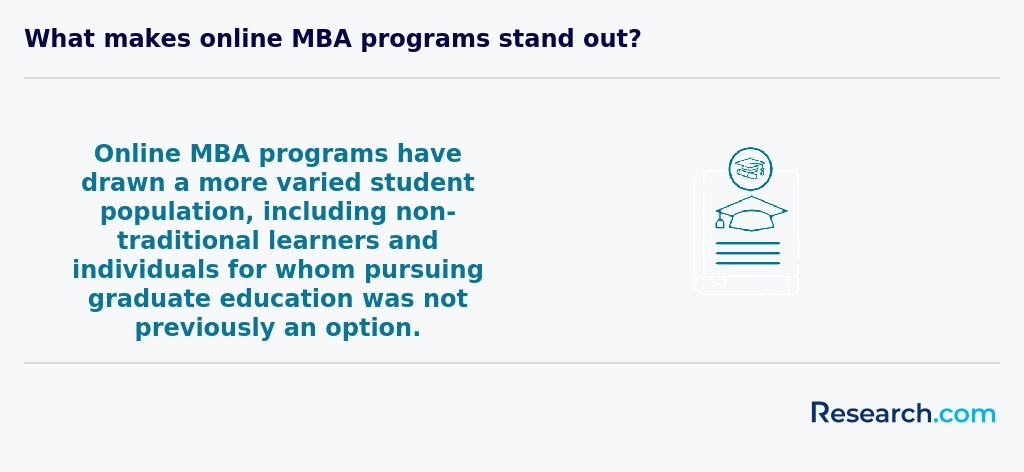
Imagine a student at the University of Arkansas juggling a full-time job and family commitments. They choose the online business degree for its flexibility, logging into lectures from home or a local coffee shop. This freedom allows them to study marketing concepts and finance principles without the daily commute. Meanwhile, another student at Arkansas State University thrives on the vibrant campus atmosphere, attending lively discussions and networking events that lead to internships in Little Rock's bustling business scene.
Graduates from both paths share enthusiasm about their journeys. The online learner appreciates saving on housing and transportation costs, enjoying digital access to resources while mastering self-discipline. The on-campus student treasures face-to-face interaction with professors and peers, feeling energized by spontaneous hallway conversations or group projects in campus libraries.
- Online programs in Arkansas offer adaptable schedules tailored to busy lives but ask for strong motivation.
- On-campus programs boost networking opportunities and hands-on experiences essential for local career growth.
Exploring Affordable Online Business Schools in Arkansas
When considering a business degree in Arkansas, one crucial aspect to explore is the availability of affordable online business schools. These institutions offer flexibility and affordability, making them an attractive option for many students. By researching and comparing different online programs, you can find one that fits your budget and career goals. For instance, you can explore affordable online business schools in Arkansas to discover institutions that provide quality education at a lower cost. This can be a great way to invest in your future without breaking the bank, and with the right program, you can set yourself up for success in the business world.
What is the average cost of business degree in Arkansas?
The average cost of earning a business degree in Arkansas offers an exciting mix of affordability and value, especially for in-state students. Typically, residents can expect a total in-state cost of around $10,104, a figure that invites exploration into the many possibilities that come with studying business right here in Arkansas. Imagine a recent graduate from the University of Arkansas, where the cost to pursue a Bachelor's in Business Administration allowed them to focus more on career-building experiences rather than financial stress.
Out-of-state students, though paying more-around $28,590-often find the investment worthwhile for the rich programs and vibrant campus life at institutions such as the University of Central Arkansas. These campuses buzz with ambitious students eager to turn their business knowledge into real-world success stories.
Prospective students curious about affordable business degree programs Arkansas should also consider additional expenses like books and living costs, which can be surprisingly manageable here compared to other states. The sense of community and financial aid opportunities truly enhance the experience, making it easier for students to dive into business studies without constantly worrying about money.
For those scouting for options, exploring affordable online business schools in Arkansas can lead to flexible and budget-friendly pathways that fit various lifestyles and goals. Each step closer to graduation feels like an adventure in itself, fueled by knowledge and opportunity.
What financial aid is available to business degree students in Arkansas?
Exploring financial aid for a business degree in Arkansas opens doors you might not expect. Many students at the University of Arkansas or the University of Arkansas at Little Rock discover that completing the FAFSA unlocks access to essential federal help like the Pell Grant, which can cover a large part of their tuition-sometimes up to $7,395 annually. Imagine the relief of seeing that number reducing your school expenses!
State aid is just as exciting. Business students often tap into the Academic Challenge Scholarship, a gem funded by the Arkansas Lottery, offering up to $3,500 per year. This award encourages young scholars to keep their grades strong while easing financial pressures, making the pursuit of a degree feel more like a thrilling adventure than a burden.
Many graduates share how university-specific scholarships transformed their journey, with merit-based awards from their business departments that sometimes covered nearly half their tuition. Add to that private scholarships from organizations like the Arkansas Society of CPAs, and the array of funding options feels like a supportive community rallying behind your business dreams.
Return on Investment for Business Degrees in Arkansas
Investing in a business degree in Arkansas often pays off quickly, thanks to affordable tuition rates and competitive starting salaries. On average, Arkansas institutions charge between $12,600 and $13,100 for a full bachelor’s program, and graduates report entry-level salaries around $60,000–$65,000. With these figures, most students can expect a payback period of three to five years, depending on living expenses and financial aid. Key factors that influence ROI include: • Tuition and fees versus average starting salary • Availability of scholarships and work-study opportunities • Early career growth and salary escalation For students aiming to accelerate their compensation trajectory, pursuing advanced credentials can be a game-changer. Many alumni opt for expedited graduate programs-exploring 1 year mba online degree programs can significantly boost earning potential while minimizing additional debt. By carefully weighing upfront costs against long-term earnings and leveraging financial aid, prospective business students can maximize the return on their educational investment and achieve financial stability sooner.
What are the prerequisites for enrolling in business degree program in Arkansas?
Diving into a business degree in Arkansas? First, you'll need a high school diploma or a GED-just like many graduates from the University of Arkansas discovered as their essential stepping stone. Imagine setting foot on campus, confident you've mastered core subjects like Algebra, English, and social studies-these helped former students build strong foundations for tackling business concepts with enthusiasm.
Many programs ask for standardized test scores such as the SAT or ACT, though some, like several campuses in Arkansas, have embraced test-optional policies, making the path more flexible and accessible. Graduates often share how meeting a minimum GPA around 2.5 to 3.0 boosted their confidence, proving they were ready to juggle business theories and real-world challenges.
Transfer students aiming for graduate programs, such as MBAs, usually come prepared with undergraduate degrees and relevant experience, echoing success stories from Arkansas State University. These requirements create a welcoming yet rigorous journey-inviting you to grow, explore, and thrive in Arkansas' affordable and vibrant business education scene.
What courses are typically in business degree programs in Arkansas?
Diving into a business degree in Arkansas means embracing a vibrant mix of courses that shape savvy future professionals. Imagine studying at the University of Arkansas, where graduates recall mastering Principles of Management not just in textbooks but through hands-on group projects that simulate leading a startup. Here, courses like Financial Accounting unlock the mysteries behind company balance sheets-skills essential for making smart financial decisions in real Arkansas businesses.
Marketing classes bring excitement with campaigns centered on real local brands, showing how consumer behavior drives success. Business Law lessons equip students with legal know-how, making sense of contracts and regulations they'll encounter in Arkansas's bustling commercial scene. Economics courses paint a big-picture view, linking small-town realities to global markets.
Graduates treasure the practical feel of classes like Operations Management, where managing processes mirrors the efficiency demands at companies like Walmart. Together with Business Ethics and quantitative analysis, these courses prepare students for the dynamic and growing job market right here at home.
What types of specializations are available in business degree programs in Arkansas?
Diving into business degree specializations in Arkansas reveals exciting opportunities tailored to local industries and student passions. Graduates from popular universities often recount their immersive experiences in Accounting, mastering skills that set them up for CPA careers right in Arkansas's growing finance and auditing sectors. Marketing opens doors to vibrant roles in retail and media, especially in hubs like Little Rock, where students thrive on crafting real campaigns and digital strategies.
Finance enthusiasts enjoy hands-on learning at colleges where investment and banking fundamentals connect directly to Arkansas's expanding economy. Management specializations spark leadership ambitions, with students engaging in strategic projects reflecting real organizational challenges. Meanwhile, Supply Chain and Logistics cater to Arkansas's unique position as a national distribution center, offering exciting internships with major players such as Walmart in Bentonville.
These dynamic tracks underscore Arkansas affordable business degree options and prepare students to explore further career options with business degree in the state's diverse markets.
How do you choose the best business degree in Arkansas?
Choosing the best business degree in Arkansas feels like setting off on a personal adventure where you map out your future. Imagine yourself as a graduate from the University of Arkansas Fayetteville, proudly holding a degree backed by AACSB accreditation-this stamp of quality opens doors and stirs confidence in potential employers. Balancing cost is part of the quest; many discover that affordable business degree programs in Arkansas, especially at community colleges, let them pursue ambitions without the weight of overwhelming debt.
Picture diving into specializations that resonate with your passions-whether finance or entrepreneurship-at colleges offering hands-on internships tied to Arkansas's vibrant business community. These real-world experiences transform theory into action, sparking a genuine excitement for what's ahead. Flexible learning methods, including online and hybrid options, fit the busy rhythms of students juggling work and study, much like those exploring 1 year mba online degree programs.
Graduates often share how these choices shape not just their careers but their outlook on growth. Looking for the best business schools in Arkansas for 2027 means embracing programs that blend quality, affordability, and practical opportunities, setting the stage for success and spirited exploration.
What career paths are available for business degree students in Arkansas?
Graduates holding a business degree in Arkansas find themselves stepping into a vibrant landscape filled with diverse career paths. Popular universities such as the University of Arkansas and Arkansas State University often share stories of alumni thriving as marketing managers, financial analysts, and supply chain specialists. Imagine navigating the fast-paced world of logistics with giants like Walmart headquartered nearby, making supply chain and logistics management exhilarating career choices grounded in local industry strength.
Many graduates discover excitement in entrepreneurship, fueled by resources like the Arkansas Small Business and Technology Development Center that empower new ventures to flourish. It's easy to see how skills learned in classrooms translate into launching successful small businesses, sparking pride and energy in emerging Arkansas entrepreneurs.
In bustling urban centers like Little Rock, Arkansas business degree job opportunities extend into financial services-banking and insurance sectors beckon, promising growth and stability. For those seeking affordable business degree careers in Arkansas, the journey is made all the more accessible with relatively low tuition costs compared to national averages, encouraging graduates to boldly explore and innovate.
For prospective students considering further advancement, exploring options like the Low Cost Online Master's in Business Degree Programs Ranking in St. Paul, MN offers a chance to expand horizons while managing budgets thoughtfully.
What is the job market for business degree in Arkansas?
For those curious about the business degree job outlook Arkansas offers, the scene is vibrant and promising. Graduates from popular schools such as the University of Arkansas and Arkansas State University often find themselves diving into diverse industries like finance, marketing, and manufacturing right where they studied. Imagine walking through Little Rock's bustling downtown, where many business graduates land roles as financial analysts or marketing managers supporting local companies.
These opportunities feel achievable thanks to Arkansas's affordable education landscape. Annual tuition between $6,500 and $9,000 for in-state students means less financial strain, enabling many to focus on gaining valuable internships that connect directly to the state's employers. Those hands-on experiences make stepping into roles such as operations managers or human resource specialists not just a dream but a real possibility.
Moreover, Arkansas's cost of living enhances the competitive edge of salaries, giving fresh graduates a chance to thrive personally and professionally. For anyone exploring alternative routes, quick 6 month certifications that lead to high paying jobs can also complement or accelerate career choices.
The Arkansas business graduate employment opportunities truly reflect a landscape where practical skills meet regional demands, inviting new graduates to embark on rewarding career paths close to home.
Frequently Asked Questions About business
Business degree students in Arkansas can maximize their learning by actively engaging with local economic resources. Arkansas hosts a diverse business environment, including large corporations like Walmart and numerous small enterprises, offering valuable internship opportunities. Participating in internships can provide practical experience and professional networking. Students should also leverage Arkansas's university-affiliated business incubators and entrepreneurship centers, which often provide mentorship and real-world projects.
Additionally, joining student organizations related to finance, marketing, or management encourages leadership development and teamwork. Arkansas Department of Workforce Services highlights that students with practical skills tend to secure jobs faster within the state's competitive job market.
Finally, utilizing online databases and local business publications like the Arkansas Business Journal supports staying current with industry trends and regional market data.
Emerging niches within the business field in Arkansas reflect broader national trends shaped by technology and sustainability. One fast-growing area is digital marketing, driven by Arkansas's expanding e-commerce sector. According to the U.S. Bureau of Labor Statistics, marketing analyst roles are expected to grow about 10% nationwide through 2032, with local businesses adopting advanced data analytics to improve customer engagement.
Another important niche is supply chain management, particularly given Arkansas's role as a logistics hub due to companies like Walmart headquartered in Bentonville. This specialization focuses on optimizing the flow of goods and services, which is crucial for regional economic growth.
Additionally, sustainable business practices are gaining traction as Arkansas emphasizes environmental responsibility. Programs combining business skills with green initiatives are becoming increasingly popular, matching demands from both employers and consumers. These niches offer promising career paths for students pursuing business degrees in the state.
Graduates with a business degree in Arkansas should focus on developing practical skills alongside academic knowledge to prepare for the job market. According to the Arkansas Department of Workforce Services, key industries such as finance, healthcare administration, and retail demand strong communication, analytical, and technology competencies.
Internships and cooperative education programs offer valuable experience and networking opportunities. Many Arkansas universities, including the University of Arkansas at Little Rock, provide partnerships with local businesses to support student placements.
Additionally, obtaining certifications like the Certified Business Professional (CBP) can improve employability. Staying informed about Arkansas's economic trends and regional employers increases chances of landing relevant roles.
Employers in Arkansas prioritize a blend of technical and soft skills when hiring business degree graduates. According to the Arkansas Economic Development Commission, proficiency in data analysis and financial literacy ranks high due to the state's growing focus on sectors like logistics and manufacturing. Communication skills are equally critical, as nearly 70% of Arkansas businesses report the need for effective team collaboration and client interaction abilities, based on recent surveys from the Arkansas Small Business and Technology Development Center.
Adaptability is also vital in Arkansas's dynamic job market, preparing graduates to navigate economic shifts. Additionally, leadership qualities and problem-solving skills are frequently mentioned by employers, reflecting expectations for graduates to take initiative and drive business growth in local industries.
Finding internships in Arkansas relevant to a business degree involves multiple effective strategies. Start by exploring internship opportunities through Arkansas colleges and universities, such as the University of Arkansas or Arkansas State University, which often partner with local businesses. According to the Arkansas Department of Workforce Services, prominent industries like retail trade, healthcare, and finance frequently offer internships for business students.
Utilize online platforms such as Handshake and Arkansas Workforce, which list local internships. Networking through local business chambers and professional organizations like the Arkansas Small Business and Technology Development Center can also uncover valuable placements.
Students should prepare strong resumes and seek career counseling services offered by their institutions to increase their chances.
In Arkansas, earning a business degree significantly enhances career mobility and advancement opportunities. According to the Arkansas Department of Workforce Services, sectors like finance, management, and marketing show faster-than-average job growth, benefiting degree holders. A business degree equips graduates with versatile skills such as leadership, strategic thinking, and financial analysis, which are highly valued across industries within the state.
Graduates can expect increased access to managerial roles, with the U.S. Bureau of Labor Statistics reporting a 5% projected growth for management occupations in Arkansas through 2030. Additionally, companies in Little Rock and Fayetteville often prefer candidates with formal business education for career progression.
Studying for a business degree in Arkansas equips students with skills suited for interdisciplinary roles by combining core business knowledge with practical applications across various fields. Arkansas universities, such as the University of Arkansas and Arkansas State University, integrate courses in economics, technology, and communication, fostering a broad skill set. According to the Arkansas Department of Higher Education, business programs emphasize teamwork, problem-solving, and data analysis-essential abilities for roles that cross traditional boundaries.
The state's strong industries, including retail giant Walmart and agricultural businesses, provide opportunities for students to engage with diverse sectors, enhancing interdisciplinary competence. Additionally, many Arkansas business programs offer internships and collaborative projects that connect students with professionals in finance, marketing, and supply chain management, preparing graduates for dynamic career paths within and beyond business domains.
When choosing between a thesis and a non-thesis business degree program in Arkansas, students should consider their career goals and learning preferences. Thesis programs require original research and are ideal for those aiming to pursue doctoral studies or research-oriented roles. Non-thesis tracks focus more on coursework and practical skills, suitable for professionals seeking advancement in management or business practice.
Arkansas universities often offer both paths in their MBA or business master's programs. The Arkansas Department of Higher Education reports that about 60% of graduate business students prefer non-thesis options due to time flexibility and quicker completion.
Consider also faculty expertise and available research resources if choosing a thesis route.
Students based in Arkansas seeking to study business abroad have several avenues through their home institutions. Many Arkansas universities, including the University of Arkansas, offer study abroad programs partnered with international business schools. These programs enable students to take courses overseas while earning credits toward their degree.
Additionally, some Arkansas business programs participate in exchange agreements with universities in Europe, Asia, and Latin America, allowing students to immerse themselves in global business environments. The Arkansas Department of Higher Education notes an increasing trend in such international collaborations, reflecting the importance of global experience in today's job market.
Financial aid and scholarships are often available to support these study abroad opportunities, making them accessible for many Arkansas students. It is advisable to consult advisors early to plan accordingly.
Part-time job opportunities that complement a business degree in Arkansas are abundant, especially in the state's growing retail, finance, and healthcare sectors. Positions such as sales associates, bank tellers, and administrative assistants provide practical experience in customer service, financial transactions, and office management. According to the Arkansas Department of Workforce Services, retail trade employs over 150,000 Arkansans, reflecting strong local demand for sales-related roles.
Internships or part-time roles at the headquarters of major Arkansas companies like Walmart and Dillard's offer valuable exposure to corporate business operations. Additionally, small business support positions in cities like Little Rock enable students to develop skills in marketing, accounting, and entrepreneurship while studying.
Business students in Arkansas have access to a variety of networking opportunities through universities, professional organizations, and local business communities. Major institutions like the University of Arkansas offer business clubs and events that connect students with industry professionals. According to the Arkansas Economic Development Commission, the state hosts numerous trade shows and conferences annually, providing forums for student interaction with business leaders.
Additionally, organizations such as the Arkansas Society of Certified Public Accountants and the Arkansas Small Business and Technology Development Center actively engage students through mentoring and internships. These experiences are key for building contacts and gaining practical insights into Arkansas's business environment.
Alumni networks offer significant advantages to business degree students in Arkansas by connecting them with established professionals throughout the state. These networks provide valuable opportunities for mentorship, internships, and job placements, which are crucial in Arkansas's competitive business environment.
For example, Arkansas's business community centers around industries like retail, agriculture, and manufacturing, where relationships often drive career growth. Schools such as the University of Arkansas maintain active alumni networks that help students access these local markets.
According to the Arkansas Economic Development Commission, over 80% of job placements for recent graduates come through direct networking and referrals, highlighting the importance of alumni connections.
Additionally, alumni events and online platforms enable students to gain industry insights and build professional skills before graduation.
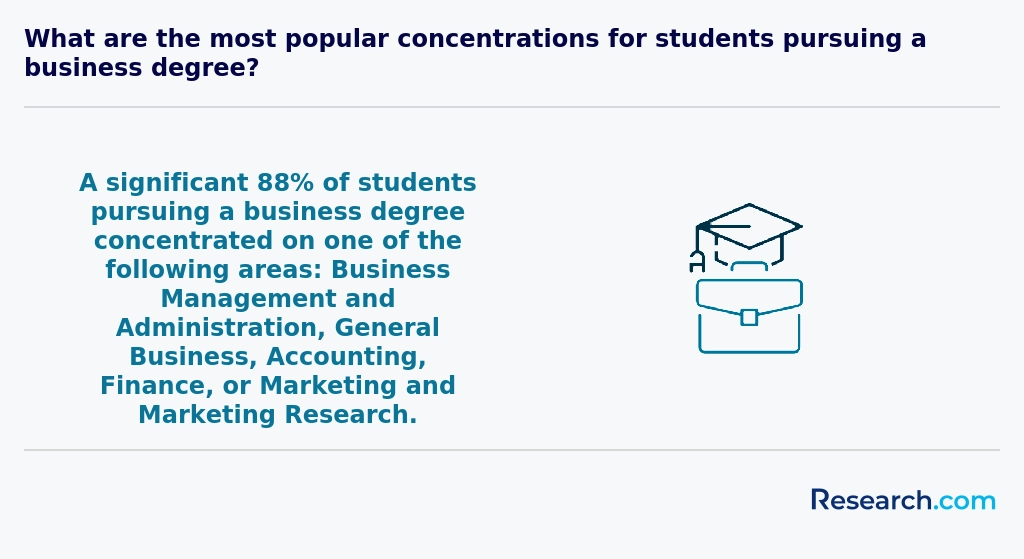
In Arkansas, students can customize their business degree programs through elective courses, minors, and concentrations tailored to specific career goals. Many universities offer specializations such as finance, marketing, supply chain management, and entrepreneurship, which help align coursework with industry demands. According to the Arkansas Department of Workforce Services, finance and management positions are among the fastest growing in the state, making these concentrations popular choices.
Additionally, students may participate in internships and cooperative education programs that provide hands-on experience with local businesses. This practical approach enhances skills relevant to Arkansas's diverse economy, including agriculture, manufacturing, and retail sectors.
Graduate certificates or dual degree options are also available at several Arkansas institutions, allowing further customization and skill enhancement. Utilizing academic advising and career services can help students design a path that matches their ambitions and meets workforce needs.
Business students in Arkansas often face the challenge of balancing academic demands with financial pressures. According to the Arkansas Department of Higher Education, tuition and fees have steadily increased, making affordability a key concern for many.
Another common difficulty is limited access to internships and networking opportunities compared to larger metropolitan areas. This can impact practical experience and career prospects after graduation.
Students also report challenges adapting to evolving business technologies and the need to stay current with digital skills, which are crucial in today's market. Additionally, navigating scholarship options and financial aid processes can be complex.
A business degree from an Arkansas college opens doors to various professional certifications that can boost your career. Common options include the Certified Public Accountant (CPA) credential, especially popular among accounting graduates. Arkansas requires 150 semester hours of education to sit for the CPA exam, which often means additional coursework beyond a bachelor's degree. Another prominent certification is the Project Management Professional (PMP), valued across industries in Arkansas's growing logistics and manufacturing sectors.
Other certifications include the Certified Management Accountant (CMA) and the Financial Risk Manager (FRM), both recognized nationally. These qualifications help graduates stand out in competitive fields and may increase earning potential.
Writing a winning application for a business program in Arkansas requires careful preparation and clear communication of your goals. Start with a strong personal statement that explains why you want to study business and how it aligns with your career plans. Emphasize any relevant experience, such as internships, volunteer work, or part-time jobs in Arkansas's growing business sectors like retail, healthcare, or manufacturing.
Arkansas schools often value applicants who demonstrate leadership and community involvement. Highlight achievements that showcase these qualities. Additionally, ensure your academic records show steady progress, especially in courses like math and economics, which are key for business studies.
Many Arkansas business programs require letters of recommendation. Choose references who can speak to your work ethic and potential for success in a business environment. Finally, proofread your application carefully; attention to detail reflects professionalism, critical in business fields.
Business careers today are shaped by a global economy where understanding international markets is essential. Graduates with a business degree from Arkansas benefit from the state's growing trade activities, especially with Latin America and Asia. According to the Arkansas Economic Development Commission, exports contribute significantly to the local economy, boosting demand for professionals with global business knowledge.
US business education emphasizes skills like cross-cultural communication and international finance. For Arkansas students, programs often include global case studies and opportunities for study abroad or internships, preparing them for diverse work environments.
Overall, a business career involves navigating complex international challenges, making global perspectives a valuable asset.
Students pursuing a business degree in Arkansas can gain practical experience through internships, cooperative education programs, and on-campus business competitions. Many Arkansas colleges collaborate with local companies, providing opportunities to work in industries such as agriculture, retail, and manufacturing-key sectors in the state's economy. The Arkansas Department of Workforce Services reports that business internships can increase job placement rates by up to 20% for graduates. Additionally, several universities offer student-run enterprises and consulting projects, allowing hands-on learning. Engaging with the Arkansas Small Business and Technology Development Center also provides mentorship and real-world challenges that enhance professional skills while studying.
Choosing the right concentration within a business degree program in Arkansas starts with assessing your career goals and local industry demands. The state's economy is strongly supported by sectors such as manufacturing, healthcare, and agriculture, which often shape popular concentrations like supply chain management, healthcare administration, and agribusiness.
It's helpful to review Arkansas Department of Workforce Services data, which highlights sectors with job growth. For example, business analytics and information systems are gaining traction as companies invest in digital transformation.
Consider also your personal strengths and interests alongside program offerings at Arkansas institutions. Look for concentrations that provide practical skills and internships aligned with regional employers to maximize job opportunities post-graduation.
Related Business Rankings for Nearby States
- 2027 Most Affordable Online Business Degree Programs Ranking in Missouri
- 2027 Most Affordable Online Business Degree Programs Ranking in Oklahoma
- 2027 Most Affordable Online Business Degree Programs Ranking in Tennessee
- 2027 Most Affordable Online Business Degree Programs Ranking in Mississippi
- 2027 Most Affordable Online Business Degree Programs Ranking in Texas
- 2027 Most Affordable Online Business Degree Programs Ranking in Kentucky
- 2027 Most Affordable Online Business Degree Programs Ranking in Kansas
- 2027 Most Affordable Online Business Degree Programs Ranking in Ohio
- 2027 Most Affordable Online Business Degree Programs Ranking in Nebraska
- 2027 Most Affordable Online Business Degree Programs Ranking in South Carolina
Top Trending Business Rankings
See What Experts Have To Say About Studying Business
Read our interview with Business experts

Ingrid S. Greene
Business Expert
Clinical Assistant Professor of Management
Loyola Marymount University


David W. Stewart
Business Expert
Emeritus President's Professor of Marketing
Loyola Marymount University

References
- Bringing global perspectives to leadership in business https://www.eaie.org/resource/global-perspectives-leadership-business.html
- 8 Best Places to Study Abroad for Business [+ How to Choose] https://www.semesteratsea.org/study-abroad-for-business/
- Enterprise project challenge https://barclayslifeskills.com/help-others/lessons/enterprise-project-challenge/
- How to Write the Perfect Cover Letter – EU Business School https://www.euruni.edu/blog/write-perfect-cover-letter/
- Why Alumni Networks Matter in Business School: 7 Reasons https://europe.ceibs.edu/article/why-alumni-networks-matter-business-school
- 1. Online registration https://moderna.edu.pl/majors/management/bachelor-of-management/business-management/
- Global careers, real impact: building your career with an international business degree | University of East London https://www.uel.ac.uk/blog/global-careers-real-impact-building-your-career-international-business-degree
- A 2016 Global Perspective on Business and Career Planning https://careerproinc.com/blogging/a-2016-global-perspective-on-business-and-career
- Degrees and Programs | Rankin College of Business | Southern Arkansas University https://www.saumag.edu/business/degrees/
- 55 Trending Business Ideas for 2025 and Beyond https://www.uschamber.com/co/start/business-ideas/top-trending-business-ideas


