
2027 Most Valuable Business Degree Programs Ranking in Albany

Co-Founder and Chief Data Scientist
Choosing the right business degree program in Albany can shape your future career and open doors to exciting opportunities. This article introduces the 2027 Most Valuable Business Degree Programs Ranking in Albany, created by the Research.com team of data scientists to guide students like you.
By exploring this ranking, you'll gain insight into programs that offer the best value for your investment of time and effort. A business degree can provide essential skills, boost confidence, and prepare you for success in a competitive world.
Start your journey with clarity and confidence by discovering programs worth considering.
Key benefits of getting business degree in Albany
- Salary for business degree graduates: Graduates can expect competitive salaries, such as Business Analysts earning a mean annual wage of $112,950 and Business Development Executives making about $83,190 per year, highlighting strong financial rewards.
- Career paths: A typical Albany business graduate can explore diverse roles like marketing, finance, or consulting, benefiting from local industry connections that boost job opportunities and professional growth.
- Online degree benefits: Earning an online business degree from a popular Albany university offers flexibility and allows students to balance work or family while gaining the same quality education, making career advancement more accessible.
- Key benefits of getting business degree in Albany
- What can I expect from business degree in Albany?
- Where can I work with business degree in Albany?
- How much can I make with business degree in Albany?
- 2027 Most Valuable Business Degree Programs Ranking in Albany
- Key Findings
- How long does it take to complete business degree in Albany?
- Return on Investment (ROI) for Business Degrees in Albany, NY
- What's the difference between online and on-campus business degree?
- What is the average cost of business degree in Albany?
- Why Choose a Business School in New York?
- What financial aid is available to business degree students in Albany?
- Future Trends and Career Outlook in Business Education
- What are the prerequisites for enrolling in business degree program in Albany?
- Return on Investment (ROI) for Business Degrees in Albany, NY
- What courses are typically in business degree programs in Albany?
- What types of specializations are available in business degree programs in Albany?
- How do you choose the best business degree in Albany?
- What career paths are available for business degree students in Albany?
- What is the job market for business degree in Albany?
- Top Trending Business Rankings
- See What Experts Have To Say About Studying Business
What can I expect from business degree in Albany?
The average cost of obtaining a business degree in Albany tends to be more affordable than in many other urban areas, particularly at public institutions like the University at Albany (SUNY Albany). Graduates often remark on the value they received, balancing quality education with tuition typically lower than private universities. For many, this affordability reduces stress over student debt, allowing them to focus more on learning and networking opportunities.
While tuition costs vary, public schools in Albany frequently offer competitive rates with additional financial aid or scholarships. This financial accessibility is a common theme among alumni who found it easier to manage expenses while gaining hands-on experience through internships tied to Albany's government offices or finance sector.
However, some students express the challenge of balancing cost with the desire for specialized programs or private university resources. Despite this, many appreciate how local programs integrate real-world skills like digital analytics and sustainability, preparing them well without exorbitant fees.
Where can I work with business degree in Albany?
Graduates with a business degree from institutions like SUNY Albany often find themselves navigating a broad spectrum of employment options within the city. Many leverage the city's political significance, securing roles in state government agencies such as the New York State Department of Financial Services, where they handle budget analysis or policy implementation. This real-world exposure allows graduates to engage directly with Albany's administrative pulse.
Others, especially those from tech-focused programs at SUNY Polytechnic Institute, report entering the growing tech and information services sectors, working in project management or supply chain roles at local startups. These opportunities illustrate how business knowledge adapts to evolving industries, though some graduates caution that competition can be intense.
Additionally, graduates often pursue careers in Albany's robust financial services scene or healthcare administration at facilities like Albany Medical Center. The hands-on internships available through Albany-area colleges foster confidence and real skills, helping graduates step into positions managing operations or financial planning effectively. This practical experience makes career transitions feel tangible and rewarding rather than abstract.
While retail and hospitality are popular paths for recent graduates, offering managerial roles and marketing jobs, many emphasize the need to balance passion with patience as these sectors can demand persistence. Overall, studying business in Albany connects students to a community where diverse industries intersect, shaping well-rounded professionals.
How much can I make with business degree in Albany?
Graduates with a business degree in Albany can expect varied earnings depending largely on their chosen career path and local market conditions. For example, a Business Development Executive in Albany earns an average annual wage of about $83,190, reflecting the mid-to-upper range of entry and mid-level roles. Meanwhile, Business Analysts-often popular among graduates from local institutions like the University at Albany or Sage College-tend to earn significantly more, with a mean salary near $112,950 per year. This higher wage highlights the value placed on analytical and strategic skills within Albany's corporate and tech sectors.
One graduate shared that after completing a degree at a well-known Albany business program, landing an analyst role at a financial services firm meant starting near the national average but quickly increasing with experience and certifications. The local economy, shaped by finance, healthcare, and government industries, supports these competitive salaries, though earnings can vary depending on specialization and experience.
It's important to note that while some roles like Project Manager or Operations Supervisor lack specific local salary data, many Albany graduates find management or senior specialist positions to be rewarding, with salaries often exceeding national averages when supported by advanced degrees or certifications such as an MBA or CPA.
2027 Most Valuable Business Degree Programs Ranking in Albany
How do we rank schools?
Investing in your education is a significant decision that can profoundly impact your career and future. The Research.com team recognizes the importance of making well-informed choices and has dedicated extensive effort to ensure the quality, credibility, and accuracy of the "2027 Most Valuable Business Degree Programs Ranking in Albany."
We utilized the following reputable data sources to create a comprehensive and reliable evaluation:
This ranking offers prospective students valuable insights to help them identify the most impactful business degree programs in Albany, supporting them in making confident educational decisions. For a more detailed overview of our ranking process, please visit our Research.com methodology page.

# 2 position
Excelsior University
Bachelor of Business Administration

# 3 position
Excelsior University
Master of Business Administration
# 5 position
Bryant & Stratton College-Albany
Bachelor of Business Administration

Key Findings
- Tuition at public universities in Albany ranges from $7,000 to $10,000 per year for in-state students, while private schools charge between $30,000 and $50,000 annually.
- Living expenses in Albany average around $12,000 per year, separate from tuition costs.
- Entry-level business graduates can expect a starting salary near $52,000 per year, with mid-career incomes between $75,000 and $90,000.
- Albany's job market has an unemployment rate around 4%, which is slightly below the national average.
- Key local employers include government agencies, legal firms, financial institutions, tech startups, and consulting companies.
- Students can access internships and networking opportunities through university partnerships with local businesses and can specialize in accounting, marketing, or supply chain management.
How long does it take to complete business degree in Albany?
Completing a business degree in Albany usually takes around four years for full-time undergraduates at institutions like the University at Albany. Graduates often recall balancing campus life and internships, which enriched their experience but required careful time management. Those who study part-time or juggle work alongside classes might extend their studies to five or six years, a reality shared by many professionals attending evening or weekend courses offered by several Albany colleges.
For graduate business students, such as those pursuing an MBA, the timeline typically ranges from one to two years full-time. Some appreciate accelerated programs designed for working adults, allowing degree completion in as little as 12 months. These flexible formats, particularly in online options at the University at Albany's School of Business, allow students to maintain careers while advancing their education.
Ultimately, the length of study depends heavily on individual circumstances, including program curriculum, internships, and personal commitments, highlighting why students in Albany value adaptable scheduling to fit their unique paths.
Return on Investment (ROI) for Business Degrees in Albany, NY
Calculating the return on investment (ROI) for a business degree involves weighing tuition and fees against post-graduation earnings. In Albany, the average bachelor’s program costs between $12,600 and $13,100, while graduates enter roles like Project Manager ($80,220/year) or Business Analyst ($108,790/year). With these figures, most students recover their undergraduate investment within three to five years, based on net income growth and career advancement. For those considering an MBA, comparing program costs to the median salary boost-often 20–30% higher than bachelor’s holders-can clarify long-term benefits. Prospective MBA candidates seeking cost-effective options should explore affordable aacsb accredited online mba programs no gmat, which can reduce upfront expenses while delivering AACSB-recognized credentials. Online MBA pathways often feature lower per-credit rates and no relocation costs, enabling students to maintain full-time employment and apply real-time learning to their roles. When assessing ROI, factor in tuition discounts, scholarships, and employer tuition‐reimbursement programs to minimize debt and maximize net return. To make an informed choice, plot your projected salary trajectory against total program costs over a 10-year horizon. Use present value calculations to compare on-campus versus online MBA offers, and review alumni success data for each institution. By focusing on programs with strong career services, high post-graduation placement rates, and transparent cost structures, students in Albany can confidently select a business degree that delivers measurable returns-both financially and professionally.
What's the difference between online and on-campus business degree?
The main difference between online and on-campus business degrees in Albany centers on how students engage with learning and resources. Graduates from on-campus programs at institutions like the University at Albany often emphasize the value of face-to-face interactions with professors and peers, which creates rich opportunities for networking and hands-on projects linked to local business hubs such as the Albany NanoTech Complex. This environment can make internships and live collaborations more accessible and tangible.
Conversely, students pursuing online business degrees appreciate the flexibility to balance work or family commitments since they can study anytime without commuting. However, some graduates mention the challenge of maintaining motivation without the immediate campus environment and in-person support. Online learners typically develop strong digital skills, which increasingly matter in today's business world.
Cost differences may also influence choices: on-campus tuition at Albany institutions tends to align with national averages near $10,000 for in-state students, while some online programs offer lower fees, but this varies. Both paths require disciplined study to succeed, yet the choice ultimately reflects personal priorities around interaction, convenience, and career goals.
What is the average cost of business degree in Albany?
The average business degree cost in Albany varies notably depending on the type of institution and residency status, shaping the overall affordability for students. Graduates from SUNY Albany, a leading public university, often point out that in-state tuition averages around $10,866 annually, offering a solid education experience with manageable costs. Out-of-state students, however, face significantly higher tuition, substantially increasing the total expense to approximately $50,263 for the entire program. This wide range reflects the economic decisions students must weigh when selecting where to study business.
Community colleges such as Hudson Valley Community College provide an appealing alternative with much lower tuition, closer to $5,000 per year for local students, allowing ambitious learners to start their business education affordably before transferring to four-year programs. One graduate shared how this path reduced financial strain while providing practical skills applicable to Albany's dynamic business environment.
Private institutions like the College of Saint Rose represent another cost tier, regularly charging near $30,000 per year. Students choose these schools for smaller class sizes and personalized support, but they must be prepared for the greater financial commitment. Considering these variables, the total cost of business degree programs Albany-wide spans a range influenced by personal circumstances and goals.
Deciding on a business program often involves exploring financial aid opportunities, with roughly 70% of New York students benefiting from scholarships or grants. Prospective students are encouraged to research valuable business schools in New York to maximize both educational value and affordability.
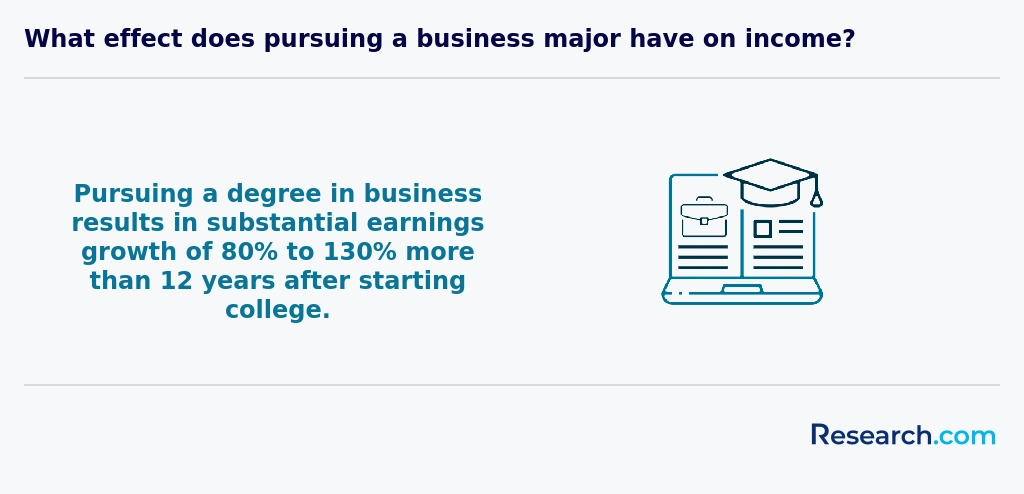
Why Choose a Business School in New York?
When considering a business education, the location of the institution can play a significant role in shaping the learning experience and future career opportunities. For those interested in pursuing a business degree, New York stands out as a hub for business and finance, offering students unparalleled access to networking opportunities, internships, and job placements. The state is home to some of the world's most influential companies and financial markets, including Wall Street, making it an ideal place for business students to learn and grow. Prospective students can explore valuable business schools in New York to find the program that best aligns with their career aspirations and interests. By choosing a business school in New York, students position themselves for success in a global business environment, with the potential to connect with leading professionals and contribute to innovative projects that drive economic growth and development.
What financial aid is available to business degree students in Albany?
Business students in Albany find a range of financial aid options, though navigating these requires awareness of eligibility criteria and application processes. Graduates from the University at Albany often recall how completing the FAFSA opened doors to federal grants like the Pell Grant, which can provide up to $7,895 annually, easing the burden of tuition that varies from $7,000 to over $25,000 depending on the institution. This federal aid, however, is frequently combined with state assistance such as New York's Tuition Assistance Program (TAP), offering grants up to $6,585 for qualifying in-state students. Many Albany business students emphasize how these layered grants reduced their financial stress significantly.
Merit-based scholarships from local universities also play a vital role. For instance, those attending business programs within Albany frequently share stories of receiving awards ranging from $1,000 to full tuition remission, rewarding both academic excellence and leadership. Yet, securing such scholarships can be competitive.
Beyond institutional aid, private organizations and local business groups provide additional scholarships, supporting students through community-driven efforts. Working while studying is common, with many students benefiting from work-study programs tied to the Albany metropolitan area that offer practical experience while offsetting expenses.
Some graduates mention employer tuition reimbursement programs as invaluable, especially for those balancing jobs while pursuing degrees in business. Such options highlight Albany's support for aspiring professionals but may require stable employment status, which not all students have.
Future Trends and Career Outlook in Business Education
As the business landscape continues to evolve, prospective students in Albany, NY, are witnessing a transformative shift in both educational content and career opportunities. Emerging trends in digital transformation, remote work, and sustainable business practices are reshaping curricula and providing graduates with a competitive edge. Institutions are now integrating advanced technology modules, such as artificial intelligence applications, data analytics, and blockchain fundamentals, into traditional business courses. These enhancements ensure that students remain agile and well-prepared to navigate an increasingly complex global market. Furthermore, strategic partnerships with local enterprises and startups in Albany are creating dynamic internship and mentorship opportunities, offering real-world experience and bolstering professional networks. This shift not only amplifies classroom learning but also fosters a proactive approach to problem-solving and innovation. For instance, recent studies have shown that programs incorporating experiential learning components significantly improve job acquisition rates and long-term career satisfaction. Students interested in exploring diverse pathways may find that early exposure to flexible learning structures-reflected in initiatives such as rankings of easiest business degrees-can serve as a stepping stone to more specialized sectors. As employers increasingly seek candidates who are technologically proficient and adaptable, a business degree enriched with current trends promises substantial returns on investment. Staying informed about these advancements and adapting to industry demands will be critical for graduates aspiring to become leaders in the modern business environment.
What are the prerequisites for enrolling in business degree program in Albany?
Enrolling in a business degree in Albany typically requires completion of a high school diploma or equivalent, along with coursework in essentials like mathematics and English. Graduates from well-known Albany colleges often recall how their solid foundation in subjects such as economics or social studies eased their transition into business studies. Some institutions still value SAT or ACT scores, with averages around 1100 to 1300, though many have adopted test-optional policies, reflecting evolving admissions trends.
For those pursuing an MBA in Albany, holding an undergraduate degree is mandatory, but it doesn't always have to be in business. Many graduates emphasize how prior courses in statistics or accounting helped them navigate the rigorous curriculum. Additionally, submitting GRE or GMAT scores remains common unless waived, highlighting the importance of standardized assessments in showcasing preparedness.
Professional experience, often two to five years in business or management, is another prerequisite many find motivating, as it connects academic theories to real-world challenges. Financially, students appreciate knowing the cost differences between public universities and private colleges in Albany, enabling better planning.
Return on Investment (ROI) for Business Degrees in Albany, NY
Return on Investment (ROI) is a key consideration when evaluating the true value of a business degree-measuring the net financial gain realized over time compared to the total cost of tuition and fees. In Albany, NY, the average total cost for a bachelor’s business program ranges from $12,600 to $13,100 per year for in-state students, while private institutions may charge up to $50,000 annually. By comparing these costs against post-graduation salaries, students can estimate their break-even point and long-term earnings potential. On average, graduates stepping into roles such as Project Manager (mean salary $80,220) or Business Analyst (mean salary $108,790) can recoup their investment within two to three years, assuming a full-time starting salary. For example:
- Project Manager ROI: $80,220 annual salary ÷ $50,000 total program cost = 1.6 (payback period ~1.6 years)
- Business Analyst ROI: $108,790 annual salary ÷ $50,000 total program cost = 2.2 (payback period ~2.2 years) To maximize ROI, consider program format and financial aid strategies. Online programs often have lower per-credit tuition and flexible pacing, reducing opportunity costs. Prospective students can compare affordable online options-see the Inexpensive Online Master's in Business Degree Programs Ranking in South Carolina-to benchmark tuition and net returns against local offerings. Additionally, leveraging scholarships, employer tuition reimbursement, and accelerated pathways (such as 3+1 bachelor’s/master’s tracks) can further shorten the payback period and enhance long-term earning potential.
What courses are typically in business degree programs in Albany?
Business degree programs in Albany typically include core courses such as management principles, accounting, marketing, and economics, which reflect a balanced foundational knowledge. Graduates from prominent local institutions often describe management classes as eye-opening, particularly when exploring leadership within a government agency or a local startup setting. Accounting courses, both financial and managerial, teach practical skills that are immediately applicable when reviewing budgets or financial reports for nonprofits common in Albany's public sector.
Marketers in training often highlight coursework focused on consumer behavior and market research, which resonate well given Albany's diverse population and evolving market trends. Similarly, economics classes delve into micro and macroeconomic theories that help explain the surrounding financial services hub, fostering analytical thinking important for navigating Albany's specific business landscape.
Quantitative courses such as statistics and business analytics are praised for sharpening data-driven decision-making, with some students noting how these skills help them interpret real-world market data from internships in the region. Electives like entrepreneurship or supply chain management provide opportunities to specialize, often inspired by Albany's vibrant small business community and government contracts.
Some graduates also appreciate the inclusion of business law or ethics courses, which prove crucial when working with public institutions that require a keen sense of legal and ethical accountability. Overall, the course mix in Albany's business programs blends general principles with local relevance, preparing students to contribute meaningfully in both corporate and public sector roles.
What types of specializations are available in business degree programs in Albany?
Business degree specializations in Albany typically include areas like finance, marketing, management, entrepreneurship, and supply chain operations. Graduates from Albany's well-regarded colleges often highlight how studying finance connects them directly to local banking and asset management firms, reinforcing the city's role as a financial hub. However, not all experiences are uniform-some students find marketing appealing due to Albany's expanding tech startups, which demand skills in digital marketing and brand management, aligning with the city's evolving economic landscape.
Albany business degree concentration options also reflect broader career-focused tendencies. For instance, management students frequently mention gaining leadership skills relevant to service industries and public administration, essential sectors in the region. Alternatively, entrepreneurship specialization resonates with those eager to launch startups, leveraging Albany's supportive innovation environment. One graduate noted how learning supply chain logistics was especially relevant given the city's manufacturing presence. Students weighing these options might also benefit from consulting rankings of easiest business degrees to consider workload balance and career goals.
How do you choose the best business degree in Albany?
Choosing the best business degree in Albany means balancing multiple factors rather than relying on reputation alone. Graduates from popular colleges often emphasize the value of AACSB accreditation, which guarantees a high-quality curriculum recognized by employers. However, the cost cannot be overlooked; many students weigh the benefits of affordable business schools Albany NY offers, considering tuition alongside available financial aid and potential debt.
Beyond cost and accreditation, it's important to assess program offerings that align with your career goals. Albany's institutions commonly provide specializations in areas such as finance and entrepreneurship, with accessible internships in government and local firms providing hands-on experience. Alumni frequently report that smaller class sizes enhanced personalized learning and strengthened networking opportunities, which proved vital in their job search.
Lastly, consider career outcomes realistically. Business graduates from Albany report starting salaries between $50,000 and $60,000, a sign of a healthy local job market. For those balancing affordability and quality, exploring affordable aacsb accredited online mba programs no gmat can be a strategic option to advance without excessive financial pressure.
What career paths are available for business degree students in Albany?
Business degree career opportunities in Albany are diverse, reflecting the region's unique blend of public and private sectors. Graduates from popular institutions like the University at Albany often enter roles in finance, government administration, or healthcare management, where they apply skills in analysis, strategy, and operations. For example, one graduate shared how their internship with a state agency provided real-world insight into financial management within public administration, connecting academic knowledge to daily responsibilities. Another found success working as a marketing manager for a tech startup, highlighting Albany's growing tech scene as a fertile ground for business innovation.
While median salaries between $65,000 to $130,000 attest to potential rewards, graduates also recognize the value of certifications such as CPA or PMP to remain competitive locally. Students weigh these options carefully, especially given the Inexpensive Online Master's in Business Degree Programs Ranking in South Carolina, examining how affordable education intersects with Albany's moderate living costs. This perspective shapes career decisions, showing thoughtful navigation of top Albany business degree job paths.
What is the job market for business degree in Albany?
The business degree job opportunities in Albany reflect a diverse and stable environment shaped by sectors like government agencies, healthcare, and financial services. Graduates from local colleges often find entry-level roles in public administration or healthcare management, where practical skills learned through accredited programs meet real-world demands. For instance, a recent graduate working in a state department described enjoying the blend of teamwork and strategic planning involved, which underscores the positive employment environment despite a moderate unemployment rate.
While Albany's average starting salaries for business graduates typically range from $50,000 to $60,000, the cost of attending popular local institutions remains relatively affordable. This balance offers graduates a practical return on investment, especially when compared to more costly private institutions. Some students enhance their career prospects by pursuing additional certification that pay well, boosting their appeal to employers.
Overall, the Albany business degree career outlook offers a pragmatic path for those prioritizing steady employment and meaningful work within a community-oriented economy, supported by a job market that actively seeks versatile business skills.
Frequently Asked Questions About business
Business degree students in Albany can maximize their learning experience by engaging with the city's strong network of local businesses and internships. Albany's status as New York State's capital provides unique opportunities in government and finance sectors, which are among the largest employers in the area, according to the Albany-Colonie Regional Chamber of Commerce.
Enrolling in experiential learning programs, such as cooperative education or internships offered through institutions like the University at Albany, helps students gain practical skills while building professional connections.
Students should also participate in business clubs and networking events, which Albany hosts frequently, allowing exposure to real-world business challenges and local entrepreneurs.
Utilizing resources like career services and attending workshops on emerging business trends can further enhance job readiness and industry knowledge relevant to Albany's market. According to recent data from the New York State Department of Labor, Albany's business sector is growing steadily, amplifying the value of these experiences.
The business field is evolving rapidly, and several emerging niches are gaining prominence for students pursuing degrees in Albany. One key area is sustainable business practices, reflecting increased demand for environmentally conscious strategies. As Albany's economy grows, sectors like data analytics and business intelligence are becoming critical, with local employers seeking graduates skilled in interpreting complex data. Another niche is healthcare management, driven by Albany's expanding medical facilities and research institutions.
Additionally, entrepreneurship and innovation continue to attract interest, supported by state programs fostering startups. According to Albany's regional workforce reports, job growth in these specialties is outpacing traditional business roles, signaling strong future opportunities.
After earning a business degree in Albany, preparation for the job market involves combining academic knowledge with practical skills. Networking plays a crucial role; Albany is home to a growing business community with over 4,000 companies, providing ample opportunities for internships and entry-level positions, according to the Albany Business Review.
Students should also focus on gaining proficiency in data analysis, digital marketing, and financial management, as these skills are in high demand locally. Albany's proximity to government agencies and tech startups further encourages developing expertise in public administration and information technology.
Career services at local universities typically offer workshops on resume writing, interview techniques, and job search strategies tailored for the Albany market. Engaging in such programs improves readiness for competitive roles.
Lastly, staying updated with regional economic trends through sources like the Albany-Colonie Regional Chamber of Commerce helps graduates align their skills with emerging demands.
Employers in Albany highly value business degree graduates who demonstrate strong analytical and communication skills. According to the New York State Department of Labor, critical thinking and problem-solving abilities rank among the top qualities sought by local employers. Graduates proficient in data analysis and financial literacy stand out in Albany's competitive business environment. Additionally, teamwork and leadership capabilities are essential, as many companies emphasize collaboration in their organizational culture.
Familiarity with digital tools and software, such as Excel and CRM platforms, also enhances job prospects. The Capital District Regional Planning Commission highlights adaptability and a willingness to learn as key traits given Albany's evolving market demands.
Finding internships in Albany relevant to a business degree involves utilizing several local resources and strategies. Start by exploring internship listings through nearby institutions such as the University at Albany, which often partners with local businesses to offer opportunities. The Albany Business Review and Capital Region Chamber of Commerce websites also regularly list internships from companies across industries like finance, marketing, and management.
Networking plays a crucial role; attending career fairs and local business events can connect students with potential employers. Additionally, Albany's growing sectors such as healthcare administration and digital marketing provide diverse internship options.
Many internships in Albany are unpaid or offer modest compensation, so students should prepare accordingly. Utilizing university career centers for resume assistance and interview preparation can improve chances of landing a business internship. According to the National Association of Colleges and Employers, approximately 56% of internships nationally lead to full-time jobs, underscoring their importance.
A business degree in Albany significantly enhances career mobility and advancement opportunities. According to data from the Albany-Colonie Regional Chamber of Commerce, individuals with business degrees earn on average 20% higher salaries compared to those without specialized degrees in the region. Employers in Albany's growing sectors-such as finance, healthcare administration, and technology-actively seek graduates with skills in management, marketing, and financial analysis.
The University at Albany reports that its business alumni achieve faster promotion rates, often moving into supervisory roles within five years. Networking through local internships and partnerships further boosts career prospects. Overall, a business degree provides a competitive advantage in Albany's diverse job market.
Studying for a business degree in Albany equips students with a broad skill set essential for interdisciplinary roles. Programs often integrate courses in economics, information technology, and communication, reflecting the diverse demands of the modern workplace. According to the U.S. Bureau of Labor Statistics, proficiency in multiple disciplines increases employability in business sectors.
Albany's business schools emphasize collaborative projects that involve real-world problems, encouraging students to apply knowledge across fields such as finance, marketing, and data analytics. This approach aligns with the needs of the city's growing sectors, including healthcare management and technology services.
Furthermore, partnerships with local industries provide internships and networking opportunities, fostering practical experience in interdisciplinary teamwork. Data from Albany's Chamber of Commerce shows graduates gaining experience in varied roles tend to advance faster in regional firms, validating this educational approach.
Choosing between a thesis and a non-thesis business degree program in Albany depends on your career goals and learning preferences. Thesis programs are research-focused, suitable for students interested in academic careers or roles requiring strong analytical skills. These programs often take longer to complete and demand deeper engagement with original research. Non-thesis options emphasize practical knowledge and coursework, ideal for those aiming to enter the workforce quickly or advance in management roles.
In Albany, where the business sector includes finance, technology, and healthcare industries, employers often value practical experience alongside academics. According to the New York State Department of Labor, business jobs in Albany are expected to grow by 5% through 2028, favoring candidates with applied skills. Evaluating your time availability and professional objectives can help you decide which path aligns best with your future in Albany's dynamic business environment.
Students in Albany seeking to study business abroad have several options through U.S. university partnerships and exchange programs. Institutions like the University at Albany offer study abroad opportunities in countries such as the United Kingdom, Spain, and China, enabling students to gain international business exposure. According to the Institute of International Education, about 10% of U.S. business majors participate in study abroad programs, enhancing their global understanding and employability.
Albany's strong emphasis on international business is reflected in its curriculum and extracurricular programs, which often integrate global case studies and collaborations. These experiences prepare students for the increasingly interconnected business world.
Part-time job opportunities in Albany that complement business degree education are diverse, allowing students to apply classroom knowledge in real-world settings. Roles in retail management, customer service, and administrative support are common and help develop essential skills like communication and organization. Additionally, internships or part-time positions in Albany's growing finance sector provide practical experience in banking and investment, important for business students.
Albany's status as New York State's capital offers unique chances in government-related fiscal offices and nonprofit organizations, where students can engage in budgeting and project management. According to the U.S. Bureau of Labor Statistics and Albany economic reports, such roles enhance career readiness by blending academic concepts with workplace demands.
Albany offers a variety of networking opportunities for business students, connecting them with the region's diverse economic sectors. Institutions like the University at Albany provide access to career fairs and alumni events, where students can meet professionals from industries such as finance, technology, and healthcare.
Local organizations like the Albany-Colonie Regional Chamber of Commerce frequently host networking mixers and workshops tailored to young professionals. These events allow students to build relationships with business leaders in the Capital Region, which has a growing employment rate of 4.2% in business-related fields, according to the U.S. Bureau of Labor Statistics.
Additionally, internships with prominent Albany companies offer practical experience and valuable contacts. Such hands-on involvement is crucial for establishing mentorships that often lead to job offers post-graduation.
Alumni networks provide essential support for business degree students in Albany by fostering professional connections that can lead to internships, mentorships, and job opportunities. According to data from the Albany Business Review, 72% of local business graduates found employment within six months, often leveraging alumni contacts. These networks also offer access to industry insights and workshops tailored to Albany's economy, which has strong sectors in finance and technology.
An active alumni community can help students navigate the competitive job market by giving advice based on real-world experience. Networking events hosted by universities in Albany frequently attract local business leaders, enhancing students' chances for meaningful engagement.
In Albany, students can customize their business degree programs by selecting from various concentrations such as finance, marketing, management, or entrepreneurship. Many local institutions offer flexible curricula allowing learners to tailor courses to align with specific career goals.
Internships and cooperative education opportunities in Albany's growing sectors, including healthcare management and technology, provide practical experience that complements academic learning.
Additionally, elective courses in areas like data analytics and supply chain management enable students to acquire skills increasingly valued by employers in the Capital Region. According to the New York State Department of Labor, Albany's business services sector is expected to grow by 5% annually, highlighting demand for specialized expertise.
Graduate certificates and dual-degree options further support customization, aiding professionals seeking advancement or career shifts within the regional economy.
Business students in Albany often face challenges related to balancing academic demands with financial pressures. According to the National Center for Education Statistics, the average annual tuition for public universities in New York is over $10,000, which can be a significant burden for local students.
Many students also report difficulty in securing internships and experiential learning opportunities within Albany's competitive business environment. The city's job market offers limited entry-level positions in key sectors such as finance and marketing, which can hinder practical experience.
Additionally, adapting to evolving business technologies and data analytics tools remains a common hurdle, as curricula and training resources sometimes lag behind industry needs.
A business degree from an institution in Albany opens pathways to various professional certifications that can enhance career prospects. Popular certifications include the Certified Public Accountant (CPA), ideal for those pursuing accounting roles. Albany's proximity to finance and government sectors makes CPA credentials highly valuable locally.
Another widely recognized credential is the Project Management Professional (PMP), which benefits graduates interested in leadership and organizational roles. PMP holders often earn higher salaries, according to the Project Management Institute's 2023 salary survey.
For those drawn to finance, the Chartered Financial Analyst (CFA) certification is a prestigious option, focusing on investment management. Albany's growing financial services market supports demand for CFA charterholders.
Other valuable certifications include Certified Management Accountant (CMA) and Certified Business Analysis Professional (CBAP), both enhancing skills in analytics and strategic management. Pursuing these can help Albany graduates stand out in a competitive job market.
Writing a winning application for a business program in Albany requires clear focus and preparation. Start by thoroughly researching local institutions like the University at Albany, part of the SUNY system, which offers well-regarded business degrees. Highlighting your academic achievements with a strong GPA and relevant coursework is crucial.
Admissions committees also value leadership, internships, and community involvement, especially in Albany's growing financial and tech sectors. According to Albany Business Review, networking experience can enhance your profile.
Be sure to craft a compelling personal statement that explains your career goals and why Albany is your ideal location. Lastly, secure strong recommendation letters from professors or professionals familiar with your skills and ambitions.
Business careers today are increasingly shaped by global trends, requiring graduates to understand diverse markets and cultures. In the United States, including Albany, business programs emphasize global competence through courses in international trade, finance, and cross-cultural communication. According to the U.S. Bureau of Labor Statistics, jobs in global business sectors are expected to grow by 7% from 2022 to 2032, reflecting rising demand for professionals who can navigate international environments.
Albany's strategic location near major Northeast markets and international gateways offers students access to global business networks. Colleges in the area often collaborate with companies involved in global supply chains and technology export, enhancing practical learning opportunities. This global outlook prepares graduates to compete in multinational firms or pursue entrepreneurial ventures with an international dimension.
Understanding economic policies, foreign markets, and cultural nuances is vital for modern business professionals. Students developing these skills in Albany gain a valuable edge, supported by local economic data and access to regional industry experts.
Gaining practical experience while studying for a business degree in Albany is achievable through internships, cooperative education programs, and local networking opportunities. Many Albany institutions, such as the University at Albany, emphasize internship placements with established businesses in the Capital Region, including finance, technology, and healthcare sectors.
Students often secure internships with companies like Albany International or the New York Power Authority, gaining hands-on experience that enhances their resumes. According to a 2023 report from the Albany-Colonie Regional Chamber of Commerce, internships increase job placement rates by over 30% for business graduates in the area.
Additionally, participating in student-run business organizations, competitions, and volunteer projects within Albany helps build essential skills while fostering professional connections.
Choosing the right concentration within a business degree program in Albany starts with understanding your career goals and local market trends. Albany's economy is strong in finance, government, technology, and healthcare sectors, which often influence popular concentrations such as finance, management, and information systems. According to the Albany-Colonie Regional Chamber of Commerce, finance and tech jobs have grown by over 8% in recent years, highlighting demand in these fields.
Next, consider programs that align with your interests and offer practical experience. Look for concentrations offering internships or partnerships with local businesses, which can boost your job prospects in Albany's competitive market. Additionally, research faculty expertise and course offerings to ensure a good fit with your career plans.
Related Business Rankings for Nearby Cities
- 2027 Most Valuable Business Degree Programs Ranking in Springfield
- 2027 Most Valuable Business Degree Programs Ranking in New Haven
- 2027 Most Valuable Business Degree Programs Ranking in Worcester
- 2027 Most Valuable Business Degree Programs Ranking in Syracuse
- 2027 Most Valuable Business Degree Programs Ranking in Bronx
- 2027 Most Valuable Business Degree Programs Ranking in Newark
- 2027 Most Valuable Business Degree Programs Ranking in New York
- 2027 Most Valuable Business Degree Programs Ranking in Cambridge
- 2027 Most Valuable Business Degree Programs Ranking in Brooklyn
- 2027 Most Valuable Business Degree Programs Ranking in Boston
Top Trending Business Rankings
See What Experts Have To Say About Studying Business
Read our interview with Business experts

David Souder
Business Expert
Senior Associate Dean for Faculty and Research
Michigan State University

David W. Stewart
Business Expert
Emeritus President's Professor of Marketing
Loyola Marymount University

Ingrid S. Greene
Business Expert
Clinical Assistant Professor of Management
Loyola Marymount University

References
- Career Goals: 17 Inspirational Examples for you in 2026 https://www.imd.org/blog/learning-and-development/career-goals/
- The Seven Biggest Challenges Faced by Student Entrepreneurs https://venturewell.org/blog/five-biggest-challenges/
- Internships for Business Administration (BBA) Students | UE Amsterdam https://www.ue-amsterdam.com/blog/exploring-the-internship-opportunities-during-a-bachelor-in-business-administration-degree
- Online Degree vs. Traditional: Choosing the Right Path https://beal.edu/online-degree-vs-traditional/
- How to Write the Perfect Cover Letter – EU Business School https://www.euruni.edu/blog/write-perfect-cover-letter/
- Top 10 Skills Employers Seek in Business Graduates in 2026 https://www.ibat.ie/blogs/top-10-skills-employers-seek-in-business-graduates-in-2026
- 55 Trending Business Ideas for 2025 and Beyond https://www.uschamber.com/co/start/business-ideas/top-trending-business-ideas
- Jobs after studying business administration: opportunities at a glance | JobTeaser https://www.jobteaser.com/en/advices/jobs-after-studying-business-administration-opportunities-at-a-glance
- Business Administration BS, Four-Year Plan https://www.albany.edu/academic-advising/four-year-plans/bs-business-administration
- 1. Online registration https://moderna.edu.pl/majors/management/bachelor-of-management/business-management/


