
2027 Best Online Computer Science Degree Programs Ranking in the South

Co-Founder and Chief Data Scientist
Choosing the right computer science degree program can feel overwhelming, especially with so many options available online. If you're in the South and considering this exciting field, this article offers valuable guidance.
Our 2027 Best Online Computer Science Degree Programs Ranking in the South was carefully crafted by the Research.com team of data scientists to help you make an informed decision about which programs truly stand out.
Explore programs that fit your goals and lifestyle while opening doors to new career opportunities. Earning a computer science degree can be a transformative step toward a rewarding future.
Key benefits of getting online computer science degree in the South
- Salary benefits: Graduates with a computer science degree can earn impressive salaries, such as software engineers making around $138,110 annually and IT support specialists earning about $63,640 per year.
- Career paths: A graduate from a southern university can explore diverse roles like software developer, web developer, or data analyst, each offering strong growth opportunities and rewarding work.
- Online degree advantages: Earning a computer science degree online from a prominent southern school offers flexibility and convenience, allowing students to balance work and studies without moving away from home.
- Key benefits of getting online computer science degree in the South
- What can I expect from online computer science degree in the South?
- Where can I work with online computer science degree in the South?
- How much can I make with online computer science degree in the South?
- 2027 Best Online Computer Science Degree Programs Ranking in the South
- Key Findings
- How long does it take to complete online computer science degree in the South?
- Tips for Success in Your Online Computer Science Program
- What's the difference between online and on-campus computer science degree?
- Accreditation and Quality Assurance
- What is the average cost of online computer science degree in the South?
- Online Learning Experience and Technical Requirements
- What financial aid is available to online computer science degree students in the South?
- Technical Requirements and Learning Platforms
- What are the prerequisites for enrolling in online computer science degree program in the South?
- Student Support and Resources
- What courses are typically in online computer science degree programs in the South?
- What types of specializations are available in online computer science degree programs in the South?
- How do you choose the best online computer science degree in the South?
- What career paths are available for online computer science degree students in the South?
- What is the job market for online computer science degree in the South?
- Top Trending Computer Science Rankings
- See What Experts Have To Say About Studying Computer Science
What can I expect from online computer science degree in the South?
If you're wondering about the cost of an online computer science degree in the South, you'll find it pretty reasonable compared to other regions. Many public universities, like the University of Florida and Texas A&M, offer in-state tuition rates even for online students outside their state, which really helps keep expenses down. Graduates often mention how they appreciated the affordability without compromising quality-making it easier to focus on learning rather than stressing over tuition bills.
Since these programs usually match the curriculum of their on-campus versions, what you pay supports a solid education with access to great resources like virtual labs and interactive lectures. Plus, you'll often find scholarships and state funding that further lower the sticker price, making it more doable for folks juggling work and life.
All in all, Southern students get a sweet deal: quality computer science education at a fraction of the cost you might expect, which feels like hitting the jackpot when planning your future.
Where can I work with online computer science degree in the South?
If you earn an online computer science degree in the South, you're stepping into a vibrant job market full of cool tech gigs. Graduates from places like the University of Texas at Austin or Georgia Tech often find themselves working with big names in Atlanta or Austin, countries' hottest tech hubs. Picture landing a job as a software developer at a startup in Raleigh or managing cybersecurity for a healthcare company in Nashville. It's totally doable and quite common.
Many grads mention how flexible remote work options have opened doors to companies all over-even national or international firms that just care about your skills, not your zip code. Whether it's crunching data for a finance firm in Dallas or keeping IT systems safe for a local government agency, the Southern tech scene has tons of opportunities.
Plus, the growing startup culture in Southern cities offers roles in software engineering and project management, making the entire region buzzing with career possibilities you'd be excited to dive into.
How much can I make with online computer science degree in the South?
If you're coming out of an online computer science program at a Southern school-think places like Georgia Tech or the University of North Carolina-your paycheck can look pretty solid. For starters, many grads jump into roles like software developers or engineers, where the mean annual wage runs around $138,110. That's well above the national average and definitely something to get excited about.
Not everyone lands a six-figure gig right away, though. Entry-level jobs like IT support specialists tend to start closer to $63,640 a year, which is still a comfortable amount in most Southern cities. Plus, if you lean into roles like web development, expect about $95,570 annually-perfect for those fun projects building apps or websites during your studies.
Data analyst positions are also booming, offering around $119,040 a year. Graduates from online programs often feel pumped seeing how their hard work at schools in Dallas or Austin translates into real money, especially when they combine their degree with certifications. All in all, the South provides a great balance between solid salaries and a cost of living that helps your paycheck stretch further.
2027 Best Online Computer Science Degree Programs Ranking in the South
How do we rank schools?
Investing in your education is a significant decision that can shape your future, and the Research.com team understands the importance of making informed choices. To assist prospective students in the South, we have meticulously crafted the "2027 Best Online Computer Science Degree Programs Ranking in the South." Our commitment to quality, credibility, and accuracy is reflected in the extensive research and analysis conducted to compile this ranking.
We utilized the following reputable data sources to ensure a comprehensive evaluation of online computer science degree programs:
By exploring this ranking, readers will gain valuable insights into the best online computer science programs in the South, empowering them to make well-informed decisions about their educational journeys. For more details on our methodology, please visit our Research.com methodology page.


# 8 position
Full Sail University
Bachelor of Game Development


Key Findings
- Tuition for online computer science bachelor's degrees at Southern public universities ranges from $8,000 to $18,000 per year, which is below the national average.
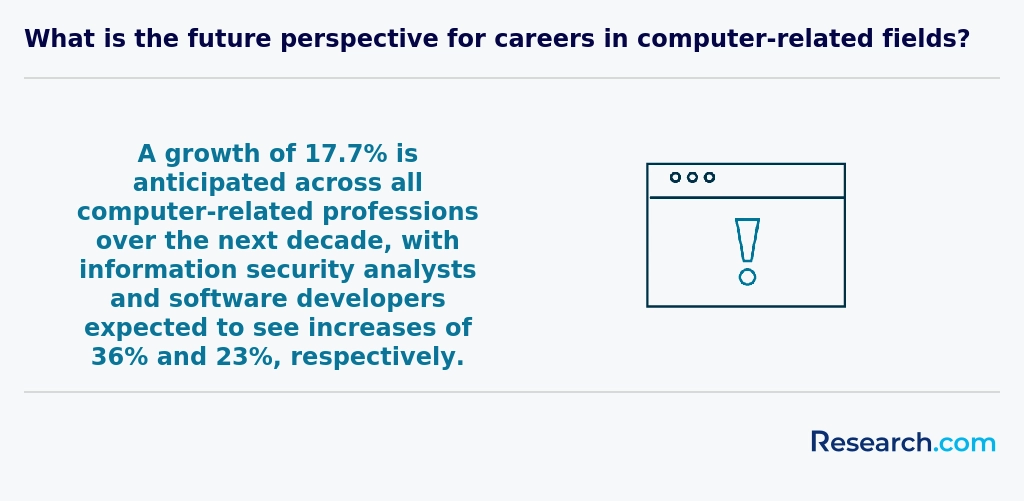
- The job market in the South is growing fast, with a 15% expected increase in technology-related jobs over the next decade.
- Entry-level salaries for computer science graduates in the South typically range from $60,000 to $75,000 annually, depending on location and employer.
- Experienced professionals can earn between $90,000 and $115,000 or more after five to ten years in the field.
- Many Southern online programs are accredited by ABET, ensuring recognized quality education for students.
- Southern universities often offer flexible, asynchronous coursework and technical electives to support diverse student needs.
How long does it take to complete online computer science degree in the South?
If you're thinking about getting an online computer science degree in the South, expect it to take about four years if you're studying full-time. That's pretty standard at schools like the University of Georgia or Texas A&M, where students follow a traditional pace similar to in-person classes. But here's the cool part: a lot of online programs down South are super flexible.
Some graduates from Florida State mention speeding up their degree by loading up on summer classes or taking extra courses during the semester. This hustle can cut completion time down to two or three years-especially if you've already earned some college credits before. On the flip side, if life's busy juggling work or family, part-time options are popular at schools like North Carolina State, stretching your degree to five or six years, which many find manageable and less stressful.
For those eyeing a master's degree in computer science online, universities like Virginia Tech see most students finish in about 1.5 to 2 years full-time, though part-time learners might take up to four years. The best part? Many Southern schools make balancing work, school, and life totally doable.
Tips for Success in Your Online Computer Science Program
Succeeding in an online Computer Science program requires not only technical aptitude but also strong self-motivation and effective time management. Students should establish a structured daily routine, set realistic goals, and dedicate specific blocks of time for studying, projects, and interactive sessions with instructors. Leveraging tools like digital calendars, task management apps, and virtual meeting platforms can help keep track of assignments and deadlines. It's also essential to actively participate in online forums and group projects to build a network with peers and professionals in the field. In addition to academic excellence, connecting with alumni and industry mentors can provide practical insights and career guidance-consider exploring resources from the best online computer science school in virginia for further support. Finally, always seek opportunities for additional certifications and workshops that complement your coursework, ensuring that your skills remain both current and competitive in the rapidly evolving tech industry.
What's the difference between online and on-campus computer science degree?
Choosing between an online and on-campus computer science degree in the South really comes down to how you like to learn and live your life. For example, graduates from the University of Florida who took the online route often mention how flexible it was to fit classes around work or family-no need to rush across campus or sit in lectures at rigid times. But they also say you've gotta be super disciplined, since there's less in-person interaction and more self-driven study.
On the flip side, those who studied on-campus at places like Georgia Tech rave about the energy of being around people all day-getting hands-on in labs, quick face-to-face chats with professors, and those spontaneous hallway conversations that spark cool project ideas. It's like being part of a tech tribe where networking and teamwork come naturally.
Cost-wise, online programs sometimes save you some cash by cutting campus fees, but tuition can still be similar. Plus, on-campus students often have easier access to internships through career centers, though universities are stepping up virtual options for online learners too.
At the end of the day, both options open doors in tech-you just have to pick the vibe that suits your Southern lifestyle best.
Accreditation and Quality Assurance
Choosing an accredited online Computer Science program in the South ensures that your degree meets rigorous academic standards and is recognized by employers nationwide. Regional accreditation-such as from the Southern Association of Colleges and Schools Commission on Colleges (SACSCOC)-validates overall institutional quality, while programmatic accreditation from ABET (Accreditation Board for Engineering and Technology) demonstrates that a computer science curriculum satisfies industry-specific criteria. When evaluating programs, confirm that the institution holds both regional and ABET accreditation by checking the U.S. Department of Education’s database. Accredited programs undergo regular reviews of faculty credentials, curriculum relevance, student outcomes, and resource availability, guaranteeing that your coursework aligns with current technological advancements. Quality assurance also extends to partnerships and advisory boards. Leading online programs often collaborate with major tech companies-such as Cisco, Microsoft, or Google-to develop cutting-edge coursework and internship pipelines. These partnerships not only enhance the curriculum but also provide students with exclusive access to certifications, hackathons, and job fairs. For those seeking cost-effective yet high-quality alternatives, consider exploring the Affordable Computer Science Degree Programs Ranking in District of Columbia, which highlights accredited programs offering strong ROI and comprehensive support services. By prioritizing accreditation and quality assurance, you safeguard your investment, improve credit transferability, and boost your competitiveness in the job market-ensuring that your online degree in the South opens doors to a successful tech career.
What is the average cost of online computer science degree in the South?
If you're looking at the average cost of an online computer science degree in the South, expect to pay around $30,000 total. This number reflects what many graduates from popular Southern universities report after finishing their studies. For in-state students, the cost is usually lower, closer to $18,500, which makes those affordable online computer science programs Southern US really appealing. Out-of-state students often see costs near $23,700, which is still reasonable compared to private options.
One thing graduates often share is how tuition rates in places like Texas A&M, University of Florida, or Georgia Tech keep things manageable while offering quality education. They mention how the pricing isn't just reasonable but comes with flexible online schedules that fit working adults or parents perfectly, making the whole experience less stressful financially and time-wise.
Many find it useful to explore specific schools to understand what fits their budget and goals best. For example, some students focused on the best online computer science school in virginia and found the costs competitive and the education top-notch. These options show that Southern public universities work hard to keep online degrees affordable without sacrificing quality.
Online Learning Experience and Technical Requirements
Online computer science programs in the South combine flexible, self-paced coursework with live sessions and collaborative projects to balance structure and autonomy. Understanding the technology and platforms behind your online degree helps you prepare for a smooth learning journey.
- Reliable high-speed internet (minimum 25 Mbps download/upload) to stream lectures and join video conferences
- A modern laptop or desktop with at least 8 GB RAM, a multi-core processor, and 256 GB SSD for coding environments
- Access to essential software (IDEs like VS Code, compilers, virtualization tools) often provided at no extra cost
- Familiarity with learning management systems (Canvas, Blackboard) for assignments, discussions, and grade tracking
- 24/7 technical support, virtual tutoring, and librarian services to troubleshoot issues and deepen understanding
For students seeking specialized AI coursework alongside core computer science studies, explore ai online degree programs that integrate seamlessly into Southern online CS curricula.
What financial aid is available to online computer science degree students in the South?
If you're diving into an online computer science degree in the South, there's plenty of financial aid to help lighten the load. Many grads from schools like Florida State University share how federal aid-think Pell Grants and work-study-really made a difference by covering a good chunk of tuition without the stress of repayment. Plus, institutions down here offer sweet scholarships; Florida State's STEM Scholarship, for example, can knock off up to $3,000 a year, which feels like a big win when you're juggling work and classes.
State programs are also a big deal. Georgia's HOPE Scholarship, popular among Southern students, can actually cover your full tuition if you qualify, even for online courses, making college feel way more within reach. Veterans love the GI Bill and Yellow Ribbon Program benefits, which schools across the South participate in, helping cover tuition and fees seamlessly. Also, private scholarships from groups like the Computing Research Association are out there, though competitive, they're definitely worth applying for if you've got strong grades and financial need.
Finally, don't forget to file your FAFSA early-graduates often say it's the key opener for all these aids, making your degree journey feel a lot less overwhelming.
Technical Requirements and Learning Platforms
To ensure a seamless online learning experience, students should verify that their hardware, software, and connectivity meet or exceed program standards. A reliable computer with at least an Intel i5 or AMD Ryzen 5 processor, 8 GB of RAM (16 GB recommended), and a minimum of 256 GB SSD storage is ideal for compiling code and running virtual machines. High-speed internet access (at least 25 Mbps download) reduces lag during video lectures, collaborative coding sessions, and remote labs. A quality headset with noise-cancelling microphone and a webcam capable of 720p resolution will facilitate clear communication during group projects and virtual office hours. On the software side, familiarity with integrated development environments (IDEs) such as Visual Studio Code, IntelliJ IDEA, or PyCharm is essential. Version control tools like Git and GitHub are standard in coursework and industry workflows, so students should install and configure these early. Many programs include access to cloud-based labs or virtual machines-typically via Docker, AWS Educate, or Azure Dev Tools-so ensure your system can run virtualization software (e.g., VirtualBox or Hyper-V). Additionally, some assessments may use proctoring applications like ProctorU or Respondus; verify compatibility and disable conflicting browser extensions before exams. Most online programs operate on learning management systems (LMS) such as Canvas, Blackboard, or Moodle. Early navigation of these platforms-locating assignment submission portals, discussion forums, and gradebooks-will help you stay organized. Take advantage of any tutorials or tech support offered by your institution to troubleshoot login issues, software installations, or video conferencing tools like Zoom and Microsoft Teams. By mastering these technical requirements and platforms, you’ll develop the practical skills that mirror real-world development environments. This preparation not only enhances your academic performance but also lays the groundwork for exploring different types of coding jobs after graduation.
What are the prerequisites for enrolling in online computer science degree program in the South?
If you're looking to jump into an online computer science degree in the South, the main thing you'll need is a high school diploma or GED-pretty standard stuff. Graduates from Southern universities often say having a solid grasp of math, especially algebra and basic geometry, really helped them breeze through early courses. Some schools, like those popular in Georgia or North Carolina, might ask for a GPA around 2.5 to 3.0, so it's good to keep those grades steady.
Another thing to note is that many Southern schools have gone test-optional, meaning SAT or ACT scores aren't always required, which takes some pressure off and opens doors for more folks. If you're eyeing a graduate or accelerated program, you'll usually need prior college credits or an associate degree, plus some schools appreciate a recommendation letter or a personal statement. Many students found these requirements pretty manageable, especially because Southern colleges often provide clear guidance tailored to online learners.
Student Support and Resources
Online computer science programs in the South provide essential services to help online learners thrive:
- Academic advising for personalized curriculum planning
- 24/7 technical support to resolve platform issues
- Virtual labs and peer tutoring for hands-on coding practice
- Career services offering resume reviews, interview prep, and networking events
- Mentoring programs and online communities to foster collaboration
- Elective tracks including ai online degree programs for cutting-edge specialization
What courses are typically in online computer science degree programs in the South?
If you're diving into an online computer science degree in the South, you'll find courses that really get you ready for the tech world. Graduates from popular Southern universities often talk about starting with solid basics like Introduction to Programming, where you get hands-on with languages like Python or Java-perfect for building those coding muscles.
Then, you move on to Data Structures and Algorithms, which might sound complex but soon feels like solving cool puzzles that help your apps run faster. A favorite among many is Computer Systems and Architecture, where you get to understand how your laptop's hardware and software actually talk to each other.
You'll also tackle Operating Systems to see how your device manages all the programs running at once, and Database Management to organize tons of information efficiently. Most Southern programs mix in Software Engineering too, so you learn how to design, test, and keep software running smoothly-skills graduates say made them feel ready for real jobs.
Networking and Cybersecurity courses are a must, especially down South, where jobs in digital security are booming. Many students find this stuff super exciting because it's all about protecting data from hackers-a real-life challenge.
Beyond the core, classes on cloud computing, machine learning, or mobile app development let you specialize. Southern schools often reflect local tech trends, so these options help graduates jump right into the workforce, feeling confident and prepared.
What types of specializations are available in online computer science degree programs in the South?
If you're exploring an online computer science degree in the South, you'll find a bunch of cool specializations tailored right to the region's strengths. Think cybersecurity - with states like Texas and Georgia pumping resources into protecting data, grads often land strong gigs handling digital security. Then there's data science and analytics, which is perfect if you love digging through numbers and spotting trends. Southern colleges get that this field is booming, so they offer solid programs teaching machine learning and big data skills.
Software development remains a favorite too, focusing on coding languages and creating apps, something a lot of folks in Texas and North Carolina really get excited about. Plus, artificial intelligence and machine learning tracks are popping up, especially around places like North Carolina's Research Triangle, where startups thrive. Network and systems administration is another choice, training students to keep cloud computing and networks running smoothly - a definite win for those wanting reliable tech careers.
Graduates from popular Southern schools often rave about how these focused paths helped them connect to local job markets. If you're curious about what these roles really look like day-to-day, checking out different types of coding jobs might give you a good feel. Overall, these Southern region computer science online program options make it easy to find a specialization that fits your vibe and career goals.
How do you choose the best online computer science degree in the South?
Picking the best online computer science degree in the South means focusing on what really matters to you. Many grads from Southern colleges highlight how accredited programs made their degrees legit and opened doors. So, always check that the school is recognized by agencies like SACSCOC-that stamp of approval truly counts.
Look at the courses too. The top accredited online computer science degrees Southern US offer cover all the essentials-programming, algorithms, cybersecurity-and let you dive into cool electives like AI or cloud computing. It's like one grad said, "I could tailor what I learned to the tech jobs right here in the South, which felt awesome."
Cost can't be ignored either. With tuition around $9,500 per year for in-state students at public universities in the region, online options often save you cash. To find truly budget-friendly picks, check out the Affordable Computer Science Degree Programs Ranking in District of Columbia for inspiration.
Flexibility is huge. Busy lifestyles demand asynchronous classes or part-time options, which many Southern schools offer. Folks juggling work and family rave about that freedom, making studying feel way less stressful.
In short, focus on accreditation, course content, cost, and flexibility to find the best affordable online computer science degree programs in the South that fit your life and goals.
What career paths are available for online computer science degree students in the South?
If you're diving into online computer science careers in the South, you're in luck-there's a ton of exciting options waiting for you. Graduates from schools like the University of Georgia or the University of Florida often find themselves stepping right into roles as software developers, crafting everything from mobile apps to full systems software. It's pretty common to hear about grads landing jobs in booming tech hubs in Texas or Georgia, where salaries can range quite nicely.
Other popular paths include information security analyst roles, especially as cybersecurity becomes a big deal. Many grads are drawn to positions protecting companies and governments from digital threats. Then there's data science and database administration-think analyzing huge data sets and managing cloud systems. Universities in the South are great at connecting students with these opportunities, so graduates feel ready and confident.
If you're curious about where to start, some grads swear by online programs from Southern schools that keep tuition affordable and provide solid career prep. You can also check out the highest paying college majors to get a sense of the top financial paths after your degree. Careers like AI or machine learning engineering are popping up too, especially around tech-friendly cities like Austin, Texas. It's an exciting time to be in computer science down here!
What is the job market for online computer science degree in the South?
The job market for online computer science degree holders in the South is looking pretty bright. Graduates from well-known Southern schools often find themselves quickly snapped up by tech companies in cities like Austin and Raleigh, where the demand for software developers, cybersecurity experts, and data analysts keeps growing. Many students share how studying online gave them the flexibility to balance work and family while still landing solid tech roles after graduation. This real-world experience is a big plus in the expanding Southern job market for computer science professionals.
The great thing about computer science career opportunities in Southern states is that the salaries are competitive, usually starting between $65,000 and $80,000 annually. Plus, schools in the South offer more affordable online programs compared to other parts of the country, making it easier to get quality education without breaking the bank.
For those curious about easy entry points, you might want to check out what is the easiest degree to get for some ideas that could pair well with tech roles.
Frequently Asked Questions About computer science
Students pursuing online computer science degrees in the South can enhance their learning by actively engaging with virtual labs and coding platforms. Research from the Southern Regional Education Board reports that interactive tools improve skill retention by up to 30%. Utilizing regional tech meetups or university-hosted webinars offers networking opportunities, essential in a field where 65% of jobs in Southern states require practical experience.
Scheduling consistent study times and collaborating through online forums modeled by accredited Southern universities also helps maintain discipline and deepen understanding. Additionally, accessing resources from institutions like Georgia Tech or University of Florida, both recognized for strong online CS programs, supports academic success.
The computer science field continues to evolve rapidly, with several emerging niches gaining prominence. In the South, areas like artificial intelligence (AI), cybersecurity, and data science are seeing substantial growth due to increased demand across industries. According to the U.S. Bureau of Labor Statistics, cybersecurity roles are expected to grow 35% from 2021 to 2031, especially in Southern tech hubs such as Austin, Texas, and Atlanta, Georgia.
Additionally, cloud computing and machine learning are becoming critical skills as businesses adopt digital transformation strategies. Universities in the South are adapting curricula to include these niches, preparing online students for future careers. The focus on ethical AI and data privacy also reflects broader societal concerns impacting the field's development.
After earning an online computer science degree in the South, preparing for the job market involves building both technical and soft skills. The Southern region hosts many tech hubs, such as Austin and Atlanta, which are growing rapidly with demand for software engineers and IT specialists. According to the U.S. Bureau of Labor Statistics, computer and information technology jobs in the South are projected to grow by over 13% through 2030.
Graduates should strengthen their resumes by engaging in internships, coding bootcamps, or contributing to open-source projects. Networking with local tech organizations can open doors to job opportunities. Additionally, earning certifications in cybersecurity, cloud computing, or data analytics can make candidates more competitive in the Southern job market.
Employers in the South highly value strong programming skills in languages such as Python, Java, and C++, which remain fundamental for many technical roles. According to the Computing Technology Industry Association (CompTIA), knowledge of cybersecurity and cloud computing is increasingly critical due to rising demand in Southern tech hubs like Atlanta and Austin.
Communication and teamwork skills rank among the top soft skills sought by regional employers. The Southern Association of Colleges and Schools Commission on Colleges highlights the importance of graduates being able to collaborate effectively in diverse teams, especially in remote and hybrid work environments.
Data analysis and machine learning expertise are also emphasized as key assets, with the region's expanding industries such as healthcare and finance relying on these competencies.
Finding internships in the South relevant to a computer science degree requires targeted research and networking. Many Southern universities maintain partnerships with local tech companies, offering internship pipelines. For example, the Research Triangle Park in North Carolina hosts over 300 tech firms, providing abundant opportunities for CS students.
Online students should also leverage university career services, which often list virtual and regional internships. Platforms like Handshake and LinkedIn feature internship postings tailored to Southern locations. According to the National Association of Colleges and Employers, nearly 60% of internships lead to job offers, highlighting the importance of securing relevant experience early.
Engaging in regional tech meetups or coding bootcamps can open doors to unadvertised internships. Additionally, areas like Atlanta and Austin are emerging tech hubs, increasing internship availability for Southern CS students.
An online computer science degree significantly enhances career mobility and advancement opportunities for professionals in the South. The region has seen a growing technology sector, with cities like Atlanta, Austin, and Raleigh emerging as major tech hubs. According to the U.S. Bureau of Labor Statistics, employment for computer and information technology occupations in the South is projected to grow faster than the national average through 2030. An accredited online degree offers flexibility and access to these expanding job markets without relocation. Graduates frequently qualify for higher-paying roles such as software developers, data analysts, or cybersecurity specialists, improving their career trajectories.
Moreover, many Southern employers increasingly recognize online degrees from reputable institutions, helping reduce traditional barriers to advancement. Online programs often provide current curriculum aligned with industry needs, offering skills in artificial intelligence, cloud computing, and programming languages-areas in high demand according to the National Science Foundation. Professionals balancing work and study can continue gaining experience while earning their degree, combining practical knowledge with academic credentials. This dual advantage is especially valuable in the South's competitive yet growing tech landscape.
Studying for a computer science degree in the South offers strong preparation for interdisciplinary roles through curricula that blend technical expertise with collaborative skills. Many Southern universities emphasize partnerships across disciplines such as engineering, business, health sciences, and data analytics. According to the Southern Regional Education Board, these programs often include project-based learning that engages students in real-world problems requiring teamwork beyond traditional computing roles.
Institutions in the South, such as the University of Florida and Georgia Tech, tailor courses to meet regional industry demands, integrating fields like cybersecurity, biotechnology, and smart manufacturing. This fosters versatile skills in both programming and domain-specific knowledge.
Moreover, online formats enhance accessibility, allowing students to gain diverse perspectives while balancing professional commitments. The interdisciplinary approach equips graduates to work effectively in sectors where computing intersects with areas like healthcare, finance, and logistics, aligning with the Southeast's growing tech economy.
When choosing between a thesis and a non-thesis online computer science degree program in the South, consider your career goals. Thesis programs typically involve research and a final project, preparing students for roles in academia or advanced research positions. According to NCES data, southern universities offering thesis options often emphasize research output and collaboration with tech industries.
Non-thesis programs focus more on coursework and practical skills, catering to professionals aiming to enhance job-ready expertise. The Southern Regional Education Board notes that many working adults prefer non-thesis tracks for flexibility and quicker completion.
Evaluate your interest in research versus applied learning, and check each university's program requirements before deciding.
Students based in the South who wish to study computer science abroad have several avenues through US institutions offering international partnerships and exchange programs. Many Southern universities collaborate with foreign universities, allowing enrollment in dual-degree or joint online programs.
Additionally, programs accredited by the Computing Accreditation Commission (CAC) of ABET ensure international recognition. This accreditation supports credit transfer and acceptance of online studies completed overseas.
According to the National Center for Education Statistics, about 15% of Southern universities with computer science degrees participate in study abroad initiatives, often focusing on technology hubs in Europe and Asia.
Such options enable Southern students to gain global perspectives while completing degrees online through US institutions.
Students pursuing an online computer science degree in the South can enhance their skills by engaging in part-time jobs related to technology. Common opportunities include roles such as software development interns, IT support technicians, and web developers. These positions help build practical experience alongside academic knowledge.
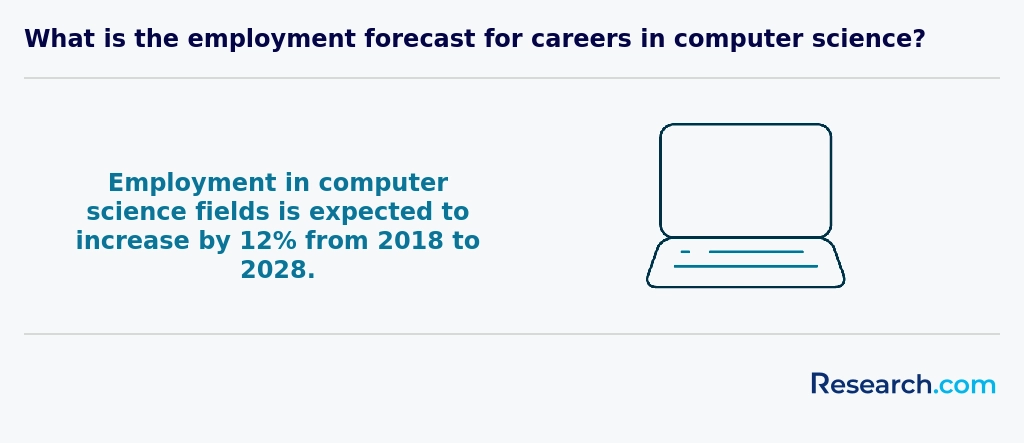
According to the U.S. Bureau of Labor Statistics, the Southern region experiences steady growth in tech jobs, with a 12% projected increase by 2030. States like Texas, Georgia, and North Carolina have vibrant tech hubs supporting these roles.
Additionally, freelance programming and tutoring fellow students are flexible options aligning well with academic schedules. Such jobs not only supplement income but also provide valuable networking within the regional tech community.
Online computer science students in the South have growing opportunities to network despite physical distance. Many Southern universities offer virtual career fairs and online student organizations dedicated to computer science, enabling remote engagement with peers and industry experts. For example, institutions like Georgia Tech and University of Texas at Dallas frequently host online networking events.
Additionally, professional associations such as the Southern Fried Code and regional chapters of the Association for Computing Machinery provide online workshops and meetups. According to the National Center for Education Statistics, Southern states awarded over 30,000 computer science degrees in 2022, showing a vibrant academic community to connect with.
Local tech hubs in cities like Austin, Atlanta, and Raleigh also offer remote participation options to online students, expanding networking possibilities beyond campus. Overall, Southern online learners can leverage a mix of university resources and regional tech organizations for career-building connections.
Alumni networks offer significant advantages to online computer science students in the South by providing access to professional connections and mentorship opportunities. These networks often include graduates working in prominent tech companies within Southern technology hubs like Atlanta and Austin. According to the Southern Regional Education Board, more than 60% of online computer science graduates report that alumni connections helped them find internships or employment.
These networks also facilitate knowledge exchange through webinars, events, and discussion forums, enhancing career growth. Additionally, alumni networks support job placement in the growing Southern tech market, which saw a 12% job increase in computer science roles between 2020 and 2023, according to the U.S. Bureau of Labor Statistics.
Many online computer science degree programs in the South offer customization options to help students align their studies with career goals. These may include choosing electives in areas like cybersecurity, artificial intelligence, or data science, which are in high demand in Southern tech hubs such as Atlanta and Austin, according to the U.S. Bureau of Labor Statistics. Students can often select capstone projects or research topics focused on their interests, enhancing relevant skills.
Additionally, some universities provide flexibility through accelerated tracks or part-time schedules, ideal for working professionals. Partnership programs with regional employers also allow internships tailored to local industry needs, increasing job placement opportunities.
Advising and mentoring support play a key role in helping students shape a program that fits their career paths and meet evolving job market demands in the Southern states.
Online computer science students in the South often face several notable challenges. Internet connectivity issues remain significant, especially in rural areas where high-speed broadband access is limited. According to the Federal Communications Commission (FCC), nearly 24% of rural Southern households lack reliable broadband, impacting students' ability to engage fully with coursework.
Another common challenge is balancing coursework with work and family responsibilities. Many students in this region pursue degrees while working full-time, requiring strong time-management skills. Additionally, fewer in-person networking opportunities can make it harder to build professional connections compared to traditional campuses.
Lastly, access to local internship and job placements in tech fields can be limited in certain Southern states, presenting obstacles for practical experience during studies. Students should plan strategically to overcome these barriers.
With an online computer science degree, you can pursue several professional certifications that enhance your career prospects in the South's growing tech industry. Popular options include the Certified Information Systems Security Professional (CISSP) and Certified Ethical Hacker (CEH), which are highly valued in cybersecurity roles. Cloud certifications such as AWS Certified Solutions Architect and Microsoft Certified: Azure Fundamentals are also in demand due to regional cloud service expansions.
According to the Southern Regional Education Board, nearly 70% of tech employers in the South prefer candidates with industry certifications.
Other certifications to consider include CompTIA Security+ and Project Management Professional (PMP), which complement computer science skills with broader IT and managerial expertise.
To write a winning application for an online computer science program in the South, start by showcasing your academic strengths clearly. Highlight relevant coursework, particularly in mathematics and programming, as Southern schools value strong foundational skills. According to NCES data, applicants with a GPA above 3.0 are more competitive for these programs.
Include professional or personal projects demonstrating coding skills or problem-solving abilities. Many Southern institutions, such as Florida State University and Georgia Tech, emphasize practical experience in their admissions criteria.
Strong letters of recommendation from instructors or employers who understand your technical abilities can significantly boost your application. Additionally, tailor your personal statement to explain why studying online in the South suits your career goals and life situation.
Computer science careers are increasingly valued worldwide, with the U.S. South playing a significant role in this growth. According to the National Center for Education Statistics, Southern states produce a large portion of the nation's computer science graduates each year, emphasizing the region's contribution to the global tech workforce.
Advances in technology and digital transformation mean computer science skills are in demand across industries globally. Professionals from the South benefit from growing tech hubs in cities like Austin, Atlanta, and Raleigh, offering diverse career opportunities.
Data from the Bureau of Labor Statistics shows a steady increase in computer and information technology jobs, highlighting a sustained global need for expertise in areas like cybersecurity, software development, and data science.
Understanding international standards and collaborations can also boost career prospects, as many Southern educational institutions integrate global tech trends into their online programs.
Gaining practical experience during an online computer science degree in the South is crucial for career readiness. Many universities in the region offer virtual internships, allowing students to work remotely with tech companies located in hubs like Atlanta, Austin, and Raleigh. According to the National Association of Colleges and Employers, 65% of computer science students who complete internships receive job offers from those employers.
Additionally, participating in coding bootcamps and hackathons can supplement learning. Southern schools often collaborate with local businesses to provide project-based courses where students solve real-world problems.
Online students should also explore research opportunities with faculty, as many Southern universities have active remote research programs in computing fields.
Choosing the right concentration within an online computer science degree program in the South begins with evaluating your career goals and interests. Common concentrations include cybersecurity, data science, software development, and artificial intelligence, each aligned with distinct job markets. According to the Southern Regional Education Board, cybersecurity specialists in southern states like Texas and Florida enjoy higher demand, driven by increasing digital threats. Research from the Bureau of Labor Statistics highlights that software development roles are expected to grow by 22% nationally by 2030, with southern tech hubs contributing significantly.
Next, consider program flexibility and faculty expertise to ensure quality education tailored to your focus. Additionally, review industry partnerships and internship opportunities, as these can enhance practical experience. Accreditation and alumni outcomes from southern institutions also provide insight into program effectiveness. Finally, examine the cost and financial aid availability in your state, as affordability can influence your decision.
Top Trending Computer Science Rankings
See What Experts Have To Say About Studying Computer Science
Read our interview with Computer Science experts

Imed Bouchrika, Phd
Computer Science Expert
Professor of Computer Science
National Higher School of Artificial Intelligence

Elan Barenholtz
Computer Science Expert
Associate Professor
Florida Atlantic University

Kathleen M. Carley
Computer Science Expert
Professor of Computer Science
Carnegie Mellon University

Martin Kang
Computer Science Expert
Assistant Professor
Loyola Marymount University

References
- New and Future Computer Science and Technology Trends https://www.computerscience.org/resources/computer-science-trends/
- Challenges That Frustrate Computer Science Teachers https://codeeasy.io/blog/challenges-that-frustrate-computer-science-teachers
- 5 Challenges Faced by Computer Science Students and How to Overcome Them https://informatika.almaata.ac.id/5-challenges-faced-by-computer-science-students/
- Alumni computer science dual https://www.fbi.h-da.de/en/informieren/ueber-uns/alumni/alumni-computer-science-dual
- Computer Science students create live network in simulated scenario https://www.stmartin.edu/news-and-stories/stories/computer-science-students-create-live-network-simulated-scenario
- Fields of Work in Computer Science: Top IT Careers | Walbrook https://www.walbrook.ac.uk/subjects/computer-science/computer-science-fields-of-work-career-in-it/
- How to choose a bachelor's in computer science | edX https://www.edx.org/resources/how-to-choose-a-bachelors-in-computer-science
- 5 Challenges in Teaching Computer Science & Solutions https://www.computingolympiad.org/post/top-5-challenges-in-teaching-computer-science-in-schools-and-how-to-overcome-them
- Essential Skills Every Computer Science Graduate Needs | LSBF https://lsbf.edu.my/blog/11-essential-skills-every-computer-science-graduate-needs/
- How Long Does it Take to Earn an MS in Computer Science? https://www.onlineengineeringprograms.com/faq/how-long-to-earn-masters-in-cs


