
2027 Most Affordable Counseling Degree Programs Ranking in Colorado

Co-Founder and Chief Data Scientist
Are you considering a counseling degree in Colorado but unsure where to start? This article introduces the 2027 Most Affordable Counseling Degree Programs Ranking in Colorado, created by the Research.com team of data scientists.
It aims to help you make an informed choice by highlighting affordable and quality programs worth considering. Pursuing a counseling degree can open doors to a rewarding career helping others and making a real difference.
Explore the ranking to find options that fit your budget and goals, taking confident steps toward your future.
Key benefits of getting counseling degree in Colorado
- Counseling degree graduates in Colorado can expect rewarding salaries, such as $76,000 annually for Intervention Specialists and $60,080 for Addiction Counselors, reflecting strong earning potential in meaningful roles.
- Career paths include roles like Rehabilitation Specialist or Community Outreach Coordinator, offering diverse opportunities to support individuals and families within vibrant Colorado communities.
- Online counseling degrees provide flexibility and accessibility, allowing graduates from institutions like the University of Colorado to balance work and life while advancing their careers efficiently.
- Key benefits of getting counseling degree in Colorado
- What can I expect from counseling degree in Colorado?
- Where can I work with counseling degree in Colorado?
- How much can I make with counseling degree in Colorado?
- 2027 Most Affordable Counseling Degree Programs Ranking in Colorado
- Key Findings
- How long does it take to complete counseling degree in Colorado?
- Licensure and Certification Requirements in Colorado
- What's the difference between online and on-campus counseling degree?
- Licensing Requirements in Colorado
- What is the average cost of counseling degree in Colorado?
- Licensure and Certification Requirements for Colorado Counselors
- What financial aid is available to counseling degree students in Colorado?
- Licensing and Certification Requirements
- What are the prerequisites for enrolling in counseling degree program in Colorado?
- Finding the Right Counseling Program in Colorado
- What courses are typically in counseling degree programs in Colorado?
- What types of specializations are available in counseling degree programs in Colorado?
- How do you choose the best counseling degree in Colorado?
- What career paths are available for counseling degree students in Colorado?
- What is the job market for counseling degree in Colorado?
- Related Counseling Rankings for Nearby States
- Top Trending Counseling Rankings
- See What Experts Have To Say About Studying Counseling
What can I expect from counseling degree in Colorado?
The average cost of a counseling degree in Colorado varies depending on the institution and program format. Graduates from public universities like the University of Colorado report tuition costs around $10,000 to $15,000 per year for in-state students pursuing a master's in counseling. This makes a full program roughly $20,000 to $30,000, excluding additional fees and living expenses. Many students appreciate the affordability of state schools compared to private options, which can cost significantly more.
Graduates often highlight the value of available financial aid and scholarships that many Colorado colleges offer, helping to reduce out-of-pocket expenses. For example, students at Colorado State University benefit from assistantships that offset costs while gaining clinical experience. The availability of online or hybrid programs also helps students working full-time manage tuition payments more comfortably by letting them spread coursework over a longer period.
Overall, counseling students in Colorado find these costs reasonable, especially given the steady demand for licensed counselors and strong career outcomes after graduation.
Where can I work with counseling degree in Colorado?
Graduates with counseling degrees in Colorado typically find work in clinical settings like hospitals, community mental health centers, or private practices. For example, many from the University of Colorado Denver report successfully joining licensed professional counselor (LPC) roles where they provide individual and group therapy tailored to diverse client needs.
Another common path is school counseling, where graduates support students' academic and emotional growth. Those from Colorado State University often mention how their preparation aligned with state licensure requirements, making them competitive candidates in K-12 public or private schools. This role is rewarding due to strong community impact and visible student progress.
Counselors with specialized training in addiction or trauma, frequently studied at Regis University, find opportunities in substance abuse or trauma recovery centers. These roles let counselors contribute to critical healing processes in residential or outpatient settings.
Employee assistance programs (EAPs) within businesses and government also hire counselors. Increased workplace mental health awareness drives demand, with graduates from popular programs appreciating the balance between clinical work and corporate environments.
How much can I make with counseling degree in Colorado?
Graduates with counseling degrees from schools like the University of Colorado Boulder or Colorado State University typically find themselves earning competitive salaries in the state. For example, an Addiction Counselor can expect a mean annual wage of about $60,080, providing a solid foundation for those eager to enter this growing field.
Other common roles for counseling graduates include Rehabilitation Specialists, who earn around $48,430 yearly, and Community Outreach Coordinators or Family Support Workers, both averaging $54,020 annually. These positions offer practical entry points into community-focused careers with clear pathways for advancement.
Many graduates find the early years rewarding as they gain experience and increase their earnings, often moving into higher-paying roles or specialized counseling jobs. Working in Colorado also means balancing salary with living costs, which can be higher near Denver or Boulder but often come with greater professional opportunities and networking possibilities.
Choosing counseling degrees from respected Colorado institutions equips students with solid skills, helping them negotiate salaries that reflect their growing expertise and commitment to helping others.
2027 Most Affordable Counseling Degree Programs Ranking in Colorado
How do we rank schools?
Investing in your education is a significant decision that can shape your future, and the Research.com team understands the importance of making informed choices. To assist prospective students in Colorado, we have meticulously crafted the "2027 Most Affordable Counseling Degree Programs Ranking in Colorado." Our commitment to quality, credibility, and accuracy is reflected in the extensive research and analysis conducted to compile this ranking.
We utilized the following reputable data sources to ensure a comprehensive evaluation of counseling programs:
By exploring this ranking, readers will gain valuable insights into the most affordable and credible counseling degree programs available in Colorado, empowering them to make informed decisions about their educational paths. For more details on our methodology, please visit our Research.com methodology page.
# 1 position
Nazarene Bible College
Bachelor of Science in Counseling

# 3 position
Colorado Mountain College
Bachelor of Science in Counseling


# 10 position
Colorado State University-Fort Collins
Master of Arts in Counseling and Career Development

Key Findings
- Counseling degrees in Colorado typically require 48 to 60 credit hours and take about two to three years to complete.
- Graduate tuition costs range from $10,000 to $20,000 annually at public universities for in-state students, while private schools can exceed $30,000 per year.
- Employment for mental health counselors and family therapists in Colorado is projected to grow by around 20% over the next decade.
- Starting salaries usually fall between $40,000 and $50,000, with mid-career earnings rising to between $55,000 and $70,000 annually.
- Licensing requires completing an accredited program, 3,000 hours of supervised clinical experience, and passing the National Counselor Examination.
How long does it take to complete counseling degree in Colorado?
Completing a counseling degree in Colorado typically takes four years for a bachelor's and an additional two to three years if you pursue a master's full-time. For instance, graduates from Colorado State University often report completing their Master of Education in Counseling within three years, balancing coursework and practicum requirements effectively.
Many students find that integrating practicum and internship hours into their schedules is crucial because Colorado requires at least 3,000 supervised hours to qualify for licensure as a Licensed Professional Counselor (LPC). This can extend the timeline beyond formal education, sometimes adding one or more years after graduation.
Part-time study options are popular among working professionals in Denver and Boulder, where programs allow students to stretch their coursework over four years or more, providing manageable pacing without sacrificing quality.
Online and hybrid formats offered by schools like the University of Colorado provide flexibility but maintain the same rigorous standards, making it realistic to fit education alongside other life commitments without rushing.
Licensure and Certification Requirements in Colorado
To practice as a licensed professional counselor (LPC) in Colorado, graduates must complete a series of state-mandated steps designed to ensure competence and public safety. First, applicants must hold a master’s degree in counseling (or a closely related field) from a regionally accredited institution. The program must include at least 60 semester hours of counseling coursework and a minimum of 700 hours of supervised practicum, internship, or field experience. After graduation, candidates register with the Colorado Board of Licensed Professional Counselor Examiners and accrue at least 2,000 hours of post-master’s supervised clinical experience over a period of no less than two years. Supervision must be provided by a board-approved LPC or LPC Supervisor and documented on forms provided by the state board. Once supervised hours are complete, applicants sit for two exams: the National Counselor Examination for Licensure and Certification (NCE) and the Colorado Jurisprudence Examination. Each exam requires separate application and fee submission, generally totaling between $300 and $400. Results are submitted directly to the Colorado board, which typically reviews completed applications within six to eight weeks. To maintain licensure, LPCs must renew biennially by completing 40 hours of continuing education, including six hours on ethics and three hours on Colorado counseling laws. Many programs offer CEU workshops online or on campus, and counselors often compare offerings in neighboring states-see our Low Cost Counseling Degree Programs Ranking in New Jersey for additional insight into affordable licensure pathways and continuing education options outside Colorado.
What's the difference between online and on-campus counseling degree?
Choosing between online and on-campus counseling degrees in Colorado comes down to balancing flexibility with hands-on experience. Graduates from the University of Colorado often praise the on-campus format for its rich face-to-face interaction, where immediate feedback from professors and real-time group projects build confidence and practical skills. Being on campus means easy access to counseling labs and local agencies, which helps students form valuable professional connections.
On the other hand, graduates from Colorado State University appreciate online programs for fitting coursework around their busy lives, especially those juggling jobs or family. These programs use video calls and discussion boards to mimic classroom engagement, though students must complete their practicum locally. This hybrid approach suits those seeking flexibility without sacrificing essential in-person training for Colorado's licensure.
Both paths share similar tuition rates, especially at public institutions, but online learners can save on commuting and housing expenses. In either case, completing supervised clinical hours remains crucial to becoming a licensed counselor in Colorado.
Licensing Requirements in Colorado
After earning your master’s degree, Colorado mandates specific steps to become a Licensed Professional Counselor (LPC):
- Earn a CACREP-accredited or board-approved master’s in counseling (60+ credit hours)
- Complete at least 600 supervised practicum and internship hours during your program
- Accumulate a minimum of 2,000 post-degree supervised clinical hours under an LPC supervisor
- Pass the National Clinical Mental Health Counseling Examination (NCMHCE)
- Submit your application, official transcripts, supervisor verification, and fees to the Colorado Board of Licensed Professional Counselor Examiners
Consider pursuing an online counseling degree to meet coursework requirements while balancing work and life.
What is the average cost of counseling degree in Colorado?
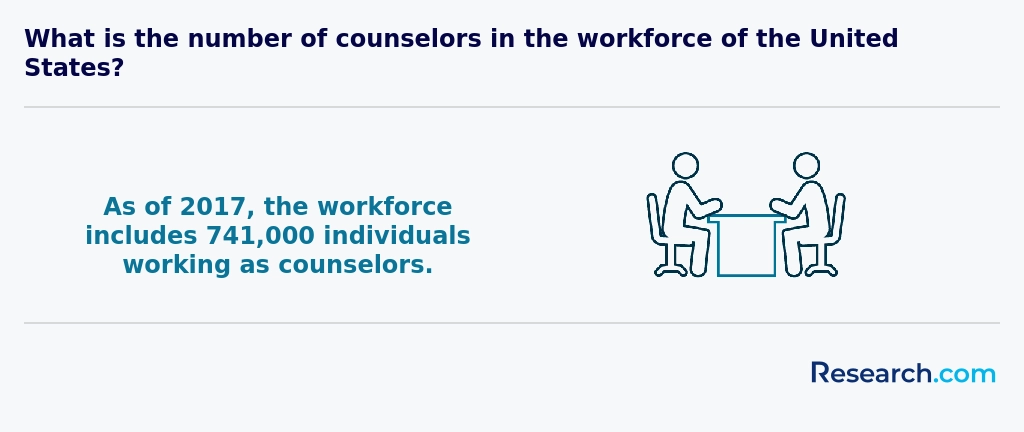
The average cost of obtaining a counseling degree in Colorado is around $12,416 for in-state students, with out-of-state students facing a median cost near $48,282. Graduates from public universities such as Colorado State University often describe balancing these expenses by applying for federal aid or scholarships, which helps make the investment feel achievable despite the sticker price. Private schools in Colorado, like Regis University, typically have higher tuition, sometimes reaching $40,000 per year, but many students report that grants and flexible payment plans significantly ease the financial burden.
For those starting with undergraduate or associate degrees, community colleges offer affordable counseling-related programs with costs usually between $4,000 and $7,000 annually for in-district students. This approach not only lowers upfront expenses but also builds a strong foundation toward a master's degree in counseling, a path many locals prefer to minimize debt and maintain focus on their career goals. These savings are crucial when considering additional costs like textbooks and practicum fees.
Students seeking affordable counseling degree programs Colorado-wide can benefit from institutions partnering with public mental health agencies, creating routes that reduce overall expenses while gaining real-world experience. Many counseling graduates emphasize the importance of researching financial aid options early and choosing schools wisely. To identify the most suitable option, prospective students should explore the top counseling school in Colorado, balancing cost, support, and opportunities to thrive in their studies and beyond.
Licensure and Certification Requirements for Colorado Counselors
In Colorado, earning a counseling license begins with completing a CACREP-accredited master’s program followed by at least 2,000 hours of supervised clinical experience-600 of which must be in a formal internship setting. After logging these hours, candidates must pass either the National Counselor Examination (NCE) or the National Clinical Mental Health Counseling Examination (NCMHCE) administered by the National Board for Certified Counselors (NBCC). Applicants then submit official transcripts, supervision logs, exam scores, and the application fee to the Colorado Board of Licensed Professional Counselor Examiners. Licenses must be renewed every three years, requiring 40 hours of continuing education, including ethics and cultural competence courses. For a comparative look at neighboring states’ pathways, see the detailed requirements to become a licensed counselor in georgia.
What financial aid is available to counseling degree students in Colorado?
Students pursuing counseling degrees in Colorado can tap into a variety of financial aid options to make graduate school more affordable. For many, the first step is completing the FAFSA to access federal aid like Pell Grants and Direct Unsubsidized Loans. Graduates from schools like the University of Colorado Denver often share how these programs eased upfront costs significantly.
State programs such as the College Opportunity Fund primarily support undergraduates but can indirectly help counseling students by reducing prerequisite course expenses. Additionally, professional organizations like the American Counseling Association offer scholarships specifically for those aiming to earn LPC credentials in Colorado, which many local counseling graduates credit for reducing their debt burden.
Institutional scholarships and graduate assistantships are also frequently available. For example, at Colorado State University, many counseling students secure assistantships that provide tuition coverage plus stipends in exchange for teaching or research roles. Employer tuition reimbursement programs are another practical resource, especially for those already working in healthcare or social services within the state.
Licensing and Certification Requirements
To practice as a Licensed Professional Counselor (LPC) in Colorado, candidates must meet state board standards:
- Earn a CACREP-accredited master’s degree (60 credit hours); consider a flexible counseling degree online option that meets these standards.
- Complete at least 2,000 hours of supervised clinical experience under a board-approved supervisor.
- Pass the National Clinical Mental Health Counseling Examination (NCMHCE) with the minimum score set by Colorado’s licensing board.
- Submit a completed application, required transcripts and exam results, and pay the state licensure fee.
- Maintain licensure through biennial renewal, including 40 continuing education units (CEUs) aligned with Colorado’s professional development requirements.
What are the prerequisites for enrolling in counseling degree program in Colorado?
To enroll in a counseling degree program in Colorado, you first need a bachelor's degree from an accredited institution. Graduates from universities like the University of Denver or Colorado State University often mention how their prior degree-whether in education, social work, or psychology-helped them feel prepared for advanced counseling studies.
Most programs expect a minimum GPA around 2.75 to 3.0, so maintaining solid grades during your undergraduate years is essential. For example, CSU graduates recall how meeting the GPA threshold during their busy schedules gave them confidence in the application process.
You'll likely need to submit letters of recommendation from professors or employers who can vouch for your dedication and skills. Many students at Colorado colleges found this step motivating, enabling them to reflect on their growth and goals.
A personal statement is typically required where you explain your interest in counseling and career ambitions. This essay helps admission committees understand your passion-something students frequently describe as a rewarding opportunity to connect their personal stories with their future profession.
- Some programs require prerequisite courses in psychology or human development.
- Background checks and immunization proofs are common, especially for clinical placements.
- Relevant volunteer or work experience strengthens your application, as many graduates from Colorado Christian University highlight their hands-on experiences as game-changers.
Finding the Right Counseling Program in Colorado
To find the right counseling program in Colorado, it's essential to consider several factors, including accreditation, curriculum, and cost. One of the most critical steps is to research and compare different programs, taking into account factors such as faculty expertise, internship opportunities, and job placement rates. For instance, students looking for a top counseling school in Colorado should prioritize programs that offer hands-on training and have strong connections with local employers. By doing so, students can make informed decisions and choose a program that aligns with their career goals and financial situation, ultimately leading to a fulfilling and successful career in counseling.
What courses are typically in counseling degree programs in Colorado?
Students pursuing counseling degrees in Colorado typically take a mix of courses that blend theory with hands-on practice, essential for building confidence in real-world counseling settings. Graduates from well-known institutions like the University of Denver and Colorado State University often recount how courses in Human Development and Lifespan Psychology helped them understand clients' emotional growth stages, making it easier to relate during sessions.
Classes in Counseling Theories and Techniques introduce practical methods like cognitive-behavioral therapy, which students immediately apply during their supervised practicums. Ethics courses tailored to Colorado's laws ensure students feel secure about licensing requirements and professional boundaries.
Many graduates highlight the value of Practicum and Internship Experiences, where they engage with real clients in settings such as community mental health centers in Denver, reinforcing their skills.
Courses like Multicultural Counseling are particularly uplifting, preparing students to assist Colorado's diverse population with cultural sensitivity, a skill that brings meaningful connections and rewarding outcomes.
What types of specializations are available in counseling degree programs in Colorado?
Colorado counseling degree programs offer several practical specializations tailored to meet the state's diverse mental health needs. Graduates from well-known universities often choose Clinical Mental Health Counseling to work directly with clients facing emotional and behavioral disorders, a choice that feels rewarding as they see real change in people's lives. Others prefer the School Counseling path, helping K-12 students navigate academic and social challenges - a fulfilling role often highlighted by local education leaders due to rising mental health awareness.
Some students focus on Addiction Counseling, motivated by Colorado's community efforts to reduce substance abuse through outreach and prevention. Additional options like Marriage and Family Therapy, Rehabilitation Counseling, and Career Counseling provide graduates with tools to support clients in relationship health, disability services, or career growth. Those interested should consider programs emphasizing affordable counseling degree specializations in Colorado for both quality and cost-effectiveness.
Practical advice from recent graduates at popular Colorado colleges underscores the importance of understanding the requirements to become a licensed counselor in georgia as part of planning their steps toward local licensure and career success.
How do you choose the best counseling degree in Colorado?
Start by ensuring the counseling degree program in Colorado is accredited, ideally by CACREP, which graduates from universities like the University of Northern Colorado often highlight as critical for their LPC licensure success. Look for programs with a strong clinical training component, since Colorado requires supervised post-master's clinical experience. Graduates commonly mention that coursework covering counseling techniques, ethics, and diagnosis prepared them well for real-world challenges.
Next, consider the cost. Public universities in Colorado usually offer more affordable counseling degrees, with annual tuition around $8,000-$12,000, making them practical choices for many students. For those balancing jobs and studies, programs offering online or hybrid formats provide much-needed flexibility. Graduates often appreciate the ability to complete practicum hours locally while studying remotely.
Finally, research graduation rates and job placement statistics to assess program quality. Networking opportunities and faculty expertise at schools like Colorado State University frequently help graduates find meaningful counseling roles. For comparisons beyond Colorado, explore Low Cost Counseling Degree Programs Ranking in New Jersey to weigh options for affordable counseling degrees Colorado 2027 learners may find useful.
What career paths are available for counseling degree students in Colorado?
Graduates pursuing a counseling degree in Colorado have multiple career paths, each requiring specific licensure and practical training. Many graduates aim to become Licensed Professional Counselors (LPCs), which involves completing 3,000 hours of supervised clinical experience and passing a state exam. Schools like Colorado State University often provide strong practicum opportunities that help students build confidence in real counseling environments, a crucial step when pursuing mental health counseling jobs Colorado-wide.
Another common path is school counseling, especially for those attending universities such as the University of Denver. These graduates help students navigate academic and social challenges in K-12 settings and must obtain specialized licensure aligned with Colorado's education standards. Practical internships in school districts enhance their readiness to support youth effectively.
Specialized roles like Licensed Alcohol and Drug Counselors (LADCs) serve in treatment centers addressing addiction. Graduates frequently praise programs in Colorado that combine coursework with hands-on rehab center experience, preparing them for this in-demand field. Exploring options, students often consult resources like the best online associate degree in 6 months to supplement their education efficiently.
What is the job market for counseling degree in Colorado?
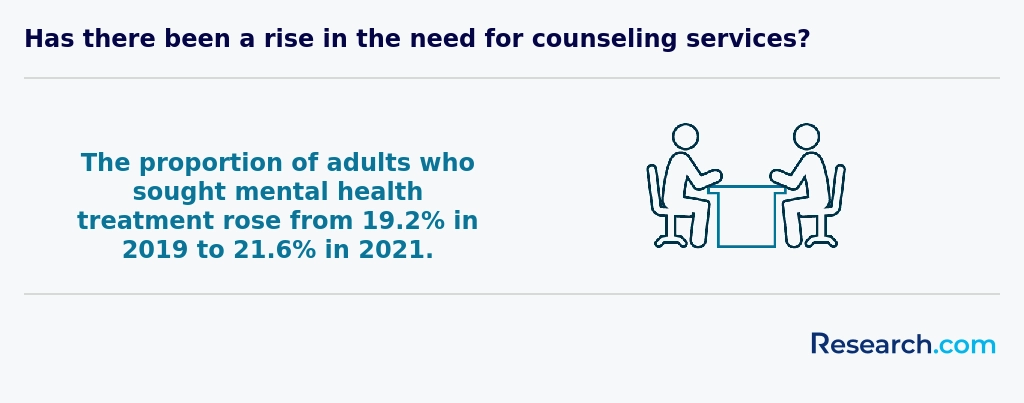
Graduates with a counseling degree in Colorado find a promising job market thanks to strong demand fueled by increased awareness of mental health needs. Those completing programs at popular institutions like the University of Colorado or Colorado State University often secure roles in settings such as schools, hospitals, and community agencies. With Colorado's expanding healthcare infrastructure, opportunities in mental health and substance abuse treatment centers are notably growing. Counseling degree job outlook Colorado is favorable, with employers seeking professionals for student support services and licensed private practice.
Salary prospects reflect this demand, with average annual wages around $52,000 and experienced Licensed Professional Counselors often earning beyond $70,000. One graduate shared how their state university's affordability and practical training made pursuing an advanced degree manageable and opened doors through internships. For those weighing choices, considering an open enrollment university can offer flexible pathways in counseling education while maintaining cost-effectiveness.
Overall, mental health counselor employment Colorado shows stable growth, encouraging aspiring counselors to acquire licensure and seek specialized training to enhance job security and career satisfaction.
Frequently Asked Questions About counseling
Counseling degree students in Colorado can maximize their learning by actively engaging in both academic and practical experiences. Colorado requires 60 to 100 credit hours for state licensure preparation, so selecting accredited programs ensures coursework meets requirements set by the Colorado State Board of Licensed Professional Counselors. Students should seek internships and practicum placements in diverse clinical settings to gain hands-on skills.
Joining professional organizations such as the Colorado Counseling Association provides networking and continuing education opportunities. Additionally, Colorado's growing demand for licensed counselors, expected to rise by 19% through 2030 according to the Department of Labor, highlights the value of gaining specialized training aligned with regional needs.
The counseling field in Colorado is expanding to include several emerging niches that reflect evolving societal needs. One notable area is trauma-informed counseling, which addresses the impact of adverse experiences and is increasingly in demand due to heightened awareness of mental health. Additionally, addiction counseling remains critical, given Colorado's focus on combating substance use disorders.
Another growing specialty is career counseling, particularly for diverse populations navigating economic shifts. Telehealth counseling has also surged, accelerated by the COVID-19 pandemic, allowing practitioners to serve rural and underserved communities across the state.
According to the Colorado Department of Regulatory Agencies, demand for licensed professional counselors specializing in these niches is expected to grow substantially through 2030.
After earning a counseling degree in Colorado, preparing for the job market requires focused steps. First, obtaining licensure is essential; most counseling positions mandate becoming a Licensed Professional Counselor (LPC) through the Colorado State Board of Licensed Professional Counselor Examiners. This involves accumulating supervised clinical hours, usually 2,000 to 4,000 hours over two years, and passing the National Counselor Examination.
Networking plays a key role; joining the Colorado Counseling Association can connect graduates to job leads and continuing education. Graduates should also create strong resumes highlighting clinical experience and seek internships or apprenticeships in diverse settings.
According to the U.S. Bureau of Labor Statistics, Colorado's employment for mental health counselors is projected to grow by 20% from 2021 to 2031, reflecting a robust demand that new graduates can leverage.
Employers in Colorado seek counseling degree graduates who demonstrate strong communication skills. Effective listening and clear verbal expression are essential for building trust with clients. According to the Colorado Department of Labor and Employment, interpersonal skills rank among the top requirements for counseling positions statewide.
Problem-solving abilities and critical thinking are also highly valued. Graduates must assess client needs and develop appropriate treatment plans. Familiarity with ethical standards and confidentiality laws in Colorado is crucial, as these protect both clients and counselors.
Cultural competency is increasingly important, reflecting Colorado's diverse population. Counselors who understand various backgrounds provide more effective care. Finally, practical experience, often gained through internships, is a key asset that enhances job readiness.
Finding internships in Colorado relevant to a counseling degree involves several strategic steps. Start by exploring partnerships between counseling programs and local health clinics, schools, or community organizations, as these often provide structured internship opportunities. The Colorado Department of Higher Education reports that many universities collaborate with regional counseling centers to offer practical experience to students.
Students should also utilize online platforms such as Handshake and the National Board for Certified Counselors (NBCC) internship directory for listings in Colorado. Networking through professional groups like the Colorado Counseling Association can increase access to localized openings.
Internships are critical for licensure as a Licensed Professional Counselor (LPC) in Colorado, requiring at least 2,000 hours of supervised experience. Early engagement with academic advisors can ensure the internship meets state requirements.
Obtaining a counseling degree in Colorado significantly enhances career mobility and advancement opportunities within the state's mental health and social services sectors. According to the Colorado Department of Regulatory Agencies, many counseling positions require at least a master's degree, which opens doors to licensure as a Licensed Professional Counselor (LPC).
This credential is essential for practicing independently and allows professionals to access higher-paying roles in diverse settings such as schools, clinics, and private practices. The Bureau of Labor Statistics reports that Colorado's employment of counselors is projected to grow 15% from 2021 to 2031, faster than the national average.
Additionally, a counseling degree provides the foundational knowledge and clinical skills necessary for career advancement into supervisory and specialized roles, increasing earning potential and professional standing in the mental health community.
Studying for a counseling degree in Colorado equips students with skills to work across multiple disciplines, reflecting the state's emphasis on integrated healthcare and social services. Programs often combine coursework in psychology, social work, and healthcare ethics, preparing graduates for roles in schools, clinics, and community organizations.
Colorado's Board of Licensed Professional Counselor Examiners highlights that interdisciplinary capabilities enhance collaboration with medical professionals, educators, and social workers. This approach is vital for addressing diverse client needs, including mental health, substance abuse, and family dynamics.
According to the Colorado Department of Higher Education, many counseling programs incorporate practicum experiences in varied settings, fostering teamwork and communication skills essential in interdisciplinary environments.
When choosing between a thesis and a non-thesis counseling degree program in Colorado, students should consider their career goals and learning preferences. Thesis programs typically involve conducting original research, which can be ideal for those interested in pursuing a doctoral degree or careers in academia or research. Non-thesis programs generally focus more on practical skills and clinical experience, aligning with licensure requirements for counseling professions in Colorado.
According to the Colorado Department of Higher Education, about 60% of counseling graduates pursue clinical licensure, which often values hands-on experience over research expertise. Students should also evaluate program length and flexibility, as non-thesis tracks may be shorter and more accommodating for working professionals.
Students based in Colorado who wish to study counseling abroad have several options through partnerships between Colorado universities and international institutions. Many Colorado schools offer study abroad programs or exchange agreements that allow counseling students to complete part of their degree overseas while earning credits applicable to their Colorado degree.
Accreditation is key for counseling degrees, so students should ensure the foreign programs meet standards recognized by the Council for Accreditation of Counseling and Related Educational Programs (CACREP). This ensures the program aligns with Colorado's licensure requirements for professional counselors.
According to the Colorado Department of Higher Education, approximately 15% of counseling students take part in international study opportunities, often in countries with developed counseling professions like the UK or Australia.
Students pursuing counseling degrees in Colorado can benefit from various part-time job opportunities that enhance their education and practical skills. Roles such as mental health technician, behavioral health aide, or crisis hotline operator offer direct client interaction experience, essential for developing counseling competencies.
Colorado's Department of Human Services highlights that part-time positions in community mental health centers are often accessible to students, providing valuable exposure to diverse populations. Additionally, roles in nonprofit organizations focused on substance abuse or family services give practical insights into counseling frameworks.
These jobs typically involve flexible hours compatible with academic schedules, helping students balance work and study effectively while building their resumes in the counseling field.
Counseling students in Colorado have several networking opportunities that can support their education and career growth. Many universities offer access to local chapters of national organizations like the American Counseling Association (ACA). These chapters host workshops, conferences, and social events that connect students with licensed professionals and peers.
The Colorado Counseling Association (CCA) is particularly active, providing events statewide that help students build professional contacts. Students can attend CCA's annual conference, which features sessions led by experienced counselors and employers in the state.
Internships and practicum placements, often required by counseling programs, are another vital networking avenue. According to the Colorado Department of Higher Education, partnerships between universities and local clinics or nonprofit agencies enable students to gain hands-on experience while expanding their professional circles.
Alumni networks offer significant benefits to counseling degree students in Colorado by providing access to professional connections. Graduates often share job openings, internship opportunities, and advice on state licensure requirements, which are essential for establishing a counseling career in Colorado.
These networks facilitate mentorship, allowing current students to learn from experienced counselors practicing in diverse settings such as schools, healthcare facilities, and private practices. According to the Colorado Department of Higher Education, strong alumni ties can improve employment prospects and support career advancement.
Furthermore, alumni often host workshops and networking events, helping students stay informed about Colorado's mental health policies and continuing education requirements. This engagement enhances both practical knowledge and professional growth.
Customizing a counseling degree program in Colorado involves selecting specializations and coursework aligned with your career goals. Many Colorado universities offer concentrations such as clinical mental health counseling, marriage and family therapy, or school counseling. These focus areas prepare students for specific licensure paths required by the Colorado State Board of Licensed Professional Counselor Examiners.
Additionally, students can tailor their practicum and internship experiences by choosing placements that match their intended work setting. This hands-on training is crucial for meeting the 2,000-4,000 supervised hours required for licensure in the state, as outlined by the Colorado Department of Regulatory Agencies.
Some programs also allow flexible course schedules, including part-time and online options, to fit diverse lifestyles and work commitments.
Counseling students in Colorado often face several challenges during their education. One common difficulty is balancing clinical hours with coursework. Colorado requires a minimum of 700 supervised practicum and internship hours for licensure, which can be time-consuming and stressful alongside regular classes. Additionally, financial strain is frequent, as the average cost of graduate programs in the state ranges widely, and many students rely on loans or part-time work. Another challenge is adapting to evolving state licensing requirements, which changed in recent years to emphasize integrated behavioral health knowledge. Students must stay updated with these regulations while gaining practical skills.
Graduates with a counseling degree in Colorado can pursue several professional certifications that enhance their career opportunities. One common certification is the Licensed Professional Counselor (LPC), which requires completing supervised clinical hours and passing the National Counselor Examination. The LPC credential is highly valued in Colorado and allows counselors to provide mental health therapy independently.
Another option includes becoming a Licensed Addiction Counselor (LAC), focusing on substance abuse treatment. Colorado also recognizes certifications like the National Certified Counselor (NCC), offered by the National Board for Certified Counselors, which demonstrates national-level professional standards.
These certifications often require ongoing education, ensuring that counselors stay current with best practices and state regulations.
To write a winning application for a counseling program in Colorado, start by thoroughly researching accredited programs recognized by the Colorado State Board of Licensed Professional Counselors. Demonstrate your commitment by clearly explaining your career goals and how the specific program aligns with them. Highlight any relevant experience, such as internships or volunteer work in mental health settings, as Colorado programs often value practical exposure.
Strong letters of recommendation from professionals familiar with your interpersonal skills enhance your application. Also, write a clear, concise personal statement that showcases your understanding of counseling ethics and diversity, both key elements in Colorado's licensing requirements.
Include your academic achievements with a focus on psychology or related fields. Many Colorado programs require a minimum GPA around 3.0. Lastly, prepare for any required entrance exams or interviews by reviewing common counseling topics and state regulations.
Counseling careers in Colorado reflect broader global trends emphasizing mental health and wellbeing. Internationally, counseling is increasingly recognized as essential, with organizations like the World Health Organization promoting mental health integration into healthcare systems. In the US, and specifically Colorado, demand for counselors is growing rapidly, with the Bureau of Labor Statistics projecting a 22% job growth for substance abuse, behavioral disorder, and mental health counselors nationwide from 2020 to 2030.
Colorado follows this trend, driven by increased awareness and state initiatives supporting behavioral health. Graduates with counseling degrees here benefit from a professional environment that values cultural competence, aligning with global perspectives on diversity in mental health care.
Gaining practical experience while studying for a counseling degree in Colorado is essential for developing clinical skills. Many Colorado universities integrate practicum and internship opportunities within their programs. Students typically complete supervised hours in community mental health centers, hospitals, or school settings.
The Colorado Department of Regulatory Agencies requires at least 2,000 post-degree supervised hours for licensure, making early hands-on experience valuable. Local agencies such as the Colorado Coalition for the Homeless often partner with schools to offer internships.
Additionally, some programs provide virtual counseling simulations to strengthen student readiness. Networking through professional organizations like the Colorado Counseling Association can also help students find field placements.
Choosing the right concentration within a counseling degree program in Colorado involves evaluating your career goals and the local job market. Popular concentrations include mental health, school counseling, substance abuse, and marriage and family therapy. Colorado's Department of Regulatory Agencies provides licensure statistics, showing that mental health counseling and school counseling are among the most in-demand fields statewide.
Consider the populations you want to serve and the type of settings you prefer, such as schools, hospitals, or private practice. Reviewing Colorado's licensing requirements for each specialization can ensure your chosen path aligns with your professional objectives.
Researching graduation outcomes and employment rates at Colorado universities can also help guide your decision.
Related Counseling Rankings for Nearby States
- 2027 Most Affordable Counseling Degree Programs Ranking in Oklahoma
- 2027 Most Affordable Counseling Degree Programs Ranking in Arizona
- 2027 Most Affordable Counseling Degree Programs Ranking in Texas
- 2027 Most Affordable Counseling Degree Programs Ranking in Missouri
- 2027 Most Affordable Counseling Degree Programs Ranking in California
- 2027 Most Affordable Counseling Degree Programs Ranking in Minnesota
- 2027 Most Affordable Counseling Degree Programs Ranking in Illinois
- 2027 Most Affordable Counseling Degree Programs Ranking in Indiana
- 2027 Most Affordable Counseling Degree Programs Ranking in Alabama
- 2027 Most Affordable Counseling Degree Programs Ranking in Michigan
Top Trending Counseling Rankings
See What Experts Have To Say About Studying Counseling
Read our interview with Counseling experts

Charles Figley
Counseling Expert
Kurzweg Distinguished Chair in Disaster Mental Health
Tulane University

References
- Online Degrees https://onlinecounselingprograms.com/online-counseling-degrees/
- Best Online Counseling Degree Programs 2025 https://www.psychology.org/rankings/best-online-counseling-programs/
- Therapy Group of Charlotte How Career Counseling Boosts Professional Growth - Therapy Group of Charlotte https://therapistsincharlotte.com/therapists-charlotte-blog/how-career-counseling-boosts-professional-growth/
- Study Counseling Abroad - Top Universities for Masters, MBA, PhD Degree Programs https://studee.com/degree/abroad/counseling
- How Can I Gain Counselling Work Experience? https://oxbridgehomelearning.uk/blog/how-can-i-gain-counselling-work-experience/
- Home https://www.husson.edu/online/blog/2025/10/benefits-of-alumni-networks
- Mental Health challenges that counselors and therapists experience - RESILIENCE PSYCHOLOGY COUNSELLING http://resonsindiyo.com/mental-health-challenges-that-counselors-and-therapists-experience-due-to-the-nature-of-their-profession/
- Where therapists work and what they do https://www.bacp.co.uk/careers/counselling-and-therapy-as-a-career/where-therapists-work-and-what-they-do/
- Dual Master's Degree in Mental Health & School Counseling https://www.ccu.edu/ccu/counseling/dual-degree-counseling/
- 6 Therapy Niches to Consider for Your Practice - Talkspace https://www.talkspace.com/blog/therapy-niches/


