
2027 Most Affordable Online Master's in Counseling Degree Programs Ranking in the West

Co-Founder and Chief Data Scientist
Embarking on a counseling degree journey can open doors to meaningful and rewarding careers. If you're in the West and looking for affordable online options, this article is designed with you in mind.
The 2027 Most Affordable Online Master's in Counseling Degree Programs Ranking in the West was created by the Research.com team of data scientists to guide you through trustworthy data and highlight programs that offer great value.
Reading this will help you confidently choose a program that fits your needs and budget while advancing your passion for helping others.
Key benefits of getting online counseling degree in the West
- Graduates with counseling degrees in the West can earn competitive salaries, such as Licensed Mental Health Counselors making around $60,080 annually and Clinical Supervisors earning up to $134,440, reflecting strong financial opportunities.
- Counseling degree holders from Western universities often pursue diverse careers like Licensed Professional Counselors, Marriage and Family Therapists, or Substance Abuse Counselors, offering rewarding paths to help others.
- Online counseling degrees from well-known Western universities provide flexible schedules and the ability to balance work and study, making education more accessible and convenient without sacrificing quality.
- Key benefits of getting online counseling degree in the West
- What can I expect from online counseling degree in the West?
- Where can I work with online counseling degree in the West?
- How much can I make with online counseling degree in the West?
- 2027 Most Affordable Online Master's in Counseling Degree Programs Ranking in the West
- Key Findings
- How long does it take to complete online counseling degree in the West?
- Licensing and Certification Requirements for Counseling Graduates in the West
- What's the difference between online and on-campus counseling degree?
- The Importance of Accreditation in Online Counseling Programs
- What is the average cost of online counseling degree in the West?
- Accreditation and Licensure
- What financial aid is available to online counseling degree students in the West?
- Understanding Licensure Requirements for Counselors in the West
- What are the prerequisites for enrolling in online counseling degree program in the West?
- Licensure and Certification Requirements
- What courses are typically in online counseling degree programs in the West?
- What types of specializations are available in online counseling degree programs in the West?
- How do you choose the best online counseling degree in the West?
- What career paths are available for online counseling degree students in the West?
- What is the job market for online counseling degree in the West?
- Top Trending Counseling Rankings
- See What Experts Have To Say About Studying Counseling
What can I expect from online counseling degree in the West?
The average cost of an online counseling degree in the Western United States typically ranges between $25,000 and $45,000 for the entire program. Graduates from well-regarded universities in California and Washington often share that financial planning is crucial, as tuition fees vary depending on the institution and whether you qualify for in-state rates. For example, students at public universities like those in Oregon may find more affordable options, while private schools tend to charge towards the higher end of this range.
Most programs require about 60 credit hours, so breaking down the cost per credit hour helps in budgeting effectively. In addition to tuition, graduates recommend setting aside funds for books, technology fees, and arranging local clinical internships, which are essential for fulfilling licensure requirements.
Online counseling students in the West appreciate the flexibility of earning their degrees without relocating, allowing them to balance work and family. Knowing the typical expenses ahead gives you confidence to manage your education investment smartly while preparing for a rewarding counseling career.
Where can I work with online counseling degree in the West?
Graduates with an online counseling degree from well-known Western schools often find themselves welcomed in diverse, rewarding workplaces. Imagine a graduate from a respected university in California stepping into a bustling public school, helping students navigate academic pressures, career choices, and emotional challenges-this is a common and fulfilling career path in states like California, Washington, and Oregon.
Healthcare facilities are another practical option. Graduates frequently join hospitals or community clinics, supporting patients dealing with trauma or chronic illness. This role brings a sense of purpose and community connection, especially in urban centers like Los Angeles or Seattle.
Many graduates choose to open private practices after obtaining their LPC licenses, which states like Oregon and Nevada readily support for holders of accredited online counseling degrees. This path offers independence and the chance to build meaningful, personalized client relationships.
Nonprofits also hire counselors to focus on crisis intervention or substance abuse, turning degree knowledge into impactful, life-changing work. These roles often spark pride and satisfaction among graduates who want to give back.
How much can I make with online counseling degree in the West?
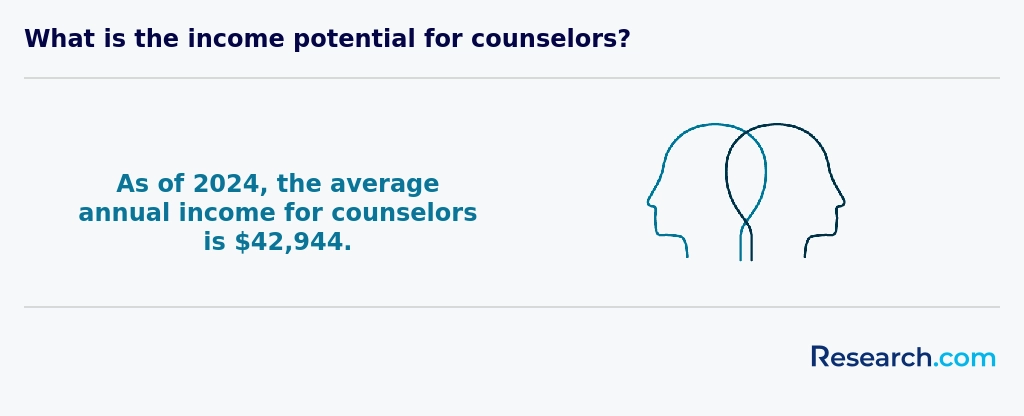
Graduates from online counseling programs at institutions like the University of Southern California or Oregon State University often find earning potential in the Western U.S. ranging broadly based on their specialization and licensure status. For example, those starting as Licensed Professional Counselors typically earn around $52,360 annually, according to recent data. Many graduates mention feeling encouraged once they secure LPC certification, as this often leads to higher-paying roles.
Licensed Mental Health Counselors and Substance Abuse Counselors in the West can expect mean annual wages near $60,080, which aligns with reports from graduates working in community health centers or outpatient clinics. Those who pursued marriage and family therapy often see mean salaries around $68,730, benefiting from the growing demand in family-centered counseling services.
Experienced counselors who gain clinical supervisor roles can earn significantly more, with mean wages reaching $134,440 per year. Graduates recall how this step up brings rewarding responsibilities and financial stability, especially in private practice or government healthcare settings prevalent in California and Washington.
Overall, an online counseling degree in the West equips students with meaningful career paths that steadily improve in salary as they accumulate experience and certifications, matching the dynamic needs of Western communities.
2027 Most Affordable Online Master's in Counseling Degree Programs Ranking in the West
How do we rank schools?
Investing in your education is a significant decision that can shape your future, and the Research.com team is keenly aware of the importance of making well-informed choices. To support prospective students interested in counseling degrees in the western United States, we have carefully developed the "2027 Most Affordable Online Master's in Counseling Degree Programs Ranking in the West." Our dedication to quality, credibility, and accuracy is demonstrated through thorough research and data analysis.
We utilized the following reputable data sources to ensure a comprehensive evaluation of counseling programs:
By consulting this ranking, readers will gain valuable insights into affordable and high-quality online master's programs in counseling, enabling them to make decisions aligned with their educational and financial goals. For a detailed explanation of our ranking process, please visit our Research.com methodology page.


Key Findings
- Online counseling degrees in the Western U.S. often meet licensure requirements for California, Oregon, and Washington, where counselor demand is high.
- Tuition ranges from $15,000 to $30,000, with some private programs costing over $40,000; financial aid is commonly available.
- Starting salaries for graduates average between $45,000 and $50,000, rising to $65,000 to $75,000 after five to ten years experience.
- The job growth rate for counselors is about 22% nationally through 2032, with particularly strong demand in California and other Western states.
- Most programs require in-person practicum or internships to fulfill supervised experience hours needed for licensure.
- Accreditation by CACREP or similar bodies is important for eligibility for state licensure and is common among top Western programs.
How long does it take to complete online counseling degree in the West?
Completing an online counseling degree in the Western U.S. usually takes about two to three years for full-time students. For example, graduates from programs at California State University often finish within this timeframe by committing to 60-70 credit hours and managing practicum hours efficiently. Part-time students, balancing work and family, typically extend their studies to three to five years, a common approach for those attending the University of Arizona's flexible programs.
Accelerated options also exist, allowing motivated students to finish in just 18 to 24 months by taking heavier course loads each semester. Many find this rewarding but demanding, requiring strong time management and focus. Practicum and internship placements, requiring 600 to 1,000 supervised hours depending on state licensing, can influence how quickly students complete their degree. For instance, securing a local internship early can speed up graduation plans.
Being realistic about personal commitments and course pacing is crucial. Graduates often recommend planning around work schedules and using available university resources to stay on track while enjoying the flexibility of online study.
Licensing and Certification Requirements for Counseling Graduates in the West
Licensure is the step that turns a counseling degree into legal authority to practice. Requirements vary by state, so affordability should be evaluated alongside whether a program meets the rules in the state where you want to work. Students comparing cost and accreditation may also want to review our ranking of the most affordable online masters in mental health counseling for additional program options.
Most Western states use a process that includes the following milestones:
- Accredited degree completion: Earn a master’s degree from a program that satisfies state coursework standards. Many students look for regionally and CACREP-accredited programs because these are commonly aligned with foundational counseling competencies.
- Supervised clinical hours: Complete 2,000–3,000 post-master’s supervised hours under a licensed counselor, often over 2 years.
- Examination passage: Pass the National Counselor Examination (NCE) or the National Clinical Mental Health Counseling Examination (NCMHCE), depending on state board requirements.
- State board application: Submit official transcripts, supervised experience verification, exam scores, application forms, and required fees.
- Continuing education and renewal: Maintain licensure by completing 20–40 hours of approved continuing education every 1–2 years, depending on jurisdiction.
The best time to map licensure requirements is before you enroll. Ask each program whether its curriculum is designed for your target state, how local practicum and internship placements are handled, and whether graduates have met board requirements in your state.
What's the difference between online and on-campus counseling degree?
When choosing between online and on-campus counseling degrees in the West, the primary difference lies in how you attend classes. Graduates from universities like those in California often describe on-campus programs as immersive, with face-to-face interactions creating a strong community feel. This can be motivating if you thrive on direct support from professors and peers.
In contrast, online programs at well-known Western institutions offer flexibility that fits busy schedules, especially for those juggling jobs or family. One graduate shared how being able to study evenings without commuting made completing the program manageable and less stressful. Both paths meet the same accreditation standards-many online options here are CACREP-accredited-so the credential holds equal value.
Cost-wise, online students save on housing and travel, though tuition may be similar. Everyone must complete practicums locally, so you still gain hands-on experience in your community regardless of delivery method. This balance between flexibility and real-world training helps you plan around life, not the other way around.
The Importance of Accreditation in Online Counseling Programs
Accreditation should be one of the first filters you apply when comparing online counseling programs. A low-cost program may not be a good investment if it does not meet the academic standards required by employers, state licensing boards, or financial aid agencies.
For counseling programs, the Council for Accreditation of Counseling and Related Educational Programs (CACREP) is the primary specialized accreditor. CACREP reviews whether a program meets expectations for curriculum, faculty qualifications, student support, assessment, practicum, internship preparation, and professional counseling competencies. Programs must also complete regular reviews to maintain accredited status.
Accreditation matters for several practical reasons:
- Licensure eligibility: Graduates of accredited programs are often better positioned to meet state education requirements for counseling licensure.
- Employer confidence: Employers may view accredited programs as evidence that graduates completed a curriculum aligned with accepted professional standards.
- Financial aid access: Accreditation can affect whether students may use federal funding and other forms of financial assistance.
- Transfer and mobility: If you move or seek licensure in another state, an accredited academic record may reduce complications.
- Clinical preparation: Accredited programs are expected to provide structured training that prepares students for supervised practice.
Before enrolling, verify both institutional accreditation and counseling-specific accreditation or state board recognition. Do not rely only on a school’s marketing language. Check the accreditor, review the program’s licensure disclosures, and contact the licensing board in the state where you plan to practice.
What is the average cost of online counseling degree in the West?
The average cost of an online counseling degree in the West typically centers around a median total tuition of about $40,860, with variations depending on residency status and school type. Graduates from well-known public institutions like California State University often benefit from in-state tuition rates near $37,647, making the degree more accessible for Western residents. Out-of-state students might expect costs closer to $52,803, reflecting higher tuition fees for non-residents.
Many students appreciate programs that offer 36 to 48 credit hours at a per-credit cost ranging between $300 and $600 for public universities. Private universities, valued for their specialized resources and networking opportunities, often charge between $700 and over $1,000 per credit hour, pushing the total cost well above the median. Graduates from such programs often share how the investment feels worthwhile due to personalized support and career services.
Practical budgeting means also factoring in additional fees like technology and registration, which can add hundreds of dollars each term. Researching financial aid opportunities and scholarships specific to counseling can significantly ease this burden. Numerous prospective students discover that checking eligibility for federal aid and state grants unlocks options to lower net costs effectively.
For those seeking affordable online masters in counseling tuition Western states offer varied choices. Exploring tuition options carefully, including in-state tuition advantages and institutional financial packages, can help you find the most affordable path. As a helpful resource, explore the most affordable online masters in mental health counseling to compare programs that align with your budget and career goals.

Accreditation and Licensure
Accreditation and licensure should be reviewed together. Accreditation tells you whether a program meets recognized academic and professional standards; licensure determines whether you can legally practice as a counselor in your state after graduation and supervised experience.
- CACREP accreditation: CACREP accreditation signals that the curriculum aligns with national counseling competencies.
- State board approval: Requirements vary by state, so verify your target state’s rules before enrolling.
- Supervised clinical hours: Supervised clinical hours typically range from 600 to 1,000, depending on state regulations.
- Licensure reciprocity: Reciprocity may ease transitions if you move between Western states, but it is not guaranteed and should be confirmed with each state board.
- Ongoing advising: Consult program advisors and your state licensing board regularly for the latest guidelines.
Students pursuing marriage and family therapy should compare accredited mft online programs carefully, since MFT licensing requirements can differ from professional counseling requirements.
What financial aid is available to online counseling degree students in the West?
Students pursuing online counseling degrees in the West commonly start by completing the FAFSA to unlock federal financial aid options like Pell Grants, Federal Direct Loans, and work-study programs. Although Pell Grants are mostly for undergraduates, some graduate students at institutions such as the University of Washington have successfully obtained state or institutional grants tailored for counseling programs.
Many graduates mention how Federal Direct Loans helped them manage tuition costs thanks to their lower fixed interest rates and flexible repayment plans, providing a sense of security while studying online. State scholarships, like California's Cal Grant, also provide valuable aid, especially when students meet certain eligibility criteria.
At universities like Pepperdine or Arizona State, institutional scholarships and assistantships brighten the financial picture. For example, a graduate recalled receiving a graduate assistantship that covered tuition and offered a stipend, making it feasible to focus on studies without financial stress.
- Paid internships arranged through program partnerships with local clinics add financial relief and practical experience.
- Loan repayment programs in Oregon and Washington reward graduates working in underserved areas, encouraging students to serve communities and ease their debt.
Proactively contacting financial aid offices and exploring state resources helped many students discover these benefits, proving that tailored, informed planning pays off.
Understanding Licensure Requirements for Counselors in the West
Licensed Professional Counselor (LPC) licensure is not automatic after graduation. Each Western state sets its own rules, but most require a graduate degree, supervised clinical experience, a national exam, a formal application, and ongoing professional education.
- Degree and accreditation: Earn a CACREP-accredited or regionally accredited master’s degree. Confirm that required coursework includes core areas such as ethics, assessment, diagnosis, human development, counseling theory, and clinical practice.
- Supervised clinical hours: Complete 2,000–4,000 hours of supervised experience, depending on state regulations. These hours may include practicum, internship, and post-degree clinical supervision.
- Examination requirements: Pass the National Counselor Examination (NCE) or National Clinical Mental Health Counseling Examination (NCMHCE). Some states require both, so always check your target board’s current rules.
- Application and background check: Submit transcripts, supervision forms, exam scores, and application fees. State and federal background checks are also common because counseling involves direct client care.
- Continuing education and renewal: Most states require 20–40 continuing education units (CEUs) every 2–3 years. Required topics often include ethics, cultural competence, and evidence-based practices.
Licensure planning is especially important for online students because your school may be located in one state while your clinical placement and eventual practice are in another. For example, counselors planning to practice in Virginia should confirm alignment with the Virginia Board of Counseling’s requirements. You can compare relevant options in our Low Cost Online Counseling Degree Programs Ranking in Virginia.
Before committing to a program, request written licensure disclosures, ask where students complete supervised fieldwork, and verify whether the program has placement support in your state.
What are the prerequisites for enrolling in online counseling degree program in the West?
To enroll in an online counseling degree program in the West, start by securing a bachelor's degree from an accredited school-whether it's in psychology, social work, or even another field. Graduates from programs at well-known Western universities often mention that having a clear academic foundation eased their transition into the master's coursework.
Next, maintain a GPA around 3.0 or higher. Applicants just below this threshold sometimes received conditional acceptance by highlighting strong professional backgrounds, which helped them build confidence and stay motivated during their studies.
Be prepared to gather letters of recommendation from professors or workplace supervisors who can speak to your skills and dedication. Writing a personal statement is your chance to explain why you want to pursue counseling, sharing goals and readiness for online learning. For example, many graduates appreciated how this process made them reflect on their career ambitions before starting.
GRE scores might be required, but many Western schools like those in California or Washington increasingly waive them to make entry easier. Also, demonstrating relevant work or volunteer experience-especially in clinical settings-boosts practical understanding and readiness for real-world internships or practicums, something past students found invaluable in their journey.

Licensure and Certification Requirements
Graduates must meet state licensure requirements before practicing independently as professional counselors in the West. The specific title and process vary by state, but most pathways include education, supervised practice, examination, and board approval.
- Earning a master’s degree from a CACREP-accredited program
- Completing 2,000–3,000 supervised clinical hours under a licensed supervisor
- Passing the National Counselor Examination (NCE) or National Clinical Mental Health Counseling Examination (NCMHCE)
- Meeting state‐specific jurisprudence and ethics exam standards
- Submitting a licensure application and paying associated fees
Applicants should also plan for background checks, documentation deadlines, supervision contracts, and continuing education after licensure. Aspiring marriage and family therapists should review additional training and exam criteria and explore mft online programs designed to meet Western state board requirements.
What courses are typically in online counseling degree programs in the West?
Online counseling degree programs in the Western U.S., such as those offered by well-known universities in California and Washington, emphasize courses that build a solid foundation and practical skills. Graduates often recall how Human Growth and Development classes helped them understand clients' emotional changes through different life stages-a crucial insight for real-world counseling. Counseling Theories and Techniques is another core course, providing hands-on strategies across diverse therapeutic approaches, which students found immediately applicable during supervised clinical hours.
Programs also include Professional Ethics and Legal Issues tailored to state-specific licensing requirements in places like Oregon and California. This gave graduates confidence when navigating confidentiality and informed consent in their future practices. Courses like Assessment and Diagnosis trained them to interpret psychological tests clearly, which proved vital during internships. Research Methods and Program Evaluation sharpen analytical skills, helping students track treatment outcomes effectively.
Specialized topics such as Multicultural Counseling and Crisis Intervention prepare students for diverse communities and emergency situations common in the West. Students from these programs often describe feeling well-prepared and emotionally fulfilled, knowing they can meet local licensure standards and contribute meaningfully in their fields.
What types of specializations are available in online counseling degree programs in the West?
Online counseling degree specializations West typically include clinical mental health counseling, school counseling, marriage and family therapy (MFT), and rehabilitation counseling. Graduates from popular colleges in California and Oregon often highlight how clinical mental health counseling prepares them to work in diverse settings like hospitals and community agencies, addressing real-world mental health challenges with confidence.
For those drawn to education, school counseling focuses on developmental psychology and educational law, equipping students for certifications that open doors in K-12 settings. Graduates report feeling empowered to support students' academic and emotional growth effectively. The marriage and family therapy track, favored in Washington programs, teaches practical skills in handling relationship dynamics, with strong job demand projected through 2031.
Rehabilitation counseling, another option, benefits students aiming to assist individuals with disabilities, preparing them for roles in nonprofits and government agencies.
Those exploring West region counseling master's concentration options should also consider emerging fields like substance abuse and trauma counseling, which address urgent community health concerns. Comparing tuition ranges from $15,000 to $30,000, students often turn to rankings like Low Cost Online Counseling Degree Programs Ranking in Virginia to find affordable quality programs.
How do you choose the best online counseling degree in the West?
Start by confirming the program's CACREP accreditation, as this ensures your degree meets professional standards recognized for licensure in Western states. Graduates from well-known online programs in California and Washington often praise the clarity accreditation offers in navigating state requirements without surprises.
Next, assess affordability, keeping an eye on tuition and extra fees. Affordable online counseling degrees in the West often come from public universities where in-state tuition benefits apply. Graduates frequently share how selecting these options allowed them to manage costs while maintaining quality education.
Consider the program's format-look for a balance of asynchronous coursework and live sessions. Many students juggling busy schedules in rural areas appreciate programs offering flexibility, such as those at universities with strong online counseling reputations in the West.
Check local practicum and internship support since supervised clinical hours are essential. Programs with partnerships specific to Western states ease placement challenges, enabling students to gain relevant experiences without relocating. This practical approach is a common highlight among recent graduates.
Lastly, evaluate faculty expertise and support services. Graduates often express that mentors licensed in counseling helped build confidence for their careers. If you're exploring options beyond counseling, consider trade school professions as a valuable path.
What career paths are available for online counseling degree students in the West?
Graduates of online counseling degrees in the West often pursue diverse career options that reflect the region's growing need for mental health professionals. Many become licensed professional counselors, working directly with individuals and groups to provide therapy. For example, graduates from popular schools in California and Washington share how internships integrated into their programs helped them gain the required supervised clinical hours, preparing them for licensure. Others focus on marriage and family therapy, supported by program emphases found in institutions throughout Oregon and Nevada. These professionals enjoy fulfilling work addressing family dynamics, often in private or community settings.
School counseling remains a strong job opportunity with online counseling master's in Western states, especially where funding has expanded roles in K-12 education. Graduates report feeling optimistic about supporting students' emotional and academic growth, particularly in Colorado. Additionally, some move into specialized roles like career or substance abuse counseling, where certification enhances their expertise. Those budget-conscious students frequently explore accredited online schools with waived application fees to reduce costs without sacrificing quality education.
What is the job market for online counseling degree in the West?
The job outlook for online counseling degrees in the West is promising, especially as demand for mental health services grows rapidly. Graduates from universities in California and Washington report entering a competitive but fruitful employment market thanks to the strong growth in mental health awareness and state licensure regulations that recognize accredited online degrees. Many graduates find roles in schools, private practices, and telehealth agencies that expand opportunities beyond urban centers, allowing for flexible and rewarding work environments.
Costs of online programs at well-regarded Western colleges typically range between $10,000 and $30,000, which makes earning a degree while managing personal and financial commitments realistic. Counseling graduates benefit from salaries that reflect regional living costs, often between $50,000 and $65,000 annually, with licensed counselors earning more secure positions and higher pay.
For those considering their next step, exploring options at popular regional universities can connect you to programs aligned with licensure requirements and career readiness. Being strategic about your choice by checking program accreditation is essential to accessing the best employment opportunities. Researching good majors that pay well also helps ensure you make an informed investment in your future.
Employment opportunities for counseling graduates in Western states continue to expand as community agencies and healthcare providers increasingly embrace telehealth and flexible work models, offering graduates multiple pathways to establish fulfilling careers in the region.
Frequently Asked Questions About counseling
Online counseling degree students in the Western US can maximize their learning experience by actively engaging in virtual class discussions and collaborative projects. Research from the Western Interstate Commission for Higher Education highlights that students who participate regularly show better retention and practical skills development. Additionally, choosing accredited programs approved by the Council for Accreditation of Counseling and Related Educational Programs (CACREP) ensures curriculum quality.
Balancing practical application through local internships or practicum placements helps students connect theory to real-world settings. The Bureau of Labor Statistics notes that supervised fieldwork is critical for licensing success in Western states such as California and Oregon. Using university resources like online tutoring and career services further strengthens academic and professional growth.
The counseling field in the Western United States is expanding into several emerging niches driven by societal changes and growing mental health awareness. One key area gaining traction is telebehavioral health counseling, which leverages online platforms to reach underserved rural populations. According to the American Counseling Association, demand for remote counseling services increased by over 30% from 2020 to 2023 in Western states.
Another rising specialty is substance use and addiction counseling, reflecting the ongoing opioid crisis impacting many communities in the West. Additionally, school and career counseling with a focus on multicultural and LGBTQ+ populations is becoming increasingly important as schools emphasize inclusivity and support for diverse student bodies.
Overall, specialized training in trauma-informed care and integrative wellness approaches is also being incorporated into many online master's programs to meet these evolving needs.
After completing an online counseling degree in the West, graduates should focus on obtaining licensure, which varies by state but typically includes supervised clinical hours and passing the National Counselor Examination (NCE). Staying informed about state-specific requirements through resources like the Association for Counselor Education and Supervision (ACES) is essential.
Gaining practical experience through internships or volunteer opportunities in local mental health centers can improve job prospects. Networking with professionals via regional counseling associations enhances connections within the local job market.
Understanding salary trends helps set realistic expectations; for example, counselors in California earn a median annual salary of about $56,000 according to the Bureau of Labor Statistics.
Employers in the Western U.S. prioritize strong communication and interpersonal skills in counseling degree graduates. According to the Bureau of Labor Statistics, effective active listening and empathy are essential for client rapport and successful therapy outcomes. Additionally, critical thinking and problem-solving abilities are highly valued, as counselors must develop tailored treatment plans.
Technical proficiency with electronic health records and telehealth platforms is increasingly important, especially for graduates of online programs. Cultural competence also ranks high, reflecting the diverse populations in Western states like California and Washington.
The Commission on Accreditation for Counseling and Related Educational Programs (CACREP) recommends training that enhances these skills to meet regional workforce needs.
Finding internships relevant to counseling degrees in the Western US involves several strategic steps. Many states, including California, Washington, and Oregon, require counseling students to complete supervised internship hours for licensure, often between 600 and 3,000 hours depending on the credential sought. Students should start by contacting their school's career services or counseling department, as these offices frequently partner with local clinics, schools, and mental health agencies.
Additionally, platforms like the American Counseling Association's internship database provide updated listings tailored to specific states in the West. Networking with licensed professionals through state counseling boards can also open doors to internships. According to the California Board of Behavioral Sciences, students who engage early with regional agencies improve their chances of securing quality internships.
Applying early is essential due to high competition in metropolitan areas like Los Angeles and Seattle. Internships in rural communities are also available and can provide diverse practical experience. Overall, combining university resources, professional organizations, and state-specific licensing boards offers the strongest path to finding suitable counseling internships in the West.
Obtaining an online counseling degree in the Western United States significantly enhances career mobility and advancement opportunities. Many Western states recognize accredited online programs as meeting licensure requirements, crucial for becoming a Licensed Professional Counselor (LPC). According to the California Board of Behavioral Sciences, students graduating from approved online programs can pursue licensure without geographic barriers.
Online degrees also allow professionals to upskill while working, increasing eligibility for higher-paying roles such as clinical supervisors or program coordinators. The Bureau of Labor Statistics projects a 22% growth in mental health counseling jobs in the Western region through 2030, indicating robust demand.
Employers often value the flexibility and tech-savviness demonstrated by online degree candidates, which can translate to faster career progression in private practice or community agencies. Overall, an accredited online counseling degree supports both regional licensure and expanding professional roles in the West.
Studying for an online counseling degree in the Western United States offers students a strong foundation for interdisciplinary roles. Many programs emphasize collaboration across healthcare, social work, and education sectors, reflecting regional workforce demands.
For example, the U.S. Bureau of Labor Statistics projects a 22% growth in counseling-related jobs by 2030, particularly within multidisciplinary teams. Programs also integrate courses in psychology, case management, and crisis intervention, preparing graduates to work with diverse populations.
Students often engage in practical training settings that involve coordination with medical professionals, educators, and community organizations. This approach equips graduates with skills necessary for holistic and collaborative care.
Regional accreditation standards in the West, such as those by the Western Association of Schools and Colleges (WASC), support this interdisciplinary training focus.
Choosing between a thesis and a non-thesis counseling degree program in the West depends largely on your career goals and learning preferences. Thesis programs involve conducting original research and writing a substantial paper, which is ideal if you plan to pursue a PhD or a research-focused career. Non-thesis options often include additional coursework or practical experience, better suited for students aiming to enter clinical practice directly.
In Western states, such as California and Washington, about 40% of online counseling master's programs offer thesis tracks, according to the National Center for Education Statistics (NCES). Consider time commitment and how each program aligns with licensure requirements in your state. Practical students may prefer non-thesis routes to fulfill supervised hours.
Students based in the Western United States seeking to study counseling abroad have several online options within accredited U.S. programs. Many universities in states like California, Oregon, and Washington offer fully online master's degrees in counseling, allowing students to benefit from high-quality education without relocating. These programs often comply with regional accreditation standards such as WASC Senior College and University Commission (WSCUC).
Some reputable universities also provide international practicum placements, enabling practical experience in diverse cultural settings while earning a U.S.-recognized degree. According to the Council for Accreditation of Counseling and Related Educational Programs (CACREP), over 70% of counseling programs in the West now offer flexible online formats, accommodating working professionals and remote learners.
Part-time job opportunities in the Western US that complement counseling degree education often involve roles in mental health support, social services, and educational assistance. Jobs such as behavioral health technician, case management assistant, or crisis hotline counselor provide practical experience relevant to counseling studies. According to the Bureau of Labor Statistics, California and Washington lead in employing mental health aides and social workers, reflecting opportunities aligned with counseling fields.
Many graduate students engage in peer counseling or academic tutoring, which develop communication and empathy skills crucial for counseling careers. Volunteering in nonprofits or community health centers is also common, offering real-world exposure to diverse populations.
Online counseling degree programs in the Western US offer multiple networking opportunities despite being virtual. Students often engage with peers and instructors through discussion boards, group projects, and live video sessions, fostering professional connections.
Many Western universities also host virtual career fairs and webinars featuring licensed counselors and industry experts. According to the Western Association of Schools and Colleges, around 65% of online counseling programs include such events to enhance student experience.
Additionally, students can join regional chapters of professional organizations like the California Association of Marriage and Family Therapists (CAMFT) or the Oregon Counseling Association. These affiliations provide access to local conferences and mentorship programs.
Internship placements, often coordinated by universities in Western states, also provide direct networking with local agencies and clinics.
Alumni networks play a significant role in supporting online counseling degree students in the West. These networks offer valuable opportunities for professional connections, mentorship, and job placement assistance. According to the Western Association of Schools and Colleges (WASC), strong alumni engagement can enhance career outcomes by connecting graduates with licensed counselors and supervisors in the region.
Many programs facilitate online forums and regional meetups, allowing students to build relationships even without a traditional campus experience. This access helps graduates navigate licensure requirements unique to Western states, such as California's strict Clinical Social Work mandates.
Furthermore, alumni networks often provide continuing education resources, keeping professionals updated with the latest counseling trends and practices relevant to Western populations.
Customizing an online counseling degree program in the West allows you to align your education with specific career goals. Many Western universities offer specializations such as school counseling, marriage and family therapy, or addiction counseling. Selecting elective courses that focus on your desired area can enhance your expertise. Clinical practicum placements are often flexible, enabling you to gain experience relevant to your target population or setting.
Accredited programs accredited by CACREP (Council for Accreditation of Counseling and Related Educational Programs) are widely recognized in Western states, important for licensure and career mobility. As of 2023, California and Washington lead the region in online counseling degree offerings, with over 15 institutions providing accredited options.
Consult program advisors to tailor research projects, internships, and coursework compatible with your professional goals. This strategic customization helps prepare you for licensure requirements and specific counseling roles across Western states.
Online counseling students in the Western United States often face challenges related to limited access to local clinical placements required for licensure. Many state boards in the West have specific practicum hour requirements that can complicate securing approved internships nearby. Technical difficulties and inconsistent internet connectivity also impact students in rural areas, creating barriers to synchronous learning.
Another issue is the sense of isolation compared to traditional campus experiences, which can affect motivation and peer interaction. According to the Bureau of Labor Statistics, counseling roles in the West are projected to grow 22% by 2032, increasing competition for clinical positions.
Financial barriers and navigating state licensure reciprocity further complicate program completion and future employment.
Graduates with an online counseling degree in the Western United States can pursue several professional certifications to enhance their careers. One common certification is the Licensed Professional Counselor (LPC), which is recognized in many Western states and requires passing a state-specific exam.
Other certifications include the National Certified Counselor (NCC) credential from the National Board for Certified Counselors, which is widely respected and can improve job prospects. Additionally, some graduates become Certified Addiction Counselors (CAC) or obtain certifications in marriage and family therapy, depending on state regulations.
The demand for certified counselors is projected to grow by 22% in the Western U.S. through 2030, according to the Bureau of Labor Statistics, emphasizing the importance of these credentials.
Applying to an online counseling program in the Western US requires careful preparation. Most programs value a strong personal statement highlighting your motivation and experience in counseling. Be sure to clearly explain why you want to pursue counseling and how the program fits your career goals.
Academic records matter-maintain a GPA of at least 3.0 or higher, as many programs set this as a minimum. Additionally, letters of recommendation from professionals familiar with your skills can strengthen your application. Relevant volunteer or work experience in mental health is often favored.
The Council for Accreditation of Counseling and Related Educational Programs (CACREP) accredits many quality programs in the West, so mention your interest in CACREP-accredited degrees to demonstrate your research and commitment.
Globally, counseling is recognized as a vital profession that supports mental health and well-being. In the West, particularly the United States, counseling careers are growing rapidly due to increasing awareness about mental health issues. The U.S. Bureau of Labor Statistics projects a 23% growth in employment for mental health counselors from 2021 to 2031, reflecting strong demand.
Online counseling degrees in the West align well with this trend, offering flexible education options for diverse students. Many countries emphasize licensure and accredited programs to ensure quality standards, similar to U.S. requirements regulated by bodies like CACREP.
International perspectives often highlight counseling as a respected and expanding field, with cross-cultural research promoting global approaches to training while addressing localized mental health needs.
Gaining practical experience during an online counseling degree in the West is essential for licensure and skill development. Most programs require fieldwork or internships, typically supervised and completed in your local community. According to the California Board of Behavioral Sciences, students must complete at least 3,000 hours of supervised experience post-degree, but internships begin during study to build foundational skills.
Many universities partner with clinics, schools, and counseling centers to provide placement options. Students can also seek volunteer opportunities in mental health organizations.
State-specific requirements vary, so consult your state's licensing board to ensure all practical hours qualify.
Choosing the right concentration within an online counseling degree program in the Western US involves assessing your career goals and local licensing requirements. Common concentrations include clinical mental health counseling, school counseling, and marriage and family therapy. According to the Western Association of Schools and Colleges (WASC), programs should meet state-specific licensure standards to ensure eligibility for professional certification.
Review employment growth in your state-California and Washington, for example, expect a 15% increase in counselor jobs by 2031, according to the Bureau of Labor Statistics. Align your concentration with this demand for better job prospects.
Also, consider practicum and internship opportunities the program offers in Western communities, as hands-on experience is essential for state licensure. Research program accreditation and faculty expertise to ensure quality training in your chosen specialty.
Top Trending Counseling Rankings
See What Experts Have To Say About Studying Counseling
Read our interview with Counseling experts

Charles Figley
Counseling Expert
Kurzweg Distinguished Chair in Disaster Mental Health
Tulane University

References
- Homepage https://onlinecounselingprograms.com/
- For Students - CACREP https://www.cacrep.org/for-students/
- How to Utilize Online Mental Health Care as a Student - Graduate Programs for Educators https://www.graduateprogram.org/blog/how-to-utilize-online-mental-health-care-as-a-student/
- Home https://www.counselingdegreeguide.org/
- Networking: Are You Connected? https://www.apaservices.org/practice/business/marketing/building/networking
- Guide To Online Counseling Degrees https://www.psychology.org/online-degrees/counseling/
- Why Pursue an Online Counseling Degree? | University of Bridgeport https://www.bridgeport.edu/news/pursue-an-online-counseling-degree-now/
- Home https://www.husson.edu/online/blog/2025/10/benefits-of-alumni-networks
- The Challenges of Guidance Counselors in Supporting Students’ Mental Health https://theaspd.com/index.php/ijes/article/view/2406
- Interdisciplinary Training: Preparing Counselors for Collaborative Practice https://nexusipe.org/informing/resource-center/interdisciplinary-training-preparing-counselors-collaborative-practice


