
2027 Most Valuable Counseling Degree Programs Ranking in Ohio

Co-Founder and Chief Data Scientist
Choosing the right counseling degree program in Ohio can feel overwhelming. To support your journey, this article presents the 2027 Most Valuable Counseling Degree Programs Ranking in Ohio, developed by the Research.com team of data scientists.
With clear insights based on data, you'll discover which programs offer strong value and opportunities. Whether you're starting your career or advancing it, understanding these rankings helps you make informed decisions that match your goals.
Investing in a counseling degree can open doors to meaningful work and personal fulfillment. This guide aims to inspire confidence as you take the next step toward a rewarding future.
Key benefits of getting counseling degree in Ohio
- Counseling degree graduates in Ohio can earn competitive salaries such as $76,000 annually for Intervention Specialists and $60,080 for Addiction Counselors, reflecting rewarding financial opportunities in this field.
- A graduate from Ohio State University found diverse career paths including roles like Family Support Worker or Community Outreach Coordinator, showcasing the versatile job options a counseling degree offers.
- Completing an online counseling degree from a respected school like the University of Cincinnati allows flexible learning, making it easier to balance work and study while advancing your career confidently.
- Key benefits of getting counseling degree in Ohio
- What can I expect from counseling degree in Ohio?
- Where can I work with counseling degree in Ohio?
- How much can I make with counseling degree in Ohio?
- 2027 Most Valuable Counseling Degree Programs Ranking in Ohio
- Key Findings
- How long does it take to complete counseling degree in Ohio?
- Affordability and Financial Considerations in Counseling Degree Programs
- What's the difference between online and on-campus counseling degree?
- Licensure Requirements in Ohio
- What is the average cost of counseling degree in Ohio?
- Cost of Counseling Degree Programs in Ohio
- What financial aid is available to counseling degree students in Ohio?
- Licensing Requirements for Counselors in Ohio
- What are the prerequisites for enrolling in counseling degree program in Ohio?
- Return on Investment for Counseling Degrees in Ohio
- What courses are typically in counseling degree programs in Ohio?
- What types of specializations are available in counseling degree programs in Ohio?
- How do you choose the best counseling degree in Ohio?
- What career paths are available for counseling degree students in Ohio?
- What is the job market for counseling degree in Ohio?
- Related Counseling Rankings for Nearby States
- Top Trending Counseling Rankings
- See What Experts Have To Say About Studying Counseling
What can I expect from counseling degree in Ohio?
The average cost of obtaining a counseling degree in Ohio varies depending on the level of study and institution, but students can generally anticipate investing between $10,000 and $25,000 per year for graduate programs. For example, graduates from Ohio State University and Kent State University often report tuition fees within this range, reflecting comprehensive coursework combined with valuable clinical training. Many students describe the cost as a worthwhile investment given the strong support systems and real-world practicum experiences offered by these respected programs.
These counseling programs typically require 48 to 60 credit hours, involving both theoretical learning and supervised hands-on practice, making the tuition fee reflect the balance of robust academic content and essential clinical placements. The expense is also weighed against Ohio's promising job outlook in counseling fields and accredited licensure pathways, which graduates find motivating and reassuring as they transition into their professional careers.
In addition to tuition, many students appreciate financial aid options and assistantships that help ease the financial burden, allowing them to focus on developing crucial skills essential for successful mental health practice across Ohio's diverse communities.
Where can I work with counseling degree in Ohio?
Graduates with counseling degrees from institutions like Ohio State University or the University of Cincinnati often find rewarding career opportunities across diverse professional settings in Ohio. Many begin their careers in mental health clinics, hospitals, or private practices, where they provide vital support to individuals grappling with emotional and behavioral challenges. These roles offer a strong sense of fulfillment as counselors witness firsthand the positive impact of their work.
School counseling is another prominent path, especially for graduates from programs at Kent State University or Bowling Green State University. Licensed school counselors collaborate daily with students, addressing issues such as bullying and college preparation, which cultivates deep connections and purpose. Ohio's licensing requirements, including supervised clinical hours and the National Counselor Examination, prepare students thoroughly for these roles.
Some graduates pursue positions in social service agencies or community health centers, working with vulnerable populations such as families, veterans, or individuals facing addiction. Others engage with corporate wellness programs in cities like Columbus, helping employees manage stress and improve workplace dynamics, blending mental health expertise with organizational goals.
How much can I make with counseling degree in Ohio?
Graduates holding a counseling degree in Ohio can expect competitive salaries that align well with local demand and cost of living. For example, intervention specialists in Ohio earn a mean annual wage of approximately $76,000, demonstrating the financial viability of advanced roles post-graduation from prominent institutions such as Ohio University or Kent State University.
Other common career paths yield solid earnings: addiction counselors average about $60,080 annually, while community outreach coordinators and family support workers earn around $54,020. These figures reflect strong entry points for recent counseling graduates beginning their careers in the state.
Many graduates from Ohio State University's counseling programs report satisfaction not only with their starting salaries but also with opportunities to increase income through certifications and specialization, such as addiction counseling. The practical experience gained during internships enhances employability, often pushing early-career earnings into the $40,000 to $65,000 range.
These salary ranges empower counseling graduates to pursue meaningful careers while enjoying financial stability, demonstrating how a counseling degree from Ohio's respected colleges can translate into rewarding professional and personal outcomes.
2027 Most Valuable Counseling Degree Programs Ranking in Ohio
How do we rank schools?
Investing in your education is a significant decision that can shape your future, and the Research.com team understands the importance of making informed choices. To assist prospective students in Ohio, we have meticulously crafted the "2027 Most Valuable Counseling Degree Programs Ranking in Ohio." Our commitment to quality, credibility, and accuracy is reflected in the extensive research and analysis conducted to compile this ranking.
We utilized the following reputable data sources to ensure a comprehensive evaluation of counseling programs:
By exploring this ranking, readers will gain valuable insights into the best counseling degree programs available in Ohio, helping them make informed decisions about their educational paths. For more details on our methodology, please visit our Research.com methodology page.


# 11 position
Ohio Christian University
Bachelor of Substance Abuse Counseling


# 18 position
Wright State University
Master of Science in Counseling, Clinical Mental Health Concentration
.webp)

Key Findings
- Counseling degrees in Ohio are commonly offered at the bachelor's and master's levels, with master's degrees required for professional licensing.
- Tuition for in-state public graduate counseling programs ranges from $8,000 to $15,000 per year, while private institutions charge between $20,000 and $30,000 annually.
- Employment for mental health counselors and marriage and family therapists in Ohio is projected to grow by about 20% through 2030.
- Entry-level counselors earn between $40,000 and $50,000 annually, with experienced licensed counselors making $55,000 to $75,000 or more.
- Licensure requires completing a master's degree, around 3,000 supervised clinical hours, and passing the National Counselor Examination or state-approved exams.
How long does it take to complete counseling degree in Ohio?
Completing a counseling degree in Ohio varies depending on the level of study, with bachelor's programs typically taking around four years of full-time attendance. Graduates from institutions like Ohio State University often remark on the supportive academic environment, which helps them stay motivated through the demanding coursework.
For those pursuing licensure as Licensed Professional Clinical Counselors, enrolling in a master's program requires about two to three years. At popular Ohio universities offering these graduate degrees, students balance intensive classes with supervised clinical hours, gaining practical experience that feels rewarding and directly relevant to their future careers.
Doctoral degrees aimed at advanced counseling roles generally span four to six years. These programs combine rigorous research and clinical training, with students appreciating the opportunity to deepen their expertise and engage with faculty mentors throughout their journey.
Post-degree, most Ohio graduates complete roughly 3,000 supervised hours over two years, a process many find fulfilling as it solidifies their confidence and readiness to practice independently.
Affordability and Financial Considerations in Counseling Degree Programs
When considering a counseling degree in Ohio, affordability is a crucial factor, as the cost of tuition can vary significantly between institutions. Prospective students should research thoroughly to find an affordable counseling school in Ohio that aligns with their budget and career goals. Many universities in Ohio offer competitive pricing for their counseling programs, making it essential for students to weigh the costs against the potential benefits and career outcomes. Additionally, exploring financial aid options, scholarships, and assistantships can help make a counseling degree more accessible and manageable. By prioritizing affordability and financial planning, aspiring counselors can focus on their studies and professional development, setting themselves up for success in their future careers.
What's the difference between online and on-campus counseling degree?
Online counseling degree programs in Ohio provide flexibility that suits working adults managing jobs and family. Graduates from institutions like Ohio University appreciate the convenience of accessing lectures and assignments asynchronously, allowing them to study during evenings or weekends without sacrificing work commitments. However, these programs may include technology fees, and students must proactively seek virtual networking opportunities.
Conversely, on-campus programs at schools such as Kent State University offer immersive learning with direct interaction among peers and faculty. Graduates often highlight the value of hands-on clinical training through on-site counseling labs and supervised internships, which fulfill Ohio's licensure requirements more seamlessly. The in-person environment fosters mentorship and professional relationships that graduates find instrumental for career advancement.
Cost differences also influence decisions; in-state tuition averages around $9,700 annually for on-campus students, while online programs may be slightly less expensive but vary by institution. Ultimately, Ohio counseling students weigh their personal schedules and professional goals when choosing the format that best supports their success.
Licensure Requirements in Ohio
Becoming a licensed counselor in Ohio ensures you can practice independently and meet state standards for education, ethics and client care.
- Earn a CACREP-accredited master’s degree in counseling or related field.
- Complete at least 3,000 hours of supervised clinical experience (including practicum, internship and post-master’s supervision).
- Pass the National Counselor Examination (NCE) and the Ohio jurisprudence exam.
- Apply for licensure through the Ohio Counselor, Social Worker and Marriage and Family Therapist Board, submitting official transcripts and supervision verification.
- Maintain your LPC credential with 30 hours of continuing education every two years.
For those pursuing family-focused practice, consider online marriage and family therapy programs accredited to meet Ohio’s licensure requirements.
What is the average cost of counseling degree in Ohio?
The average cost of obtaining a counseling degree in Ohio reflects various factors including the type of institution and residency status. According to recent data, the median total cost for completing a graduate counseling program in Ohio is around $44,970, with in-state students typically paying a significantly lower amount-approximately $14,460-compared to out-of-state students. This disparity is evident in popular counseling programs at Ohio State University and Cleveland State University, where graduates have reported managing financial challenges but ultimately valuing the investment in their future careers.
Many counseling students in Ohio find that balancing tuition and living costs is achievable, especially when enrolling in public universities. For instance, the annual tuition for in-state graduate counseling students often ranges between $9,000 and $18,000, making professional training more accessible while still maintaining quality education. The average cost takes into account the general two to three-year program length that counseling degrees require.
Private institutions such as the University of Dayton and Antioch University Midwest offer counseling degrees with higher tuition rates, typically from $20,000 to $30,000 per year. Despite the increased expense, graduates often highlight the positive impact of smaller class sizes, flexible schedules, and access to scholarships that these private schools provide, which can make tuition and fees manageable.
For prospective students seeking a more budget-conscious option, exploring reputable affordable programs can be valuable. Detailed insights and rankings of the affordable counseling school in Ohio offer essential guidance for maximizing value without compromising educational quality. Understanding the comprehensive tuition and fees specific to counseling degree tuition and fees Ohio helps students plan wisely for their academic and professional journey.
Cost of Counseling Degree Programs in Ohio
Tuition for master’s level counseling programs in Ohio typically ranges from $10,000 to $20,000 per year for in-state public universities, while out-of-state and private institutions can exceed $30,000 annually. Most programs require between 30 and 60 credit hours, with per-credit costs averaging $400–$600. For example, a 60-credit master’s at a public university charging $500 per credit would amount to $30,000 in tuition alone. It’s essential to verify whether online and hybrid formats carry additional technology or distance-learning fees, which can add $200–$500 per semester. Beyond tuition, students should budget for mandatory fees-such as registration, activity, and clinical placement fees-which can total $1,000–$2,000 annually. Textbooks and course materials may cost between $600 and $1,200 per year, while liability insurance and background check fees for internships can add another $100–$200. Living expenses, including housing, transportation, and health insurance, vary by location but often account for $12,000–$18,000 per year in major Ohio cities. When evaluating return on investment, consider that Ohio counseling graduates report mean starting salaries of $51,000–$74,000, depending on specialization. This translates to a potential tuition payback period of 2–4 years, making investment in a counseling degree financially viable. Many programs offer graduate assistantships or paid internships that offset costs while providing valuable clinical experience. To minimize out-of-pocket expenses, prospective students should explore scholarships, federal grants, and employer tuition reimbursement plans. Additionally, comparing program costs regionally can uncover more affordable alternatives; for instance, our Low Cost Counseling Degree Programs Ranking in Maryland highlights institutions with competitive tuition and strong outcomes. By understanding the full cost picture and leveraging financial aid, students can embark on their counseling careers with confidence.
What financial aid is available to counseling degree students in Ohio?
Students pursuing counseling degrees in Ohio often rely on a combination of federal aid, state grants, and institutional scholarships to manage their educational expenses. Completing the FAFSA unlocks access to federal support such as Pell Grants and Direct Loans, while graduate students can apply for the Federal Graduate PLUS Loan to secure additional funding. Many Ohio residents benefit from the Ohio College Opportunity Grant (OCOG), which provides essential need-based assistance for those attending public institutions.
Graduates from universities like Ohio University and the University of Cincinnati frequently share how university-specific scholarships eased their financial burden, allowing them to focus on their studies without overwhelming debt. These scholarships often reward academic achievement and a commitment to serving Ohio communities after graduation, fostering a strong sense of purpose and local connection among counseling students.
Moreover, professional organizations like the Ohio Counseling Association offer targeted scholarships that many students rely on to supplement their funding. Those employed in health care or social services often highlight employer tuition reimbursement programs as a vital resource, significantly reducing out-of-pocket costs and enabling continued professional growth in counseling careers.
Licensing Requirements for Counselors in Ohio
Becoming a licensed counselor in Ohio involves meeting state standards for education, supervised experience, examination and ongoing training:
- Earn a CACREP-accredited master’s degree in counseling or a related field.
- Complete at least 700 hours of practicum and 1,700 hours of postgraduate supervised experience under an approved supervisor.
- Pass the National Counselor Examination (NCE) or National Clinical Mental Health Counseling Examination (NCMHCE).
- Apply to the Ohio Counselor, Social Worker, and Marriage and Family Therapist Board, including a criminal background check and application fee.
- Accumulate required continued education credits (30 hours every two years) to maintain licensure.
For those seeking focused training, consider our online marriage and family therapy programs to meet both degree and supervised experience requirements. Continuous professional development ensures you stay current with ethical standards, counseling techniques and state regulations.
What are the prerequisites for enrolling in counseling degree program in Ohio?
To enroll in a counseling degree program in Ohio, applicants must typically hold a bachelor's degree from an accredited institution. Although the degree does not have to be specifically in psychology or counseling, graduates from universities such as Ohio State or University of Cincinnati often emphasize that having a background in social sciences or related fields strengthens their applications.
A competitive undergraduate GPA-usually around 3.0 on a 4.0 scale-is essential, reflecting academic readiness expected by most Ohio institutions. Some programs may request GRE scores; however, many schools, responding to evolving admissions trends, have waived or made this optional. Letters of recommendation and personal statements are also standard prerequisites, enabling admissions committees to assess candidates' commitment and understanding of counseling. For example, graduates often share how crafting their personal essays allowed them to reflect deeply on their motivations and career goals.
Practical experience significantly enhances an applicant's profile. Volunteer work or internships in mental health or community organizations, common among those attending Kent State or Cleveland State, provide meaningful exposure to client-centered environments, reinforcing enthusiasm and readiness for graduate study in counseling.
Return on Investment for Counseling Degrees in Ohio
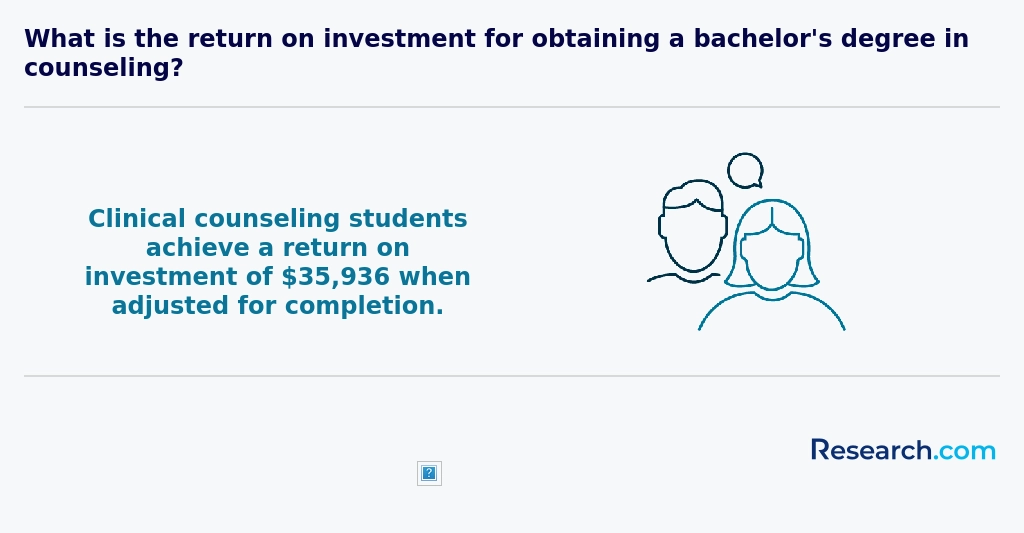
Understanding the financial value of a counseling degree beyond the diploma is essential for prospective students. In Ohio, the total cost for a master’s in counseling typically ranges from $15,000 to $30,000, depending on factors like in-state vs. out-of-state tuition and credit requirements (30–60 credits at an average of $500 per credit). When you factor in additional expenses-textbooks ($600–$1,200 annually), background checks, and technology fees-your investment can rise by another $1,000 to $2,000 per year. On the returns side, Ohio counseling graduates command competitive starting salaries. Entry-level mental health counselors begin around $44,000, while school and career counselors average $56,000-figures that increase to $60,000–$75,000 with five years of experience. Using an average salary of $50,000, most students recoup their tuition investment within two to four years, assuming a moderate living budget and full-time employment. To calculate a program’s payback period, divide your net cost (tuition minus grants and scholarships) by your annual post-graduation salary increase. For example, a $20,000 net investment against a $10,000 salary bump yields a two-year payback. Those who leverage federal aid like Pell Grants, state grants such as OCOG, or targeted scholarships (e.g., Great Minds Fellowship) can reduce net costs and shorten payback further. Maximizing ROI also means choosing accredited programs that guarantee licensure eligibility and high job placement rates. Investing time in internships during your studies not only strengthens your resume but can also lead to early job offers, effectively accelerating your financial return. For students balancing cost with quality, consider exploring our curated list of affordable online colleges for counseling degree to identify programs that deliver both affordability and strong career outcomes.
What courses are typically in counseling degree programs in Ohio?
Counseling degree programs in Ohio typically include a blend of foundational courses essential for developing competent professionals. Graduates from reputable institutions such as Ohio State University and University of Cincinnati often reflect positively on courses like Foundations of Counseling, which provide a thorough understanding of counseling theories, ethics, and professional responsibilities. These courses prepare students to navigate complex client relationships with confidence.
Students also engage deeply with Human Growth and Development, helping them understand psychological changes throughout life, a critical skill when supporting diverse client populations. Courses in Group Counseling enable practical learning of group dynamics, a common real-world scenario counselors experience in schools or community centers.
Ohio programs frequently emphasize Multicultural Counseling and Assessment and Testing, reflecting the state's commitment to equity and precision in diagnosis. Practical skills are honed through supervised Practicum and Internship placements, often within local health clinics or schools, where students report a strong sense of fulfillment helping clients directly.
Many students appreciate how the curriculum also integrates crisis intervention and substance abuse counseling, responding to Ohio's specific community needs, such as the opioid epidemic.
What types of specializations are available in counseling degree programs in Ohio?
Students pursuing counseling degree specializations in Ohio frequently choose Clinical Mental Health Counseling, which equips graduates with the skills to support individuals facing mental health challenges and addiction. Graduates from well-regarded programs at universities like Ohio State often share positive experiences about their comprehensive training, including supervised clinical hours that are essential for licensure as Licensed Professional Counselors (LPC). Another widely selected specialization is School Counseling, focused on helping K-12 students navigate academic and emotional development, with certification overseen by the Ohio Department of Education.
Ohio counseling program specialization options also encompass Marriage and Family Therapy (MFT), designed to prepare counselors to address relational dynamics through couples and family therapy. Rehabilitation Counseling is another pathway, where students learn to assist individuals with disabilities in achieving meaningful personal and professional goals. Emerging fields such as Substance Abuse Counseling reflect Ohio's response to opioid addiction, offering rewarding work in treatment centers and hospitals. Ohio students often consult resources like the list of affordable online colleges for counseling degree to find programs aligned with their career ambitions and budgets.
How do you choose the best counseling degree in Ohio?
When choosing the best counseling degree in Ohio, focus primarily on master's programs accredited by CACREP, as these are essential for licensure as a Licensed Professional Counselor. Graduates from well-known Ohio universities often highlight how CACREP accreditation and strong clinical placement support helped them secure relevant internships and meet state licensure requirements efficiently. Considering program format is crucial; many find hybrid or online options advantageous for balancing work and study, a common scenario for busy Ohio residents.
Cost is another significant factor-public universities generally offer more affordable counseling degrees in Ohio compared to private institutions. Graduates often recall comparing tuition alongside additional expenses, such as licensing exam fees and practicum costs, to make informed financial decisions. For those prioritizing affordability without sacrificing quality, exploring rankings like the Low Cost Counseling Degree Programs Ranking in Maryland can provide useful benchmarks and perspective.
Lastly, consider the curriculum's relevance to your career goals-whether in school counseling, marriage and family therapy, or clinical mental health. Ohio counseling graduates frequently emphasize the value of programs tailored to specific counseling specialties, combined with the guidance of expert faculty and supportive student services, to foster confidence and professional readiness.
What career paths are available for counseling degree students in Ohio?
Graduates with a counseling degree in Ohio have access to multiple career paths that align with their passion for mental health and community support. Many alumni from well-known Ohio universities pursue licensure as Licensed Professional Clinical Counselors (LPCC), gaining the expertise to provide therapy to individuals dealing with mental illness, addiction, or trauma. These graduates often describe their supervised clinical experience as transformative, preparing them to meet Ohio's requirement of 3,000 post-master's hours decisively.
School counseling also attracts many graduates focused on supporting K-12 students' holistic development. Institutions such as Ohio State University and Cleveland State University provide solid academic foundations combined with practical training, enabling graduates to obtain licensed school counselor credentials. Those entering this field enjoy rewarding roles facilitating students' academic and emotional growth, reflecting positive real-world impact often highlighted in alumni testimonies.
Additional career opportunities with counseling degree Ohio include mental health counselors, substance abuse specialists, rehabilitation counselors, and marriage and family therapists. The state's increasing mental health awareness fuels job prospects, encouraging graduates to explore varied avenues. Prospective students should also explore the highest paying 6 month online certifications to complement their career goals.
What is the job market for counseling degree in Ohio?
The job market for counseling degree holders in Ohio is characterized by steady growth and diverse employment opportunities, reflecting the state's rising demand for mental health professionals. Graduates from well-regarded institutions such as Ohio State University and Cleveland State University frequently report positive employment outcomes, highlighting roles in mental health counseling, school counseling, and marriage and family therapy. This demand aligns with Ohio's expanding student support programs and heightened focus on mental health education, making the employment opportunities for counselors in Ohio promising.
Many counseling graduates find rewarding positions within public school systems, hospitals, and private practices. Rural areas in Ohio often present particularly favorable openings, where graduates gain valuable experience while contributing to communities with critical needs. With an average annual salary ranging generally between $47,000 and $55,000, these roles enable new counselors to build meaningful careers. Ohio's affordable education options, relative to national averages, make it an attractive choice for those pursuing counseling degrees, especially when considering options like the easiest 2 year degree to get as a stepping stone.
Frequently Asked Questions About counseling
Students pursuing counseling degrees in Ohio can maximize their learning by engaging deeply in both academic and practical experiences. Ohio requires 3,000 hours of supervised clinical work for Licensed Professional Counselors, so starting internships early is crucial. Connecting with local counseling centers and mental health agencies provides real-world exposure that complements coursework.
Additionally, choosing programs accredited by the Council for Accreditation of Counseling and Related Educational Programs (CACREP) ensures adherence to national standards. Ohio State University and Kent State University offer such recognized programs, providing access to faculty expertise and research opportunities.
Active participation in professional organizations like the Ohio Counseling Association can expand networks and offer continuing education resources. Staying informed about Ohio's state licensure requirements through the Ohio Counselor, Social Worker, and Marriage and Family Therapist Board helps students align their training accordingly.
Emerging niches within the counseling field in Ohio reflect growing societal needs and evolving mental health priorities. One expanding area is telehealth counseling, driven by increased access to digital platforms and supported by Ohio licensure adaptations. This niche allows counselors to reach rural and underserved populations more effectively.
Another growing specialty is substance abuse counseling, responding to the state's ongoing opioid crisis. Ohio's Department of Mental Health and Addiction Services highlights a steady rise in demand for qualified professionals in this field.
Additionally, school counseling focused on social-emotional learning is gaining prominence as Ohio schools seek to address student mental health challenges. Career counseling related to workforce development also shows promising growth aligned with Ohio's economic initiatives.
Preparing for the job market after earning a counseling degree in Ohio involves several targeted steps. First, obtaining licensure is essential; Ohio requires passing the National Counselor Examination and completing supervised clinical hours. Graduates should consider gaining experience through internships or practicum placements during their programs to build practical skills.
Networking within local counseling associations like the Ohio Counseling Association can open job opportunities and provide professional development. According to the U.S. Bureau of Labor Statistics, Ohio's counselor employment is expected to grow by 11% through 2031, signaling a positive job outlook.
Additionally, tailoring resumes and practicing interview skills to emphasize Ohio-specific credentials and regulations will help graduates stand out to employers in healthcare, education, and social services.
Employers in Ohio prioritize several key skills when hiring graduates with counseling degrees. Strong communication skills are essential, enabling counselors to effectively listen, understand, and guide clients. According to the Ohio Department of Job and Family Services, interpersonal skills are highly valued given the collaborative nature of counseling roles.
Critical thinking and problem-solving abilities allow counselors to develop personalized treatment plans. Additionally, cultural competence is increasingly important in Ohio's diverse communities to provide respectful and relevant care. Employers also expect proficiency in ethical decision-making aligned with Ohio licensing board standards and confidentiality regulations.
Technical skills, including familiarity with electronic health records and teletherapy platforms, are becoming necessary as Ohio expands telehealth services. These combined skills prepare graduates to meet evolving demands in the state's mental health workforce.
Finding internships in Ohio relevant to a counseling degree involves several strategic steps. Start by exploring counseling programs at Ohio universities, as many require or strongly encourage internships as part of their curriculum. Schools like Ohio State University and University of Cincinnati often have partnerships with local mental health organizations.
Additionally, use resources such as the Ohio Counselor, Social Worker, and Marriage and Family Therapist Board, which lists approved clinical sites for supervised experience. The Ohio Department of Mental Health and Addiction Services also provides information about agencies offering internship opportunities.
Network with local counseling associations, such as the Ohio Counseling Association, to access job boards and mentorship programs. Furthermore, utilize online platforms like Handshake and university career centers to find internships specifically targeted to counseling students in Ohio.
A counseling degree in Ohio significantly enhances career mobility and advancement opportunities. Graduates holding a Master's in Counseling or related degrees qualify for licensure as Licensed Professional Counselors (LPC), opening doors to varied roles in mental health, schools, and healthcare settings. According to the Ohio Counselor, Social Worker, and Marriage & Family Therapist Board, licensed counselors earn median wages about 10-15% higher than non-licensed counterparts.
Ohio's expanding mental health sector, supported by state initiatives to increase behavioral health services, offers career growth in urban and rural areas alike. Counselors with advanced degrees or specialties, such as clinical rehabilitation or school counseling, often advance into supervisory or administrative positions, improving earning potential and job stability.
Professional licensure requirements and continuing education in Ohio foster ongoing skill development, which employers value for promotional tracks. This combination of formal credentials and practical experience helps counselors maintain competitive advantage in the state's job market.
Studying for a counseling degree in Ohio equips students with skills essential for interdisciplinary collaboration. Ohio programs emphasize integrating psychology, social work, and health care practices, preparing graduates to work alongside professionals in education, medicine, and community services. The Ohio Counseling Association highlights that nearly 70% of counselors engage in multidisciplinary teams, making cross-field knowledge valuable.
Ohio's universities incorporate coursework in ethics, communication, and cultural competency, supporting cooperation with diverse specialists. Practicum and internship placements often involve settings where counselors interact with social workers, nurses, and educators, enhancing real-world teamwork skills. According to the Ohio Department of Higher Education, this collaborative approach aligns with state mental health initiatives encouraging holistic care models.
When choosing between a thesis and a non-thesis counseling degree program in Ohio, consider your career goals. Thesis programs emphasize research, requiring students to conduct original studies, which is ideal for those interested in academic or research roles. Non-thesis programs focus more on practical skills and clinical training, suitable for students aiming for direct counseling practice.
Ohio's counseling licensure requirements often value practical experience, so non-thesis programs can be efficient for licensure preparation. According to the Ohio Counselor, Social Worker, and Marriage and Family Therapist Board, supervised clinical hours are essential.
Review each program's curriculum and faculty expertise, and if you plan to pursue a doctorate later, a thesis option may better prepare you.
Students based in Ohio seeking to study counseling abroad have several options, including exchange programs and joint-degree partnerships with international universities. Ohio's public universities, such as Ohio State University, often offer study abroad opportunities focused on mental health and counseling fields. These programs provide immersive experiences that enhance cultural competence, a crucial skill for counselors.
It is important for students to verify that foreign coursework aligns with Ohio's licensure requirements. The Ohio Counselor, Social Worker, and Marriage and Family Therapist Board requires specific credits for licensure, so international study should complement those standards.
Additionally, students may explore accredited online counseling degree programs with global perspectives, which can offer flexibility while meeting Ohio licensing guidelines.
Students pursuing counseling degrees in Ohio can benefit from part-time jobs that provide practical experience and complement their academic learning. Common opportunities include working as behavioral health technicians or mental health aides in hospitals and community service agencies. These roles help develop skills in patient interaction and crisis management, important for future counselors.
Additionally, tutoring or peer counseling positions at universities allow students to hone communication and empathy skills. Ohio's OhioMeansJobs website reports that such roles frequently pay between $12 and $18 per hour, offering both income and relevant experience.
Part-time internships with school counseling departments or nonprofit organizations focused on mental health are also valuable. These provide insight into professional counseling environments and networking opportunities crucial for career advancement.
Counseling students in Ohio have access to a variety of networking opportunities that enhance professional growth and career development. Ohio is home to the Ohio Counseling Association (OCA), which offers regular events, conferences, and workshops tailored to students and professionals. These gatherings allow students to connect with licensed counselors, potential employers, and peers across the state.
Many universities in Ohio also host career fairs and maintain partnerships with local mental health organizations, providing internship and practicum placements. Through these channels, students gain hands-on experience and build relationships crucial for future employment.
Additionally, Ohio's proximity to major metropolitan areas like Columbus and Cleveland expands networking possibilities through regional counseling groups and nonprofits.
Alumni networks offer valuable support to counseling degree students in Ohio. These networks provide connections to experienced professionals working in various mental health settings across the state. Through events and online platforms, current students gain access to mentorship and advice on career pathways, licensure, and continuing education.
Ohio's counseling job market benefits from strong alumni ties, which often assist with internships and job placements. According to the Ohio Counseling Association, graduates connected to active alumni groups report a smoother transition into licensed professional roles. This network also fosters collaboration and resource sharing, enhancing students' chances of success in Ohio's competitive mental health field.
Customizing a counseling degree program in Ohio allows students to align their education with specific career goals. Many Ohio universities offer specializations such as school counseling, mental health counseling, or marriage and family therapy. Choosing relevant electives and practicum sites can provide practical experience in your area of interest.
Additionally, Ohio's licensure requirements vary by counseling field, making it essential to select coursework that meets state standards. For example, the Ohio Counselor, Social Worker, and Marriage and Family Therapist Board outlines necessary credit hours and supervised practice hours for each license type.
Students may also benefit from programs accredited by the Council for Accreditation of Counseling and Related Educational Programs (CACREP), as these often ease the path to licensure and employment.
Counseling students in Ohio commonly face several challenges during their academic journey. One significant issue is meeting the state's rigorous licensure requirements, which demand extensive supervised clinical hours, often totaling over 3,000 hours for Licensed Professional Counselors (LPC). Balancing these hours with coursework and personal commitments can be difficult.
Financial strain is another concern, as graduate programs in counseling may require substantial tuition and fees. According to the Ohio Department of Higher Education, median graduate tuition can exceed $10,000 annually for in-state students. Many students must manage loans or part-time work alongside their studies.
Additionally, students often face emotional strain due to the demanding nature of counseling training, which involves exposure to sensitive client issues. Access to adequate support services varies between institutions.
A counseling degree in Ohio opens doors to various professional certifications that enhance career opportunities. Graduates commonly pursue licensure as a Licensed Professional Clinical Counselor (LPCC), which requires completing supervised clinical hours and passing the Ohio Counselor, Social Worker, and Marriage and Family Therapist Board exam. Another key certification is the Licensed Social Worker (LSW) credential for those with a social work background.
Many also seek National Certified Counselor (NCC) status from the National Board for Certified Counselors, recognized nationally and valued in Ohio's mental health field. Additionally, certifications such as Certified Rehabilitation Counselor (CRC) support careers in specialized counseling areas.
According to the Ohio Department of Mental Health and Addiction Services, counselors with certifications tend to have better job prospects and can earn median salaries above the state average for mental health professionals.
When applying for a counseling program in Ohio, a strong application highlights your academic readiness and genuine motivation for counseling. Ohio's counseling programs often require a bachelor's degree with a competitive GPA, typically around 3.0 or higher, according to data from the Ohio Department of Higher Education.
Applicants should clearly articulate their career goals and passion for helping others in their personal statement. Including relevant volunteer or work experience in mental health settings strengthens your case.
Additionally, obtaining strong letters of recommendation from professors or supervisors familiar with your interpersonal skills is crucial, as many Ohio programs stress interpersonal competence.
Finally, prepare for any required entrance exams or interviews by demonstrating knowledge about the counseling profession and Ohio's licensure requirements, such as those from the Ohio Counselor, Social Worker, and Marriage and Family Therapist Board.
In Ohio, counseling careers align closely with broader U.S. trends but are also influenced by global views on the profession. Internationally, counseling is increasingly recognized for its importance in mental health and well-being, reflecting a growing demand for trained professionals. According to the U.S. Bureau of Labor Statistics, employment for counselors is expected to grow 11% through 2031, indicating steady global and national need.
Ohio's education programs emphasize accreditation by bodies like CACREP, which is respected worldwide. This global accreditation ensures that Ohio graduates meet high professional standards recognized in many countries. Additionally, ethical practices and cultural competence in counseling are key focuses, reflecting international standards in mental health care.
Overall, pursuing a counseling degree in Ohio offers students a strong foundation to engage in a profession valued both locally and globally. Data from the Ohio Department of Higher Education highlights consistent enrollment increases in counseling programs, evidencing rising interest aligned with global mental health awareness.
Gaining practical experience while studying for a counseling degree in Ohio is essential for career readiness. Most accredited Ohio programs require students to complete supervised internships or practicum hours, often totaling between 600 and 1,000 hours. These hands-on experiences occur in settings such as mental health clinics, schools, or community agencies.
Students can also seek volunteer opportunities related to counseling to build skills and professional networks. Additionally, Ohio's Board of Licensed Professional Counselors provides clear guidelines on supervised experience needed for licensure, helping students align their internships with state requirements.
Many universities assist students in placing internships locally to ease commute and gain relevant experience.
Choosing the right concentration within a counseling degree program in Ohio requires careful consideration of your career goals and interests. Ohio offers a variety of concentrations such as clinical mental health, school counseling, and substance abuse counseling. Each has different licensure requirements regulated by the Ohio Counselor, Social Worker, and Marriage and Family Therapist Board.
Review job outlook data from the U.S. Bureau of Labor Statistics, which projects a 23% growth for counselors nationally between 2020 and 2030, with Ohio's demand aligning closely. Consider local salary averages too; for example, clinical mental health counselors in Ohio earn around $48,000 per year on average, according to the Ohio Department of Job and Family Services.
Evaluate your preferred work setting, whether schools, hospitals, or private practice, as certain concentrations align better with specific environments. Research accredited Ohio institutions and their curriculum offerings to ensure they match your goals.
Related Counseling Rankings for Nearby States
- 2027 Most Valuable Counseling Degree Programs Ranking in Indiana
- 2027 Most Valuable Counseling Degree Programs Ranking in Pennsylvania
- 2027 Most Valuable Counseling Degree Programs Ranking in Michigan
- 2027 Most Valuable Counseling Degree Programs Ranking in Illinois
- 2027 Most Valuable Counseling Degree Programs Ranking in Virginia
- 2027 Most Valuable Counseling Degree Programs Ranking in Missouri
- 2027 Most Valuable Counseling Degree Programs Ranking in Maryland
- 2027 Most Valuable Counseling Degree Programs Ranking in Georgia
- 2027 Most Valuable Counseling Degree Programs Ranking in New Jersey
- 2027 Most Valuable Counseling Degree Programs Ranking in New York
Top Trending Counseling Rankings
See What Experts Have To Say About Studying Counseling
Read our interview with Counseling experts

Charles Figley
Counseling Expert
Kurzweg Distinguished Chair in Disaster Mental Health
Tulane University

References
- How to Choose a Niche in Private Practice (and Why It Matters) https://www.coastlinecounselingassociation.com/blog/how-to-choose-a-niche-in-private-practice-and-why-it-matters
- Utilize Your Alumni Networks https://www.keg.com/news/ways-to-use-your-alumni-networks-for-the-better
- Mental Health challenges that counselors and therapists experience - RESILIENCE PSYCHOLOGY COUNSELLING http://resonsindiyo.com/mental-health-challenges-that-counselors-and-therapists-experience-due-to-the-nature-of-their-profession/
- Paid Clinical Internship https://www.pathwaysmhs.org/internship-program.html
- What Degree Do I Need to Become a Counselor or Therapist? https://paloaltou.edu/resources/blog/what-degree-do-i-need-become-counselor-or-therapist
- On-Campus vs. Online Master’s in Counseling | University of Bridgeport https://www.bridgeport.edu/news/on-campus-vs-online-counseling-degree/
- The 9 Top Additional Certifications for Mental Health Counselors in New York - Counseling Degrees New York https://counselingnewyork.org/certifications/
- How to Find Therapist Jobs https://agentsofchangeprep.com/blog/how-to-find-therapist-jobs/
- How Can I Gain Counselling Work Experience? https://oxbridgehomelearning.uk/blog/how-can-i-gain-counselling-work-experience/
- Online Degrees https://onlinecounselingprograms.com/online-counseling-degrees/


