
2027 Best Education Degree Programs Ranking in Billings

Co-Founder and Chief Data Scientist
Choosing the right education degree program is an important step for students in Billings who want to make a positive impact through teaching. This article introduces the 2027 Best Education Degree Programs Ranking in Billings, developed by the Research.com team of data scientists.
By exploring this ranking, you'll gain valuable insights to help find programs that truly fit your goals and aspirations. Pursuing an education degree can open doors to rewarding career paths while making a difference in your community. Let this guide support your decision with reliable data and clear information.
Key benefits of getting education degree in Billings
- Salary Benefits: Education degree graduates in Billings can expect competitive salaries, such as Special Education Teachers earning around $76,000 and Instructional Designers making approximately $77,200 annually, offering a rewarding financial outlook.
- Diverse Career Paths: Graduates from local universities in Billings often pursue roles in elementary education, early childhood education, or ESL teaching, providing many meaningful opportunities to impact students' lives positively.
- Online Degree Advantages: Completing an education degree online through Billings-based institutions offers flexibility and convenience, allowing students to balance work and study while gaining valuable skills recognized by employers.
- Key benefits of getting education degree in Billings
- What can I expect from education degree in Billings?
- Where can I work with education degree in Billings?
- How much can I make with education degree in Billings?
- 2027 Best Education Degree Programs Ranking in Billings
- Key Findings
- How long does it take to complete education degree in Billings?
- Return on Investment for Education Degrees in Billings, MT
- What's the difference between online and on-campus education degree?
- Pursuing a Master’s in Education: Graduate Program Options and Online Pathways
- What is the average cost of education degree in Billings?
- Considerations for Choosing an Affordable Education Program
- What financial aid is available to education degree students in Billings?
- Montana Teacher Certification and Licensure Requirements
- What are the prerequisites for enrolling in education degree program in Billings?
- Teacher Certification and Licensure
- What courses are typically in education degree programs in Billings?
- What types of specializations are available in education degree programs in Billings?
- How do you choose the best education degree in Billings?
- What career paths are available for education degree students in Billings?
- What is the job market for education degree in Billings?
- Top Trending Education Rankings
- See What Experts Have To Say About Studying Education
What can I expect from education degree in Billings?
The average cost of pursuing an education degree at Montana State University Billings swings around $7,000 to $10,000 per year for in-state students, a figure graduates recall with a mix of relief and pride. Imagine a future teacher juggling textbooks and lesson plans while sipping coffee on campus, knowing their investment is reasonable compared to many peers elsewhere.
These costs cover hands-on experiences too-like stepping into a local classroom for student teaching-immersing future educators in the pulse of Billings schools. Graduates often recount this practical phase as a transformational moment where theory met real children's curious eyes, making every dollar feel well spent.
Out-of-state learners may see figures closer to $15,000 yearly, yet the flexibility and supportive faculty at MSUB tend to brighten the journey. The tuition aligns with Montana's public schooling mission, nurturing passionate educators ready to thrive in Billings' growing, welcoming communities.
Where can I work with education degree in Billings?
Imagine stepping out of Montana State University Billings with your education degree in hand, ready to spark change in classrooms across a city alive with learning. Many graduates find themselves welcomed by Billings Public Schools, where dozens of schools buzz with the energy of 17,000 students eager to learn. Here, passionate new teachers dive into classrooms from bustling elementary schools to dynamic secondary campuses, shaping young minds every day.
Others chase their calling in private or charter schools, tailoring their expertise-maybe in STEM or bilingual education-to meet Billings' vibrant, diverse population. Picture a graduate crafting innovative lessons for curious students, fueled by local cultural richness.
Some seek the fulfilling path of higher education, joining Montana State University Billings as faculty or advisors, guiding the next generation of teachers. Early childhood centers also beckon, where caring professionals champion the vital first steps of learning for Billings' growing families.
Beyond classrooms, education grads weave their skills into consulting firms or nonprofits, championing youth development and educational equity, making a meaningful impact that echoes throughout the community.
How much can I make with education degree in Billings?
If you're stepping out of a Billings classroom armed with an education degree, the financial horizon looks pretty inviting. Graduates landing roles as elementary school teachers can anticipate a mean annual wage around $70,740, which lights up the paycheck nicely after studying at local colleges like Montana State University Billings. Imagine the thrill of shaping young minds while earning a salary that respects your dedication.
Special education teachers, who turbocharge their impact with specialized skills, pull in around $76,000 annually-proof that going the extra mile commands premium rewards.
Got a knack for language? ESL teachers bring home about $65,430 each year, perfectly blending passion with stability in Billings' diverse classrooms.
Early childhood educators, the unsung heroes of foundational learning, earn approximately $41,410. This role often forms the heartfelt starting point for many grads, grounding them in meaningful community work.
Instructional designers, weaving technology and pedagogy into engaging content, snag a mean salary of $77,200-a stellar choice for education grads craving creativity and innovation beyond the classroom's four walls.
2027 Best Education Degree Programs Ranking in Billings
How do we rank schools?
Investing in your education is a significant decision that can shape your future, and the Research.com team understands the importance of making informed choices. To assist prospective students in Billings, we have meticulously crafted the "2027 Best Education Degree Programs Ranking in Billings." Our commitment to quality, credibility, and accuracy is reflected in the extensive research and analysis conducted to compile this ranking.
We utilized the following reputable data sources to ensure a comprehensive evaluation of education degree programs:
By exploring this ranking, readers will gain valuable insights into the best education degree programs available in Billings, helping them make well-informed decisions about their academic and professional futures. For more details on our methodology, please visit our Research.com methodology page.

# 3 position
Montana State University Billings
Master of Education

# 4 position
Montana State University Billings
Bachelor of Science in Education
Key Findings
- Montana State University Billings is the main public school offering education degrees, including bachelor's and graduate programs.
- In-state undergraduate tuition costs about $7,500 per year, while out-of-state students pay around $24,000 annually.
- Graduate tuition is approximately $7,900 for residents and $13,000 for non-residents, plus about $1,200 yearly for books and supplies.
- Starting salaries for education graduates range from $41,000 to $44,000, with experienced teachers earning $55,000 or more.
- Administrative and special education roles can have salaries between $60,000 and $70,000 per year.
- There is steady demand for teachers, especially in math, science, special education, and career technical education fields in Billings and Yellowstone County.
How long does it take to complete education degree in Billings?
Imagine stepping into Montana State University Billings as a fresh-faced education major, ready to embark on a four-year journey that blends theory, hands-on practice, and eye-opening student teaching stints. This bachelor's degree timeline isn't just a set of classes-it's a vibrant arc where you grow from novice to confident educator in about four years, mirroring the paths of many local grads who cherish that steady rhythm.
But life in Billings isn't always ticking to a perfect clock. Many students choose part-time routes, spreading that vibrant learning over more than four years to juggle jobs, family, or financial demands. This stretch can turn the experience into a longer adventure, filled with milestones like late-night lesson plans and early morning practicum gigs that not only teach but transform.
If you're eyeing a master's, plan on diving 18 to 24 months deeper-often with flexible scheduling to match your life's tempo. Those doctoral candidates? Their odyssey through research and leadership roles may span 3 to 6 years, weaving each day into a tapestry of discovery and growth right here in Billings' educational landscape.
Return on Investment for Education Degrees in Billings, MT
Understanding the return on investment (ROI) is essential when weighing the costs and benefits of pursuing an education degree in Billings, MT. By comparing average program expenses with projected earnings, students can make data-driven decisions and shorten the “payback period” for their investment in higher education. Average Costs vs. Earnings
- Average total cost of a bachelor’s degree (4 years): $108,584 (in-state) to $234,512 (private)
- Mean starting salary for K-12 teachers in Billings: $46,748 annually
- Mean mid-career salary for Instructional Designers: $73,080 annually Estimated Payback Period
- Public bachelor’s degree: ~2.5–3 years to recoup tuition
- Private bachelor’s degree: ~4–5 years, depending on scholarships and financial aid Long-Term Career Growth
- 8% projected job growth for postsecondary educators (2022–2032)
- 7% projected growth for instructional coordinators Intangible Benefits
- Strong alumni network and mentorship opportunities
- Enhanced job security in high-demand specializations (e.g., special education, ESL)
- Professional credentials that pave the way to administrative roles For graduate students seeking to further maximize ROI, exploring flexible, cost-effective online master’s options can be invaluable. Consider the Most Affordable Online Master’s in Education Degree Programs Ranking in Arizona to identify programs that balance affordability with quality, ensuring your advanced degree translates into sustained earnings growth.
What's the difference between online and on-campus education degree?
Imagine stepping into a lively hallway at Montana State University Billings, where graduates reminisce about spontaneous face-to-face debates with professors and the camaraderie fostered in cozy campus coffee spots. This is the heartbeat of on-campus education degrees-rich with in-person connections and instant feedback that sharpen teaching instincts. The buzz of nearby libraries and the tactile feel of teaching labs create a learning ecosystem pulsating with hands-on opportunities, perfect for mastering classroom dynamics firsthand.
Now, shift to a graduate juggling work and family from a comfy home nook, logging into an online education program tailored for Billings' busy learners. The appeal lies in flexibility-taking a video lecture at dawn or contributing to discussion boards after bedtime stories end. Such digital classrooms expand access beyond geography, yet maintain the same rigorous standards that Montana's accreditation demands, blending convenience with quality.
Both paths shine in unique ways: the campus energizes your social skills; online nurtures self-discipline and adaptability. Embracing either in Billings means stepping confidently toward becoming a licensed educator, equipped for the future.
Pursuing a Master’s in Education: Graduate Program Options and Online Pathways
Many education graduates in Billings, MT, choose to advance their expertise and career trajectory by earning a master’s degree in education. Whether you aim for leadership roles, specialized instructional design, or counselor certification, understanding program formats, costs, and timelines is essential. • Program Formats: Traditional on-campus master’s programs at institutions like Montana State University Billings typically require 30–36 credit hours and include capstone projects or thesis options. Hybrid models blend in-person residencies with online coursework, offering both community engagement and flexibility. Fully online formats allow working professionals to balance teaching schedules and personal commitments without relocating. • Specializations and Credentials: Common master’s concentrations include Curriculum & Instruction, Educational Leadership, Special Education, and School Counseling. Many programs integrate state licensure requirements-such as those set by the Montana Office of Public Instruction-so graduates are classroom-ready or eligible for administrator certification upon completion. • Time and Cost Considerations: Full-time students often complete a master’s in two years, while part-time paths can extend to three or more years. Tuition ranges from $450 to $650 per credit at public universities, with private institutions averaging $700–$900 per credit. Financial aid, graduate assistantships, and employer tuition‐reimbursement programs can substantially reduce out-of‐pocket expenses. • Online Affordability and Rankings: If cost and flexibility are top priorities, consider exploring highly-rated online master’s programs. For instance, the Most Affordable Online Master’s in Education Degree Programs Ranking in Arizona offers insights into programs with competitive tuition rates and robust online support services. By carefully comparing program delivery modes, specialization tracks, accreditation status, and financial aid opportunities, you can select a master’s pathway that aligns with your career goals and lifestyle.
What is the average cost of education degree in Billings?
When considering the average cost of education degree in Billings, students often find that the journey is surprisingly accessible. At institutions like Montana State University Billings, many graduates reflect on a total median in-state cost of around $21,431 for their entire schooling experience. This amount covers tuition, fees, and other essentials specifically tied to an education degree. Out-of-state students, meanwhile, face a steeper climb, with costs doubling to roughly $42,226-still a competitive figure when compared to private schools across the country.
Imagine a recent graduate who balanced part-time work while studying education at MSU Billings, navigating the usual expenses of books and housing yet managing to keep debt manageable thanks to in-state tuition rates. Their story echoes the typical financial landscape here, where expenses and fees Billings students encounter feel tangible but not overwhelming.
Billings holds a special charm for those weighing their options-the blend of quality education programs and reasonable costs draws many. To maximize their investment, students tap into scholarships, state grants, and federal aid. Prospective learners eager to find an affordable education school in Montana can discover a path that fits personal budgets and ambitions alike by exploring MSU Billings financial resources and comparing offerings thoroughly.
Considerations for Choosing an Affordable Education Program
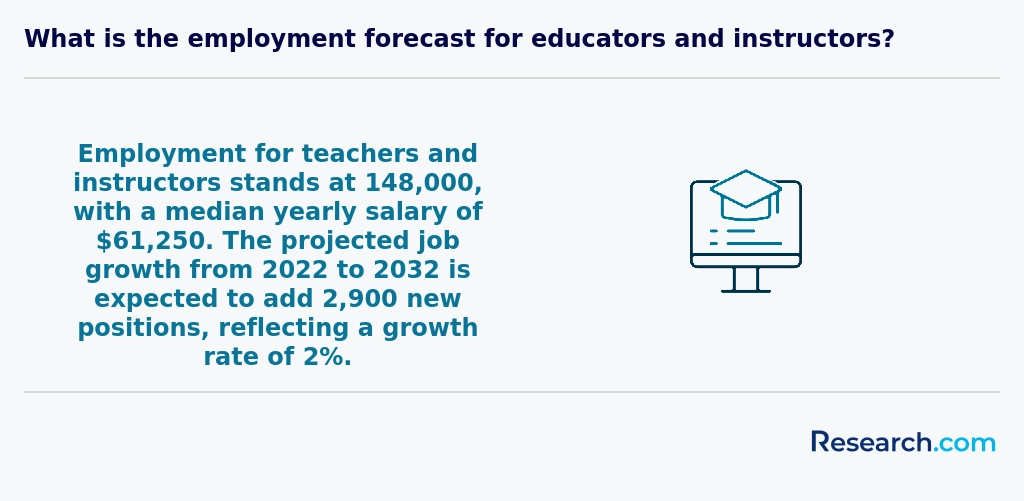
When considering education degree programs in Billings, MT, one crucial aspect to reflect on is the affordability of the program. Pursuing an education degree can be a significant investment, and understanding the costs involved is essential for making an informed decision. Prospective students should research the total cost of attendance, which includes tuition, fees, room, and board, as well as explore available financial aid options such as grants, scholarships, and loans. For those seeking affordable options, looking into an affordable education school in Montana can provide valuable insights into institutions that offer quality education at a lower cost. By weighing the costs against the potential benefits and salary expectations, such as the median annual wage of $63,130 for ESL Teachers, aspiring educators can make a more informed decision that aligns with their financial situation and career goals.
What financial aid is available to education degree students in Billings?
Imagine walking through the vibrant halls of a Billings college, where an education degree feels within reach thanks to a mosaic of financial lifelines. Graduates often recall the relief when federal aid, like the Pell Grant delivering up to $7,395 annually, softened the steep $6,000-$12,000 tuition climb. FAFSA becomes a trusted companion, opening doors to these non-repayable gifts that fuel dreams without debt shadows.
Then there's Montana's unique embrace: tribal students tap into the Indian Education for All Program, blending culture and coursework, while the Montana University System Scholarship rewards local academic grit with tuition breaks. Graduates often reminisce about local gems like the Billings Education Foundation, whose scholarships feel like personal nods to their perseverance and passion.
And when bills pile high, work-study programs within campus or local schools offer more than a paycheck-they deliver experience paired with purpose, a balancing act many Billings education students cherish. For some, flexible federal loans at steady 5.5% rates fill funding gaps, although caution whispers to borrow wisely.
Billings isn't just a place to study education; it's a community where financial aid weaves hope into each student's journey.
Montana Teacher Certification and Licensure Requirements
Aspiring educators in Billings, MT must secure state licensure through the Montana Board of Public Education to teach in K–12 schools. The process typically involves: 1. Degree Completion • Earn a CAEP-accredited bachelor’s or master’s degree in Education. Many candidates bolster their credentials by pursuing advanced credentials-see our Most Affordable Online Master’s in Education Degree Programs Ranking in Arizona for cost-effective graduate pathways. 2. Approved Teacher Preparation Program • Complete a program that includes 12+ weeks of supervised student teaching and coursework aligned with Montana’s standards for assessment, instruction and learning. 3. Basic Skills Exam • Pass the Praxis Core Academic Skills Tests in Reading, Writing and Mathematics (or meet exemption criteria via SAT/ACT scores). 4. Content Knowledge Assessment • Demonstrate subject-area competency by passing the Praxis Subject Assessments or an equivalent state-approved exam in your intended teaching field (e.g., Elementary Education, Special Education, ESL). 5. Performance Assessment • Successful completion of the edTPA portfolio ensures readiness in lesson planning, instruction and assessment strategies. 6. Background Check and Fingerprinting • Submit to a criminal history record check and fingerprinting through the Montana Criminal Records Improvement Act. 7. Application and Fees • File an online application with the Office of Public Instruction, including official transcripts, test scores and payment of licensure processing fees (currently $75 per endorsement). 8. Continuing Education and Renewal • Maintain licensure through professional development-15 renewal credits every five years-or by earning an advanced degree. Understanding these certification steps helps prospective students plan their academic journey and budget for exams, fees and graduate studies. Early preparation ensures a smooth transition from degree completion to a valid Montana teaching license.
What are the prerequisites for enrolling in education degree program in Billings?
Diving into an education degree in Billings means first crossing the gateway of prerequisites that feel less like hurdles and more like stepping stones. Graduates from Montana State University Billings often recall their journey beginning with nothing more than a high school diploma or a GED-simple keys unlocking doors to a world of learning and teaching.
Official transcripts become vibrant stories of your academic past, with a GPA around 2.5 usually lighting your path forward. Imagine walking into an admissions office confident that your hard work shines through those numbers, much like many hopeful educators from local colleges have felt.
While the SAT or ACT might peek in unpredictably, like a surprise guest at a welcoming party, some schools embrace a test-optional approach, valuing your voice expressed through personal statements or glowing recommendation letters instead. Picture yourself sharing your passion for teaching through heartfelt words, rather than standardized scores.
Basic communication skills get their spotlight too, tested through interviews or essays, reminding you that your story matters. Here in Billings, where affordable tuition creates hope, these requirements craft a path not just of eligibility but of readiness to inspire future generations.
Teacher Certification and Licensure
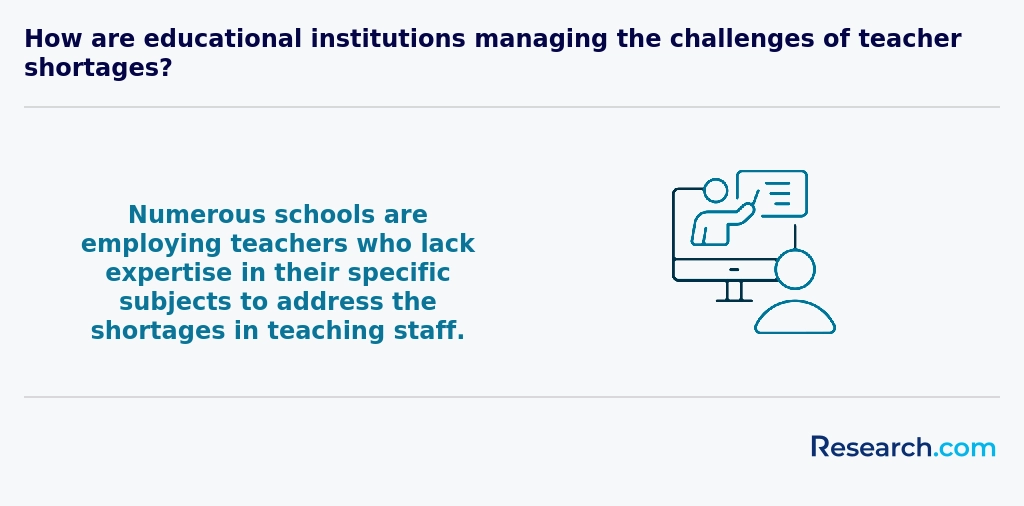
Becoming a licensed educator in Montana requires successful completion of state-approved coursework, student teaching hours, and passing scores on the Montana Educator Licensure Assessments (MELA) or Praxis exams. Education degree programs in Billings, MT, are designed to align with the Council for the Accreditation of Educator Preparation (CAEP) standards, ensuring graduates acquire both pedagogical theory and practical skills. For example, Montana State University Billings reports an average first‐time pass rate of 92% on the MELA, reflecting the rigor of its instruction and dedicated exam preparation workshops. In addition to content‐area exams, candidates must demonstrate proficiency in reading, writing and mathematics through Praxis Core or an equivalent assessment. Many local programs integrate targeted study sessions into their curriculum, offering mock exams and one‐on‐one tutoring to boost confidence and performance. Graduates often praise these resources: one alumna shared that the focused Praxis Core boot camp improved her scores by 15 points, directly enabling her to obtain provisional certification within months of graduation. For aspiring elementary educators who need flexible pathways, consider exploring an affordable online elementary education program that provides the same accreditation and licensure support as on‐campus options. These online tracks typically include synchronous workshops, digital teaching simulations, and virtual mentoring-equipping candidates to meet Montana’s 600-hour practicum requirement even from remote locations. Finally, once all academic and examination criteria are met, candidates apply for Initial Teacher Licensure through the Montana Office of Public Instruction. Programs in Billings often boast a 95% job placement rate for newly certified teachers, underscoring the strong partnership between local school districts and universities. By choosing a CAEP‐accredited degree with embedded licensure support, prospective educators can confidently navigate the certification process and step into classrooms as competent, credentialed professionals.
What courses are typically in education degree programs in Billings?
Imagine diving into your first semester at a Billings college, where foundational courses like Educational Psychology become your secret toolkit for understanding why a student might suddenly light up during a math problem or zone out in history. Graduates often recall how these insights shaped their patience and creativity in the classroom.
Then comes the hands-on magic of Curriculum Design and Instructional Methods. Picture crafting lesson plans that don't just fill time but spark curiosity-just like many education students at Billings institutions learn to do, blending theory with lively, real-world applications.
Classroom Management classes feel like mastering the art of orchestrating a classroom symphony, from calming chaos to encouraging bold questions. Graduates talk about this as the heartbeat of their teaching confidence.
In Special Education courses, future teachers discover how inclusive practices and behavior strategies light the way for students with diverse needs, transforming classrooms into warm, welcoming spaces where every learner shines.
Finally, Educational Technology and Assessment classes introduce digital tools, turning traditional tests into dynamic progress stories. Coupled with Student Teaching internships, many Billings students cherish these opportunities to transition theory into practice, supported by mentors who inspire.
What types of specializations are available in education degree programs in Billings?
Diving into education degree specializations in Billings reveals a colorful spectrum designed to empower tomorrow's teachers. Graduates from local universities often rave about the Elementary Education track, where they master the art of nurturing curious young minds from kindergarten through 8th grade-imagine crafting storytime magic while instilling literacy and math confidence!
Others find their calling in Secondary Education, specializing in subjects like Mathematics, Science, or English Language Arts. Picture a recent graduate, energized by hands-on teaching experiences in Billings high schools, sparking "aha" moments in teenagers eager to decode complex equations or dissect literary themes.
Many also embrace Special Education, learning to tailor instruction for diverse learners, often reflecting on heartfelt stories from local classrooms about breaking barriers for students with varying needs.
Billings' programs don't stop there: emerging fields like Educational Leadership and Curriculum and Instruction prepare educators for roles beyond the chalkboard, fueling passions for shaping school policies or innovating lesson plans.
For those seeking an accessible path, exploring an affordable online elementary education program through Billings institutions sparks excitement about combining quality with convenience, making dreams of teaching careers truly attainable.
Students navigating Billings education degree programs options often celebrate this robust variety, crafted to meet diverse aspirations and state certification requirements with passion and purpose.
How do you choose the best education degree in Billings?
Imagine stepping into a bustling classroom in Billings, where recent graduates from Montana State University Billings share how their tailored education degrees shaped their teaching philosophies. Choosing the best education degree programs Billings MT means you start by picturing yourself there-balancing hands-on student teaching in local schools with evenings spent diving into coursework. It's more than a program; it's a portal to your future classroom or administrative office.
Affordability is not just a number but a feeling of relief for many. Graduates often mention that pursuing affordable teaching degrees in Billings, especially through public universities, allowed them to focus on learning and community engagement rather than debt. Spotting programs accredited by CAEP assures you're investing in quality that opens doors.
Flexibility is another magic ingredient. Think about enrolling in part-time or hybrid classes that sync with your busy life-like the experiences shared by working professionals in Billings. If you're exploring options beyond local borders, check out rankings like the Most Affordable Online Master's in Education Degree Programs Ranking in Arizona for inspiration and alternatives.
What career paths are available for education degree students in Billings?
Graduates with an education degree in Billings step into a vibrant mosaic of career opportunities that stretch far beyond the classroom walls. Imagine shaping young minds as elementary or secondary school teachers in Billings Public Schools, the largest district in Montana, where each day brings the joy of crafting lessons in math, science, or language arts suited for a diverse student body. Others find their calling as special education teachers, tailoring learning experiences to unique needs and lighting up the path for students who require additional support. Counseling roles and educational psychology positions offer graduates a chance to nurture social and emotional growth, turning schools into communities of understanding and resilience.
For those excited by leadership, administration roles like principals demand a blend of vision and care, with many graduates from Montana State University Billings embracing these rewarding challenges. The job prospects with education degree Billings are bolstered by local institutions that ensure practical preparation and licensure grounded in reality, reflecting the true pulse of Montana's schools. Some graduates also pursue adult education or become training specialists in community colleges, fueling lifelong learning across the region. If you're exploring faster pathways, consider programs like the best 6 month associate online degree, which can complement your journey in education.
What is the job market for education degree in Billings?
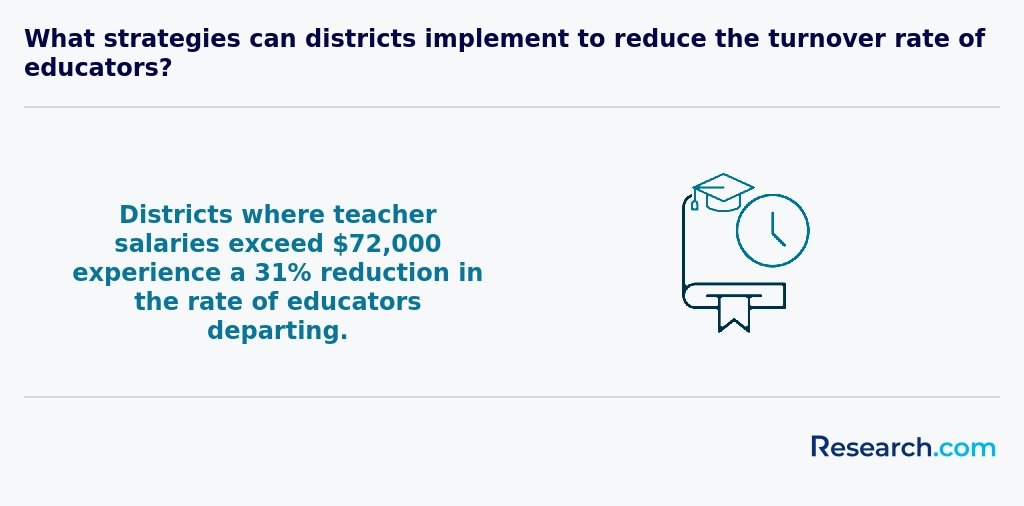
The job market for education degree graduates in Billings pulses with dynamic opportunities shaped by the city's unique blend of urban growth and educational tradition. Graduates from popular institutions like Montana State University Billings often find themselves stepping into roles where their skills in STEM, special education, or English language learning become essential pillars of the local school districts. These new educators experience firsthand the rewarding challenge of addressing Montana's ongoing teacher shortage-an issue transforming classrooms into vibrant hubs of innovation and community impact.
Imagine starting your career where early childhood programs and adult learning centers flourish alongside traditional schools, expanding the meaning of teaching into diverse and supportive roles. Graduates reflect on how tuition costs, hovering between $7,000 to $9,000 annually at Rocky Mountain College, felt like a worthy investment given the steady demand and competitive pay around $55,000 per year. For those wondering about advancing further, options like pursuing a cheap phd online can unlock even broader horizons within education.
Seeking education degree job opportunities in Billings means embracing a landscape where personal passion meets measurable community needs, offering graduates not just jobs but purposeful careers that resonate deeply with Montana's educational heartbeat.
Frequently Asked Questions About education
Education degree students in Billings can maximize their learning experience by actively engaging with both classroom instruction and local teaching opportunities. Billings offers access to Montana State University Billings, which provides practical fieldwork in nearby schools, allowing students to apply theory to real-world settings.
Taking advantage of internships in Billings' public and private schools helps deepen understanding of diverse student needs. According to the Montana Office of Public Instruction, Billings School District #2 is the largest in the state, offering varied student populations for practical experience.
Students should also participate in workshops and professional development offered by local education organizations. These activities complement coursework and foster networking with experienced educators in the region.
The education field in Billings is evolving with new specialized areas gaining attention among students and professionals. One emerging niche is educational technology, which focuses on integrating digital tools to enhance learning outcomes. This aligns with national trends showing a 15% growth in education technology jobs by 2028, according to the U.S. Bureau of Labor Statistics.
Another growing area is special education, particularly in addressing diverse learning needs and inclusion strategies. Billings School District reports increased demand for educators trained in this specialty due to rising student diversity.
Additionally, bilingual education is becoming a priority to support Billings' increasingly multicultural population. Educators skilled in language acquisition and cultural competency are highly sought after.
These niches offer promising paths for education degree students seeking relevant and impactful careers.
Graduates with education degrees in Billings should focus on gaining practical experience before entering the job market. Many local schools and districts recommend completing student teaching or internships, which help build classroom management skills and professional networks. According to the Montana Office of Public Instruction, hands-on experience significantly improves employment prospects in the state's education sector.
Additionally, obtaining required teaching certifications is essential. In Montana, this typically involves passing the Praxis exams and applying for licensure through the Office of Public Instruction. Staying informed on local hiring trends by connecting with Billings public schools and education job fairs can also increase job placement chances.
Employers in Billings prioritize several key skills when hiring education degree graduates. Strong communication abilities are essential, as teachers must convey information clearly to students and collaborate effectively with parents and colleagues. Classroom management is another top skill, enabling educators to create productive learning environments.
Adaptability is vital due to increasing diversity and evolving educational technologies. According to the Montana Office of Public Instruction, proficiency in using digital tools for instruction has become a major focus for schools in Billings.
Employers also value critical thinking and problem-solving skills, supporting students' development and addressing challenges within classrooms. Finally, cultural competence is increasingly important in Billings' schools, reflecting the city's growing diversity and commitment to inclusive education.
Finding internships relevant to an education degree in Billings involves several practical steps. Local school districts such as Billings Public Schools often offer internship or student teaching opportunities for education majors. These placements provide hands-on experience in classroom management and curriculum delivery, essential for state teacher certification.
Additionally, Montana State University Billings, a key institution in the area, supports education students through its School of Education by facilitating connections with local schools. According to the university's recent reports, over 80% of education students secure internships within the Billings area.
Prospective interns should also consult state resources like the Montana Office of Public Instruction, which provides guidance on certification and may list partnerships with local educational bodies. Networking events and job fairs hosted by universities and community centers are valuable for meeting school administrators seeking interns.
Holding an education degree in Billings significantly enhances career mobility and advancement opportunities within the local job market. According to the Montana Department of Labor, educators with a bachelor's or higher degree experience higher employment rates and better access to promotions in school districts like Billings Public Schools.
In Billings, teachers with advanced degrees often qualify for specialized roles such as curriculum coordinators or educational administrators, which offer higher salaries and greater job security. The district's pay scale reflects this, with master's degree holders earning on average 10-15% more than those with only a bachelor's.
Additionally, having a formal education degree aligns with licensure requirements and ongoing professional development standards mandated by Montana Office of Public Instruction, further supporting career growth.
Studying for an education degree in Billings prepares students for interdisciplinary roles by emphasizing collaboration across multiple fields. Programs typically integrate coursework in psychology, sociology, and technology to help future educators address diverse learner needs. According to Montana University System data, Billings-based degrees focus on real-world applications through partnerships with local schools and community organizations, enriching students' practical experience.
Billings education programs also train students in communication and leadership skills, which are essential for working in settings that combine education with social services or healthcare. This broad skill set aligns with the growing demand for educators capable of navigating complex environments.
Choosing between a thesis and a non-thesis education degree program in Billings depends on your career goals and learning preferences. Thesis programs typically require original research and a formal document, which suits students aiming for doctoral studies or research-focused careers.
Non-thesis programs emphasize coursework and practical skills, ideal for those pursuing teaching or administrative roles. According to the Montana University System, over 60% of education graduate students in Billings opt for non-thesis tracks due to their flexibility and direct application in classrooms.
Consider program duration, workload, and whether you prefer hands-on teaching experience or academic research when making your decision.
Students in Billings who wish to study education abroad have several pathways through U.S. institutions offering international programs. Many Montana universities, including those near Billings, partner with foreign universities to provide study abroad opportunities within education degrees. These programs often include semester exchanges, internships, or short-term teaching practicums overseas.
According to the Institute of International Education, about 1.5% of education majors nationally participate in study abroad, reflecting growing interest. Billings students can access scholarships and grants specifically supporting international study for education majors, such as federal financial aid or programs like Gilman.
Because Billings is home to Montana State University Billings, students often utilize its study abroad office resources, which facilitate placements in countries with diverse education systems. This exposure helps future educators gain global perspectives important for today's classrooms.
In Billings, part-time job opportunities that complement education degree studies often include positions such as teacher assistants, tutors, and after-school program facilitators. These roles provide practical experience working directly with students, enhancing classroom management and instructional skills. According to the Montana Department of Labor and Industry, education support jobs in Billings have seen steady growth, reflecting the region's investment in education services.
Additionally, working as a childcare provider or in educational nonprofits offers valuable insights into child development and community education efforts. These experiences can strengthen resumes and prepare students for full teaching certifications.
Part-time tutoring specifically in subjects like math or reading is in demand due to the increasing emphasis on standardized test performance in local schools.
Education students in Billings have access to several strong networking opportunities that support their academic and professional growth. Local institutions like Montana State University Billings provide frequent events, workshops, and career fairs that connect students with educators, administrators, and school districts in the region.
The Billings Chamber of Commerce and the Yellowstone County School District often collaborate on initiatives that include student participation, offering real-world exposure and networking. Additionally, students can join education-focused organizations such as the Montana Education Association, which hosts networking events and conferences statewide.
These opportunities help students build valuable relationships and gain insights into teaching careers within Montana's educational system.
Alumni networks play a significant role for education degree students in Billings by offering valuable connections within the local school systems. These networks provide access to experienced educators, which can lead to mentorship opportunities and practical advice on classroom management and curriculum development. According to the Billings Public Schools Foundation, alumni connections often help graduates secure student teaching placements and entry-level positions.
In addition, alumni groups frequently organize events and workshops, fostering professional development in line with Montana's educational standards. This support network can enhance job readiness and expand employment prospects.
Networking within alumni circles also facilitates knowledge sharing about funding opportunities, scholarships, and continuing education options specific to Billings. Overall, these connections strengthen a student's career trajectory after graduation.
Customizing your education degree in Billings starts with selecting a program that offers flexible course options tailored to your career ambitions. Many local institutions provide specializations such as early childhood education, special education, or educational leadership. You can often choose electives that align with your interests, like curriculum design or educational technology.
Additionally, Billings schools typically allow students to gain hands-on experience through internships or practicum placements within the community. This practical training enhances your resume and helps you network locally.
Advisors in Billings universities often assist students in mapping out coursework to meet certification requirements for Montana's teaching licensure, which is essential for classroom employment.
Education students in Billings often face several challenges as they pursue their degrees. One major difficulty is balancing coursework with field experience requirements. Many programs require extensive student teaching placements, which can be hard to schedule alongside classes. According to Montana State University Billings, time management is a frequent concern among education majors.
Financial strain is another common issue. While some students qualify for federal aid, many still struggle with tuition and living expenses. This is particularly significant in Billings, where education degree programs typically span four years or longer.
Additionally, navigating evolving educational standards and adapting to diverse classroom environments present ongoing challenges. Students must be prepared for working with varied age groups and learning needs, which requires strong practical training and flexibility.
With an education degree in Billings, you can pursue various professional certifications to advance your career in teaching or educational leadership. Many graduates seek teacher certification, which is essential for classroom teaching in Montana public schools. The Montana Office of Public Instruction requires passing the Montana Educator Preparation Program and a content knowledge exam for certification.
Other popular certifications include Special Education and English as a Second Language (ESL) endorsements, addressing diverse student needs.
For those aiming at leadership roles, administrative certification allows work as school principals or supervisors. Additionally, national certifications like the National Board Certification are valuable for career growth.
Writing a winning application for an education program in Billings involves clear preparation and attention to detail. Start by researching local institutions, such as Rocky Mountain College and Montana State University Billings, to understand their specific admission requirements. These often include transcripts, letters of recommendation, and a personal statement.
Focus on crafting a personal statement that highlights your passion for teaching and experience working with diverse student populations. According to the Montana University System, strong applications often emphasize community involvement and leadership skills.
Be sure to meet all deadlines and follow application instructions precisely. Submitting a well-organized application reflects your commitment and professionalism, essential qualities in education careers.
The global perspective on an education career highlights its growing importance and evolving demands in the 21st century. Within the US, education degrees are recognized for preparing teachers who can engage diverse classrooms and use innovative methods. In Billings, education programs align with national standards set by organizations such as the Council for the Accreditation of Educator Preparation (CAEP).
Globally, educators must adapt to cultural and technological changes, an aspect increasingly emphasized in US-based degrees. According to the National Center for Education Statistics, teacher employment in Montana, including Billings, is expected to grow by 5% through 2030, reflecting steady demand.
Understanding international education trends is essential for future teachers, enabling them to foster inclusive and effective learning environments.
Gaining practical experience while studying for an education degree in Billings is essential for career readiness. Many local colleges and universities offer supervised student teaching opportunities within Billings Public Schools, allowing students to apply classroom theory in real-world settings. These placements typically occur in the final year of study and last a semester, providing hands-on experience with diverse student populations.
Additionally, some programs encourage participation in internships or volunteer work at community education centers and after-school programs. According to the Montana University System, nearly 85% of education students engage in field experiences before graduation, which enhances employment prospects.
Choosing the right concentration within an education degree program in Billings begins with understanding your career goals. Concentrations typically include early childhood education, special education, and secondary education. Local job market data from the Montana Department of Labor shows growing demand in special education roles, reflecting a national trend toward inclusive classrooms.
Research the specific certifications required for each concentration in Montana, as they can vary. For example, special education usually requires additional endorsements beyond a general teaching license. Many programs at institutions in Billings align their curricula to state licensure standards, ensuring graduates are workforce ready.
Consider the availability of practicum placements in Billings-area schools, as hands-on experience is crucial. Connecting with local educators and visiting campuses can provide valuable insight into program strengths. Reviewing resources like the Billings Public Schools website may also help gauge community needs and opportunities.
Related Education Rankings for Nearby Cities
- 2027 Best Education Degree Programs Ranking in Denver
- 2027 Best Education Degree Programs Ranking in Colorado Springs
- 2027 Best Education Degree Programs Ranking in Minneapolis
- 2027 Best Education Degree Programs Ranking in Saint Paul
- 2027 Best Education Degree Programs Ranking in Des Moines
- 2027 Best Education Degree Programs Ranking in Wichita
- 2027 Best Education Degree Programs Ranking in Winona
- 2027 Best Education Degree Programs Ranking in Kansas City
- 2027 Best Education Degree Programs Ranking in Stockton
- 2027 Best Education Degree Programs Ranking in Phoenix
Top Trending Education Rankings
See What Experts Have To Say About Studying Education
Read our interview with Education experts

Alan J. Singer
Education Expert
Professor of Teaching, Learning and Technology
Hofstra University

Nooshan Ashtari
Education Expert
Professor & Book Author
University of Southern California

References
- The Pros and Cons of Online Learning vs. Traditional Education https://www.sophia.org/blog/higher-education/pros-cons-online-learning-vs-traditional-education/
- Education Degree Entry Requirements https://universitycompare.com/advice/student/education-degree-entry-requirements
- Benefits of Networking for Students https://www.melioeducation.com/blog/benefits-of-networking-for-students/
- Skills Employers Look for In Graduates https://careerdc.com.au/resources/what-skills-employers-want/
- Networking Tips and Advice for Students https://schoolshouldbe.com/post/networking-tips-and-advice-for-students/
- Education Cover Letter: 6 Steps to Write a Job-Winning One [+Example & Template] | Cake https://www.cake.me/resources/cover-letter/education-cover-letter
- How to Choose a Concentration for Your Master of Education 3 Questions to Consider https://www.aiuniv.edu/degrees/education/articles/how-to-choose-an-education-specialization
- What Can I Do With a Teaching Degree (Besides Teach)? https://www.alleducationschools.com/blog/what-can-i-do-with-a-teaching-degree-besides-teach/
- Education Study Abroad | CIEE https://www.ciee.org/go-abroad/college-study-abroad/programs/subjects-disciplines/education-study-abroad
- Events & Opportunities https://connect.teachforall.org/events-opportunities


