
2027 Best Education Degree Programs Ranking in River Forest

Co-Founder and Chief Data Scientist
Choosing the right education degree program is an important step for students in River Forest who want to make a positive impact through teaching. This article introduces the 2027 Best Education Degree Programs Ranking in River Forest, developed by the Research.com team of data scientists.
It provides clear insights to help you find programs that match your goals and values. Exploring these rankings can guide you toward rewarding opportunities and a fulfilling career in education. Discover options worth considering and take confident steps toward your future in this vital field.
Key benefits of getting education degree in River Forest
- Salary for education degree graduates: Graduates in education from River Forest can expect rewarding careers, such as Special Education Teachers earning around $76,000 annually or Instructional Designers making approximately $77,200, reflecting strong earning potential.
- Career paths: Education degree graduates from institutions like Dominican University in River Forest often pursue roles in teaching, curriculum design, or education leadership, opening doors to diverse opportunities that impact communities positively.
- Benefits of online degrees: Online education degrees, such as those completed through flexible programs, offer busy River Forest learners the ability to study on their own schedule, balancing work and life while gaining skills to advance their career confidently.
- Key benefits of getting education degree in River Forest
- What can I expect from education degree in River Forest?
- Where can I work with education degree in River Forest?
- How much can I make with education degree in River Forest?
- 2027 Best Education Degree Programs Ranking in River Forest
- Key Findings
- How long does it take to complete education degree in River Forest?
- Typical Coursework and Curriculum for Education Degrees in River Forest, IL
- What's the difference between online and on-campus education degree?
- Curriculum Overview and Core Courses
- What is the average cost of education degree in River Forest?
- Most Affordable Education Options in River Forest, IL
- What financial aid is available to education degree students in River Forest?
- Curriculum Overview: Understanding Your Coursework and Learning Journey
- What are the prerequisites for enrolling in education degree program in River Forest?
- Sample Curriculum and Key Coursework
- What courses are typically in education degree programs in River Forest?
- What types of specializations are available in education degree programs in River Forest?
- How do you choose the best education degree in River Forest?
- What career paths are available for education degree students in River Forest?
- What is the job market for education degree in River Forest?
- Top Trending Education Rankings
- See What Experts Have To Say About Studying Education
What can I expect from education degree in River Forest?
Diving into an education degree in River Forest means investing roughly $15,000 a year if you're attending one of the area's public universities. Imagine a hopeful future educator juggling evening classes at a nearby college, energized by affordable tuition and financial aid that softens the load, keeping dreams within reach. This cost mirrors the Illinois average, but what makes it genuinely special is how these institutions blend price with personalized experiences.
Graduates often recount the thrill of small classes, where the 15:1 to 20:1 student-to-faculty ratio transforms lectures into lively conversations, not just lectures. Picture yourself guided through hands-on teaching apprenticeships right in Chicago's dynamic schools, balancing theory with real classroom action-all without an exorbitant price tag weighing you down.
Financial aid options and scholarships aim explicitly at education students, like a nurturing hand lifting those eager to step into the noble profession. This ensures that pursuing your passion here is not only insightful but also financially feasible, enriching River Forest's legacy of strong educators.
Where can I work with education degree in River Forest?
Graduates stepping out of education programs in River Forest often land vibrant roles within the bustling halls of Oak Park and River Forest High School District 200. Imagine the thrill of joining a community where over 200 teachers share a passion for shaping young minds, and where fresh openings beckon new instructors eager to innovate. Many grads from nearby Loyola University Chicago and DePaul University find themselves thriving not just in classrooms but in dynamic early childhood centers, where nurturing curious 3 to 5-year-olds becomes a daily adventure.
Beyond direct teaching, alumni expand their careers into the heart of educational support-becoming counselors, curriculum designers, or policy advisers weaving change across urban and suburban districts. One graduate, for example, described the excitement of creating literacy programs at the River Forest Public Library, engaging local youth and fueling community spirit.
With Illinois licensure in hand, graduates feel empowered to explore these diverse paths, their education degrees unlocking doors to meaningful impact throughout River Forest's vibrant educational landscape.
How much can I make with education degree in River Forest?
Imagine stepping out of a River Forest campus like Dominican University, diploma in hand, knowing your path as an educator carries not just purpose but a paycheck to match. Graduates stepping into roles like Elementary School Teachers can anticipate a mean annual salary around $70,740, a solid base to build both career and life aspirations. Those who venture into Special Education, armed with specialized skills honed in classrooms or targeted River Forest workshops, often see their efforts rewarded with salaries near $76,000.
The ripple effect of such an education degree also opens doors to more creative roles, like Instructional Designers, who blend pedagogy and technology, pulling in around $77,200. These numbers aren't just digits-they represent real opportunities to impact the community while earning competitively in the Chicago suburban landscape.
Graduates often share stories of student loan relief and hikes in salary once they pursue advanced degrees locally, reflecting the thriving support ecosystem found around River Forest's educational hubs. Your investment here not only transforms the classroom but your own economic horizon.
2027 Best Education Degree Programs Ranking in River Forest
How do we rank schools?
Investing in your education is a significant decision that can shape your future, and the Research.com team understands the importance of making informed choices. To assist prospective students in River Forest, we have meticulously crafted the "2027 Best Education Degree Programs Ranking in River Forest." Our commitment to quality, credibility, and accuracy is reflected in the extensive research and analysis conducted to compile this ranking.
We utilized the following reputable data sources to ensure a comprehensive evaluation of education programs:
By exploring this ranking, readers will gain valuable insights into the best education degree programs available in River Forest, helping them make informed decisions about their educational paths. For more details on our methodology, please visit our Research.com methodology page.


Key Findings
- Tuition for education degrees near River Forest ranges from $15,000 to $25,000 per year, varying by public or private schools.
- The local job market for teachers is stable with a projected 3% growth over the next decade, especially for special education, STEM, and bilingual specialists.
- Starting salaries for new education graduates in the area average between $40,000 and $50,000 annually, depending on district and teaching level.
- Experienced teachers in River Forest can earn $70,000 or more per year after 10 years in the profession, matching Illinois state salary trends.
- Illinois requires specific certification for public school teachers, and many programs focus on licensure preparation to meet these standards.
- Programs with strong practicum and student-teaching placements in River Forest schools offer valuable hands-on experience and improve job prospects.
How long does it take to complete education degree in River Forest?
Imagine walking through the leafy campuses of River Forest's well-regarded colleges, where eager graduates often recall their journey to an education degree as a four-year adventure packed with discovery and growth. For many undergraduates, this timeline feels like a perfectly paced narrative-enough time to build foundational knowledge, engage in hands-on teaching experiences, and forge lasting friendships.
Graduate students here savor a bit more flexibility; some breeze through a Master's in Education in just 12 intense months, while others embrace a part-time path stretching over two years, balancing life and learning. These roads reflect the realities of River Forest's blend of traditional and innovative program formats.
Doctoral candidates, meanwhile, often describe their 3 to 7-year odyssey as a deep dive into research, dissertation, and self-discovery-time marked by intellectual rigor and meaningful mentorship within the community's supportive academic sphere.
Local dual-degree options and certification tracks add personalized layers to these timelines, making the journey uniquely yours amid the vibrant educational landscape of River Forest.
Typical Coursework and Curriculum for Education Degrees in River Forest, IL
A well-rounded education degree in River Forest, IL, blends foundational theory with hands-on practice to prepare future educators for diverse classroom environments. Core courses generally include:
- Foundations of Educational Psychology: Exploring how students learn and develop, with emphasis on cognitive and social theories.
- Curriculum Design and Assessment: Techniques for creating inclusive lesson plans, formative and summative assessments, and data-driven instruction.
- Child and Adolescent Development: Study of growth stages, learning milestones, and differentiated strategies for varied age groups.
- Classroom Management and Instructional Strategies: Best practices for establishing positive learning environments and addressing behavioral challenges.
- Technology Integration in Education: Leveraging digital tools, blended learning models, and virtual collaboration to enhance engagement.
- Special Education Law and Inclusive Practices: Overview of IDEA, IEP development, and collaboration with support staff to serve all learners.
- Practicum and Student Teaching: Guided field experiences in local River Forest schools, mentorship by veteran teachers, and reflective portfolio development. Elective seminars enable deeper specialization in areas such as STEM instruction, literacy development, bilingual education, or educational leadership. For those seeking flexible pathways or planning to advance to graduate study, consider our Inexpensive Online Master’s in Education Degree Programs Ranking in California, which highlights affordable programs that maintain rigorous curricular standards while accommodating working professionals.
What's the difference between online and on-campus education degree?
Imagine stepping into a bustling River Forest campus, where graduates recall the thrill of face-to-face debates in sunlit lecture halls and hands-on teaching practicums at local schools. On-campus education degrees here aren't just classes-they're vibrant communities filled with instant feedback, lively discussions, and the energy of peers learning side-by-side. The rhythm of walking from library to classroom, catching up with professors between sessions, and participating in real-time classroom observations creates an immersive, tactile learning experience.
Now, picture a different scene: a graduate sipping coffee at home while navigating virtual lectures from a River Forest university's online platform. The freedom to attend class in pajamas while balancing family life or a day job is a game-changer. These digital pathways cultivate self-discipline and tech-savvy skills, making remote collaboration and discussion forums feel like a new-age campfire around which knowledge is shared.
Both routes carry the proud badge of CAEP accreditation, but where on-campus learners thrive in structured, social environments, online students embrace flexible, self-directed journeys through education's evolving landscape right here in River Forest.
Curriculum Overview and Core Courses
River Forest’s top education programs share a robust curriculum designed to balance theory, practice, and emerging trends in teaching. Whether you’re pursuing an on-campus bachelor’s or an online master’s, you can expect a blend of foundational courses and specialized electives that prepare you for diverse classroom environments. Core Courses:
- Foundations of Education: Explore historical, philosophical, and sociological perspectives that shape today’s schools.
- Educational Psychology: Study learning theories, cognitive development, and motivation strategies essential for student engagement.
- Curriculum Design and Assessment: Learn to develop, implement, and evaluate curricula that meet state standards and diverse learner needs.
- Classroom Management and Instructional Strategies: Master techniques for creating inclusive, well-managed learning environments.
- Educational Technology Integration: Examine tools and methods for incorporating digital resources into lesson planning and delivery.
- Diversity, Equity, and Inclusion in Education: Understand policies and practices that support culturally responsive teaching.
- Practicum/Student Teaching: Gain hands-on experience in local classrooms under the mentorship of experienced educators. Elective/Specialization Courses (examples):
- Special Education Methods
- Early Childhood Development
- Literacy Instruction and Intervention
- STEM Education Practices Many programs also offer capstone projects or action research seminars, enabling you to investigate real-world challenges in River Forest schools. For students seeking cost-effective, quality curricula, our Inexpensive Online Master’s in Education Degree Programs Ranking in California highlights programs that strike the right balance between affordability and academic rigor.
What is the average cost of education degree in River Forest?
Imagine sitting in a sunlit classroom at Concordia University Chicago, surrounded by peers who share your passion for shaping young minds. The average cost of an education degree in River Forest hovers around $50,438, a figure that reflects both the rich opportunities and the commitment required. This median total cost spans both in-state and out-of-state students, with the in-state tuition slightly more approachable at approximately $37,488.
Graduates often recall balancing their excitement with the practical realities of tuition and fees, which encompass not only classroom instruction but also vital experiences that prepare them for real-world teaching. When you factor in additional expenses such as textbooks and supplies, which can add $1,000 to $1,500 per year, the journey feels tangible and worthwhile. Living in River Forest-whether in cozy campus housing or nearby apartments-adds a moderate cost, reminding students that budgeting is as essential as lesson planning.
For those navigating the average cost of education degree River Forest offers, financial aid can be a crucial ally. Many find relief through scholarships or grants, making the investment more accessible. To explore options, prospective students might consider looking into the cheapest education schools in illinois to find pathways tailored to their financial situations.
Most Affordable Education Options in River Forest, IL
When considering an education degree in River Forest, IL, affordability is a crucial factor to weigh, as the cost of tuition can significantly impact one's financial situation. To help prospective students make informed decisions, it's essential to explore the most affordable education options available. For those looking to minimize expenses without compromising on the quality of education, cheapest education schools in illinois offer a viable pathway. These institutions provide competitive tuition rates and flexible payment plans, making higher education more accessible to a broader range of students. By opting for an affordable education program, individuals can pursue their passion for teaching and learning without accumulating overwhelming debt, setting them up for long-term financial stability and success in their future careers.
What financial aid is available to education degree students in River Forest?
Imagine stepping onto a campus in River Forest, brimming with hope but facing the weight of tuition bills. Here, financial aid often feels like a lifeline cast from many directions. Federal Pell Grants, for instance, brighten the path for countless education students by offering up to $7,395 annually-that was the saving grace for a recent graduate navigating the costs at Dominican University's School of Education.
Then there's the Illinois Monetary Award Program (MAP), whispering promise to in-state students by awarding grants between $1,000 and $4,000, making schools like Concordia University Chicago more accessible. Federal Direct Loans also play their role, with low-interest options that ease the financial pressure while encouraging future educators. And if you aspire to teach in high-need schools, TEACH Grants can cover up to $4,000 per year-fueling dreams with a practical boost.
Institutional scholarships from local colleges often add another layer of support, sometimes awarded based on merit or need, reflecting a shared commitment to cultivating new teachers. Students recollect how these funds sparked confidence, turning college hallways from intimidating to inviting. For some, employer tuition reimbursement and TRIO programs opened unconventional doors, blending work and study seamlessly in communities around River Forest.
Curriculum Overview: Understanding Your Coursework and Learning Journey
A crucial missing piece in our guide is an in-depth look at the curriculum and course structure of Education degree programs in River Forest, IL. Prospective students often want to know what types of subjects they will study, how each course builds the necessary skills for classroom management and instructional design, and the balance between theory and practical application. Programs typically include foundational courses in educational psychology, teaching methodologies, and curriculum development, as well as specialized classes in subjects such as special education, digital learning integration, and classroom leadership. Students usually begin their journey with core courses that introduce theories of learning and development, followed by more specialized electives that allow them to tailor their studies to personal career goals. Practical components, such as student teaching, lesson planning workshops, and internships, are integrated to ensure hands-on experience complements classroom learning. Such a curriculum not only prepares graduates to be effective educators but also equips them with the skills to adapt to evolving teaching environments. For those eager to accelerate their pathway to advanced leadership roles in education, exploring programs that offer accelerated tracks can be highly beneficial. For instance, you might consider checking out Fast-Track EdD Programs to fast-track your doctoral journey while continuing to make an impact in the classroom. This comprehensive curriculum overview underscores that the educational experience goes beyond theory-it's a balanced blend of academic rigor and practical application, designed to prepare you for a meaningful career in education.
What are the prerequisites for enrolling in education degree program in River Forest?
For those dreaming of stepping into the vibrant classrooms of River Forest's renowned education programs, the journey begins with a few key milestones. Imagine walking through the historic halls of a local college, where peers share stories of submitting their high school diplomas or GEDs-each a ticket to bachelor's degree admission. Many graduates recall juggling SAT or ACT scores, although some enjoyed the liberating flexibility of test-optional options, easing the pressure significantly.
Graduate hopefuls typically arrive clutching completed bachelor's degrees, ready to delve deeper into the art of teaching. Beyond transcripts, countless students tell stories of fingerprinting sessions and background checks-a rite of passage ensuring each future educator is a keeper of safety and trust.
Volunteering at neighborhood schools or mentoring kids often transforms mere applications into heartfelt journeys, as letters of recommendation capture genuine passion. In bustling River Forest's education hubs, these steps connect hopefuls to a welcoming community, blending academic rigor with warm human stories.

Sample Curriculum and Key Coursework
Pursuing an education degree in River Forest, IL means engaging with a curriculum designed to balance theory, practice, and specialization. Most bachelor’s programs require around 120 credit hours, with a typical breakdown of core education courses, electives, and field experiences. Below is an illustrative sample curriculum to give prospective students a clear roadmap of what to expect: Core Education Courses (45 credits):
- Foundations of Education: Historical, Philosophical, and Social Perspectives
- Educational Psychology and Child Development
- Instructional Design and Technology Integration
- Classroom Management and Inclusive Practices
- Assessment, Measurement, and Evaluation in Education Specialization and Electives (30 credits):
- Early Childhood Education: Curriculum and Assessment
- Special Education: Strategies for Diverse Learners
- STEM Methods for Elementary Teachers
- Literacy and Language Arts Instruction
- Educational Leadership and Policy Field Experiences and Practicum (15 credits):
- Supervised Classroom Observation (100 hours)
- Student Teaching Residency (12 weeks)
- Action Research Project in a Local School Setting
- Capstone Seminar: Reflective Practice and Professional Portfolio General Education and Electives (30 credits):
- English Composition and Communication Skills
- Statistics for Educators
- Multicultural Education and Equity
- Electives in Psychology, Sociology, or Art History For those exploring flexible pathways or advanced study, our Inexpensive Online Master’s in Education Degree Programs Ranking in California offers insights into programs that mirror this rigorous curriculum while accommodating working professionals. Whether you’re drawn to hands-on practicum or specialized coursework, this sample curriculum ensures you build a strong foundation for a fulfilling career in education.
What courses are typically in education degree programs in River Forest?
Imagine diving into Educational Psychology at a River Forest college, where graduates recall aha moments unlocking the mysteries of how kids' minds spark and grow. This course feels like cracking a secret code-understanding learning styles and emotions to truly connect with future students. Meanwhile, Curriculum and Instruction lets you become an architect of knowledge, designing lessons that light up classrooms with curiosity, preparing you for the real-world teaching hustle in Chicago's vibrant schools.
Classroom Management stands out as a dynamic toolkit, transforming chaos into harmony. Graduates describe it as mastering a blend of patience and creativity to foster safe, inspiring environments. Assessment and Evaluation isn't just tests and grades; it's about cultivating insights to celebrate student breakthroughs and guide growth.
River Forest's education programs also embrace tech with Instructional Technology courses, where learners experiment with new tools to engage digital-native students. Between these courses and hands-on student teaching placements across Chicago-area schools, future educators gain not just knowledge but heartfelt confidence ready for their classroom debut.
What types of specializations are available in education degree programs in River Forest?
In River Forest, education degree specializations burst with vibrant diversity that paints a vivid picture of teaching's evolving landscape. Imagine graduates from local colleges who found their calling in Early Childhood Education, immersed in playful preschool settings, shaping the curious minds of tomorrow. Meanwhile, others embraced the challenge of Special Education, crafting personalized learning journeys for students with unique needs, a path increasingly vital in River Forest's inclusive schools.
For those drawn to the rhythm of middle and high schools, Secondary Education offers an exciting canvas, blending deep subject knowledge with classroom creativity. River Forest teaching certification programs often highlight this, reflecting the intense demand for subject specialists who can bring lessons to life. Leadership-minded students dive into Educational Leadership and Administration, navigating school laws and policies to become the future architects of education in the area.
Some pioneers from River Forest colleges venture into innovative terrains like Curriculum and Instruction or Educational Technology, enthusiasm sparking from reimagining teaching methods or integrating digital tools. Amid this rich tapestry, many explore Fast-Track EdD Programs, accelerating their path with focus and passion.
How do you choose the best education degree in River Forest?
Choosing the best education degree in River Forest means stepping beyond the usual checklist. Imagine yourself in a bustling classroom during your student teaching, the sunlight casting a glow as you apply theory learned at a nearby college. Graduates often recall how programs with strong partnerships with local schools unlocked vibrant opportunities to practice real teaching, making their degree not just a piece of paper but a career launcher. When scouting for the best education degree programs in River Forest, weigh how well the program aligns with your goals-whether you want to inspire young minds or lead educational reform. Think of accreditation by CAEP as your passport, ensuring your credentials hold weight beyond just the region.
Cost doesn't have to be a barrier either. Many students discovered that affordable education degrees River Forest options, including local community colleges, reduced debt while offering solid preparation. Plus, programs emphasizing field experience bring classrooms to you, preparing you for Illinois licensure with confidence.
Another smart move is flexing your schedule with online or evening classes. Some graduates even found amazing growth combining family life and study thanks to flexible options. For those seeking advanced specialization, explore Inexpensive Online Master's in Education Degree Programs Ranking in California to expand possibilities beyond state borders!
What career paths are available for education degree students in River Forest?
Graduates with an education degree in River Forest find themselves stepping into vibrant roles that ripple through classrooms and beyond. Picture a passionate novice teacher in River Forest School District 90, igniting curiosity in a fourth-grade math class, where the real magic of teaching jobs with education degree River Forest unfolds daily. Others take a more commanding stage, becoming principals or vice principals who steer schools toward brighter futures, backed by Illinois's rewarding average salary for administrators.
For those craving diverse journeys, the education degree career opportunities in River Forest paint a colorful mosaic: consulting on curriculum innovations, advocating for special education needs, or orchestrating dynamic programs as instructional coordinators. Nearby Dominican University's graduates often transition into higher education roles like academic advisors, fostering student growth and community lifelong learning.
Many alumni harness flexibility too, exploring options such as fast track degree programs online, accelerating their careers while embracing River Forest's supportive educational ecosystem.
What is the job market for education degree in River Forest?
In River Forest, the education degree job opportunities River Forest area bloom like the vibrant fall leaves on its streets. Graduates from nearby colleges proud of their teacher credentials find themselves stepping into districts like River Forest School District 90 or Oak Park and River Forest High School District 200, where demand for passionate educators remains strong. Imagine a recent graduate navigating their first classroom, energized by a community eager for special education and STEM teachers-a true hotspot for those certified and ready to inspire.
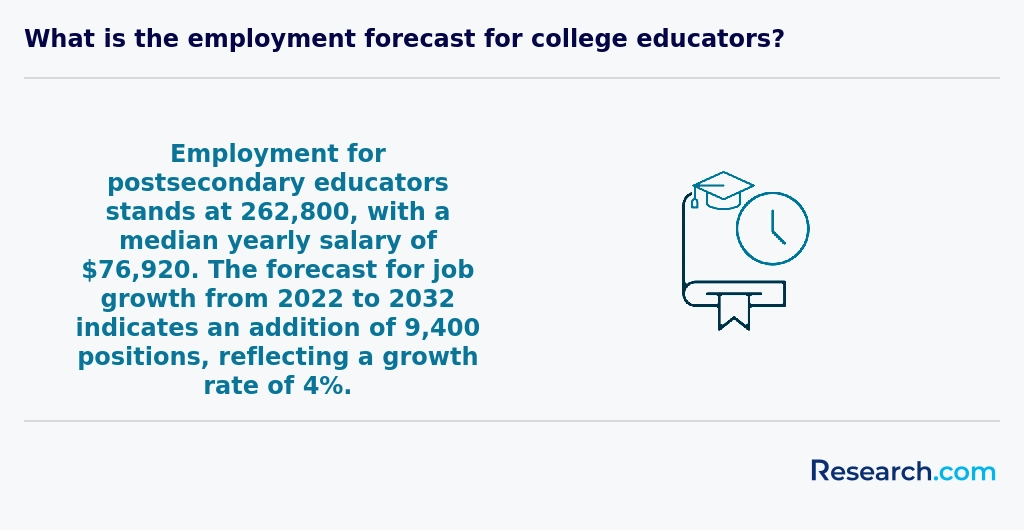
The teacher employment outlook River Forest area is painted with optimism, thanks to a steady growth forecast of about 4% in job openings across Chicago's metropolitan reach. Local graduates, bolstered by hands-on student teaching experiences, often report fulfilling roles not only in classrooms but in counseling and curriculum development, areas rich with opportunity for upward mobility. Earnings hover around a $65,000 median annually, reflecting a balance between rewarding work and community impact.
While tuition costs at River Forest's popular universities for education may range widely, many students ease their financial journey through scholarships and loan forgiveness tailored to educators. Prospective candidates also explore best open enrollment colleges online to maximize flexibility while preparing for the reality of diverse, tech-infused classrooms that define the local landscape.
Frequently Asked Questions About education
Education degree students in River Forest can enhance their learning by engaging with local school districts, such as River Forest School District 90, known for collaboration with higher education institutions. Participating in practicum experiences and student teaching in these schools provides practical exposure essential for developing instructional skills.
Utilizing resources from nearby universities, including access to research databases and faculty expertise, can deepen theoretical understanding. River Forest's proximity to Chicago also offers opportunities for attending educational workshops and conferences, fostering professional growth.
Consistently leveraging feedback from mentors and peers helps refine teaching methods. According to the Illinois State Board of Education, hands-on experiences correlate strongly with student teacher success rates, making active participation crucial.
The education field is seeing growth in several specialized areas, especially relevant for students pursuing degrees in River Forest. One emerging niche is educational technology, where professionals develop digital tools and online curricula to enhance learning experiences. According to the National Center for Education Statistics, demand for tech-savvy educators is expected to rise by 10% through 2030.
Another growing area is special education focused on neurodiversity, supporting students with autism and ADHD. River Forest schools are expanding services, creating opportunities for specialists in inclusive teaching strategies. Additionally, culturally responsive pedagogy is gaining importance, reflecting the community's commitment to diversity and equitable education. These niches offer rewarding career paths with increasing job openings locally and nationwide.
After completing an education degree in River Forest, preparing for the job market involves several strategic steps. First, gaining student teaching experience is vital, as it offers practical skills and improves employment prospects. Most Illinois teaching licenses require completion of a student teaching component supervised by a certified teacher.
Networking within the River Forest community, including local schools and educational organizations, can open doors to job opportunities. According to the Illinois State Board of Education, the demand for qualified teachers in suburban districts near River Forest remains steady, particularly in special education and STEM subjects.
Additionally, obtaining professional endorsements or certifications, such as ESL or Reading Specialist credentials, can enhance a graduate's marketability. Many River Forest education graduates also benefit from joining professional associations like the Illinois Education Association, which provides resources and job listings.
Employers in River Forest seek education degree graduates with strong communication and classroom management skills. Effective communication helps educators engage diverse student populations and collaborate with parents and colleagues. According to the Illinois State Board of Education, over 65% of school administrators prioritize classroom management abilities when hiring.
Critical thinking and adaptability are also highly valued. Graduates must develop lessons that meet state standards while adjusting to students' varying learning needs. The National Center for Education Statistics highlights that teachers skilled in differentiated instruction improve student outcomes by up to 15%.
Finally, technology integration skills are increasingly essential. With growing digital resources in River Forest schools, proficiency in educational technology tools boosts teaching effectiveness and student engagement, a trend supported by local district reports.
Finding internships in River Forest relevant to an education degree involves leveraging local school districts and nearby universities. River Forest is served by District 90 and District 200, both hiring interns for classroom assistance and educational programming. Engaging directly with these districts' websites can reveal current internship opportunities, often designed for those pursuing teaching credentials.
Additionally, institutions like Dominican University in nearby River Forest offer career services that connect education students with internships at local schools. According to the Illinois Board of Higher Education, partnerships between such universities and public schools foster practical training.
Students should also explore community centers and nonprofit organizations focused on youth education, as these often provide valuable experiential roles. Networking through local education events or job fairs improves chances of securing internships tailored to education degrees.
Obtaining an education degree in River Forest significantly enhances career mobility and advancement opportunities. According to data from the Illinois Board of Higher Education, educators with a bachelor's or advanced degree typically see higher salaries and more rapid promotion compared to those without formal credentials. In River Forest specifically, school districts emphasize certification and advanced training, often requiring a master's degree for leadership roles such as curriculum coordinator or principal. Additionally, the demand for qualified educators has grown by 5% over the past five years in the area, which supports greater job security and upward mobility. Earning an education degree thus opens doors to diverse roles both inside and beyond the classroom.
Studying for an education degree in River Forest offers students a unique preparation for interdisciplinary roles within the US education system. Local institutions emphasize integrating knowledge across fields such as psychology, sociology, and technology, reflecting the complex demands of modern teaching environments. River Forest's proximity to Chicago enhances access to diverse educational settings and professional partnerships, fostering practical experience in multidisciplinary teams.
Research from the Illinois State Board of Education highlights that programs in River Forest incorporate collaborative projects and cross-departmental learning, equipping graduates with skills to address varied student needs. This approach aligns with national trends emphasizing flexibility and adaptability in educator roles.
Overall, education degrees in River Forest prepare students to work effectively in diverse educational contexts by promoting a broad, connected understanding of learning processes and support strategies.
Choosing between a thesis and a non-thesis education degree program in River Forest depends on your career goals and learning preferences. Thesis programs require original research and a detailed written project, ideal for those aiming for careers in academia or research.
Non-thesis programs typically focus on coursework and practical training, suitable for professionals seeking advanced knowledge without the rigor of research. In River Forest, many graduate education students prefer non-thesis tracks, with 65% choosing this path according to recent data from the Illinois Board of Higher Education.
Consider your time availability, interest in research, and future plans when deciding between these options.
Students based in River Forest seeking to study education abroad have several avenues to consider through partnerships and exchange programs facilitated by local universities and colleges. Institutions in the Chicago metropolitan area, near River Forest, often collaborate with international universities, offering students opportunities to earn credits abroad.
For example, programs through DePaul University or Loyola University Chicago enable education majors to participate in study abroad experiences in countries like Spain, Ireland, and Australia. These programs focus on international education systems, comparative pedagogy, and language immersion, enhancing intercultural competence valuable for teaching careers.
The National Center for Education Statistics reports that about 15% of education students nationally engage in study abroad programs, reflecting growing interest. River Forest students can also explore summer study abroad sessions or semester exchanges, supported by financial aid and scholarships tailored for education majors.
Part-time job opportunities in River Forest that complement education degree studies often involve roles directly related to teaching and child development. Positions such as teacher's aides or substitute teachers in local schools like OPRF High School provide practical classroom experience, which is valuable for graduate licensure requirements.
Other common options include tutoring services, either independently or through organizations like the River Forest Township Youth Services. These jobs sharpen instructional skills and expose students to various learning styles.
Additionally, positions in after-school programs and summer camps offer hands-on experience in educational settings, contributing to skill development in classroom management and curriculum implementation.
Education students in River Forest benefit from a variety of networking opportunities facilitated by local colleges and community organizations. Elmhurst University, located nearby, hosts education-focused career fairs annually, connecting students with regional school districts and educational institutions.
Students can also participate in professional organizations such as the Illinois Education Association, which offers workshops and events designed to build relationships within the teaching community. Additionally, River Forest's public schools often collaborate with universities to provide internships, mentoring, and guest speaker sessions that help students build practical connections.
These structured opportunities provide valuable access to educators, administrators, and policymakers in the area.
Alumni networks play a crucial role for education degree students in River Forest by providing valuable connections within the local and regional education community. These networks often include experienced graduates who offer mentorship, job leads, and professional development opportunities.
Participation in alumni events helps students build relationships with educators already working in Illinois schools, which is important as 75% of local school districts prefer hiring candidates recommended by trusted sources, according to a 2023 Illinois Board of Higher Education report.
Access to these networks increases students' chances of securing internships and employment in River Forest and nearby Chicago, enhancing their practical experience while studying.
Additionally, alumni groups frequently host workshops on current educational trends and certification requirements, keeping students updated on evolving teaching standards.
In River Forest, customizing your education degree program begins with choosing a flexible institution that offers diverse specializations aligned with your career goals. Many local universities provide options such as early childhood education, special education, or educational leadership, allowing students to tailor their coursework.
Additionally, internships and practicum placements within River Forest schools provide valuable hands-on experience, helping you build a network and practical skills tailored to your interests. According to the Illinois Board of Higher Education, nearly 60% of education graduates in the region benefit from fieldwork opportunities that directly impact their career readiness.
Some programs also permit elective credits that let you focus on areas like educational technology or curriculum development. This customization ensures your degree fits specific goals whether you aim to become a classroom teacher, counselor, or administrator.
Education students in River Forest commonly face challenges related to balancing rigorous coursework with practical field experiences. According to data from the Illinois Board of Higher Education, many students report difficulty managing classroom-based theories alongside demanding student-teaching schedules. This dual responsibility can create stress and time-management issues.
Additionally, limited availability of local placement opportunities for student teaching often requires commuting to different school districts, increasing logistical complications and costs. Financial challenges are also present, as the median debt for education graduates in Illinois remains significant.
Finally, adapting to evolving state certification requirements and standardized testing demands adds complexity to completing education degrees successfully.
With an education degree in River Forest, you can pursue several professional certifications to enhance your teaching career. The most common certification is the Illinois Professional Educator License (PEL), required to teach in public schools. This license has endorsements for various grade levels and subject areas, such as Early Childhood, Elementary, or Secondary Education.
Additional certifications include the National Board Certification, a voluntary advanced credential recognized nationwide. It demonstrates a teacher's expertise and commitment to professional growth. There are also specialized certificates like Reading Specialist or ESL (English as a Second Language), which are valuable given the diverse student population in River Forest schools.
Many local institutions and the Illinois State Board of Education provide resources and guidelines for these certifications, ensuring they meet state requirements and support career advancement.
Writing a winning application for an education program in River Forest begins with thorough research on local institutions and their specific admission criteria. River Forest is home to several reputable colleges offering education degrees, such as Dominican University, known for its strong teacher preparation programs. Applicants should highlight their academic achievements and relevant experience in education or community involvement.
Strong personal statements that clearly express your passion for teaching and your career goals are essential. Including quantitative achievements, like GPA and test scores, strengthens your application. Additionally, letters of recommendation from educators or supervisors familiar with your skills can make a significant difference.
Be mindful of deadlines and submit all materials promptly to demonstrate professionalism. According to the Illinois Board of Higher Education, meeting application requirements and showcasing genuine commitment greatly improve admission chances in this competitive region.
The global perspective on an education career emphasizes both local impact and international relevance. In the United States, including areas like River Forest, education professionals are valued for their role in shaping future generations. According to the U.S. Bureau of Labor Statistics, employment of kindergarten through secondary school teachers is projected to grow about 5% from 2021 to 2031, reflecting ongoing demand.
Education degrees in River Forest often prepare students to meet national standards, incorporating global educational trends like inclusive teaching and technology integration. International comparisons highlight the importance of cultural competence, helping educators address diverse classrooms effectively.
Through knowledge exchange and modern teaching methods, an education career holds promise worldwide, allowing professionals to contribute locally while understanding global challenges in schooling and learning.
Gaining practical experience while studying for an education degree in River Forest is vital for developing strong teaching skills. Many local institutions, including Concordia University Chicago in nearby River Forest, offer student teaching placements as part of their education programs. These placements allow students to work directly in classrooms, often in partnership with public schools in the River Forest and Oak Park districts.
Additionally, students can participate in internships or volunteer work within local schools or educational nonprofits. According to recent data from the Illinois State Board of Education, hands-on experience improves job placement rates for graduates significantly.
Workshops and seminars focused on classroom management and curriculum design are also commonly available, supporting theory with practice.
Choosing the right concentration within an education degree program in River Forest involves assessing your career goals and local job market demands. Common concentrations include early childhood, special education, and secondary education. According to the Illinois State Board of Education, River Forest schools actively seek educators with expertise in special education and STEM subjects. Understanding these trends can guide your decision.
Consider practical factors like certification requirements, which vary by concentration and affect your teaching eligibility in Illinois. It is also important to evaluate program flexibility and field experience opportunities offered by local colleges. Exploring these elements will help align your degree with River Forest's employment landscape.
Related Education Rankings for Nearby Cities
- 2027 Best Education Degree Programs Ranking in Chicago
- 2027 Best Education Degree Programs Ranking in Grand Rapids
- 2027 Best Education Degree Programs Ranking in Dubuque
- 2027 Best Education Degree Programs Ranking in Indianapolis
- 2027 Best Education Degree Programs Ranking in Ann Arbor
- 2027 Best Education Degree Programs Ranking in Winona
- 2027 Best Education Degree Programs Ranking in Louisville
- 2027 Best Education Degree Programs Ranking in Des Moines
- 2027 Best Education Degree Programs Ranking in Columbia
- 2027 Best Education Degree Programs Ranking in Saint Paul
Top Trending Education Rankings
See What Experts Have To Say About Studying Education
Read our interview with Education experts

Nooshan Ashtari
Education Expert
Professor & Book Author
University of Southern California


References
- Shaping the future of forest education for empowered youth https://www.recoftc.org/scaling-community-forestry-climate-biodiversity-and-social-inclusion/shaping-future-forest-education-empowered-youth
- 10 Strategies for Networking as a High School Student https://riseglobaleducation.com/blogs/best-strategies-for-networking-as-a-high-school-student
- Summer School - Oak Park and River Forest High School https://www.oprfhs.org/academics/summer-school
- Online Learning vs Traditional Learning Comparison https://advantagesschool.com/online-learning-vs-traditional-learning/
- Putting theory into practice: The value of an interdisciplinary approach to teaching https://my.chartered.college/impact_article/putting-theory-into-practice-the-value-of-an-interdisciplinary-approach-to-teaching/
- Student Services https://www.district90.org/curriculum/student-services
- Finding Networking Opportunities as a Student | National Society of High School Scholars https://www.nshss.org/resources/blog/blog-posts/how-to-find-networking-opportunities-as-a-student/
- Networking Tips and Advice for Students https://schoolshouldbe.com/post/networking-tips-and-advice-for-students/
- Curriculum: Majors and Certificates | Environmental Studies https://www.frc.edu/envr/curriculum-majors-and-certificates
- The 10 Highest Paying Jobs With a Teaching Degree [Quiz] https://www.umassglobal.edu/blog-news/highest-paying-jobs-with-a-teaching-degree


