
2027 Best Education Degree Programs Ranking in Virginia

Co-Founder and Chief Data Scientist
Choosing the right education degree program in Virginia can shape your future and open doors to rewarding career opportunities. To help you navigate this important decision, our article presents the 2027 Best Education Degree Programs Ranking in Virginia, carefully crafted by the Research.com team of data scientists.
By exploring this ranking, you'll gain valuable insights into top programs that match your goals and aspirations. Pursuing an education degree offers the chance to make a meaningful impact while building a fulfilling career. Let this guide support your journey toward success and personal growth.
Key benefits of getting education degree in Virginia
- Graduates with education degrees in Virginia can expect rewarding salaries, such as $76,000 for Special Education Teachers and $77,200 for Instructional Designers, reflecting strong earning potential in diverse education roles.
- Career paths often include teaching at elementary levels, special education, ESL instruction, or designing educational programs, offering varied and meaningful opportunities for growth and impact.
- Online education degrees from Virginia universities provide flexibility and convenience, enabling students to balance work and life while earning credentials that lead to fulfilling careers in education.
- Key benefits of getting education degree in Virginia
- What can I expect from education degree in Virginia?
- Where can I work with education degree in Virginia?
- How much can I make with education degree in Virginia?
- 2027 Best Education Degree Programs Ranking in Virginia
- Key Findings
- How long does it take to complete education degree in Virginia?
- Teacher Certification and Licensure in Virginia
- What's the difference between online and on-campus education degree?
- Advanced Education Degrees: Expanding Your Role in Educational Leadership
- What is the average cost of education degree in Virginia?
- Licensure and Certification Requirements in Virginia
- What financial aid is available to education degree students in Virginia?
- Accreditation and Teacher Certification in Virginia
- What are the prerequisites for enrolling in education degree program in Virginia?
- Cost Considerations and Financial Planning for Education Degree Programs in Virginia
- What courses are typically in education degree programs in Virginia?
- What types of specializations are available in education degree programs in Virginia?
- How do you choose the best education degree in Virginia?
- What career paths are available for education degree students in Virginia?
- What is the job market for education degree in Virginia?
- Related Education Rankings for Nearby States
- Top Trending Education Rankings
- See What Experts Have To Say About Studying Education
What can I expect from education degree in Virginia?
The average cost of pursuing an education degree in Virginia varies, but many graduates from well-known institutions like Virginia Commonwealth University and the University of Virginia recall managing tuition fees around $12,000 to $15,000 per year for their undergraduate studies as in-state students. This affordability creates a reassuring financial balance for those eager to dive into teaching careers without overwhelming debt.
For students attending private colleges, tuition can be higher, yet many describe the value in personalized support and smaller class sizes as enhancing their learning experience and justifying the expense. Imagine a future teacher gaining hands-on skills through student teaching placements at local schools, feeling confident thanks to practical training embedded in their program.
Looking ahead, emerging trends may bring more flexible and hybrid learning options, potentially reducing costs and increasing access for busy future educators balancing work and study. These shifts reflect Virginia's ongoing commitment to supporting education professionals as they develop their skills while managing real-world responsibilities.
Where can I work with education degree in Virginia?
Graduates from education programs at universities like the University of Virginia and Virginia Commonwealth University often find themselves stepping into diverse roles across the state. Many begin teaching K-12 in both urban and rural schools, where they feel the rewarding impact of shaping young minds daily. Some recall their early days managing lively classrooms and collaborating on innovative lesson plans that address Virginia's unique educational standards.
Others move into leadership, becoming principals or curriculum specialists, motivated by the chance to influence school culture and student success on a broader scale. These roles are especially appealing in growing districts where fresh ideas about inclusive education and technology integration are valued.
Some graduates enjoy working in early childhood programs, nurturing essential development stages in preschools or Head Start agencies. The joy of supporting families and witnessing children's breakthroughs often fuels their passion for continued growth in this field.
Higher education and nonprofit careers attract those driven to shape education policy or mentor future educators, often inspired by collaborative projects during their studies. The evolving education landscape in Virginia promises expanding opportunities that blend hands-on teaching with innovation and leadership.
How much can I make with education degree in Virginia?
Graduates with education degrees in Virginia often find promising salary opportunities aligned with their specialized roles and experience. For example, a recent graduate from a well-known Virginia university who became an elementary school teacher might expect an average annual salary around $70,740, reflecting strong demand in public schools across the state.
Those focusing on special education can anticipate even higher earnings, approximately $76,000 per year, thanks to the specialized skills required. Similarly, graduates branching into roles like English as a Second Language (ESL) teaching earn about $65,430 annually, a figure that can grow with experience.
Virginia's popularity for education degrees at institutions such as George Mason University or the University of Virginia highlights the state's commitment to preparing teachers for these competitive salaries. Graduates working as early childhood educators often start with salaries near $41,410, while those moving into instructional design roles-open to education graduates interested in curriculum development-earn roughly $77,200 yearly.
These figures illustrate how a degree in education from Virginia's respected colleges opens doors to rewarding careers, where graduates feel proud to contribute meaningfully to their communities while enjoying stable and evolving salary opportunities.
2027 Best Education Degree Programs Ranking in Virginia
How do we rank schools?
Investing in your education is a significant decision that can shape your future, and the Research.com team understands the importance of making informed choices. To assist prospective students in Virginia, we have meticulously crafted the "2027 Best Education Degree Programs Ranking in Virginia." Our commitment to quality, credibility, and accuracy is reflected in the extensive research and analysis conducted to compile this ranking.
We utilized the following reputable data sources to ensure a comprehensive evaluation of education programs:
By exploring this ranking, readers will gain valuable insights into the best education degree programs available in Virginia, helping them make informed decisions about their educational paths. For more details on our methodology, please visit our Research.com methodology page.


Key Findings
- In-state tuition for education degrees at public universities in Virginia ranges from $10,000 to $15,000 per year, while private schools can charge $30,000 to over $40,000 annually.
- The average starting salary for education graduates in Virginia is about $42,000 per year, increasing to $60,000-$65,000 after 10 years of experience.
- Teacher demand is stable with shortages in rural and some urban districts, especially in special education, math, and science.
- Licensing requires completing an approved teacher preparation program, passing the VCLA and content exams, and undergoing a background check with fingerprinting.
- Alternative certification routes exist for career changers and those with non-education bachelor's degrees to help address shortages.
How long does it take to complete education degree in Virginia?
Completing an education degree in Virginia typically fits into a flexible timeline shaped by both program level and personal circumstances. Graduates from institutions like the University of Virginia or James Madison University often share that their bachelor's degrees took about four years, balancing rigorous coursework with rewarding teaching practicums. This steady pace reflects the 120 credit hours required, blending theory with hands-on experience that sparks excitement and confidence for future classrooms.
Master's students at schools such as Virginia Commonwealth University frequently describe varying timeframes between 1.5 and 3 years, appreciating options like evening or online classes that let them continue working while advancing their skills. These smaller, adaptable programs-usually 30 to 36 credits-help students juggle life obligations without losing momentum or enthusiasm.
Meanwhile, doctoral candidates at places like George Mason University embrace a more extended journey of 3 to 6 years, diving deep into research and dissertations. Many find the flexibility of part-time study essential, allowing them to grow professionally while contributing meaningful new insights to education.
Teacher Certification and Licensure in Virginia
Becoming a licensed teacher in Virginia requires a clear understanding of state certification pathways, examination requirements, and application processes that ensure you are fully prepared for the classroom. 1. Approved Program Completion • Enroll in and graduate from a Virginia Department of Education (VDOE)–approved teacher preparation program. • Verify your institution’s accreditation and alignment with VDOE standards to guarantee eligibility for licensure. 2. Examination Requirements • Virginia Communication and Literacy Assessment (VCLA): Demonstrates proficiency in reading and writing. • Praxis Subject Assessments: Content-specific exams for your teaching endorsement (e.g., Elementary Education, Special Education). • Reading for Virginia Educators (RVE): Required for many elementary endorsements to assess literacy teaching skills. 3. Background Check and Ethics • Submit fingerprints through the Virginia State Police and the Federal Bureau of Investigation (FBI) for a criminal history record. • Complete the VDOE’s mandatory ethics and professional conduct training module. 4. Application Submission • Create an account in the VDOE Online Licensing System (OLS). • Upload transcripts, test scores, and verification of approved program completion. • Pay the non-refundable application fee and track your application status online. 5. License Issuance and Renewal • Upon approval, receive an Initial Professional License (valid for five years). • Complete the VDOE’s Professional Studies Requirements, including continuing education and mentorship, to qualify for the Standard Professional License. • Renew every five years by documenting professional development hours and satisfactory performance evaluations. Costs associated with exams, background checks, and licensure fees can add up; prospective students seeking more affordable online pathways may also explore programs outside Virginia, such as the Inexpensive Online Bachelor's in Education Degree Programs Ranking in Kansas, to compare tuition savings and certification support services.
What's the difference between online and on-campus education degree?
Students pursuing education degrees in Virginia often experience a distinct contrast between online and on-campus formats. Those attending universities like the University of Virginia cherish the in-person connections formed during hands-on student teaching placements and face-to-face collaboration with professors and peers. This traditional path fosters a sense of community and immediate access to campus resources, which graduates describe as both motivating and reassuring.
Conversely, graduates from online programs at institutions such as Old Dominion University highlight the freedom to balance studies with work and family life. They appreciate the flexibility of virtual classes, yet emphasize the importance of arranging local student teaching experiences carefully to meet Virginia's licensure standards. These students often feel empowered and proactive, mastering self-discipline in a digital learning environment.
Looking ahead, hybrid models may blend the strengths of both, enhancing accessibility while preserving essential personal interaction-shaping the future of education degree pathways in Virginia.
Advanced Education Degrees: Expanding Your Role in Educational Leadership
For educators aspiring to make a broader impact on educational policy and administration, pursuing an advanced degree like the Doctor of Education (EdD) can be a transformative career move. An EdD program is designed to develop high-level competencies in leadership, policymaking, research, and strategic planning-essential skills for those aiming to influence systemic change in schools and beyond. These programs often blend theoretical coursework with practical applications, ensuring that candidates not only understand current challenges in education but are also equipped to drive meaningful innovation. In today’s rapidly evolving educational landscape, many institutions are offering flexible pathways to advanced credentials. For example, modern online edd degree programs have emerged as a popular option for busy professionals seeking to balance work, study, and personal commitments without compromising on quality. Such programs offer interactive online modules, collaborative projects, and real-world case studies that help future leaders adapt and thrive in dynamic environments. Graduates with an EdD often find themselves stepping into influential roles, such as academic administrators, policy advisors, or curriculum developers. This advanced training not only enhances leadership potential but also expands professional networks, creating opportunities for mentorship, research collaboration, and further career advancement. As education continues to embrace change, pursuing an advanced degree can be the key to unlocking new doors in educational leadership.
What is the average cost of education degree in Virginia?
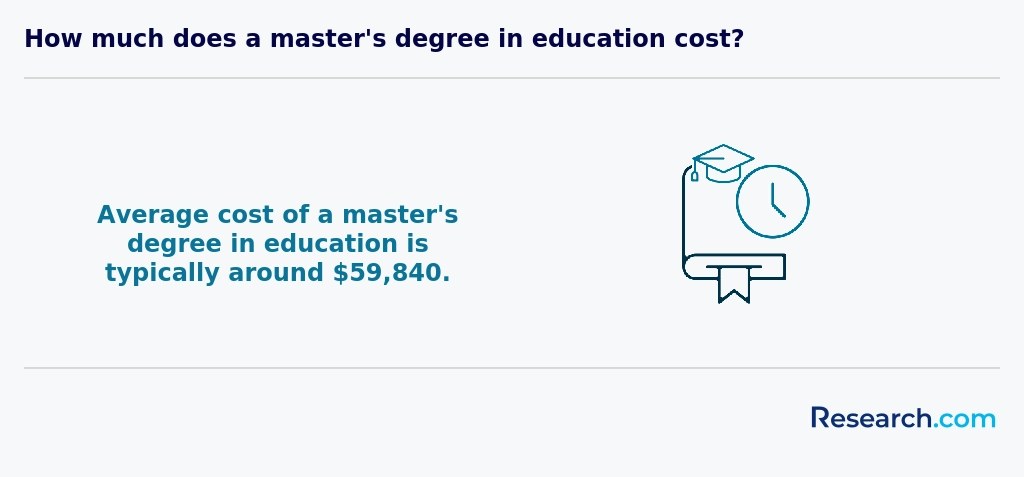
The average cost of an education degree in Virginia typically aligns with recent data showing that in-state students might expect total expenses around $22,134 for their entire program. Graduates from public universities such as Virginia Commonwealth University or the University of Virginia often recall balancing tuition with fees and supplies, experiencing overall costs that feel manageable within this range. This median cost anchors the financial expectations for most individuals pursuing an education degree in Virginia.
For many students, the value extends beyond just tuition; the journey at a Virginia institution includes engaging with robust scholarship opportunities and financial aid designed to ease the burden. Those aiming for advanced education degrees like a Master's in Education may notice tuition differences but often find that the potential return in professional growth justifies the investment. Reflecting on Virginia education degree tuition and fees, it is clear that private institutions, while offering unique resources and networks, usually raise costs well above public rates, sometimes reaching up to $30,000 annually.
Graduates often emphasize practical experiences and supportive faculty as priceless components of their studies. As educational pathways evolve, prospects increasingly explore alternatives from flexible scheduling to hybrid models, shaping future cost dynamics and accessibility. The cheapest education programs in Virginia remain an attractive choice for many hopeful educators looking to maximize quality while managing expenses.
Licensure and Certification Requirements in Virginia
Earning an Education degree in Virginia is only the first step toward a teaching career; graduates must also navigate the state’s licensure and certification process to become fully qualified educators. The Virginia Department of Education (VDOE) requires candidates to complete a state-approved teacher preparation program, pass the Praxis series exams relevant to their subject area, and fulfill the Virginia Communication and Literacy Assessment (VCLA) and Virginia Reading Assessment (VRA) requirements. In addition, applicants must submit official transcripts, complete a background check with fingerprinting, and demonstrate character and fitness standards. For those considering alternative pathways, such as career changers or professionals with bachelor’s degrees in other fields, Virginia offers an Alternative License through programs accredited by the Council for the Accreditation of Educator Preparation (CAEP). Alternative candidates must still meet exam and training benchmarks, including supervised classroom experience under a certified mentor teacher. Both traditional and alternative routes culminate in an initial license valid for five years, which can be renewed by completing professional development hours or earning an advanced degree. Prospective teachers should plan ahead to align their coursework with VDOE requirements, such as including at least 6 credit hours in literacy methods and 3 credit hours in special education strategies. For those seeking more budget-friendly pathways to licensure, review our Inexpensive Online Bachelor’s in Education Degree Programs Ranking in Kansas to compare affordable online options that meet rigorous certification standards. This proactive approach ensures timely completion of both degree and licensure milestones, setting graduates on a clear path to classroom success.
What financial aid is available to education degree students in Virginia?
Graduates from education programs at universities like UVA and James Madison often recall how federal aid transformed their college journey. By filling out the FAFSA, they accessed Pell Grants that relieved immediate financial stress without the burden of repayment. Many found the federal student loans manageable due to low interest and flexible payback plans, allowing them to focus on teaching rather than finances.
In Virginia, state-specific aid also plays a crucial role. The Virginia Tuition Assistance Grant (VTAG) helped those attending private colleges by offsetting high tuition costs, enabling graduates to pursue licensure and careers in education without excessive debt. Future prospects suggest expanded loan forgiveness tied to commitments in high-need areas, echoing programs that current education grads from Norfolk State praise for easing their transition into STEM teaching roles.
Local school districts increasingly offer incentives like signing bonuses and tuition reimbursement, recognizing the importance of retaining skilled educators. This evolving landscape, coupled with accessible scholarships from organizations like the Virginia Education Association Foundation, promises growing support for aspiring teachers navigating costs at institutions such as George Mason University.
Accreditation and Teacher Certification in Virginia
Accreditation is the cornerstone of any reputable Education program in Virginia, ensuring alignment with state standards and best practices. Prospective students should confirm that their chosen institution holds Council for the Accreditation of Educator Preparation (CAEP) approval and is recognized by the Virginia Board of Education. CAEP-accredited programs guarantee comprehensive coursework, qualified faculty, and rigorous assessment measures that prepare candidates for effective classroom instruction. To obtain initial teacher licensure, candidates must meet the Virginia Department of Education’s requirements:
- Complete an approved Educator Preparation Program (EPP) with a minimum GPA of 2.75.
- Pass Praxis Core Academic Skills for Educators tests (Reading, Writing, Mathematics) and Praxis Subject Assessments in the intended teaching field.
- Fulfill a minimum of 200 supervised student-teaching hours in a public school setting.
- Submit fingerprints and pass a state and national background check. Upon satisfying these criteria, applicants request their Initial License through the Virginia Licensure Online system, where they must upload transcripts, test scores, and mentor evaluations. During the first year of teaching, new educators are supported by a state-sponsored induction program, culminating in the recommendation for the Continuing License after successful mentor reviews. For career changers or those balancing work and study, alternative pathways-such as Post-Baccalaureate and Readiness-to-Teach programs-offer expedited routes to certification. While Virginia’s programs deliver robust standards, students seeking cost-effective online options can compare tuition rates through our Inexpensive Online Bachelor's in Education Degree Programs Ranking in Kansas, which highlights affordable alternatives without compromising accreditation quality.
What are the prerequisites for enrolling in education degree program in Virginia?
Envisioning the journey to an education degree in Virginia, prospective students typically start with foundational requirements tailored to their academic level. For undergraduates eyeing a degree at institutions like James Madison University or George Mason University, holding a high school diploma or GED with a solid 2.5 GPA often marks the initial checkpoint. Graduates recall how this baseline supports confidence entering their classes, setting a tone of readiness that carries through their studies.
Graduate hopefuls often reflect on the milestone of completing a bachelor's degree, frequently in education or related fields, before stepping into programs at schools such as the University of Virginia's Curry School of Education. They share that relevant coursework and sometimes work experience enrich their preparation, framing their learning with real-world insights. The gradual move away from GRE requirements in many Virginia institutions brings relief, making accessibility a welcome trend.
Certification tests like the Praxis Core, common threads through many teacher preparation paths, emerge as vital hurdles. Graduates describe these exams as challenging yet empowering gateways, ensuring their proficiency in critical skills. Personal stories often mention how background checks and immunization records, while procedural, underline a shared commitment to safe and healthy learning environments.
Letters of recommendation and interviews, frequently integrated in programs at Radford University or Old Dominion University, surface as moments to express passion and dedication personally. Students remember these experiences as affirming, helping transform potential anxiety into excitement about their future roles as educators in Virginia's vibrant schools.
Cost Considerations and Financial Planning for Education Degree Programs in Virginia
When considering an education degree program in Virginia, it's essential to factor in the cost of attendance and explore available financial aid options to make informed decisions. Prospective students can benefit from understanding the average tuition rates, which vary significantly between in-state and out-of-state programs, as well as the total cost of attendance, including living expenses. For those seeking affordable options, exploring the cheapest education programs in Virginia can be a practical step in finding a program that fits within their budget. By weighing the costs against the potential career outcomes and financial aid opportunities, students can make a more informed decision about their educational investment. Additionally, considering the long-term financial benefits of a career in education, including competitive salaries and job security, can help prospective students understand the value of their investment in an education degree program in Virginia.
What courses are typically in education degree programs in Virginia?
Education degrees in Virginia typically include courses like child development, educational psychology, and curriculum design that set a solid foundation for future teachers. Graduates from well-known institutions such as the University of Virginia recall hands-on lessons where they crafted lesson plans based on child development principles, making theoretical concepts feel practical and engaging.
Courses on classroom management often stand out, as graduates share stories of applying these techniques during their student teaching semesters in Richmond classrooms. This real-world experience builds confidence and excitement to lead a classroom effectively.
Programs in Virginia are increasingly incorporating multicultural education and special education courses, reflecting the state's diverse student population. Graduates from James Madison University highlight how learning strategies for inclusion made them feel prepared and motivated to support every learner's unique needs.
Electives focusing on educational technology excite many students, especially as digital tools become central to modern classrooms. Hands-on projects using tablets or virtual reality in these courses spark enthusiasm about innovative teaching methods ahead.
What types of specializations are available in education degree programs in Virginia?
Education degree specializations in Virginia are expanding to meet the evolving needs of diverse student populations. Graduates from well-known universities often describe their excitement when specializing in Elementary Education, where they learn to engage young children with innovative techniques that make learning enjoyable and effective. Similarly, Secondary Education remains popular, with future high school teachers delving into subject-specific curricula like science or social studies, ensuring they deliver content confidently and with passion at institutions such as James Madison University or Virginia Commonwealth University.
Another increasingly vital specialization is Special Education, where many students feel a profound sense of purpose developing skills to create inclusive classrooms that embrace all learners. The Virginia Department of Education supports this growth, reflecting real demand. Meanwhile, pathways into Educational Leadership and Administration are becoming appealing to those eager to influence policy and school culture at leading colleges.
Others explore options in Early Childhood Education or focus on Curriculum and Instruction to design creative teaching strategies. For those seeking accelerated advancement, especially working professionals, exploring edd degree programs online offers promising flexibility and affordability. These evolving Virginia education program concentration options highlight how future educators can tailor their careers while feeling confident about their impact on communities.
How do you choose the best education degree in Virginia?
Choosing the best education degree program in Virginia increasingly involves looking beyond traditional options toward innovative, flexible learning paths. Graduates from well-known public universities often share how programs offering evening or online classes allowed them to balance work and study, highlighting the appeal of adaptable schedules that suit busy lifestyles.
Future education students might prioritize institutions with strong regional accreditation like CAEP, ensuring their degrees will open doors in licensing and employment. In Virginia, public universities renowned for high Praxis exam pass rates create confidence among learners aiming for smooth certification processes and competitive job markets.
Cost-conscious students often strive to find affordable education degrees in Virginia, leveraging scholarships tied to high-demand fields like special education or STEM teaching. Some take inspiration from peers who found success by exploring financial aid and didactic models emphasizing hands-on training and internships. For those exploring remote learning options, consulting resources such as the Inexpensive Online Bachelor's in Education Degree Programs Ranking in Kansas may spark ideas about accessible pathways beyond state borders.

What career paths are available for education degree students in Virginia?
Graduates with an education degree in Virginia often find themselves at the crossroads of multiple career paths, ranging from becoming licensed K-12 teachers in public schools to roles in higher education and educational administration. Many experience the rewarding challenge of securing teaching jobs for education graduates Virginia offers, particularly in areas facing shortages like special education and STEM subjects. For example, graduates from well-known institutions such as James Madison University or the University of Virginia often describe their transition into classrooms with enthusiasm, inspired by strong licensure programs and hands-on training.
Beyond traditional roles, education degree career opportunities in Virginia are expanding into areas such as instructional coordination, school counseling, or early childhood education at local preschools. Innovative graduates increasingly apply their skills in educational technology, corporate training, or community outreach, reflecting a growing trend toward flexible, impactful careers. Those seeking further credentials can explore affordable paths like the Inexpensive Online Bachelor's in Education Degree Programs Ranking in Kansas, which highlight creative options to manage education costs while entering this dynamic field.
What is the job market for education degree in Virginia?
The job market for education degree graduates in Virginia shows promising opportunities, especially as schools face ongoing teacher shortages in subjects like special education and STEM fields. Graduates from popular institutions such as the University of Virginia and Virginia Commonwealth University often find fulfilling roles in diverse communities ranging from Fairfax to Richmond, where their specialized skills and certifications are highly valued. The teaching employment opportunities Virginia offers encourage new educators to embrace innovative technologies and remote learning, expanding their impact beyond traditional classrooms.
Many graduates report engaging work environments that foster professional growth and community involvement. For those interested in advancing, roles like instructional coordinators or school administrators provide both career growth and attractive salaries. Students planning their educational path often benefit from accessible in-state tuition and financial aid, making degree completion feasible. Some are exploring accelerated tracks, including an accelerated bachelors degree online, balancing education and life efficiently.
Frequently Asked Questions About education
Education degree students in Virginia can maximize their learning experience by engaging actively in both coursework and practical opportunities. Virginia ranks among the top states for teacher preparation, with over 40 accredited programs recognized by the Virginia Department of Education. Participating in internships or student teaching placements in diverse school settings is crucial, as it provides hands-on experience and exposure to various student populations.
Utilizing resources such as the Virginia Department of Education's database of licensed educators helps students understand state certification requirements early. Additionally, many universities partner with local school districts to offer mentoring programs, which research shows can improve student retention and professional readiness. Staying informed about state education policies and standards enhances academic focus and career prospects.
The education field in Virginia is evolving rapidly, with emerging niches reflecting broader societal and technological changes. One key area is educational technology, which integrates digital tools and online resources to enhance learning experiences. Virginia's investment in expanding broadband access supports growth in this sector, benefiting educators and students alike. Another growing niche is special education, driven by increased awareness and state mandates to support diverse learners. Additionally, adult education and workforce training programs are expanding to meet the needs of Virginia's evolving economy, especially in urban centers like Fairfax and Richmond. According to the Virginia Department of Education, demand for professionals in these areas is expected to grow significantly.
After completing an education degree in Virginia, it is crucial to strategically prepare for the job market to enhance employment opportunities. First, obtaining state licensure by passing the Virginia Communication and Literacy Assessment (VCLA) and Virginia Reading Assessment (VRA) is mandatory for teaching positions. According to the Virginia Department of Education, nearly 90% of new teachers secure jobs within one year of certification.
Networking within local school districts and attending education job fairs hosted by Virginia colleges can connect graduates with potential employers. Additionally, gaining classroom experience through student teaching or internships is highly valued by school administrators.
Professional development, including joining organizations like the Virginia Education Association, helps candidates stay informed on policy changes and best practices. Finally, maintaining an updated portfolio showcasing lesson plans, certifications, and references supports a strong job application.
Employers in Virginia seek education degree graduates who demonstrate strong communication skills, critical thinking, and adaptability. According to the Virginia Department of Education, effective classroom management and the ability to integrate technology in teaching are highly valued. Graduates who show proficiency in creating inclusive environments that support diverse learners tend to be favored by schools. Research from the National Center for Education Statistics highlights that collaboration skills, such as working well with colleagues and parents, remain essential. Additionally, knowledge of Virginia's state standards and assessment methods is important for graduates entering local public school systems.
Finding internships in Virginia relevant to an education degree involves several strategic steps. Begin by exploring partnerships that universities in Virginia have with local school districts. For example, George Mason University and the University of Virginia offer structured internship programs connected to the Virginia Department of Education.
You can also use Virginia's Department of Education Career and Technical Education website, which lists approved internship opportunities and resources for education majors seeking practical experience. Networking through university career centers, education faculty, and local school systems is essential.
Additionally, organizations like the Virginia Association of Teachers provide guidance and internship listings. Internships often focus on K-12 settings, special education, or curriculum development, giving critical hands-on experience.
In Virginia, obtaining an education degree substantially enhances career mobility and advancement opportunities within the state's educational system. According to the Virginia Department of Education, educators holding advanced degrees, such as a master's or doctoral degree, are eligible for higher salary scales and leadership positions. These qualifications often lead to roles including curriculum specialists, instructional coordinators, or school administrators.
Moreover, many Virginia school districts require a minimum of a bachelor's degree in education for teacher licensure, fostering entry into the profession. The state's emphasis on continual professional development means earning additional credentials can accelerate promotions and job stability. Data from the National Center for Education Statistics also highlight that 60% of Virginia teachers hold a master's degree or higher, indicating a strong correlation between advanced qualifications and career progress.
Studying for an education degree in Virginia equips students with skills essential for interdisciplinary roles in diverse educational settings. Virginia universities emphasize collaboration across fields such as psychology, special education, and technology integration. For example, the Virginia Department of Education highlights that many programs include coursework in counseling and instructional technology, helping future educators address varied student needs.
Research by the Virginia Education System shows that 75% of education graduates engage in cross-disciplinary projects during their studies, preparing them for careers in administration, curriculum design, and educational policy. This integrated approach reflects current trends favoring flexible, multifaceted educators.
Moreover, Virginia's teacher licensure process often requires knowledge in multiple subject areas, reinforcing adaptability. Overall, a Virginia education degree fosters a well-rounded foundation ideal for interdisciplinary roles in today's education landscape.
When choosing between a thesis and a non-thesis education degree program in Virginia, consider your career goals and learning preferences. Thesis programs typically require conducting original research and writing a substantial paper, which benefits students aiming for doctoral studies or research-focused roles. Non-thesis programs often emphasize coursework and practical experience, ideal for those pursuing teaching or administrative positions.
Virginia hosts numerous accredited institutions offering both options, such as the University of Virginia and Virginia Commonwealth University. According to the Virginia Department of Education, about 60% of education graduate students opt for non-thesis tracks to enter the workforce faster.
Review each program's curriculum and speak with academic advisors to align your choice with your professional ambitions.
Students based in Virginia who wish to study education abroad have several pathways to consider. Many Virginia universities, such as the University of Virginia and Virginia Tech, offer established study abroad programs focused on education, allowing students to gain international teaching experience while earning credits. According to the Institute of International Education, participation in study abroad programs among education majors has increased steadily, underscoring growing interest in global perspectives. Additionally, organizations like the Council on International Educational Exchange provide targeted placements for future educators. These opportunities help Virginians acquire cross-cultural skills crucial for modern classrooms and meet licensure requirements with practical experience abroad.
Virginia offers several part-time job opportunities that can complement education degree studies. Working as a teacher's aide or substitute teacher in local K-12 schools provides practical classroom experience, which is highly valued in education careers. According to the Virginia Department of Education, substitute roles often pay between $100 and $150 per day, allowing flexible schedules for students.
Other options include tutoring in subjects like reading or math, often available through community centers or private tutoring companies. These roles help sharpen instructional skills and strengthen communication with learners.
Positions as after-school program assistants or library aides also provide relevant experience in educational environments. Such roles are common in Virginia public schools and local libraries, emphasizing child engagement and organizational skills.
Engaging in these part-time jobs enriches resumes for future teaching positions, while offering valuable exposure to Virginia's diverse educational settings.
Education students in Virginia benefit from several strong networking opportunities. Many universities, such as the University of Virginia and Virginia Commonwealth University, host education-focused events and career fairs that connect students with local schools and education professionals. According to the Virginia Department of Education, more than 300 school divisions statewide frequently collaborate with colleges for student teaching and internships, offering valuable professional contacts.
Professional organizations like the Virginia Education Association provide memberships for students, granting access to conferences, workshops, and leadership programs. Additionally, Virginia's proximity to Washington, D.C., offers expanded opportunities through national education policy events and networking.
Alumni networks play a significant role in supporting education degree students in Virginia. These networks connect current students with graduates who have successfully entered the teaching profession across the state. According to the Virginia Department of Education, nearly 50,000 educators work statewide, making connections through alumni networks valuable for mentoring and job placement.
Students gain access to exclusive job listings, workshops, and career fairs often shared within these networks. Furthermore, alumni provide guidance on licensure requirements specific to Virginia, such as the Praxis exams and Virginia Board of Education standards.
Engaging with alumni also helps students build professional relationships that can lead to long-term collaboration and leadership opportunities within local school districts.
In Virginia, students can tailor their education degree programs to better align with specific career goals by choosing various specializations and electives offered by universities. Many institutions provide concentrations such as elementary education, special education, or educational leadership, allowing focused skill development. Additionally, programs often include practicum experiences and internships within Virginia's diverse school districts, giving hands-on training relevant to local education needs.
Some universities also offer online and hybrid course options, enhancing flexibility for working professionals. According to the Virginia Department of Education, customized pathways help graduates meet licensure requirements efficiently, increasing employment prospects within the state's public schools.
Education students in Virginia commonly encounter several challenges during their degree programs. One significant issue is balancing fieldwork requirements with academic coursework, as students must complete many hours of classroom observation and student-teaching placements. This hands-on training can be time-consuming and stressful. According to the Virginia Department of Education, student-teachers often struggle to secure placements in high-quality schools due to competition and limited availability.
Financial barriers also affect many students. Tuition and living costs have risen steadily in Virginia's public colleges, which can be difficult to manage without scholarships or financial aid. The Virginia Foundation for Independent Colleges reports that education majors tend to earn lower starting salaries after graduation, adding pressure on students considering their long-term financial outlook.
Finally, adapting to evolving teaching standards and integrating technology into pedagogy represent additional hurdles. The Virginia Department of Education highlights that preparation for diverse classrooms demands continual professional development, which many pre-service teachers find overwhelming alongside their studies.
With an education degree in Virginia, graduates can pursue several professional certifications to enhance their teaching careers. The most common is the Virginia Teaching License, which requires meeting state-approved program standards and passing the Virginia Communication and Literacy Assessment (VCLA) as well as Praxis exams specific to the grade level or subject. According to the Virginia Department of Education, over 20,000 teachers hold licensure in the state as of 2023.
Additional certifications include endorsements in special education, ESL (English as a Second Language), and gifted education, which allow teachers to specialize and expand their opportunities.
For those interested in leadership roles, certifications such as school administration or instructional coaching are also available through graduate programs and state-approved workshops.
Writing a winning application for an education program in Virginia requires clarity, strong organization, and attention to detail. Start by thoroughly researching the specific program and its requirements, as Virginia schools may differ in their expectations. Highlight relevant academic achievements and any teaching or volunteer experience.
Virginia's education programs often emphasize commitment to community and diversity, so address these themes in your personal statement. Incorporate data on Virginia's public education system to show awareness of local challenges, such as teacher shortages reported by the Virginia Department of Education in recent years.
Strong recommendation letters from academic or professional mentors familiar with your skills can significantly enhance your application. Proofread carefully to avoid errors, signaling professionalism and dedication to your future career in education.
A career in education is valued worldwide for its role in shaping future generations. In the United States, including Virginia, education degrees prepare students for diverse roles, from classroom teaching to administration. According to the Virginia Department of Education, there is a growing demand for qualified teachers, especially in STEM and special education fields.
Globally, education professionals face challenges such as adapting to digital learning and addressing equity in access. The U.S. higher education system offers practical, research-based training that aligns with international standards, helping graduates compete globally. Earning an education degree in Virginia can provide a strong foundation grounded in both theory and real-world application.
Students pursuing education degrees in Virginia can gain practical experience through multiple avenues integrated within their academic programs. Most universities require teacher candidates to complete supervised student teaching placements in local K-12 schools, providing hands-on classroom experience. According to the Virginia Department of Education, these placements typically last from 12 to 16 weeks, allowing students to apply instructional strategies and classroom management skills in real settings.
Additionally, many Virginia institutions offer internships, practicum courses, and fieldwork opportunities that complement student teaching. These experiences often involve collaborating with experienced educators and participating in curriculum development. Engaging in such practical activities helps students meet Virginia's licensure requirements and prepares them for diverse educational environments.
Choosing the right concentration within an education degree program in Virginia requires understanding your career goals and the demands of local school systems. The Virginia Department of Education reports a high need for special education and STEM-related teaching fields, which may influence your choice. Research concentrations like early childhood, special education, or educational leadership based on your interests and job prospects. Consider programs accredited by the Council for the Accreditation of Educator Preparation (CAEP) to ensure quality training. Additionally, reviewing the Virginia Board of Education's licensure requirements can help align your concentration with needed certifications and employment opportunities.
Related Education Rankings for Nearby States
- 2027 Best Online Education Degree Programs Ranking in North Carolina
- 2027 Best Online Education Degree Programs Ranking in Kentucky
- 2027 Best Online Education Degree Programs Ranking in Pennsylvania
- 2027 Best Online Education Degree Programs Ranking in South Carolina
- 2027 Best Online Education Degree Programs Ranking in Ohio
- 2027 Best Online Education Degree Programs Ranking in New Jersey
- 2027 Best Online Education Degree Programs Ranking in Georgia
- 2027 Best Online Education Degree Programs Ranking in Indiana
- 2027 Best Online Education Degree Programs Ranking in New York
- 2027 Best Online Education Degree Programs Ranking in Florida
Top Trending Education Rankings
See What Experts Have To Say About Studying Education
Read our interview with Education experts

Alan J. Singer
Education Expert
Professor of Teaching, Learning and Technology
Hofstra University

Nooshan Ashtari
Education Expert
Professor & Book Author
University of Southern California

References
- Education Degree Entry Requirements https://universitycompare.com/advice/student/education-degree-entry-requirements
- Working in Ed Tech: How to Identify Your Niche and Build Relevant Skills https://www.highfivepartners.com/blog/working-in-ed-tech-how-to-identify-your-niche-and-build-relevant-skills
- Virginia Alternative Teacher Certification https://iteach.net/alternative-teacher-certification/virginia-teacher-alternative-route-to-licensure/
- What Employers Actually Want From Graduates https://bodyswaps.co/resources/blog/what-employers-actually-want-from-graduates
- Education Cover Letter: 6 Steps to Write a Job-Winning One [+Example & Template] | Cake https://www.cake.me/resources/cover-letter/education-cover-letter
- Teaching Job Roles | Teach For Life https://www.teachforlife.com/teachingjobs/global-perspectives-teacher
- Networking Tips and Advice for Students https://schoolshouldbe.com/post/networking-tips-and-advice-for-students/
- Teacher Education Program https://www.batten.edu/academics/majors/education
- Career Clusters | CTE Resource https://www.cteresource.org/career-clusters/
- Virginia public colleges and universities raise tuition https://www.12onyourside.com/2025/08/04/va-public-colleges-universities-raise-tuition/


