
2027 Fastest Online Master's in Education Degree Programs Ranking in Missouri

Co-Founder and Chief Data Scientist
Choosing the right online master's program in education can be overwhelming, especially with so many options available in Missouri. This article presents the 2027 Fastest Online Master's in Education Degree Programs Ranking in Missouri, crafted by the Research.com team of data scientists to guide you toward the best choices.
By exploring this ranking, you'll discover programs that combine quality education with flexibility, helping you advance your career efficiently. Pursuing an education degree opens doors to meaningful opportunities and personal growth, making it a rewarding investment in your future.
Key benefits of getting online education degree in Missouri
- Graduates with education degrees in Missouri can earn competitive salaries, such as Education Managers making around $129,330 annually and Curriculum Specialists earning about $77,200 per year.
- Many paths are available after graduation, including roles like Education Program Manager or Higher Education Professor, offering fulfilling work in schools, colleges, or training programs across Missouri.
- Online education degrees provide flexible schedules and accessibility, allowing students at Missouri State University to balance work and studies comfortably while gaining the same respected qualifications as traditional programs.
- Key benefits of getting online education degree in Missouri
- What can I expect from online education degree in Missouri?
- Where can I work with online education degree in Missouri?
- How much can I make with online education degree in Missouri?
- 2027 Fastest Online Master's in Education Degree Programs Ranking in Missouri
- Key Findings
- How long does it take to complete online education degree in Missouri?
- Program Accreditation and Teaching Licensure in Missouri
- What's the difference between online and on-campus education degree?
- Tips for Succeeding in Your Online Education Journey
- What is the average cost of online education degree in Missouri?
- Licensure and Certification: Ensuring Your Online Master’s Aligns with Missouri State Requirements
- What financial aid is available to online education degree students in Missouri?
- Teacher Certification and Licensing in Missouri
- What are the prerequisites for enrolling in online education degree program in Missouri?
- Affordability and Financial Considerations in Online Education Programs
- What courses are typically in online education degree programs in Missouri?
- What types of specializations are available in online education degree programs in Missouri?
- How do you choose the best online education degree in Missouri?
- What career paths are available for online education degree students in Missouri?
- What is the job market for online education degree in Missouri?
- Related Education Rankings for Nearby States
- Top Trending Education Rankings
- See What Experts Have To Say About Studying Education
What can I expect from online education degree in Missouri?
Curious about the cost of earning an online education degree in Missouri? Many graduates from institutions like the University of Missouri and Missouri State University share how the in-state tuition, averaging around $9,000 per year for graduate programs, made pursuing advanced teaching careers feel achievable without overwhelming debt. Imagine balancing a busy schedule with live online classes and self-paced modules while knowing your tuition is competitively priced compared to national averages.
One graduate described the relief of transparent, manageable costs combined with high-quality instruction delivered through flexible formats that fit their lifestyle. They felt confident investing in their future, knowing their education met Missouri's stringent teaching standards and local certification requirements.
In Missouri, this blend of affordability and quality transforms the often-daunting prospect of going back to school into an exciting step toward career growth. For many, it's the key to opening doors in curriculum development, educational leadership, or lifelong counseling roles.
Where can I work with online education degree in Missouri?
Graduates with an online education degree in Missouri find themselves stepping into a rich world of opportunities. Imagine starting as a teacher in a bustling K-12 school district, where over 87,000 educators shape young minds statewide. Whether from the University of Missouri or Missouri State University, many alumni share how their online learning journey prepared them for classroom challenges and creative curriculum development.
Beyond classrooms, picture yourself designing engaging remote lessons or integrating new technology in schools eager to embrace hybrid education models. Some graduates move into leadership roles like instructional coordinators, benefiting from master's degrees that open doors to higher salaries and influence.
Others discover fulfilling paths in colleges and universities across Missouri, offering online course facilitation or student support where distance learning thrives. Working for state agencies or educational nonprofits also becomes a reality, helping shape policies that uplift local communities.
Missouri's rising demand for skilled educators makes these roles exciting adventures, full of growth and meaningful impact.
How much can I make with online education degree in Missouri?
Curious about what an online education degree from a Missouri university can unlock for your career? Graduates from schools like the University of Missouri or Missouri State University often find themselves stepping into roles with rewarding salaries. For instance, becoming an Education Manager can bring in an impressive mean annual wage of $129,330, a true leap that many online graduates dream of.
If leadership isn't your goal, perhaps managing education programs is your adventure-these roles offer around $104,920 yearly. Imagine coordinating impactful community education initiatives or university programs while earning this solid income.
Specialized roles such as Curriculum Specialists also provide an exciting path, with mean wages near $77,200, perfect for those who love crafting courses that spark curiosity. Education Consultants, who support schools and districts in Missouri, earn about $95,600 a year, blending expertise and influence.
Higher Education Professors in Missouri, often hired by state colleges, enjoy mean salaries of $96,570, opening doors to research and mentoring students both online and on campus. These figures reflect the vibrant opportunities accessible after earning an online education degree locally.
2027 Fastest Online Master's in Education Degree Programs Ranking in Missouri
How do we rank schools?
Investing in your education is a significant decision that can shape your future, and the Research.com team understands the importance of making informed choices. To assist prospective students in Missouri, we have meticulously crafted the "2027 Fastest Online Master's in Education Degree Programs Ranking in Missouri." Our commitment to quality, credibility, and accuracy is reflected in the extensive research and analysis conducted to compile this ranking.
We utilized the following reputable data sources to ensure a comprehensive evaluation of education programs:
By exploring this ranking, readers will gain valuable insights into the fastest online master's in education programs in Missouri, empowering them to make well-informed decisions about their academic and professional futures. For more details on our methodology, please visit our Research.com methodology page.

# 2 position
Southeast Missouri State University
Master of Teaching English to Speakers of Other Languages (TESOL)




# 10 position
Missouri State University-West Plains
Master of Educational Administration
Key Findings
- Tuition for online master's education programs in Missouri ranges from $10,000 to $20,000, with public universities offering rates as low as $300 per credit hour for in-state students.
- Average starting salaries for education graduates in Missouri are between $45,000 and $50,000 per year, increasing to $60,000 to $70,000 with experience and advanced degrees.
- Teacher shortages in areas like special education, mathematics, and science create strong job opportunities for graduates within the state.
- Many online programs support working professionals by offering licensure preparation aligned with Missouri certification requirements.
- Missouri provides incentives and loan forgiveness programs aimed at strengthening the education workforce and encouraging degree completion.
How long does it take to complete online education degree in Missouri?
For those diving into a master's program in education, the timeframe often unfolds between 18 months and three years. At institutions famed for flexible learning, graduates share how accelerated options and summer courses empower them to finish faster-sometimes in just a year and a half-especially when previous credits come into play.
Picture a student from a respected Missouri college balancing family and work, leveraging part-time enrollment and year-round classes to carefully tailor their schedule. This adaptability transforms the daunting timeline into a manageable adventure, fueling excitement rather than stress.
With transfer credits, personalized pacing, and innovative programs common in Missouri's online landscape, many graduates find the process both achievable and invigorating, welcoming the challenge with enthusiasm and hope.
Program Accreditation and Teaching Licensure in Missouri
Ensuring that your online master’s in education program is properly accredited and aligned with Missouri’s licensure requirements is essential for both academic credibility and career readiness. Most reputable Missouri institutions hold accreditation from the Council for the Accreditation of Educator Preparation (CAEP) or regional bodies such as the Higher Learning Commission (HLC). These endorsements guarantee that curricula meet rigorous standards for teacher preparation, covering pedagogy, assessment, and classroom management. In Missouri, the Department of Elementary and Secondary Education (DESE) oversees teacher certification. Graduates of CAEP-accredited online programs typically fulfill the coursework and field experience requirements for initial or advanced licensure. However, candidates must also pass the Missouri Educator Gateway Assessments (MEGA), including the content-specific Missouri Content Assessment (MoCA) and the General Educational Development (GED) test, to demonstrate subject matter competency and pedagogy knowledge. Field-based practicum and student teaching placements are often coordinated locally, allowing you to complete supervised hours in your home district. This hands-on component is critical: it not only satisfies DESE mandates but also hones your classroom management and instructional skills in real-world settings. Before enrolling, verify that your chosen program provides a clear pathway to certification, including support for test registration and portfolio development. For those weighing cost alongside accreditation, our comprehensive guide to affordable options offers valuable context-explore the Inexpensive Online Master's in Education Degree Programs Ranking in Michigan to compare tuition and financial aid opportunities. By prioritizing both accreditation and licensure alignment, you’ll secure a credential that opens doors to teaching positions across Missouri’s diverse K–12 landscape.
What's the difference between online and on-campus education degree?
Imagine juggling a busy schedule as a Missouri student chasing an education degree from the University of Missouri or Missouri State University. Online programs offer the thrill of flexibility-graduates recall logging in at midnight after a long workday or fitting classes between family meals, all without the hassle of campus commutes. This freedom feels like unlocking a treasure chest of convenience, especially for those balancing multiple roles.
On the flip side, those attending on-campus at places like Washington University enjoy the buzz of face-to-face interactions-engaging in lively classroom debates and spontaneous study sessions at cozy library corners. Graduates recall the energy from in-person feedback and connections that sparked a deeper sense of community and motivation.
While tuition around $10,000 per year stays comparable, online learners in Missouri often celebrate savings from bypassing transportation and campus fees. Still, both formats share the same accredited value, opening doors equally in the job market.
Whether tapping keys at home or joining peers on campus, Missouri education students embark on unique journeys fueled by their own rhythms and ambitions.
Tips for Succeeding in Your Online Education Journey
Embarking on an online education program is both an exciting and challenging venture. To help you navigate your studies effectively, consider establishing a dedicated study routine that minimizes distractions and fosters productivity. Begin by setting clear, attainable goals for each semester and create a schedule that balances coursework with personal responsibilities. Leverage digital tools like calendar apps and task managers to keep track of deadlines and important milestones. Engaging with your peers and instructors can elevate your learning experience. Don’t hesitate to participate actively in discussion boards and online forums, as these platforms provide not only academic support but also a network of like-minded educators. Seeking feedback regularly and applying constructive criticism to improve your skills is equally valuable. Moreover, if you’re considering advanced studies, exploring opportunities such as online masters education may further enhance your career prospects by offering flexible yet rigorous learning paths. Finally, remain proactive about leveraging available resources, including tutoring services, career counseling, and technical support, which many institutions provide to ensure a seamless online learning experience. Embracing these strategies can help you excel academically and prepare you for a rewarding career in education.
What is the average cost of online education degree in Missouri?
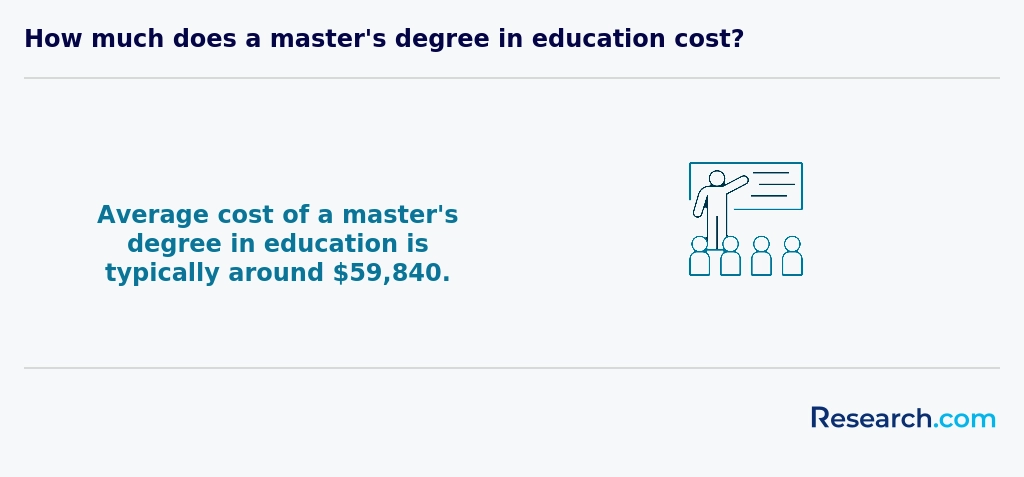
When diving into the world of online education degrees in Missouri, the cost often sparks curiosity. Typically, graduates from public universities in Missouri find tuition more manageable, with in-state total costs around $12,622. This makes pursuing a Missouri online master's in education tuition fees quite reasonable compared to many others. Imagine a graduate balancing work and study with affordable credit hours at places like the University of Missouri, where every dollar saved feels like an investment toward a brighter future.
Private institutions, by contrast, offer a different experience with tuition climbing higher, mirroring the median out-of-state total cost of about $18,843. Yet many students cherish the personalized attention and unique program offerings these schools provide. The variation in tuition means there's room to explore options that match your goals and financial picture-adventure awaits in weighing these choices.
Many education graduates share how these costs, paired with opportunities like graduate assistantships or scholarships, softened the financial load. Those eager to compare costs often seek out affordable options, which is why accessing resources like the affordable education schools in Missouri guide becomes essential. Navigating costs becomes less daunting when armed with data and real student experiences, turning the challenge of budgeting into an exciting step toward your education journey.
The average cost of an online education degree in Missouri, balancing these figures, means the pursuit of knowledge here is both accessible and rewarding for those ready to take the leap.
Licensure and Certification: Ensuring Your Online Master’s Aligns with Missouri State Requirements
Before enrolling in any online Master’s in Education program, it’s essential to confirm that the curriculum meets Missouri Department of Elementary and Secondary Education (DESE) standards for teacher certification. Without proper alignment, you may face additional coursework or exam requirements after graduation. Key steps include: 1. Verify DESE Accreditation: Check each institution’s DESE-approved program list to ensure eligibility for initial or advanced teaching certificates. 2. Understand Endorsement Areas: Programs often offer specializations-like literacy, special education, or administration-that correspond to state endorsements. Confirm your chosen track fulfills both coursework and practicum requirements. 3. Praxis and Other Exams: Most Missouri certifications require passing Praxis Subject Assessments or similar licensure exams. Review preparation resources and deadlines to avoid delays in credentialing. 4. Apply for Certification Early: After completing your online coursework, submit your application through the Educator Certification System (ECS) portal. Gathering transcripts, test scores, and supervising educator evaluations in advance can streamline approval. 5. Transferability Considerations: If you’re licensed in another state or plan to relocate, choose a program with regional accreditation recognized by both Missouri and other jurisdictions. For candidates weighing affordability alongside licensure compliance, it may help to compare your options with neighboring states’ offerings-see our Inexpensive Online Master’s in Education Degree Programs Ranking in Michigan for additional insights.
What financial aid is available to online education degree students in Missouri?
Diving into financial aid for online education degrees in Missouri feels like uncovering hidden treasures. Imagine a graduate from the University of Missouri who discovered federal student loans like the Direct Unsubsidized Loan made their dream graduate program affordable without weighing down their wallet immediately. Although Pell Grants aren't an option for grad students, Federal Work-Study and PLUS Loans step in to lighten the load.
State programs add another layer of support. Graduates from Missouri State University often share how the Access Missouri Financial Assistance Program helped bridge gaps with grants based on their residency and financial need, making online education genuinely attainable.
Many students also tap into merit-based scholarships from schools or the Missouri State Teachers Association, opening doors once only imagined. And for those adventurous enough to commit to underserved areas, employment-based aid and the TEACH Grant offer exciting pathways to both teaching and financial relief.
Every step feels like a new opportunity, proving that Missouri's financial aid landscape isn't just support-it's a launchpad for education dreams.
Teacher Certification and Licensing in Missouri
Navigating Missouri’s teacher certification process is a vital step for graduates of online Master’s in Education programs. To teach in public schools, candidates must obtain the Missouri Initial Professional Certificate, which requires: 1. Completion of an accredited educator preparation program. Many online master’s curricula include state-approved content courses and practicum experiences aligned with certification standards. For those exploring cost-effective pathways, consider our Inexpensive Online Master’s in Education Degree Programs Ranking in Michigan as a reference for program quality and affordability. 2. Satisfactory scores on Missouri’s required assessments: • MO Pre-Professional Skills Test (MoPT): Verifies basic skills in reading, writing and mathematics. • Content Assessments (e.g., PRAXIS II): Measures subject-specific knowledge in areas like elementary education, special education or educational leadership. 3. A valid fingerprint-based background check and submission of official transcripts to the Missouri Department of Elementary and Secondary Education (DESE). Applicants must also complete coursework or workshops in child abuse recognition and reporting. 4. A minimum GPA of 2.5 in the educator preparation program and adherence to DESE’s ethics and professional conduct standards. After securing the Initial Professional Certificate, educators can pursue the Advanced Professional Certificate by completing three years of teaching experience and approved professional development. This tiered approach ensures that online master’s graduates not only deepen their pedagogical expertise but also fulfill Missouri’s rigorous licensure requirements, positioning them for successful careers in K-12 classrooms and beyond.
What are the prerequisites for enrolling in online education degree program in Missouri?
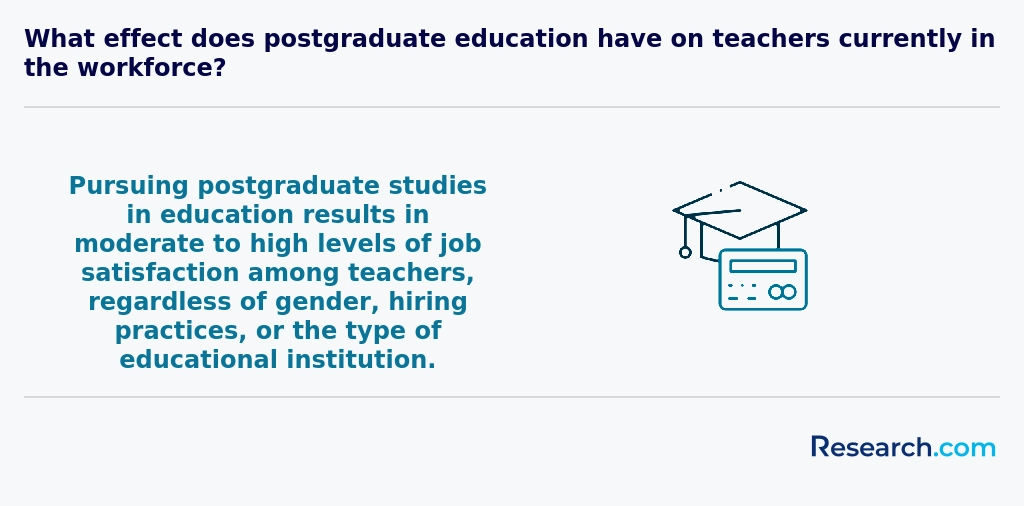
Imagine stepping into the world of online education degrees in Missouri, where the journey begins with a solid foundation-a bachelor's degree from an accredited institution. Many graduates from the University of Missouri recall how their relevant undergraduate degrees paved the way for smooth acceptance into graduate programs, opening doors to advanced learning. Some explorers found that even degrees outside education could unlock opportunities, especially when paired with meaningful experience or extra coursework.
Most programs expect a GPA around 3.0, a benchmark that many local students eagerly met, fueling their confidence as they advanced. A few pioneers encountered the GRE requirement, but many now celebrate the flexibility as pandemic shifts made testing optional or waived.
Picture having hands-on experience or teaching licenses that Missouri's education schools value highly-graduates often share how these credentials made their transition seamless and deeply rewarding. Plus, meeting state certification standards boosts not only knowledge but also excitement for future careers.
Affordability and Financial Considerations in Online Education Programs
When considering online education programs in Missouri, affordability is a crucial factor that can significantly impact one's decision. Prospective students often find themselves weighing the costs and benefits of various programs, seeking options that offer the best value for their investment. For those interested in exploring affordable education options, researching affordable education schools in Missouri can provide valuable insights into programs that balance quality with financial accessibility. This process involves not only examining tuition rates but also considering factors such as financial aid, scholarships, and the potential return on investment in terms of career advancement and salary potential. By carefully evaluating these aspects, individuals can make informed decisions about their educational path, ensuring that they select a program that aligns with their financial situation and career aspirations.
What courses are typically in online education degree programs in Missouri?
Jumping into an online education degree in Missouri means diving into courses that truly shape you into a confident educator. Imagine exploring Instructional Strategies, where graduates from the University of Missouri share how they've crafted lesson plans that spark excitement across diverse classrooms. It's not just theory; it's about mastering engagement in real-world settings.
Technology enthusiasts often rave about the Educational Technology Integration course, especially students from Missouri State University, who discovered how digital tools transform learning experiences-perfect for today's evolving online classrooms.
Assessment and Student Evaluation is another essential course. Graduates often recall how these lessons empowered them to use data effectively to track student progress, directly aligning with Missouri's focus on data-driven teaching.
Leadership seekers find themselves drawn to Educational Leadership and Administration, envisioning future roles like principals or curriculum coordinators, equipped to inspire teams and lead change in schools across the state.
- Instructional Strategies and Pedagogy
- Educational Technology Integration
- Assessment and Student Evaluation
- Educational Psychology
- Curriculum Design and Development
- Special Education Practices
- Educational Leadership and Administration
What types of specializations are available in online education degree programs in Missouri?
Missouri's online education degrees offer exciting specializations that spark the curiosity of many aspiring educators. Graduates often describe diving into Curriculum and Instruction, where they learn to craft dynamic lesson plans that truly engage students, a favorite for those aiming to brighten classrooms across the state. Another thrilling path is Special Education, which empowers students to support diverse learners and make a heartfelt difference, especially given Missouri's growing demand in this area.
Educational Leadership and Administration unlocks ambitious journeys toward roles like principals or district administrators, combining theory with real Missouri school law and finance. Other options include Early Childhood Education, Educational Technology, School Counseling, and English as a Second Language (ESL), each opening doors to unique classroom experiences and community impact.
Many who enroll in Missouri online master's in education concentrations find joy in the flexibility and focus tailored to their passions, often choosing programs offered by well-known colleges in the region. For those curious about balancing cost and quality, check out this guide to the online masters education to explore more options tailored to your journey.
How do you choose the best online education degree in Missouri?
Choosing the best online education degree Missouri students rave about often begins with accreditation. Graduates from institutions like Missouri State University share how knowing their program was CAEP-accredited gave them confidence it met rigorous standards and opened doors to teaching licenses. Imagine enrolling in a degree that feels tailored to your unique schedule-University of Missouri offers flexible, asynchronous courses perfect for working professionals craving freedom without sacrificing quality.
Affordability is vital; some graduates highlight how comparing tuition costs, including hidden fees, helped them avoid surprises. With an average public tuition around $10,000 yearly, finding budget-friendly programs is easier than you think. If you want concrete examples, check out the Inexpensive Online Master's in Education Degree Programs Ranking in Michigan to get inspired by affordable pathways nearby.
Specializations can transform a generic degree into a launchpad for a fulfilling career. Whether it's early childhood education or educational leadership, aligning your focus with your passions leads to exciting opportunities. Plus, schools offering career support and licensure help keep your ambitions well within reach-just like many successful Missouri grads attest. Finding this balance unlocks the adventure of advancing your education while shaping your future.

What career paths are available for online education degree students in Missouri?
Graduates with an online education degree in Missouri find themselves stepping into a landscape full of rewarding career opportunities. Many become licensed teachers, joining the ranks of passionate educators shaping young minds at public and private schools throughout the state. The excitement of entering classrooms in fields with high demand-like math, science, and special education-fuels their enthusiasm.
Missouri online education degree job prospects also lead to diverse roles beyond teaching. Graduates from flagship institutions like the University of Missouri enjoy careers as instructional coordinators, crafting innovative curriculum that transforms learning experiences across districts. Others thrive as school counselors, supporting students emotionally and academically with fulfilling day-to-day interactions that bring real impact.
Imagine working as an educational administrator, steering entire schools toward success or becoming an adult education instructor who helps local communities gain essential skills for the future. For those drawn to technology, positions as educational technology specialists are burgeoning, blending passion for digital tools with education. For students seeking affordable programs that open these doors, check the Inexpensive Online Master's in Education Degree Programs Ranking in Michigan, a nearby resource guiding smart choices for career-ready degrees.
What is the job market for online education degree in Missouri?
The job market for those holding a Missouri online education degree is buzzing with opportunity, especially for graduates from popular institutions like the University of Missouri and Missouri State University. These graduates often share stories of stepping into vibrant K-12 classrooms or school administration roles, feeling empowered by their flexible, online training that didn't force them to pause their careers. This dynamic outlook reflects Missouri's focus on education reform and the rising need for certified educators.
Employment opportunities for education graduates in Missouri are particularly strong in special education and STEM teaching roles, thanks to persistent shortages. Many find themselves excited by the competitive salaries offered across districts, with median wages for master's-level educators ranging from $55,000 to $70,000 annually. The blend of affordability and career growth makes pursuing an online degree here an adventurous yet practical choice.
Graduates often mention how the state's push toward digital learning aligns perfectly with their online education credentials. It's no surprise that students from colleges across Missouri feel ready to tap into this evolving field and discover new career paths, beyond traditional classrooms and into roles fueled by innovative tech. For those curious about different career tracks, exploring in-demand trade jobs might also spark fresh ideas.
Frequently Asked Questions About education
Students pursuing online education degrees in Missouri can enhance their learning by actively engaging with course materials and instructors. Research shows that regular interaction improves retention and overall success rates.
Time management is vital; creating a consistent study schedule helps balance coursework with personal and professional commitments. According to Missouri Department of Higher Education, online learners who allocate specific weekly hours report higher completion rates.
Utilizing Missouri's digital library resources, such as those offered by the University of Missouri system, provides access to scholarly articles and educational tools essential for coursework and research.
Finally, students should participate in virtual discussions and collaborative projects. Building connections with peers supports motivation and deeper understanding throughout the program.
Emerging niches within the education field in Missouri reflect growing trends in technology integration and student support. Areas such as educational technology, special education, and diversity, equity, and inclusion (DEI) have seen increased demand. According to the Missouri Department of Elementary and Secondary Education, workforce needs for special education teachers are expected to rise by 8% over the next decade.
Additionally, online learning specialists who can design virtual curricula are becoming essential, especially as Missouri schools expand digital offerings. Another growing niche is literacy intervention, responding to literacy gaps highlighted by recent statewide assessments.
These emerging roles offer new career pathways for education graduates aiming to impact Missouri's evolving learning environments.
After completing an online education degree in Missouri, preparing for the job market involves several key steps. Missouri's teacher shortage boosts demand for qualified educators, especially in subjects like math and science, according to the Missouri Department of Elementary and Secondary Education. Graduates should obtain proper state certification since most K-12 teaching jobs require it.
Networking through local Missouri education associations and attending job fairs can increase opportunities. Gaining practical experience through internships or substitute teaching enhances employability. Missouri's average teacher salary in 2023 was about $56,000, so researching regional salaries helps set realistic expectations.
Staying current with Missouri's education policies and continuing professional development are vital for long-term success.
Employers in Missouri value education degree graduates who demonstrate strong classroom management skills and the ability to adapt to diverse student needs. According to the Missouri Department of Elementary and Secondary Education, effective communication and collaboration with colleagues and families are essential skills for new teachers.
Missouri school districts also emphasize technology integration, as digital literacy supports modern teaching strategies. Critical thinking and problem-solving abilities help graduates address challenges in curriculum and student development.
Additionally, according to the National Center for Education Statistics, professionalism and a commitment to continuous learning are highly sought traits by employers in Missouri's education sector.
Finding internships in Missouri relevant to an education degree involves a strategic approach centered on local resources and state-specific opportunities. Students should start by exploring Missouri's public school districts, which often offer internships or student teaching placements as part of licensure requirements.
Universities in Missouri frequently maintain partnerships with K-12 schools and educational organizations. For example, the Missouri Department of Elementary and Secondary Education (DESE) provides guidance on approved internship programs linked to teacher certification.
Additionally, websites like Missouri Educator Gateway provide tools to connect candidates with practical field experiences. Online students can also leverage virtual internship programs due to growing digital learning platforms.
Networking through educational conferences and professional bodies such as the Missouri National Education Association can further aid in securing practical experience.
In Missouri, earning an online education degree can significantly enhance career mobility and advancement within the education sector. According to the Missouri Department of Elementary and Secondary Education, teachers with advanced degrees often qualify for higher salary scales and leadership roles. Online programs offer flexibility, allowing working educators to continue employment while upgrading qualifications.
Additionally, many Missouri school districts recognize online degrees from accredited institutions, facilitating career growth. The state's focus on professional development means educators with master's degrees, including online credentials, are well-positioned for roles such as curriculum specialists or administrators. Data from the Missouri Economic Research and Information Center shows increased demand for qualified educators, highlighting advancement opportunities tied to higher education degrees.
Studying for an education degree in Missouri equips students with skills essential for interdisciplinary roles, blending knowledge from psychology, sociology, technology, and subject-specific expertise. Missouri universities incorporate state standards while emphasizing collaboration and communication, which are crucial for working across different sectors such as health, social services, and business.
Many Missouri education programs include coursework on instructional technology and inclusive practices, preparing graduates to adapt in diverse professional settings. According to the Missouri Department of Education, 85% of educators report that training in multiple disciplines improves problem-solving and innovation.
This interdisciplinary focus aligns with trends nationwide, where teachers often engage with community resources and digital tools to enhance learning outcomes.
Choosing between a thesis and a non-thesis online education degree program in Missouri depends on your career goals and interests. Thesis programs typically require original research and a written dissertation, preparing students for academic or research roles. Non-thesis options usually focus on coursework and practical skills, suited for educators seeking leadership or administrative positions.
According to the Missouri Department of Higher Education & Workforce Development, many public universities offer flexible formats catering to working professionals. Consider your time availability, research interest, and post-graduation plans before deciding. Contacting program advisors at institutions like the University of Missouri can provide personalized guidance based on your needs.
Students based in Missouri interested in studying education abroad through online degree programs have several options. Many Missouri universities offer partnerships with international institutions, allowing students to earn credits recognized both in the US and abroad. For example, the University of Missouri system collaborates with schools in Europe and Asia to provide exchange opportunities and accessible online courses tailored for global education perspectives.
The Missouri Department of Higher Education reports that over 20% of state universities now provide fully online education degrees, some focusing on internationally influenced curricula. These programs often emphasize comparative education and global teaching strategies useful for diverse classroom environments. Students should verify program accreditation and alignment with Missouri teaching licensure requirements to ensure qualifications meet state standards.
Part-time job opportunities in Missouri that complement education degree studies typically include roles such as substitute teaching, teacher's aide positions, and tutoring. According to the Missouri Department of Elementary and Secondary Education, substitute teachers earn an average of $80 to $100 per day, providing flexible schedules ideal for students continuing education online.
Additionally, tutoring services, especially in subjects like math and reading, are in high demand. Online tutoring platforms and local after-school programs offer opportunities to gain practical experience while earning income.
Working as a teacher's aide in Missouri public schools also supports professional growth and understanding of classroom dynamics. These roles provide a foundation for career advancement in education.
Online education students in Missouri have access to a variety of networking opportunities despite studying remotely. Many Missouri universities offering online education degrees, such as the University of Missouri and Missouri State University, host virtual career fairs and alumni events. These platforms connect students with educators and professionals statewide.
Additionally, professional organizations like the Missouri State Teachers Association provide online forums, webinars, and conferences that help students build connections.
The Missouri Department of Higher Education also supports regional consortia, encouraging collaboration among online students and faculty. These efforts foster networking that can lead to mentorship and job opportunities within the state's education system.
Alumni networks play a significant role in supporting online education degree students in Missouri. These networks provide valuable connections that can lead to internships, jobs, and mentorship opportunities. According to the Missouri Department of Higher Education, graduates from online programs often rely on alumni groups to build professional relationships within the state's education sector.
Strong alumni networks also enhance career development by offering access to exclusive events and continuing education resources. With Missouri's education workforce growing, such networks help online students stay informed about local job trends and licensure requirements.
Furthermore, alumni connections foster a sense of community, which is especially important for online learners who may feel isolated. This support system can increase student engagement and success rates in Missouri's online education programs.
Customizing an online education degree program in Missouri involves selecting courses and specializations aligned with your career goals. Many universities in the state offer flexible options, including endorsements in areas like special education, literacy, or administration. These options help tailor your learning experience to meet specific job requirements.
Missouri's Department of Higher Education reports that institutions such as the University of Missouri and Southeast Missouri State provide varied online tracks to accommodate diverse professional interests. Additionally, some programs allow credit transfer or prior experience recognition, accelerating degree completion.
Careful advising and understanding state certification regulations are crucial to ensure your customized program aligns with licensure and employment standards in Missouri.
Online education students in Missouri often face challenges related to technology access and reliable internet connectivity, especially in rural areas where broadband availability is limited. According to the Missouri Department of Elementary and Secondary Education, approximately 10% of households in rural regions lack high-speed internet, affecting students' ability to participate fully in online coursework.
Another common issue is balancing work, family, and studies. Many online learners are working adults who struggle with time management and maintaining motivation without the physical presence of a campus environment. Additionally, some students encounter difficulties in receiving timely academic support or engaging in meaningful interaction with instructors and peers.
Financial constraints also play a role, as tuition and fees for online programs in Missouri can vary widely, and some students find it challenging to access sufficient financial aid or employer support.
With an online education degree in Missouri, you can pursue various professional certifications that enhance your career prospects. The Missouri Department of Elementary and Secondary Education (DESE) offers teaching certificates in areas such as Early Childhood, Elementary, and Secondary Education. These certifications require passing the Missouri General Education Assessment (MoGEA) and content-specific exams.
Additionally, educators can seek National Board Certification, a rigorous credential recognized nationwide. Other certifications include Special Education, ESL (English as a Second Language), and Instructional Technology Specialist, which are valuable for specialized roles.
Most certifications require a combination of coursework, exams, and supervised teaching experience.
Writing a winning application for an online education program in Missouri requires clear demonstration of your academic readiness and professional goals. Begin by carefully reviewing each school's admission requirements, as institutions like the University of Missouri and Missouri State University often emphasize GPA, letters of recommendation, and standardized test scores when applicable.
Highlight your experience working with diverse student populations or in educational settings. Missouri's teacher shortages have increased demand for qualified educators, making such experience valuable. Include a strong personal statement that explains why you want to pursue online education and how this degree aligns with your career plans.
Evidence of continuous professional development, such as certifications or workshops, may boost your application. Missouri Department of Elementary and Secondary Education provides resources to support aspiring educators, which can be referenced to show commitment to the field.
The global perspective on an education career highlights the growing demand for skilled educators who can address diverse learning needs. In the United States, including Missouri, education professionals are valued for their ability to integrate technology and inclusive practices. According to the Missouri Department of Elementary and Secondary Education, the state expects a steady demand for qualified teachers through 2030 due to population growth and teacher retirements.
Internationally, education careers emphasize cultural competence and adaptability, qualities increasingly important in Missouri's diverse classrooms. Online education degrees allow Missouri students to gain credentials that meet both local and global standards, enhancing their career mobility and impact.
Gaining practical experience while pursuing an online education degree in Missouri is essential for career readiness. Many Missouri institutions incorporate student teaching or practicum components as part of their certification programs. These opportunities allow students to work directly in classrooms, applying teaching theories in real-world settings.
Additionally, partnerships between universities and local school districts facilitate field placements for online learners statewide. According to the Missouri Department of Elementary and Secondary Education, these experiences often total 600 hours or more, meeting licensure requirements. Internships, substitute teaching, and tutoring can also complement online coursework, enhancing hands-on skills.
Such practical sessions help students develop classroom management techniques and adapt lessons for diverse learners.
Choosing the right concentration within an online education degree program in Missouri depends on your career goals and interests. Popular options include curriculum and instruction, educational leadership, and special education. Each focuses on different skills-curriculum development, school administration, or supporting diverse learners.
Missouri has over 200 school districts, so understanding local employment demands can help. For instance, special education teachers are in high demand statewide, with an expected growth rate of 7% through 2030 according to the Missouri Department of Elementary and Secondary Education.
Research each concentration's coursework and possible certification outcomes. Verify that the online program is accredited and aligns with Missouri's licensing requirements, especially if you intend to become a certified educator or administrator.
Related Education Rankings for Nearby States
- 2027 Fastest Online Master's in Education Degree Programs Ranking in Kansas
- 2027 Fastest Online Master's in Education Degree Programs Ranking in Iowa
- 2027 Fastest Online Master's in Education Degree Programs Ranking in Illinois
- 2027 Fastest Online Master's in Education Degree Programs Ranking in Kentucky
- 2027 Fastest Online Master's in Education Degree Programs Ranking in Indiana
- 2027 Fastest Online Master's in Education Degree Programs Ranking in Minnesota
- 2027 Fastest Online Master's in Education Degree Programs Ranking in Wisconsin
- 2027 Fastest Online Master's in Education Degree Programs Ranking in Colorado
- 2027 Fastest Online Master's in Education Degree Programs Ranking in Ohio
- 2027 Fastest Online Master's in Education Degree Programs Ranking in Michigan
Top Trending Education Rankings
See What Experts Have To Say About Studying Education
Read our interview with Education experts

Nooshan Ashtari
Education Expert
Professor & Book Author
University of Southern California

Alan J. Singer
Education Expert
Professor of Teaching, Learning and Technology
Hofstra University

References
- Preparing for Employment – Academic Success https://www.saskoer.ca/successfulstudy/chapter/preparing-for-employment/
- Education Study Abroad | CIEE https://www.ciee.org/go-abroad/college-study-abroad/programs/subjects-disciplines/education-study-abroad
- Adult Degree Completion Program--Online Elementary Education https://www.mssu.edu/academics/education/teacher/degree-completion-program-elem-ed.php
- Education Technology Trends to Watch in 2065: 10 Innovations Shaping the Future of Learning https://www.digitallearninginstitute.com/blog/education-technology-trends-to-watch-in-2026
- Master's in Education Online: Find Your Missouri Program https://www.onlinemastersdegrees.org/best-programs/education/missouri/
- 10 of the hottest topics in education for 2025 https://marzanoresearch.com/hot-topics-in-education-2025/
- Education Cover Letter: 6 Steps to Write a Job-Winning One [+Example & Template] | Cake https://www.cake.me/resources/cover-letter/education-cover-letter
- Find your next adventure abroad https://worldstrides.com/en-us/higher-ed
- Online Degree vs. Traditional | University of Arkansas Grantham https://www.uagrantham.edu/blog/pros-cons-online-degree-vs-traditional-university/
- What Employers Actually Want From Graduates https://bodyswaps.co/resources/blog/what-employers-actually-want-from-graduates


