
2027 Most Affordable Education Degree Programs Ranking in Des Moines

Co-Founder and Chief Data Scientist
Are you considering pursuing an education degree in Des Moines but concerned about costs? This article presents the 2027 Most Affordable Education Degree Programs Ranking in Des Moines, carefully crafted by the Research.com team of data scientists. It aims to help you make an informed choice by highlighting affordable options without compromising quality.
Getting an education degree can open doors to rewarding careers and personal growth. Discover programs that fit your budget and goals to take confident steps toward your future in teaching.
Key benefits of getting education degree in Des Moines
- Education degree graduates in Des Moines can expect competitive salaries, such as $70,740 annually for elementary school teachers and $76,000 for special education teachers, providing financial stability in rewarding careers.
- Graduates from local colleges often find diverse career paths, including roles as instructional designers or ESL teachers, with opportunities to impact students in many unique ways.
- Completing an education degree online in Des Moines offers flexibility and convenience, enabling students to balance work and life while earning credentials from respected institutions.
- Key benefits of getting education degree in Des Moines
- What can I expect from education degree in Des Moines?
- Where can I work with education degree in Des Moines?
- How much can I make with education degree in Des Moines?
- 2027 Most Affordable Education Degree Programs Ranking in Des Moines
- Key Findings
- How long does it take to complete education degree in Des Moines?
- Accreditation and Licensure Outcomes
- What's the difference between online and on-campus education degree?
- Alternative Education Paths and Specializations
- What is the average cost of education degree in Des Moines?
- Accreditation and Licensure: Ensuring Program Quality and Teacher Certification
- What financial aid is available to education degree students in Des Moines?
- Tips for Success in Your Education Degree Journey
- What are the prerequisites for enrolling in education degree program in Des Moines?
- Licensure and Certification Requirements in Iowa
- What courses are typically in education degree programs in Des Moines?
- What types of specializations are available in education degree programs in Des Moines?
- How do you choose the best education degree in Des Moines?
- What career paths are available for education degree students in Des Moines?
- What is the job market for education degree in Des Moines?
- Top Trending Education Rankings
- See What Experts Have To Say About Studying Education
What can I expect from education degree in Des Moines?
Students pursuing education degrees in Des Moines typically face annual in-state tuition costs ranging from $8,000 to $10,000 at public universities, an investment considered competitive nationwide. Graduates from institutions like the University of Iowa or Drake University often reflect positively on the value received, noting how financial aid and scholarships specifically targeting education majors helped ease their financial burden. This affordability enables many to focus on gaining practical skills through extensive student teaching internships, which are integrated into their curricula to meet Iowa's certification standards.
One graduate described balancing coursework in child development and educational psychology with real-world classroom experiences facilitated by these universities, emphasizing how manageable costs allowed them to prioritize hands-on learning over financial stress. Additionally, flexible options such as evening classes and online components help working adults sustain earnings while advancing their degrees. Overall, budgeting roughly $8,000 to $10,000 for tuition annually aligns well with local opportunities and support structures, making Des Moines a practical choice for future educators.
Where can I work with education degree in Des Moines?
Graduates with an education degree in Des Moines frequently find employment in the city's public and private school systems. For example, the Des Moines Public School District employs thousands of teachers across elementary, middle, and high schools, with steady demand especially in special education and STEM subjects. Many graduates from institutions like Drake University and Des Moines Area Community College (DMACC) report securing roles as licensed teachers shortly after completing their programs.
Beyond K-12 schools, opportunities exist in early childhood education centers and preschools, where licensed childcare facilities in Des Moines actively seek educators skilled in curriculum and child development. The state's focus on early education initiatives increases openings, making these roles accessible and rewarding for recent graduates.
Higher education support positions also attract degree holders, with colleges such as DMACC and Drake University hiring academic advisors and tutors. While faculty roles may require advanced degrees, many graduates find fulfilling careers in administrative and student support functions within these institutions.
Administrative and community roles also remain viable career paths. Education graduates often move into counseling, curriculum coordination, or special education administration, while local nonprofits value their expertise for literacy and workforce training programs. This variety allows education graduates in Des Moines to build impactful careers aligned with their passions.
How much can I make with education degree in Des Moines?
Graduates with education degrees from institutions in Des Moines often find rewarding career opportunities with competitive salaries. For example, elementary school teachers typically earn a mean annual wage of $70,740, providing a stable income for those starting out. Special education teachers, who require specialized skills, enjoy even higher earnings, with a mean wage around $76,000 per year.
Those who choose to focus on English as a Second Language (ESL) teaching make approximately $65,430 annually, reflecting the growing demand for language instruction in local schools. Early childhood educators earn about $41,410, which supports roles in preschools and community programs. Instructional designers, combining education expertise with technology to develop learning materials, command attractive salaries near $77,200 in Des Moines.
Graduates from well-regarded colleges in Des Moines often highlight their satisfaction with both career prospects and salaries. Many describe the joy of making a positive impact while enjoying financial stability. These figures show that education degrees in Des Moines can lead to diverse, meaningful, and financially viable careers in school systems and beyond.
2027 Most Affordable Education Degree Programs Ranking in Des Moines
How do we rank schools?
Investing in your education is a significant decision that can shape your future, and the Research.com team understands the importance of making informed choices. To assist prospective students in Des Moines, we have meticulously crafted the "2027 Most Affordable Education Degree Programs Ranking in Des Moines." Our commitment to quality, credibility, and accuracy is reflected in the extensive research and analysis conducted to compile this ranking.
We utilized the following reputable data sources to ensure a comprehensive evaluation of education programs:
By exploring this ranking, readers will gain valuable insights into the most affordable and high-quality education degree programs in Des Moines, empowering them to make well-informed decisions about their educational investments. For more information on how this ranking was created, please visit our Research.com methodology page.


Key Findings
- Des Moines has accredited institutions like Drake University and Grand View University offering education degrees for undergraduate and graduate students.
- Tuition for a bachelor's degree in education ranges from $25,000 to $40,000 at public schools and $30,000 to $50,000 at private colleges.
- Starting teacher salaries in Des Moines typically range from $40,000 to $48,000, with experienced teachers earning over $60,000 annually.
- State licensing requires passing the Iowa Tests of Basic Skills and completing student teaching placements in local schools.
- There is growing demand for education specialists, counselors, and administrators alongside traditional teaching positions.
How long does it take to complete education degree in Des Moines?
Completing an education degree in Des Moines typically takes about four years for a bachelor's degree, aligning with the national standard of approximately 120 credit hours. Graduates from institutions like Drake University and Grand View University often share how the structured timeline helped them balance coursework and practical experiences, such as student teaching. For master's degrees, the timeframe generally ranges between one and two years, requiring 30 to 36 credit hours alongside internships or hands-on projects. Many master's students appreciate the focused curriculum that allows them to quickly advance their careers in educational leadership or curriculum development.
Flexible study options, including part-time or accelerated pathways and online formats, cater to working professionals who need to manage job and personal commitments. These alternatives may extend completion time but provide valuable adaptability. Graduates frequently express satisfaction with the supportive environment in Des Moines institutions, which contributes to higher on-time graduation rates compared to the national average of 4.5 years.
- Four years for a bachelor's degree (around 120 credit hours)
- One to two years for a master's degree (30 to 36 credit hours)
- Flexible part-time and accelerated programs available
Accreditation and Licensure Outcomes
Accreditation is a critical factor in choosing an Education degree program, as it ensures your credential is recognized by state licensing boards and employers. In Des Moines, leading institutions like Drake University and Grand View University hold regional accreditation from the Higher Learning Commission (HLC) and programmatic accreditation from the Council for the Accreditation of Educator Preparation (CAEP). These endorsements confirm that curricula meet rigorous standards for content, clinical practice, and faculty qualifications. State Board Approval All teacher preparation programs in Iowa must be approved by the Iowa Board of Educational Examiners. Approval guarantees eligibility to sit for the Iowa Certification Examinations (Praxis I & II), with local programs reporting an average Praxis pass rate of 92%-well above the national average of 83%. High pass rates signal effective preparation and increase your competitiveness in the job market. Why Accreditation Matters • Licensure Eligibility: Only graduates from accredited programs can apply for initial teaching licenses in Iowa and most other states. • Quality Assurance: Accreditation bodies conduct regular reviews of student outcomes, faculty credentials, and resource allocations. • Credit Transfer & Grad School: Accredited credits are more likely to transfer and fulfill prerequisites for advanced studies-explore our Affordable Online Master's in Education Degree Programs Ranking in Columbia, MO for CAEP-accredited master’s pathways. Graduates of CAEP-accredited programs in Des Moines report higher job placement rates-over 87% secure teaching positions within six months of graduation-and access to state and federal financial aid. Verifying accreditation and licensure outcomes before enrolling will set you on a clear path to certification, classroom readiness, and long-term career success.
What's the difference between online and on-campus education degree?
On-campus education degrees in Des Moines, offered by institutions like Drake University or Des Moines University, require physical attendance, fostering direct interaction with professors and peers. Graduates often recall the immediate access to campus resources such as libraries and labs, which supports collaborative learning and hands-on experiences like practicums in local schools. This structured environment benefits those who prefer face-to-face guidance and active engagement.
Conversely, online education degrees provide flexibility, allowing students, including working professionals, to complete coursework asynchronously on their own schedules. Those balancing jobs and family commitments appreciate this model, as graduates report a positive sense of autonomy and convenience. According to Iowa College Aid, online programs may reduce costs by eliminating commuting and housing fees, though some technology and practicum expenses still apply.
Both formats maintain accreditation and align with Iowa Board of Educational Examiners' standards, but online students should ensure their programs include necessary in-person practicums for licensure. Graduates from both paths value their tailored experiences that suit diverse lifestyles and learning preferences in Des Moines.
Alternative Education Paths and Specializations
For those interested in exploring education beyond traditional teaching roles, considering alternative paths such as instructional design or educational consulting can be highly rewarding. These fields not only offer a change of pace but also the opportunity to apply educational principles in innovative ways. For instance, individuals passionate about the arts may find fulfillment in exploring the most affordable fine arts schools in Iowa, which can provide a unique blend of artistic expression and educational methodology. By understanding the various specializations and alternative education paths available, aspirants can make informed decisions that align with their passions and strengths, ultimately leading to a more satisfying and impactful career in education.
What is the average cost of education degree in Des Moines?
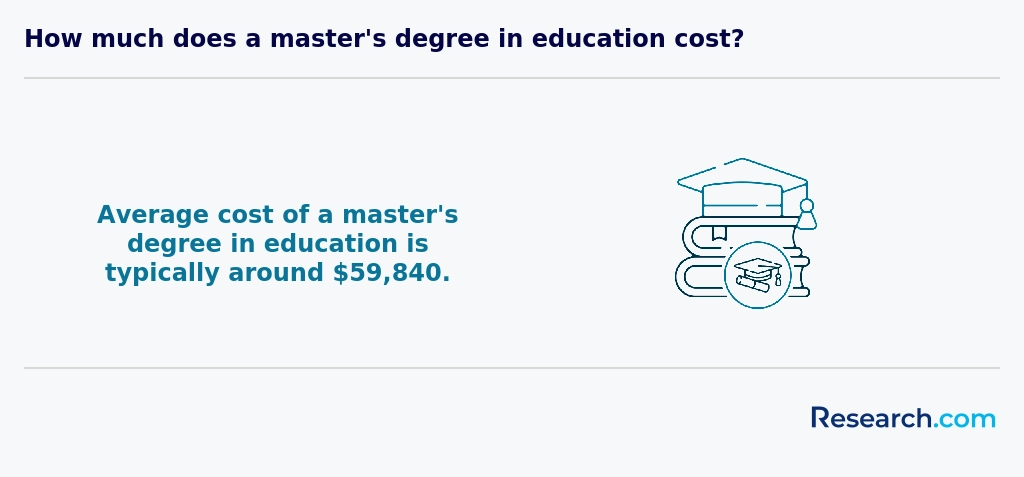
The average cost of an education degree in Des Moines reflects a balance between private and public institutions, providing options suited to diverse budgets. Graduates from Drake University often recall tuition fees ranging between $20,000 and $40,000 annually, consistent with private nonprofit four-year colleges across the U.S. Meanwhile, students enrolling in public universities like Iowa State University, just an hour away from Des Moines, benefit from reduced in-state tuition costs typically between $9,000 and $10,000 per year. These figures create a clear distinction, helping prospective students weigh affordability against program reputation.
Many students pursuing affordable education degree programs Des Moines rejoice in the accessibility of public university options, as the lower tuition allows for manageable debt levels and more focus on studies. However, tuition is only part of the financial picture. Additional costs-including textbooks, fees, and living expenses-commonly add $12,000 to $15,000 annually. This comprehensive perspective helps students realistically plan their finances and their journey toward becoming educators.
Those interested in the financial side can also explore financial aid and scholarships that are commonly available through universities and external supports to significantly ease the monetary burden. Considering the full spectrum of costs, graduates often highlight their return on investment and satisfaction with their decision to pursue education locally. For those interested in related fields, review the most affordable fine arts schools in Iowa as further examples of accessible education options.

Accreditation and Licensure: Ensuring Program Quality and Teacher Certification
Accreditation is a critical indicator of program quality and a prerequisite for state teacher licensure. In Des Moines, IA, top education programs hold regional accreditation from the Higher Learning Commission (HLC) and programmatic accreditation from the Council for the Accreditation of Educator Preparation (CAEP). These endorsements guarantee that curricula meet rigorous standards for curriculum design, faculty qualifications, and student outcomes. Graduates of CAEP-accredited programs typically report higher pass rates on the Iowa Teacher Preparation Assessment (TPA) and PRAXIS examinations, essential steps toward obtaining your initial Iowa teaching license. To become a licensed educator in Iowa, candidates must:
- Complete an accredited bachelor’s or master’s program in education.
- Achieve passing scores on required PRAXIS subject and pedagogy assessments.
- Submit an application through the Iowa Department of Education’s Educator Licensure Online System, including verification of approved field experiences and background checks.
- Fulfill any additional district-specific requirements, such as professional development or mentorship participation. Understanding accreditation not only enhances your confidence in program quality but also streamlines your path to classroom readiness. For those seeking flexible, affordable pathways to advanced credentials, explore the Affordable Online Master's in Education Degree Programs Ranking in Columbia, MO to compare CAEP-accredited online master’s options that support ongoing licensure renewal and career advancement.
What financial aid is available to education degree students in Des Moines?
Education students in Des Moines benefit from multiple financial aid sources that make pursuing a degree more affordable. Federal aid through FAFSA is crucial; qualifying students gain access to Pell Grants offering up to $7,395 annually (2023-24), along with federal loans featuring low-interest rates. For example, graduates from Drake University and Des Moines Area Community College (DMACC) often report how Pell Grants eased their tuition burden effectively.
At the state level, the Iowa Tuition Grant supports Iowa residents attending eligible private colleges, complementing federal aid. DMACC students frequently utilize institutional scholarships and work-study programs designed specifically for aspiring educators, providing both income and practical experience.
- The Iowa Teacher Shortage Loan Forgiveness Program helps graduates working in high-need Iowa public schools repay education loans.
- Scholarships from the Iowa State Education Association (ISEA) offer ongoing support to both undergraduates and graduate students in education fields.
- Local scholarships from Des Moines foundations encourage future teachers to commit to the community.
Enrolling in such programs can create a sense of reassurance and motivation, as students witness both financial relief and professional growth. Many graduates highlight how combining federal, state, institutional, and private aid made their education journey in Des Moines manageable and fulfilling.
Tips for Success in Your Education Degree Journey
Embarking on an education degree program is not only about acquiring classroom knowledge but also about cultivating skills and habits that set you up for lasting success. To maximize your potential and make the most of your academic experience, consider these practical strategies:
- Stay Engaged: Actively participate in class discussions, workshops, and student organizations to build connections with peers and mentors.
- Seek Mentorship: Find faculty members or industry professionals who can provide guidance on career development and overcoming academic challenges.
- Hone Time Management: Balancing coursework, internships, and personal commitments requires effective time management. Develop a schedule that allocates dedicated periods for study, research, and self-care.
- Leverage Technology: Utilize digital tools and resources to supplement your learning. For instance, exploring additional insights from the best education masters programs can provide perspective on advanced strategies in education.
- Embrace Continuous Learning: Stay updated with the latest trends in educational methodologies by attending conferences, participating in webinars, and reading relevant publications.
- Cultivate Reflective Practices: Regularly reflect on your experiences and challenges to identify areas of improvement. This can include keeping a journal or engaging in peer discussions about teaching strategies and classroom management. By integrating these approaches into your academic journey, you not only enhance your learning experience but also build a solid foundation for a rewarding career in education.
What are the prerequisites for enrolling in education degree program in Des Moines?
Enrolling in an education degree program in Des Moines typically begins with having a high school diploma or GED, a baseline requirement at colleges such as Des Moines Area Community College. Many successful applicants show a GPA between 2.5 and 3.0, providing a strong foundation for undergraduate study. Standardized test scores like the SAT or ACT are commonly submitted, reflecting readiness for rigorous academic work. Graduate programs, for example at Drake University, often ask for a relevant bachelor's degree alongside GRE scores to assess advanced capabilities.
Graduates often recall completing background checks due to the sensitive nature of working with children, instilling confidence in their suitability for education roles. Practical experience through student teaching or internships in local schools is vital; this hands-on learning bridges theory and practice meaningfully, often shaping rewarding career paths.
Additionally, candidates present letters of recommendation and personal statements, which allow programs to appreciate their passion and commitment to teaching. These requirements frame the comprehensive, supportive admissions process at Des Moines institutions.
Licensure and Certification Requirements in Iowa
Earning an Education degree is only the first step; obtaining Iowa teacher certification ensures you can legally lead classrooms and advance your career. To secure state licensure, graduates must:
- Complete an accredited teacher preparation program approved by the Iowa Department of Education.
- Fulfill a minimum of 12 weeks (480 hours) of supervised student teaching, demonstrating competencies in classroom management, differentiation, and lesson delivery.
- Pass the Praxis Core Academic Skills for Educators (reading, writing, mathematics) and the relevant Praxis II subject assessments or edTPA performance assessment.
- Submit to a fingerprint-based background check and meet all professional conduct standards outlined by Iowa law. Many affordable programs in Des Moines integrate these requirements into their curriculum, streamlining your path to certification. In addition, online master’s pathways can accelerate licensure reciprocity if you hold an out-of-state credential. For example, our Affordable Online Master's in Education Degree Programs Ranking in Columbia, MO highlights programs designed to align coursework with Iowa’s certification exams while offering flexible pacing. After passing all assessments and completing your program, submit an Iowa Teaching License application through the Educator Licensure Online (ELO) portal. Upon approval, you’ll receive the Initial Teaching License, valid for five years and renewable upon completion of continuing education and mentorship requirements. Understanding these steps upfront empowers you to choose a program that not only fits your budget but also fast-tracks your journey from student teacher to certified educator in Iowa.
What courses are typically in education degree programs in Des Moines?
Education degree programs in Des Moines typically include foundational courses such as educational psychology and learning theories, which help students grasp how individuals acquire knowledge. Graduates often recall courses like "Child and Adolescent Development," where they explored cognitive and emotional growth stages that directly informed their future teaching practices.
Instructional strategies and curriculum design are central to these degrees. Popular classes like "Classroom Management" and "Assessment and Evaluation" equip students with practical skills that they frequently apply during student teaching semesters at local universities or colleges.
Specialization courses vary by grade level and focus area, including elementary education, special education, or secondary subjects such as math or English. Many programs emphasize inclusivity and technology integration, offering courses like "Educational Technology Integration" and "Multicultural and Inclusive Education." Hands-on experiences, such as practicums or supervised teaching semesters, allow students in Des Moines to confidently transition from theory to real classroom challenges, fostering enthusiasm about their career readiness.
What types of specializations are available in education degree programs in Des Moines?
Education degree specializations in Des Moines cover a range of focused areas essential for developing skilled educators equipped to meet diverse student needs. Common tracks include Elementary Education and Secondary Education, preparing graduates from local institutions like Des Moines Area Community College to teach children from kindergarten through high school with confidence and practical expertise. Special Education is another significant specialization, addressing the needs of about 14% of public school students nationwide who receive specialized support, and this focus resonates with many graduates eager to make a meaningful impact in inclusive classrooms.
Des Moines affordable education degree options also include Educational Leadership and Administration, where students train for roles such as school principals or district officials with an emphasis on strategic policy and management skills. Early Childhood Education is prioritized as well, reflecting statewide efforts to enhance readiness for kindergarten, a priority praised by graduates who feel prepared to support young learners effectively.
Curriculum and Instruction and Instructional Technology specializations further enable teaching professionals to adopt innovative methods and digital tools. Graduates from Des Moines colleges often express enthusiasm about their preparation. Those aiming to advance their careers should explore the best education masters programs to align skills with emerging job markets.
How do you choose the best education degree in Des Moines?
Choosing the best affordable education degrees Des Moines requires evaluating cost, accreditation, and practical experience. For instance, Drake University graduates often emphasize how the hands-on student teaching placements in local schools enhanced their confidence and real-world skills, preparing them thoroughly for Iowa licensure exams. Cost is a crucial factor; public universities average about $9,500 annually for in-state students, compared to private institutions like Drake that may charge closer to $40,000 but offer scholarships and aid. Accreditation by CAEP ensures programs meet rigorous national standards, which employers and licensure boards value highly.
When analyzing top education programs cost Des Moines, it's wise to compare tuition alongside graduation rates and job placement data. Programs with smaller class sizes and faculty experienced in both teaching and research tend to support student success better. Many graduates report that curriculum design and educational leadership specializations available nearby help them align degrees with career goals. Students might also explore options such as the Affordable Online Master's in Education Degree Programs Ranking in Columbia, MO for additional flexibility.
What career paths are available for education degree students in Des Moines?
Graduates with an education degree in Des Moines have diverse career paths. One primary route is becoming a K-12 teacher within Des Moines Public Schools, serving in various subjects from general education to STEM and special education. Many grads find rewarding roles in classrooms across the city, enjoying competitive salaries ranging from $50,000 to $65,000 depending on experience. For those seeking leadership, positions like principals or curriculum coordinators offer opportunities to shape school policies, often requiring advanced certifications. These education degree career opportunities in Des Moines also extend to school counselors and educational psychologists, responding to the growing emphasis on student mental health in urban schools.
Graduates from prominent local institutions report satisfaction in specialized roles such as special education specialists, policy analysts, and adult education instructors. Some choose early childhood education roles in preschools, impacting foundational learning. Given affordability and varied options, many consider fast adult degree programs online to accelerate entry into the workforce. These Des Moines education degree job prospects reflect a robust market for education professionals.
What is the job market for education degree in Des Moines?
The education degree job outlook in Des Moines is strong, supported by steady demand for qualified teachers and administrators. Graduates from prominent institutions in Des Moines often secure roles in K-12 schools, where growing student populations and retirements create openings. Many find rewarding positions in special education or early childhood programs, both areas currently emphasized by state policies. Experience shared by recent graduates highlights access to diverse practical training opportunities at local colleges, helping them build confidence before entering classrooms.
Teaching careers demand in Des Moines Iowa continues to expand, especially for math, science, and special education educators. The average teacher salary of around $60,000 aligns well with the city's cost of living, making it attractive for new professionals. Additionally, tuition fees at nearby universities remain below the national average, complemented by scholarships and grants aimed at education students. Many graduates appreciate how affordable education pathways in Des Moines support their ambition to work in public or private schools while maintaining financial stability.
Students exploring which bachelor degree is the easiest to pursue often find education degrees approachable with practical career outcomes in Des Moines. This positive job market outlook encourages prospective students to consider education as a rewarding and sustainable career choice in this region.
Frequently Asked Questions About education
Education degree students in Des Moines can maximize their learning experience by engaging deeply with both theoretical coursework and practical fieldwork. Local institutions like Drake University and Des Moines Area Community College offer robust student teaching opportunities in nearby schools, which are critical for hands-on experience.
Networking with local education professionals and joining relevant organizations such as the Iowa State Education Association can provide valuable mentorship and career resources. Additionally, utilizing technology and online learning platforms complements in-class studies and helps develop adaptable teaching skills.
According to the Iowa Department of Education, students who participate in internships or practicum placements in the Des Moines metro area report higher employment rates post-graduation.
The education field in Des Moines is evolving, with several emerging niches gaining momentum. One notable area is special education, which addresses the needs of students with disabilities. According to the Iowa Department of Education, demand for qualified special education teachers in Des Moines continues to rise, reflecting statewide trends.
Another growing niche is educational technology. Des Moines schools increasingly adopt digital tools, prompting a need for professionals skilled in integrating technology into curricula. This aligns with national pushes for edtech proficiency.
Additionally, bilingual education and English as a Second Language (ESL) programs expand as Des Moines becomes more culturally diverse. This creates opportunities for educators focused on language acquisition and multicultural instruction.
Lastly, early childhood education remains vital, with local studies highlighting its impact on long-term academic success and workforce readiness in Iowa.
After completing an education degree in Des Moines, preparing for the job market involves several key steps. First, gaining practical experience through student teaching placements is essential, as many local schools in Des Moines prioritize candidates with hands-on classroom experience. According to the Iowa Department of Education, connections made during these internships often lead to job opportunities.
Networking with local education professionals and attending job fairs in the Des Moines area can increase visibility. The Des Moines Public Schools district regularly hosts recruitment events targeting new educators. Additionally, obtaining Iowa teaching licensure is required and includes passing the Praxis exams, which candidates should prepare for thoroughly.
Finally, staying informed about local school district needs and continuously developing skills in educational technology can enhance employability in Des Moines' growing educational sector.
Employers in Des Moines value education degree graduates who demonstrate strong communication skills, as these are essential for effective classroom engagement and collaboration with colleagues and families. According to the Iowa Department of Education, over 65% of local school districts prioritize interpersonal abilities in their hiring processes.
Classroom management expertise is another critical skill, enabling graduates to maintain a positive learning environment. Additionally, proficiency in instructional technology is increasingly important, with many schools integrating digital tools into everyday teaching.
Des Moines employers also seek candidates with adaptability and cultural competence to address the diverse needs of their student population.
Finding internships in Des Moines related to an education degree involves leveraging local school districts, colleges, and community organizations. The Des Moines Public Schools district frequently offers placements for education students seeking practical classroom experience. Partnering with institutions like Drake University or Grand View University, which have strong education programs, can provide direct access to internship opportunities.
In addition, the Iowa Department of Education website lists approved internship programs and requirements for education students statewide, including Des Moines. Networking through local education conferences or the Iowa State Education Association can also be beneficial.
According to the National Center for Education Statistics, Iowa ranked high for student teacher placements in 2022, indicating a supportive environment for education internships.
Obtaining an education degree in Des Moines significantly enhances career mobility and advancement opportunities within the local job market. Des Moines Public Schools, the largest district in Iowa, employs over 6,000 educators, where advanced degrees often correlate with higher salaries and leadership positions, such as curriculum coordinators or school administrators. According to the Iowa Department of Education, teachers with a master's degree can earn up to 20% more than those with only a bachelor's.
The city's education sector encourages continuous professional development, often requiring advanced credentials for promotions. Schools and districts in Des Moines value specialized education degrees for roles beyond teaching, including counseling and educational technology, which broadens career pathways.
Studying for an education degree in Des Moines offers valuable preparation for interdisciplinary roles through diverse coursework and practical experiences. Many local institutions emphasize collaboration across subjects such as psychology, sociology, and technology, helping students develop a broad understanding of learning environments.
In addition, partnerships with Des Moines Public Schools provide hands-on teaching opportunities in varied classroom settings, enhancing adaptability. According to the Iowa Department of Education, these programs align with national standards emphasizing cross-disciplinary skills, vital for modern educators.
Furthermore, students often engage with community organizations, enriching their ability to address educational challenges from multiple perspectives.
Choosing between a thesis and a non-thesis education degree program in Des Moines depends on your academic and career goals. Thesis programs typically require conducting original research and writing a formal thesis, which suits students interested in advanced study or roles in educational research. Non-thesis programs often emphasize practical skills and may involve comprehensive exams or additional coursework instead of a research project.
In Des Moines, many universities offer both options within education degrees, reflecting national trends. According to the National Center for Education Statistics, about 60% of education master's students nationally opt for non-thesis paths focused on applied learning. For students aiming to enter teaching or administrative positions, a non-thesis program might be more efficient, while thesis tracks can be valuable for those seeking doctoral studies or university roles.
Students in Des Moines interested in pursuing education degrees abroad have several pathways to consider. Many universities in Iowa, such as Drake University and the University of Iowa, offer study abroad programs and partnerships with reputable institutions worldwide. These opportunities allow students to earn credits toward their education degrees by studying in countries with strong teacher training traditions, like Finland or Canada. The U.S. Department of Education supports such exchanges through federal grants and scholarships, which can help offset costs.
Additionally, some programs include student teaching placements overseas, providing valuable international classroom experience. Des Moines students can consult their college's study abroad office to explore these options and ensure credits transfer smoothly into their degrees.
Des Moines offers several part-time job opportunities that can greatly complement an education degree. Positions such as teacher assistants, tutors, and childcare providers provide practical experience while supporting local schools and families. According to the Iowa Department of Education, teacher assistant roles are increasingly available in the Des Moines Public School District, reflecting demand for classroom support staff.
Additionally, many Des Moines community centers and libraries hire part-time educational aides who help with after-school programs. These roles allow education students to apply pedagogical theories in real settings. The Bureau of Labor Statistics reports that the median hourly wage for teacher assistants in Iowa is around $13, beneficial for students balancing work and study.
Education students in Des Moines have access to various networking opportunities that support their career development. Local institutions such as Drake University and Grand View University often host education-focused events where students can meet experienced educators and potential employers. The Des Moines Public Schools district also provides student teaching placements, which serve as practical networking environments.
Additionally, professional organizations like the Iowa State Education Association (ISEA) offer student memberships, enabling connections through conferences and workshops. According to the Iowa Department of Education, over 5,000 educators participate annually in these events, highlighting a strong professional community in the region.
Alumni networks play a crucial role for education degree students in Des Moines by providing valuable professional connections. Graduates from local institutions often remain active in these networks, helping current students find teaching internships and full-time positions in Iowa's schools.
Additionally, alumni connections offer mentorship opportunities, which research shows can increase employment rates for education graduates by up to 15%. In Des Moines, schools such as Drake University and Grand View University maintain robust alumni communities that regularly host networking events.
These networks also facilitate access to resources like continuing education workshops, funding information, and classroom technology updates, enhancing career readiness. Such support is instrumental in a competitive statewide job market for teachers.
Students pursuing education degrees in Des Moines have several options to tailor their programs to align with specific career goals. Many local institutions offer concentration tracks such as early childhood education, special education, or educational leadership, allowing students to specialize within their degree.
Additionally, flexible course scheduling, including evening and online classes, helps accommodate working professionals. Des Moines boasts partnerships with local schools and education agencies, giving students valuable practicum and internship placements aligned with their interests.
According to the Iowa Department of Education, around 65% of education graduates in the state pursue certification areas that match regional workforce demands, reflecting customization in their studies.
Advisors at Des Moines colleges often collaborate with students to develop individualized study plans that focus on skills like curriculum development or classroom management, further aligning education degrees with career ambitions.
Education students in Des Moines often face several challenges, including balancing academic workload with field experiences. Many education degree programs require extensive practicum hours in local schools, which can be demanding alongside coursework. According to the Iowa Department of Education, around 40% of education students report stress related to time management during their preparation.
Another common challenge involves adapting to diverse classroom environments. Des Moines schools serve students from varied cultural and socioeconomic backgrounds, requiring future teachers to develop strong cultural competency and classroom management skills early on.
Financial concerns are significant as well. Although tuition fees in Des Moines are generally competitive, some students struggle with costs related to textbooks, transportation to practicum sites, and certification exams. The National Center for Education Statistics notes that teacher preparation programs nationwide are experiencing enrollment declines partly due to these financial and workload pressures.
With an education degree in Des Moines, you can pursue several professional certifications to enhance your career prospects. The most common path is obtaining a state teaching license through the Iowa Board of Educational Examiners, which is required to teach in public schools.
Beyond initial licensure, educators can earn endorsements in areas like special education, English as a second language (ESL), or administration. These endorsements often require additional coursework and passing specific exams.
Other certifications include National Board Certification, recognized nationwide for experienced teachers demonstrating advanced teaching skills. According to the Iowa Department of Education, over 1,000 teachers in the state hold this certification.
Additional options are career and technical education (CTE) certifications to teach vocational subjects or school counselor licensure, expanding opportunities within Des Moines school districts.
To write a winning application for an education program in Des Moines, start by thoroughly researching the specific requirements of your chosen institutions. Many local universities, such as Drake University and Grand View University, look for applicants with clear career goals and relevant experience in teaching or education-related fields.
Highlight your academic achievements, including GPA and any coursework relevant to education. Des Moines schools often value practical experience, so include volunteer work or internships in local schools.
Strong letters of recommendation from educators or employers familiar with your dedication and skills are critical. Additionally, craft a compelling personal statement that explains why you want to pursue education and how you plan to impact the community.
Be mindful of deadlines and submit all required documents promptly. The Des Moines Area Community College reports that meeting application deadlines can improve admission chances by up to 20%.
The global perspective on an education career highlights the increasing demand for qualified educators, especially in diverse and evolving learning environments. In the U.S., teaching remains one of the most stable professions, with the Bureau of Labor Statistics projecting a 5% growth in education jobs from 2021 to 2031. Des Moines benefits from this trend, with several universities offering affordable education degree programs that prepare students for both local and global classrooms.
Globally, educators are expected to adopt new technologies and inclusive teaching methods, aligning with U.S. education standards. A degree earned in Des Moines can open doors to international opportunities, as many U.S. programs emphasize global competencies. According to the National Center for Education Statistics, teacher certification requirements are steadily harmonizing worldwide, making U.S. education careers more transferable internationally.
Gaining practical experience while studying for an education degree in Des Moines is essential for career readiness. Many local universities, such as Drake University and Grand View University, integrate student teaching placements within their programs. These placements allow candidates to work directly in classrooms, applying instructional techniques and classroom management skills under professional supervision.
Additionally, Des Moines public schools often collaborate with higher education institutions to offer internships and field experiences. According to the Iowa Department of Education, about 60% of education students in the state complete at least one semester of student teaching, providing valuable hands-on learning.
Volunteering in after-school programs or tutoring services in the Des Moines area also offers real-world experience. These opportunities help build communication skills and deepen understanding of diverse student needs.
Choosing the right concentration within an education degree program in Des Moines involves assessing your career goals and interests. Local schools and districts often seek teachers with specializations in areas like early childhood, special education, or STEM subjects. According to the Iowa Department of Education, demand for special education teachers in the state is projected to grow by 10% through 2030, highlighting opportunities in that area. Prospective students should research concentrations offered by Des Moines area institutions like Drake University or Grand View University, focusing on curriculum, practicum placements, and state licensure pathways.
Understanding Iowa's licensure requirements for your chosen concentration ensures your degree aligns with certification standards. Networking with local educators and attending education fairs in Des Moines can also provide insight into which specializations are most valued by employers. Taking these steps will help you select a concentration that fits both your passion and the regional market.
Related Education Rankings for Nearby Cities
- 2027 Most Affordable Education Degree Programs Ranking in Dubuque
- 2027 Most Affordable Education Degree Programs Ranking in Lincoln
- 2027 Most Affordable Education Degree Programs Ranking in Kansas City
- 2027 Most Affordable Education Degree Programs Ranking in Minneapolis
- 2027 Most Affordable Education Degree Programs Ranking in River Forest
- 2027 Most Affordable Education Degree Programs Ranking in Chicago
- 2027 Most Affordable Education Degree Programs Ranking in Wichita
- 2027 Most Affordable Education Degree Programs Ranking in Indianapolis
- 2027 Most Affordable Education Degree Programs Ranking in Louisville
- 2027 Most Affordable Education Degree Programs Ranking in Memphis
Top Trending Education Rankings
See What Experts Have To Say About Studying Education
Read our interview with Education experts

Alan J. Singer
Education Expert
Professor of Teaching, Learning and Technology
Hofstra University


References
- How to Choose a Concentration for Your Master of Education 3 Questions to Consider https://www.aiuniv.edu/degrees/education/articles/how-to-choose-an-education-specialization
- Financial Aid at Des Moines Area Community College (DMACC) https://www.dmacc.edu/financial-aid/index.html
- What else can I do with an education or teaching degree? https://targetjobs.co.uk/careers-advice/career-ideas/what-else-can-i-do-education-or-teaching-degree
- What Employers Actually Want From Graduates https://bodyswaps.co/resources/blog/what-employers-actually-want-from-graduates
- Bachelor of Education Degree (Here's What To Expect) https://www.alleducationschools.com/teaching-degrees/bachelors-in-education/
- Common Learning Challenges K-12 Students Face How to Overcome Them - eTutorWorld https://www.etutorworld.com/blog/common-learning-challenges-k-12-students-face-how-to-overcome-them/
- Education Resources for Shaping Talent in Greater Des Moines https://www.dsmpartnership.com/talent/talent-development/educators
- Why Is Education Important in Your Career Advancement? - KWSP Malaysia https://www.kwsp.gov.my/en/w/article/career-advancement
- Teaching Degree Requirements in 2023 | Teachers of Tomorrow https://www.teachersoftomorrow.org/blog/insights/teaching-degree-requirements/
- Financial Aid | Department of Education https://educate.iowa.gov/higher-ed/financial-aid


