
2027 Most Affordable Education Degree Programs Ranking in Lubbock

Co-Founder and Chief Data Scientist
Choosing the right education degree program in Lubbock can shape your future in meaningful ways. This article presents the 2027 Most Affordable Education Degree Programs Ranking in Lubbock, developed by the Research.com team of data scientists to guide you through your options with reliable data.
By exploring this ranking, you'll discover affordable programs that match your goals and budget, helping you make a confident choice. Pursuing an education degree opens doors to rewarding careers where you can inspire others and grow personally. Let this article be your helpful companion on that journey.
Key benefits of getting education degree in Lubbock
- Education degree graduates in Lubbock can expect competitive salaries, such as $76,000 annually for Special Education Teachers and $77,200 for Instructional Designers, providing financial stability and rewarding career options.
- Graduates from Texas Tech University in Lubbock often pursue diverse careers in teaching, curriculum design, and educational leadership, showcasing varied and fulfilling opportunities within education.
- Online education degrees offer flexibility and convenience, as seen with successful graduates from Texas Tech's online programs, allowing students in Lubbock to balance work, family, and studies effectively.
- Key benefits of getting education degree in Lubbock
- What can I expect from education degree in Lubbock?
- Where can I work with education degree in Lubbock?
- How much can I make with education degree in Lubbock?
- 2027 Most Affordable Education Degree Programs Ranking in Lubbock
- Key Findings
- How long does it take to complete education degree in Lubbock?
- Return on Investment (ROI) for Education Degrees in Lubbock, TX
- What's the difference between online and on-campus education degree?
- Advanced Degrees and Career Advancement
- What is the average cost of education degree in Lubbock?
- Advancing Your Career with a Master's in Education
- What financial aid is available to education degree students in Lubbock?
- Student Support Services and Career Placement
- What are the prerequisites for enrolling in education degree program in Lubbock?
- Alternative Affordable Education Paths in Lubbock, TX
- What courses are typically in education degree programs in Lubbock?
- What types of specializations are available in education degree programs in Lubbock?
- How do you choose the best education degree in Lubbock?
- What career paths are available for education degree students in Lubbock?
- What is the job market for education degree in Lubbock?
- Top Trending Education Rankings
- See What Experts Have To Say About Studying Education
What can I expect from education degree in Lubbock?
Education degrees in Lubbock offer an affordable pathway for aspiring teachers and education professionals, with Texas Tech University leading the way. For in-state students, the average annual tuition and fees hover around $11,400, making it a highly accessible choice for many. Graduates from TTU often share how this affordability, paired with strong financial aid options, eased their journey toward making a meaningful impact in classrooms across Texas.
Studying education in Lubbock means more than just attending classes - it's about immersive, hands-on experiences within local schools that build real confidence. Many students recall field placements where they engaged directly with diverse classrooms, preparing them to meet the dynamic needs of Texas students. The balanced combination of practical teaching alongside rigorous theory creates a supportive and empowering environment, one that encourages perseverance and passion for education.
Where can I work with education degree in Lubbock?
Graduates with an education degree in Lubbock find exciting opportunities throughout the city's vibrant educational landscape. Many step into rewarding teaching roles within Lubbock Independent School District or nearby public schools, where they shape young minds in subjects like math and special education. These teachers report feeling a profound connection to their community, witnessing firsthand the difference they make every day.
Others take pride in teaching at private schools or early childhood centers, where flexibility allows them to personalize learning experiences creatively. Those who studied at Texas Tech University often share how their hands-on experience prepared them to become inspiring instructors, academic advisors, or leaders supporting innovative programs at local colleges.
For graduates dreaming beyond the classroom, Lubbock offers careers in school administration or educational nonprofits. Many feel empowered leading initiatives that boost literacy and student success across the region. Whether tutoring privately or working with online education platforms, education graduates in Lubbock embrace a fulfilling path that uplifts youth and transforms communities.
How much can I make with education degree in Lubbock?
Graduates with education degrees in Lubbock can look forward to rewarding careers with strong earning potential that reflects their dedication and expertise. For example, an elementary school teacher in Texas earns a mean annual wage of around $70,740, while special education teachers, benefiting from their specialized skills, see a higher average salary near $76,000. ESL teachers in the region earn about $65,430 yearly, illustrating a solid income for educators passionate about helping diverse learners.
Many graduates from institutions like Texas Tech University and South Plains College share stories of stepping into roles that not only inspire but also provide financial stability. Early childhood educators report earnings near $41,410 annually, offering a meaningful start for those committed to shaping young minds.
Instructional designers, often sought after for their blend of education and technology expertise, can expect salaries around $77,200, opening doors to roles beyond traditional classrooms. These figures demonstrate how an education degree from Lubbock can lead to fulfilling work and a dependable income, rewarding your hard work and passion with real, encouraging pay.
2027 Most Affordable Education Degree Programs Ranking in Lubbock
How do we rank schools?
Investing in your education is a significant decision that can shape your future, and the Research.com team is fully aware of the importance of making well-informed choices. To support prospective students in Lubbock, we have carefully developed the "2027 Most Affordable Education Degree Programs Ranking in Lubbock." Our dedication to quality, credibility, and accuracy is demonstrated by the thorough research and analysis behind this ranking.
We utilized the following reputable data sources to ensure a comprehensive evaluation of education degree programs:
By consulting this ranking, readers will gain valuable insights into the most affordable and credible education degree programs in Lubbock, empowering them to make confident decisions about their academic investments. For further details on our methodology, please visit our Research.com methodology page.


Key Findings
- Tuition for education degrees in Lubbock ranges from $10,000 to $13,000 per year for in-state students at schools like Texas Tech University.
- Starting salaries for education graduates typically fall between $42,000 and $48,000 annually soon after graduation.
- Mid-career education professionals in Lubbock can expect salaries from $55,000 to $65,000 per year with experience and certifications.
- The local job market has steady demand for certified teachers in areas like elementary education, special education, and STEM fields.
- Graduates must pass the Texas Examinations of Educator Standards (TExES) for licensure, supported by university prep courses and student teaching opportunities.
How long does it take to complete education degree in Lubbock?
Completing an education degree in Lubbock is a rewarding journey tailored to your goals and lifestyle. Many graduates from Texas Tech University celebrate finishing their Bachelor of Science in Education in about four years, balancing general education with focused teaching strategies that prepare them for Texas certification. This steady pace offers a strong foundation for those eager to step confidently into classrooms.
For those aiming higher, master's degree students often find joy in completing their M.Ed. within one and a half to two years. Flexible scheduling options at local universities make it possible to balance work, family, and study, allowing part-time learners to progress steadily without overwhelming their daily lives.
Doctoral candidates embrace a more research-rich path, typically spanning four to six years. Their perseverance through coursework, exams, and dissertation projects reflects a deep passion for shaping education's future in Lubbock and beyond.
Many students appreciate part-time and online paths that extend timelines but bring freedom and balance. Each step forward inspires confidence, knowing your dedication will shape the lives of future learners.
Return on Investment (ROI) for Education Degrees in Lubbock, TX
Investing in an education degree requires balancing tuition costs against future earning potential. In Lubbock, the average annual tuition of $9,750 (in-state) translates into a four-year investment of approximately $39,000. Early Childhood Educators earn a mean salary of $38,640, yielding a payback period of roughly one year assuming full-time employment, while ESL specialists at $63,130 per year see ROI in under eight months. Instructional designers, with mean earnings of $73,080, recoup their degree investment in just over six months. Beyond salary, career advancement accelerates ROI: moving into leadership or specialized roles can increase earnings by 10–20% annually. Graduates who pursue advanced credentials, such as an online doctorate, often experience the highest long-term returns. For those exploring cost-effective doctoral pathways, consider the Most Affordable Online Doctorate in Education Degree Programs Ranking in the Northeast to compare early-career salaries and total program costs. By factoring in scholarships, grants, and loan forgiveness-common for Lubbock education majors-students can further shorten their payback period and enhance overall ROI, ensuring financial sustainability throughout their teaching careers.
What's the difference between online and on-campus education degree?
Choosing between an online or on-campus education degree in Lubbock opens exciting pathways tailored to your lifestyle and goals. Imagine walking the vibrant halls of Texas Tech University, engaging directly with passionate professors and classmates, soaking in the energy of campus life, libraries, and learning labs. This immersive experience helps graduates build strong local connections, perfect for those eager to work in nearby school districts.
Alternatively, picture completing your coursework from home while balancing family and work, thanks to flexible online programs offered by Lubbock institutions. Many graduates appreciate this freedom, allowing them to study at their own pace without sacrificing career or personal commitments. Online programs replicate the same quality education, with dedicated faculty and interactive platforms that keep students connected and supported.
Both paths emphasize quality and accreditation, ensuring your degree holds value in Texas classrooms. Whether you thrive on face-to-face inspiration or flexible digital learning, Lubbock education degrees empower you to make a meaningful impact in education.
Advanced Degrees and Career Advancement
As education professionals seek to deepen their expertise and elevate their career trajectories, pursuing an advanced degree-particularly a doctorate in education-can offer substantial returns in both leadership opportunities and earning potential. In Lubbock, TX, teachers and instructional designers often begin by earning a master’s degree, but those aiming for roles such as curriculum director, superintendent, or university faculty frequently pursue a Doctor of Education (Ed.D.) or Ph.D. in Education. Doctoral programs emphasize research, policy analysis, and strategic leadership, preparing graduates to design district-wide initiatives, secure competitive grants, or contribute to academic scholarship. For instance, Ed.D. holders in Texas report a median salary increase of 20–30% over master’s degree earners, with senior leadership positions commanding six-figure incomes. Beyond salary gains, doctoral graduates gain access to exclusive networks, advisory boards, and consulting engagements that further amplify their professional impact. Given the demands of working educators, online Ed.D. programs have surged in popularity for their flexibility and affordability. Those exploring cost-effective options can reference our comprehensive Most Affordable Online Doctorate in Education Degree Programs Ranking in the Northeast, which evaluates programs by tuition, student satisfaction, and graduation rates. While this ranking highlights Northeastern institutions, many online programs maintain Texas state approval and offer tailored support for Texas educators. When selecting a doctoral program, consider accreditation status (e.g., CAEP or regional accrediting bodies), cohort size, residency requirements, and dissertation support. Additionally, investigate partnerships with Texas school districts for applied research projects. By strategically choosing an accredited, online doctoral program that aligns with career goals, Lubbock educators can unlock high-level leadership roles, influence statewide education policy, and maximize their return on investment in professional development.
What is the average cost of education degree in Lubbock?
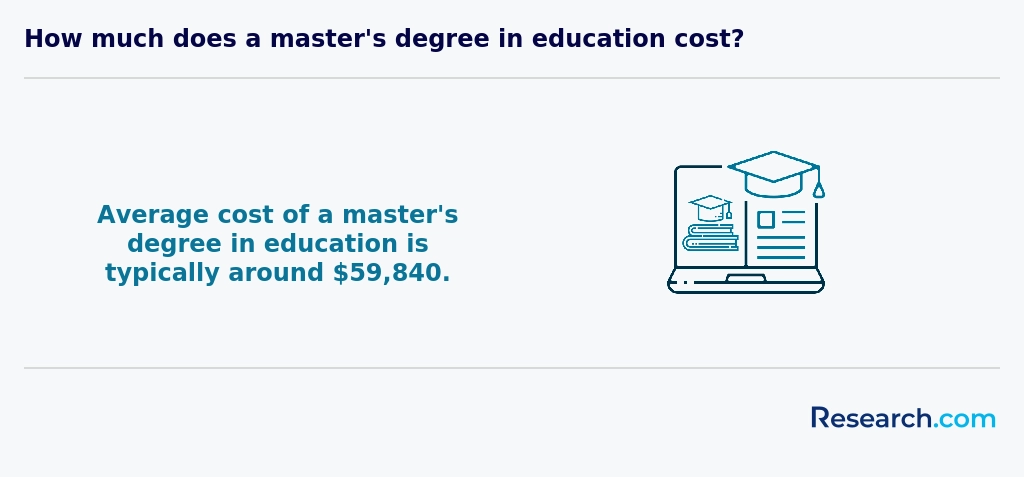
The average cost of an education degree in Lubbock provides an encouraging opportunity for students eager to invest in their future. With a median in-state total cost around $11,852, aspiring educators find a welcoming financial environment that supports their goals. Graduates from Texas Tech University, the region's flagship institution for education degrees, often share stories of balancing academic commitments while managing practical expenses, satisfied with the affordability compared to national averages.
For those seeking affordable education degree programs Lubbock TX offers community colleges and private institutions with even lower tuition rates. Many students appreciate how these options help reduce barriers, making higher education more accessible without sacrificing quality. The balance between tuition, fees, and living expenses in Lubbock creates a supportive setting for personal growth and professional development.
Books, supplies, and technology fees are typical additional costs, but diligent budgeting and local resources ease these concerns. Some students reflect positively on accessing scholarships and exploring transfer opportunities to further lighten financial load. Choosing to study locally in Lubbock not only fosters a sense of community but also opens doors to multiple pathways in education.
For those researching cost-effective education paths, it's worth considering Lubbock's educational landscape, which includes options like the affordable engineering school in Texas-a reminder of the city's commitment to providing quality and affordable learning opportunities across disciplines.

Advancing Your Career with a Master's in Education
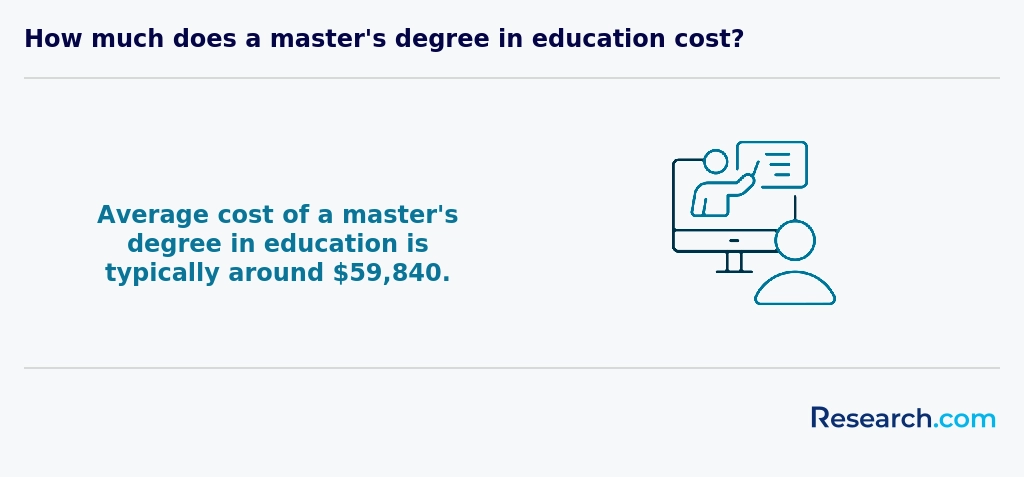
For those looking to build upon the foundation of an undergraduate education degree in Lubbock, exploring a master's program can be a pivotal next step. A graduate degree in education not only deepens your expertise in curriculum design, instructional leadership, and educational research but also opens up a broader range of professional opportunities and leadership roles. Many educators find that advanced studies provide access to specialized training, networking with experienced professionals, and enhanced earning potential. For instance, graduates with a master’s in education often transition into positions that command higher salaries and increased responsibilities. By investing in a master’s degree, you can set yourself apart in a competitive job market and enjoy access to jobs with masters in education that recognize your advanced skills and expertise. This journey not only offers personal and professional growth but also empowers you to contribute more significantly to the evolving landscape of education.
What financial aid is available to education degree students in Lubbock?
Students pursuing education degrees in Lubbock find a wealth of financial aid options that make their dreams more attainable. Many graduates recall how completing the FAFSA opened doors to federal Pell Grants, providing up to $7,395 annually without the worry of repayment. This support lightened their financial load, allowing them to focus on mastering teaching skills at institutions like Texas Tech University.
Others share inspiring stories of tapping into state grants such as the Texas Educational Opportunity Grant, which helped cover early coursework costs. Local scholarships from Lubbock school districts and community organizations often target passionate future educators dedicated to impacting local classrooms, creating a strong sense of community support that uplifts students throughout their journey.
Institutional scholarships offered by universities in Lubbock have empowered many to reduce tuition expenses, fueling their commitment to excel. Professional associations and employer tuition assistance also extend hope, especially for those already working in education. These combined resources transform challenges into stepping stones on the path to becoming influential educators in Lubbock's vibrant school systems.
Student Support Services and Career Placement
Lubbock’s education degree programs offer robust student support services designed to guide you from coursework to career success. From the moment you enroll, academic advisors work one-on-one to tailor your course plan, ensuring you meet certification requirements and graduation benchmarks. Campus libraries provide access to specialized education databases, while writing centers and tutoring labs reinforce instructional design skills, lesson planning, and research methodologies. Mental health and counseling services foster well-being, equipping future educators with the emotional resilience essential for classroom environments. Career placement offices in Lubbock partner with local school districts and educational nonprofits to facilitate internships, job shadowing, and practicum experiences. These hands-on opportunities not only build your resume but also expand your professional network within the region’s thriving education community. Workshops on resume building, interview preparation, and classroom management certification further enhance your marketability. Graduates typically report job placement within six months of degree completion, reflecting the strength of these institutional connections. For professionals considering an advanced degree, exploring cost-efficient doctoral pathways can further elevate career prospects. Be sure to review the Most Affordable Online Doctorate in Education Degree Programs Ranking in the Northeast to compare online doctorate options that complement Lubbock’s local support infrastructure. Whether you aim to lead curriculum development, direct special education programs, or shape policy at the district level, the combination of Lubbock’s comprehensive support services and strategic career placement initiatives will position you for lasting success in education.
What are the prerequisites for enrolling in education degree program in Lubbock?
To embark on an education degree journey in Lubbock, you'll find that meeting a few key prerequisites opens the door to an exciting future. Graduates from local institutions like Texas Tech University often recall how earning a high school diploma or GED was their first milestone, laying a strong foundation for success.
In Lubbock, aspiring educators are encouraged to demonstrate solid academic standing, typically with a GPA around 2.5 to 3.0. Many undergraduates remember preparing diligently for the SAT or ACT, which showcased their skills in essential subjects like English and math. Graduate hopefuls often share how submitting GRE scores or leveraging their practical experience helped them gain admission to advanced programs.
Beyond academics, prospective students embrace the journey of securing background clearances, letters of recommendation, and personal statements-each step reinforcing their passion and readiness to shape young minds. With supportive faculty and accessible tuition rates in Lubbock, these prerequisites become meaningful gateways to a fulfilling education career.
Alternative Affordable Education Paths in Lubbock, TX
For students seeking alternative paths to traditional education degrees, exploring affordable options can be a wise decision. One such option is pursuing an engineering degree, which can offer a unique blend of technical skills and problem-solving abilities. Those interested in engineering can find valuable information on the most affordable engineering schools in Texas by visiting affordable engineering school in Texas, providing insights into cost-effective ways to achieve their educational and career goals. This alternative path can lead to fulfilling careers in various fields, including mechanical engineering, electrical engineering, and more, offering a diverse range of opportunities for graduates to make a lasting impact in their chosen profession.
What courses are typically in education degree programs in Lubbock?
Studying education in Lubbock means diving into a vibrant curriculum designed to empower future teachers with the skills and confidence they need. At Texas Tech University, graduates recall how courses like Instructional Technology brought classrooms to life-teaching them to use digital tools that engage every student. Imagine mastering Child and Adolescent Development, where you learn to recognize each learner's unique growth journey, making every lesson feel personal and impactful.
Core classes such as Classroom Management and Curriculum Design and Assessment equip you to create welcoming, effective learning environments and evaluate student progress thoughtfully. The hands-on Student Teaching experience at local schools builds confidence, offering real-world practice that many find inspiring and transformational. Graduates consistently share how courses in Educational Psychology and Special Education deepen their understanding of motivation and inclusivity, shaping compassionate educators ready to make a difference in Lubbock's diverse classrooms.
What types of specializations are available in education degree programs in Lubbock?
Education degree specializations in Lubbock open doors to a variety of fulfilling teaching career options in Lubbock Texas. Graduates from universities here often share how the Elementary Education track deeply prepared them to create engaging lessons for young learners, blending core subjects with hands-on classroom management. Those passionate about inspiring older students find the Secondary Education specialization rewarding, with chances to focus on subjects like English or science while meeting Texas certification standards.
The Special Education pathway empowers future teachers to make a genuine difference by supporting students with unique learning needs. Local programs also embrace emerging fields such as ESL and Educational Technology, reflecting the city's commitment to diverse, modern classrooms. Many students from prominent Lubbock colleges feel excited pursuing these focused paths, confident they're prepared for vibrant careers. For those exploring jobs with masters in education, this foundation proves invaluable as they step into rewarding roles shaping the future.
How do you choose the best education degree in Lubbock?
Choosing the best education degree in Lubbock is an exciting journey that begins with focusing on accredited programs like those at Texas Tech University and Lubbock Christian University. Graduates often share how the solid accreditation boosted their confidence and opened doors to rewarding teaching careers across Texas. It's inspiring to see how these programs, recognized by the Texas Education Agency, combine strong faculty mentorship with personalized, smaller class sizes, making each student feel supported and valued.
Affordability is key, and with many affordable education degree programs in Lubbock, students find options fitting their budgets, with average annual costs around $11,000 for in-state tuition. Beyond tuition, it's important to explore scholarships or financial aid to create a manageable plan. Programs specializing in areas like special education or ESL help students align their passions with career goals, as seen in successful local alumni stories.
When navigating your path, consider programs that emphasize hands-on practicum and a strong connection to local schools. Checking out the Most Affordable Online Doctorate in Education Degree Programs Ranking in the Northeast can also provide additional insight to help balance cost and quality, ensuring your decision is both smart and inspiring.
What career paths are available for education degree students in Lubbock?
Graduates with an education degree in Lubbock find a rich variety of career paths that inspire and empower. Many step confidently into teaching jobs for education graduates Lubbock, joining local schools to make a meaningful impact in classrooms from elementary through high school. These educators share stories of rewarding days shaping young minds and fostering curiosity.
Others use their degrees to become school counselors, special education teachers, or instructional coordinators, filling vital roles that enrich student experiences and improve educational quality. Educational administrators thrive managing schools' operations with dedication, while adult education instructors bring life-changing skills to community members. The diversity in career options highlights how education degree career options in Lubbock extend well beyond the classroom, opening doors to nonprofit work, policy, and innovative education technology companies.
Many graduates from Texas Tech University praise its strong curriculum and affordable tuition, which make pursuing their passion both attainable and practical. Those exploring additional routes often discover valuable opportunities through programs like what certificate programs make the most money, boosting their career potential further.
What is the job market for education degree in Lubbock?
The job market for education degree holders in Lubbock offers promising opportunities thanks to the city's expanding population and strong school systems. Graduates often find rewarding roles in local elementary and secondary schools, special education, and curriculum development, supported by multiple districts such as the Lubbock Independent School District. Many graduates from Texas Tech University share inspiring experiences of how their teacher preparation programs helped them secure meaningful positions in classrooms that truly need passionate educators. This positive outlook makes the education degree job opportunities in Lubbock especially encouraging for new teachers ready to make a difference.
Teaching careers outlook Lubbock Texas remains bright, with particular demand for STEM and early childhood educators. Salaries are competitive within the region, ensuring a stable start with room for growth. For those exploring further academic pursuits, affordable tuition at local universities combined with scholarships makes obtaining an easiest master's degree a realistic and exciting step. Residents pursuing education careers here often feel supported by a community eager to invest in its future educators.
Frequently Asked Questions About education
Education degree students in Lubbock can maximize their learning experience by engaging actively in both academic and practical opportunities. Texas Tech University, a prominent institution in Lubbock, offers various hands-on teaching internships that are essential for applying theory to real classroom settings. According to the Texas Higher Education Coordinating Board, students who participate in internships and student teaching placements tend to have higher certification exam pass rates.
Additionally, joining education-focused student organizations provides peer support and networking. Utilizing campus resources, such as tutoring centers and academic advising, helps students stay on track and address challenges early. Staying informed about local school district policies and trends also strengthens readiness for teaching in Lubbock's diverse educational environments.
Emerging niches within the education field in Lubbock reflect broader trends seen across the US, focusing on technology integration and specialized support. One key area is educational technology, where expertise in digital tools and online learning platforms is increasingly valuable. Texas Tech University's College of Education has expanded coursework addressing these skills, responding to rising demand.
Another rapidly growing niche is special education, particularly addressing diverse learner needs and inclusive classroom practices. According to the Texas Education Agency, demand for qualified special education teachers in Lubbock ISD continues to rise.
Additionally, bilingual education roles are expanding due to Lubbock's growing Hispanic population. Fluency in Spanish and culturally responsive teaching methods are in higher demand. These niches offer promising career paths for education graduates in the region.
Graduates with education degrees in Lubbock can enhance their job market readiness by gaining practical experience through student teaching placements, which are often part of university programs like those at Texas Tech University. This hands-on experience is valued by local school districts. Networking is critical; attending job fairs and joining organizations such as the Lubbock Area Educational Partnership can connect candidates with potential employers.
Understanding Texas certification requirements is essential. The Texas Education Agency's standards must be met to become licensed, affecting employability. Additionally, leveraging resources from the Texas Workforce Commission can provide data on teaching job trends in the Lubbock area, where demand continues to grow, especially for special education and STEM educators.
Employers in Lubbock highly value education degree graduates who demonstrate strong communication skills. Effective verbal and written communication is essential for engaging students, parents, and colleagues. According to the Texas Education Agency, clear communication remains a top priority for local school districts.
Classroom management abilities are also critical. Graduates must show they can maintain a positive learning environment and handle diverse student needs effectively. The Lubbock Independent School District highlights classroom management as a core competency during hiring.
Additionally, employers seek candidates with adaptability and technological proficiency. With increasing use of digital tools in education, familiarity with online learning platforms is important. Lubbock Tech Today reports that 67% of local schools have expanded their digital instruction methods since 2022.
Problem-solving and collaboration skills round out the top traits valued by Lubbock employers in education graduates.
Finding internships relevant to an education degree in Lubbock involves several strategic steps. Texas Tech University, the largest local institution, often partners with nearby school districts like Lubbock ISD to offer education students practical classroom experiences. Students can explore official university career centers, which list verified internships connected to education careers.
Additionally, the Texas Education Agency (TEA) provides guidelines and resources for aspiring teachers seeking fieldwork and internship opportunities across Texas, including Lubbock.
Local nonprofits and after-school programs also seek interns, offering diverse educational settings beyond traditional classrooms. Networking events and education job fairs hosted annually in Lubbock further connect students with potential internship providers.
Regularly checking platforms like Handshake, where Texas Tech students access internships, can increase chances of finding tailored opportunities.
Obtaining an education degree in Lubbock significantly enhances career mobility and professional advancement within the local job market. According to the Texas Workforce Commission, the demand for qualified educators in Lubbock ISD and neighboring districts is steadily growing, especially for certified teachers and administrators. Individuals with a bachelor's or master's degree in education often qualify for higher-paying positions, including specialized roles in curriculum development and educational leadership.
The Texas Education Agency reports that teachers with advanced degrees in Texas earn on average 10-15% higher salaries compared to those with only a bachelor's degree. Additionally, holding an education degree enables access to licensure and certifications required for career progression in public and private schools throughout the region. This credential also facilitates transitions into related fields such as counseling and educational technology, broadening employment opportunities in Lubbock's evolving education sector.
Studying for an education degree in Lubbock offers a strong foundation for interdisciplinary roles by emphasizing collaboration across various academic fields. Institutions such as Texas Tech University provide programs that integrate coursework in psychology, sociology, and leadership, preparing students to address diverse classroom challenges.
The curriculum often includes practical experience in local schools, encouraging students to apply theory in real-world settings. This approach helps future educators work effectively with professionals from health, social services, and technology sectors.
According to the Texas Higher Education Coordinating Board, Lubbock's education programs maintain a strong focus on flexible skill sets, which aligns with national trends in interdisciplinary education careers.
When choosing between a thesis and a non-thesis education degree program in Lubbock, students should consider their career goals and learning preferences. Thesis programs typically require original research and a formal written document, preparing students for roles in academia or advanced research positions.
Non-thesis programs focus more on coursework and practical application, ideal for those aiming to enter or advance in teaching or administrative roles without a focus on research. Texas Tech University in Lubbock offers both options, with many students selecting non-thesis tracks for faster completion and applied skills development.
Cost and time commitment can also influence the decision; thesis programs often take longer and may require close faculty mentorship. Checking program specifics and speaking with advisors is recommended.
Students in Lubbock seeking education degrees with an international perspective have several options through study abroad programs offered by local universities. Texas Tech University, a major institution there, provides partnerships and exchange opportunities with universities across Europe, Asia, and Latin America. These programs allow students to earn credits toward their education degrees while gaining valuable global teaching experience.
In addition, Lubbock students can explore summer or semester abroad initiatives focusing on education theory and practice, often integrating cultural immersion. The Institute of International Education notes that about 1.5 million U.S. students study abroad annually, with many education majors participating to enhance their instructional skills.
Financial aid and scholarships are often available to support these experiences, helping Lubbock students reduce costs while expanding their academic horizons.
In Lubbock, part-time jobs that align with education degrees can enhance both practical experience and career readiness. Common roles include teacher assistants, tutoring services, and library aides, which provide direct interaction with students and classroom settings.
Schools and educational centers in Lubbock often seek part-time support staff, offering valuable insight into U.S. educational practices. For instance, teacher assistants earn around $10 to $13 per hour, adding relevant experience to resumes.
Local organizations such as Lubbock Independent School District and Texas Tech University sometimes provide openings for student workers, focusing on early childhood education or special needs support.
Additionally, tutoring jobs are in high demand, especially in subjects like math and reading, which complement education degree curricula by reinforcing teaching skills.
Education students in Lubbock benefit from a range of networking opportunities that connect them with local schools and educational organizations. Texas Tech University, the largest institution in the city, hosts frequent career fairs and professional events specifically for education majors. These events attract school district representatives from the Llano Estacado region, fostering job connections and internships.
Additionally, organizations like the Lubbock Independent School District collaborate with universities to offer student teaching placements and mentorship programs. This hands-on experience helps future educators build relationships with practicing teachers and administrators.
Local chapters of national associations, such as the Texas Classroom Teachers Association, also provide networking and professional development opportunities. According to recent reports, over 70% of education students in Lubbock engage in at least one professional organization during their studies, enhancing their employment prospects.
Alumni networks offer significant benefits to education degree students in Lubbock by providing valuable connections within the local education community. Graduates from institutions like Texas Tech University form active networks that facilitate mentorship and career advice. According to the Texas Tech Alumni Association, over 30,000 members support new educators entering the workforce in Lubbock and the surrounding region.
These networks often share internship opportunities and job openings specific to Lubbock-area schools. Networking events and workshops hosted by alumni associations enhance professional development. Research by the National Center for Education Statistics shows that strong alumni connections can increase job placement rates for education graduates by up to 20% nationally, a trend reflected in Lubbock's community.
Customizing an education degree program in Lubbock allows you to align your studies with specific career goals. Many local institutions, including Texas Tech University, offer flexible degree tracks and elective courses tailored to roles such as curriculum design, special education, or administration. You can often select concentrations or minors that complement your primary field, enhancing your qualifications.
Additionally, opportunities for internships and practicum experiences in Lubbock schools help apply theory to practice while building professional networks. Some programs offer online or evening classes for working professionals seeking advancement.
Consulting academic advisors early in your studies is essential to ensure your course selections meet certification and licensure requirements specific to Texas education standards.
Education students in Lubbock often face several challenges tied to both academic and practical experiences. One primary hurdle is balancing rigorous coursework with required field placements in local schools. Many students report stress managing time between classes, teaching practicums, and sometimes part-time work. According to recent Texas Tech University data, approximately 30% of education majors find securing high-quality practicum sites challenging due to high demand in Lubbock's school districts.
Financial concerns also affect students, as tuition and living expenses in Lubbock can be substantial, with average in-state tuition around $10,000 per year. Additionally, adapting to diverse classrooms with varying student needs is often difficult for trainees, requiring strong cultural competence and flexibility.
With an education degree in Lubbock, you can pursue several professional certifications that enhance your qualifications and career prospects. The most common certification is the Texas Teaching Certification, required for public school teachers in the state. This credential authorizes you to teach specific grade levels or subjects after passing exams through the Texas Education Agency.
Other certifications include Special Education Certification and ESL (English as a Second Language) Certification, which address growing needs within Texas schools. Additionally, instructional coaching and administrative certifications are options for advanced career tracks. According to Texas Higher Education Coordinating Board data, nearly 60% of education graduates in Lubbock pursue at least one specialized certification.
Writing a winning application for an education program in Lubbock requires careful attention to detail and clear communication of your goals. Start by researching local institutions such as Texas Tech University, which offers several accredited education degrees. Highlight your academic achievements, relevant experience, and passion for teaching in your personal statement.
Include specific examples that demonstrate your leadership, problem-solving skills, and commitment to student success. Tailor each application to the program's focus, whether it's elementary, secondary, or special education, and clearly state why you want to study in Lubbock.
Check all application deadlines and prepare strong letters of recommendation, ideally from educators familiar with your capabilities. According to the Texas Higher Education Coordinating Board, programs in Lubbock maintain competitive admission standards, so presenting a focused and well-organized application is essential.
Education careers in the United States, including Lubbock, are viewed through a global lens emphasizing adaptability and cultural competence. Teachers increasingly engage with diverse student populations and international standards, reflecting broad global trends. According to the National Center for Education Statistics, U.S. educators often participate in exchange programs and collaborative research, which enrich professional skills and worldwide outlooks.
In Lubbock, Texas Tech University offers programs that incorporate global awareness and policy studies, preparing graduates for challenges beyond traditional classroom roles. The demand for educators with a global perspective is growing as schools focus on preparing students for a connected world.
Understanding global education policies enhances career prospects by fostering skills relevant to international curricula and educational technologies. This is crucial for Lubbock students planning to work in diverse settings or pursue advanced studies.
Gaining practical experience while pursuing an education degree in Lubbock is key to developing teaching skills. Many programs at Texas Tech University, the largest institution in Lubbock, offer supervised student teaching placements in local schools. These placements provide hands-on classroom experience under the guidance of certified teachers.
Additionally, students can engage in internships or tutoring opportunities with Lubbock Independent School District (LISD), which collaborates closely with universities. According to LISD, more than 1,500 education students participate annually in such experiential learning roles.
Volunteering in after-school programs or working as teacher aides also boosts practical knowledge, helping students apply theory to real-world settings.
Choosing the right concentration within an education degree program in Lubbock involves several important considerations. Begin by evaluating your career goals and the age group you prefer to teach, such as elementary, secondary, or special education. Texas Tech University, the primary institution offering education degrees in Lubbock, provides specialized tracks aligned with state certification requirements.
Research local employment trends; for example, Texas Workforce Commission data shows increased demand for STEM and bilingual educators in the Lubbock area. Accreditation status and program reputation are also crucial-ensure your chosen concentration meets Texas Education Agency standards for licensure.
Finally, consult academic advisors and current students at Lubbock institutions to gather insights on course content and practical experiences offered within different concentrations.
Related Education Rankings for Nearby Cities
- 2027 Most Affordable Education Degree Programs Ranking in Abilene
- 2027 Most Affordable Education Degree Programs Ranking in Austin
- 2027 Most Affordable Education Degree Programs Ranking in San Antonio
- 2027 Most Affordable Education Degree Programs Ranking in Wichita
- 2027 Most Affordable Education Degree Programs Ranking in Colorado Springs
- 2027 Most Affordable Education Degree Programs Ranking in Denver
- 2027 Most Affordable Education Degree Programs Ranking in Houston
- 2027 Most Affordable Education Degree Programs Ranking in Kansas City
- 2027 Most Affordable Education Degree Programs Ranking in Lincoln
- 2027 Most Affordable Education Degree Programs Ranking in Phoenix
Top Trending Education Rankings
See What Experts Have To Say About Studying Education
Read our interview with Education experts


Nooshan Ashtari
Education Expert
Professor & Book Author
University of Southern California

References
- What else can I do with an education or teaching degree? https://targetjobs.co.uk/careers-advice/career-ideas/what-else-can-i-do-education-or-teaching-degree
- Education Study Abroad Programs | Go Overseas https://www.gooverseas.com/study-abroad/education
- Education Degree Entry Requirements https://universitycompare.com/advice/student/education-degree-entry-requirements
- Promising Niches in the Global EdTech Landscape - Blog https://rocketech.it/blog/post/global-edtech-landscape-what-niches-are-the-most-promising
- The 8 challenges of education in a changing world https://casvitrescantos.com/en/the-8-challenges-of-education-in-a-changing-world/
- Education Technology Trends to Watch in 2065: 10 Innovations Shaping the Future of Learning https://www.digitallearninginstitute.com/blog/education-technology-trends-to-watch-in-2026
- Networking Tips and Advice for Students https://schoolshouldbe.com/post/networking-tips-and-advice-for-students/
- Funding Opportunities https://lcu.edu/ctls/funding-opportunities
- Teacher of Global Perspectives (IGCSE) https://www.scie.com.cn/jobs-global-perspectives/
- Get the skills employers want | Study UK https://study-uk.britishcouncil.org/why-study/succeed-your-career/get-skills-employers-want


