
2027 Most Affordable Education Degree Programs Ranking in Michigan

Co-Founder and Chief Data Scientist
Choosing the right education degree program can feel overwhelming, especially with so many options available in Michigan. This article introduces the 2027 Most Affordable Education Degree Programs Ranking in Michigan, carefully developed by the Research.com team of data scientists.
Our goal is to help you make an informed decision by highlighting affordable and high-quality programs worth considering. Pursuing an education degree opens doors to rewarding careers and personal growth. Reading this ranking will give you confidence in finding a program that fits both your goals and budget.
Key benefits of getting education degree in Michigan
- Education degree graduates in Michigan can expect competitive salaries, such as $76,000 for special education teachers and $77,200 for instructional designers, offering financial stability and rewarding career options.
- Graduates from Michigan State University often explore diverse career paths, including roles like early childhood educator and ESL teacher, providing opportunities to impact different learner groups positively.
- Completing an education degree online at the University of Michigan-Flint allows flexibility and balance, helping students gain credentials while managing personal and work commitments effectively.
- Key benefits of getting education degree in Michigan
- What can I expect from education degree in Michigan?
- Where can I work with education degree in Michigan?
- How much can I make with education degree in Michigan?
- 2027 Most Affordable Education Degree Programs Ranking in Michigan
- Key Findings
- How long does it take to complete education degree in Michigan?
- Certification and Licensure Requirements for Michigan Education Graduates
- What's the difference between online and on-campus education degree?
- Return on Investment for Michigan Education Degrees
- What is the average cost of education degree in Michigan?
- Future Trends and Innovations in Education
- What financial aid is available to education degree students in Michigan?
- Return on Investment: Balancing Cost and Career Earnings
- What are the prerequisites for enrolling in education degree program in Michigan?
- Finding the Right Education Program in Michigan
- What courses are typically in education degree programs in Michigan?
- What types of specializations are available in education degree programs in Michigan?
- How do you choose the best education degree in Michigan?
- What career paths are available for education degree students in Michigan?
- What is the job market for education degree in Michigan?
- Related Education Rankings for Nearby States
- Top Trending Education Rankings
- See What Experts Have To Say About Studying Education
What can I expect from education degree in Michigan?
Education degree students in Michigan generally face annual undergraduate tuition costs ranging from about $15,000 to $17,000 at public universities, which many graduates find manageable given the quality of education and support offered. For example, those attending large state universities benefit from in-state tuition rates that keep costs reasonable while accessing extensive practicum placements in local schools, providing vital hands-on experience. Community colleges or regional universities often provide even more affordable pathways, especially for students beginning with associate degrees or education prerequisites.
Graduates frequently share how scholarship opportunities, particularly for fields like special education or STEM, helped ease financial concerns. These scholarships are often tied to current teacher shortages, offering a practical way to reduce debt while pursuing a meaningful career. By choosing programs that balance cost and quality, students feel confident investing in their futures while gaining valuable classroom experience under expert mentorship.
Overall, keeping tuition and financial assistance in mind allows Michigan education students to plan effectively and focus on their passion for teaching.
Where can I work with education degree in Michigan?
With an education degree in Michigan, you can find rewarding roles in public and private K-12 schools as a classroom teacher, where graduates from universities like the University of Michigan often start their careers. These roles meet high demand due to the state's 1.5 million public school students, offering steady employment in diverse subjects including special education and STEM.
Graduates also pursue advanced certifications to become school administrators such as principals or curriculum coordinators, applying their foundational knowledge to leadership positions in districts familiar with Michigan's local policies. Those passionate about early childhood education often join centers supported by state grants, creating meaningful impact with young learners, a path popular among Eastern Michigan University alumni.
For graduates seeking variety, colleges and universities offer opportunities as academic advisors or student affairs coordinators, while education nonprofits and government agencies hire program coordinators focused on literacy and technology in schools. These hands-on roles let you contribute directly to improving Michigan's education system in dynamic ways.
How much can I make with education degree in Michigan?
Graduates with an education degree in Michigan can expect competitive salaries aligned with their specific roles. For instance, elementary school teachers earn a mean annual wage of about $70,740, which reflects the positive outcomes reported by many education graduates from institutions like the University of Michigan or Michigan State University.
Special education teachers often see even higher earnings, averaging $76,000 annually, thanks to the demand for their specialized skills. These roles offer not only financial stability but also the rewarding experience of making meaningful impacts in diverse classrooms.
Graduates working as English as a Second Language (ESL) teachers typically earn around $65,430 per year, which opens doors to communities with a growing need for language education, such as Detroit or Grand Rapids.
Early childhood educators start with a mean salary near $41,410, which is an accessible pathway for those passionate about shaping young minds. Meanwhile, instructional designers-often hired by universities and educational organizations in Michigan-can earn about $77,200 annually, blending creativity with education expertise.
Real-life graduates from Michigan colleges share that focusing on gaining relevant certifications and practical experience through local school districts enhances their prospects and salary growth opportunities.
2027 Most Affordable Education Degree Programs Ranking in Michigan
How do we rank schools?
Investing in your education is a significant decision that can shape your future, and the Research.com team understands the importance of making informed choices. To assist prospective students in Michigan, we have meticulously crafted the "2027 Most Affordable Education Degree Programs Ranking in Michigan." Our commitment to quality, credibility, and accuracy is reflected in the extensive research and analysis conducted to compile this ranking.
We utilized the following reputable data sources to ensure a comprehensive evaluation of education degree programs:
By exploring this ranking, readers will gain valuable insights into the most affordable education degree programs in Michigan, enabling them to make well-informed decisions about their educational investments. For more information on how this ranking was developed, please visit our Research.com methodology page.

# 4 position
Bay Mills Community College
Bachelor of Arts in Education


Key Findings
- Education degrees in Michigan prepare students for careers in teaching, administration, and counseling within the state's school systems.
- Tuition for a bachelor's degree in education at public universities ranges from $13,000 to $16,000 per year for in-state students, while private colleges often charge over $30,000 annually.
- Community colleges offer associate degrees or transfer pathways with tuition costs typically under $5,000 per year for in-state students.
- Starting salaries for education graduates in Michigan range from $40,000 to $45,000 per year, increasing to $50,000-$65,000 after about 10 years of experience.
- There is a steady demand for teachers in Michigan, especially in special education, mathematics, and science, with ongoing job opportunities due to retirements and population changes.
How long does it take to complete education degree in Michigan?
Completing an education degree in Michigan typically takes four years for undergraduate programs like a Bachelor of Arts or Science in Education. Graduates from universities such as Michigan State University and the University of Michigan often reflect on a well-paced journey combining general education, specialized classes, and essential student teaching experiences that prepare them for certification.
For those pursuing a Master of Education, the timeline usually ranges from one to two years. Many find part-time or accelerated options helpful, especially if balancing work and family commitments. This flexibility allows busy professionals in Michigan to advance their careers without pausing their lives.
Doctoral degrees in education can require three to six years, influenced by factors such as dissertation research and residency. Many Michigan students appreciate programs designed for working educators aspiring to leadership roles, valuing the program's adaptability and targeted support.
Leveraging transfer credits, enrolling in summer or online courses, and meeting state-required teaching weeks can all shorten or smooth this timeline, making the experience both manageable and rewarding.
Certification and Licensure Requirements for Michigan Education Graduates
After completing an education degree in Michigan, graduates must obtain state licensure to teach in public schools. The Michigan Department of Education (MDE) oversees certification through the Michigan Test for Teacher Certification (MTTC) series, which assesses both subject-area knowledge and professional pedagogy. Key steps include: 1. Pass Required Examinations - Subject-Area MTTC: Candidates must demonstrate mastery in their teaching field (e.g., Elementary Education, Special Education, ESL). - Professional Readiness MTTC: This exam evaluates teaching methods, classroom management, and ethical practices. 2. Complete a MDE-Approved Educator Preparation Program - Ensure your program is nationally accredited (NCATE/CAEP) and recognized by the MDE. Graduates from our ranked affordable programs benefit from targeted MTTC prep modules embedded in the curriculum. 3. Apply for Provisional or Professional Educator Certificate - Submit official transcripts, test score reports, and verification of program completion via the MDE e-Signature Portfolio. - Undergo a criminal background check and fingerprinting. 4. Satisfy Induction and Continuing Education Requirements - New teachers follow an induction plan with mentoring support. - Maintain certification through ongoing professional development and credit hours, as specified by the MDE. For candidates seeking alternative pathways or online preparation, many Michigan programs partner with neighboring states. Prospective master’s candidates may also explore the Inexpensive Online Master's in Education Degree Programs Ranking in Indiana to compare licensure support services and affordability. Successful completion of these requirements ensures eligibility for a standard teaching certificate and positions graduates for a rewarding career in Michigan’s diverse educational landscape.
What's the difference between online and on-campus education degree?
Choosing between online and on-campus education degrees in Michigan often comes down to lifestyle and learning preferences. Graduates from Michigan State University's on-campus programs recall the value of hands-on teaching practice in local schools, which helped them build strong connections with mentors and classmates. This face-to-face interaction creates a structured, engaging environment that many find motivating.
Conversely, education students enrolled online at institutions like Western Michigan University appreciate the flexibility to study from home, balancing coursework with work and family. These programs use digital platforms tailored for busy adults, allowing learners in rural Michigan areas to avoid lengthy commutes. Many online students complete their student teaching locally, ensuring their degree meets Michigan licensing requirements while providing practical experience.
Cost is also a key difference. On-campus programs often involve extra expenses like housing and transport, while online degrees generally offer lower tuition and fewer additional costs, making them attractive for budget-conscious students. Reflecting on these factors helps Michigan students choose a path that fits their unique situation and goals.
Return on Investment for Michigan Education Degrees
When assessing affordability, it’s critical to examine the return on investment (ROI) of education degrees in Michigan. On average, graduates accumulate $28,000 in student loan debt for a bachelor’s degree, yet enter the workforce with starting salaries around $42,000. By comparing total cost of attendance-including tuition, fees, and living expenses-to lifetime earnings, prospective students can estimate a payback period of approximately 6–7 years. This timeframe is competitive within the education sector, particularly when contrasted with other fields that often require 8–10 years to recoup educational expenses. Key factors influencing ROI include: • Average Debt-to-Earnings Ratio: With a mean annual salary of $63,130 for ESL teachers and $73,080 for instructional designers, Michigan graduates typically achieve a debt-to-earnings ratio below 1.0, indicating that their earnings sufficiently cover loan obligations within the expected payback period. • Career Advancement and Salary Growth: Within five years of graduation, many educators advance into roles such as instructional coordinators or department heads, where median salaries exceed $75,000, further accelerating ROI. • Part-Time Work and Graduate Credentials: Completing a master’s degree while teaching can boost earnings by 20–30%. Prospective master’s students can also explore alternatives like the Inexpensive Online Master's in Education Degree Programs Ranking in Indiana to benchmark program ROI across states and identify cost-effective pathways. By quantifying both upfront investment and long-term earnings potential, Michigan’s education programs demonstrate strong ROI, making them an attractive choice for budget-conscious students seeking meaningful careers in teaching and educational leadership.
What is the average cost of education degree in Michigan?
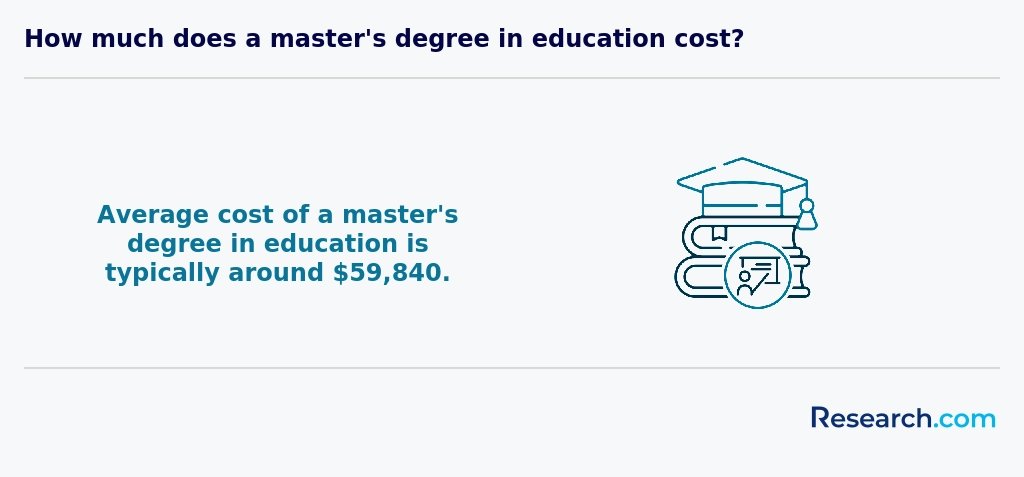
The average cost of a education degree in Michigan typically centers around $16,349 for in-state students, making public universities like Eastern Michigan University and Western Michigan University attractive choices for residents aiming to keep expenses manageable. Graduates often recall balancing coursework with part-time jobs to handle tuition alongside living costs, which can make this investment feel rewarding rather than overwhelming. For out-of-state students, costs can rise substantially, often reaching above $44,000, reflecting higher tuition fees combined with additional expenses.
Many students pursuing affordable education degree tuition fees Michigan have found that understanding the breakdown of expenses helps them plan better. Beyond tuition, expect to budget for books, supplies, and living costs, which can add up to thousands of dollars yearly. Room and board, transportation, and personal expenses together often total about $15,000 annually, which graduates say plays a big role in their overall financial planning and lifestyle choices during their studies.
There are strong incentives to explore financial aid and scholarships targeted at education majors. State grants and university-specific scholarships frequently help reduce costs and ease the pathway to becoming a qualified educator. Those interested in more flexible options may want to review the most affordable online education schools in Michigan, where many have successfully combined work and study without compromising quality.
Ultimately, the average cost of education degree programs in Michigan reflects a balance of accessible public tuition rates and manageable living costs, supported by opportunities for financial aid, making it a viable path for many aspiring teachers in the state.

Future Trends and Innovations in Education
As the landscape of education continues to evolve, staying ahead of emerging trends is crucial for both current and prospective educators. In addition to the comprehensive breakdown of affordable programs, understanding shifts such as digital transformation, personalized learning, and hybrid education models can better prepare future professionals for a dynamic teaching environment. Recent developments indicate a growing integration of advanced technology in classrooms, which enhances student engagement and facilitates more tailored instructional methods. Moreover, institutions are increasingly emphasizing interdisciplinary studies and career-flexible skills, enabling graduates to adapt to rapidly changing educational demands. Aspiring educators are encouraged to explore additional pathways of specialization, such as pursuing advanced online degrees. For instance, learning more about programs like https://research.com/degrees/most-affordable-online-masters-degrees-in-library-science can provide broader perspectives on how digital skills intersect with traditional teaching methods. Keeping abreast of these trends not only informs curricular choices but also ensures that educators remain competitive and equipped to meet the future challenges of the educational sector.
What financial aid is available to education degree students in Michigan?
Students pursuing education degrees in Michigan can significantly ease their financial burden through a mix of federal, state, and institutional aid. For example, those attending the University of Michigan or Michigan State University often utilize Pell Grants, which cover up to $7,395 annually without needing repayment, providing a crucial foundation for funding their studies.
Federal Direct Subsidized and Unsubsidized Loans offer flexible borrowing options with limits between $5,500 and $7,500 yearly, helping cover tuition and living expenses. Many students share how these loans allowed them to focus on their coursework rather than immediate finances.
State aid like the Michigan Tuition Grant benefits in-state students at private colleges such as Oakland University, granting up to $2,750 yearly. Teacher candidates also tap into scholarships from the Michigan Education Association or access the TEACH Grant offering up to $4,000 per year, rewarding their commitment to teaching in underserved areas.
Work-study programs and loan forgiveness plans further support education students, with graduates often describing these as game-changers in managing debt while gaining valuable classroom experience.
Return on Investment: Balancing Cost and Career Earnings
When evaluating the true affordability of an education degree in Michigan, it’s essential to consider both upfront costs and long-term earnings potential. On average, in-state students pay approximately $9,750 per year in tuition at public four-year universities, leading to a total tuition investment of about $39,000 over four years. However, when factoring in room, board, and fees, the total cost of attendance can rise to roughly $27,146 per year, or $108,584 for a bachelor’s degree program. In contrast, instructional designers and ESL teachers in Michigan command mean annual wages of $73,080 and $63,130 respectively, suggesting that graduates can recoup their educational investment within five to seven years of full-time employment. Moreover, comparing earning trajectories across different institutions can highlight which programs deliver the strongest return on investment. Graduates from Michigan State University report median starting salaries around $52,000, while alumni of private nonprofit programs often begin with salaries closer to $58,000. Factoring in average student loan repayment periods, graduates from lower-cost community colleges who transfer into four-year programs may achieve full payback several years faster. Prospective students seeking additional context on affordable pathways can also explore the Inexpensive Online Master's in Education Degree Programs Ranking in Indiana for insights into cost-effective master’s options. Ultimately, a holistic ROI analysis weighs not only annual tuition and fees but also career progression, job stability, and potential for salary growth. By mapping out salary benchmarks against program costs and projected debt repayment schedules, students can identify which Michigan education degree programs offer the optimal balance of affordability and lifetime earnings.
What are the prerequisites for enrolling in education degree program in Michigan?
To enroll in an education degree program in Michigan, you need a high school diploma or GED for undergraduate entry, along with a minimum GPA around 2.5, as many students at Central Michigan University and Western Michigan University have experienced. Some institutions still require SAT or ACT scores, but test-optional policies have helped applicants showcase other strengths like volunteer work or leadership. Graduate programs, common at the University of Michigan, expect a bachelor's degree in education or a related field and usually a GPA of 3.0 or higher.
Aside from academics, practical components are essential. Graduates recall completing background checks required by Michigan law to work with children, and many passed the MTTC Basic Skills test early in their programs. Hands-on experience, whether through internships or volunteering in local schools around Michigan State University or Oakland University, gives students confidence and a real taste of teaching life, making the prerequisites feel less daunting and more achievable.
Finding the Right Education Program in Michigan
To find the most suitable education program in Michigan, prospective students should consider several factors, including affordability, program specialization, and accreditation. Researching these aspects can help students make informed decisions about their academic futures. For instance, students interested in affordable options can explore the most affordable online education schools in Michigan, which offer flexible and economical pathways to achieving an education degree. By weighing factors such as program length, curriculum, and career outcomes, students can identify the education program that best aligns with their goals and financial situation, ensuring a successful and fulfilling academic journey.
What courses are typically in education degree programs in Michigan?
Education degree programs in Michigan consistently include core courses essential for becoming a confident and effective teacher. Graduates from well-known institutions like the University of Michigan and Michigan State University often mention how courses in Educational Psychology helped them understand student behavior and development firsthand, making classroom challenges easier to navigate.
Classes in Curriculum Development teach you to design lesson plans that engage diverse learners, something graduates find rewarding when they see students grasp complex concepts. Classroom Management courses provide practical strategies for keeping a positive learning environment, a skill alumni credit for boosting their classroom confidence on day one.
Programs also emphasize Instructional Technology, training you to integrate digital tools that make lessons modern and interactive-an advantage many graduates find energizing. Assessment and Evaluation courses help measure student progress effectively, preparing you to adjust teaching methods as needed.
Hands-on experience through student teaching in local Michigan schools ties it all together, allowing you to apply these lessons in real classrooms. This practical training is vital to earning your Michigan Professional Educator Certificate and entering your teaching career with enthusiasm and readiness.
What types of specializations are available in education degree programs in Michigan?
Education degree specializations in Michigan typically include Elementary Education, geared toward those eager to teach kindergarten through sixth grade. Graduates often share how this focus helped them confidently manage diverse classrooms by mastering core subjects like reading and math at universities such as the University of Michigan and Michigan State University.
Secondary Education is another popular option, with students specializing in subjects like English Language Arts, Mathematics, Science, or Foreign Languages. These specializations prepare candidates for middle or high school teaching roles, equipping them with targeted expertise valued by local school districts across Michigan.
Many programs also emphasize special education, addressing the unique needs of students with disabilities. Graduates from well-known institutions appreciate how this specialization provided practical strategies for individualized instruction and behavior management, aligning well with teaching program options Michigan students often seek.
Other paths include Early Childhood Education and fields such as Educational Leadership and Curriculum and Instruction. Those interested can explore flexible online options too, like in https://research.com/degrees/most-affordable-online-masters-degrees-in-library-science, which help balance study and life demands effectively.
How do you choose the best education degree in Michigan?
When choosing the best affordable education degree programs in Michigan, prioritize attending a CAEP-accredited program to ensure your degree meets state licensure requirements. Graduates from well-known institutions like Western Michigan University often highlight how accreditation helped them confidently pass the Michigan Test for Teacher Certification (MTTC) and secure teaching positions quickly.
Consider the balance between cost and quality. Public universities offer more affordable in-state tuition, averaging around $14,000 yearly, while private institutions usually charge more. Many students successfully leverage Michigan-specific scholarships and financial aid to manage expenses without sacrificing the value of their degree. Exploring options such as part-time or online pathways can add flexibility for working adults.
Align your educational goals with the degree type and specialization offered. Some graduates from Eastern Michigan University emphasize how choosing a program with clear connections to local school districts boosted their employment prospects. For a practical resource on budget-friendly options, see the Inexpensive Online Master's in Education Degree Programs Ranking in Indiana.
What career paths are available for education degree students in Michigan?
Graduates with an education degree in Michigan find diverse career paths that go beyond classroom teaching. Many choose to become licensed teachers in public or private schools, specializing in elementary, secondary, special education, or early childhood education. This pathway is well supported by Michigan's emphasis on educational development, making teaching job opportunities Michigan promising and stable through 2030. Graduates from popular institutions often share how the hands-on training during their programs gave them confidence moving into their first classroom roles.
Others explore education administration, aiming for roles like school principal or instructional coordinator. These positions require graduate-level education or experience but allow professionals to influence school policies and curricula, blending leadership with educational expertise. Many graduates from Michigan colleges find this path rewarding as it combines their passion for education with opportunities to innovate at the organizational level.
For a more personalized impact, some education graduates pursue counseling or curriculum development. School counselors provide essential emotional and academic support, while curriculum developers design teaching strategies that improve learning outcomes statewide. Those interested in quick entry options can also explore best 6 month courses that pay well to supplement their degree and broaden career prospects.
What is the job market for education degree in Michigan?
The education degree job outlook Michigan reveals steady demand fueled by the state's large public school system and an aging teacher workforce. Graduates from popular Michigan universities often find opportunities across elementary, secondary, and special education, especially as schools seek to fill over 2,000 teaching positions annually. New teachers specializing in special education or STEM subjects, such as math and science, have a competitive edge due to shortages and district incentives.
Many education graduates share positive experiences about securing roles in districts offering competitive salaries and bonuses for high-need locations. Additionally, programs at institutions like the University of Michigan and Michigan State University provide strong practical training that aligns with local employment needs, helping graduates feel prepared and confident.
To ease the financial challenges of earning a degree in education, consider short certificate programs that pay well and scholarships available specifically for education students. These resources, combined with financial aid like the TEACH Grant, make pursuing a career in education more affordable and accessible.
Employment opportunities for education graduates Michigan remain encouraging for motivated individuals willing to focus on in-demand fields and districts, ensuring a fulfilling career path with growing support throughout the state.
Frequently Asked Questions About education
Education degree students in Michigan can maximize their learning experience by engaging actively with both coursework and practical opportunities. Michigan offers diverse field placement options through partnerships with over 1,000 local schools, providing essential hands-on teaching experience before graduation, according to the Michigan Department of Education.
Students should utilize campus resources such as tutoring centers and education clubs to enhance their understanding and build professional networks. Pursuing certifications in high-demand areas like special education or ESL can also improve career prospects.
Staying informed about Michigan's education policies and participating in workshops or seminars sponsored by institutions like the Michigan Education Association further strengthens readiness for real classrooms.
The education field in Michigan is seeing notable growth in several emerging niches. One of the fastest-growing areas is special education, driven by increasing recognition of diverse learner needs. According to the Michigan Department of Education, demand for special education teachers is expected to grow by 5% through 2028.
Another expanding niche is educational technology. Michigan schools are investing in digital tools, creating a strong need for educators skilled in integrating technology into teaching. Programs combining education and technology are becoming popular at several universities statewide.
Additionally, literacy specialists and STEM education experts are increasingly sought after, reflecting broader national trends in education priorities.
To prepare for the job market after completing an education degree in Michigan, graduates should begin by obtaining state certification. Michigan requires teachers to pass the Michigan Test for Teacher Certification (MTTC), a crucial step for public school employment. Networking through student teaching placements and internships significantly improves job prospects, offering practical experience and local professional connections. According to the Michigan Department of Education, districts prioritize candidates with hands-on experience.
Graduates should also stay informed about Michigan's growing demand for special education and STEM teachers, sectors with higher employment rates. Additionally, joining professional organizations like the Michigan Education Association can provide career resources and job leads.
Employers in Michigan prioritize a blend of strong communication and classroom management skills for graduates with education degrees. According to the Michigan Department of Education, effective verbal and written communication is essential for fostering student engagement and collaboration with families. Additionally, knowledge of instructional technology is increasingly valued, reflecting the state's push for integrating digital tools in classrooms.
Critical thinking and adaptability also rank highly. With diverse student populations and evolving academic standards, teachers must tailor their methods to meet varied learning needs. Data from the National Center for Education Statistics highlights that Michigan schools emphasize cultural competency and differentiated instruction as key skills for new educators entering the workforce.
Finding internships in Michigan related to education degrees involves several strategic steps. Start by exploring career services at Michigan colleges and universities, such as those at the University of Michigan or Michigan State University, which often maintain partnerships with local school districts. According to the Michigan Department of Education, many public schools actively seek interns to support classroom learning and administrative tasks.
Students should also utilize online resources like the Michigan Education Association's job board, which frequently lists internship opportunities. Networking through education conferences or local workshops can connect students with potential mentors. Additionally, applying early in the academic year improves chances, as many internships fill quickly.
An education degree in Michigan significantly enhances career mobility and advancement opportunities. According to the Michigan Department of Education, educators with at least a bachelor's degree in education have higher chances of securing teaching positions and qualify for licensing requirements statewide. Additionally, data from the National Center for Education Statistics shows that educators holding advanced degrees often experience salary increases of 10-20% compared to those with only a bachelor's degree.
Higher education credentials also open doors to administrative roles such as principals or curriculum specialists, which offer increased responsibilities and better pay. Many Michigan school districts prioritize candidates with specialized certifications and continuing education, further encouraging degree holders to advance professionally.
Studying for an education degree in Michigan offers students strong preparation for interdisciplinary roles by integrating diverse subject matter expertise and practical teaching skills. Many Michigan universities emphasize collaboration across fields such as psychology, sociology, and technology, recognizing the need for educators to address varied student needs.
Michigan's education programs often include coursework and field experiences that combine traditional teaching methods with special education, counseling, and digital literacy. For example, the Michigan Department of Education encourages programs to meet standards promoting cross-disciplinary knowledge to improve student outcomes statewide.
Statistically, Michigan ranks among the top states providing innovative teacher preparation, supported by partnerships with local schools and community organizations. According to the National Center for Education Statistics, over 70% of Michigan's education graduates engage in interdisciplinary work within five years of completing their degree, highlighting the practical impact of such programs.
When choosing between a thesis and a non-thesis education degree program in Michigan, consider your career goals and learning preferences. Thesis options typically involve original research and are suited for students interested in academic or research careers. Non-thesis programs emphasize coursework and practical skills, often preferred by those aiming for teaching or administrative roles.
Michigan universities, such as the University of Michigan and Michigan State University, offer both paths, with thesis programs usually requiring a capstone project or research paper. According to the National Center for Education Statistics, about 45% of Michigan's education graduate students enroll in non-thesis tracks, reflecting a demand for applied skills.
Assess your time commitment as thesis programs demand more research and writing, often extending duration. Non-thesis degrees can be completed faster and may accommodate working professionals better. Additionally, consult advisors at your prospective institution to understand specific program requirements and funding opportunities tied to each path.
Students based in Michigan seeking education degrees with an international experience have several avenues available to them. Many Michigan universities, such as the University of Michigan and Michigan State University, maintain partnerships with foreign institutions, allowing students to participate in study abroad programs focused on education. These programs often include semester exchanges, summer institutes, or short-term workshops that enhance cross-cultural teaching skills.
According to the Institute of International Education, Michigan ranks within the top 15 states for outbound study abroad students, indicating a strong culture of global learning. Education majors can tailor their experience to countries with innovative education systems, such as Finland or Singapore, gaining insights into diverse pedagogical approaches.
Financial aid and scholarships specifically for study abroad students in education are sometimes offered through Michigan's public universities, reducing the financial burden for those interested. Additionally, credentials earned abroad may be combined with state licensure requirements, but students should always verify equivalency with the Michigan Department of Education before committing to a program.
Part-time job opportunities in Michigan that complement education degree studies often involve direct engagement with children or educational settings. Popular roles include teacher's assistant positions, which provide hands-on classroom experience while supporting certified teachers. According to the Michigan Department of Education, these roles help students develop essential classroom management and communication skills.
Other relevant opportunities include tutoring, either independently or through community centers, where students can reinforce their knowledge of subject matter and educational techniques. Additionally, working as a substitute teacher, permitted once certain credit requirements are met, offers exposure to various teaching environments.
Local libraries and after-school programs also hire education students for part-time roles that deepen understanding of child development and educational programming. These jobs typically offer flexible hours, fitting well into a student's schedule.
Education students in Michigan have access to numerous networking opportunities that can enhance their academic and professional growth. Many universities, such as the University of Michigan and Michigan State University, host education-focused career fairs and student organizations dedicated to aspiring teachers and education professionals. According to the Michigan Department of Education, networking events often include workshops, guest lectures, and practicum placements that connect students to local school districts.
Additionally, the Michigan Education Association offers membership benefits that include networking with thousands of educators statewide. These opportunities help students build connections with experienced teachers, administrators, and policymakers, increasing their chances of successful employment after graduation.
Alumni networks play a key role in supporting education degree students in Michigan. These networks connect current students with graduates who have experience in local school districts and educational organizations. Through this connection, students gain valuable insights into the job market, hiring trends, and first-hand career advice.
Research from the Michigan Department of Education shows that over 70% of new teachers find employment through personal contacts or alumni referrals. In addition, many Michigan universities offer mentorship programs facilitated by alumni, enhancing professional development and classroom readiness.
Active alumni networks also provide exclusive job postings and networking events, helping graduates transition smoothly into education careers throughout the state.
In Michigan, customizing an education degree to fit your career goals is possible through several flexible options offered by many universities. Students can select concentrations such as early childhood, special education, or educational leadership, which align with specific career paths. For example, Wayne State University provides multiple specialization tracks tailored to different teaching careers. Additionally, many programs offer electives and practicum experiences that help build targeted skills. Online and hybrid course formats further support customization by accommodating working professionals. According to the Michigan Association of Colleges for Teacher Education, about 60% of education programs include internship components, enabling practical experience in chosen fields.
Education students in Michigan often face significant challenges related to the state's evolving educational landscape. One key issue is adapting to new state standards and curricula, which requires continual learning and flexibility. According to the Michigan Department of Education, students must also navigate rigorous certification requirements, including multiple exams and extensive practicum hours.
Financial concerns also affect many education students. The average tuition for in-state public universities in Michigan has increased by about 3% annually over recent years, creating budgetary pressures. Additionally, balancing coursework with fieldwork placements can be difficult, as many must manage jobs or family commitments simultaneously.
Lastly, there is a growing demand for training in technology integration and culturally responsive teaching to meet diverse classroom needs. These factors together make pursuing an education degree in Michigan both challenging and demanding.
With an education degree in Michigan, graduates can pursue several professional certifications that enhance their teaching credentials and career opportunities. Most notably, the Michigan Department of Education issues Professional Educator Certificates for various teaching levels and subjects.
Common certifications include Elementary and Secondary Teacher Certifications, Special Education Certifications, and Reading Specialist Certificates. According to the Michigan Department of Education, completing state-approved teacher preparation programs and passing the Michigan Test for Teacher Certification (MTTC) are essential steps.
Other endorsements like English as a Second Language (ESL) and Mathematics or Science endorsements are also popular among educators seeking specialization.
To write a winning application for an education program in Michigan, start by clearly demonstrating your passion for teaching and learning. Michigan universities value applicants who have a strong academic background; the average GPA for admitted students in education programs often exceeds 3.0. Highlight relevant experience, such as volunteering in schools or working with children, to show practical commitment. Michigan's Department of Education recommends including a well-crafted personal statement that explains your goals and how the program fits your career plans.
Additionally, prepare solid letters of recommendation from educators or employers familiar with your skills. Many Michigan schools require standardized test scores like the GRE or Praxis, so check specific program requirements early. Providing evidence of understanding local educational challenges can also strengthen your application, as Michigan focuses on preparing educators to serve diverse communities.
Education careers are increasingly viewed through a global lens, even within the U.S. system. For students in Michigan, understanding international trends can enrich their outlook and skillset. Globally, education professionals are expected to address diverse cultural and technological challenges, which aligns with Michigan's emphasis on inclusivity and digital learning in teacher preparation programs. According to the Michigan Department of Education, over 200 institutions offer education degrees, many incorporating global competencies into their curriculum.
Internationally, countries emphasize continuous teacher development and collaboration, trends mirrored by Michigan's investment in professional learning communities. Michigan graduates also benefit from the state's focus on STEM education, a global priority to prepare students for future economies. This overlap ensures Michigan's education degrees remain relevant worldwide.
Gaining practical experience while studying for an education degree in Michigan is essential for career readiness. Most Michigan colleges with education programs require students to complete field experiences or student teaching placements in local schools. These placements allow students to apply classroom theory in real-world settings under the supervision of certified teachers.
According to the Michigan Department of Education, students often complete between 12 to 16 weeks of student teaching, which is a state licensing requirement. Additionally, some universities partner with nearby school districts, providing convenient opportunities for internships and classroom observations.
Many institutions also encourage involvement in after-school programs and educational community initiatives, helping students build valuable skills beyond traditional teaching hours. These hands-on experiences increase employability and are critical for Michigan's teaching certification process.
Choosing the right concentration within an education degree program in Michigan involves considering your career goals and interests. Michigan offers various concentrations such as elementary education, special education, secondary education, and educational leadership. Each concentration prepares you for specific roles in schools or educational organizations.
Research from the Michigan Department of Education shows that demand for special education teachers is growing, reflecting the statewide increase in students needing specialized support. Salary ranges also differ by concentration, with administrative roles typically earning more than teaching positions.
Visiting campus advisors and reviewing Michigan's educator certification requirements can help clarify the best fit for you.
Related Education Rankings for Nearby States
- 2027 Most Affordable Online Education Degree Programs Ranking in Ohio
- 2027 Most Affordable Online Education Degree Programs Ranking in Indiana
- 2027 Most Affordable Online Education Degree Programs Ranking in Wisconsin
- 2027 Most Affordable Online Education Degree Programs Ranking in Illinois
- 2027 Most Affordable Online Education Degree Programs Ranking in Minnesota
- 2027 Most Affordable Online Education Degree Programs Ranking in Pennsylvania
- 2027 Most Affordable Online Education Degree Programs Ranking in Kentucky
- 2027 Most Affordable Online Education Degree Programs Ranking in Iowa
- 2027 Most Affordable Online Education Degree Programs Ranking in Missouri
- 2027 Most Affordable Online Education Degree Programs Ranking in New York
Top Trending Education Rankings
See What Experts Have To Say About Studying Education
Read our interview with Education experts

Alan J. Singer
Education Expert
Professor of Teaching, Learning and Technology
Hofstra University


References
- Helping Students See CTE Possibilities - Michigan Education Association https://mea.org/helping-students-see-cte-possibilities/
- Michigan https://www.trainingeducators.com/michigan/
- Education in Michigan can improve, if it's done right - The Education Trust - Midwest https://midwest.edtrust.org/news/education-in-michigan-can-improve-if-its-done-right/
- Free Tuition Programs https://www.masu.org/student-success/financial-aid/free-tuition-programs
- Online Degree vs. Traditional: Choosing the Right Path https://beal.edu/online-degree-vs-traditional/
- How Much Does College Cost in Michigan in 2025? https://www.metroparent.com/education/how-much-does-college-cost-in-michigan-in-2025-177770
- Education degree - Tłumaczenie po angielsku - Słownik angielsko-polski Diki https://www.diki.pl/slownik-angielskiego
- How to Build Work Experience While Studying - EN Global Education Ltd https://englobaleducation.co.uk/how-to-build-work-experience-while-studying/
- Education Degree Entry Requirements https://universitycompare.com/advice/student/education-degree-entry-requirements
- Your career at KIDS&Co. - dwujęzyczne przedszkola KIDS&Co. https://kids-co.pl/en/career/


