
2027 Most Affordable Online Master's in Education Degree Programs Ranking in the Midwest

Co-Founder and Chief Data Scientist
Choosing the right online master's in education program can feel overwhelming, especially when you want affordability without sacrificing quality. This article introduces the 2027 Most Affordable Online Master's in Education Degree Programs Ranking in the Midwest, thoughtfully crafted by the Research.com team of data scientists.
Designed to help you make informed decisions, the ranking highlights programs that balance cost and excellence. Pursuing an education degree opens rewarding career paths and personal growth opportunities. Reading this guide empowers you to find a program that fits your goals and budget with confidence.
Key benefits of getting online education degree in the Midwest
- The mean annual wage for Education Managers in the Midwest reaches $129,330, while Education Program Managers earn around $104,920, showing strong earning potential for education degree graduates.
- Graduates from Midwestern universities, such as the University of Michigan, often pursue jobs like Curriculum Specialist or Education Consultant, offering diverse and rewarding career paths in education.
- Online education degrees provide flexibility and convenience, allowing graduates from institutions like Illinois State University's online program to balance work and study while advancing their careers efficiently.
- Key benefits of getting online education degree in the Midwest
- What can I expect from online education degree in the Midwest?
- Where can I work with online education degree in the Midwest?
- How much can I make with online education degree in the Midwest?
- 2027 Most Affordable Online Master's in Education Degree Programs Ranking in the Midwest
- Key Findings
- How long does it take to complete online education degree in the Midwest?
- Return on Investment: Calculating the Long-Term Value of Your Degree
- What's the difference between online and on-campus education degree?
- Practical Tips for Excelling in Your Online Education Journey
- What is the average cost of online education degree in the Midwest?
- Application Timeline and Checklist
- What financial aid is available to online education degree students in the Midwest?
- Valuable Resources for Aspiring Educators in the Midwest
- What are the prerequisites for enrolling in online education degree program in the Midwest?
- Certification and Licensure Pathways for Online Education Graduates in the Midwest
- What courses are typically in online education degree programs in the Midwest?
- What types of specializations are available in online education degree programs in the Midwest?
- How do you choose the best online education degree in the Midwest?
- What career paths are available for online education degree students in the Midwest?
- What is the job market for online education degree in the Midwest?
- Top Trending Education Rankings
- See What Experts Have To Say About Studying Education
What can I expect from online education degree in the Midwest?
When considering the cost of an online education degree in the Midwest, many students find it surprisingly affordable compared to other regions. Graduates from institutions like the University of Illinois and Michigan State University often share how the lower tuition fees for public universities make pursuing their degrees more manageable without sacrificing quality.
For instance, students balancing work and family appreciate that these programs reduce additional expenses such as commuting or housing. This practical saving eases financial pressure, enabling them to focus on rigorous coursework and meaningful practicum experiences. One graduate reflected on how the combination of affordable tuition and available scholarships made earning a master's degree in education genuinely attainable.
Midwestern online degrees typically range in cost lower than national averages, supported by state-specific grants and financial aid. This accessibility fosters a positive outlook among students who feel encouraged by the region's commitment to expanding educational opportunities without overwhelming debt.
Where can I work with online education degree in the Midwest?
Graduates holding an online education degree in the Midwest often find themselves welcomed into a variety of fulfilling career paths. Many step directly into teaching roles within public, private, or charter schools across Illinois, Ohio, Michigan, and Indiana, where demand for teachers remains steady. For example, graduates from institutions like the University of Michigan frequently share how their licensure pathways enabled smooth transitions into elementary or special education classrooms, bringing both confidence and purpose to their first years of teaching.
Others discover rewarding careers beyond the traditional classroom, such as becoming instructional coordinators or curriculum specialists-roles that positively impact entire school districts striving to raise student achievement. Graduates from Ohio State University often describe the satisfaction of shaping curriculum standards and supporting teachers with innovative strategies.
Many also find meaningful work in higher education, taking on roles as academic advisors or student success coordinators. This pathway allows them to contribute to future educators' journeys, as seen with alumni from Midwest public universities. Additionally, some graduates bring their expertise to education technology firms or nonprofits in cities like Chicago and Minneapolis, where their skills in instructional design help foster educational innovation and community growth.
How much can I make with online education degree in the Midwest?
Graduates from online education programs in the Midwest often find rewarding career paths with salaries reflecting both their dedication and regional demand. Those stepping into roles such as Higher Education Professors can expect mean annual wages around $96,570, a figure that many alumni from respected institutions like the University of Illinois or Ohio State University appreciate as they embark on teaching careers.
Positions in education management show even stronger earning potential. For example, Education Managers earn a mean annual wage of about $129,330, a salary reflecting leadership responsibilities in school districts across states like Illinois and Ohio. Similarly, Education Program Managers average $104,920 annually, suggesting that graduates seeking administrative roles benefit from competitive compensation.
Specialists in curriculum development or consulting also enjoy stable incomes. Curriculum Specialists typically earn $77,200 yearly, while Education Consultants make around $95,600, both roles often filled by graduates who valued the flexible learning approach provided by online degrees at schools known across the Midwest, such as Michigan State University.
These salary levels demonstrate that investing in an online education degree in the Midwest not only aligns with personal growth but also offers financial rewards, empowering graduates to build meaningful careers in diverse educational settings.
2027 Most Affordable Online Master's in Education Degree Programs Ranking in the Midwest
How do we rank schools?
Investing in your education is a significant decision that can shape your future, and the Research.com team understands the importance of making informed choices. To assist prospective students in the Midwest, we have meticulously developed the "2027 Most Affordable Online Master's in Education Degree Programs Ranking in the Midwest." Our commitment to quality, credibility, and accuracy is demonstrated through the extensive research and analysis conducted to create this ranking. We utilized the following reputable data sources to ensure a comprehensive evaluation of online education programs:
By exploring this ranking, readers will gain valuable insights into the most affordable and quality online master's in education options in the Midwest, empowering them to make well-informed decisions about their academic and professional futures. For more details on our methodology, please visit our Research.com methodology page.
# 1 position
University of Illinois at Urbana-Champaign
Master of International Education Administration and Leadership


# 7 position
Concordia University Wisconsin
Master of Literacy--Reading Teacher or Reading Specialist Licensures (DPI #1316 & DPI #5017)


# 16 position
Bethel University, Minnesota
Master of Education K-12


Key Findings
- The average tuition for online master's degrees in education at Midwestern public institutions ranges from $8,000 to $15,000 per year.
- Starting salaries for education graduates with master's degrees range from $40,000 to $50,000 annually depending on state and district.
- Experienced educators and administrators can expect salaries between $60,000 and $75,000 or more over time.
- States like Illinois, Ohio, and Michigan have strong demand for teachers, educational technology specialists, and administrators, while rural areas may offer fewer job opportunities.
- Many programs offer licensure preparation aligned with state certification requirements for teaching careers.
- Flexible scheduling and asynchronous classes are common, supporting working professionals and students across different time zones.
How long does it take to complete online education degree in the Midwest?
Completing an online education degree in the Midwest generally takes between 1.5 to 3 years, depending on how you approach your studies. Many graduates from universities like the University of Illinois or Michigan State University share that full-time enrollment helped them finish in about two years, making their progress feel both steady and rewarding. Those balancing jobs and family often followed a part-time schedule, extending their journey closer to three years-but still valuing the flexibility that online programs offer.
Some students opt for accelerated tracks, squeezing coursework into shorter, intense terms. While challenging, these paths at certain Midwestern institutions can reduce completion to as little as 12 to 18 months, enabling faster entry into rewarding education careers. However, this demands a significant time commitment, one graduate noted, requiring strong self-discipline and passion.
Decisions about credit transfers, specialization choices, and program pacing deeply affect how long the journey takes. For those at schools like Michigan State, gaining prior learning credits helped speed up the process, making the experience feel personalized and efficient-an advantage worth exploring for many aspiring educators.
Return on Investment: Calculating the Long-Term Value of Your Degree
Investing in an affordable online master’s in education demands a clear understanding of return on investment (ROI). By comparing total program costs against projected earning potential and career advancement, prospective students can make data-driven decisions. Estimating Your Payback Period • Total Cost of Attendance (TCA): Include tuition, fees, materials and potential loss of income. For a Midwest online master’s, TCA often ranges from $15,000 to $25,000. • Average Salary Increase: Graduates report starting salaries between $40,000 and $50,000, with mid-career earnings rising to $70,000+ in roles like instructional coordinator or educational administrator. • Payback Period Formula: Payback Period = TCA ÷ Annual Salary Increase. For example, a $20,000 program that boosts salary by $15,000 annually yields a payback period of just 1.3 years. Maximizing Your ROI • Select High-Value Programs: Prioritize institutions with strong job placement and support services. Explore specialized rankings such as our Low Cost Online Master's in Education Degree Programs Ranking in Slippery Rock, PA to identify programs combining affordability with quality. • Leverage Financial Aid: Apply for grants and scholarships early to reduce out-of-pocket expenses, shortening the payback timeline. • Enhance Marketability: Choose concentrations in high-demand areas (e.g., educational technology, special education) to command higher salaries post-graduation. • Track Long-Term Earnings: Monitor career progression and salary data-this ongoing analysis can guide decisions about further certifications or doctoral studies. By quantifying costs against tangible salary outcomes, students can confidently pursue an online master’s in education that delivers meaningful professional and financial returns.
What's the difference between online and on-campus education degree?
Graduates from well-known Midwest universities often remark on the distinct experiences between online and on-campus education degrees. On-campus students at institutions like the University of Michigan cherish the vibrant atmosphere-engaging directly with professors and peers in lively classrooms, forming deep connections that enrich their learning journey. These interactions often lead to lasting professional networks and immediate feedback that can be crucial during teaching practicums.
In contrast, many online learners from schools such as Illinois State University highlight the flexibility that remote programs offer. Managing family and work commitments while studying from home allows a sense of control and balance that suits diverse lifestyles across the Midwest. A graduate shared how this accessibility made pursuing a master's in education feasible without relocating or sacrificing financial stability.
The financial aspect also differs. Online degrees typically cost less for in-state students, with tuition around $8,000 to $15,000 annually at public institutions, sparing expenses like housing and commuting that on-campus students often face. This affordability, combined with digital tools like video chats and discussion boards, creates a supportive yet adaptable learning environment. Both options, however, uphold rigorous accreditation and learning standards, ensuring graduates are equally prepared.
Practical Tips for Excelling in Your Online Education Journey
Navigating an online master’s in education program requires a blend of discipline, strategic planning, and proactive engagement. Successful students establish clear daily routines, leverage digital study tools, and actively participate in virtual classroom discussions. Embracing time management techniques-like scheduling dedicated study blocks and setting realistic goals-can lead to more consistent academic progress. Additionally, capitalizing on university career services, online tutoring, and alumni networks can further enrich your learning experience and pave the way for professional success. For students looking to maximize their return on investment, reviewing resources such as Most Affordable Online Education Degrees can provide valuable insights into balancing quality education with budget-conscious decisions. By integrating these practical strategies, you can not only excel academically but also build a solid foundation for a thriving career in the evolving field of education.
What is the average cost of online education degree in the Midwest?
When considering the average cost of an online education degree in the Midwest, students often find that the median total tuition hovers around $17,175. This balance reflects the offerings from both public and private institutions, with public universities providing more affordable in-state options near $14,526, which many find particularly accessible. Graduates from well-regarded colleges in this region frequently mention how this blend of price and quality helped make pursuing their degree a genuinely achievable goal.
For example, a prospective student exploring programs at popular Midwestern universities might compare their tuition with peers enrolled in private institutions, where out-of-state costs can increase the investment to around $20,790. Many online learners appreciate the Midwest's reputation for affordable online master's in education Midwest opportunities, noting that regional reciprocity agreements, like the Great Lakes Higher Education Compact, often help reduce fees when studying across neighboring states.
Students often share that beyond tuition, additional expenses such as technology fees and course materials tend to be manageable compared to traditional campus programs. Many graduates have expressed relief in finding no extra campus facility fees charged for their online degrees, which effectively lightens the financial load.
These pragmatic cost considerations, combined with the well-known support for educators pursuing advanced credentials, contribute to a rewarding educational journey in the region. Those looking for valuable education schools in North Dakota frequently discover programs where tuition reimbursement or loan forgiveness options provide further financial encouragement, enhancing the overall return on investment while pursuing an online education degree.

Application Timeline and Checklist
Embarking on an online master’s in education requires careful planning; follow this step-by-step timeline and checklist to stay on track: 1. Research Programs (8–12 months before start) • Explore program rankings and specializations. For example, you can compare regional affordability by visiting the Low Cost Online Master's in Education Degree Programs Ranking in Slippery Rock, PA to understand how Midwest programs stack up against others. • Verify accreditation and state approval for licensure requirements. 2. Confirm Prerequisites (6–9 months before start) • Gather transcripts, ensuring you meet GPA and coursework criteria. • Schedule any required tests (e.g., GRE, TOEFL) and retakes if needed. 3. Financial Planning (6 months before start) • Complete FAFSA and state grant applications. • Research institutional scholarships and employer tuition-reimbursement programs. 4. Prepare Application Materials (3–5 months before start) • Draft and refine your personal statement, highlighting your educational goals. • Request letters of recommendation at least 8 weeks in advance. 5. Submission and Follow-Up (2–3 months before start) • Submit applications before priority deadlines to maximize aid opportunities. • Confirm receipt of all documents and monitor admission portals for decisions. 6. Finalize Enrollment (1 month before start) • Accept your program offer and pay any enrollment deposits. • Attend virtual orientation and set up your online learning environment. By adhering to this timeline, you’ll ensure a smooth application process and be well-prepared to begin your online master’s in education.
What financial aid is available to online education degree students in the Midwest?
Financial aid for online education degrees in the Midwest often begins with federal support through FAFSA, unlocking access to Pell Grants and Federal Direct Loans known for their favorable terms. Graduates from schools like the University of Illinois or Michigan State have shared how Pell Grants lightened their financial load, allowing them to focus more on studies than debts.
State-specific grants further shape the aid landscape. For instance, Illinois' MAP grant and Ohio's Choose Ohio First Scholarship stand out as pillars of support, especially for those meeting residency and enrollment criteria at institutions such as Ohio State University. These programs can feel like a welcome embrace, affirming the investment in your future.
Institutional scholarships offered by universities across the Midwest frequently reward merit or experience, adding a personal dimension to financial relief. Many graduates recall reaching out to financial aid offices at their colleges to uncover these opportunities that might otherwise remain hidden.
Employer tuition reimbursement emerges as a practical solution for working students, seen often among professionals employed by Midwestern school districts. This aid transforms ambition into achievable progress without sacrificing current income.
Nonprofits like the Midwest Teachers' Scholarship Fund bring targeted assistance that resonates deeply with education students striving to impact their communities positively. Such support offers hope and encouragement throughout the journey.
Valuable Resources for Aspiring Educators in the Midwest
To further support their educational pursuits, aspiring educators in the Midwest can explore various resources that provide valuable insights into the field of education. For instance, those interested in learning more about valuable education schools in North Dakota can find comprehensive rankings and reviews that highlight the strengths and specializations of different institutions. By leveraging such resources, individuals can make informed decisions about their educational pathways and career aspirations, ultimately enhancing their chances of success in the dynamic and rewarding field of education.
What are the prerequisites for enrolling in online education degree program in the Midwest?
Enrolling in an online education degree in the Midwest means first holding a bachelor's degree from an accredited institution-this foundational step is universally essential, whether you're aiming for programs at places like the University of Michigan or Ohio State University. Many graduates recall that having a solid undergraduate GPA, often around 2.75 to 3.0, helped smooth their admission process and built confidence in their academic readiness.
While some programs still ask for GRE scores, a growing number, especially in Midwestern states, have made these tests optional or waived them altogether, reflecting a more flexible approach inspired by pandemic realities. Practical experience also counts significantly; for example, graduates of Indiana University often note how their prior teaching roles or certifications enriched their applications and classroom discussions.
Letters of recommendation and personal statements are more than just formalities-they give applicants a chance to share their passion and dedication. Many alumni reflect on how expressing their goals in essays created meaningful connections with admissions committees, enhancing their sense of belonging in these supportive learning environments.
Certification and Licensure Pathways for Online Education Graduates in the Midwest
After completing an online master’s in education, graduates must navigate state-specific certification and licensure requirements to teach or lead in K-12 settings. Most Midwestern states mandate passing a basic skills exam (such as the Praxis Core) and a subject-area assessment (Praxis II or state equivalent). Candidates then submit an application through their state department of education, providing official transcripts, exam scores, and proof of field experience. To streamline this process, prospective students should verify that their online program includes supervised practicum hours and aligns with state standards. For example, programs listed in our Low Cost Online Master's in Education Degree Programs Ranking in Slippery Rock, PA integrate student-teaching placements approved by regional accreditation bodies, ensuring graduates meet licensure prerequisites. Key steps to licensure: 1. Complete an accredited online master’s program with embedded field experiences. 2. Register for and pass required certification exams. 3. Compile state application materials, including background checks and professional recommendations. 4. Apply for an initial teaching or administrative license, often valid for three years before renewal. Many states also offer alternative certification pathways for career changers, combining online coursework with in-classroom mentorship. Graduates should consult their state department’s educator licensure handbook and leverage university career services for guidance on deadlines, fee waivers, and reciprocity agreements if relocating within the Midwest. By proactively planning certification requirements alongside degree completion, candidates can transition smoothly from student to licensed educator or administrator.
What courses are typically in online education degree programs in the Midwest?
Graduates from renowned Midwest institutions often recall how foundational courses like educational psychology transformed their understanding of student learning. These classes invite you to reflect on real classrooms, helping you adapt teaching methods to diverse learners in your community. Curriculum development courses further empower you by teaching practical skills to craft lesson plans aligned with state standards, a crucial step for any educator aiming to make a difference in a local school.
Instructional technology stands out as a keystone in these programs. Many find joy in mastering digital tools that bring lessons to life, whether it's integrating interactive software or managing virtual classrooms. This tech-savvy approach, emphasized at popular universities throughout the Midwest, gives you confidence to engage students both in-person and online.
Courses in classroom management and assessment hone your ability to create supportive environments and accurately measure student growth. Midwest graduates often share how leadership classes prepared them to take initiative and lead improvements in schools, reinforcing a deep commitment to educational excellence and community impact.
What types of specializations are available in online education degree programs in the Midwest?
Online education degree specializations Midwest students choose often reflect their unique career paths and regional needs. Graduates from prominent Midwest colleges share that Curriculum and Instruction is highly sought after, equipping them with skills to create dynamic, tech-savvy lesson plans that resonate with today's digital classrooms. Such programs blend traditional teaching wisdom with innovative methods, making graduates feel confident stepping into modern learning environments.
Many students pursuing a Midwest master's in education focus areas find value in Educational Leadership and Administration. This specialization readies them for meaningful leadership roles, like becoming principals or school district managers, where they can influence school culture and policies. Graduates often recount how this focus helped them navigate real challenges such as budgeting and organizational dynamics, essential for effective school management.
For those passionate about inclusivity, Special Education specialization responds to the regional demand to support diverse learners, embracing empathy and specialized strategies that graduates can apply directly in classrooms serving students with disabilities. Additionally, many appreciate programs offering Early Childhood Education and Reading and Literacy Education, which address foundational learning phases and literacy improvements-a significant focus across Midwest schools. For tailored program options, prospective students commonly explore the Most Affordable Online Education Degrees available, aligning quality with budget considerations.
How do you choose the best online education degree in the Midwest?
Choosing the best online education degree in the Midwest involves looking closely at program accreditation and relevance. Graduates from well-known Midwest universities often emphasize how regional accreditation, such as from the Higher Learning Commission, ensured their degree was respected by employers and licensing boards, which eased their career advancement. Programs offering specializations in areas like curriculum development or instructional technology allow students to pursue paths that align with personal passions and professional goals.
Cost also plays a significant role. Many students find programs within the typical Midwest tuition range of $10,000 to $25,000 per year to be a smart investment, especially when supplemented by state-specific financial aid. Those seeking affordable options often explore rankings like the Low Cost Online Master's in Education Degree Programs Ranking in Slippery Rock, PA to find the best online education degrees Midwest that fit their budget without sacrificing quality.
Flexibility is cherished by working professionals juggling family and jobs; asynchronous course designs provide the freedom to study when it suits their schedules. Experienced faculty who stay connected to K-12 or higher education sectors add real-world insight, making the learning practical and inspiring. Choosing a program with strong mentorship and reliable student support mirrors the positive experiences of many who successfully balanced career and study.
When deciding, graduates recommend verifying graduation rates and job placement statistics as indicators of program quality. They also stress the importance of confirming whether the online degree meets state licensure requirements, a crucial step for those pursuing teaching certifications in the Midwest. Accessibility of technology platforms used for course delivery can make or break the smoothness of the online learning journey, so this too should not be overlooked.
- Check graduation and job placement rates to gauge program effectiveness.
- Research technology platforms used for course delivery to ensure ease of use.
- Consider whether the program meets state licensure requirements if you intend to pursue teaching certifications in the Midwest.
What career paths are available for online education degree students in the Midwest?
Graduates pursuing online education careers in the Midwest find a range of fulfilling opportunities. Many start as K-12 teachers in states like Illinois, Ohio, or Michigan, where teaching certifications earned online align with regional standards, allowing smooth transitions into classrooms. For example, graduates from popular Midwest colleges share satisfaction in securing teaching roles that make tangible community impacts. Beyond traditional teaching, instructional coordinators design curricula and improve teaching quality, often in districts embracing STEM, while adult education instructors help adults develop new skills in community colleges or nonprofits.
Other pathways include special education teaching, a field with growing demand supported by government funds, and education administration roles like principals or academic advisors, offering leadership opportunities. Corporate training specialists also benefit from education degrees, bridging training strategies with business needs. Those exploring Midwest teaching jobs with online degree often discover that programs emphasize practical skills for technology integration and equity issues in schools. Some graduates also explore what are some certifications that pay well to boost their career prospects further.
What is the job market for online education degree in the Midwest?
Graduates earning an online education degree in the Midwest find a steadily growing job market, buoyed by strong demand across states such as Illinois, Ohio, and Michigan. Those who studied at well-regarded institutions like the University of Illinois or Michigan State University often share experiences of smooth transitions into roles that blend traditional teaching with innovative digital tools. These educators feel confident navigating remote learning environments, which aligns well with current school district needs.
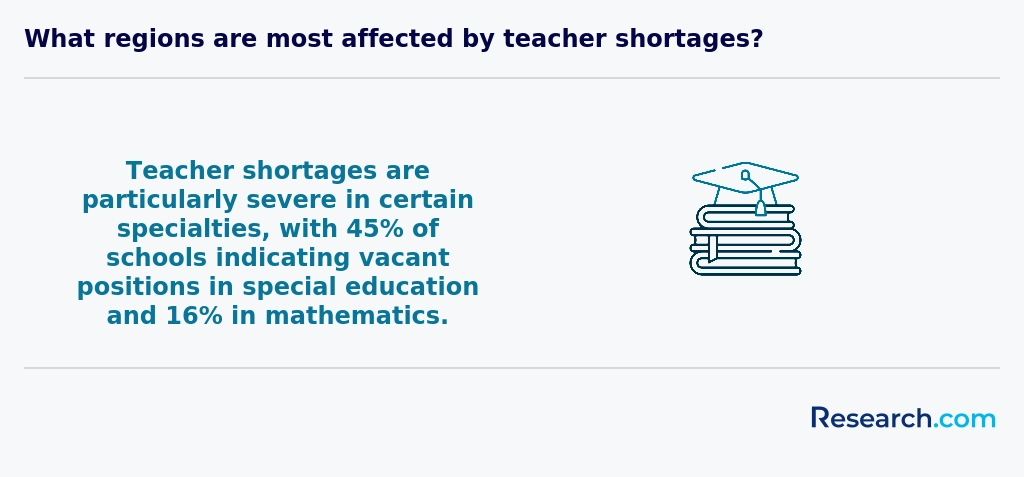
Midwestern schools continue to face shortages in special education and STEM teaching roles, making graduates with specialized online education degrees highly sought after. Many report satisfaction not only from their career progression but also from competitive salaries, which generally range between $50,000 and $65,000 annually. For those considering further growth, tuition rates for online master's programs remain affordable compared to national averages. Additionally, it's worth exploring the advantages of the top earning bachelor degrees pathways linked to education.
In the Midwest online teaching jobs outlook, graduates frequently highlight support from institutions offering tuition reimbursement and professional development programs, enhancing both their skills and job stability. For future students, this evolving landscape offers inspiring opportunities to make a meaningful impact while enjoying career resilience and financial promise.
Frequently Asked Questions About education
Online education degree students in the Midwest can maximize their learning by actively engaging with course materials and participating in virtual discussions. Midwest schools often offer flexible schedules, allowing students to balance work and study effectively. Utilizing local resources such as regional libraries and university support services strengthens understanding and retention.
Networking with peers and faculty through online platforms builds professional connections, vital for career growth in education. According to the National Center for Education Statistics, nearly 15% of Midwestern colleges have increased their online education offerings since 2020, reflecting growing institutional support. Regularly setting goals and managing time are essential strategies for success in asynchronous learning environments.
Emerging niches within the education field in the Midwest reflect the region's growing need for specialized skills and innovative teaching methods. One rapidly expanding area is educational technology, where online tools and digital resources are integrated to enhance learning experiences. According to the 2023 Midwestern State Education Report, programs focusing on instructional design and e-learning development have grown by over 15% in enrollment over the past two years.
Another niche gaining traction is diversity and inclusion education. Schools and districts increasingly require trained professionals to address equity and cultural responsiveness. Special education remains critical, with demand for online master's degrees in this area rising by nearly 10%, according to data from the Midwest Education Consortium.
Lastly, leadership in education-such as school administration and policy-making-is evolving with online options targeting working professionals seeking advancement. These trends show a clear shift toward flexible, practical specialties meeting Midwest workforce needs.
Preparing for the job market after earning an online education degree in the Midwest requires strategic planning. Networking with local school districts and education organizations can improve job prospects, as many employers value regional connections. According to the Missouri Department of Elementary and Secondary Education, nearly 70% of educators in the state secure positions within their home state, highlighting the benefit of local ties.
Gaining practical experience through student teaching or internships, even if remote, helps build a strong résumé. Additionally, obtaining relevant certifications or endorsements recognized by Midwest states enhances employability. Job seekers should also research state-specific licensing requirements to ensure compliance before applying for teaching roles.
Finally, utilizing resources like state education job boards and attending virtual career fairs focused on Midwest schools can increase exposure to potential employers.
Employers in the Midwest highly value education degree graduates who demonstrate strong communication skills. Effective verbal and written communication is essential, as teachers must engage diverse classrooms and collaborate with parents and colleagues.
Critical thinking and problem-solving abilities are also key. According to the Midwestern Education Consortium, about 78% of school districts prioritize these skills when hiring new educators. They help teachers adapt to curriculum changes and address student needs creatively.
Technological proficiency is increasingly important. With the rise of online and hybrid learning in the region, educators need to confidently use digital tools and platforms.
Lastly, cultural competency is crucial. The Midwest is home to growing diverse populations, so understanding and respecting different backgrounds enhances student achievement and inclusion.
Finding internships in the Midwest relevant to an education degree often begins with leveraging university career services, which connect students to regional school districts and educational organizations. Many Midwestern states, including Illinois and Ohio, have established partnerships between online education programs and local K-12 schools, providing valuable hands-on experience.
Job boards like Handshake and the state's department of education websites offer listings specifically for education internships. According to the National Center for Education Statistics, over 90% of Midwestern education graduates secure internships through such networks.
Additionally, attending local education conferences and joining professional organizations like the Midwest Education Association can open doors to internship opportunities.
An online education degree in the Midwest can significantly enhance career mobility by broadening access to teaching and administrative roles. According to the National Center for Education Statistics, educators in Midwestern states with master's degrees earn approximately 15-20% more than those with only bachelor's degrees.
Many school districts in the region recognize online degrees from accredited institutions, allowing candidates to pursue advanced certifications and leadership roles remotely. This flexibility supports working professionals seeking promotion without interrupting their employment. Additionally, states like Illinois and Ohio have clear pathways for licensure upgrades tied to graduate-level coursework, which online programs often fulfill.
Employers increasingly value the digital skills gained through online study, aligning with broader trends in education technology adoption in the Midwest. As a result, online education degrees can boost eligibility for specialized positions such as curriculum coordinators or education technology specialists.
Studying for an education degree in the Midwest often emphasizes interdisciplinary skills that prepare graduates for diverse roles in education and related fields. Midwestern universities commonly incorporate coursework in psychology, sociology, and technology alongside traditional education studies. This blend equips students to address complex learning environments and collaborate across disciplines. According to the National Center for Education Statistics, many accredited Midwest institutions offer online programs that integrate real-world applications with research-based methods.
Such programs prepare students to work not only as teachers but also as curriculum developers, education coordinators, and specialists in community programs. The region's focus on practical experience and inclusive education further broadens career opportunities.
When choosing between a thesis and a non-thesis education degree program in the Midwest, consider your career goals. Thesis programs typically require original research and are suited for students interested in research, policy, or doctoral studies. Non-thesis options focus more on coursework and practical skills, aligning well with professionals seeking advancement in teaching or administration.
According to the National Center for Education Statistics, many Midwestern universities, such as the University of Illinois and Ohio State University, offer both tracks with comparable tuition rates. Thesis programs may take longer, often requiring an additional semester or two for research and defense.
Ultimately, selecting a program depends on your long-term ambitions and preferred learning style.
Students in the Midwest interested in studying education abroad through online degree programs have several viable options. Many Midwestern universities partner with international institutions, allowing students to complete coursework remotely while gaining global perspectives. For example, universities like the University of Illinois and Ohio State offer study-abroad components, including virtual exchanges and summer programs.
In addition, programs accredited by the Council for the Accreditation of Educator Preparation (CAEP) often include international education opportunities. According to recent data from the Midwestern Higher Education Compact, approximately 25% of education students from this region participate in some form of international learning experience during their degree.
These options enable students to enhance their teaching skills with cross-cultural competencies without leaving the Midwest, combining affordability with academic rigor.
Part-time jobs that align well with online education degrees in the Midwest often involve roles in tutoring, teacher assistantships, and educational support positions. These jobs provide practical experience while allowing flexibility for students balancing coursework.
For example, tutoring positions in subjects like math and reading are commonly available in states such as Illinois and Ohio, where the demand for supplemental education grows. According to the Illinois State Board of Education, over 30% of schools seek part-time educational aides annually, highlighting opportunities for hands-on learning.
Additionally, working as a substitute teacher is a viable option in many Midwestern states, offering insight into classroom management and lesson planning. This role offers part-time hours compatible with online degree schedules.
Other options include roles in community education programs and libraries, which often hire part-time staff to support literacy and after-school initiatives. These positions enhance communication skills and deepen understanding of diverse learning environments.
Online education students in the Midwest have increasing access to valuable networking opportunities. Many Midwestern universities offer virtual events, such as webinars and discussion groups, that connect students with faculty and peers. According to the National Center for Education Statistics, over 50% of Midwestern institutions have expanded their online engagement platforms since 2020.
Professional organizations like the Midwest Educational Research Association also provide virtual conferences and workshops, allowing students to build connections beyond their campuses. Furthermore, alumni networks and local education agencies often host hybrid events, blending online and in-person participation.
Such opportunities help online learners develop professional relationships crucial for career advancement.
Alumni networks play an important role for online education degree students in the Midwest. These networks provide valuable professional connections that can lead to job opportunities and career advancement. According to the National Center for Education Statistics, many Midwestern universities maintain active alumni associations that support graduates through events and mentorship programs.
In addition, alumni networks offer access to regional job markets, which is especially helpful for online students who may not have a physical campus connection. Engaging with a strong Midwestern alumni community can help students stay informed about local educational trends and policy changes.
Moreover, alumni often share resources such as webinars, workshops, and scholarships, enhancing the learning experience beyond coursework. This ongoing support helps online students build credibility and professional networks critical for long-term success in education fields.
Midwestern online education degree programs often offer flexible curricula that allow students to tailor their studies according to specific career goals. Many universities in states like Illinois, Ohio, and Michigan provide elective courses, specialization tracks, or certification options in areas such as curriculum design, special education, or educational leadership.
Students can choose from part-time schedules to balance work and study, commonly supported by asynchronous learning formats. According to the National Center for Education Statistics, over 30% of graduate education students in the Midwest utilize online platforms to customize their degrees.
Additionally, some programs enable internships or practicum experiences aligned with local school districts, which helps build relevant skills and professional networks.
Online education students in the Midwest face several notable challenges. One major issue is internet connectivity, as rural areas in states like Iowa and Nebraska often have limited broadband access. According to the Federal Communications Commission, nearly 20% of rural Midwestern residents lack reliable high-speed internet, which can hinder participation in live classes and timely submission of assignments.
Another challenge concerns balancing work, family, and study. Many online students are working adults or parents managing multiple responsibilities, which requires strong time management skills. Additionally, some report feeling isolated due to limited in-person interaction, which impacts engagement and motivation.
Finally, affordability remains a concern despite online programs generally costing less. State funding disparities and varying tuition rates across Midwest institutions mean prospective students must carefully research and compare options to avoid unexpected expenses.
An online education degree from a Midwestern institution opens doors to several professional certifications. Many graduates pursue teaching certifications aligned with state requirements, such as the Illinois Professional Educator License or the Ohio Resident Educator License. These credentials enable teaching in public schools across the region.
Beyond state teaching licenses, candidates often pursue National Board Certification, a prestigious credential recognized widely in the U.S., including Midwestern states. Additionally, there are specialized certifications like the Reading Specialist or School Principal certification that complement online education degrees.
According to the Midwest Education Assessment Center, about 40% of online education graduates in the region opt for additional certifications to enhance their careers.
Applying to an online education program in the Midwest requires a clear, well-organized application that highlights your academic achievements and professional experience. Admissions committees often look for candidates with strong communication skills, relevant teaching or education-related work, and a commitment to lifelong learning.
Start by thoroughly researching the specific program's requirements, as some Midwestern schools emphasize standardized test scores or prior coursework more than others. According to the National Center for Education Statistics, online enrollment in Midwestern institutions increased by over 30% in recent years, making competition more significant.
When writing your personal statement, focus on your goals and how the program aligns with your career plans. Be concise, genuine, and proofread carefully. Also, secure strong recommendation letters from supervisors or educators familiar with your skills and dedication.
Global perspectives on a career in education highlight the profession's critical role in shaping societies. In the United States, particularly the Midwest, education careers are valued for their stability and community impact. According to the U.S. Bureau of Labor Statistics, employment of educators is projected to grow 8% from 2022 to 2032.
Midwestern online education degrees offer accessible pathways to join this growing field. Countries worldwide emphasize teacher quality, and the U.S. remains a leader in education research and policy development. Institutions in the Midwest consistently rank for affordable, flexible master's programs that prepare educators for diverse classrooms.
Understanding these global trends helps prospective students appreciate the evolving importance of education careers locally and internationally.
Gaining practical experience while studying for an online education degree in the Midwest is essential for career readiness. Many programs incorporate virtual simulations and interactive case studies, allowing students to apply teaching strategies in a controlled environment. Additionally, students can participate in local school partnerships that offer remote or in-person student teaching internships or field experiences.
According to the National Center for Education Statistics, around 60% of Midwest education programs require some supervised teaching hours, even for online students. Graduate students may also engage in research projects or community education initiatives to build hands-on skills.
Choosing the right concentration within an online education degree program in the Midwest depends on your career goals and regional demand. Many Midwestern states, including Illinois and Ohio, show growing needs for special education and STEM-focused educators, according to the U.S. Department of Education. Consider concentrations like Curriculum and Instruction, Educational Leadership, or Special Education, which align with state licensure requirements and local job markets.
Research state certification policies, as some require specific concentrations for teaching certain grades or subjects. Also, review program flexibility and whether the online university offers practicum options near you. The National Center for Education Statistics reports that enrollment in online education programs in the Midwest increased by 12% in recent years, reflecting expanding opportunities.
Top Trending Education Rankings
See What Experts Have To Say About Studying Education
Read our interview with Education experts

Alan J. Singer
Education Expert
Professor of Teaching, Learning and Technology
Hofstra University

Nooshan Ashtari
Education Expert
Professor & Book Author
University of Southern California

References
- Skills Employers Look for in Business Graduates – EU Business School https://www.euruni.edu/blog/skills-employers-look-for-in-business-graduates/
- Can Higher Education Improve Long-Term Career Success https://studysphereadvisors.com/how-higher-education-influences-long-term-career-growth/
- Engaging Students in Meaningful Learning Experiences https://www.facultyfocus.com/articles/effective-teaching-strategies/engaging-students-in-meaningful-learning-experiences/
- Get the skills employers want | Study UK https://study-uk.britishcouncil.org/why-study/succeed-your-career/get-skills-employers-want
- How to Gain Real-World Experience While Studying Online | American National University https://an.edu/how-to-gain-real-world-experience-while-studying-online/
- Home https://www.teachercertificationdegrees.com/
- Education Technology Trends to Watch in 2065: 10 Innovations Shaping the Future of Learning https://www.digitallearninginstitute.com/blog/education-technology-trends-to-watch-in-2026
- What Can I Do With a Teaching Degree (Besides Teach)? https://www.alleducationschools.com/blog/what-can-i-do-with-a-teaching-degree-besides-teach/
- 10 Ideas for Jobs You Could do After Teaching - Twinkl https://www.twinkl.com/blog/ten-ideas-for-jobs-you-could-do-after-teaching
- Teaching Job Roles | Teach For Life https://www.teachforlife.com/teachingjobs/global-perspectives-teacher


