
2027 Most Affordable Online Education Degree Programs Ranking in the Midwest

Co-Founder and Chief Data Scientist
Choosing the right education degree program can feel overwhelming, especially with so many options available online. This article introduces the 2027 Most Affordable Online Education Degree Programs Ranking in the Midwest, carefully crafted by the Research.com team of data scientists.
Designed to help you make smart, informed decisions, this ranking highlights affordable programs that offer quality education without breaking the bank.
Reading this article will empower you to take confident steps toward a rewarding career in education, opening new opportunities close to home.
Key benefits of getting online education degree in the Midwest
- Salary potential: Graduates with an education degree in the Midwest can expect competitive salaries, such as $76,000 for Special Education Teachers and $77,200 for Instructional Designers, reflecting strong career value.
- Career paths: For example, a graduate from the University of Michigan has many options, including teaching, curriculum design, and educational technology roles, offering diverse and rewarding opportunities.
- Online degree benefits: Earning a degree online from schools like the University of Illinois Urbana-Champaign provides flexibility and accessibility, allowing students to balance work and family while advancing their education efficiently.
- Key benefits of getting online education degree in the Midwest
- What can I expect from online education degree in the Midwest?
- Where can I work with online education degree in the Midwest?
- How much can I make with online education degree in the Midwest?
- 2027 Most Affordable Online Education Degree Programs Ranking in the Midwest
- Key Findings
- How long does it take to complete online education degree in the Midwest?
- State Licensure and Certification Requirements
- What's the difference between online and on-campus education degree?
- Regional Opportunities and Resources
- What is the average cost of online education degree in the Midwest?
- Success Strategies for Online Education Students
- What financial aid is available to online education degree students in the Midwest?
- Regional Spotlight: Affordable Online Education Programs in Kansas
- What are the prerequisites for enrolling in online education degree program in the Midwest?
- Teacher Certification and Licensing Requirements in the Midwest
- What courses are typically in online education degree programs in the Midwest?
- What types of specializations are available in online education degree programs in the Midwest?
- How do you choose the best online education degree in the Midwest?
- What career paths are available for online education degree students in the Midwest?
- What is the job market for online education degree in the Midwest?
- Top Trending Education Rankings
- See What Experts Have To Say About Studying Education
What can I expect from online education degree in the Midwest?
The average cost of pursuing an online education degree in the Midwest typically ranges from $350 to $500 per credit hour at public universities, which is notably lower than the national average of around $600. Graduates from institutions such as those in Illinois and Ohio often highlight how this affordability allowed them to manage expenses without sacrificing program quality. For example, a graduate from a midwestern flagship university noted that lower tuition costs enabled her to balance work and study without accruing overwhelming debt.
Midwestern programs tend to prioritize flexible scheduling, often combining asynchronous coursework with live sessions, ideal for working professionals or parents. These elements, paired with tuition costs that fit regional economic realities, make pursuing an education degree in this region a practical choice.
With financial considerations anchored in real experiences, many students report satisfaction not only with cost efficiency but also with the comprehensive support services provided, including career counseling and licensure exam preparation, enhancing both their learning and career prospects.
Where can I work with online education degree in the Midwest?
Graduates with an online education degree in the Midwest often secure positions as licensed teachers across states like Illinois, Ohio, Michigan, and Indiana, where demand remains steady. For instance, many alumni from the University of Minnesota report satisfying careers teaching special education or STEM subjects, reflecting local workforce needs. With over 200,000 teachers employed in Illinois alone, there is ample opportunity to enter both urban and rural school settings with proper certification earned alongside online studies.
Beyond classroom roles, many find rewarding work in educational administration-such as becoming principals or curriculum specialists-in states like Minnesota and Wisconsin. The U.S. Bureau of Labor Statistics notes a projected 7% growth for education administrators through 2032, offering positive job prospects. Graduates from Michigan State University often mention transitioning into these leadership roles, contributing to school improvement and policy development.
Community colleges and universities in the region also employ graduates as academic advisors or instructional designers, often supporting expanding online programs. Emerging careers in educational technology and corporate training appeal to those interested in blending education with digital innovation, a trend noted by the Midwest Education Data Cooperative. This evolving landscape suggests that students can anticipate varied, fulfilling career paths after completing their online education degree in the Midwest.
How much can I make with online education degree in the Midwest?
Graduates from online education programs in the Midwest often find rewarding salaries that reflect their commitment and experience. For example, an elementary school teacher with a degree from a notable Midwestern university can expect a mean annual wage of about $70,740. This substantial income supports a stable lifestyle in states like Ohio, Illinois, or Michigan where many pursue online education pathways.
Special education teachers, another vital role filled by online graduates, earn even more, with a mean salary around $76,000 annually. These positions not only provide financial security but also an enriching career dedicated to making a difference.
Instructional designers, frequently hired by schools and colleges across the region, command salaries near $77,200, benefiting from the growing demand for educational technology expertise. Meanwhile, ESL teachers earn about $65,430 annually, offering competitive wages within diverse Midwestern communities.
Early childhood educators typically start at lower wages, around $41,410 a year, but gain meaningful hands-on experience and opportunities for upward mobility. Graduates often share how flexible online study options allowed them to balance work and family while advancing toward these promising careers.
2027 Most Affordable Online Education Degree Programs Ranking in the Midwest
How do we rank schools?
Investing in your education is a significant decision that can shape your future, and the Research.com team recognizes the importance of making well-informed choices. To support prospective students seeking affordable online education degrees in the Midwest, we have carefully developed the "2027 Most Affordable Online Education Degree Programs Ranking in the Midwest." Our dedication to quality, credibility, and accuracy is demonstrated through thorough research and analysis.
We utilized the following reputable data sources to ensure a comprehensive evaluation of programs:
By exploring this ranking, readers will gain valuable insights into affordable and quality online education degree options in the Midwest, enabling smarter educational investments. For more details on our research approach, please visit our Research.com methodology page.
# 1 position
University of Illinois at Urbana-Champaign
Master of International Education Administration and Leadership


# 8 position
Concordia University Wisconsin
Master of Literacy--Reading Teacher or Reading Specialist Licensures (DPI #1316 & DPI #5017)


# 17 position
Bethel University, Minnesota
Master of Education K-12


Key Findings
- Tuition for online education degrees in the Midwest ranges from $8,000 to $15,000 annually, offering a more affordable option compared to national averages.
- Employment in schools across the Midwest is expected to grow about 5% over the next decade, matching the national job growth rate for education professionals.
- Starting salaries for education graduates in the Midwest are typically between $40,000 and $47,000, increasing to $55,000 to $65,000 with experience.
- Many online programs are fully accredited and meet state certification requirements, including preparation for teacher licensure and endorsements in areas like special education.
- Partnerships with local school districts help students complete required student-teaching hours while studying remotely.
- Financial aid and scholarships are often available specifically for students enrolled in Midwestern online education degree programs.
How long does it take to complete online education degree in the Midwest?
Completing an online education degree in the Midwest typically ranges from three to six years, depending on the program and student pace. Graduates from universities such as the University of Illinois and Ohio State University report finishing accelerated bachelor's programs in about three years by taking extra credits and year-round courses. This flexibility supports driven students eager to enter the workforce quickly.
Part-time learners balancing work or family often take five to six years, reflecting their need for manageable course loads. These students value the ability to progress steadily without overwhelming schedules, a common scenario at institutions like the University of Michigan's online education department.
Master's degrees generally span 18 months to three years, with many appreciating the self-paced formats at schools like Indiana University. These models enable quicker completion for those leveraging prior teaching experience or certifications.
The requirement for student-teaching and certification-related practicum can extend timelines but remains integral to licensure across Midwestern states, ensuring graduates feel prepared and confident entering classrooms.
State Licensure and Certification Requirements
Navigating state licensure is a critical step for graduates of online education degree programs in the Midwest, as each state’s department of education sets unique requirements to ensure teaching quality and public trust. Generally, candidates must hold a regionally accredited bachelor’s or master’s degree, complete an approved educator preparation program, pass content-specific examinations (such as the Praxis series), and fulfil a supervised teaching practicum or student‐teaching experience. Below is a snapshot of key licensure pathways across the Midwest:
- Illinois: Requires completion of a state‐approved program, successful scores on the edTPA and Illinois Licensure Testing System exams, plus a minimum GPA of 2.75.
- Indiana: Mandates both content and pedagogy assessments, including CORE exams, alongside a practicum of at least 12 weeks in a licensed classroom.
- Michigan: Candidates must pass the MTTC content test and a basic skills test, with alternatives for out‐of‐state reciprocity under Michigan’s multi‐tiered system.
- Ohio: Offers several teaching licenses (e.g., P‐3, 4‐9, 7‐12) based on content area; candidates complete the OAE exams and a mentored teaching residency.
- Wisconsin: Requires the CORE assessment, WDPI pedagogy exam, and 12 weeks of student teaching; reciprocal licenses recognized from other Midwest states.
- Minnesota: Uses the MTLE series for content and pedagogical knowledge, plus ongoing professional development driven by licensure renewal every five years.
- Missouri: Candidates take the MoGEA and content specialty exams, and complete a supervised clinical experience of at least 45 days.
- Iowa: Incorporates the RVE and OAE tests, alongside a 14‐week student teaching placement; offers alternative licensing routes for career switchers.
- Kansas: To meet Kansas State Department of Education requirements, candidates must complete an accredited program and pass the Kansas Teacher Licensure Assessments. For a curated list of affordable, accredited master’s pathways that align with these state standards, see our Low Cost Online Master’s in Education Degree Programs Ranking in Kansas. Understanding and planning for these licensure steps early in your program selection process ensures a seamless transition from degree completion to classroom placement, bolstering both your professional readiness and long‐term career success.
What's the difference between online and on-campus education degree?
Online and on-campus education degrees in the Midwest differ mainly in delivery, cost, and student experience. For instance, graduates from the University of Illinois report that online programs' flexibility allowed them to work full-time while completing coursework asynchronously. In contrast, those attending on-campus programs at Ohio State University valued the face-to-face interaction with professors and peers, which helped build strong professional networks and offered hands-on learning opportunities.
Cost-wise, Midwest public universities like Michigan State University charge around $10,000 to $12,000 annually for in-state undergraduate education degrees. Online learners benefit from similar tuition rates but save on commuting, housing, and campus fees, making the total expense noticeably lower.
Interaction also varies: on-campus students enjoy immediate social engagement and access to campus resources such as libraries and labs, whereas online students depend more on virtual forums and digital materials. Despite these differences, both formats maintain regional accreditation and share equivalent curricula, ensuring educational quality and employer recognition.
Regional Opportunities and Resources
The Midwest region offers a plethora of opportunities for students pursuing online education degrees, with many institutions providing high-quality programs that cater to the needs of the local job market. For instance, those interested in teaching in South Dakota can explore the best online education schools in South Dakota, which provide specialized training and certification programs. These programs are designed to equip students with the skills and knowledge required to succeed in the education sector, while also addressing the specific needs of the regional job market. By leveraging these resources, students can gain a competitive edge in their careers and contribute to the growth and development of the regional education system.
What is the average cost of online education degree in the Midwest?
The average cost of an online education degree in the Midwest is influenced by factors such as in-state versus out-of-state tuition and the type of institution attended. Median total costs for education degrees hover around $20,790, with in-state students often paying approximately $21,666 and out-of-state students facing higher costs near $29,526. These figures reflect a generally affordable trend compared to other U.S. regions, making the Midwest an appealing area for those seeking value in their education investment.
Many graduates from prominent institutions like the University of Illinois and Michigan State University share positive experiences about balancing affordability with quality education. These universities maintain competitive tuition rates while delivering respected programs that equip students for diverse careers in education. For prospective students, Midwest affordable online education degree tuition fees help ease financial pressure and allow greater focus on academic success and career development.
Additional considerations, such as technology fees and course materials, can slightly impact overall costs but typically remain manageable. Furthermore, regional reciprocity agreements support reduced tuition rates for non-resident learners enrolled in public universities across the Midwest, enhancing accessibility.
For those exploring options, programs offered by institutions participating in the Midwest Student Exchange Program exemplify this affordability in practice. Many students take advantage of these opportunities to pursue high-quality online education degrees at reasonable rates. To discover some of the best institutions, reviewing the best online education schools in South Dakota can provide guidance and inspiration for your education journey.

Success Strategies for Online Education Students
Navigating an online education program successfully involves not only choosing the right institution but also adopting effective strategies to maximize your learning experience. To excel in your coursework, establish a dedicated study space and maintain a consistent schedule that accommodates both academic commitments and personal responsibilities. Engage actively in online discussions and collaborative projects, as these interactions can replicate the benefits of in-person classes while deepening your understanding of the material. Moreover, embracing digital tools and resources can transform abstract concepts into interactive learning experiences, enhancing both retention and application in real-world scenarios. As you evaluate programs, consider exploring options that blend quality with affordability-resources such as our list of cheapest online education degrees can provide a practical starting point. Finally, ongoing self-assessment and time management strategies, including setting short-term goals and tracking your progress, are instrumental in building long-term academic success and preparing you for a fruitful career in education.
What financial aid is available to online education degree students in the Midwest?
Students pursuing online education degrees in the Midwest benefit from a robust financial aid ecosystem that makes their ambitions more attainable. At public universities, such as Indiana University, average annual tuition hovers around $10,300 for in-state students, but numerous federal aids significantly reduce this burden. Federal Pell Grants, which do not require repayment, are critical for many, especially those from low- to moderate-income families. Additionally, Direct Subsidized and Unsubsidized Loans provide essential support for tuition and living expenses.
Midwestern states supplement federal aid with targeted programs. For example, graduates from Ohio often highlight how the Choose Ohio First Scholarship eased their financial stress, specifically aiding STEM and education majors. Michigan's Tuition Incentive Program similarly enables residents to pursue online education degrees with reduced costs, contingent on income and residency qualifications.
Institutional scholarships, like the IU Online Scholarship at Indiana University, also play a vital role. Many graduates attest that such awards directly lowered their out-of-pocket expenses, making distance learning feasible. Employer tuition assistance further complements these resources, offering continuing education support for working professionals in education fields.
Regional Spotlight: Affordable Online Education Programs in Kansas
Kansas stands out in the Midwest for offering cost-effective yet high-quality online education degrees, making it an ideal choice for budget-conscious students. Public institutions like Kansas State University and Emporia State University feature competitive tuition rates-often below $400 per credit hour-while maintaining robust accreditation through the Kansas State Board of Regents. These programs emphasize hands-on learning via virtual practicums and align with state licensure requirements, ensuring graduates can seamlessly transition into K-12 classrooms across the region. Students in Kansas benefit from strong financial aid packages, including state-specific grants such as the Kansas Comprehensive Grant and numerous merit scholarships that can reduce total program costs by up to 30%. Flexible scheduling options and asynchronous coursework allow working professionals to balance full-time jobs or teaching assistantships with their studies without sacrificing program rigor. For those interested in diving deeper into Kansas’s most budget-friendly master’s offerings, explore our comprehensive ranking of in-state programs: Low Cost Online Master's in Education Degree Programs Ranking in Kansas. This resource highlights tuition rates, program lengths, accreditation details, and student satisfaction metrics to help you make an informed decision.
What are the prerequisites for enrolling in online education degree program in the Midwest?
To enroll in an online education degree program in the Midwest, students typically need a high school diploma or GED for undergraduate tracks, with many institutions requiring a minimum GPA between 2.5 and 3.0. For example, graduates from popular regional universities often recall the importance of maintaining a strong GPA to meet these baseline criteria. Some colleges may request SAT or ACT scores, but an increasing number have adopted test-optional policies, recognizing diverse student backgrounds and easing access.
Graduate programs usually expect a completed bachelor's degree, ideally in education or a related field, alongside possible GRE scores. Many successful graduates from Midwestern master's programs highlight how prior teaching experience played a critical role in their acceptance and confidence during studies.
Applicants must demonstrate technological readiness, as reliable internet access and familiarity with digital platforms are vital for online coursework. Additionally, a background check is often mandatory for those pursuing K-12 practicum components, ensuring safety and compliance with state regulations.

Teacher Certification and Licensing Requirements in the Midwest
Obtaining state teacher certification is a critical step for graduates of online education programs in the Midwest, ensuring that your degree translates into a recognized teaching credential. While specific requirements vary by state, most licensure pathways share common components designed to uphold educational quality and student safety. First, candidates must complete an accredited education degree that aligns with state standards. This often includes a sequence of professional education courses, student teaching experiences, and adherence to pedagogy benchmarks set by regional accreditation bodies. Upon program completion, aspiring teachers typically sit for standardized assessments such as the Praxis Core Academic Skills for Educators and Praxis Subject Assessments, which evaluate both general teaching aptitude and content-specific knowledge. Next, candidates submit their application to the state board of education, accompanied by official transcripts, test scores, and background check clearances. For instance, in Kansas, applicants explore top affordable master’s pathways-including the Low Cost Online Master's in Education Degree Programs Ranking in Kansas-to ensure their program meets licensure criteria and budget considerations. Kansas also requires completion of a state-approved teacher preparation program and successful passage of the Kansas Performance Teaching Portfolio. Finally, maintaining an active teaching license involves fulfilling continuing education or professional development requirements, which vary from 6 to 12 credit hours per renewal cycle across Midwest states. Many online education graduates leverage university-sponsored webinars, workshops, and advanced certifications to meet these credits while deepening their instructional skills. By understanding and planning for each of these steps-accredited coursework, testing milestones, application processes, and renewal obligations-prospective teachers can confidently navigate certification and embark on rewarding educational careers throughout the Midwest.
What courses are typically in online education degree programs in the Midwest?
Online education degree programs in the Midwest often include core courses such as educational psychology, curriculum development, and instructional technology. Graduates from well-known Midwestern universities frequently share how these courses helped them understand how children learn at different stages, equipping them with practical teaching strategies and skills to use digital tools effectively in classrooms. For instance, a graduate from a top public university noted that studying instructional technology made virtual lesson planning intuitive and engaging.
Many programs also offer specializations like early childhood education, secondary education, and educational leadership, enabling students to tailor their studies to career goals. Coursework in these paths may cover classroom management and inclusive teaching methods, preparing students for diverse Midwestern school settings.
Practical components such as virtual practicums or local student-teaching placements are common, enhancing real-world readiness. Graduates value these experiences for meeting state licensure requirements and gaining confidence working with students in their communities.
Electives in educational policy and multicultural education allow learners to address regional needs, especially in areas with varied rural and urban populations. Across the Midwest, this course mix balances theory and practice while remaining affordable, making these programs highly attractive to aspiring educators.
What types of specializations are available in online education degree programs in the Midwest?
Online education degree specializations Midwest typically include Curriculum and Instruction, Educational Leadership and Administration, and Special Education. Graduates from institutions like the University of Michigan appreciate how Curriculum and Instruction helps them design effective lesson plans and address diverse learning styles, directly benefiting K-12 classrooms. Leadership and Administration tracks, found in schools such as Indiana State University, prepare students for roles like principals or district administrators by covering topics like school law and finance, often attracting those with prior teaching experience.
Special Education is another vital specialization, equipping educators to support students with disabilities including learning disorders and physical impairments-skills that current graduates find rewarding and necessary due to an 8% projected national job growth. Additional concentrations include Early Childhood Education and Instructional Technology, reflecting evolving educational demands. Students seeking accessible options often consult the list of cheapest online education degrees, as Midwest affordable online education programs maintain lower tuition costs while offering competitive specialization choices.
How do you choose the best online education degree in the Midwest?
Choosing the best online education degree in the Midwest involves verifying accreditation, such as CAEP, to ensure a program meets national quality standards essential for teacher certification. Graduates from well-known Midwestern institutions often highlight how tailored curricula in states like Illinois and Michigan supported their specialization in areas like K-12 education or educational leadership. Flexibility is key; most successful students prefer programs offering asynchronous coursework, allowing them to balance studies with work and family responsibilities.
Cost considerations are critical in selecting affordable education degree programs Midwest. Public universities' in-state tuition ranges from about $7,500 to $12,000 annually, significantly less than private counterparts, making financial aid or scholarship availability a decisive factor. Students frequently consult rankings such as the Low Cost Online Master's in Education Degree Programs Ranking in Kansas to identify budget-friendly options without sacrificing quality.
Employment prospects strongly influence choice. Graduates praise programs with strong job placement rates and regional school district connections in states like Minnesota, where average educator salaries near $60,000. Finally, excellent student support-academic advising, tech help, and career counseling-ensures a smooth learning journey for Midwestern online education students.
What career paths are available for online education degree students in the Midwest?
Graduates with an online education degree in the Midwest frequently pursue career paths such as licensed K-12 teachers, especially in states like Ohio, Illinois, and Michigan where many programs align with state licensure requirements. This alignment addresses ongoing teacher shortages, particularly in rural districts, providing strong employment prospects. Many graduates from reputable Midwest colleges find satisfying roles working with children across elementary to high school levels, enjoying the direct impact on their local communities. This is a common pathway noted among professionals exploring online education degree careers Midwest.
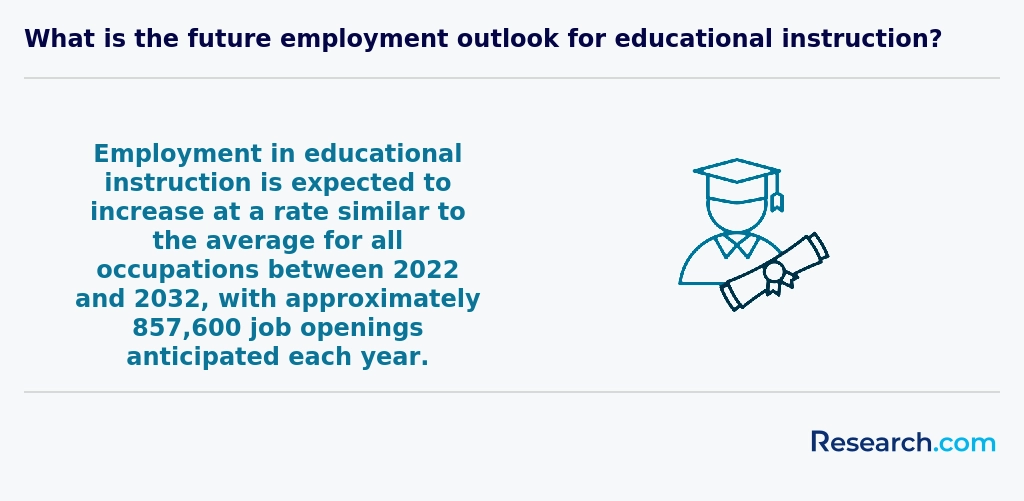
Besides classroom teaching, career opportunities extend to special education and instructional coordinators who develop curriculum and train teachers. The US Bureau of Labor Statistics forecasts faster-than-average growth for these jobs through 2030, encouraging graduates from institutions with advanced online offerings to consider these roles. Additionally, the rising field of educational technology necessitates specialists skilled in digital learning integration, a role well filled by graduates familiar with remote learning environments.
Higher education positions, including academic advisors and student support staff, also attract online education degree holders, especially those who understand how to support remote learners effectively. Some graduates from Midwest universities highlight rewarding experiences working in corporate training and professional development, leveraging education theories in diverse organizational settings. Midwest online education options are also known for affordability, with average tuition typically between $6,000 and $12,000 yearly, making programs like those listed in the Low Cost Online Master's in Education Degree Programs Ranking in Kansas an appealing choice for many aspiring educators seeking solid career prospects in the region.
What is the job market for online education degree in the Midwest?
The job market for online education degree jobs Midwest remains promising, driven by steady demand for qualified teachers across Ohio, Illinois, and Michigan. Graduates from popular universities such as the University of Illinois Urbana-Champaign and Michigan State University often share experiences of strong support from their schools' partnerships with local districts, easing the job search process and enabling smoother transitions into teaching roles.
Data from regional education offices indicates a projected employment growth rate of around 5%, aligning with national trends. This reflects expanding online and hybrid learning environments, especially benefiting those skilled in digital technology and virtual instruction. Students completing programs at institutions like Indiana University frequently report gaining confidence due to practical internships facilitated by these established regional networks.
Salary prospects encourage many to pursue this path, with average teacher salaries around $66,000 in Illinois. Graduates specializing in areas like STEM or special education tend to find more competitive offers. Additionally, factors such as access to financial aid and relatively lower tuition improve affordability for residents, making it easier to pursue an easiest bachelor's degree to earn in this field.
Frequently Asked Questions About education
Students pursuing online education degrees in the Midwest can enhance their learning by establishing a dedicated study schedule. Research from the National Center for Education Statistics shows that disciplined time management improves completion rates for online learners nationwide. Enrolling in accredited programs, such as those recognized by the Higher Learning Commission, ensures quality education aligned with regional standards.
Engaging actively in virtual discussions and utilizing campus resources, like online libraries and tutoring services, strengthens comprehension. Midwest institutions often provide specialized academic support tailored for remote students. Additionally, networking with peers and faculty through online forums can foster a collaborative learning environment, essential for career readiness in education fields.
Emerging niches in the education field, especially for online degrees in the Midwest, reflect growing demands in technology integration and special education. For example, there is a rising need for educators skilled in remote learning tools and digital curriculum development, prompted by shifts from the COVID-19 pandemic. According to the National Center for Education Statistics, Midwest states reported a 15% increase in online education enrollment between 2019 and 2023.
Special education remains a critical area, with programs focusing on autism spectrum disorders and inclusive teaching strategies gaining attention. Additionally, STEM education professionals, especially those trained to teach math and science at K-12 levels, are increasingly sought after due to regional workforce development initiatives.
After completing an online education degree in the Midwest, preparing for the job market involves strategic planning and resource use. Many Midwestern states have strong demand for qualified educators, especially in special education, STEM fields, and early childhood education, according to the U.S. Bureau of Labor Statistics.
Connecting with regional education job boards and state departments of education websites can help locate openings. Building a professional network through virtual job fairs and local teacher associations is also valuable.
Completing required certifications and licensure for the specific Midwestern state is essential before applying for teaching positions.
Finally, gaining practical experience via internships or substitute teaching roles often strengthens job prospects.
Employers in the Midwest consistently seek education degree graduates who demonstrate strong communication and classroom management skills. According to a 2023 report from the Midwest Education Employment Survey, 78% of school districts prioritized effective verbal and written communication as a required competency.
Additionally, proficiency in integrating technology into lesson plans is a top skill, reflecting the rise in digital and remote learning formats. About 70% of employers mentioned technology adaptability as crucial for new hires.
Critical thinking and problem-solving abilities are also highly valued, enabling educators to address diverse student needs effectively. The Illinois State Board of Education emphasizes these skills in their teacher standards.
Overall, a blend of interpersonal, technical, and analytical skills shapes the priority list for Midwest education employers.
Finding internships in the Midwest relevant to an education degree involves leveraging both local school districts and university resources. Many Midwestern states, such as Illinois and Ohio, report strong partnerships between online education programs and K-12 schools, providing practical internship opportunities. The National Center for Education Statistics highlights that states like Michigan offer over 30% of teacher preparation internships through district collaborations. Students should begin by consulting their online program's career services, which often have established connections with schools and educational nonprofits.
Additionally, sites like Handshake and state education department portals commonly list internship openings. Networking with local educators and attending regional education conferences can uncover hidden opportunities. Early application is crucial, as competition increases with rising enrollment in online degrees across the Midwest.
Obtaining an online education degree in the Midwest can significantly impact career mobility and advancement. Education professions in this region show steady demand, with the Bureau of Labor Statistics projecting a 7% growth rate for education-related jobs by 2030. Online degrees offer flexibility for working professionals to upskill without leaving their current positions.
Midwestern states like Illinois, Ohio, and Michigan emphasize credentials from accredited online programs, expanding job opportunities in K-12 and higher education. According to the National Center for Education Statistics, graduates with education degrees from online programs report comparable starting salaries and promotion rates to their on-campus counterparts.
The accessibility of online education enhances networking across districts and states, broadening potential career paths. Additionally, many school districts in the Midwest provide salary incentives for advanced degrees, encouraging professionals to pursue online education programs for higher pay and leadership roles.
Studying for an education degree in the Midwest equips students with skills essential for interdisciplinary roles by emphasizing collaboration across multiple fields. Many Midwestern universities integrate education coursework with psychology, sociology, and technology. For example, institutions like the University of Illinois and Michigan State University offer programs that blend teaching methods with digital literacy and social sciences.
According to the National Center for Education Statistics, Midwestern online education programs often include practicum components encouraging real-world application in diverse settings. This prepares graduates to work not only in classrooms but also in community outreach, policy development, and educational technology.
Such interdisciplinary training reflects the growing need for education professionals who can navigate complex environments and contribute to varied sectors within education and beyond.
When choosing between a thesis and a non-thesis online education degree program in the Midwest, consider your career goals and learning preferences. Thesis programs typically involve original research and are suited for students aiming at academic or research roles. Non-thesis programs focus more on practical skills and coursework, ideal for educators planning to advance in administrative or teaching positions.
Midwestern universities often report high completion rates for non-thesis degrees, reflecting strong demand for professional development. According to the National Center for Education Statistics, 68% of education graduates in the region opt for non-thesis tracks.
Costs and program length should also be evaluated, as thesis programs may require additional semesters. Research the specific requirements of your target schools, as these vary across institutions.
Students based in the Midwest interested in studying education abroad have several options through US institutions offering international online programs or partnerships with foreign universities. Many Midwestern universities provide online degrees with study-abroad components, allowing students to earn credits overseas while completing most coursework remotely. For example, the University of Illinois and Michigan State University offer teacher education programs with global study opportunities.
According to the National Center for Education Statistics, about 15% of Midwest students in education fields participate in international experiences, often through study-abroad exchanges or virtual global classrooms. These programs enhance cultural competence, critical for educators today.
Midwestern public universities also tend to have affordable tuition, making international study more accessible for education majors seeking global perspectives.
For students pursuing online education degrees in the Midwest, several part-time job opportunities can complement their studies while providing valuable experience. Positions such as teacher's aides, substitute teachers, or after-school program assistants are commonly available in public and private schools throughout the region. These roles offer hands-on classroom exposure, helping students apply theoretical knowledge in real-world settings.
Midwestern states like Illinois and Ohio report numerous openings in educational support roles, with an average hourly wage between $12 and $18, according to the U.S. Bureau of Labor Statistics (2023). Additionally, tutoring roles in subjects like math and reading continue to grow, benefitting students pursuing education degrees by refining their instructional skills.
Online education students in the Midwest have growing access to diverse networking opportunities. Many Midwestern universities offer virtual events, webinars, and online student organizations designed to connect remote learners. For instance, institutions like the University of Illinois and Ohio State University regularly host career fairs and alumni panels accessible online.
Additionally, regional education consortia promote collaboration among students from various schools. According to a 2023 report by the Midwestern Higher Education Compact (MHEC), over 60% of online students in the region engage in some form of virtual networking regularly.
Local professional associations also provide online forums and mentoring programs, helping students build connections relevant to their fields even at a distance.
Alumni networks significantly benefit online education degree students in the Midwest by offering valuable professional connections and career support. These networks connect students with graduates who work in various educational roles throughout the region, facilitating mentorship and job placement opportunities. According to the National Association of Colleges and Employers (NACE), 85% of job openings are filled through networking, highlighting the importance of these relationships.
Midwestern institutions often maintain active online alumni groups and regional chapters, allowing students to engage with peers despite geographical distances. This is especially important for remote learners who may lack traditional campus experiences. Access to alumni events, webinars, and job boards strengthens career development and networking outcomes for students pursuing online education degrees.
Such connections can increase employment rates post-graduation and contribute to long-term professional growth within the Midwest's education sector.
In the Midwest, online education degree programs often allow students to tailor their studies to align with specific career objectives. Many universities provide flexible elective options and specialization tracks, such as curriculum design, educational leadership, or special education. This flexibility lets students focus on skills most relevant to their professional goals.
Additionally, some programs include field experience or practicum components that can be arranged near a student's location, integrating real-world application with online study. According to the National Center for Education Statistics, numerous Midwestern institutions have expanded online degree offerings, enhancing customization possibilities for learners.
Advisors also play a key role by helping students select courses and plan schedules that best support their intended career paths while meeting state licensure requirements.
Online education students in the Midwest face several notable challenges. A primary difficulty is limited reliable internet access, especially in rural areas. According to the Federal Communications Commission, nearly 22% of rural households in states like Nebraska and Iowa lack broadband, impacting video lectures and timely submissions.
Another common issue is balancing studies with work and family obligations. Many Midwestern students juggle full-time jobs and caregiving, making it hard to dedicate consistent study hours.
Additionally, some students report feeling isolated due to reduced face-to-face interaction, which can affect motivation and academic performance. Institutions continue to improve virtual engagement to address this.
With an online education degree from the Midwest, students can pursue a range of professional certifications to enhance their career prospects. Common certifications include the Professional Educator License (PEL), which enables teaching in public schools across several Midwestern states such as Ohio and Illinois.
Another popular option is the National Board Certification, valued nationwide for its rigorous standards in teacher excellence. For those interested in school administration, the Principal or Superintendent licensure offers advancement opportunities. Additionally, certifications in Special Education and ESL (English as a Second Language) are in demand throughout the region.
According to the Midwest Education Association, over 30% of education graduates aim for at least one certification within three years of degree completion.
Writing a winning application for an online education program in the Midwest begins with understanding regional expectations and highlighting your commitment to education. Midwest universities often value practical experience alongside academic achievements. Make sure to clearly articulate your goals and how the program aligns with your career aspirations.
Highlight any relevant teaching or volunteer experience, as many programs focus on community impact. According to the National Center for Education Statistics, 42% of Midwest adult learners enroll in online degrees to balance work and family, so emphasizing time management skills is beneficial.
Additionally, submit polished personal statements and secure strong letters of recommendation from academic or professional contacts familiar with your dedication and abilities.
Global perspectives on education careers emphasize the growing importance of skilled educators worldwide. In the U.S., particularly in the Midwest, education professionals are seen as key to addressing diverse student needs and evolving teaching methods.
According to the National Center for Education Statistics (NCES), Midwestern states have experienced steady demand for qualified teachers, with projections estimating a 7% growth in education roles by 2030. This aligns with global trends valuing educators who can support inclusive and technology-driven classrooms.
Internationally, many countries face teacher shortages similar to the Midwest. This shared challenge increases the relevance of pursuing an education degree online, offering flexibility and access for prospective educators aiming to contribute locally and globally.
Students pursuing an online education degree in the Midwest can gain practical experience through several key strategies. Many universities partner with local schools to offer virtual student teaching or in-person internships. The Midwest is home to numerous school districts open to collaboration, particularly in states like Illinois and Ohio, which emphasize hands-on training for educators. According to the National Center for Education Statistics, about 75% of Midwestern education programs include a practicum or student-teaching component, even for online learners.
Additionally, some programs encourage involvement in community education projects or virtual tutoring.
Choosing the right concentration within an online education degree program in the Midwest involves understanding your career goals and regional employment trends. Popular concentrations include Curriculum and Instruction, Educational Leadership, and Special Education, reflecting demands reported by the Bureau of Labor Statistics for Midwestern states.
Consider labor market data: for example, Illinois and Ohio show significant growth in instructional coordination roles, indicating a need for specialization in curriculum development.
Additionally, check programs' alignment with state licensure requirements, as many Midwest states have unique credentialing standards. Research indicates that accredited programs by entities like CAEP are preferable for career advancement.
Finally, evaluate support services and flexibility offered by the institution, which impact completion rates significantly in online education.
Top Trending Education Rankings
See What Experts Have To Say About Studying Education
Read our interview with Education experts


Nooshan Ashtari
Education Expert
Professor & Book Author
University of Southern California

References
- Putting theory into practice: The value of an interdisciplinary approach to teaching https://my.chartered.college/impact_article/putting-theory-into-practice-the-value-of-an-interdisciplinary-approach-to-teaching/
- Cost of Attendance https://www.midwestern.edu/admissions/paying-college/cost-attendance
- Online Degree Programs & Courses https://www.wiu.edu/online/
- Is a thesis always mandatory in a master's degree program? - EFMU: The Euler-Franeker Memorial University and Institute https://euler.euclid.int/is-a-thesis-always-mandatory-in-masters-degree-program/
- Online Education - Midwestern Baptist Theological Seminary https://www.mbts.edu/academics/online-education/
- Networking Tips and Advice for Students https://schoolshouldbe.com/post/networking-tips-and-advice-for-students/
- Top 10 Effective Networking Tips for Students https://www.unfc.ca/blog/networking-tips-for-students
- Benefits of Networking for Students https://www.melioeducation.com/blog/benefits-of-networking-for-students/
- Teaching Job Roles | Teach For Life https://www.teachforlife.com/teachingjobs/global-perspectives-teacher
- International teaching and education jobs https://www.tes.com/jobs/search/international


