
2027 Most Valuable Education Degree Programs Ranking in Columbus

Co-Founder and Chief Data Scientist
Choosing the right education degree program in Columbus is an important step toward a rewarding career. This article presents the 2027 Most Valuable Education Degree Programs Ranking in Columbus, developed by the Research.com team of data scientists. It offers clear insights to help you make an informed decision based on data and local opportunities.
Discover which programs offer the best value and open doors to fulfilling teaching careers. Whether you're starting fresh or continuing your education journey, understanding these rankings can guide you toward a degree that truly matters.
Key benefits of getting education degree in Columbus
- Education degree graduates in Columbus can earn competitive salaries, with Special Education Teachers making around $76,000 annually and Instructional Designers earning about $77,200, offering strong financial stability.
- Graduates from Columbus State Community College often pursue diverse careers like Early Childhood Educators or ESL Teachers, showcasing the versatile opportunities available with an education degree.
- Online education degrees from institutions such as Franklin University in Columbus provide flexible learning schedules, making it easier for busy students to earn their degree while balancing work and family life.
- Key benefits of getting education degree in Columbus
- What can I expect from education degree in Columbus?
- Where can I work with education degree in Columbus?
- How much can I make with education degree in Columbus?
- 2027 Most Valuable Education Degree Programs Ranking in Columbus
- Key Findings
- How long does it take to complete education degree in Columbus?
- Emerging Trends and Continuous Professional Development
- What's the difference between online and on-campus education degree?
- Teacher Certification and Licensure Requirements in Ohio
- What is the average cost of education degree in Columbus?
- Accreditation and Licensure Requirements
- What financial aid is available to education degree students in Columbus?
- Why Pursue a Career in Education
- What are the prerequisites for enrolling in education degree program in Columbus?
- Program Accreditation and Faculty Expertise
- What courses are typically in education degree programs in Columbus?
- What types of specializations are available in education degree programs in Columbus?
- How do you choose the best education degree in Columbus?
- What career paths are available for education degree students in Columbus?
- What is the job market for education degree in Columbus?
- Top Trending Education Rankings
- See What Experts Have To Say About Studying Education
What can I expect from education degree in Columbus?
If you're wondering about the cost of earning an education degree in Columbus, you'll find it pleasantly manageable compared to national averages. Many students at Ohio State University or Columbus State Community College share that tuition here fits well within their budgets, making higher education feel like a tangible adventure rather than a distant dream. Public institutions often offer competitive rates that balance quality with affordability, helping graduates focus more on learning than financial stress.
Graduates remember feeling encouraged by scholarship opportunities aimed at those who commit to teaching in Ohio's public schools. These financial supports can significantly lighten the load, allowing students to dive deeper into hands-on experiences without worrying constantly about tuition bills.
Imagine walking the campus grounds of Columbus institutions, knowing that your investment is smart not just academically but financially too. Add Columbus's low cost of living, and it all adds up to a unique, supportive environment where education feels both accessible and inspiring.
Where can I work with education degree in Columbus?
With an education degree in Columbus, the world of possibilities unfolds right before you. Graduates from places like The Ohio State University often describe the thrill of stepping into classrooms across Columbus City Schools, the largest district in Ohio, where demand for passionate teachers grows steadily each year. Imagine yourself shaping young minds in public schools, or perhaps diving into specialized roles in private or charter schools that focus on early childhood or STEM subjects-areas where your unique skills truly shine.
Beyond K-12, many graduates find themselves energized by careers in higher education at local colleges or community training centers, crafting programs that empower adults and enhance workforce skills. The excitement of curriculum development, educational technology startups, or nonprofit work invites those who want to create impact outside traditional classrooms. Even local libraries and government agencies offer vibrant roles, connecting you with community education and outreach that bring learning to life in everyday settings.
How much can I make with education degree in Columbus?
Graduates with an education degree in Columbus often find a range of exciting earning possibilities waiting for them. Imagine stepping out from a classroom at a well-known local university, eager to shape young minds and earn around $70,740 annually as an elementary school teacher. Or picture yourself specializing and joining the ranks of special education teachers, with mean salaries near $76,000, reflecting the extra skills and dedication this path demands.
Some adventurous graduates dive into the world of language, becoming ESL teachers who earn approximately $65,430 while helping diverse students find their voice. Early childhood education graduates embrace rewarding entry-level roles with salaries close to $41,410, ideal for those passionate about nurturing the youngest learners.
Still curious? Instructional designers in Columbus merge creativity and education, drawing a mean salary around $77,200. These roles highlight how the city's education sector offers rich opportunities beyond traditional classrooms, inviting graduates from Columbus' respected universities and colleges to thrive.
2027 Most Valuable Education Degree Programs Ranking in Columbus
How do we rank schools?
Investing in your education is a significant decision that can shape your future, and the Research.com team understands the importance of making informed choices. To assist prospective students in Columbus, we have meticulously crafted the "2027 Most Valuable Education Degree Programs Ranking in Columbus." Our commitment to quality, credibility, and accuracy is reflected in the extensive research and analysis conducted to compile this ranking.
We utilized the following reputable data sources to ensure a comprehensive evaluation of education degree programs:
By exploring this ranking, readers will gain valuable insights into the most valuable education degree programs in Columbus, empowering them to make well-informed decisions about their academic and professional futures. For more details on our methodology, please visit our Research.com methodology page.


Key Findings
- Tuition for education degrees in Columbus ranges from $11,000 to $14,000 per year for in-state students and $30,000 to $35,000 for out-of-state students.
- The Columbus area expects about 5% job growth in education-related occupations over the next decade, matching the national average.
- Median starting salaries for education graduates in Columbus are around $42,000 annually, with experienced educators earning over $65,000.
- Ohio requires teacher licensure for most K-12 positions, involving coursework, exams, and supervised teaching.
- Many Columbus education programs include licensure preparation to help students transition into teaching roles.
How long does it take to complete education degree in Columbus?
In Columbus, completing a Bachelor of Science or Bachelor of Arts in Education usually unfolds over about four years of full-time study. Imagine walking the vibrant campuses of Ohio State University or Columbus State Community College, where undergraduates dive into roughly 120 to 130 credit hours, balancing general education classes, specialized courses, and hands-on student teaching experiences. Many graduates recall the excitement of progressing steadily each semester, discovering both theoretical knowledge and the practical skills needed in classrooms.
For those venturing further into a master's degree, the journey typically spans 1.5 to 2 years full-time. Graduates often describe flexibility as a key benefit, especially with part-time or online options tailored to working educators. Doctoral candidates-immersed in research-embrace a longer path, investing 3 to 6 years combining coursework, exams, and dissertation work. The Columbus community embraces each unique timeline, shaped by personal goals, transfer credits, and Ohio's licensing requirements, making every student's adventure distinctly their own.
Emerging Trends and Continuous Professional Development
In today’s rapidly evolving education landscape, staying ahead means embracing emerging trends and investing in continuous professional growth. Educators are increasingly turning to innovative approaches such as digital learning, adaptive classroom strategies, and data-driven decision-making to foster student success. Many experts recommend pursuing advanced studies to strengthen leadership skills in this dynamic environment. For example, exploring options like the ranking of affordable online masters degrees in educational leadership can offer flexibility and specialized training for those looking to make a greater impact. By engaging in professional development workshops, networking with industry leaders, and utilizing the latest educational technologies, teachers and administrators can continually refine their expertise. This proactive approach not only enhances personal career trajectories but also contributes significantly to the progressive transformation of educational institutions.
What's the difference between online and on-campus education degree?
Choosing between online and on-campus education degrees in Columbus feels like diving into two unique worlds. Imagine walking the vibrant halls of Ohio State University, connecting face-to-face with professors and classmates, and joining hands-on teaching practicums in local schools. Graduates often recall the thrill of collaborative projects and the buzz of campus life that fuels their passion for teaching.
On the flip side, picture balancing coursework with daily responsibilities thanks to the flexible schedules at Columbus State Community College or Franklin University. Many online students cherish the freedom to study anytime, anywhere, weaving education seamlessly into busy lives. They find joy in mastering lessons at their own pace without missing out on state certification, thanks to carefully arranged local student-teaching placements.
While tuition figures may not differ drastically, memories of commuting challenges contrast with the convenience of home study setups. Both paths lead to rewarding careers, but the experience uniquely shapes every emerging educator's journey.
Teacher Certification and Licensure Requirements in Ohio
Becoming a licensed educator in Ohio involves a clear, step-by-step process designed to ensure that graduates are fully prepared for the classroom. First, candidates must complete an accredited education program with a minimum GPA of 2.75 and successfully finish a supervised student-teaching practicum, as required by the Ohio Department of Education (ODE). This hands-on experience gives future teachers practical skills in lesson planning, classroom management, and student assessment. Next, applicants must pass state-mandated exams, including the Praxis Core Academic Skills for Educators and the Ohio Assessments for Educators (OAE) content tests in their chosen subject area. Scores must meet or exceed ODE cutoffs to demonstrate competency in both general pedagogy and specialized instructional methods. Detailed test guides and registration deadlines are available on the ODE website. Once coursework and exams are completed, aspiring teachers apply for their initial Resident Educator License through the ODE’s online licensure portal. This step requires a completed BCI/FBI background check and submission of official transcripts. The Resident Educator License remains valid for five years, during which educators participate in a structured mentoring program, culminating in a program portfolio review. To maintain and upgrade licensure, Ohio teachers engage in ongoing professional development, earning at least 6 semester hours of graduate credit or 90 continuing education hours every five years. Options include in-district workshops, university courses, or approved online certificates. For further flexibility, many educators explore graduate pathways-some even consider remote programs such as the Low Cost Online Master's in Education Degree Programs Ranking in Florida-to fulfill renewal requirements without disrupting their teaching schedules. Alternative routes, like the Teach for America or Troops to Teachers programs, allow candidates with bachelor’s degrees in non-education fields to secure a Temporary Teaching License while completing pedagogy coursework. Additionally, Ohio’s reciprocity agreements simplify licensing for educators moving from other states, provided they hold a comparable credential and meet Ohio’s exam standards. Understanding these certification milestones not only streamlines the path to your first classroom assignment but also positions you for long-term career growth, whether you aim to specialize in special education, educational technology, or administrative leadership.
What is the average cost of education degree in Columbus?
Exploring the average cost of an education degree in Columbus reveals a fascinating blend of opportunity and challenge for aspiring teachers. On average, the total expenses for education degrees Columbus 2027 amount to about $13,244 for in-state students, capturing tuition, fees, and essentials like books and supplies. Many graduates from public universities proudly recall how this affordability empowered them to focus on their studies without overwhelming financial worry, fostering a confident step into their teaching careers.
Those venturing into private colleges often encounter higher costs, but the investment comes with numerous scholarship opportunities that ease the burden. Graduates from these institutions frequently share how financial aid and flexible payment plans made their passion for education achievable despite the steeper price tag. The journey across campuses like Capital University or Ohio State University becomes not only educational but also a story of resourcefulness and resilience.
Envisioning the full picture, students often reference the importance of budgeting for additional expenses beyond tuition, such as technology fees and living costs, which are essential parts of the Columbus education experience. To navigate these financial waters, many turn to the FAFSA and state scholarships like the Ohio College Opportunity Grant. For those curious about the most supportive environments, exploring valuable education programs in ohio can illuminate promising paths.

Accreditation and Licensure Requirements
One of the most critical steps in selecting an education degree program in Columbus, OH, is ensuring it meets both regional accreditation standards and Ohio licensure requirements. Accreditation by the Higher Learning Commission (HLC) and programmatic approval from the Council for the Accreditation of Educator Preparation (CAEP) or the Ohio Department of Education (ODE) guarantees that your coursework aligns with state standards and prepares you for certification. Key accreditation features to verify:
- Regional Accreditation: Confirm the institution holds HLC accreditation, demonstrating overall academic quality.
- Programmatic Approval: Look for CAEP or ODE endorsement, which validates that your teacher preparation meets professional benchmarks.
- Continuous Review: Accredited programs undergo periodic evaluations, ensuring up-to-date curricula and faculty expertise. Ohio licensure process overview: 1. Complete an ODE-approved educator preparation program, including student teaching or field experiences. 2. Pass the Ohio Assessments for Educators (OAE) exams relevant to your teaching specialty. 3. Submit fingerprints and background check clearance through the Ohio Bureau of Criminal Investigation. 4. Apply for initial or professional teaching licensure via the ODE Educator Licensure System. Maintaining and advancing your licensure may involve completing professional development or renewing through the Educator Standards Board. For those aiming to elevate their credentials, consider our Low Cost Online Master’s in Education Degree Programs Ranking in Florida, which highlights affordable pathways to a master’s degree that align with licensure renewal and career growth. By verifying both accreditation status and licensure pathways, you ensure your Columbus-based education degree not only meets academic standards but also leads seamlessly to classroom practice and long-term professional success.
What financial aid is available to education degree students in Columbus?
Diving into financial aid for education degrees in Columbus reveals a landscape rich with opportunity. Imagine a student at Ohio State University feeling the relief of a Pell Grant covering a large portion of their tuition-up to $7,395-allowing them to focus fully on their studies without constant financial stress. For many, this federal aid is the cornerstone of their funding, providing hope and stability.
Beyond federal grants, there's the promise of Federal Supplemental Educational Opportunity Grants (FSEOG) and work-study programs where students can gain hands-on experience while easing tuition costs. A graduate from Columbus State Community College once shared how their campus work-study job not only helped pay bills but also offered a taste of the education field in real time.
Ohio's College Opportunity Grant (OCG) adds another layer, rewarding in-state students with up to $2,900 annually. Many Columbus students also tap into scholarships tailored for education majors, like those at Ohio State's College of Education and Human Ecology, which can award between $1,000 and $5,000, making dreams more attainable.
Finally, the supportive embrace of teaching associations such as the Ohio Education Association (OEA) offers scholarships that encourage graduates to plant roots in Ohio's classrooms. And though loans come with repayment strings, subsidized and unsubsidized federal loans remain a valuable fallback, balancing today's ambition with tomorrow's opportunities.
Why Pursue a Career in Education
Pursuing a career in education can be a highly rewarding and challenging profession, offering a sense of personal fulfillment and the opportunity to make a lasting impact on future generations. For individuals passionate about teaching and learning, a career in education provides a platform to inspire, motivate, and educate students, helping them reach their full potential. To learn more about the various education programs available, consider exploring valuable education programs in ohio, which can offer insights into the diverse range of specializations and career paths within the field of education. By understanding the different aspects of education, from curriculum design to classroom management, aspiring educators can prepare themselves for the demands and rewards of this vital profession, ultimately contributing to the development of knowledgeable, skilled, and compassionate individuals who will shape the future of our communities.
What are the prerequisites for enrolling in education degree program in Columbus?
Diving into education degrees in Columbus means starting with some key prerequisites that many students find both clear and encouraging. Graduates from Ohio State University's education program often recall submitting their high school diplomas or GEDs as the essential first step. Some schools require SAT or ACT scores, though many local programs are test-optional now, making the path more accessible.
Beyond transcripts, letters of recommendation and personal statements come alive as stories of passion-like a student from Columbus State reminding the admissions team why teaching feels like a calling just for them. These heartfelt essays let applicants express their unique motivations and dreams for impacting future generations.
For those excited about becoming licensed teachers, imagine preparing for a background check and immunization verification-a final rite of passage-ensuring readiness to engage safely within classrooms across Ohio. At institutions like Franklin University, masters seekers often share how maintaining a solid GPA and showcasing relevant experience unlock doors to advanced education opportunities.
Each step felt like a meaningful adventure, guiding applicants closer to their dream classrooms in Columbus's vibrant educational community.
Program Accreditation and Faculty Expertise
Ensuring quality and credibility in Education degree programs in Columbus, OH starts with robust accreditation and distinguished faculty. Most top institutions hold CAEP (Council for the Accreditation of Educator Preparation) or NCATE (National Council for Accreditation of Teacher Education) recognition, meeting rigorous standards for curriculum, clinical partnerships, and continuous improvement. Additionally, programs must comply with the Ohio Department of Education’s state licensure requirements, guaranteeing graduates are fully prepared for certification exams and classroom practice. Faculty expertise further elevates program value. Professors often hold doctoral degrees in Educational Leadership, Curriculum & Instruction, or Special Education, and bring real-world experience as former K-12 administrators, instructional designers, or education policymakers. Their research in areas like inclusive pedagogy, digital literacy, and culturally responsive teaching not only informs coursework but also guides students through practicum placements in Columbus schools. For those considering cost-effective, fully accredited pathways beyond Ohio, explore our Low Cost Online Master’s in Education Degree Programs Ranking in Florida to compare faculty credentials, accreditation status, and tuition rates across reputable online programs.
What courses are typically in education degree programs in Columbus?
Diving into an education degree in Columbus means exploring a rich mix of courses designed to spark both curiosity and confidence. Graduates from Ohio State University often recall tackling Foundations of Education, where they journey through the history and philosophy shaping American classrooms-imagine uncovering the stories behind teaching traditions you once took for granted.
Educational Psychology courses open doors to understanding how students think and grow, turning theory into real moments during field placements in local schools. You'll also dive into Curriculum Design and Assessment, crafting lesson plans that feel like creative puzzles waiting to be solved.
Classroom Management equips you with practical tools to foster lively, respectful learning environments, while Technology in Education introduces digital innovations that bring lessons to life.
Special Education and Methods of Teaching specific subjects give a personalized edge, preparing you to meet diverse classroom needs with empathy and skill-experiences often praised by Columbus graduates who found these classes transformative.
What types of specializations are available in education degree programs in Columbus?
Exploring education degree specializations in Columbus opens doors to exciting career paths. Many graduates from local colleges embrace early childhood education, finding joy in shaping the curiosity of young children just beginning their learning journey. Others dive into elementary education or secondary education programs, where they specialize in teaching broad subjects or focus deeply on areas like math or science, responding directly to Ohio's public school needs.
Those passionate about making a difference in inclusive classrooms often choose special education, driven by rewarding experiences working alongside students with diverse learning challenges. Meanwhile, leadership-driven students in Columbus pursue educational administration and leadership, inspired by stories of alumni who became principals or superintendents, shaping school communities.
Adventurous learners are also drawn to emerging fields such as curriculum design or educational technology at well-known Columbus institutions. These paths reflect the dynamic options available for anyone curious about Columbus teaching degree program options.
For a practical view on affordability, some students explore a ranking of affordable online masters degrees in educational leadership, finding inspiring ways to advance their careers without breaking the bank.
How do you choose the best education degree in Columbus?
When choosing the best education degree programs Columbus offers, picture yourself immersed in the vibrant classrooms of The Ohio State University or gaining hands-on experience through student-teaching placements at Columbus State Community College. Graduates often recall how these real-world opportunities shaped their confidence and skill set, bridging theory with practice. Pinpointing whether you aim to become a licensed teacher, school administrator, or specialist is key to navigating options that fit your dream career.
Think about program accreditation like a trusted compass guiding your path. Many who graduated from these programs felt reassured knowing their degrees met rigorous standards set by bodies such as CAEP, which opens doors for licensure across Ohio's public schools. Also, imagine how important flexible schedules and online course options can be if you're balancing family or work commitments-programs here increasingly embrace these modern learning styles.
For those seeking affordable education degrees in Columbus, stories from alumni highlight the value of transfer pathways through Columbus State Community College, helping to reduce costs before pursuing a bachelor's degree. You can explore financial details further through resources like the Low Cost Online Master's in Education Degree Programs Ranking in Florida, which inspire creative ways to budget your studies while chasing your passion.
What career paths are available for education degree students in Columbus?
Graduates with an education degree in Columbus find themselves stepping into a world rich with diverse opportunities. Many begin as licensed K-12 teachers, where a passion for shaping young minds meets a steady demand-especially in special education, STEM, and ESL fields. Imagine walking the halls of a Columbus public school, applying lessons learned at local education programs to inspire tomorrow's leaders. For those craving bigger challenges, positions in school administration-like principals or instructional coordinators-offer influence over curricula and school policy, often backed by leadership development initiatives in Columbus City Schools. Exploring career options with education degree Columbus also means considering roles in counseling or special education coordination, fields growing alongside the city's evolving school systems. Educational technology and curriculum development beckon creative spirits eager to blend teaching with innovation. Graduates, eager to manage costs, often look to resources like the Low Cost Online Master's in Education Degree Programs Ranking in Florida to find affordable pathways enhancing their expertise.
What is the job market for education degree in Columbus?
The education degree job outlook Columbus is vibrant and full of promise, especially for those eager to dive into the city's dynamic learning scene. Graduates from local universities, including popular education programs, find themselves energized by the bustling Columbus City Schools, which employ thousands of teachers and steadily open new positions. Imagine joining a community where entry-level salaries start around $40,000, and with experience and advanced degrees, earnings easily grow beyond $75,000, motivating many recent grads to stick around.
Teacher employment opportunities in Columbus thrive not only in K-12 settings but also in early childhood centers and private schools. Many graduates share how exciting it is to explore education technology roles or curriculum development, fields expanding rapidly alongside the rise in online learning. For those seeking flexible study options, Columbus students often pursue online accelerated bachelor degree programs, which help launch careers faster. With projected job growth slightly above national trends, Columbus feels like fertile ground for education degree holders ready to make their mark.
Frequently Asked Questions About education
Education degree students in Columbus can maximize their learning experience by engaging actively in both coursework and practical opportunities. Columbus is home to several universities offering accredited education programs, where over 70% of graduates report satisfaction with their career preparation, according to the Ohio Department of Higher Education.
Participating in local school district internships provides valuable hands-on experience, bridging theory and practice. Students should also seek out mentorship programs available through Columbus-based institutions, which often connect them with experienced educators. Additionally, joining education-focused student organizations helps expand professional networks and develop soft skills.
Utilizing Columbus public libraries and online academic resources can enhance research and study routines, supporting academic success.
Emerging niches within the education field in Columbus reflect growing trends in technology integration and specialized instruction. One notable area is educational technology, where professionals develop and implement digital tools to enhance learning experiences. This niche aligns with Columbus's expanding tech sector and has seen a 15% growth in job openings over the past five years, according to the Columbus Chamber of Commerce.
Another developing focus is special education, particularly for students with autism spectrum disorder. Columbus schools consistently seek trained educators with expertise in inclusive teaching methods.
Additionally, early childhood education remains a vital niche, driven by Ohio's increased funding for preschool programs.
These niches offer strong opportunities for degree-seekers wanting to enter high-demand, impactful education careers.
Preparing for the job market after earning an education degree in Columbus involves several strategic steps. First, gaining practical experience through student teaching or internships is essential. Columbus is home to diverse school districts, including Columbus City Schools, offering valuable hands-on training. According to the Ohio Department of Education, teachers with field experience have better employment prospects.
Networking is also critical; attending local education job fairs and joining professional groups such as the Ohio Education Association helps build connections. Additionally, obtaining relevant certifications and continuously updating teaching skills align with Columbus's competitive market. According to the Bureau of Labor Statistics, Ohio expects a 5% growth in teaching jobs through 2030, emphasizing ongoing professional development.
Employers in Columbus highly value education degree graduates who demonstrate strong classroom management skills. According to the Ohio Department of Education, effective classroom control is linked to improved student performance and teacher retention rates.
Communication skills, both verbal and written, are also essential. The ability to clearly convey information to students, parents, and colleagues is frequently emphasized in job listings across Columbus school districts.
Additionally, adaptability and proficiency with educational technology stand out. As Columbus schools continue to integrate digital tools, graduates comfortable with software and virtual learning platforms have a competitive edge. Data from the Columbus City Schools district confirms rising demand for tech-savvy educators.
Critical thinking and cultural competence are further key skills, reflecting the diverse student population in Columbus public schools. Educators who can tailor lessons to varied learning needs are particularly sought after.
Finding internships in Columbus related to education degrees involves a combination of local resource utilization and proactive networking. Many universities in Columbus, such as Ohio State University, provide dedicated career centers with internship listings specifically for education majors. According to the National Center for Education Statistics, internships significantly boost employment prospects for graduates in education fields.
Local school districts, including Columbus City Schools, often offer internship opportunities for education students seeking classroom experience. Additionally, organizations like the Ohio Association of Colleges for Teacher Education provide connections to regional internship programs. Online platforms like Handshake and university job portals are also valuable tools for locating relevant internships in Columbus.
In Columbus, holding an education degree can significantly enhance career mobility and advancement prospects. According to the Ohio Department of Education, educators with advanced degrees often qualify for higher salary scales and leadership positions such as curriculum coordinators or principals.
Many local school districts prioritize candidates with specialized education credentials, making degree holders more competitive for promotion. Additionally, Columbus's growing emphasis on STEM and special education increases demand for degree-trained professionals.
The Bureau of Labor Statistics notes that teachers with master's degrees nationally earn about 10% more on average, a trend reflected in Columbus schools. This highlights the value placed on educational qualifications in local career growth.
Studying for an education degree in Columbus uniquely equips students for interdisciplinary roles by emphasizing collaboration across various academic fields. Local universities often integrate courses in psychology, sociology, and technology, fostering a broad understanding of diverse educational needs. According to the Ohio Department of Education, Columbus institutions report that over 65% of education graduates engage in coursework or internships involving multiple disciplines.
This approach reflects the city's growing demand for educators who can navigate complex environments, such as special education combined with technology integration. Additionally, partnerships with Columbus public schools provide students with practical experience in settings that require interdisciplinary skills.
Choosing between a thesis and a non-thesis education degree program in Columbus depends largely on your career goals and learning preferences. Thesis programs typically require original research, appealing to those interested in academic or research careers. Non-thesis tracks focus more on practical skills, suited for educators aiming to advance in teaching or administrative roles.
Columbus institutions often report that about 40% of education graduate students opt for thesis programs, reflecting a strong interest in research. The Ohio State University, for example, offers both options, with thesis paths requiring around 6-9 months of dedicated research.
Students should consider faculty expertise, time commitments, and future job requirements when deciding.
Students based in Columbus who want to study education abroad have several pathways through partnerships between local universities and international institutions. Ohio State University, a major education provider in Columbus, offers study abroad programs in countries such as Spain, England, and Australia, focusing on teaching methods and educational leadership. These programs allow students to earn credits toward their degrees while gaining global perspectives.
Additionally, the U.S. Department of Education's Open Doors Report indicates that roughly 10% of education majors nationally participate in study abroad experiences, highlighting growing interest.
Financial aid and scholarships through Columbus-based schools often support these international studies. Students should consult their university's education department for tailored options.
Columbus offers a range of part-time job opportunities that complement education degree studies. Many students work as teacher's aides or substitute teachers within the Columbus City Schools district, gaining practical classroom experience while completing their degrees. According to the Ohio Department of Education, these positions often allow flexible hours to accommodate class schedules.
Other opportunities include tutoring roles, either through local organizations or independently, which help strengthen instructional skills. Columbus also has various after-school programs and community centers that frequently hire education majors for part-time work. These roles provide hands-on experience working with diverse student populations, enhancing cultural competence and communication skills.
Additionally, roles such as childcare assistants or curriculum assistants at educational nonprofits offer relevant experience. The availability of these part-time jobs aligns well with the demand for education professionals in Columbus, where the teaching workforce is expected to grow steadily over the next decade (Source: Columbus Chamber of Commerce Labor Data).
Education students in Columbus have access to numerous networking opportunities that can enhance their professional growth. Local universities such as Ohio State University and Columbus State Community College offer education-focused events, workshops, and student organizations. These provide platforms for peer interaction and connections with faculty and education professionals.
Additionally, Columbus hosts the Central Ohio Association for Supervision and Curriculum Development, which organizes conferences and seminars, allowing students to meet practicing educators and administrators. According to the Ohio Department of Higher Education, participation in such events has increased by 15% since 2020, highlighting growing engagement.
Internships and partnerships with nearby school districts also give education students practical experience and professional contacts, essential for future job placement.
Alumni networks offer significant benefits to education degree students in Columbus by providing valuable connections within the local education community. Many universities in Columbus, including Ohio State University, maintain active alumni groups that facilitate mentorship programs, job placements, and professional development workshops. According to the National Center for Education Statistics, networking through alumni can increase a graduate's employment chances by up to 25% nationwide, a trend reflected in Columbus's competitive education job market.
These networks also share insights into regional education standards and innovative teaching practices, helping students stay informed. Engaging with alumni supports career growth and access to exclusive opportunities in local schools and educational organizations.
Customizing an education degree program in Columbus involves selecting courses and specializations that align with your career goals. Many local institutions, such as Ohio State University and Columbus State Community College, offer flexible curriculum options including elementary, secondary, or special education tracks. You can often choose electives in areas like educational technology or leadership to tailor your expertise.
Internships and practicum placements in Columbus schools provide practical experience, helping you decide on the best career path. According to the Ohio Department of Education, local partnerships with school districts support diverse hands-on opportunities for students.
Additionally, many programs allow you to pursue certifications alongside your degree, which can enhance job prospects in Columbus's growing education sector.
Education students in Columbus often face several significant challenges during their degree programs. One common difficulty is balancing rigorous coursework with field experiences, such as student teaching placements, which require extensive time and adaptability. According to the Ohio Department of Education, these practical sessions are critical but can be stressful due to classroom management and diverse student needs.
Financial strain is another concern. While tuition rates in Columbus public universities remain competitive, costs such as materials and commuting add up, impacting many students.
Additionally, many students report challenges with staying current on evolving educational technology and state standards, which are rapidly changing.
With an education degree in Columbus, graduates can pursue several professional certifications to enhance their careers in teaching and education leadership. The most common certification is the Ohio Resident Educator License, which allows teaching in Ohio's public schools. For specialized roles, individuals might seek certifications in special education, English as a Second Language (ESL), or intervention specialist credentials.
Many educators also pursue National Board Certification, a prestigious credential recognized across the United States that can lead to higher salaries and professional development opportunities. According to the Ohio Department of Education, over 1,000 teachers statewide have achieved this status.
Additionally, professionals can obtain administrative certificates to become principals or superintendents, requiring additional coursework and examinations. Columbus offers local programs supporting these certifications through partnerships with universities and school districts.
Writing a winning application for an education program in Columbus begins with thorough research on local institutions such as Ohio State University and Columbus State Community College, which together enroll tens of thousands of students annually. Admissions committees often look for clear demonstration of your passion for teaching and community impact.
Highlight relevant experience, including volunteering or internships in educational settings. According to the Ohio Board of Higher Education, practical experience plays a significant role in acceptance decisions.
Be sure to craft a concise personal statement explaining your career goals and how the program fits your aspirations. Columbus-area programs value applicants who show commitment to meeting diverse learner needs in urban classrooms.
Strong letters of recommendation from education professionals familiar with your work can boost your candidacy.
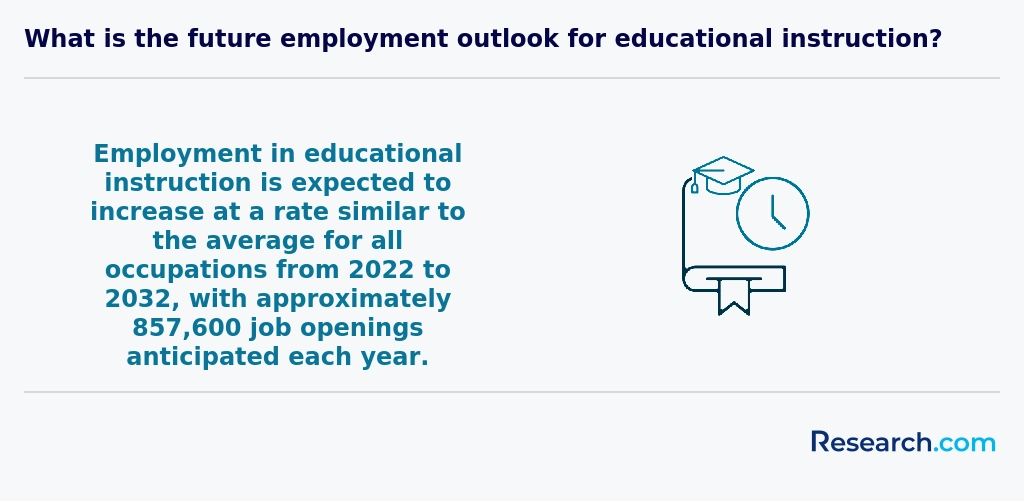
Globally, an education career is valued for its role in shaping societies and economies. In the United States, including Columbus, there is a growing emphasis on multicultural and global competencies within education degrees. According to the U.S. Bureau of Labor Statistics, employment for education professionals is expected to grow by 5% from 2022 to 2032, reflecting steady demand.
Columbus, as an educational hub, benefits from diverse communities that enrich teaching approaches with international perspectives. Programs here often include coursework on global education trends, preparing graduates for careers in diverse classrooms or international settings.
Understanding global education standards, such as those promoted by UNESCO, also enhances a graduate's ability to work or collaborate beyond U.S. borders, increasing career flexibility and opportunities.
Gaining practical experience while studying for an education degree in Columbus is essential for career readiness. Many local universities and colleges offer supervised student teaching placements in nearby K-12 schools, allowing students to apply theory in real classrooms. For example, Ohio State University's College of Education collaborates with over 50 schools in Columbus for student internships and clinical experiences.
Additionally, aspiring educators can engage in fieldwork, tutoring programs, and after-school initiatives to build hands-on skills. These experiences often count toward licensure requirements mandated by Ohio's Department of Education. Moreover, Columbus benefits from educational nonprofits that welcome volunteer support, providing further opportunities to gain diverse classroom exposure.
Choosing the right concentration within an education degree program in Columbus requires careful consideration of personal interests and local job market demands. Popular concentrations include early childhood, special education, and educational leadership. According to Columbus State Community College and Ohio State University data, special education and STEM-related education fields see steady growth in regional employment opportunities. Understanding your career goals helps narrow options, as each concentration prepares you for different roles within schools or educational organizations. Additionally, consider practicum opportunities offered by Columbus institutions, which can provide valuable hands-on experience in your chosen concentration.
Related Education Rankings for Nearby Cities
- 2027 Most Valuable Education Degree Programs Ranking in Cincinnati
- 2027 Most Valuable Education Degree Programs Ranking in Cleveland
- 2027 Most Valuable Education Degree Programs Ranking in Pittsburgh
- 2027 Most Valuable Education Degree Programs Ranking in Indianapolis
- 2027 Most Valuable Education Degree Programs Ranking in Erie
- 2027 Most Valuable Education Degree Programs Ranking in Chicago
- 2027 Most Valuable Education Degree Programs Ranking in River Forest
- 2027 Most Valuable Education Degree Programs Ranking in Buffalo
- 2027 Most Valuable Education Degree Programs Ranking in Greensboro
- 2027 Most Valuable Education Degree Programs Ranking in Washington
Top Trending Education Rankings
See What Experts Have To Say About Studying Education
Read our interview with Education experts

Nooshan Ashtari
Education Expert
Professor & Book Author
University of Southern California


References
- Can Higher Education Improve Long-Term Career Success https://studysphereadvisors.com/how-higher-education-influences-long-term-career-growth/
- Navigating Challenges In Education, Learning & Development - those who can https://www.thosewhocan.org/navigating-challenges-in-education-learning-and-development/
- Networking For Educators: How To Grow A Professional Circle - Carlow University https://www.carlow.edu/networking-for-educators/
- Latest Trends in the Field of Education - ICERT https://icert.org.in/latest-trends-in-the-field-of-education/
- Teacher of Global Perspectives (IGCSE) https://www.scie.com.cn/jobs-global-perspectives/
- Why Is Education Important in Your Career Advancement? - KWSP Malaysia https://www.kwsp.gov.my/en/w/article/career-advancement
- Trade School Tuition Under $5K | Flexible Plans https://www.columbustradeschool.com/tuition-payment/
- Tuition & Fees https://www.capital.edu/admission-aid/office-of-financial-aid/tuition-fees/
- Promising Niches in the Global EdTech Landscape - Blog https://rocketech.it/blog/post/global-edtech-landscape-what-niches-are-the-most-promising
- Get the skills employers want | Study UK https://study-uk.britishcouncil.org/why-study/succeed-your-career/get-skills-employers-want


