
2027 Most Valuable Education Degree Programs Ranking in Fort Worth

Co-Founder and Chief Data Scientist
Choosing the right education degree program in Fort Worth can shape your future in meaningful ways. Our article introduces the 2027 Most Valuable Education Degree Programs Ranking in Fort Worth, crafted by the Research.com team of data scientists. This ranking offers clear insights to help you confidently explore which programs provide the best opportunities.
By reading this guide, you'll discover options that align with your goals and passions. Pursuing an education degree opens doors to rewarding careers and personal growth. Let this article support your journey to success.
Key benefits of getting education degree in Fort Worth
- Graduates with an education degree in Fort Worth can expect strong earning potential, such as a Special Education Teacher making around $76,000 annually or an Instructional Designer earning about $77,200 per year.
- A popular career path for education graduates from local universities includes roles like Elementary School Teacher and ESL Teacher, which provide meaningful work with annual salaries near $65,430 to $70,740.
- Pursuing an education degree online from Fort Worth colleges offers flexibility and convenience, enabling graduates to balance studies with work while gaining skills that lead to rewarding jobs like Early Childhood Educator earning $41,410 yearly.
- Key benefits of getting education degree in Fort Worth
- What can I expect from education degree in Fort Worth?
- Where can I work with education degree in Fort Worth?
- How much can I make with education degree in Fort Worth?
- 2027 Most Valuable Education Degree Programs Ranking in Fort Worth
- Key Findings
- How long does it take to complete education degree in Fort Worth?
- Understanding the Ranking Criteria for Education Degree Programs in Fort Worth, TX
- What's the difference between online and on-campus education degree?
- Methodology: How We Ranked the 2024 Most Valuable Education Degree Programs
- What is the average cost of education degree in Fort Worth?
- How We Rank Schools
- What financial aid is available to education degree students in Fort Worth?
- How We Rank Schools and Programs
- What are the prerequisites for enrolling in education degree program in Fort Worth?
- Accreditation and Certification Requirements
- What courses are typically in education degree programs in Fort Worth?
- What types of specializations are available in education degree programs in Fort Worth?
- How do you choose the best education degree in Fort Worth?
- What career paths are available for education degree students in Fort Worth?
- What is the job market for education degree in Fort Worth?
- Top Trending Education Rankings
- See What Experts Have To Say About Studying Education
What can I expect from education degree in Fort Worth?
Curious about the cost of an education degree in Fort Worth? On average, students at public universities like Texas Christian University might expect to pay between $8,000 and $15,000 a year if they're Texas residents. Private colleges such as Texas Wesleyan University typically come with higher tuition, but many graduates recall the value found in scholarships and tailored financial aid designed specifically for future educators. Imagine walking through local classrooms during student teaching, knowing that investment is setting you up for real-world success.
Graduates often share how financial support made a big difference-allowing them to focus more on immersive practicum experiences instead of stressing over bills. Whether practicing lesson plans in Fort Worth Independent School District's bustling schools or attending inspiring lectures, students feel their tuition opens doors to hands-on learning and vibrant community connections.
For many, the combination of reasonable costs and targeted aid transforms the challenge of funding education into excitement for the journey ahead-where every dollar spent is a step closer to making a difference in Texas classrooms.
Where can I work with education degree in Fort Worth?
With an education degree in Fort Worth, graduates dive into a thriving world of opportunities that spark both passion and purpose. Many find themselves shaping young minds within the Fort Worth Independent School District, the fifth-largest in Texas, where dedicated teachers bring classrooms alive in subjects ranging from early childhood to STEM and bilingual education. Imagine joining a buzzing school community, energized by the demand for innovative approaches and fresh ideas.
Others explore private and charter schools, like All Saints' Episcopal or the Uplift Education network, where creativity and flexibility in teaching are celebrated. Graduates from colleges such as Tarrant County College often step into higher education roles, teaching or developing programs that open doors for future educators. Working at Texas Christian University might mean contributing to cutting-edge research or guiding the next wave of teachers, fueling growth within the academic world.
Beyond classrooms, adventurous grads become educational consultants or curriculum developers, partnering with organizations like Education Service Center Region 11 to revolutionize learning tools and standards. These roles offer the excitement of shaping education from behind the scenes while supporting Fort Worth's thriving education landscape.
How much can I make with education degree in Fort Worth?
Graduates holding an education degree in Fort Worth find exciting financial opportunities that reflect their skills and dedication. For instance, a recent graduate working as an elementary school teacher can anticipate an average annual salary near $70,740, a rewarding figure that feels motivating after years of study at local institutions like Texas Christian University or the University of North Texas at Fort Worth.
Special education teachers stand out with mean wages around $76,000, making this path a strong choice for those passionate about making a unique impact. Meanwhile, ESL teachers earn approximately $65,430, offering a robust career that blends cultural exchange with solid pay. Early childhood educators, who shape young minds daily, can expect about $41,410 annually, a fulfilling role balanced with community needs.
For the creatively inclined, roles such as instructional designers bring in around $77,200. Graduates stepping into these positions often marvel at how their skills translate into competitive pay in Fort Worth's growing education sector. Studying education here means stepping into a vibrant environment ready to reward your commitment and growth.
2027 Most Valuable Education Degree Programs Ranking in Fort Worth
How do we rank schools?
Investing in your education is a significant decision that requires careful consideration, and the Research.com team recognizes the importance of providing reliable guidance. To support prospective students in Fort Worth, we have carefully developed the "2027 Most Valuable Education Degree Programs Ranking in Fort Worth." Our dedication to ensuring quality, credibility, and accuracy is demonstrated through extensive research and rigorous analysis.
We utilized the following reputable data sources to create this ranking:
By reviewing this ranking, readers will gain valuable insights into the most valuable education degree programs in Fort Worth, empowering them to make well-informed decisions about their academic and professional futures. For a detailed explanation of our research approach, please visit our Research.com methodology page.


Key Findings
- Education degrees in Fort Worth are offered by both public and private universities, with programs from bachelor's to master's levels and teaching certification options.
- In-state tuition for public universities ranges from $8,000 to $15,000 per year, while private schools typically charge between $20,000 and $30,000 annually.
- Graduates often find stable jobs in the large Fort Worth Independent School District, with many securing teaching positions within six months to a year after graduation.
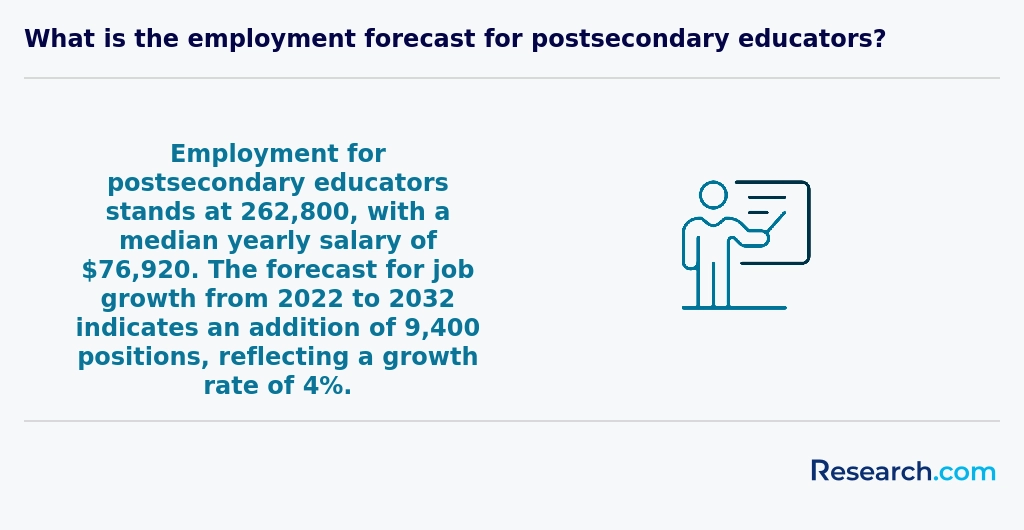
- Starting teacher salaries range from $50,000 to $55,000 annually, increasing to $60,000 to $70,000 with experience and advanced qualifications.
- Becoming a licensed teacher requires completing state certification and passing the Texas Examinations of Educator Standards (TExES).
How long does it take to complete education degree in Fort Worth?
In Fort Worth, diving into an education degree means embracing a journey that typically spans about four years if you're pursuing a bachelor's degree full-time at well-known institutions like Texas Christian University or University of North Texas Health Science Center. Imagine a passionate student balancing classroom theory with hands-on teaching experiences in local schools-this blend often nudges some programs just beyond four years but keeps the adventure thrilling.
For those pursuing a master's degree, many graduates share stories of balancing part-time classes or online courses while working, stretching their studies to three or four years. This flexibility lets you customize your schedule around life's unpredictable moments.
Doctoral candidates often describe their path as a deep academic expedition lasting anywhere from three to six years post-master's, with challenges and discoveries at every step. Universities in Fort Worth offer hybrid programs that make this intensive pursuit feel more manageable and personalized. The time it takes reflects not just credits earned but growth, exploration, and evolving passion for education.
Understanding the Ranking Criteria for Education Degree Programs in Fort Worth, TX
When evaluating the most valuable education degree programs, several factors come into play, including accreditation, graduation rates, and job placement statistics. For prospective students, understanding these criteria is crucial in making an informed decision about their educational pathway. To delve deeper into this, exploring resources like the valuable education school in Texas can provide insights into what makes a program stand out. Factors such as faculty expertise, curriculum relevance, and the availability of resources like libraries, technology, and support services all contribute to the overall quality of an education program. Additionally, considering the program's emphasis on practical experience, such as internships or student teaching, can give students a realistic view of their future career. By examining these aspects, prospective students can navigate the complex process of selecting an education degree program that aligns with their career aspirations and personal goals.
What's the difference between online and on-campus education degree?
Diving into education degrees in Fort Worth opens up two clear paths: on-campus and online programs, each offering distinct experiences. Imagine walking the halls of Texas Christian University, engaging directly with passionate professors and classmates, soaking in campus energy and tapping into resources like libraries and student services. Graduates often cherish this face-to-face connection and the vibrant campus atmosphere that fuels their growth.
On the flip side, picture completing your coursework from home through Texas A&M University's online program, balancing family life or a job with your studies. Online education empowers students with flexible schedules and the freedom to learn asynchronously-perfect for those craving control over their daily rhythms. Yet, it demands a proactive spirit, especially when arranging practical teaching placements within Fort Worth's school districts.
Both options stir excitement in different ways: the structure and camaraderie of in-person learning contrast beautifully with the independence and adaptability online programs foster. Whichever path you choose, the Fort Worth education scene offers fertile ground for your teaching journey.
Methodology: How We Ranked the 2024 Most Valuable Education Degree Programs
Our ranking process combines rigorous data analysis with real-world outcomes to ensure you make an informed choice. We evaluated each program on four core dimensions: 1. Earnings Potential (40%): Average starting salary of graduates three years post-graduation, sourced from the Bureau of Labor Statistics and state employment reports. 2. Total Cost of Attendance (30%): Tuition, fees, books and living expenses aggregated from institutional disclosures and the National Center for Education Statistics. 3. Career Outcomes (20%): Job placement rates and alumni satisfaction scores drawn from institutional surveys and independent graduate-outcome databases. 4. Academic Quality & Accreditation (10%): Institutional accreditation status, faculty credentials, student-to-faculty ratio and program completion rates. All programs included are regionally accredited and located within the Fort Worth, TX metro area. Data was collected between January and June 2024, then normalized to a 100-point scale. Each metric was weighted and combined to produce an overall Value Score. For those balancing budget and quality, we also recommend reviewing our ranking of the Cheapest Online Bachelor’s in Education Degree Programs to explore cost-effective online pathways without sacrificing long-term earning potential.
What is the average cost of education degree in Fort Worth?
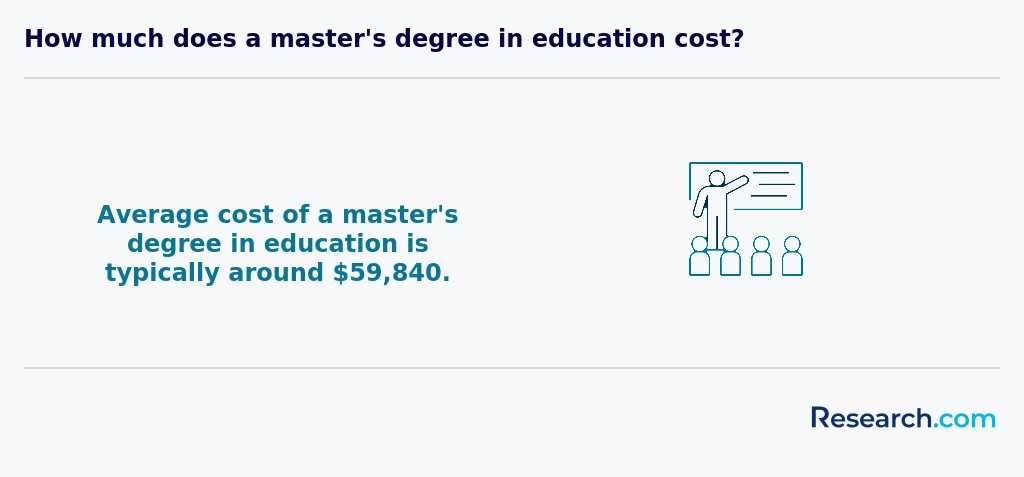
When considering the average cost of education degree in Fort Worth, students often find a mix of opportunities that fit various budgets. For instance, graduates from private institutions like Texas Christian University often share how their investment of around $69,000 opens doors to a wide network and rich resources, even though financial aid can dramatically lighten that load. Meanwhile, those who chose public universities nearby, such as Texas Wesleyan University or Texas A&M University - Commerce, often marvel at the affordability, with total in-state costs closer to $50,000, making their journey feel both adventurous and attainable.
Community colleges like Tarrant County College create an inviting starting point, offering lower tuition, around $3,500 per year, which helps many students get their feet wet before transferring to a four-year program. Graduates recall this path with enthusiasm, appreciating how it allowed them to explore the field of education without overwhelming financial pressure. This diverse pricing landscape makes Fort Worth a standout for students eager to pursue an education degree without feeling boxed in by costs.
It's exciting to see how local programs balance affordability and quality, whether you're aiming for a bachelor's or a master's degree. Graduate degrees, especially in fields like Curriculum and Instruction or Educational Leadership, tend to range between $10,000 and $25,000, making them appealing for those eager to deepen their expertise.
Many students also explore the valuable education school in Texas offerings across Fort Worth, highlighting the city's reputation as a hub for accessible and rewarding education degrees.
How We Rank Schools
Our 2024 Most Valuable Education Degree Programs Ranking in Fort Worth, TX is built on a transparent, data-driven methodology designed to help you compare programs objectively. We analyze:
- Outcomes and Earnings: We track median graduate salaries, employment rates, and long-term career growth to ensure each program offers strong ROI.
- Cost and Affordability: Tuition, fees, and average net price are weighed heavily. We also spotlight budget-friendly options-check our list of Cheapest Online Bachelor's in Education Degree Programs for more affordability insights.
- Academic Quality: Faculty credentials, student-to-faculty ratio, accreditation status, and curriculum rigor are evaluated to guarantee high instructional standards.
- Student Experience: Graduation rates, student reviews, and support services (e.g., career counseling, tutoring) factor into the score, reflecting real-world satisfaction.
- Innovation and Flexibility: We reward programs offering online, hybrid, or weekend formats, integrating modern teaching technologies and experiential learning opportunities. Each criterion is normalized on a 100-point scale and weighted based on its impact on graduate success. Our data sources include IPEDS, Bureau of Labor Statistics, institution disclosures, and direct student surveys. By blending quantitative metrics with qualitative feedback, our ranking highlights programs that excel in value, affordability, and quality-so you can confidently choose the best education degree in Fort Worth.
What financial aid is available to education degree students in Fort Worth?
Embarking on an education degree in Fort Worth opens doors to a host of financial aid options that can ease the journey. Many students discover federal student aid to be a trusted ally-Pell Grants, for example, offer up to $7,395 annually without the burden of repayment. Imagine attending Texas Christian University or Texas Wesleyan University and seeing your tuition lightened by these grants, making the dream of teaching feel within reach.
State-specific aid like the Texas Educational Opportunity Grant (TEOG) or the Texas Public Educational Grant often gives community college starters a welcome boost, helping them transfer smoothly into four-year programs. Fort Worth education majors often tap into scholarships from the local school district or merit-based awards, energizing their studies with support designed just for them.
Some graduates share how tuition reimbursement programs from Fort Worth school districts helped them commit to teaching in high-need schools while managing loan debt. Federal Direct Loans add further flexibility, making the path to becoming an educator adventurous yet affordable.
How We Rank Schools and Programs
Our ranking process is designed to provide a clear and transparent methodology that empowers prospective students with the information they need to make informed decisions. We begin by gathering comprehensive data on tuition, graduation rates, program variety, and post-graduation success. Then, we analyze factors such as financial aid options, hands-on learning opportunities, faculty expertise, and real-world student testimonials. This multi-dimensional approach ensures that each program’s value is measured not only by its cost and academic rigor but also by its ability to prepare students for successful careers in education. We combine quantitative metrics with qualitative feedback to create a balanced view of every institution. As you evaluate your options, you might also be interested in information about an online degree in educational leadership, which can offer additional flexibility and specialized career opportunities. Our ranking methodology is continuously updated to reflect the latest trends and student success stories, ensuring that our recommendations remain accurate and relevant for today’s aspiring educators.
What are the prerequisites for enrolling in education degree program in Fort Worth?
Standardized tests like the SAT or ACT often come into play, although some schools offer flexibility with test-optional policies, reflecting a growing trend that eases pressure on applicants. Picture a recent graduate from Texas Wesleyan University who breathed a sigh of relief when their personal statement and glowing letters of recommendation opened doors, highlighting their passion more than just numbers.
If you're eyeing graduate studies, holding a bachelor's degree with a solid GPA around 3.0 is key. GRE scores may be requested, but professional experience can sometimes tip the scale in your favor, painting a compelling picture of real-world readiness. Envision that blend of academic achievement and hands-on skills coming together as you prepare to join Fort Worth's thriving education community.
Accreditation and Certification Requirements
Ensuring your education degree program is properly accredited and aligned with Texas certification standards is essential for both program quality and state licensure. In Fort Worth, most reputable institutions hold regional accreditation from the Southern Association of Colleges and Schools Commission on Colleges (SACSCOC) and programmatic accreditation from the Council for the Accreditation of Educator Preparation (CAEP). These endorsements guarantee that coursework meets rigorous national benchmarks, practical teaching experiences adhere to state guidelines, and credits transfer seamlessly between institutions. To become a certified teacher in Texas, you must complete a program approved by the Texas Education Agency (TEA) and pass the State of Texas Assessments of Academic Readiness (STAAR) exams, including Pedagogy and Professional Responsibilities (PPR). Accredited programs typically integrate exam preparation into their curriculum, provide official TEA application support, and host mock certification interviews to boost your success rate. Additionally, programs with CAEP accreditation often feature partnerships with local school districts, offering priority student-teaching placements and specialized mentorship from experienced educators. If you’re balancing budget with quality, consider exploring the Cheapest Online Bachelor's in Education Degree Programs, many of which maintain full accreditation and TEA approval. By choosing a program that combines affordability, accreditation, and explicit certification pathways, you’ll be positioned to enter Fort Worth classrooms fully prepared and confident in your professional credentials.
What courses are typically in education degree programs in Fort Worth?
Diving into an education degree in Fort Worth means embracing a diverse array of courses designed to ignite your passion for teaching and empower your future classroom. Picture yourself at Texas Christian University or the University of North Texas at Fort Worth, where graduates often describe their journey starting with foundations of education-exploring the rich history and transformative philosophy behind teaching.
You'll quickly get drawn into educational psychology, uncovering how young minds tick and digest new information. Imagine practicing classroom management techniques that seasoned teachers swear by, keeping learning spaces lively yet focused. Instructional methods courses let you experiment with engaging ways to tailor lessons for different ages and subjects, fueling your creativity.
Assessment classes guide you on effectively measuring student growth, while special education principles open your heart and skills to support diverse learners. And in today's tech-forward world, integrating technology becomes second nature-something many Fort Worth graduates say gave them confidence stepping into modern classrooms.
What types of specializations are available in education degree programs in Fort Worth?
Exploring education degree specializations in Fort Worth reveals a vibrant spectrum designed to match varied passions and career dreams. Many graduates from popular colleges in Fort Worth eagerly share how Elementary Education opened doors to joyful classrooms full of young learners, while others found their rhythm teaching specific subjects through Secondary Education programs. For those drawn to making a profound impact on inclusivity, Special Education stands out as both challenging and rewarding, with teachers crafting tailored learning experiences for students with disabilities.
At the heart of Fort Worth's unique educational tapestry, you'll find Early Childhood Education thriving, especially with the city's growing young families. Graduates often mention how the hands-on experiences in local schools brought curriculum theories to life, making learning deeply personal. Meanwhile, Educational Leadership prepares future school administrators, nurturing leadership skills and an understanding of policy-a path many explore through flexible, modern courses, including a popular online degree in educational leadership.
Other adventurous students dive into English as a Second Language Education, inspired by Fort Worth's diverse communities, or Curriculum and Instruction, passionate about designing engaging programs across grade levels. With such rich Fort Worth education degree program options, every path invites discovery and meaningful impact.
How do you choose the best education degree in Fort Worth?
Choosing the best education degree in Fort Worth means diving into options that align with your unique career dreams and lifestyle. Graduates from Texas Christian University often speak of the pride they felt knowing their degree met rigorous accreditation standards, opening doors to teaching positions across Texas public schools. If you're curious about affordable education degrees Fort Worth TX offers, many locals appreciate how private institutions complement value with personalized support and flexible schedules. Balancing work and study is a breeze with online or hybrid formats, giving you freedom without sacrificing quality.
Imagine yourself joining a program where practical training is more than theory-graduates rave about internships coordinated through local school districts that make real classroom experience a reality. And if cost matters, you might explore the Cheapest Online Bachelor's in Education Degree Programs to start your adventure without breaking the bank. Choosing your path here is about blending accredited rigor with the vibrant Fort Worth community that supports every step of your journey.
What career paths are available for education degree students in Fort Worth?
Graduates with an education degree in Fort Worth step into a world of exciting possibilities beyond the traditional classroom. Many find joy in becoming classroom teachers in diverse public and private schools, embracing Fort Worth's multicultural classrooms and dynamic student populations. Others, inspired by leadership, pursue roles as educational administrators or principals, shaping policies and guiding schools to success. Those passionate about supporting student growth explore careers as school counselors or student support specialists, making a real difference in young lives through academic and emotional guidance.
Some alumni discover rewarding careers as curriculum developers or instructional coordinators, crafting engaging educational content at Fort Worth's well-known institutions such as Texas Christian University and Texas Wesleyan University. Careers in higher education, including academic advisor roles, also provide avenues for those wanting to stay close to scholarly environments. Educational nonprofits offering literacy and equity initiatives add a meaningful, community-centered twist to potential paths.
Students curious about cost-effective routes often explore options like the Cheapest Online Bachelor's in Education Degree Programs, blending quality learning with affordability. Fort Worth teaching jobs and career paths truly offer a rich landscape for adventurous graduates ready to make an impact.
What is the job market for education degree in Fort Worth?
The job market for education degree job opportunities Fort Worth is vibrant and full of promise. Graduates from local universities often share stories of landing teaching roles in rapidly growing school districts like Fort Worth Independent School District, where demand for certified teachers in math, science, and special education remains strong. Imagine stepping into classrooms that need passionate educators ready to inspire the next generation, all while contributing to a community that values education deeply.
Many prospective educators find that Fort Worth's supportive network of colleges offers various pathways to certification, making it easier to turn ambitions into reality. Graduates frequently explore roles beyond traditional teaching, tapping into education technology firms or administrative positions that help shape local schools. Financially, the average tuition of about $10,000 for public universities eases the investment burden, and scholarships often brighten the path forward.
For those eager to expand their skills or find alternative routes into the field, Fort Worth's range of certificate programs that pay well provide practical steps. The Fort Worth education careers outlook paints a picture of steady, manageable growth, making this region a playground for the curious and ambitious educator ready to dive in.
Frequently Asked Questions About education
Education degree students in Fort Worth can maximize their learning experience by engaging deeply with both theoretical and practical aspects of their programs. Fort Worth hosts several accredited institutions, such as Texas Christian University and Texas Wesleyan University, which emphasize hands-on learning through student teaching and educational internships.
Students should actively seek diverse classroom environments, as Fort Worth's public schools serve a broad demographic, offering valuable exposure to different learning needs. According to the Fort Worth Independent School District, nearly 50% of students are from minority backgrounds, enriching the teaching practice.
Moreover, joining professional organizations like the Texas Classroom Teachers Association can provide networking and mentoring opportunities. Utilizing campus resources such as tutoring centers and workshops also supports academic success.
The field of education is rapidly evolving, and new niches are emerging that reflect changing societal needs and technological advancements. In Fort Worth, a growing niche is special education with a focus on autism spectrum disorders, driven by increasing diagnoses nationwide. According to the Texas Education Agency, Fort Worth Independent School District has expanded its special education programs to address this demand.
Another expanding area is educational technology. Degrees emphasizing digital tools and online learning methods are gaining traction, particularly post-pandemic as schools adopt hybrid teaching models. Fort Worth institutions are incorporating these skills to prepare educators for modern classrooms.
Lastly, culturally responsive teaching is becoming vital. There's an increasing focus on training educators to effectively serve Fort Worth's diverse student population, enhancing equity and inclusion efforts. These niches offer promising career paths for future educators in the region.
To prepare for the job market after completing an education degree in Fort Worth, it is essential to gain practical experience through internships or student teaching placements. Fort Worth Independent School District often collaborates with local universities, providing valuable opportunities to build classroom skills. Networking with area educators and attending local education conferences can also increase job prospects. Understanding Texas teacher certification requirements is crucial, as passing the Texas Examinations of Educator Standards (TExES) is mandatory before securing a teaching position.
Fort Worth offers a competitive job market, with the Texas Workforce Commission projecting a 7% increase in teaching jobs through 2030.
Employers in Fort Worth prioritize a mix of practical and interpersonal skills when hiring education degree graduates. Strong communication skills are essential, as teachers must effectively engage with students, parents, and colleagues. Classroom management abilities also rank highly, helping to create a productive learning environment.
Critical thinking and problem-solving skills enable educators to adapt lessons to diverse student needs. According to the Texas Education Agency, Fort Worth school districts increasingly seek candidates proficient in technology integration to support modern learning methods.
Additionally, cultural competence is valued, reflecting the city's growing diversity. Graduates demonstrating collaboration skills and a commitment to continuous professional development stand out in the local job market.
Finding internships in Fort Worth relevant to an education degree involves several practical steps. Local universities, such as Texas Christian University and the University of North Texas Health Science Center, often maintain internship listings specifically for education students. These programs collaborate with Fort Worth Independent School District (FWISD), which provides multiple internship placements annually in diverse educational settings.
Additionally, Fort Worth boasts over 80 public and private schools that periodically offer student teaching and internship opportunities. National databases like Handshake and internships.com also list local openings. Networking through local education conferences and Fort Worth's Teachers Association can further enhance access to internships.
According to the Texas Education Agency, over 7,000 teacher candidates are certified annually in the Dallas-Fort Worth area, reflecting a competitive but growing market for education internships and practicum experiences in the region.
Obtaining an education degree in Fort Worth significantly improves career mobility and advancement opportunities. According to the Texas Higher Education Coordinating Board, individuals with a bachelor's or master's degree in education have access to higher-paying positions within local school districts, such as Fort Worth Independent School District.
Certified teachers in Fort Worth typically earn 15-30% more than those without degrees, which encourages career growth. Additionally, advanced degrees often lead to administrative roles or specialized education positions, expanding job prospects.
The growing demand for qualified educators in Fort Worth supports ongoing professional development, making education degrees valuable for long-term career advancement.
Studying for an education degree in Fort Worth equips students with skills that extend beyond traditional classroom teaching. Programs here emphasize interdisciplinary approaches, blending education theory with psychology, technology, and multicultural studies. Fort Worth institutions often collaborate with local schools and community organizations, offering real-world experience in diverse environments.
According to the Texas Higher Education Coordinating Board, many education programs in Fort Worth integrate training in special education, counseling, and educational leadership, enabling graduates to adapt to various roles within the educational system. This diversity prepares students for careers not only as teachers but also as curriculum developers, education consultants, and policy advisors.
Moreover, Fort Worth's growing emphasis on STEM education encourages combining subject matter knowledge with pedagogical strategies, fostering innovation in teaching. Overall, these programs develop versatile educators prepared for the evolving demands of modern education.
When choosing between a thesis and a non-thesis education degree program in Fort Worth, consider your career goals first. Thesis programs typically emphasize research skills and are ideal if you plan to pursue a doctoral degree or a career in academic research. Non-thesis programs focus more on practical skills and coursework, which can be beneficial for those aiming to work directly in schools or educational leadership roles.
In Fort Worth, institutions like Texas Christian University and the University of North Texas offer both options, reflecting diverse local employment demands. According to the Texas Higher Education Coordinating Board, about 40% of education master's students in Texas choose non-thesis options for quicker completion and applied skills. Consider your learning style and time commitment carefully when deciding.
Students based in Fort Worth interested in studying education abroad have a variety of options through U.S. university partnerships and exchange programs. Many institutions in Texas, including those near Fort Worth, offer study abroad programs focused on education disciplines, allowing students to gain international experience while earning credit toward their degrees.
For example, Texas Christian University and the University of North Texas promote global education initiatives that include opportunities in countries such as Spain, China, and the United Kingdom. These programs often combine coursework with practical teaching experiences.
Financial aid and scholarships are frequently available to support these endeavors, which is important since the cost of study abroad can range widely based on destination and duration, though typical programs last one semester.
Fort Worth offers various part-time job opportunities that complement education degree studies, providing practical experience and income. Many students find roles as teacher aides or paraprofessionals in local public schools, such as those in the Fort Worth Independent School District, which employs thousands and actively supports student workers.
Other options include tutoring services, especially for K-12 students. Fort Worth tutoring centers and online platforms often seek education students to teach subjects like math and reading. According to the National Center for Education Statistics, 40% of education majors engage in tutoring during their studies.
Additionally, after-school program assistants are in demand through community organizations, giving students a chance to hone classroom and leadership skills. These roles can boost resumes while building connections within Fort Worth's education sector.
Education students in Fort Worth have access to a variety of valuable networking opportunities that support their academic and professional growth. Local universities like Texas Christian University and Texas Wesleyan University host education-focused events, workshops, and career fairs where students can connect with faculty, alumni, and potential employers.
Besides campus activities, Fort Worth's public school districts, including Fort Worth Independent School District, partner with higher education institutions to offer internships and student teaching placements. These programs allow students to build practical connections with experienced educators.
Professional organizations such as the Texas Classroom Teachers Association also hold regional meetings in the area, providing forums for networking with practicing teachers and education leaders.
Alumni networks play a significant role in the professional growth of education degree students in Fort Worth. These networks provide access to experienced educators who offer mentorship and career advice tailored to the region's schools. According to a 2023 study by the Texas Education Agency, more than 60% of Fort Worth graduates found teaching positions through connections made within alumni networks.
Such networks also organize job fairs and workshops, which help students stay informed about local hiring trends. Additionally, alumni often collaborate on continuing education opportunities, enhancing skills that are crucial in Fort Worth's evolving school districts. These resources improve employment prospects and professional development.
In Fort Worth, customizing your education degree program begins with selecting the right institution that offers flexible course options. Many universities and colleges provide concentrations or specializations such as early childhood education, special education, or educational technology. These options allow students to tailor their studies according to professional interests.
Fort Worth institutions often enable students to choose elective courses aligned with their career goals. This customization can include practical experiences like internships or student teaching placements within local schools, giving real-world exposure. According to the Texas Higher Education Coordinating Board, Fort Worth's education programs emphasize hands-on learning to prepare graduates for diverse teaching environments.
Additionally, part-time and online study options offered by some Fort Worth schools support working professionals aiming to advance their credentials without pausing their careers.
Education students in Fort Worth often face several common challenges throughout their academic journey. One major issue is balancing fieldwork with coursework. Many programs in Fort Worth require extensive student teaching or internships, which can be time-consuming and stressful alongside class commitments. According to data from the Texas Higher Education Coordinating Board, nearly 60% of education students in the region report difficulties managing these practical requirements.
Another challenge is adapting to diverse classroom environments. Fort Worth's public schools serve a wide range of socio-economic and cultural backgrounds, requiring future teachers to develop strong cultural competence and inclusive teaching strategies.
Additionally, financial constraints pose a barrier for many students. The average yearly tuition for education degrees in local institutions ranges from $8,000 to $15,000, as reported by the National Center for Education Statistics, which can increase the risk of student debt.
With an education degree in Fort Worth, graduates can pursue a variety of professional certifications to enhance their careers. The Texas Education Agency (TEA) offers teaching certifications such as the Standard Teaching Certificate, required to teach in public schools across Texas. Additionally, educators can earn specialized certifications like English as a Second Language (ESL) or Special Education credentials.
Other certifications include Principal or Superintendent certifications for those interested in school leadership roles. According to TEA data, over 15,000 educators in the Dallas-Fort Worth area hold teaching certificates, reflecting strong local demand.
These certifications improve job opportunities and earning potential for education graduates in Fort Worth.
Applying for an education degree program in Fort Worth requires careful preparation to stand out in a competitive field. First, ensure your application highlights relevant academic achievements, such as your GPA and any prior coursework in education or related fields. Fort Worth's universities often look for candidates with strong communication skills and a clear motivation for teaching, so a compelling personal statement is essential.
Additionally, securing strong letters of recommendation from educators or employers familiar with your dedication to education can strengthen your application. Fort Worth institutions frequently value practical experience, so mentioning volunteer or work experience in schools can be advantageous.
According to the Texas Higher Education Coordinating Board, many local programs review applicants holistically, including extracurricular activities and leadership roles. Meeting all deadlines and submitting complete documentation, like official transcripts and test scores when required, is critical to success.
Education careers in Fort Worth reflect broader trends in the United States, where teaching remains a highly respected profession with global importance. According to the U.S. Bureau of Labor Statistics, employment for education professionals is expected to grow by 5% from 2021 to 2031, signaling steady demand.
Globally, educators are viewed as essential contributors to social development and economic growth. The UNESCO Global Education Monitoring Report emphasizes the need for well-trained teachers worldwide to meet Sustainable Development Goals.
In Fort Worth, local institutions align their education degree programs with these global standards, preparing graduates to address diverse classroom needs.
Gaining practical experience while studying for an education degree in Fort Worth is crucial to build skills and improve job prospects. Many local universities, including Texas Christian University and Texas Wesleyan University, offer teacher preparation programs that incorporate supervised student teaching. This hands-on component allows students to work directly in Fort Worth-area K-12 schools, helping them apply theory in real classrooms.
Additionally, Fort Worth Independent School District often partners with nearby colleges to provide internships and volunteer opportunities. These experiences give future educators insights into classroom management and lesson planning. According to the Texas Education Agency, over 70% of education students in Texas complete clinical teaching as part of their degree requirements, ensuring practical readiness.
Participating in on-campus education labs and community programs also enhances experience. These practical engagements are essential for meeting state certification standards while studying in Fort Worth.
Choosing the right concentration within an education degree program in Fort Worth requires careful consideration of your career goals and interests. Common concentrations include early childhood education, special education, and secondary education, each catering to different age groups and student needs. According to the Texas Education Agency, Fort Worth Independent School District employs over 9,500 teachers, highlighting strong demand for educators in diverse specialties.
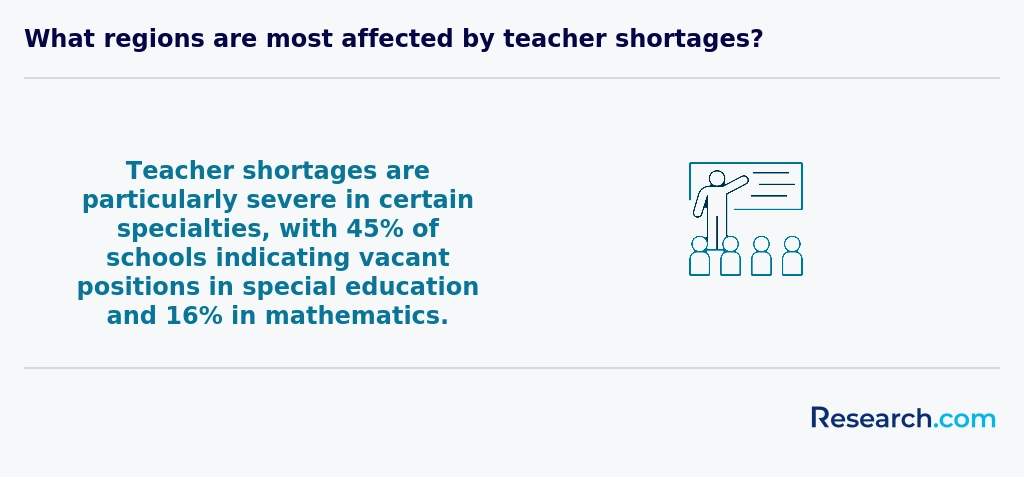
Research local job market trends to identify concentrations with better employment prospects. For example, special education teachers often receive higher salaries and have more openings due to statewide shortages. Additionally, consider program accreditation and field placement opportunities offered by Fort Worth institutions, as hands-on experience is crucial.
Networking with local educators or academic advisors can provide insight into which concentrations align with regional needs and personal strengths.
Related Education Rankings for Nearby Cities
- 2027 Most Valuable Education Degree Programs Ranking in Mobile
- 2027 Most Valuable Education Degree Programs Ranking in Colorado Springs
- 2027 Most Valuable Education Degree Programs Ranking in Birmingham
- 2027 Most Valuable Education Degree Programs Ranking in Montgomery
- 2027 Most Valuable Education Degree Programs Ranking in Denver
- 2027 Most Valuable Education Degree Programs Ranking in Atlanta
- 2027 Most Valuable Education Degree Programs Ranking in Tallahassee
- 2027 Most Valuable Education Degree Programs Ranking in Indianapolis
- 2027 Most Valuable Education Degree Programs Ranking in Macon
- 2027 Most Valuable Education Degree Programs Ranking in River Forest
Top Trending Education Rankings
See What Experts Have To Say About Studying Education
Read our interview with Education experts


Nooshan Ashtari
Education Expert
Professor & Book Author
University of Southern California

References
- Benefits of Networking for Students https://www.melioeducation.com/blog/benefits-of-networking-for-students/
- How To Write A Great Cover Letter For Teacher Training - Engage Education https://engage-education.com/blog/how-to-write-a-great-cover-letter-for-teacher-training/
- What Can I Do With a Teaching Degree (Besides Teach)? https://www.alleducationschools.com/blog/what-can-i-do-with-a-teaching-degree-besides-teach/
- Academic programs at UNT Health Fort Worth. https://www.unthealth.edu/academics/index.html
- 10 Reasons Why Education Helps to Advance Your Career - Insight Training https://insight.edu.au/blog/career-advancement-through-education/
- Explore Tarrant County College teacher education programs https://communityimpact.com/sponsored/inside-tarrant-county-colleges-new-bachelors-degree-other-teacher-education-pathways/
- The 8 challenges of education in a changing world https://casvitrescantos.com/en/the-8-challenges-of-education-in-a-changing-world/
- Navigating Challenges In Education, Learning & Development - those who can https://www.thosewhocan.org/navigating-challenges-in-education-learning-and-development/
- Why Experience is Just as Important as Education https://lateral-connect.com/why-experience-is-just-as-important-as-education/
- How To Become A Teacher in Fort Worth https://240certification.com/how-to-become-a-teacher-in-texas/fort-worth/


