
2027 Most Valuable Education Degree Programs Ranking in Oklahoma

Co-Founder and Chief Data Scientist
Choosing the right education degree program in Oklahoma can shape your future in meaningful ways. Our article presents the 2027 Most Valuable Education Degree Programs Ranking in Oklahoma, crafted by the Research.com team of data scientists. This ranking is designed to empower you with clear insights to help make a well-informed decision.
Discover which programs offer great opportunities and career potential. Pursuing an education degree is a rewarding path that opens doors to making a positive impact on communities. This guide is here to support your journey.
Key benefits of getting education degree in Oklahoma
- Graduates with an education degree in Oklahoma can expect strong earning potential, with special education teachers earning around $76,000 annually and instructional designers making about $77,200 per year.
- Potential career paths include roles such as elementary school teaching, ESL teaching, and early childhood education, offering diverse opportunities to shape quality learning experiences.
- Obtaining an education degree online from local universities allows flexible scheduling and access to quality programs, helping graduates balance work and study while advancing their careers effectively.
- Key benefits of getting education degree in Oklahoma
- What can I expect from education degree in Oklahoma?
- Where can I work with education degree in Oklahoma?
- How much can I make with education degree in Oklahoma?
- 2027 Most Valuable Education Degree Programs Ranking in Oklahoma
- Key Findings
- How long does it take to complete education degree in Oklahoma?
- Return on Investment (ROI) Analysis for Oklahoma Education Degrees
- What's the difference between online and on-campus education degree?
- Teacher Certification and Licensing Requirements in Oklahoma
- What is the average cost of education degree in Oklahoma?
- Most Affordable Education Options in Oklahoma
- What financial aid is available to education degree students in Oklahoma?
- Tips for Success in Your Education Journey
- What are the prerequisites for enrolling in education degree program in Oklahoma?
- Return on Investment Analysis for Education Degrees in Oklahoma
- What courses are typically in education degree programs in Oklahoma?
- What types of specializations are available in education degree programs in Oklahoma?
- How do you choose the best education degree in Oklahoma?
- What career paths are available for education degree students in Oklahoma?
- What is the job market for education degree in Oklahoma?
- Related Education Rankings for Nearby States
- Top Trending Education Rankings
- See What Experts Have To Say About Studying Education
What can I expect from education degree in Oklahoma?
The average cost of pursuing an education degree in Oklahoma varies, but many students find it remarkably accessible compared to national tuition averages. At institutions like the University of Oklahoma and Oklahoma State University, in-state tuition for education programs typically falls between $8,000 and $12,000 per year. Graduates often recall balancing coursework with real-world student teaching experiences, which not only enhance their skills but also build confidence in classroom management and curriculum development.
For many, the financial investment is worth the tangible returns seen in their first teaching positions, often supported by scholarships and state financial aid designed specifically for future Oklahoma educators. The affordability paired with hands-on training creates a sense of community and belonging, especially for those pursuing specialized tracks like bilingual education or STEM teaching, which are increasingly in demand across Oklahoma's diverse school districts.
These programs challenge you to grow intellectually and emotionally, preparing graduates not just to teach, but to lead and innovate within Oklahoma's evolving education landscape.
Where can I work with education degree in Oklahoma?
Graduates with an education degree in Oklahoma often envision themselves in classrooms, but the reality is far richer and more varied. Many find rewarding careers in public K-12 schools across the state, stepping into roles as teachers, administrators, or support staff-just like alumni from the University of Oklahoma who share how hands-on experiences in Tulsa schools prepared them to lead with confidence. Others explore private and charter schools, where smaller class sizes and innovative teaching styles allow for creative curriculum development and personalized student engagement, a path favored by graduates of Oklahoma State University.
The journey doesn't stop at K-12; education graduates from institutions like Langston University frequently pursue roles in higher education as academic advisors or faculty, helping to shape future teachers. Many also embark on careers in educational policy or administration, working within the state's Department of Education or community nonprofits to craft programs that uplift underserved populations. The diverse opportunities thriving throughout Oklahoma invite education graduates to not only teach but to transform the learning landscape in meaningful ways.
How much can I make with education degree in Oklahoma?
Graduates with education degrees from well-known Oklahoma institutions often discover a wide spectrum of earning possibilities. For instance, an elementary school teacher might expect a mean annual wage near $70,740, while specialized roles such as special education teachers can command around $76,000. These figures reflect the local realities far beyond the starting salaries often cited. One recent graduate from a major Oklahoma university shared how working as an Instructional Designer now affords them a salary around $77,200, a role blending creativity with education expertise.
Meanwhile, those drawn to English as a Second Language (ESL) teaching can anticipate making about $65,430 annually, bringing purpose alongside steady income. More entry-level educators, such as early childhood educators, earn closer to $41,410, but many pause to reflect on the profound social impact alongside their paycheck.
Oklahoma's education landscape invites bold reflection: is a salary just a number, or a gateway to meaningful community impact fueled by your degree? Many graduates feel a deep satisfaction seeing their knowledge shape young minds, even as they navigate the complexities of differing pay scales across the state's schools and districts.
2027 Most Valuable Education Degree Programs Ranking in Oklahoma
How do we rank schools?
Investing in your education is a significant decision that can shape your future, and the Research.com team understands the importance of making informed choices. To assist prospective students in Oklahoma, we have meticulously crafted the "2027 Most Valuable Education Degree Programs Ranking in Oklahoma." Our commitment to quality, credibility, and accuracy is reflected in the extensive research and analysis conducted to compile this ranking.
We utilized the following reputable data sources to ensure a comprehensive evaluation of education degree programs:
By exploring this ranking, readers will gain valuable insights into the most valuable education degree programs available in Oklahoma, helping them make informed decisions about their educational paths. For more details on our methodology, please visit our Research.com methodology page.
# 1 position
Southeastern Oklahoma State University
Master of Education in Curriculum and Instruction


# 13 position
Southern Nazarene University
Master of Arts in Teaching

# 14 position
Southern Nazarene University
Bachelor of Science in Elementary Education
# 16 position
Cameron University
Bachelor of Science in Elementary Education


Key Findings
- Annual tuition for in-state students pursuing a bachelor's in education in Oklahoma ranges from $9,000 to $10,000, which is below the national average.
- Starting salaries for education graduates in Oklahoma average around $42,000 per year, increasing to between $58,000 and $65,000 with experience.
- There is a steady demand for teachers, especially in special education, math, and science, due to ongoing shortages in these areas.
- Oklahoma universities offer bachelor's, master's, and licensure education programs that include practical student-teaching and theoretical courses.
- State licensure exams and background checks are required to become a certified teacher eligible to work in public schools.
- Financial aid and scholarships are available specifically for education majors to help reduce the cost of earning a degree in the state.
How long does it take to complete education degree in Oklahoma?
Completing an education degree in Oklahoma can feel like a carefully paced journey rather than a race. At universities like the University of Oklahoma or Oklahoma State University, a full-time Bachelor's degree in Education typically takes about four years, mirroring the national standard. Many graduates recall balancing late-night studies with part-time work, appreciating flexible options like evening or online classes tailored to busy lives.
Master's programs add another layer to this timeline-usually one to two years beyond the bachelor's degree. Graduates often describe these years as transformative, diving deep into specialized fields like curriculum design or educational leadership while managing family or career demands thanks to part-time schedules.
- A standard Bachelor's degree in Education involves roughly 120 credit hours, often spread over eight semesters.
- Graduate education degrees usually require 30 to 36 credit hours and can vary depending on full- or part-time study.
- Some find alternative certification programs provide quicker pathways, often completing requirements within a year.
Practical experiences such as student teaching, integrated into these programs, can extend the time slightly but are essential in turning theoretical knowledge into confident classroom practice. For many Oklahoma students, these hands-on semesters become the most rewarding milestones of their academic journey.
Return on Investment (ROI) Analysis for Oklahoma Education Degrees
When evaluating the true value of a 2024 Most Valuable Education Degree Program in Oklahoma, it’s essential to balance total program costs against expected post‐graduation earnings. By understanding your payback period-the time it takes to recoup tuition through salary-you can make more informed decisions and optimize long‐term financial outcomes. Average Annual Costs vs. Starting Salaries • In‐State Public Universities: $27,146 total cost per year, with graduates often starting around $38,640 as Early Childhood Educators. • Out‐of‐State Public Universities: $45,708 per year, balanced by higher initial offers in specialized roles like Instructional Designer ($73,080). • Private Institutions: $55,840 per year, offset by intensive career support and networking opportunities leading to administrative positions with salaries exceeding $75,000. Estimated Payback Periods • ESL Teacher (avg. salary $63,130): ≈1.7 years for in‐state students; ≈2.5 years for private institution graduates. • Instructional Designer (avg. salary $73,080): ≈1.5 years for in‐state; ≈2.4 years for private. • Early Childhood Educator (avg. salary $38,640): ≈2.8 years for in‐state; ≈3.7 years for private. Strategies to Maximize ROI 1. Leverage Financial Aid: Combine federal grants, state scholarships, and work‐study to lower your net cost. 2. Accelerate Graduation: Enroll in summer courses or credit‐for‐experience programs to reduce total tuition fees. 3. Target High‐Demand Specializations: Focus on areas like Special Education or Educational Technology to command premium salaries. 4. Compare National Averages: For students exploring remote options, consider supplemental research such as the Cheapest Online Master's in Education Degree Programs Ranking in Greeley, CO to benchmark tuition rates and ROI against regional peers. By analyzing both costs and career earnings, prospective Oklahoma education students can confidently select a program that not only aligns with their passions but also delivers strong financial returns.
What's the difference between online and on-campus education degree?
Choosing between online and on-campus education degrees in Oklahoma often hinges on your lifestyle and learning preferences. Graduates from the University of Oklahoma recall the energizing atmosphere of attending classes in person, engaging directly with professors and peers, and participating in hands-on teaching practicums at nearby schools. This immersive experience fosters deep connections and builds confidence in real-world classrooms.
On the other hand, many Oklahoma State University graduates appreciate the freedom that online programs provide. They balance family and work while accessing lectures and assignments on their own schedule, often completing degrees within a flexible two-to-four-year timeline. However, they still navigate the challenge of arranging local practicum placements independently, which tests their self-motivation and organizational skills.
While online students value flexibility, the camaraderie and immediacy of face-to-face instruction on campus create a rich network of support that online platforms can't fully replicate. Both paths, though different, demand commitment, and the choice reflects how you envision your journey into teaching within Oklahoma's schools.
Teacher Certification and Licensing Requirements in Oklahoma
Becoming a licensed teacher in Oklahoma involves meeting defined education, testing, and hands-on experience standards designed to ensure classroom readiness and student safety. Whether you pursue a traditional route or an alternative pathway, the following steps outline the core requirements: 1. Earn a Bachelor’s Degree from an Accredited Program • Complete a state-approved teacher preparation program at an institution accredited by CAEP or NCATE. • If you need cost-effective options to fulfill your degree requirements, explore our Cheapest Online Master’s in Education Degree Programs Ranking in Greeley, CO. 2. Pass Required Examinations • Oklahoma General Education Test (OGET) to assess basic academic skills. • Oklahoma Subject Area Tests (OSAT) for your chosen teaching specialty. • For prospective special education teachers, the OSAT Special Education exam is mandatory. 3. Complete Supervised Student Teaching • Accumulate a minimum of 12 weeks (600 hours) of full-time student teaching under the mentorship of a licensed educator. • Document performance evaluations and reflective teaching logs as part of your clinical experience portfolio. 4. Apply for Certification with the Oklahoma State Department of Education (OSDE) • Submit official transcripts, test score reports, and the completed application form via the OSDE online portal. • Pay the required application fee and complete a fingerprint-based background check. 5. Explore Alternative Certification Pathways • Oklahoma’s Alternative Placement Program allows career changers to teach in high-need areas while completing certification requirements. • Emergency Certification can be granted for up to one year if you hold a bachelor’s degree and secure a teaching position in a shortage subject area. By fulfilling these steps, you’ll not only meet state standards but also demonstrate the expertise and commitment that Oklahoma schools seek in educators. Continuous professional development and renewal every five years ensure your teaching license remains active as you grow in your career.
What is the average cost of education degree in Oklahoma?
The average cost of a education degree in Oklahoma often surprises prospective students when they delve into real figures rather than relying on broad assumptions. While many expect college expenses to be prohibitively high, graduates from popular institutions like the University of Oklahoma and Oklahoma State University share encouraging stories of manageable tuition paired with state aid options. The median total cost for completing an education degree here sits around $34,304, but this varies widely depending on residency and program length.
For in-state students, the financial burden can be significantly lighter, with median costs close to $9,797. This invites a reflection on how residency status can shape educational opportunities and personal finances, especially when embarking on an education career path. Those investing in a degree at Oklahoma's public universities find tuition fees that are well below many national averages, opening doors to lifelong teaching careers without overwhelming debt.
Thinking realistically about the total tuition and fees for education degree Oklahoma requires, it's important to factor in additional expenses like books, supplies, and living costs. Graduates often recount carefully budgeting these aspects alongside tuition, illustrating how financially savvy planning complements academic success. Furthermore, those who seek out the cheapest education programs in oklahoma can reduce expenses without sacrificing quality.
Most Affordable Education Options in Oklahoma
When considering an education degree in Oklahoma, affordability is a crucial factor. Many prospective students are concerned about the financial implications of pursuing higher education. To address this, it's essential to explore the most affordable education options available in the state. For those looking to minimize their financial burden, researching cheapest education programs in oklahoma can be a great starting point. By understanding the costs associated with different education programs, students can make informed decisions that align with their financial capabilities and goals. This includes considering factors such as tuition fees, living expenses, and available financial aid, which can significantly impact the overall cost of attending an institution.
What financial aid is available to education degree students in Oklahoma?
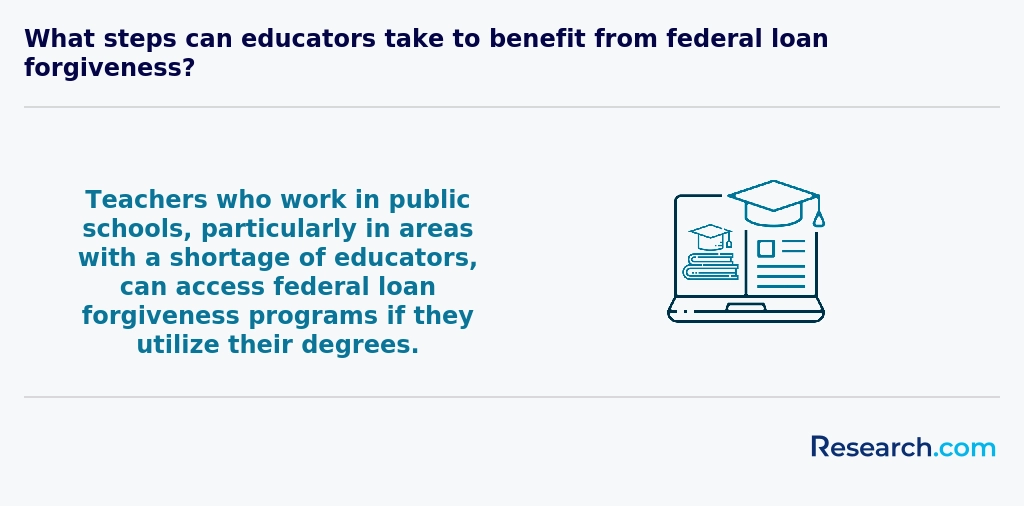
Many education students in Oklahoma quickly discover that financial aid is more than just a fallback-it's a lifeline. Graduates from the University of Oklahoma often share how completing the FAFSA unlocked access to Pell Grants, sometimes covering over $7,000 annually, which made balancing tuition and living expenses feasible. This federal grant, combined with subsidized loans, becomes a powerful tool in managing costs that hover between $8,000 and $11,000 a year at public institutions.
State-specific support also plays a vital role. For example, students at Oklahoma State University frequently benefit from the Oklahoma Tuition Aid Grant, which can chip away at expenses by a few hundred to over $2,000 annually. And for those ready to teach in Oklahoma's public schools, loan forgiveness programs tied to the Teacher Shortage Employment Incentive provide both relief and motivation to serve.
Campus-based scholarships and assistantships create real hope. Many education majors at Northeastern State University recount how graduate assistantships not only waived tuition but also offered stipends, turning what felt like an impossible financial challenge into an achievable dream. Private scholarships from organizations like the Oklahoma Education Association add even more layer to the mosaic of support, encouraging students to dive into applications early and often to maximize aid opportunities.
Tips for Success in Your Education Journey
Embarking on an education degree in Oklahoma is not only about choosing the right program-it’s also about setting yourself up for long-term success. Practical advice from current students and seasoned educators suggests that building strong study habits, seeking out mentorship opportunities, and getting involved in professional networks can make a significant difference. Start by identifying areas where you can improve your academic skills, whether that means joining study groups or taking advantage of tutoring services offered by your institution. Additionally, engaging in internships and student teaching experiences can provide real-world insights that boost both your confidence and resume. As you progress, consider exploring resources that offer career guidance and competitive salary data. For instance, many graduates have found that connecting with professionals in roles such as instructional design or academic advising has opened doors to opportunities they hadn’t previously considered. If you’re aiming for advancement through further studies, check out opportunities like the best education masters programs to learn about the latest industry trends and salary benchmarks. Remember, success in your education journey doesn’t end with graduation-it continues as you build a network and seek out ongoing professional development. Stay curious, ask for help when needed, and tap into both on-campus support systems and online communities to thrive in the dynamic field of education.
What are the prerequisites for enrolling in education degree program in Oklahoma?
To enroll in an education degree program in Oklahoma, prospective students quickly realize it's more than just submitting an application. Graduates from popular institutions like the University of Oklahoma often recount how meeting the state's minimum GPA requirement-typically around 2.5 for undergraduates-felt like clearing a meaningful milestone rather than a mere formality. This baseline ensures you're academically prepared for the demanding coursework ahead.
Beyond GPA, many schools expect candidates to have completed foundational courses in English, math, and science. Imagine the clarity a student gains in lesson planning after mastering these basics; it's a direct bridge to success in specialized subjects and state certification. Graduate hopefuls from Oklahoma State University frequently share how submitting letters of recommendation and detailing real-world teaching or volunteer experiences enriched their applications and boosted confidence.
Lastly, passing the Oklahoma General Education Test is often the final, crucial step that solidifies admission to a teacher preparation program. It's less a hurdle and more a gateway that marks your readiness to contribute meaningfully to Oklahoma's classrooms and communities.
Return on Investment Analysis for Education Degrees in Oklahoma
When weighing the true value of an education degree, understanding your return on investment (ROI) is crucial. On average, in-state tuition and fees for a four-year bachelor’s program in Oklahoma total around $108,584, while annual salaries for graduates range from $38,640 (early childhood educator) to $73,080 (instructional designer). By comparing total program costs against median starting salaries, most graduates recoup their undergraduate investment within 1.5 to 2 years of full-time teaching. Key factors affecting ROI include: • Total cost of attendance: For in-state public universities, about $27,146 per year; for out-of-state, roughly $45,708; private institutions can exceed $55,840 annually. • Average salary growth: Career advancement-such as earning a master’s degree-can boost earnings by 15–25% over time. • Time to pay off debt: At a $63,130 starting salary (ESL teacher), a graduate paying $300 per month on student loans can clear $108,584 in principal and interest in under seven years. For those considering graduate studies, it’s wise to explore cost-effective master’s options that still deliver strong salary uplift. For example, you can review the Cheapest Online Master's in Education Degree Programs Ranking in Greeley, CO to identify programs with low tuition and flexible pacing. By selecting an affordable graduate program, you can shorten your overall payback period while maximizing long-term earnings potential in roles like instructional designer, curriculum specialist, or educational leader.
What courses are typically in education degree programs in Oklahoma?
Graduates from education programs at universities like the University of Oklahoma often describe their coursework as a transformative journey that goes beyond textbook theory. Core subjects such as Educational Psychology help students grasp how children's minds work, turning abstract learning concepts into real moments-like understanding why a third grader might struggle with reading or math. Curriculum Development courses challenge future teachers to craft lessons that aren't just academic checklists but meaningful experiences tailored to Oklahoma's diverse classrooms.
Instructional Technology classes push students to embrace digital tools in innovative ways, often sparking excitement as they imagine using interactive apps to engage reluctant learners. Classroom Management isn't about control alone; it's taught as the art of nurturing safe, respectful spaces where every child can thrive, which many graduates recall fondly from their student-teaching placements across both urban Tulsa schools and rural districts.
Special Education courses emphasize inclusivity, preparing teachers for real challenges-and rewards-of supporting students with disabilities. This practical foundation equips graduates to meet Oklahoma's unique cultural and educational demands confidently, reflecting values deeply embedded in the state's certification standards.
What types of specializations are available in education degree programs in Oklahoma?
In Oklahoma, an education degree offers diverse paths beyond the traditional teaching role, challenging future educators to consider how their passion aligns with community needs. Specializations like Elementary Education equip graduates from universities such as the University of Oklahoma with strong foundational skills to impact young learners in grades K-6, fostering a deep sense of fulfillment through early childhood development.
Graduates who choose Secondary Education often find themselves inspiring middle and high school students in subject areas that spark their curiosity, such as math or science. This is especially evident in educators from Oklahoma State University, who report a rewarding connection to their specialized subjects while navigating the state's distinct educational landscape. These choices embody one of the many education degree career options in Oklahoma, inviting reflection on the role of subject expertise in effective teaching.
Other intriguing routes include Special Education, which many graduates highlight as both challenging and deeply rewarding, reflecting a commitment to inclusivity and tailored support. Programs at regional colleges emphasize this specialization's growing importance, encouraging reflection on how education adapts to meet evolving student diversity. Students often explore best education masters opportunities to deepen their expertise and impact in these areas.
Additional specializations such as Educational Leadership, Early Childhood Education, and ESL continue to empower students, preparing them for roles that shape both policy and classroom experiences across Oklahoma's diverse communities.
How do you choose the best education degree in Oklahoma?
Choosing the best education degree in Oklahoma goes beyond just picking a popular program; it demands reflection on your career path and financial capabilities. Graduates from well-known institutions like the University of Oklahoma often cite how aligning their choice with state licensure requirements and program reputation made their transition into teaching smoother and more rewarding. For example, those aiming for elementary or secondary teaching typically find that a Bachelor of Science in Education with certification sets a strong foundation.
Affordability plays a surprising role, especially with Oklahoma's reputation for affordable teaching degrees in Oklahoma at public universities that charge around $3,300 annually for in-state students. However, smart graduates weigh the benefits of private institutions against costs and often explore extensive financial aid options or flexible online programs.
Many who juggle work and family responsibilities gravitate toward hybrid or fully online degrees, echoing stories of peers who thrived balancing life through these formats. For those considering advanced studies, visiting resources like the Oklahoma Department of Education or checking rankings such as the Cheapest Online Master's in Education Degree Programs Ranking in Greeley, CO can reveal valuable paths toward growth.
The best education degree programs Oklahoma offers will challenge you to assess faculty expertise, graduation outcomes, and practical field experiences - real-life factors graduates mention as pivotal to their confidence and success.
What career paths are available for education degree students in Oklahoma?
Graduates with an education degree in Oklahoma find themselves at a crossroads filled with diverse and meaningful opportunities. Many step into classrooms as licensed K-12 teachers, especially in high-demand areas like math, science, and special education, where the ongoing teacher shortage creates a professional advantage. These teachers often reflect on their time at renowned institutions across Oklahoma, appreciating how their practical training prepared them for real challenges in state schools.
But limiting oneself to teaching overlooks other promising avenues. Education degree jobs in Oklahoma extend into vital roles like school counselors, curriculum coordinators, and educational consultants. Graduates from popular education programs often share how transitioning into administration or consultancy allowed them to influence entire school districts, not just individual students, fostering systemic change.
Others pursue careers as adult education instructors or roles in higher education, guiding students through critical transitions. For those unsure about the financial aspects of their journey, state universities offer affordability, and many consider options like the Cheapest Online Master's in Education Degree Programs Ranking in Greeley, CO to further specialize without overwhelming debt.
What is the job market for education degree in Oklahoma?
The job market for graduates with an education degree in Oklahoma remains robust, especially as public school enrollment steadily increases across the state. Graduates from popular institutions like the University of Oklahoma and Oklahoma State University often find themselves in demand, particularly in special education, math, and science fields where shortages persist. This dynamic creates real opportunities for new teachers eager to make an impact.
Oklahoma's 3% projected growth for kindergarten and elementary school teachers by 2027 encourages those exploring teaching career opportunities Oklahoma 2027. Many graduates share experience-based optimism, noting how rural districts, despite recruitment challenges, offer rewarding roles unavailable in urban centers. Navigating the balance between a starting salary slightly below the national average and the state's cost of living is a common reflection among recent grads.
Beyond classroom teaching, an education degree opens pathways to administration and counseling, roles often requiring further certification but promising higher pay. Students often explore certificates that make the most money to enhance their qualifications and income potential.
Frequently Asked Questions About education
Education degree students in Oklahoma can maximize their learning experience by actively engaging in both coursework and practical fieldwork. Oklahoma requires teacher candidates to complete student teaching hours, typically around 12 weeks, to gain real classroom experience, which is essential for skill development. According to the Oklahoma State Department of Education, participating fully in these placements allows students to apply theory in practice, increasing their readiness for certification exams. Students should also seek out tutoring or mentorship programs offered by universities, which many Oklahoma institutions provide to support academic success. Taking advantage of professional development workshops and networking opportunities with local schools further enhances learning and career prospects.
Emerging niches within the education field in Oklahoma reflect broader national trends alongside local needs. One growing area is educational technology, driven by demand for digital learning tools and remote education options. According to 2023 data from the Oklahoma State Department of Education, technology integration specialists are increasingly sought after in K-12 systems.
Another rising niche is special education, particularly with emphasis on individualized learning plans for students with disabilities. Oklahoma schools have expanded programs to support diverse learners, creating job opportunities for specialists and coordinators.
Additionally, bilingual education and English as a Second Language (ESL) teachers are in demand due to growing multicultural populations in urban centers like Tulsa and Oklahoma City. These fields combine language skills with pedagogy, answering local community needs.
After completing an education degree in Oklahoma, preparing for the job market involves several important steps. First, be sure to obtain your Oklahoma teaching certification, which requires passing the Oklahoma Subject Area Test and meeting the state's licensing standards regulated by the Oklahoma State Department of Education.
Networking is also vital; joining local chapters of professional organizations, such as the Oklahoma Education Association, can open doors to job opportunities. Additionally, gaining practical experience through substitute teaching or internships helps build your resume.
According to the Oklahoma Employment Security Commission, the demand for qualified teachers is expected to grow by 5% between 2022 and 2032, especially in special education and STEM subjects.
Continuing education and professional development workshops can further enhance your skills and appeal to school districts seeking highly qualified candidates.
Employers in Oklahoma increasingly prioritize education degree graduates who demonstrate strong communication skills. According to the Oklahoma State Department of Education, effective verbal and written communication is essential for fostering student engagement and collaboration with families.
Additionally, classroom management remains a critical skill, as teachers must create supportive learning environments. The Oklahoma Commission for Teacher Preparation emphasizes that adaptability and problem-solving abilities are vital for addressing diverse student needs across urban and rural districts.
Technology proficiency is also growing in importance. Recent surveys by the Oklahoma Education Association indicate that 78% of schools expect teachers to integrate digital tools effectively into lessons.
Lastly, cultural competence is key to serving Oklahoma's increasingly diverse student population, reflecting an ongoing state focus on inclusive education practices.
Finding internships in Oklahoma relevant to an education degree involves several strategic steps. Start by exploring programs at state universities such as the University of Oklahoma and Oklahoma State University, which frequently partner with local school districts for student teaching and internship opportunities. The Oklahoma State Department of Education also provides resources to help connect aspiring educators with school placements.
Networking with local schools, education nonprofits, and professional organizations like the Oklahoma Education Association can provide valuable leads. Additionally, websites like Handshake and the Oklahoma Career Tech platform list internship openings specific to education sectors.
Statistics from the National Center for Education Statistics show that internships improve job placement chances for education majors, making these opportunities critical for career growth in Oklahoma's education system.
In Oklahoma, earning an education degree significantly enhances career mobility and advancement opportunities within the state's public and private school systems. According to the Oklahoma State Department of Education, teachers with advanced licenses or degrees typically qualify for higher salaries and leadership roles such as department heads or curriculum specialists.
Additionally, holding a bachelor's or master's degree in education often serves as a prerequisite for administrative positions like principals and instructional coordinators. The Oklahoma Teacher Preparation Program reports that individuals with education degrees have a 15-20% higher likelihood of promotions within five years compared to colleagues without formal degrees.
Moreover, teachers who pursue continuous education and earn certifications in specialized fields such as special education or educational technology gain access to a broader job market and higher pay scales across districts in Oklahoma.
Studying for an education degree in Oklahoma equips students with skills that transcend traditional classroom teaching by emphasizing interdisciplinary approaches. Many Oklahoma programs integrate coursework in psychology, sociology, and technology, fostering the ability to collaborate across various fields. According to the Oklahoma State Department of Education, educators with interdisciplinary training adapt better to diverse learning environments and community needs.
Universities such as the University of Oklahoma and Oklahoma State University offer curricula designed to develop critical thinking and problem-solving skills relevant in multiple professional contexts. This preparation aligns with national trends encouraging educators to operate in roles that include counseling, administration, and curriculum development.
Choosing between a thesis and a non-thesis education degree program in Oklahoma depends on your career goals and learning preferences. Thesis programs typically involve conducting original research and writing a detailed paper, which suits those interested in academic or research careers. Non-thesis programs focus more on coursework and practical training, ideal for educators looking to enter or advance in teaching roles.
Oklahoma institutions, such as the University of Oklahoma and Oklahoma State University, offer both options with varying time commitments. Thesis tracks may take longer, around two to three years, while non-thesis paths often require less time to complete. The Oklahoma State Regents for Higher Education recommend considering how you plan to use your degree when deciding.
Students based in Oklahoma who wish to study education abroad have several pathways available through partnerships and exchange programs facilitated by Oklahoma universities. Institutions like the University of Oklahoma and Oklahoma State University often participate in faculty-led study abroad programs focusing on global education perspectives.
Many programs offer short-term options during summer or winter breaks, allowing students to experience diverse educational systems without delaying graduation. According to the Institute of International Education, Oklahoma sends hundreds of students abroad annually, though education majors specifically represent a smaller portion.
Additionally, students can explore overseas certifications and teaching internships that complement their degrees, enhancing global teaching skills and cultural competencies. These experiences are increasingly valued in the Oklahoma job market, which seeks educators familiar with diverse learning environments.
Students pursuing education degrees in Oklahoma have various part-time job opportunities that can enhance their learning and professional growth. Common roles include teacher aides, substitute teachers, and tutoring positions. According to the Oklahoma State Department of Education, substitute teaching offers flexible hours and practical classroom experience, which is valuable for future educators.
Many students also work as after-school program coordinators or childcare providers, gaining skills in classroom management and child development. Local libraries and community centers often seek education students for literacy coaching and educational outreach roles.
These positions not only support income but also build relevant experience to strengthen resumes for future teaching careers.
Education students in Oklahoma have several networking opportunities through institutions and professional organizations. Universities such as the University of Oklahoma and Oklahoma State University host education fairs, workshops, and student teacher associations that connect students with experienced educators and alumni. Additionally, the Oklahoma Education Association offers membership benefits including conferences, networking events, and local chapter meetings that help students build professional relationships.
Many schools emphasize partnerships with local K-12 districts, providing practical classroom experience and direct contact with education professionals. According to the Oklahoma State Regents for Higher Education, over 70% of education students engage in field placements, fostering valuable connections and mentorship. These networks support career development and job placement across the state.
Alumni networks play a significant role in supporting education degree students in Oklahoma. These networks offer valuable connections to former graduates who often work in schools and educational organizations across the state. By engaging with alumni, current students gain access to mentoring, internship opportunities, and job leads that can enhance their career prospects.
In Oklahoma, where teaching positions are competitive, leveraging alumni networks can provide a crucial advantage. According to Oklahoma State Department of Education data, networking increases job placement success rates by nearly 20% for recent graduates.
Moreover, alumni often share insights about local school districts and licensing requirements, assisting students in navigating professional pathways effectively.
Students pursuing an education degree in Oklahoma can tailor their programs to better align with their career goals by choosing from diverse specializations such as early childhood, special education, or educational leadership. Many Oklahoma universities, including the University of Oklahoma and Oklahoma State University, offer flexible course options and certification tracks that allow customization.
Additionally, students can select elective courses that focus on areas like curriculum development, educational technology, or counseling to prepare for specific roles. Oklahoma's teacher preparation programs often integrate field experiences in local schools, helping students gain practical skills directly related to their desired career paths. According to the Oklahoma State Department of Education, nearly 70% of education graduates find employment within the state, highlighting the value of these practical components.
Education students in Oklahoma face several challenges during their degree programs. One significant issue is the state's teacher shortage, which increases pressure on students to meet high standards quickly as districts seek qualified professionals. According to the Oklahoma State Department of Education, over 1,000 teaching positions remain unfilled annually, adding urgency to student preparation.
Another challenge involves limited access to diverse practicum placements. Many education students report difficulty finding schools for student teaching that offer varied experiences, which can impact their readiness. Financial barriers also affect students, as Oklahoma's average tuition and fees are around $7,000 per year for in-state public colleges, which may limit enrollment or prolong degree completion.
Additionally, evolving certification requirements create complexity. The Oklahoma Commission for Teacher Preparation updated some standards in recent years, requiring students to stay informed and adapt to new assessments and coursework. These combined factors make careful planning essential for success among Oklahoma education students.
With an education degree in Oklahoma, graduates can pursue several professional certifications to enhance their teaching careers. The most common is the Oklahoma Professional Teaching Certificate, required for public school teachers. This certification involves passing the Oklahoma Subject Area Tests and completing a background check through the Oklahoma State Department of Education.
Beyond teaching certification, individuals may pursue endorsements in specialized areas such as English as a Second Language (ESL), Special Education, or Reading Instruction. These certifications help teachers better serve diverse student populations.
Additionally, Oklahoma offers administrative certifications, allowing educators to become school principals or supervisors after meeting experience and exam requirements. For those interested in counseling, the Licensed Professional Counselor (LPC) credential is available, requiring further graduate training and licensure exams.
Writing a winning application for an education program in Oklahoma requires careful preparation and attention to detail. First, thoroughly research the specific program and university requirements, as these can vary significantly. Institutions like the University of Oklahoma and Oklahoma State University often expect a strong academic record, letters of recommendation, and a clear statement of purpose.
Highlight your passion for teaching and any relevant experience, whether through volunteering or work in educational settings. According to the Oklahoma State Regents for Higher Education, including evidence of your commitment to the community and student success strengthens your application.
Test scores such as the GRE may be required by some graduate programs. Ensure you submit all materials on time and proofread your application thoroughly. Demonstrating knowledge of Oklahoma's educational challenges and goals can further impress admissions committees.
The global perspective on an education career increasingly values adaptability, cultural competence, and technology integration. In the United States, including Oklahoma, educators are expected to prepare students for a diverse and interconnected world. According to the National Center for Education Statistics (NCES), Oklahoma schools are working to improve teacher training focused on global awareness and inclusive practices.
Worldwide, education professionals often collaborate on best practices, with emphasis on lifelong learning and digital skills. Oklahoma's education programs reflect these trends by incorporating international teaching methods and technology use in classrooms.
Graduates with education degrees in Oklahoma find opportunities not only locally but also in programs that support global education initiatives, enhancing their career flexibility and cultural understanding.
Gaining practical experience while studying for an education degree in Oklahoma typically involves participating in supervised student teaching placements. These hands-on opportunities are often required components of state-approved teacher preparation programs. According to the Oklahoma State Department of Education, these placements allow students to work directly in classrooms, applying theory to practice under experienced mentor teachers.
Many universities in Oklahoma also encourage internships, service learning, and tutoring roles in local schools. These experiences help build classroom management and instructional skills.
Additionally, Oklahoma's alternative certification programs, like the Resident Teacher Program, offer paid teaching experiences alongside coursework.
Choosing the right concentration within an education degree program in Oklahoma involves evaluating your interests, career goals, and the demands of the local job market. Common concentrations include elementary education, secondary education, special education, and educational leadership. According to the Oklahoma State Department of Education, special education teachers are in high demand due to growing student needs across the state.
Consider the grade level you feel most passionate about teaching, as well as any subject specialties. Research employment trends in Oklahoma using resources from the U.S. Bureau of Labor Statistics, which projects steady growth for teachers through 2030. Additionally, look for programs with accreditation from CAEP (Council for the Accreditation of Educator Preparation) to ensure quality training that meets Oklahoma certification requirements.
Related Education Rankings for Nearby States
- 2027 Most Valuable Online Education Degree Programs Ranking in Kansas
- 2027 Most Valuable Online Education Degree Programs Ranking in Arkansas
- 2027 Most Valuable Online Education Degree Programs Ranking in Missouri
- 2027 Most Valuable Online Education Degree Programs Ranking in Colorado
- 2027 Most Valuable Online Education Degree Programs Ranking in Nebraska
- 2027 Most Valuable Online Education Degree Programs Ranking in Iowa
- 2027 Most Valuable Online Education Degree Programs Ranking in Mississippi
- 2027 Most Valuable Online Education Degree Programs Ranking in South Dakota
- 2027 Most Valuable Online Education Degree Programs Ranking in Minnesota
- 2027 Most Valuable Online Education Degree Programs Ranking in Illinois
Top Trending Education Rankings
See What Experts Have To Say About Studying Education
Read our interview with Education experts

Nooshan Ashtari
Education Expert
Professor & Book Author
University of Southern California

Alan J. Singer
Education Expert
Professor of Teaching, Learning and Technology
Hofstra University

References
- Alternative Pathways https://oklahoma.gov/education/services/teacher-certification/teacher-certification-pathways/alternative-pathways.html
- Teaching Degree Requirements in 2023 | Teachers of Tomorrow https://www.teachersoftomorrow.org/blog/insights/teaching-degree-requirements/
- What Employers Actually Want From Graduates https://bodyswaps.co/resources/blog/what-employers-actually-want-from-graduates
- Latest Trends in the Field of Education - ICERT https://icert.org.in/latest-trends-in-the-field-of-education/
- Education Study Abroad Programs https://www.gooverseas.com/study-abroad/education
- Skills Employers Look for in Business Graduates – EU Business School https://www.euruni.edu/blog/skills-employers-look-for-in-business-graduates/
- 5 Tips on Choosing the Right Course or Study Program - Edunation https://www.edunation.co/5-tips-on-choosing-the-right-course-or-study-program/
- Tips for Choosing Your Graduate Concentration - Graduate Programs for Educators https://www.graduateprogram.org/blog/tips-for-choosing-your-graduate-concentration/
- Education Study Abroad | CIEE https://www.ciee.org/go-abroad/college-study-abroad/programs/subjects-disciplines/education-study-abroad
- Global Perspectives Teacher https://www.teachforlife.com/teachingjobs/global-perspectives-teacher


