
2027 Most Valuable Online Education Degree Programs Ranking in Kentucky

Co-Founder and Chief Data Scientist
Choosing the right education degree program is a big step for students in Kentucky. This article introduces the 2027 Most Valuable Online Education Degree Programs Ranking in Kentucky, created by the Research.com team of data scientists.
The ranking helps you make an informed choice by highlighting programs that offer strong value and opportunities.
By exploring this guide, you'll discover programs that support your goals and growth in education, opening doors to a rewarding career.
Getting an education degree can be a fulfilling journey, and this ranking is here to support you every step of the way.
Key benefits of getting online education degree in Kentucky
- Graduates with an education degree in Kentucky can earn competitive salaries, such as Special Education Teachers making around $76,000 annually and Instructional Designers earning about $77,200 yearly.
- Career paths for education degree holders often include roles like Early Childhood Educators or ESL Teachers, offering a variety of fulfilling opportunities to impact students of all ages and backgrounds.
- Completing an education degree online from a respected Kentucky university provides flexibility for working adults and allows quicker entry into rewarding teaching careers without sacrificing quality.
- Key benefits of getting online education degree in Kentucky
- What can I expect from online education degree in Kentucky?
- Where can I work with online education degree in Kentucky?
- How much can I make with online education degree in Kentucky?
- 2027 Most Valuable Online Education Degree Programs Ranking in Kentucky
- Key Findings
- How long does it take to complete online education degree in Kentucky?
- Pursuing an Online Doctorate in Education
- What's the difference between online and on-campus education degree?
- Emerging Trends and Innovations in Online Education for 2024
- What is the average cost of online education degree in Kentucky?
- Teacher Certification and Licensure in Kentucky
- What financial aid is available to online education degree students in Kentucky?
- Affordability and Financial Considerations for Online Education in Kentucky
- What are the prerequisites for enrolling in online education degree program in Kentucky?
- Advancing Your Education: Online Doctoral Programs in Education
- What courses are typically in online education degree programs in Kentucky?
- What types of specializations are available in online education degree programs in Kentucky?
- How do you choose the best online education degree in Kentucky?
- What career paths are available for online education degree students in Kentucky?
- What is the job market for online education degree in Kentucky?
- Related Education Rankings for Nearby States
- Top Trending Education Rankings
- See What Experts Have To Say About Studying Education
What can I expect from online education degree in Kentucky?
The average cost of an online education degree in Kentucky is often competitive with traditional in-person programs, making it an accessible choice for many. Students at institutions like the University of Kentucky and Eastern Kentucky University find that tuition rates align well with their budgets, especially when combined with financial aid options.
Many graduates recall the relief of managing costs without sacrificing the quality of their education-a balance that online programs in Kentucky strive to maintain. It's common for students to benefit from scholarships, assistantships, or state and federal aid, which can significantly reduce expenses, making the dream of earning a degree far more attainable.
Imagine pursuing your degree while working or caring for family, knowing you're supported by affordable tuition and strong financial resources. This positive blend of flexibility and cost-effectiveness opens doors for passionate future educators to thrive without overwhelming financial stress.
Where can I work with online education degree in Kentucky?
Graduates with an online education degree in Kentucky find themselves stepping confidently into rewarding careers across the state's vibrant education landscape. Whether earning degrees through renowned institutions like the University of Kentucky or Eastern Kentucky University, many quickly secure roles as licensed teachers in local public or private schools, inspiring young minds from elementary through high school. These graduates embrace classrooms where they make real impacts on student growth and community development.
Others channel their passion into early childhood education, joining expanding programs at Head Start centers or private preschools, nurturing Kentucky's youngest learners. Graduate students pursuing advanced degrees often celebrate new opportunities as school counselors, principals, or curriculum specialists, roles that allow them to shape education policies and foster positive school environments.
Many alumni share how their online studies prepared them well for certifications through the Kentucky Education Professional Standards Board, making their transition seamless. Whether working in traditional classrooms or innovative educational technology firms, these graduates feel empowered and valued, confident their education careers will grow alongside Kentucky's evolving education needs.
How much can I make with online education degree in Kentucky?
Graduates who earn an online education degree in Kentucky from institutions like the University of Kentucky or Western Kentucky University often find rewarding career opportunities with competitive salaries. For example, elementary school teachers see a mean annual wage of around $70,740, offering a stable and fulfilling profession for those passionate about shaping young minds.
Special education teachers, who play a critical role in supporting diverse learners, earn an even higher mean salary of approximately $76,000, reflecting the specialized skills and dedication required. ESL teachers can expect to make about $65,430 yearly, making a significant impact on the community through language education.
For graduates interested in designing learning programs, instructional designers in Kentucky earn mean annual wages near $77,200, blending creativity and education to enhance teaching methods. Early childhood educators also enjoy meaningful careers with mean earnings of $41,410, nurturing children at their most formative stages.
Kentucky's online education programs empower students to enter these rewarding roles with confidence, knowing their degrees open doors to salaries that support a comfortable and inspiring lifestyle.
2027 Most Valuable Online Education Degree Programs Ranking in Kentucky
How do we rank schools?
Investing in your education is a significant decision that can greatly impact your career and future opportunities. The Research.com team recognizes this importance and has dedicated extensive efforts to ensure the quality, credibility, and accuracy of the "2027 Most Valuable Online Education Degree Programs Ranking in Kentucky." Our thorough research and analysis aim to provide prospective students with reliable insights to help guide their educational investments.
We utilized the following reputable data sources to create this ranking:
By reviewing this ranking, readers will gain valuable, data-driven insights into the most worthwhile online education degree programs in Kentucky, enabling informed and confident educational decisions. For a detailed explanation of our approach, please visit our Research.com methodology page.


Key Findings
- Online education degrees in Kentucky are available at both undergraduate and graduate levels through accredited universities, with many offering fully online or hybrid programs.
- Public online education programs typically cost between $5,000 and $15,000 per year for in-state students, while private institutions charge between $15,000 and $25,000 annually.
- Starting salaries for newly graduated teachers in Kentucky range from $40,000 to $45,000, with the state average beginning teacher salary around $43,000.
- Experienced educators can earn between $55,000 and $65,000 per year, with specialists and administrators sometimes earning over $70,000.
- The Kentucky Education Professional Standards Board oversees licensing and certification requirements, ensuring graduates of state-approved online programs are eligible to become certified teachers.
How long does it take to complete online education degree in Kentucky?
Completing an online education degree in Kentucky is an exciting journey tailored to fit your unique lifestyle. Most full-time students pursuing a bachelor's degree in education at popular Kentucky institutions, like the University of Kentucky, typically finish in about four years. However, many graduates share how they accelerated their progress by taking extra courses or enrolling year-round, finishing in three years or less-turning ambition into achievement.
Graduate programs, such as the M.Ed., offer even more flexibility. Many working professionals find that pursuing an online Master of Education part-time takes around two years, allowing them to balance careers and studies confidently while advancing their skills.
Imagine transferring credits from previous college work or joining accelerated cohorts-these options empower you to shorten your time and keep you motivated. Whether full-time or part-time, Kentucky's online education degrees embrace your pace, enabling you to reach your goals without sacrificing your daily commitments.
Pursuing an Online Doctorate in Education
For educators seeking the highest level of academic and professional achievement, an online doctoral degree-whether an EdD or PhD in Education-offers the opportunity to lead systemic change and influence educational policy. These programs typically combine advanced coursework in research methodologies, leadership theory, and curriculum development with a culminating dissertation or capstone project. Graduates emerge equipped to secure roles such as university faculty, district superintendents, or policy analysts, with average salaries often exceeding $90,000 annually. Kentucky institutions offering online doctorates emphasize flexibility and support. You can expect synchronized seminars, virtual research cohorts, and one-on-one mentorship from faculty experts, allowing you to balance doctoral studies with professional responsibilities. Most programs require 48–60 credit hours beyond the master’s level and can be completed in three to five years, depending on dissertation progress and residency requirements. Before applying, verify each program’s accreditation and state licensure alignment. To compare cost-effective options beyond Kentucky, explore our Affordable Online Doctorate in Education Degree Programs Ranking in Texas, which highlights top-value EdD and PhD pathways that mirror the rigorous standards you’ll find here.
What's the difference between online and on-campus education degree?
Choosing between online and on-campus education degrees in Kentucky opens exciting pathways tailored to your lifestyle. Imagine the flexibility of studying at Eastern Kentucky University from home, managing your coursework around work or family, and engaging with peers through virtual discussions that bring learning to life on your schedule.
On the other hand, envision attending the University of Kentucky's campus, feeling the vibrant energy of face-to-face classes and building lifelong connections through in-person collaboration. Graduates from both paths share how each experience nurtures their growth uniquely-online learners appreciate the freedom to progress at their pace, while on-campus students thrive on direct interaction with mentors and classmates.
Both formats proudly uphold rigorous accreditation standards, ensuring your degree carries the same professional weight. Cost-wise, online degrees can ease financial burdens by removing commuting and housing expenses, making the pursuit of your teaching dream more accessible.
Whichever route you choose, Kentucky's trusted institutions empower you to achieve your educational goals with confidence and joy.
Emerging Trends and Innovations in Online Education for 2024
As the landscape of online education continues to evolve, students in Kentucky and beyond benefit from emerging trends that are reshaping the way degrees are earned and careers are built. Today’s online education environment is increasingly influenced by advancements in technology, learner-centered design, and flexible learning models that respond to dynamic workforce demands. For example, many programs are now integrating artificial intelligence to personalize learning journeys, while virtual reality tools are beginning to simulate immersive classroom experiences-even from a distance. Additionally, interactive platforms and mobile learning apps are making it easier than ever for students to access coursework on the go, ensuring that learning can happen anytime, anywhere. Another noteworthy development is the growing emphasis on affordability and value. Prospective students are encouraged to explore options that balance quality education with manageable costs. For instance, many institutions now promote innovative financing plans and offer pathways to accelerate graduation. This is especially relevant for those seeking the cheapest online bachelor's degree in education, which can provide a cost-effective entry into the profession without compromising on educational quality. By staying informed on these trends, future educators can make strategic decisions that align with both current industry practices and their long-term career goals. Embracing these innovations not only enhances academic engagement but also equips graduates with the digital fluency and adaptive skills necessary to thrive in today’s competitive job market.
What is the average cost of online education degree in Kentucky?
The average cost of an online education degree in Kentucky offers a rewarding investment in your future, with median total tuition and fees around $20,370. For many students at institutions like Western Kentucky University or Morehead State University, this price reflects a balance between accessibility and quality education, making the dream of becoming an educator more attainable. Graduates often share how affordable tuition allowed them to pursue their passion without overwhelming financial burdens, fueling their confidence to impact their communities through education.
Many in-state students enjoy rates near $27,048, illustrating how Kentucky prioritizes supporting learners within the state. For example, those studying at the University of Kentucky benefit from competitive graduate tuition that empowers them to advance professionally. This thoughtful pricing encourages individuals from diverse backgrounds to embark on their teaching careers with optimism and purpose, embodying the spirit of education as a lifelong gift.
Beyond tuition, it's essential to factor in related expenses, but with numerous financial aid options available, including scholarships and grants, many students find these manageable. Kentucky's vibrant online education programs, paired with the cheapest education programs in Kentucky, inspire learners to embrace their goals fully. This harmonious blend of affordability and quality makes the average cost of online education degree in Kentucky a powerful stepping stone toward shaping brighter futures.
Teacher Certification and Licensure in Kentucky
Earning an online education degree in Kentucky is just the first step toward a rewarding teaching career; you must also navigate the state’s certification and licensure process to become a fully qualified educator. The Kentucky Education Professional Standards Board (EPSB) oversees all teaching credentials, ensuring that graduates meet rigorous standards for classroom readiness and student safety. Key Steps to Certification: 1. Program Approval: Enroll in an EPSB-approved online program that meets state requirements for teacher preparation and clinical practice. 2. Praxis Examinations: Successfully pass the Praxis Core Academic Skills for Educators and the subject-specific Praxis Content Knowledge exam for your intended teaching field. 3. Clinical Internship: Complete the Kentucky Teacher Internship Program (KTIP), a mentored residency that evaluates your instructional skills in real classroom settings. 4. Application Submission: Submit official transcripts, Praxis scores, and a formal application to the EPSB for an initial (“Provisional”) teaching certificate. Advancing Your License: • Rank II Certification: After earning one year of verified teaching experience and completing additional graduate coursework (typically 6–12 credit hours), you become eligible for a Rank II (professional) teaching certificate. • Renewal & Professional Growth: Kentucky requires renewal every five years, with 60 approved continuing education units (CEUs) drawn from professional development workshops, graduate courses, or leadership activities. Whether you aim to teach elementary mathematics, secondary English, or special education, understanding these licensure milestones will streamline your path to the classroom. For those looking to advance beyond the master’s level, consider exploring our Affordable Online Doctorate in Education Degree Programs Ranking in Texas to plan your long-term career growth.
What financial aid is available to online education degree students in Kentucky?
Financial aid for online education degrees in Kentucky opens doors for many determined learners. Graduates from institutions like the University of Kentucky or Western Kentucky University often share how FAFSA helped them secure Pell Grants, easing tuition expenses by up to $7,395 annually. Completing the FAFSA is a powerful first step that unlocks federal grants and flexible loans, turning dreams into achievable goals.
State programs such as the Kentucky Educational Excellence Scholarship (KEES) reward high school achievements, giving students at schools like Morehead State University extra financial support toward their online coursework. Many feel empowered by the College Access Program (CAP), a need-based grant that makes education affordable and encourages continued success.
Numerous Kentucky universities also offer scholarships and assistantships tailored to online education students, recognizing academic merit and ties to local school districts. Working professionals often benefit from employer tuition assistance, further lifting financial burdens and fueling career growth.
Private scholarships from education foundations add yet another layer of opportunity, inspiring countless students to take confident strides toward becoming the teachers Kentucky communities need.
Affordability and Financial Considerations for Online Education in Kentucky
When considering an online education degree in Kentucky, affordability is a crucial factor, especially for those seeking to minimize debt while pursuing their academic and career goals. To make informed decisions, it's essential to explore the various financial aspects of online education programs. For instance, understanding the cost of tuition, fees, and living expenses can help prospective students budget effectively. Many institutions in Kentucky offer competitive tuition rates, and some even provide discounts for online students. Furthermore, exploring financial aid options such as scholarships, grants, and loans can significantly reduce the financial burden. If you're looking for cheapest education programs in Kentucky, researching institutions that offer affordable online education degrees without compromising on quality is vital. By doing so, you can find a program that fits your budget and helps you achieve your educational objectives.
What are the prerequisites for enrolling in online education degree program in Kentucky?
To embark on the rewarding journey of earning an online education degree in Kentucky, you'll start with foundational prerequisites designed to set you up for success. Imagine a graduate of a well-known Kentucky university who began by presenting their high school diploma or GED as proof of readiness. This essential first step opens the door to a program focused on nurturing future educators.
Many institutions, such as those recognized across Kentucky, ask for standardized test scores like the ACT or SAT, though some have embraced test-optional policies, reflecting a student-centered approach that values diverse strengths. Official transcripts from previous schools are another key component, helping admissions teams see your unique educational path and prepare you for what lies ahead.
For those pursuing graduate degrees in education online here, holding a relevant bachelor's degree and a solid GPA can be your springboard. Graduates often share how this foundation, combined with real or virtual classroom experiences, made their transition smooth and fulfilling.
- High school diploma or equivalent (GED)
- Standardized test scores (ACT/SAT), depending on school policy
- Official transcripts from previous schools
- Bachelor's degree for graduate-level programs
- Minimum GPA and teaching experience for advanced degrees

Advancing Your Education: Online Doctoral Programs in Education
As the demand for educational leaders continues to grow, many Kentucky graduates consider pursuing an online doctorate to unlock top-tier positions in administration, policy, and higher education. Online doctoral programs-such as the Doctor of Education (EdD) and the PhD in Education-offer advanced coursework in research methods, curriculum design, and organizational leadership, preparing you to spearhead systemic change in schools and districts. Key Features of Online Doctoral Programs in Kentucky:
- Rigorous Research Training: Expect courses in quantitative and qualitative methods, culminating in a dissertation that addresses real-world educational challenges.
- Leadership and Policy Focus: Core modules often cover strategic planning, educational law, and equity initiatives, equipping you to influence policy at local or state levels.
- Flexible Scheduling: Designed for working professionals, most programs allow part-time study with fall and spring cohorts, while some even offer summer sessions to accelerate completion.
- Faculty Mentorship: Engage with experienced faculty mentors who guide your research, offer networking opportunities, and support publication in peer-reviewed journals. Admission Requirements and Timeline:
- Master’s Degree: A completed MEd or related graduate degree with a minimum 3.0 GPA.
- Professional Experience: 2–5 years in education, leadership, or policy roles is highly recommended.
- Application Materials: Statement of purpose, three letters of recommendation, CV, and, in some cases, GRE scores.
- Typical Duration: 3–5 years, depending on enrollment status and dissertation progress. Career Outcomes: Graduates frequently advance to roles such as Chief Academic Officer, University Faculty, or Educational Consultant, with median salaries ranging from $85,000 to $120,000 annually. For those seeking more budget-friendly options, explore the Affordable Online Doctorate in Education Degree Programs Ranking in Texas to compare cost structures and program features.
What courses are typically in online education degree programs in Kentucky?
Online education degree programs in Kentucky include dynamic courses that prepare you to thrive as an educator in diverse classrooms. Graduates from well-known institutions like the University of Kentucky and Eastern Kentucky University often reflect on how courses such as Educational Psychology helped them understand student behavior deeply, enabling them to connect and support every learner effectively.
Hands-on courses like Classroom Management bring real-world strategies right to your screen, empowering you to create positive, engaging environments whether teaching in urban centers or rural schools across Kentucky.
In programs at institutions like Western Kentucky University, students get excited mastering Instructional Technology, discovering how to seamlessly integrate digital tools, which is crucial for today's classrooms that blend in-person and virtual learning.
Courses including Curriculum Development and Assessment and Evaluation are designed to help you tailor lessons that meet state standards and truly measure student progress, giving you confidence to inspire growth in every student you teach.
What types of specializations are available in online education degree programs in Kentucky?
Online education degrees in Kentucky open doors to inspiring specializations crafted to fit diverse dreams and goals. Graduates from popular universities throughout the state often speak of the joy in pursuing Early Childhood Education, nurturing young minds from birth to third grade and feeling the rewarding impact of early learning milestones.
Many also find their passion in Elementary Education, mastering Kentucky Core Academic Standards to confidently teach grades 1 through 6 in real classrooms. For those drawn to shaping future leaders, Secondary Education in subjects like math and social studies offers an empowering path, aligned with state licensure and certification processes.
The best education majors for online programs in Kentucky frequently include Special Education, where graduates express pride in championing inclusive classrooms for students with disabilities. Others thrive in advanced tracks such as Educational Leadership or Instructional Design, stepping up to administrative and curriculum development roles that influence education beyond the classroom.
Kentucky students looking for flexibility and affordability often explore the cheapest online bachelor's degree in education, leveraging quality programs tailored to their busy lives and unique ambitions.
How do you choose the best online education degree in Kentucky?
Choosing the best online education degree in Kentucky means focusing on what truly matters: accreditation, cost, program quality, and your personal goals. Graduates from major universities like the University of Kentucky often share how accreditation by regional bodies such as SACSCOC gave their degrees real value, especially when pursuing teaching certification across the state. Affordable online teaching programs Kentucky offer make it easier for many to balance work, family, and studies without sacrificing quality. One graduate recalls how accessing virtual tutoring and career counseling through their program made all the difference when juggling busy schedules.
Imagine enrolling in an online program where specializations like early childhood education or administration align perfectly with your passions. Some universities may require occasional campus visits or practicums nearby, which graduates have found manageable and enriching. For those looking for even more flexibility and advanced options, exploring opportunities like the Affordable Online Doctorate in Education Degree Programs Ranking in Texas can inspire future academic goals and growth.
What career paths are available for online education degree students in Kentucky?
Graduates with an online education degree in Kentucky discover a world of fulfilling career paths in schools and beyond. Many become licensed teachers in elementary, middle, or high school settings, stepping confidently into classrooms across the state-including rural communities where the need is greatest. These rewarding teaching jobs with education degree Kentucky consistently provide meaningful connections with students and a solid median salary near $60,000, inspiring graduates to shape the future generation.
Others pursue leadership roles in education, such as school principals or district administrators, often enhanced by online master's programs from Kentucky's top universities. These positions offer the chance to lead schools toward success, with salaries that reflect the value of educational visionaries. Instructional design and curriculum development also call many graduates, opening doors to dynamic careers in digital learning environments. This emerging field supports Kentucky's evolving education system with creative expertise and a rewarding salary around $60,000.
Thanks to affordable tuition rates from public institutions, students benefit from accessible degrees that prepare them for diverse roles. Those exploring options can find inspiration through stories of graduates from well-known schools, motivating them to join top online colleges with open admissions policies and pursue careers filled with purpose and growth.
What is the job market for online education degree in Kentucky?
The job market for an online education degree in Kentucky is vibrant and full of opportunity. Graduates from universities like the University of Louisville and Eastern Kentucky University often find rewarding teaching roles, especially as schools seek qualified educators to meet growing demands in special education, science, and English language arts. Many graduates share how their flexible online studies helped them balance life while gaining the skills needed for classrooms that increasingly value digital literacy and innovative teaching methods.
Kentucky's educational landscape continues to expand with charter schools and alternative programs, creating varied employment prospects. The positive outlook is supported by a strong statewide initiative to improve student success, which means educators with online education degrees enjoy a steady demand. Kentucky online teaching degree employment outlook is further helped by retirements among veteran teachers, opening doors for fresh talent ready to inspire the next generation.
Graduates also appreciate that many online programs align coursework to meet state licensure requirements, making the transition smoother. Plus, earning an online degree in Kentucky is cost-effective compared to traditional routes, allowing candidates to enter a fulfilling profession with less financial strain. For those considering high-paying options within education, exploring high paying certifications can boost career potential even more.
Frequently Asked Questions About education
Online education degree students in Kentucky can maximize their learning experience by actively engaging with their coursework and peers. Research from the Kentucky Council on Postsecondary Education shows that students who participate in discussion forums and group projects perform significantly better. Time management is crucial; setting a consistent study schedule helps balance work and personal commitments.
Utilizing campus resources, such as online tutoring and academic advising, available through many Kentucky institutions, enhances understanding and retention. Students should also seek programs accredited by the Council for the Accreditation of Educator Preparation (CAEP) to ensure quality education that meets state teaching standards.
Finally, staying informed about Kentucky's teacher certification requirements aids in aligning studies with career goals.
Emerging niches within the education field reflect shifts in technology, policy, and student needs. In Kentucky, online education degrees increasingly focus on areas like special education, educational technology, and bilingual education. Kentucky's Office of Education Accountability highlights a growing demand for teachers skilled in digital tools to support remote learning environments.
Special education remains crucial, with Kentucky reporting a need for qualified professionals to serve diverse learners. Meanwhile, educational technology specialists design and implement digital curricula, crucial as schools adopt blended learning models.
Bilingual education is also expanding due to rising linguistic diversity in Kentucky classrooms. These niches offer promising career paths for online degree students.
After earning an online education degree in Kentucky, preparing for the job market requires strategic steps. Start by leveraging resources from Kentucky's Career Centers, which provide free guidance on resume building and interview skills tailored to educators. Networking is crucial; join local chapters of professional organizations like the Kentucky Education Association to connect with teachers and administrators.
Gain practical experience through internships or substitute teaching in Kentucky school districts. According to the Kentucky Department of Education, certified teachers with classroom experience are 30% more likely to secure full-time positions. Additionally, consider obtaining specialized certifications, such as ESL or special education endorsements, increasing your job prospects.
Employers in Kentucky highly value education degree graduates who demonstrate strong classroom management and effective communication skills. According to the Kentucky Department of Education, these skills are essential for creating productive learning environments across the state's schools.
In addition, critical thinking and adaptability are frequently cited as vital, especially given the increasing integration of technology in classrooms. Graduates proficient in virtual learning tools are more likely to succeed in Kentucky's growing online and hybrid education settings.
Research from the National Center for Education Statistics highlights that collaboration skills and cultural competency are also key. These enable teachers to work well within diverse communities, which is especially important in Kentucky's rural and urban school districts.
Finding internships in Kentucky relevant to an online education degree involves a few strategic steps. Many universities in Kentucky, such as the University of Kentucky and Western Kentucky University, partner with local schools and educational organizations to offer internship opportunities. These partnerships enhance practical experience for students enrolled in online programs.
Additionally, the Kentucky Department of Education website provides resources and listings for internships and student teaching assignments statewide. Networking through local school districts and education-focused job fairs can also help secure valuable placements.
It is important to verify that internships meet state certification requirements to ensure they count toward licensure or degree completion.
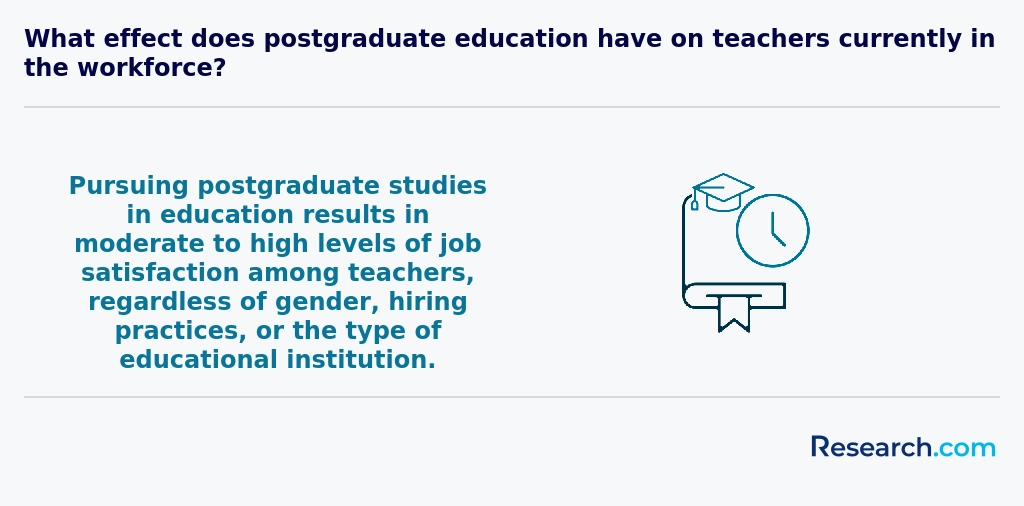
Obtaining an online education degree in Kentucky can significantly enhance career mobility and advancement for many professionals. According to the Kentucky Center for Statistics, educators with at least a bachelor's degree experience a 15% higher employment rate compared to those with only a high school diploma. Online programs offer flexible access to certifications and advanced degrees, which are often required for promotions within public schools and educational institutions. Additionally, the Kentucky Department of Education highlights that teachers holding a master's degree or higher tend to earn salaries approximately 10-20% above their peers, supporting upward financial mobility.
Online education degrees also provide access to specialized training in high-demand areas such as special education or instructional technology. These specializations can open doors to leadership roles or positions with greater responsibility. As Kentucky schools continue to prioritize improving student outcomes, educators with advanced online degrees are often favored in hiring and retention decisions. This trend reflects a broader national movement toward valuing advanced credentials in education careers.
Studying for an education degree in Kentucky equips students with skills to excel in interdisciplinary roles by emphasizing both foundational teaching methods and cross-sector collaboration. Many Kentucky programs integrate technology, psychology, and special education coursework, reflecting the state's commitment to preparing versatile educators. According to the Kentucky Center for Education and Workforce Statistics, educators with interdisciplinary training have better job placement rates, often working in roles that span curriculum design, counseling, and community outreach.
Online education degrees in Kentucky also encourage practical application through internships and partnerships with local schools, enabling students to address diverse learner needs. This approach supports adaptability in multiple professional settings beyond traditional classrooms.
When choosing between a thesis and a non-thesis online education degree program in Kentucky, consider your career goals carefully. Thesis options typically require original research, making them ideal for those aiming for doctoral studies or research roles. Non-thesis paths focus more on coursework and practical skills, suited for educators planning to work directly in schools or administrative roles.
Kentucky institutions like the University of Kentucky and Eastern Kentucky University offer both formats online. According to the Kentucky Council on Postsecondary Education, thesis degrees often take longer to complete and demand more independent work. In contrast, non-thesis programs may be completed faster and appeal to working professionals balancing jobs and study.
Students in Kentucky seeking to study education abroad through online programs have several options available, primarily focused on accredited U.S. institutions offering international learning experiences. Many Kentucky universities collaborate with global partners to provide study abroad opportunities that complement online coursework. According to the Institute of International Education, only about 5% of Kentucky students participate in study abroad, often due to geographic or financial constraints, making online international education programs particularly valuable. These programs allow students to gain global perspectives on education without leaving Kentucky, often including virtual internships or coursework that examines educational practices worldwide.
Several Kentucky schools, such as the University of Kentucky and Western Kentucky University, offer online degrees with international components or partnerships, ensuring students meet the state's teaching certification requirements while engaging with global education trends. These programs are typically flexible and accredited, combining Kentucky-focused pedagogy with international educational theories, preparing educators for diverse classroom settings.
In Kentucky, students pursuing an online education degree often seek part-time jobs that build relevant skills and experience. Common opportunities include teacher's aides, tutors, and after-school program assistants. These roles provide practical experience in classroom management and student engagement, key competencies for future educators.
According to the Kentucky Center for Statistics, the demand for educational support roles is projected to grow by 6% through 2028, reinforcing the value of gaining experience alongside studies.
Positions in local libraries or community centers also offer valuable interaction with children and educational materials, complementing formal education training. These jobs often provide flexible hours suitable for students balancing coursework.
Online education students pursuing degrees in Kentucky have several networking opportunities despite the virtual format. Many Kentucky universities, such as the University of Kentucky and Western Kentucky University, offer online platforms where students can join discussion groups and participate in virtual meet-ups.
Additionally, professional associations like the Kentucky Education Association provide networking events and local chapters accessible to online learners. These groups often host webinars, conferences, and forums to connect students with educators and industry professionals.
According to the Kentucky Council on Postsecondary Education, collaborative online tools have increased peer interaction by 30% in recent years, enhancing networking potential for remote students.
Finally, alumni networks from Kentucky institutions actively support graduates by providing career resources and mentorship opportunities to online education students.
Alumni networks provide valuable benefits to students pursuing online education degrees in Kentucky. These networks connect students with graduates who have already navigated the local education and job markets. Through these connections, current students can gain mentorship, career advice, and job leads tailored to Kentucky's educational landscape.
According to the Kentucky Council on Postsecondary Education, strong alumni engagement correlates with higher employment rates for graduates. This resource expands students' professional contacts beyond their immediate faculty and classmates, offering insights into statewide school districts and educational institutions.
Additionally, many Kentucky universities offer exclusive alumni events and online forums, fostering community and ongoing support for online learners nationwide.
Customizing an online education degree in Kentucky is important to align your studies with your career goals. Many Kentucky institutions offer flexible programs that allow you to select concentrations such as early childhood education, special education, or educational leadership. This flexibility helps tailor your learning experience to meet specific certification requirements or career aspirations.
Additionally, you can often choose electives that complement your professional interests or engage in internships and practical experiences offered remotely. According to the Kentucky Council on Postsecondary Education, over 80% of public universities now provide online options with diverse pathways to specialization.
By carefully selecting courses and certificates, students enhance their employability in Kentucky's evolving education sector.
Online education students in Kentucky commonly face challenges related to internet connectivity. Rural areas in the state often have limited broadband access, which affects approximately 14% of Kentucky residents, according to the Federal Communications Commission. This digital divide can hinder timely access to coursework and video lectures.
Another frequent issue is balancing coursework with personal and professional responsibilities. Many online students juggle jobs or family care, leading to difficulties in managing time effectively. Kentucky's adult learners, who make up a significant portion of online students, often report this challenge.
Additionally, some students encounter limited academic support. While universities provide virtual resources, students may feel isolated without face-to-face interaction, impacting motivation and engagement. Understanding these common obstacles is essential for prospective online education students in Kentucky.
An online education degree in Kentucky opens doors to several valuable professional certifications. One of the most common is the Kentucky Professional Teaching Certification, which allows graduates to teach in public schools statewide. This certification requires completing an approved teacher preparation program and passing the Praxis exams.
Additionally, graduates may pursue National Board Certification, recognized nationwide for advanced teaching expertise. For those interested in administration, the Kentucky Principal Certification is a prominent pathway, often pursued after gaining classroom experience.
Other options include certifications in Special Education and ESL (English as a Second Language), which are in demand within Kentucky schools. These certifications enhance job prospects and can increase earning potential.
According to the Kentucky Department of Education, approximately 40% of new educators in the state obtain at least one specialized certification within five years of graduation.
To write a winning application for an online education program in Kentucky, start by thoroughly researching the institution's specific requirements. Many Kentucky schools, such as the University of Kentucky and Western Kentucky University, value clear career goals in education, so articulate why an online degree fits your professional aspirations.
Highlight your prior academic achievements and relevant experiences, emphasizing any work or volunteer roles in education. According to the Kentucky Council on Postsecondary Education, including practical examples of leadership or commitment to teaching can strengthen applications.
Be concise and personal in your statement of purpose, focusing on how the program aligns with Kentucky's educational needs. Proofread carefully to eliminate errors and meet all deadlines, as competitive acceptance rates require attention to detail.
Education careers in the U.S. carry a strong global reputation, emphasizing the importance of qualified teachers worldwide. Kentucky's education system aligns with national standards, focusing on training educators who can meet diverse classroom needs. According to the Kentucky Department of Education, demand for qualified teachers remains steady, reflecting broader global trends valuing effective teaching. Internationally, educators are seen as key drivers of social and economic development, making education degrees valuable for students interested in global perspectives.
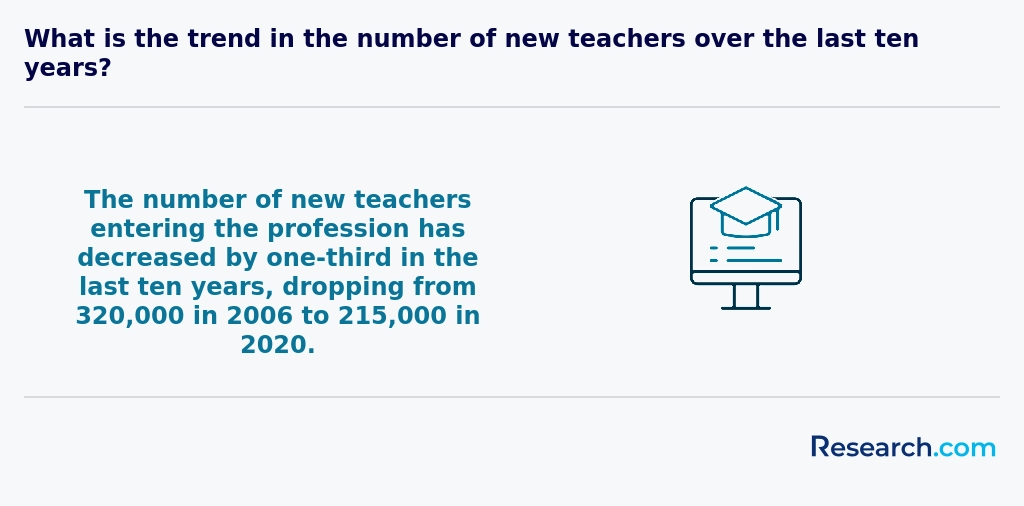
Online education degrees in Kentucky offer flexibility while preparing graduates for a field recognized across borders. The U.S. Bureau of Labor Statistics expects a 5% growth in education jobs through 2031, demonstrating stable opportunities both locally and globally.
Gaining practical experience while studying for an online education degree in Kentucky is vital for career readiness. Many Kentucky universities require student teaching placements, even for online programs, to ensure hands-on learning. These placements often occur in local schools, allowing students to apply theory in real classrooms.
Additionally, internships and practicums offer valuable field exposure. The Kentucky Department of Education supports partnerships between universities and schools to facilitate these opportunities. According to the Kentucky Higher Education Assistance Authority, nearly 90% of local teaching programs include practical components. Participating in workshops or virtual simulations can also enhance skills without geographical constraints.
Choosing the right concentration within an online education degree program in Kentucky requires careful consideration of your career goals and interests. Start by reviewing the state's demand for educators in various specialties. For example, Kentucky reports a strong need for teachers in special education and STEM fields, according to the Kentucky Department of Education.
Next, consider your background and strengths. If you have experience or a passion for working with diverse learners, special education might be a good fit. Those interested in math, science, or technology should explore STEM-related concentrations.
Look into program accreditation and how it aligns with Kentucky's teacher certification requirements. The Council for the Accreditation of Educator Preparation (CAEP) approves many programs that meet state standards.
Lastly, explore the curriculum and flexibility of online programs to ensure they fit your schedule and learning style, keeping in mind Kentucky's regulations and certification paths.
Related Education Rankings for Nearby States
- 2027 Most Valuable Online Education Degree Programs Ranking in Indiana
- 2027 Most Valuable Online Education Degree Programs Ranking in Ohio
- 2027 Most Valuable Online Education Degree Programs Ranking in Illinois
- 2027 Most Valuable Online Education Degree Programs Ranking in Missouri
- 2027 Most Valuable Online Education Degree Programs Ranking in North Carolina
- 2027 Most Valuable Online Education Degree Programs Ranking in Georgia
- 2027 Most Valuable Online Education Degree Programs Ranking in Mississippi
- 2027 Most Valuable Online Education Degree Programs Ranking in Arkansas
- 2027 Most Valuable Online Education Degree Programs Ranking in South Carolina
- 2027 Most Valuable Online Education Degree Programs Ranking in Pennsylvania
Top Trending Education Rankings
See What Experts Have To Say About Studying Education
Read our interview with Education experts

Alan J. Singer
Education Expert
Professor of Teaching, Learning and Technology
Hofstra University

Nooshan Ashtari
Education Expert
Professor & Book Author
University of Southern California

References
- Driving Seamless Postsecondary Transitions in Kentucky https://edstrategy.org/esg-featured-work/driving-seamless-postsecondary-transitions-in-kentucky/
- Gov. Beshear Announces New Program To Prepare ... https://kentucky.gov/Pages/Activity-stream.aspx
- Alternative Teacher Certification Kentucky https://iteach.net/alternative-teacher-certification/kentucky-alternative-teacher-certification/
- Guide to Online Education Degrees https://www.oedb.org/rankings/online-education-programs/
- 2026 Best Online Education Degrees https://www.onlineu.com/degrees/education
- Online Colleges in Kentucky https://www.onlineschools.org/guides/kentucky/
- Alternative Pathways to Certification https://goteachky.com/resources/certification/alternative-pathways/
- Online Bachelor's of Education Degrees https://www.phoenix.edu/online-education-degrees/bachelors.html
- Online Degrees in Kentucky (KY) https://www.onlinedegrees.com/kentucky/
- Discover The Best Online Colleges In Kentucky https://www.accreditedschoolsonline.org/kentucky/


