
2027 Most Valuable Online Master's in Education Degree Programs Ranking in Kansas

Co-Founder and Chief Data Scientist
Choosing the right online master's in education program can shape your future and impact your career. This article introduces the 2027 Most Valuable Online Master's in Education Degree Programs Ranking in Kansas, created by the Research.com team of data scientists to help you make an informed decision.
By exploring this ranking, you'll discover quality programs worth considering, tailored to fit your goals. Pursuing a master's in education opens doors to meaningful opportunities and personal growth. Take the next step with confidence and find the program that fits your aspirations.
Key benefits of getting online education degree in Kansas
- Salary for education degree graduates: Graduates can earn rewarding salaries such as $129,330 annually as an Education Manager or $96,570 as a Higher Education Professor, reflecting strong financial prospects in Kansas.
- Career paths: Education degree holders from popular Kansas schools like the University of Kansas often pursue roles as Curriculum Specialists, Education Consultants, or Program Managers, opening doors to diverse and fulfilling careers.
- Benefits of an online degree: Earning your education degree online in Kansas offers flexibility and convenience, allowing you to balance work and life while still receiving a respected degree from institutions like Kansas State University.
- Key benefits of getting online education degree in Kansas
- What can I expect from online education degree in Kansas?
- Where can I work with online education degree in Kansas?
- How much can I make with online education degree in Kansas?
- 2027 Most Valuable Online Master's in Education Degree Programs Ranking in Kansas
- Key Findings
- How long does it take to complete online education degree in Kansas?
- Optimizing Your Educational Investment with Affordable Options
- What's the difference between online and on-campus education degree?
- Return on Investment of an Online Education Degree in Kansas
- What is the average cost of online education degree in Kansas?
- Tips for Success in Online Education Programs
- What financial aid is available to online education degree students in Kansas?
- Certification and Licensing Requirements
- What are the prerequisites for enrolling in online education degree program in Kansas?
- Accreditation and Kansas Teacher Licensure Requirements
- What courses are typically in online education degree programs in Kansas?
- What types of specializations are available in online education degree programs in Kansas?
- How do you choose the best online education degree in Kansas?
- What career paths are available for online education degree students in Kansas?
- What is the job market for online education degree in Kansas?
- Related Education Rankings for Nearby States
- Top Trending Education Rankings
- See What Experts Have To Say About Studying Education
What can I expect from online education degree in Kansas?
The average cost of an online education degree in Kansas typically ranges from $350 to $450 per credit hour, making it an accessible option for many aspiring educators. Graduates from institutions like the University of Kansas or Kansas State University often share how this pricing strikes a balance between quality education and affordability, especially when combined with financial aid opportunities such as scholarships and state grants targeted at educators.
For many students, this cost framework supports a manageable investment in their future without overwhelming financial pressure. One graduate described how the steady tuition rates allowed them to focus on absorbing cutting-edge teaching methods and educational leadership skills without the distraction of rising expenses.
With programs usually spanning 30 to 40 credit hours, these costs emphasize the flexibility to spread tuition over several semesters, accommodating working professionals and parents juggling their schedules. Kansas's strong accreditation standards, especially through the Higher Learning Commission, ensure that this investment translates into respected credentials recognized within and beyond the state.
Where can I work with online education degree in Kansas?
Graduates with an online education degree from universities like the University of Kansas or Wichita State often find rewarding careers in K-12 schools across Kansas. Many describe the satisfaction of shaping young minds in both urban districts and rural communities, where certified teachers are in high demand. The ability to specialize in areas such as special education or secondary science opens doors to impactful classroom roles tailored to personal passions.
Beyond teaching, many alumni pursue leadership positions in school administration, feeling empowered as principals or curriculum coordinators. They appreciate how their online learning experience prepared them for balancing digital tools with traditional leadership challenges, especially in schools embracing new technology.
Some graduates share excitement about careers in educational technology and curriculum design, collaborating with school districts and nonprofits to innovate learning experiences-an emerging trend in Kansas education. Others engage with community colleges or universities as advisors or faculty, valuing the flexibility their degree brought to support learners in digital environments.
In these evolving roles, online education graduates in Kansas feel optimistic and motivated, knowing their skills directly contribute to advancing statewide educational quality and access.
How much can I make with online education degree in Kansas?
Graduates with online education degrees from Kansas institutions, such as the University of Kansas or Kansas State University, are discovering promising salary prospects in various roles. For example, education managers in Kansas earn a mean annual wage of around $129,330-a figure that excites many alumni aiming for leadership positions in school districts or education-focused organizations.
Curriculum specialists, often hired to design innovative teaching plans, typically earn about $77,200 per year. This role is especially attractive for graduates seeking to impact education directly through program development. Education program managers make a strong income as well, with average salaries near $104,920, enabling graduates to thrive in administrative and organizational education roles statewide.
Some graduates find fulfillment as education consultants, earning close to $95,600 annually by advising schools and districts on best practices and policy improvements. These figures reflect growing demand in Kansas, where online degrees enable professionals to rapidly progress and adapt to emerging trends in education.
Seeing peers leverage their online degrees to obtain these salaries instills confidence in new students exploring flexible study options at respected Kansas colleges.
2027 Most Valuable Online Master's in Education Degree Programs Ranking in Kansas
How do we rank schools?
Investing in your education is a significant decision that can shape your future, and the Research.com team understands the importance of making informed choices. To assist prospective students in Kansas, we have meticulously crafted the "2027 Most Valuable Online Master's in Education Degree Programs Ranking in Kansas." Our commitment to quality, credibility, and accuracy is reflected in the extensive research and analysis conducted to compile this ranking.
We utilized the following reputable data sources to ensure a comprehensive evaluation of online master's in education programs:
By exploring this ranking, readers will gain valuable insights into the most valuable online master's in education programs available in Kansas, helping them make well-informed decisions about their academic and professional future. For more details on our methodology, please visit our Research.com methodology page.


# 9 position
Southwestern College
Master of Special Education — High Incidence

# 10 position
Ottawa University-Kansas City
Master of Education

Key Findings
- Tuition for online education degrees in Kansas ranges from $7,000 to $12,000 per year at public universities and $15,000 to $25,000 at private institutions.
- Many programs are designed to meet state teaching certification requirements, available through both traditional and alternative paths.
- Job growth in education-related fields in Kansas is projected at about 3% over the next decade.
- Starting salaries for education master's graduates typically range from $40,000 to $50,000 annually, with experienced professionals earning up to $70,000.
- Online degrees in Kansas support both new students and current educators seeking certification or career advancement.
How long does it take to complete online education degree in Kansas?
Completing an online education degree in Kansas typically takes between 1.5 to 3 years, depending on how students balance their time and course load. Graduates from popular programs at Kansas State University or the University of Kansas often share how flexible pacing helped them manage busy work schedules while steadily progressing toward their degrees.
Many students appreciate accelerated eight-week courses that let them finish more quickly, especially when juggling family and work responsibilities. Full-time learners usually wrap up in around two years, while part-time students find a three-year timeline more realistic. Specializations like educational leadership or special education can add practicum requirements, stretching the timeline but enriching the real-world experience that many graduates value.
Looking ahead, emerging trends suggest that evolving online formats and personalized pacing could shorten these timeframes even more, empowering future Kansans to achieve their educational goals swiftly without sacrificing quality.
Optimizing Your Educational Investment with Affordable Options
To make the most out of your online education degree in Kansas, it's crucial to consider the financial implications and explore options that offer the best value for your investment. One key aspect to look into is the affordability of programs, which can significantly impact your decision. For those seeking most affordable education programs in kansas, understanding the cost structures and available financial aid is essential. Many institutions in Kansas offer competitive pricing and comprehensive support to help students navigate their financial obligations. By choosing an affordable online education program, you can minimize debt and maximize your potential for a successful career in education, setting yourself up for long-term financial stability and professional fulfillment.
What's the difference between online and on-campus education degree?
Online and on-campus education degree programs in Kansas offer distinct experiences tailored to different lifestyles. Graduates from both the University of Kansas and Kansas State University often remark on the flexibility online programs provide, allowing them to juggle jobs, family, and coursework without relocating or commuting. One graduate shared how completing lessons through Wichita State's online platform let them study evenings after work, a freedom impossible in traditional on-campus settings.
Conversely, on-campus students treasure the immersive environment at schools like Emporia State University, where face-to-face interaction with professors and peers fosters a sense of community and immediate feedback during practicum placements. Yet, both formats must meet rigorous accreditation standards and support students toward Kansas state licensure, ensuring quality is never compromised.
Looking ahead, blending digital tools with hands-on experiences could redefine teaching degrees in Kansas, marrying convenience with personal connection. As technology evolves, students might soon enjoy even more dynamic virtual labs and real-time mentoring that emulate on-campus benefits, broadening access without sacrificing engagement.
Return on Investment of an Online Education Degree in Kansas
Understanding the return on investment (ROI) for an online master’s in education program is essential when weighing educational options in Kansas. By comparing total program costs against projected career earnings, prospective students can make data-driven decisions about the true value of their degree. Most programs in Kansas require an investment of $13,000–$15,000 in tuition for in-state students, with out-of-state rates averaging $28,000–$32,000. When paired with the average starting salary of $50,000–$60,000 for entry-level teachers and the potential to earn $65,000–$75,000 in specialized or administrative roles, graduates typically recoup their tuition within three to five years. Key factors influencing ROI include: • Tuition and Fees: Total cost including technology and materials fees. • Salary Growth: Median wage increases as graduates gain experience or specialize. • Time to Payback: Estimated months to break even based on salary differentials. • Opportunity Cost: Income forgone while studying, offset by part-time teaching opportunities. For students seeking broader regional comparisons, exploring cost-versus-earnings metrics in neighboring states can offer valuable context. To compare cost-effectiveness across the Midwest, check out the Affordable Online Education Degree Programs Ranking in Idaho, which illustrates how program affordability and graduate outcomes vary by state. By analyzing these ROI dimensions, Kansas students can confidently select an online education program that aligns with both their career goals and financial expectations, ensuring their investment leads to long-term professional and personal rewards.
What is the average cost of online education degree in Kansas?
The average cost of an online education degree in Kansas typically centers around $11,517 for in-state students, reflecting a sustainable investment in one's future. Graduates from well-known institutions like Kansas State University and the University of Kansas recall balancing this cost alongside their busy schedules, often appreciating the flexibility that online programs offer. These graduates have noted that the cost aligns well with the quality of education and the personalized support provided by these universities, making the tuition feel like a meaningful step toward their career goals.
Students exploring the total tuition and fees for Kansas education master's online often find that while the median amounts hover around $16,457, many can take advantage of payment plans and scholarships designed specifically for online learners. Across the state, such financial options encourage prospective students to pursue their degrees with confidence, reducing anxiety about affordability. The blend of cost-effectiveness and quality has inspired many online learners to envision how their education could open doors in schools, districts, and communities throughout Kansas.
In this evolving education landscape, future trends may see even more competitive pricing and enhanced financial aid as public universities refine their online platforms. Those looking for the most affordable education programs in kansas find that opportunities continue to grow, driving excitement and optimism about obtaining a valued degree from home or while working full-time.
Tips for Success in Online Education Programs
Achieving success in an online education program starts with setting clear goals and establishing a tailored study routine. Prospective students should develop effective time-management strategies by creating a designated study space and leveraging digital tools for scheduling and task tracking. Consistent communication with faculty and classmates-through discussion boards, emails, or virtual study groups-is essential for overcoming the challenges of remote learning. Regular self-assessment can help you stay on track; consider using productivity apps and joining virtual study sessions to monitor your progress. Additionally, explore specialized resources on budgeting your education expenses, as many students often search for what is the cheapest online education degree, and achieving financial balance is key to a stress-free learning experience. Lastly, take advantage of available academic support services such as tutoring, career counseling, and technical assistance. By planning ahead and integrating these strategies into your daily routine, you can maximize your learning experience and pave the way for both academic and professional excellence.
What financial aid is available to online education degree students in Kansas?
Online education students in Kansas often find financial aid options that feel both accessible and tailored to their unique paths. Graduates from popular institutions like the University of Kansas or Wichita State University frequently share how federal student aid, such as Direct Unsubsidized Loans and Grad PLUS Loans, eased their financial burden with manageable repayment plans. Imagining yourself in their shoes, this aid brings relief and focus to studying instead of worrying about immediate costs.
State-specific programs, including the Kansas State Scholarship offered through the Kansas Board of Regents, open doors for many online learners. These scholarships can feel like a personalized boost, especially for residents aiming to reduce tuition expenses. Realistically, you might find a scholarship between $1,000 and $5,000 helps lighten the load, much like many others have experienced when pursuing specializations in STEM or special education.
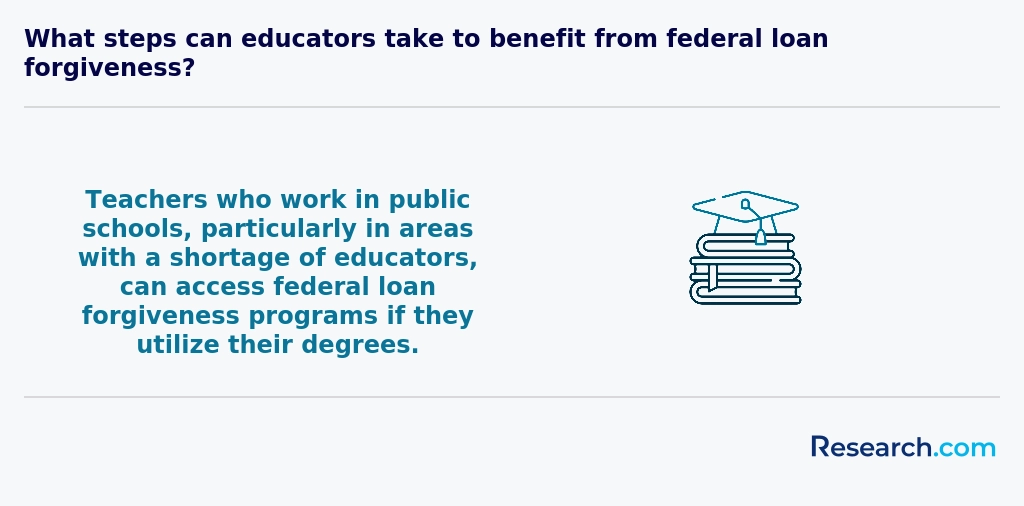
- Loan forgiveness programs for Kansas teachers foster long-term confidence by relieving debt-up to $17,500 after five years teaching in qualifying districts.
- Incentives from the Kansas Department of Education for rural educators also create new pathways, making tackling local shortages both rewarding and financially supported.
- Employer tuition reimbursement programs reflect growing employer investment in your career growth if you are already working in schools or educational organizations.
Many graduates recall private scholarships from foundations like the Kansas Association of Colleges for Teacher Education as moments of encouragement, reinforcing that their dedication is recognized and valued. These supports signal a future where financial aid continues evolving to meet the challenges of earning online education degrees in Kansas.
Certification and Licensing Requirements
After earning your online master’s in education in Kansas, securing state licensure is a critical next step to begin teaching. The Kansas State Department of Education (KSDE) mandates that all candidates complete the following: • Approved Program Completion: Ensure your degree program is accredited by the Council for the Accreditation of Educator Preparation (CAEP) or another recognized body. • Praxis Examinations: Pass the Praxis Core Academic Skills tests and the Praxis Subject Assessment for your specialization. Typical scores required are 156 in Reading, 162 in Writing, and 162 in Mathematics, though subject-area scores vary. • Background Check and Fingerprinting: Submit fingerprints and complete a criminal history review through KSDE’s approved vendor. Results must be clear to qualify for licensure. • Application Submission: Apply online via KSDE’s Educator Licensure Information System (ELIS), paying the non-refundable $100 licensure fee. Processing can take 4–6 weeks. • Professional Development and Renewal: Maintain your license every five years by completing 6 semester hours or 90 contact hours of KSDE‐approved professional development in education. Kansas also participates in teaching reciprocity agreements, making it easier for educators licensed in other states to obtain a Kansas license. If you’re comparing program costs and certification pathways outside Kansas, explore the Affordable Online Education Degree Programs Ranking in Idaho to see how regional differences might impact your investment and licensure timeline.
What are the prerequisites for enrolling in online education degree program in Kansas?
Enrolling in an online education degree program in Kansas often starts with holding a bachelor's degree from an accredited institution, such as those recognized by the Higher Learning Commission, which accredits many Kansas universities. Graduates from schools like the University of Kansas or Wichita State often recall how this foundation gave them the confidence to tackle advanced coursework. Alongside transcripts showing a GPA around 3.0, many students find that demonstrating their real-world experience in education-whether through classroom teaching or curriculum development-helps strengthen their applications and enhances their readiness for graduate study.
Some programs, especially those tied to licensure like initial teacher certification, require current teaching credentials meeting the Kansas State Department of Education standards. This ensures candidates are not only academically prepared but also aligned with state policies. Many applicants have shared that gathering letters of recommendation and crafting personal statements felt empowering, as these elements allowed them to articulate their passion and professional goals vividly.
While GRE scores have become less emphasized, applicants are encouraged to check individual university policies, as flexibility grows with evolving admission trends. The landscape in Kansas is shifting toward valuing holistic candidate profiles, blending academics, experience, and personal narratives, making the journey into online education degrees both rigorous and rewarding.

Accreditation and Kansas Teacher Licensure Requirements
Ensuring your online master’s in education program is properly accredited and aligned with Kansas licensure standards is critical for both quality and career readiness. In Kansas, reputable programs typically hold regional accreditation from bodies like the Higher Learning Commission (HLC) and specialized accreditation from the Council for the Accreditation of Educator Preparation (CAEP). CAEP accreditation confirms that a program meets rigorous standards in candidate preparation, faculty qualifications, and continuous improvement processes. Beyond institutional accreditation, candidates must verify that their chosen program is approved by the Kansas State Department of Education (KSDE) to satisfy state licensure requirements. KSDE-approved coursework ensures you complete the required credit hours in professional education, core content, and student teaching or practicum experiences. Graduates from these programs are eligible to apply for the initial Kansas teaching license, which involves submitting official transcripts, passing the required Praxis exams, and completing a background check. Because accreditation status and licensure requirements can vary by state, some students compare options in neighboring regions to find the best fit. For instance, you might explore the Affordable Online Education Degree Programs Ranking in Idaho to benchmark program quality and cost-effectiveness. While Idaho’s ranking offers insights into affordability, Kansas candidates should always confirm in-state licensure alignment to avoid additional credentialing hurdles. Before applying, review each program’s accreditation details and KSDE approval on the university’s website. Contact the program advisor to discuss how clinical experiences, mentor partnerships, and examination preparation align with Kansas licensure policies. This proactive step guarantees that your investment in an online education degree leads directly to a qualified teaching career in Kansas.
What courses are typically in online education degree programs in Kansas?
Students pursuing an online education degree in Kansas typically engage with courses that blend foundational knowledge and cutting-edge teaching methods. Graduates from well-known institutions such as the University of Kansas often share how studying educational psychology helped them understand diverse learner needs, shaping their classroom approach. Imagine crafting lesson plans enriched by advanced instructional technology learned through these programs, which are tailored to keep pace with evolving digital classrooms.
Courses commonly include curriculum design, where students experiment with creating inclusive, engaging materials suitable for all grade levels, from early childhood to secondary education. Classroom management strategies are another key focus, offering practical tools that graduates describe as empowering for maintaining positive learning environments even in virtual or hybrid settings.
The hands-on field experience integrated into many Kansas-based online programs lets students immediately apply theories in real schools, building confidence and adaptability. This experience, combined with education research methods, ensures future educators stay responsive to data-driven changes transforming teaching across the state.
What types of specializations are available in online education degree programs in Kansas?
In Kansas, online education degree specializations continue to evolve, catering to educators eager to address local and national challenges. Graduates from popular universities in the state often share their enthusiasm about specializations such as Curriculum and Instruction, which allows them to craft engaging lesson plans that resonate deeply with Kansas students. Others highlight the Educational Leadership and Administration track, where they gain hands-on skills in school finance and law, preparing confidently for roles as principals or superintendents within the Kansas school system.
Many students pursuing Kansas online master's in education fields emphasize the emotional fulfillment found in Special Education specializations, inspired by the significant number of students receiving specialized support in the state. Meanwhile, emerging interests include Literacy and Reading, reflecting real needs to improve reading proficiency, and Educational Technology, where graduates appreciate learning to integrate digital tools effectively-especially in response to recent shifts to online and hybrid classrooms.
For those curious about affordability, universities in Kansas often provide competitive tuition rates that make earning a degree more accessible. Prospective students can explore what is the cheapest online education degree options to find programs that align with both their career goals and budget.
How do you choose the best online education degree in Kansas?
Choosing the best online education degree in Kansas involves looking beyond just the curriculum to future career alignment and flexibility. Graduates from the University of Kansas and Wichita State University often highlight how regionally accredited programs and strong ties to local schools helped them transition smoothly into teaching roles. These programs typically offer specializations that reflect evolving educational demands, such as special education or leadership, which align with Kansas state licensure paths.
Affordability also plays a key role; many find that comparing tuition fees along with financial aid options is essential. Kansas students seeking an affordable online master's in education Kansas can explore programs with flat-per-credit pricing, which allows precise budgeting through the degree journey.
In addition, anticipating future work-life balance needs, students appreciate fully asynchronous courses testing their self-discipline while enabling career advancement. Understanding these emerging trends draws from real experiences where graduates praise accessible faculty and career services that feel personalized.
For those interested in comparative program costs and value, the Affordable Online Education Degree Programs Ranking in Idaho offers insights that Kansas students might find helpful for perspective.
What career paths are available for online education degree students in Kansas?
Graduates with an online education degree in Kansas find themselves on diverse career paths that evolve alongside shifting educational needs. Licensed K-12 teaching remains a popular choice, with graduates from well-known Kansas universities feeling confident stepping into classrooms, especially in high-demand areas like STEM and bilingual education. Many describe the satisfaction of impacting young minds directly, inspired by the state's emphasis on improving outcomes.
Others explore leadership roles, such as school administration, where additional certifications open doors to becoming principals or district officials. Graduates highlight how these positions enable them to shape school policies and mentor teachers, often with rewarding salaries reflecting their expanded responsibilities. Opportunities also exist beyond traditional schools, including corporate training and adult education, fields where flexible online degrees shine for working Kansans aiming to advance careers without relocating.
While exploring career opportunities for education graduates Kansas-wide, many online learners have turned to community colleges or universities known for their education programs, appreciating how this foundation supports roles like curriculum development or educational technology specialists. For those seeking affordable and practical options, programs from the top online school for trade skills prove especially valuable in preparing for these futures.
What is the job market for online education degree in Kansas?
The job market for online education degree in Kansas is promising and evolving, especially for graduates from well-regarded universities such as the University of Kansas or Wichita State University. These graduates often find rewarding roles in public schools and educational administration, benefiting from strong demand in critical areas like special education and STEM subjects. Many report positive experiences as they secure positions faster than expected, driven by Kansas's increasing recognition of online credentials.
Kansas job outlook for education graduates remains robust with growing opportunities in both urban centers and rural districts, which sometimes offer unique incentives including signing bonuses. Graduates appreciate how the blend of lower tuition costs and growing employment prospects create a sense of optimism about long-term career growth. Additionally, some students build versatility by engaging with a list of colleges that allow double majors, strengthening their market competitiveness.
Frequently Asked Questions About education
Online education degree students in Kansas can maximize their learning experience by establishing a consistent study routine. According to the Kansas State Department of Education, time management is crucial, especially for balancing coursework with personal or professional responsibilities.
Engaging actively in virtual class discussions and utilizing campus resources, even remotely, can enhance comprehension and networking opportunities. Many Kansas universities offer access to tutoring services and academic advising online, which students should take advantage of to stay on track.
Since Kansas education programs often align with state certification standards, students should familiarize themselves with requirements from the Kansas State Board of Education to ensure their degree supports licensure goals.
Finally, investing in a reliable internet connection and a quiet study environment helps minimize distractions, a factor reported by the National Center for Education Statistics as a significant contributor to successful online learning outcomes nationwide.
Emerging niches within the education field reflect the growing demand for specialized skills in Kansas and across the U.S. One key area is educational technology, where online degree programs focus on integrating digital tools into classrooms. This niche responds to the increasing use of virtual learning platforms, especially since COVID-19 expanded remote education options.
Another expanding area is special education, driven by the rising need for trained professionals to support diverse student populations. Kansas reported a 12% increase in special education roles between 2018 and 2023, according to the Kansas State Department of Education.
Additionally, culturally responsive teaching and bilingual education are gaining prominence, preparing educators to work effectively with Kansas' growing Hispanic and multilingual student bodies. Online programs now offer specialized tracks in these areas to meet workforce demands.
Preparing for the job market after earning an online education degree in Kansas involves several key steps. First, graduates should obtain Kansas state licensure, required for most teaching positions. The Kansas State Department of Education oversees certification, which includes passing relevant exams and completing background checks.
Networking is also essential. Joining professional associations such as the Kansas National Education Association can connect graduates with local educators and job leads.
Additionally, gaining classroom experience through student teaching or substitute positions increases employability. According to the Kansas Department of Labor, the demand for teachers in Kansas is expected to grow 4% through 2030, especially in rural districts.
Finally, graduates should stay informed about regional salary scales and utilize university career services tailored to education professionals.
Employers in Kansas highly value education graduates who demonstrate strong communication skills. Clear and effective communication is essential for working with students, parents, and colleagues.
Critical thinking and problem-solving abilities are also top priorities. These skills help teachers adapt to diverse classroom challenges and individual student needs, promoting successful learning outcomes.
According to the Kansas State Department of Education, skills in technology integration are increasingly important. Teachers who can effectively use digital tools and online platforms stand out in today's education landscape.
Finally, collaboration and cultural competence are essential. Kansas schools often serve diverse communities, so understanding and respecting different backgrounds enhances student engagement and achievement.
Finding internships in Kansas relevant to an education degree requires strategic planning and leveraging local resources. Start by exploring partnerships that Kansas universities maintain with area school districts, such as USD 259 in Wichita, which often offer teaching internships to online students. The Kansas Department of Education provides listings and support for practicum opportunities aligned with certification requirements.
Online education students should also connect with organizations like the Kansas Association of Colleges for Teacher Education (KACTE), which helps bridge students with schools needing student teachers. Many internships in Kansas focus on primary and secondary education, reflecting the state's emphasis on K-12 educational development.
Utilizing university career services, local school boards, and education job fairs can increase internship placement chances. According to the Kansas Board of Regents, collaboration across educational institutions enhances availability of roles suitable for online students seeking in-person experience.
An online education degree in Kansas significantly enhances career mobility by providing flexible access to advanced credentials recognized statewide. The Kansas Board of Regents approves many online programs, ensuring graduates meet state licensure requirements for educators. According to the Kansas Department of Education, teachers with a master's degree, including those earned online, are eligible for higher salary tiers and leadership roles.
Online degrees enable working professionals to upskill without relocating, broadening job prospects across urban and rural districts. Additionally, school districts in Kansas increasingly value candidates with accredited online credentials, which can lead to promotions such as curriculum specialists, instructional coordinators, or administrative positions.
Data from the U.S. Bureau of Labor Statistics shows an expected 7% growth in education careers in Kansas by 2030, favoring candidates with graduate degrees. This trend supports career advancement opportunities for those holding online education degrees.
Studying for an education degree in Kansas equips students with skills that extend beyond traditional teaching. Many Kansas universities emphasize interdisciplinary collaboration, integrating courses in psychology, technology, and management. This prepares graduates for diverse roles in education, such as curriculum design, educational leadership, and community outreach.
Kansas institutions often incorporate real-world projects connecting education with social services and business sectors. According to the Kansas Board of Regents, graduates with education degrees frequently pursue careers in varied fields that require teamwork and problem-solving across disciplines.
Online programs provide flexible learning while maintaining rigorous coursework relevant to multiple domains.
Choosing between a thesis and a non-thesis education degree program in Kansas depends on your career goals and learning preferences. Thesis programs emphasize research skills and are ideal if you plan to pursue a doctorate or work in academic settings. Non-thesis options focus more on practical applications, appealing to those aiming for administrative roles or classroom leadership.
In Kansas, many universities offer both formats for online master's degrees in education. According to the Kansas Board of Regents, around 40% of graduate education students opt for non-thesis programs, reflecting the state's strong emphasis on applied education careers.
Consider your interest in conducting original research and your time availability, as thesis tracks usually require more commitment.
Students based in Kansas who want to study education abroad through online programs have several options. Many U.S. universities offer online master's degrees in education that include international perspectives, allowing Kansas residents to learn global teaching strategies without leaving home. While physically studying abroad might be limited, students can explore virtual exchange programs or international internships arranged by their home institutions. According to the Kansas Board of Regents, 35% of Kansas postsecondary students enrolled in online courses in 2023, reflecting growing access to distance learning.
Part-time job opportunities in Kansas that complement education degree programs often include tutoring, teacher's aide positions, and substitute teaching roles. According to the Kansas Department of Education, substitute teaching allows students to gain classroom experience while managing flexible hours.
Tutoring positions, either through local schools or private organizations, help build practical skills in lesson planning and student interaction. The Bureau of Labor Statistics reports that Kansas has a growing demand for educational support roles, making these jobs valuable for those pursuing education careers.
Additionally, after-school program assistant jobs provide real-world experience in child development and classroom management, essential for a successful education degree path.
Online education students in Kansas have access to numerous networking opportunities, despite studying remotely. Many universities, such as Kansas State University and the University of Kansas, offer virtual events, webinars, and career fairs designed specifically for their online learners. These platforms allow students to connect with peers, faculty, and industry professionals.
The Kansas Board of Regents supports statewide initiatives that promote collaboration among educators. Online learners can also join professional organizations like the Kansas National Education Association, which hosts regional conferences and networking sessions relevant to education professionals.
Research from the National Center for Education Statistics indicates that 65% of Kansas graduate students engage in some form of virtual networking annually. These efforts help build professional connections critical for future teaching and administrative roles.
Alumni networks provide valuable support for online education degree students in Kansas. These networks offer connections to experienced graduates who understand the local education landscape and can provide mentorship. In Kansas, with about 30,000 education professionals statewide, strong alumni ties help students access job opportunities and professional development tailored to regional needs.
Participation in alumni events and online forums allows students to build professional relationships beyond the classroom. This is especially important for online learners who may have limited face-to-face interaction.
According to the Kansas Board of Regents, alumni networks also enhance career placement rates by sharing job leads within local school districts and education agencies. This peer support increases graduates' chances of securing roles in Kansas' competitive education sector.
Customizing an online education degree program in Kansas allows students to align their studies with specific career goals. Many Kansas institutions offer flexible online master's degrees with various concentration options, such as curriculum development, special education, or educational leadership. These tracks enable candidates to focus on skills relevant to their intended roles.
The Kansas State Department of Education supports online programs accredited regionally, ensuring quality education recognized by employers statewide. Additionally, students can often select elective courses or pursue dual certifications, which broadens career opportunities in the education sector.
Workshops, internships, and partnerships with local districts may also be integrated remotely, enhancing practical experience alongside academic learning.
Online education students in Kansas often face challenges related to technology access and reliable internet connectivity, especially in rural areas where broadband coverage can be limited. According to the Kansas Broadband Expansion Initiative, nearly 10% of households in rural counties lack high-speed internet, which can hinder participation in live classes or timely submission of assignments.
Another common challenge is balancing coursework with work and family responsibilities. Many online students are working professionals or parents, making time management critical for success. Reports from the Kansas State Department of Education highlight that over 40% of online learners express difficulties maintaining this balance.
Additionally, some students report feeling isolated due to limited face-to-face interaction with peers and instructors. This can affect motivation and engagement, key factors for degree completion.
With an online education degree in Kansas, you can pursue various professional certifications that enhance your teaching credentials or expand your career options. Common certifications include teaching licensure in specific grade levels or subject areas, such as Elementary Education or Special Education. Kansas requires educators to earn certification through the Kansas State Department of Education, which often involves passing the Praxis exams.
Additionally, many who earn a master's in education seek National Board Certification, a recognized advanced credential that can lead to higher salaries in Kansas public schools. Other options include Reading Specialist Certification and ESL (English as a Second Language) endorsements, both in demand throughout the state. These certifications often require specific coursework or additional exams beyond your degree.
To write a winning application for an online education program in Kansas, start by clearly presenting your academic background and professional experience related to education. Kansas universities often value candidates who demonstrate both teaching practice and leadership potential. Highlight any certifications, like a Kansas teaching license, which can strengthen your application.
Ensure your personal statement addresses why you want to pursue an online education degree and how it aligns with your career goals. According to the Kansas Board of Regents, strong communication skills and a commitment to serving local communities are key factors in admissions decisions.
Submit all required documents on time, including transcripts and recommendation letters from educators or supervisors familiar with your work. Attention to detail reflects well on your candidacy.
Globally, a career in education is valued for its impact on society and economic growth. In the United States, including Kansas, teaching is seen as a crucial profession with steady demand. According to the Kansas State Department of Education, the state anticipates a 9% growth in educational jobs through 2030.
Internationally, educators are expected to adapt to diverse classrooms and technology advancements, trends also reflected in Kansas' online education programs. The emphasis on lifelong learning and cultural competence is increasing as schools serve more diverse populations.
Globally, salaries and working conditions vary widely, but in Kansas, teachers earn a median annual wage of about $60,000, close to the national average (Bureau of Labor Statistics, 2023). This makes education a stable and respected career choice for graduates seeking to make a difference locally and beyond.
Gaining practical experience while pursuing an online education degree in Kansas is essential to prepare for a successful teaching career. Many universities in Kansas incorporate clinical practice, such as student teaching or internships, as required components of their programs. These hands-on opportunities typically take place in local schools, allowing students to apply theory in real classrooms.
Some programs also partner with Kansas school districts, making it easier for students to find placement close to home. The Kansas State Department of Education supports these collaborations to ensure quality field experiences that meet state licensure requirements.
Additionally, online students can engage in virtual simulations and professional development workshops tailored for Kansas educators, enhancing practical skills when in-person options are limited.
Choosing the right concentration within an online education degree program in Kansas involves aligning your career goals with local demand and certification requirements. According to the Kansas State Department of Education, areas like special education, English as a Second Language (ESL), and STEM-focused teaching are experiencing significant job growth.
Consider which student populations you want to serve and research state licensure standards for each specialization. For example, special education teachers in Kansas earn a median salary of approximately $57,000 annually, reflecting strong demand.
Also, examine the curriculum offered by Kansas universities to ensure it covers practical skills and provides opportunities for online field experiences. Finally, seek programs accredited by recognized bodies like the Council for the Accreditation of Educator Preparation (CAEP) to ensure quality and state recognition.
Related Education Rankings for Nearby States
- 2027 Most Valuable Online Master's in Education Degree Programs Ranking in Missouri
- 2027 Most Valuable Online Master's in Education Degree Programs Ranking in Colorado
- 2027 Most Valuable Online Master's in Education Degree Programs Ranking in Iowa
- 2027 Most Valuable Online Master's in Education Degree Programs Ranking in Texas
- 2027 Most Valuable Online Master's in Education Degree Programs Ranking in South Dakota
- 2027 Most Valuable Online Master's in Education Degree Programs Ranking in Minnesota
- 2027 Most Valuable Online Master's in Education Degree Programs Ranking in Illinois
- 2027 Most Valuable Online Master's in Education Degree Programs Ranking in Wisconsin
- 2027 Most Valuable Online Master's in Education Degree Programs Ranking in Kentucky
- 2027 Most Valuable Online Master's in Education Degree Programs Ranking in Michigan
Top Trending Education Rankings
See What Experts Have To Say About Studying Education
Read our interview with Education experts

Nooshan Ashtari
Education Expert
Professor & Book Author
University of Southern California

Alan J. Singer
Education Expert
Professor of Teaching, Learning and Technology
Hofstra University

References
- Online Education Degrees from The W https://www.muw.edu/online/teacher-education/
- The importance of networking in the education sector https://www.tlclive.com/blog/the-importance-of-networking-in-the-education-sector
- Career Goals: 17 Inspirational Examples for you in 2026 https://www.imd.org/blog/learning-and-development/career-goals/
- Can Higher Education Improve Long-Term Career Success https://studysphereadvisors.com/how-higher-education-influences-long-term-career-growth/
- Education & Training - Kansas.gov https://portal.kansas.gov/services/education-and-training/
- 10 Reasons Why Education Helps to Advance Your Career - Insight Training https://insight.edu.au/blog/career-advancement-through-education/
- The 8 challenges of education in a changing world https://casvitrescantos.com/en/the-8-challenges-of-education-in-a-changing-world/
- Know more about thesis vs non- thesis: what is the difference? https://studyfans.com/en/blogs/816
- Benefits of Networking for Students https://www.melioeducation.com/blog/benefits-of-networking-for-students/
- Home https://www.teachercertificationdegrees.com/


