
2027 Fastest Online Bachelor's in Finance Degree Programs Ranking in the South

Co-Founder and Chief Data Scientist
Choosing the right online finance degree can be overwhelming, especially for students in the South eager to advance their careers quickly. This article introduces the 2027 Fastest Online Bachelor's in Finance Degree Programs Ranking in the South, thoughtfully compiled by the Research.com team of data scientists.
By exploring this ranking, you'll discover fast, reputable programs that fit your goals and lifestyle. A finance degree opens doors to exciting opportunities and financial growth, making this guide a valuable resource for making informed decisions with confidence.
Key benefits of getting online finance degree in the South
- Finance degree graduates in the South can earn competitive salaries, such as $112,950 annually for Financial Analysts and Investment Banking Analysts, or $150,670 for Financial Advisors, offering strong financial stability.
- Graduates from Southern universities often find diverse career paths including credit analysis, insurance underwriting, and financial advising, providing exciting opportunities to match their interests and skills.
- Online finance degrees offer flexible schedules and lower commuting costs, allowing students from the South to balance work and study effectively while obtaining quality education from respected institutions.
- Key benefits of getting online finance degree in the South
- What can I expect from online finance degree in the South?
- Where can I work with online finance degree in the South?
- How much can I make with online finance degree in the South?
- 2027 Fastest Online Bachelor's in Finance Degree Programs Ranking in the South
- Key Findings
- How long does it take to complete online finance degree in the South?
- What's the difference between online and on-campus finance degree?
- Certifications and Professional Development Opportunities
- What is the average cost of online finance degree in the South?
- What financial aid is available to online finance degree students in the South?
- What are the prerequisites for enrolling in online finance degree program in the South?
- Accreditation and Professional Certification Opportunities
- What courses are typically in online finance degree programs in the South?
- What types of specializations are available in online finance degree programs in the South?
- How do you choose the best online finance degree in the South?
- What career paths are available for online finance degree students in the South?
- What is the job market for online finance degree in the South?
- Top Trending Finance Rankings
- See What Experts Have To Say About Studying Finance
What can I expect from online finance degree in the South?
The average cost of pursuing an online finance degree in the South typically ranges between $6,000 and $15,000 per year at public universities for in-state students, with private institutions often charging higher tuition. Graduates from well-known Southern universities appreciate how affordable these programs can be compared to national averages, making quality education accessible without massive debt.
Many finance students find the investment worthwhile given the strong job prospects in economic hubs like Dallas or Atlanta, where local financial firms actively seek graduates trained in these programs. The flexibility of asynchronous courses lets students continue working while earning their degree, creating a practical balance between income and study.
One graduate recalled managing a full-time job while completing required internships virtually, all supported by cost-effective tuition. Several Southern colleges also offer scholarships and financial aid, further lowering expenses and reinforcing the region's commitment to student success.
Where can I work with online finance degree in the South?
With an online finance degree from well-known Southern schools, graduates often find themselves stepping confidently into bustling banking hubs like Charlotte or Atlanta. Imagine working as a financial analyst at a major regional bank, where your skills directly influence investment decisions and help communities grow. Many graduates from universities popular in the South have shared how their remote studies prepared them for fast-paced roles in corporate finance, managing budgets for expanding tech startups or large manufacturing firms in Texas and Florida.
Government finance roles also stand out as rewarding paths. Graduates have transitioned into public sector jobs in Florida or Georgia, overseeing audits or crafting public budgets that impact millions. The energy sector, especially in Texas and Louisiana, is another vibrant arena-finance professionals here support complex project financing for oil and renewable energy projects, combining financial acumen with real-world impact.
These career paths show how an online finance degree in the South opens doors to dynamic opportunities where your work truly matters.
How much can I make with online finance degree in the South?
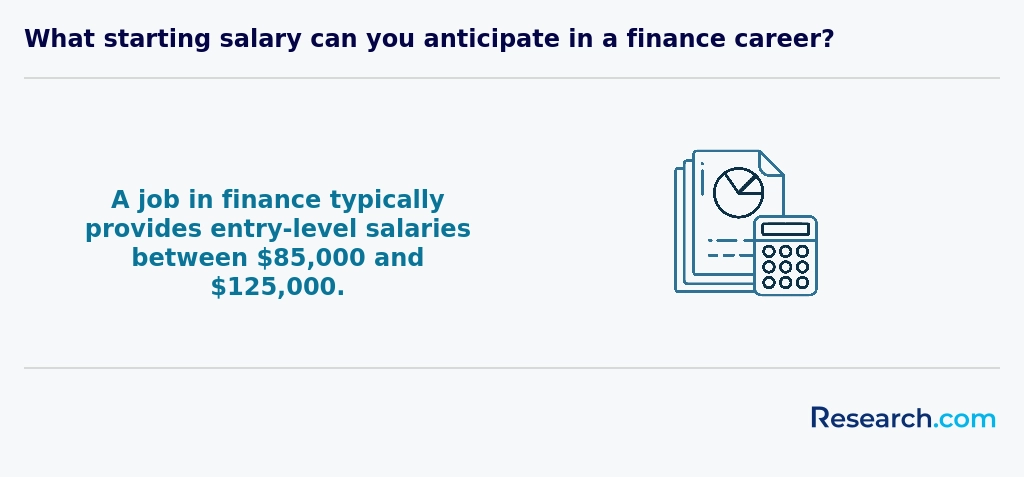
Graduates from Southern institutions offering online finance degrees often start their careers with promising salaries. For example, entry-level financial analysts in Texas or Florida can expect to earn around $70,000 to $85,000 annually, aligning well with data from the U.S. Bureau of Labor Statistics showing a mean annual wage of $112,950 for financial analysts nationwide. Many graduates from universities in the South find themselves quickly advancing, especially with certifications like the CFA, pushing mid-career salaries close to $90,000-$100,000 in cities such as Charlotte and Houston.
Other career paths, such as financial advisors or credit analysts, offer even more lucrative opportunities. Financial advisors, on average, make $150,670 annually, an inspiring goal for Southern degree holders. Additionally, credit analysts earn about $94,750 yearly, demonstrating the broad spectrum of finance roles accessible with the right education.
Graduates appreciate the flexibility of online programs from respected Southern colleges, knowing these degrees are well-recognized by employers. With growing financial sectors in the South, your online finance degree can truly unlock rewarding salaries and career growth.
2027 Fastest Online Bachelor's in Finance Degree Programs Ranking in the South
How do we rank schools?
Investing in your education is a significant decision, and the Research.com team recognizes the importance of providing trustworthy information to support prospective students. To assist learners seeking the fastest online bachelor's in finance programs in the South, we have carefully developed the "2027 Fastest Online Bachelor's in Finance Degree Programs Ranking in the South." Our commitment to quality, credibility, and accuracy is demonstrated through rigorous data collection and analysis.
We utilized the following reputable data sources to create this ranking:
By consulting this ranking, readers will gain insightful guidance to identify accelerated and credible finance degree programs, empowering them to make well-informed educational choices. For further details on our rigorous approach, please visit our Research.com methodology page.


Key Findings
- Online finance degrees in the Southern U.S. are widely available through accredited universities with flexible programs for working professionals.
- Tuition costs at public universities range from $7,000 to $20,000 per year for in-state students, while private schools may charge over $30,000 annually.
- Early career salaries for finance graduates typically start between $55,000 and $65,000, with experienced professionals earning $90,000 to $110,000 per year.
- The Southern job market includes strong demand in banking, insurance, investment firms, and corporate finance, especially in cities like Charlotte, Atlanta, and Dallas.
- Many programs focus on practical skills such as financial modeling, risk management, and data analysis and offer preparation for certifications like CPA and CFA.
How long does it take to complete online finance degree in the South?
Completing an online finance degree in the South typically takes around four years if you follow a full-time, traditional path. Graduates from institutions in Texas and Florida often share how this timeline aligned perfectly with their career plans, providing a steady pace to absorb core concepts and build confidence.
For those eager to expedite their journey, many Southern schools offer accelerated programs or accept transfer credits, helping students finish in as little as two to three years. One graduate from a Georgia-based university described how leveraging prior military experience credits made her degree achievable faster, fueling her excitement to enter the finance field sooner.
On the other hand, part-time options allow for balance with work or family commitments, though they can extend your studies to five years or more. Colleges like those in North Carolina have flexible eight-week courses that suit busy schedules, keeping motivation high while managing life's demands.
Whatever path you choose, Southern online programs empower you to tailor your pace-making your dream of a finance career both achievable and rewarding.
What's the difference between online and on-campus finance degree?
Choosing between an online or on-campus finance degree in the South often comes down to how you want to balance your life and learning. Graduates from universities like the University of Georgia recall how on-campus programs gave them direct access to professors and local internships, enriching their experience with hands-on projects and networking events. This face-to-face interaction can make a real difference if you thrive on immediate feedback and community support.
On the other hand, students pursuing their finance degree online from institutions such as Florida State University appreciate the flexibility to study evenings or weekends, fitting coursework around jobs or family. Many share how this freedom helped them remain motivated and manage responsibilities without sacrificing quality education. The curriculum is just as rigorous, covering essential topics like investment analysis and corporate finance.
Financially, attending campus in Southern public universities costs between $7,000 and $11,000 annually for in-state students, plus extra living expenses. Online learners often save 20-30% overall by avoiding these added costs. This practical advantage allows you to invest more in your future without overwhelming debt.
Certifications and Professional Development Opportunities
Pursuing industry-recognized certifications can significantly elevate the value of an online finance degree in the South, signaling expertise and commitment to potential employers. Common credentials include the Chartered Financial Analyst (CFA) designation, which requires passing three sequential exams focused on investment analysis and portfolio management, and the Certified Financial Planner (CFP) certification, ideal for graduates aiming to guide individual clients through retirement and estate planning. Additionally, the Financial Risk Manager (FRM) credential is tailored for those specializing in risk assessment and mitigation within banking and corporate settings. Most online programs offer preparatory workshops, dedicated study groups, and access to digital libraries to help students meet the rigorous prerequisites of these exams. Engaging with professional associations-such as the CFA Institute or the CFP Board-not only provides study materials but also networking opportunities, mentorship programs, and industry conferences that foster continuous learning. Beyond formal certifications, graduates can enhance their skill set through micro-credentials in areas like financial modeling, blockchain finance, and data visualization. For those interested in data-driven financial roles, pairing a finance degree with knowledge in business analytics careers can differentiate you in the job market, opening doors to hybrid positions that blend quantitative analysis with strategic decision-making. Continuous professional development-whether through online seminars, specialized boot camps, or advanced degrees-ensures that finance professionals remain competitive and adaptable as industry standards evolve.
What is the average cost of online finance degree in the South?
The average cost of an online finance degree in the South varies depending largely on whether you attend a public or private institution. On average, a total in-state cost for such a degree can be around $28,830, while out-of-state students might expect to pay approximately $68,160. Overall, the median total cost falls near $58,500, making the financial commitment manageable for many when planning wisely.
Graduates from well-known Southern universities often share how choosing an online finance program gave them the flexibility and affordability they needed. For instance, students at universities like the University of Florida, where tuition rates remain competitive, find themselves comfortably balancing study with personal and professional obligations. By understanding the total expenses for online bachelor's in finance southern US programs, you can plan better and avoid surprises.
It's encouraging to know that many online finance programs charge uniform tuition rates for in-state and out-of-state students. This breaks down barriers for those living outside the South but drawn to its reputable schools. Some students have even highlighted savings gained from reduced commuting and housing costs, making the overall financial experience less stressful and more inspiring.
Remember, tuition isn't the only cost; materials, technology fees, and textbooks add up. Planning for these will help you stay on track. Many graduates remark on the rewarding feeling of earning their degree without overwhelming debt, a goal within reach if you explore funding options and remain dedicated. If you want ideas on careers related to finance, you might find it helpful to read about business analytics careers as a complementary path to your studies.
What financial aid is available to online finance degree students in the South?
Many online finance students in the South find that federal financial aid is their first lifeline. Completing the FAFSA opens doors to grants like the Pell Grant, which can cover up to $7,395 annually for those who qualify. Graduates from institutions such as the University of Florida and the University of North Carolina recall how this support made their education achievable without overwhelming debt.
Federal Direct Student Loans also play a crucial role, offering manageable interest rates and flexible repayment plans that ease financial stress. Plus, the Federal Work-Study program provides opportunities to earn while learning, often through community-based roles or campus jobs aligned with finance studies, helping students build experience while funding their degree.
Southern state grants add another valuable layer, such as Georgia's HOPE Scholarship or Texas's Educational Opportunity Grant, rewarding residents pursuing finance degrees locally. Many Southern universities also offer merit-based scholarships designed specifically for online learners, recognizing academic excellence and drive.
Additionally, private scholarships from organizations like the CFA Institute and employer tuition reimbursement programs empower students balancing work and study. These combined options create a supportive financial landscape, turning ambitious goals into real success stories across Southern finance programs.
What are the prerequisites for enrolling in online finance degree program in the South?
To join an online finance degree program in the South, you'll first need a high school diploma or GED, showing you're ready for college work. Many Southern universities, like those popular for their finance programs, expect a solid GPA-usually around 2.5 to 3.0-to ensure you can handle the coursework. Graduates often share how meeting this requirement gave them confidence that they were well-prepared to tackle complex subjects like budgeting and investments.
Standardized tests such as the SAT or ACT might be required, but many Southern schools have moved to test-optional policies, making your high school transcripts and related math or economics classes even more important. For example, students who completed algebra and introductory economics felt better equipped to understand finance concepts when they started their programs.
International learners or those educated abroad must submit language proficiency tests like TOEFL or IELTS. Plus, technology readiness is essential-reliable internet and familiarity with systems like Canvas help you stay connected and successful. Knowing these requirements ahead will keep you motivated and prepared as you embark on your finance journey in the South.

Accreditation and Professional Certification Opportunities
Accreditation ensures that an online Finance degree program meets rigorous academic standards and is recognized by employers and professional bodies. Prospective students should verify regional accreditation from agencies such as the Southern Association of Colleges and Schools Commission on Colleges (SACSCOC) or other recognized accrediting organizations. Accredited programs often align their curriculum with the competencies required for industry certifications, helping graduates accelerate their career paths. Many Southern universities integrate preparation for professional credentials directly into their coursework. For example, core courses in investment analysis and risk management may map to the Chartered Financial Analyst (CFA) Institute’s Candidate Body of Knowledge, while advanced accounting and ethics classes can satisfy prerequisites for the Certified Public Accountant (CPA) exam. By choosing a program with these alignments, students can reduce study time and increase their chances of passing certification exams on the first attempt. Beyond national certifications, some institutions partner with professional associations to offer waivers or direct access to certification exams. These benefits can significantly lower costs and streamline the process of becoming a certified professional. For students seeking cost-effective options, our sister report on Inexpensive Finance Degree Programs Ranking in the Northeast highlights programs that balance affordability with high accreditation standards. Key benefits of accredited and certification-aligned programs:
- Enhanced employability through recognized quality assurance
- Streamlined exam eligibility and reduced preparatory coursework
- Access to association resources, networking events, and mentorship
- Potential for accelerated career advancement in roles such as Chartered Financial Analyst, Certified Public Accountant, or Financial Risk Manager By prioritizing accreditation and certification pathways, students can make an informed decision that supports both short-term educational goals and long-term professional success.
What courses are typically in online finance degree programs in the South?
Online finance degrees in the South offer a dynamic mix of courses designed to equip you with practical skills essential for the finance world. Graduates from respected universities often highlight how courses like Financial Accounting gave them confidence in understanding company financials, which proved invaluable during internships in bustling Southern financial hubs like Charlotte or Atlanta.
Core classes such as Corporate Finance teach you how businesses strategize funding and investment decisions, skills you can directly apply when analyzing real companies. Many students find Investment Analysis and Portfolio Management deeply rewarding, as it prepares them to manage diverse portfolios-crucial for Southern cities expanding their financial markets.
Don't overlook courses like Money and Banking, which connect you to the heart of the US economy, especially significant given the South's growing role in international trade. Plus, classes in Business Statistics and Quantitative Methods empower you to confidently interpret financial data, a must-have skill in today's data-driven environment.
Successful graduates often share how electives in financial modeling or risk management enabled them to stand out when pursuing careers in the South's vibrant and rapidly evolving finance sector.
What types of specializations are available in online finance degree programs in the South?
In the Southern region, online finance degree programs offer an impressive range of specializations that empower students to tailor their education to their career aspirations. Graduates from renowned colleges often highlight how focusing on concentrations like Corporate Finance or Financial Planning gave them practical skills to manage real-world business finances or help families craft solid retirement strategies. These programs frequently include Investment Analysis, where students master portfolio management and market evaluation-crucial for thriving in asset management roles common in Southern financial hubs.
Many Southern students choose Risk Management or Banking and Financial Institutions specializations to meet the demand in regional sectors like insurance and banking, which are robust across states like Texas and Georgia. Real Estate Finance is another popular path, reflecting booming markets in cities such as Atlanta and Miami, where graduates apply their knowledge to property valuation and investment strategies.
Those exploring Inexpensive Finance Degree Programs Ranking in the Northeast often discover how comparable Southern programs blend affordability with industry-focused specialties. This makes online finance degree specializations in the South especially attractive for driven learners balancing career advancement with flexible study options.
How do you choose the best online finance degree in the South?
Choosing the best online finance degree in the South means focusing on accredited programs that ensure quality education recognized by employers. Graduates from southern universities often credit their success to degrees accredited by respected bodies like AACSB and ACBSP, which balance rigorous theory with practical skills. For instance, students at popular colleges in Texas and Georgia have shared how accreditation gave their resumes an edge in the job market.
Affordability also plays a huge role. Many find that the best affordable online finance degrees in the South offer in-state tuition rates regardless of residency, making it easier to manage costs without sacrificing quality. This flexibility is a game-changer for adult learners balancing work and family, delivering a smooth learning journey. One graduate from Florida noted how this enabled them to earn a degree without overwhelming debt.
Look for programs combining solid curricula with real-world experiences, such as internships or virtual experiential learning, to prepare you for growing regional job markets. If you want to explore alternatives that emphasize speed and practicality, consider programs like those featured in accelerated associates degree online. This practical approach resonates with many southern students striving to step into the finance world swiftly and confidently.
Remember, choosing top accredited online finance programs southern states will lead you to a future filled with opportunity and professional growth in the vibrant Southern economy.

What career paths are available for online finance degree students in the South?
Graduates with an online finance degree in the South find a wealth of career opportunities in cities like Atlanta, Charlotte, and Dallas, where thriving financial sectors create real demand. Many alumni from popular universities in these regions share stories of starting as financial analysts, evaluating investments and driving business decisions. These roles offer median wages between $65,000 and $85,000, making them a solid first step.
Others progress to financial management, overseeing company finances with salaries ranging from $90,000 to $130,000. Graduates often highlight the satisfaction of contributing to both corporate and nonprofit success while sharpening their leadership skills. Careers in personal financial advising are also popular, with Southern states showing steady growth in these roles, offering fulfilling work helping clients plan their financial futures with average salaries near $70,000 to $100,000.
Many finance degree holders discover flexible roles like insurance underwriting or credit analysis, benefiting from the adaptability of remote work. For those considering further education, exploring the easiest master degree to complete can be a smart next step to advance their career. This broad range of options demonstrates how career opportunities with online finance degree in the South can match diverse goals and lifestyles.
What is the job market for online finance degree in the South?
The job market for graduates with an online finance degree in the South is thriving, thanks to a robust economy centered around metropolitan areas like Atlanta, Dallas, and Houston. Many graduates from popular Southern universities find rewarding roles in banking, insurance, and corporate finance, with opportunities growing steadily. These professionals often share how the flexibility of online programs allowed them to balance work and study, ultimately boosting their confidence to pursue roles in dynamic industries.
For those considering the online finance degree job outlook South, it's encouraging to know that demand for financial analysts, accountants, and budget analysts aligns with-or even slightly outpaces-national growth rates. Graduates from institutions such as the University of Texas or Georgia State report starting salaries between $50,000 and $60,000, with room for growth as they earn experience and certifications like CPA or CFA.
Navigating this market also means recognizing that practical experience is just as valuable as the degree itself. Some students enhance their profiles through internships or by exploring related credentials after study, while others look forward to advanced pathways like phd programs without dissertation to deepen their expertise and career options.
Adjusting expectations to regional realities-as reflected by the South regional market for finance graduates-can empower you to pursue a career that is both rewarding and sustainable. The sense of community and growing business environments in these cities make the South an inspiring place to launch or advance your finance career.
Frequently Asked Questions About finance
Students pursuing online finance degrees in the South can enhance their learning by actively engaging with their coursework and faculty. According to the National Center for Education Statistics, about 35% of Southern students enroll in online programs, highlighting the importance of strong time management skills. Joining virtual study groups and finance-related forums can build community and deepen understanding.
Utilizing local economic data, such as reports from the Federal Reserve Bank of Atlanta, helps contextualize studies within the Southern economy, which is growing in sectors like banking and technology.
Internships with regional financial firms, even remote ones, provide practical experience and networking opportunities critical for career advancement.
The finance field is evolving rapidly, with several emerging niches attracting attention, especially in the Southern United States. One key area is financial technology (FinTech), focusing on innovations like blockchain, digital payments, and automated investing. The South, with cities like Atlanta and Charlotte, is becoming a regional FinTech hub, offering growing opportunities.
Another niche is sustainable finance, which integrates environmental and social governance (ESG) factors into investment decisions. This trend is gaining momentum with more firms adopting responsible investing.
Additionally, data analytics in finance is vital, as companies seek experts who can interpret big data to drive better investment strategies and risk management. According to the U.S. Bureau of Labor Statistics, jobs in financial analysis are expected to grow 6% through 2032, particularly in these emerging sectors.
Graduates with an online finance degree in the South should focus on gaining relevant experience and building a professional network to succeed in the job market. Internships and part-time roles in Southern financial hubs like Atlanta, Charlotte, and Dallas provide practical skills and valuable connections. According to the U.S. Bureau of Labor Statistics, finance jobs in the South are expected to grow by 7% from 2022 to 2032.
Certification programs such as the CFA or CPA can enhance employability, especially for roles in investment and accounting.
Online graduates should also engage with regional industry groups and attend virtual finance conferences to stay current with market trends and connect with employers.
Employers in the Southern United States highly value finance degree graduates who possess strong analytical and quantitative skills. According to the U.S. Bureau of Labor Statistics, proficiency in data analysis and financial modeling is crucial, as these skills enable graduates to interpret market trends and support business decisions effectively.
Communication skills also rank prominently. Graduates must clearly explain complex financial information to clients or team members, a quality emphasized in surveys from the National Association of Colleges and Employers.
Practical knowledge of financial software such as Excel, QuickBooks, and emerging fintech tools is essential, reflecting regional business demands in hubs like Atlanta and Dallas.
Lastly, ethics and regulatory understanding remain significant, as Southern employers prioritize compliance and fiduciary responsibility in the finance industry.
Finding internships in the South relevant to a finance degree involves targeted research and leveraging regional resources. Many Southern states, such as Texas and Georgia, have strong financial sectors offering numerous internship opportunities. For example, Atlanta hosts over 30 major financial firms, providing a rich pool for finance students (source: Atlanta Economic Development Council).
Students should utilize university career centers, which often maintain partnerships with local businesses. Online platforms like Handshake also list internships specific to the region.
Networking through local chambers of commerce or finance associations, such as the Financial Management Association South, can boost internship prospects.
An online finance degree can significantly enhance career mobility and advancement opportunities for professionals in the Southern United States. According to the U.S. Bureau of Labor Statistics, finance-related jobs in the South are projected to grow by 7% through 2031, higher than the national average. Earning a degree online offers flexibility, allowing students to balance work and study while acquiring skills in financial analysis, investment strategies, and risk management.
Employers in Southern financial hubs like Atlanta, Charlotte, and Dallas increasingly value candidates with accredited degrees. Such qualifications often lead to higher earning potential and eligibility for managerial roles.
The convenience of online programs also enables professionals to upskill without relocating, supporting career advancement within regional markets.
Studying for a finance degree in the South offers unique preparation for interdisciplinary roles by combining core financial principles with regional economic insights. Southern universities often integrate coursework in economics, business analytics, and information technology, reflecting the diverse industries in the region. This approach equips students with versatile skills applicable in sectors like healthcare, energy, and manufacturing, which are prominent in Southern states.
According to the Southern Regional Education Board, finance graduates from Southern institutions report higher adaptability in roles requiring collaboration across business and technology teams. Many programs also emphasize remote communication and data interpretation, essential in today's online work environments.
Choosing between a thesis and a non-thesis finance degree in the South depends on your career goals and learning preferences. A thesis option usually requires conducting original research and writing a detailed paper, which suits students aiming for academic roles or graduate studies. In contrast, a non-thesis path focuses on coursework and practical skills, aligning well with those pursuing immediate employment in corporate finance or banking.
Many Southern universities offer both options online, recognizing the region's growing financial sector, especially in cities like Atlanta and Charlotte, major banking hubs according to the Federal Reserve Bank of Atlanta. Consider the time commitment: thesis programs often take longer to complete due to research demands.
For students interested in networking, programs with thesis components may provide deeper engagement with faculty and industry research, while non-thesis programs emphasize applied knowledge, useful for certifications like CFA.
Students in the Southern U.S. seeking to study finance abroad through online degrees have several pathways to explore. Many universities offer joint or dual-degree programs in collaboration with international institutions, allowing students to gain global experience while completing studies remotely. For example, programs may include virtual exchanges with partner schools in Europe or Asia, enhancing cultural competence.
The Southern region hosts institutions ranked among the top 50 nationally for business, such as the University of Florida and the University of Georgia, which provide online options with global curricula. According to the Southern Association of Colleges and Schools Commission on Colleges, around 30% of finance-related online programs integrate international finance elements to broaden students' perspectives.
Additionally, scholarships and grants specific to study abroad initiatives can help Southern students finance their international learning experiences. It's beneficial to research programs accredited regionally and globally to ensure quality and recognition.
Part-time job opportunities in the South that complement a finance degree include roles in banking, accounting, and financial analysis. Many regional banks and credit unions offer part-time teller or customer service positions that provide valuable exposure to the financial sector. According to the Bureau of Labor Statistics, the finance and insurance sector in Southern states like Texas and Florida has grown steadily, increasing demand for entry-level finance roles.
Internships in investment firms or bookkeeping positions for local businesses also enhance practical skills. Additionally, roles in tax preparation during tax season may provide relevant experience and networking opportunities for students.
Online finance students in the South benefit from various networking opportunities despite the remote format. Many Southern universities offer virtual career fairs, connecting students with regional employers in banking, investment, and consulting sectors. Organizations like the Financial Management Association often have student chapters at Southern schools, providing access to professional events and alumni networks.
Additionally, Southern states host finance-related conferences and workshops that welcome online students. According to the Bureau of Labor Statistics, states such as Texas and Florida have the highest number of finance jobs in the South, increasing local demand for networking. Leveraging LinkedIn groups tailored to Southern finance professionals also helps students establish meaningful connections.
Alumni networks play a crucial role for online finance degree students in the South by offering valuable professional connections. These networks often include graduates working in key Southern financial hubs like Atlanta, Charlotte, and Dallas, where many Fortune 500 finance companies operate. According to the Southern Regional Education Board, 75% of Southern online graduates find jobs through alumni referrals or networking events.
Students gain access to mentorship, internships, and job openings not publicly listed. Many alumni actively participate in webinars and virtual meetups, which help bridge the gap between online learning and real-world finance careers. Networking through alumni groups strengthens students' prospects in the competitive Southern finance job market.
Many online finance degree programs in the South offer flexible curricula allowing students to tailor their studies toward specific career goals. Students can often select electives in areas such as corporate finance, investment analysis, or financial planning. This customization helps align learning with regional industries like energy, banking, and healthcare, which are prominent in Southern states.
Additionally, some schools provide options for certificates or concentrations within the finance degree, enhancing expertise in niche areas. Internship opportunities and capstone projects related to local businesses also offer practical experience. According to the National Center for Education Statistics, approximately 65% of Southern online finance students choose such specialized tracks to boost job readiness.
Online finance students in the South often face challenges related to technology access and internet connectivity. Rural areas in Southern states, like Mississippi and Alabama, have broadband coverage rates below the national average, which can hinder smooth participation in online courses.
Another difficulty is balancing coursework with work and family commitments. According to the Southern Regional Education Board, many online students in this region juggle jobs or caregiving roles, affecting study consistency and time management.
Additionally, some students struggle with less direct access to academic advising and networking opportunities compared to on-campus peers, which may impact career advancement in competitive finance fields.
With an online finance degree, graduates in the South can pursue a variety of professional certifications to boost their career opportunities. One of the most recognized is the Certified Financial Planner (CFP), which requires a bachelor's degree, relevant work experience, and passing an exam.
Another popular option is the Chartered Financial Analyst (CFA) credential, ideal for those interested in investment management, requiring passing three exam levels and meeting experience requirements.
Other certifications include the Certified Public Accountant (CPA) for finance professionals focusing on accounting and auditing, and the Financial Risk Manager (FRM) for those aiming at risk analysis roles.
According to the CFA Institute, Southern states like Texas and Florida have a growing demand for CFA charterholders, reflecting the region's expanding financial industry.
To write a winning application for an online finance program in the South, start by highlighting your academic background with clear transcripts and relevant coursework in math or economics. Many Southern schools look for strong quantitative skills. Emphasize any work experience in finance or related fields, as practical exposure can set you apart. Tailor your personal statement to reflect your career goals and why the Southern region's financial market, including hubs like Atlanta or Charlotte, interests you.
According to the Southern Regional Education Board, programs increasingly value applicants demonstrating leadership or problem-solving skills. Be sure to proofread thoroughly and request letters of recommendation from professionals familiar with your abilities.
The global outlook on finance careers is increasingly positive, reflecting strong demand for professionals with analytical and financial skills. In the United States, especially in the South, finance roles are evolving due to globalization and technological advancement. According to the U.S. Bureau of Labor Statistics, employment for financial analysts is projected to grow 6% from 2022 to 2032, about as fast as average for all occupations.
Southern states like Texas and Georgia have become financial hubs, offering diverse opportunities in investment banking, corporate finance, and financial planning. The region's economic growth supports this trend, with roughly 350,000 finance-related jobs in 2023, per the Federal Reserve Bank of Atlanta.
Globally, finance careers require understanding international markets and cross-border regulations. For students pursuing online finance degrees in the South, gaining knowledge of global economic trends and intercultural financial practices can enhance employability in multinational firms and financial institutions.
Students pursuing an online finance degree in the South can gain practical experience through internships and cooperative education programs offered by many regional universities. These opportunities often partner with local banks, investment firms, and financial services companies concentrated in financial hubs like Atlanta and Charlotte. According to the U.S. Bureau of Labor Statistics, these Southern metro areas have seen job growth rates in finance above the national average, increasing demand for interns.
Virtual internships have also become more common, allowing students to work remotely with companies nationwide while completing coursework. Participating in finance-related student organizations and case competitions helps develop real-world skills. Additionally, some programs offer simulated trading platforms and project-based classes to provide hands-on experience alongside theoretical learning.
Choosing the right concentration within an online finance degree program in the South requires understanding your career goals and market demands. Popular concentrations include financial analysis, investment management, and risk management. According to the U.S. Bureau of Labor Statistics, the Southern region is experiencing a steady increase in finance-related jobs, especially in Atlanta, Dallas, and Miami. Research from the Southern Regional Education Board highlights that programs offering specialized courses aligned with regional industries, like energy finance in Texas or banking in Georgia, often provide better job placement rates. Consider program flexibility, faculty expertise, and connections to local employers when selecting a concentration.
Top Trending Finance Rankings
See What Experts Have To Say About Studying Finance
Read our interview with Finance experts

Ekaterina Potemkina
Finance Expert
Assistant Professor of Finance
Indiana University

Jason James Sandvik
Finance Expert
Assistant Professor of Finance
University of Arizona

Andrew Karolyi
Finance Expert
Dean of the Cornell SC Johnson College of Business
Cornell University

References
- Upgrade to Global Finance Major: What It Is & Why It Matters https://pages.riley-eyewear.com/riley-eyewear/global-finance-major-what-it-is-and-why-it-matters-1767646948
- Finance Internships: Find 247 Finance Intern Jobs https://internshala.com/internships/finance-internship/
- 10 Challenges of Financial Management & How to Overcome Them https://itservices.saglobal.com/blogs/10-challenges-finance-teams-face/
- Navigating financial challenges in higher education - Office for Students https://www.officeforstudents.org.uk/publications/navigating-financial-challenges-in-higher-education/
- Study Finance Courses and Degrees Online https://www.open.edu.au/study-online/business-management/finance
- Online bachelor's in finance degrees | edX https://www.edx.org/bachelors/online-bachelors-degree-finance
- Top Ways to Leverage a Finance Degree – AP Professionals Rochester https://rochesterap.com/top-ways-to-leverage-a-finance-degree/
- Online Bachelor's Degree in Finance | CSU Global | Accredited https://csuglobal.edu/academic-programs/undergraduate-degrees/bachelors-degree-finance
- Exploring Alternative Finance Careers: Niche Opportunities in Cambridge's Dynamic Sector https://www.cavillrobinson.co.uk/blog/2023/07/exploring-alternative-finance-careers-niche-opportunities-in-cambridges-dynamic-sector
- Master of Science (M.S.) Major in Quantitative Finance and Economics (Non-thesis Option) https://mycatalog.txstate.edu/graduate/mccoy-business-administration/finance-economics/quantitative-finance-economics-nonthesis/


