
2027 Fastest Online Master's in Finance Degree Programs Ranking in the USA

Co-Founder and Chief Data Scientist
Choosing the right finance degree can shape your career and open doors to exciting opportunities. This article introduces the 2027 Fastest Online Master's in Finance Degree Programs Ranking in the USA, created by the Research.com team of data scientists to help you make an informed decision.
By exploring this ranking, you'll discover programs that combine quality education with speedy completion times. Whether you want to advance quickly or balance studies with life, this guide supports your goals.
A finance degree offers valuable skills and pathways to success-let's find the right fit for you.
Key benefits of getting online finance degree in America
- Graduates with a finance degree can expect strong earning potential, with jobs like Financial Controller, Finance Manager, or Hedge Fund Manager offering mean annual wages around $174,820 and hourly wages above $84.
- Finance degree holders often pursue varied careers such as portfolio management, private equity analysis, or corporate finance, providing many exciting and rewarding opportunities for growth and impact.
- Online finance degrees offer flexible schedules and accessibility, allowing students from universities like the University of Florida to balance work and study while gaining the same respected credentials as traditional programs.
- Key benefits of getting online finance degree in America
- What can I expect from online finance degree in America?
- Where can I work with online finance degree in America?
- How much can I make with online finance degree in America?
- 2027 Fastest Online Master's in Finance Degree Programs Ranking in the USA
- Key Findings
- How long does it take to complete online finance degree in America?
- Return on Investment: Evaluating the ROI of Online Finance Master’s Programs
- What's the difference between online and on-campus finance degree?
- What is the average cost of online finance degree in America?
- What financial aid is available to online finance degree students in America?
- What are the prerequisites for enrolling in online finance degree program in America?
- Application Process & Timeline
- What courses are typically in online finance degree programs in America?
- What types of specializations are available in online finance degree programs in America?
- How do you choose the best online finance degree in America?
- What career paths are available for online finance degree students in America?
- What is the job market for online finance degree in America?
- Top Trending Finance Rankings
- See What Experts Have To Say About Studying Finance
What can I expect from online finance degree in America?
The average cost of an online finance degree in America typically ranges between $15,000 and $40,000, depending on the institution and program length. Graduates from well-known universities such as the University of Illinois or Arizona State University often recount how the investment felt worthwhile, balancing affordability with the quality and flexibility needed to continue working while studying.
Many students appreciate that these programs offer strong support systems, including access to experienced faculty and digital resources that rival traditional campuses. This combination helps bridge the gap between theory and practice, making complex concepts like portfolio management and financial modeling more accessible.
Students often mention that tuition fees align with the value received-especially when programs are regionally accredited, offering confidence in degree recognition nationwide. Balancing cost against opportunities like networking and career services, they find the financial commitment manageable and meaningful for their future growth.
While costs vary, the investment fosters both professional advancement and a sense of achievement, providing a clear path toward certifications valued in the industry.
Where can I work with online finance degree in America?
Graduates with an online finance degree in America find themselves welcomed into diverse industries where their skills truly shine. Many from well-known programs at universities like the University of Pennsylvania or the University of Michigan have confidently stepped into roles such as financial analysts, advising companies or individual investors on smart opportunities. The rewarding feeling of analyzing market trends and seeing recommendations come to life is often mentioned among alumni.
Others pursue careers as financial managers, leveraging strategic thinking honed through their studies to guide corporations toward their goals. These positions, often based in bustling financial hubs like New York City or Chicago, offer both high salaries and personal satisfaction in leadership roles. Graduates also share stories of finding purpose working in government agencies or nonprofit organizations, applying their knowledge to budgeting and fund management that impact communities.
Emerging fintech companies attract many recent grads who enjoy the dynamic environment where finance intersects with technology, often embracing remote work flexibility. The ability to pursue certifications such as CFA or CFP further boosts confidence and broadens career paths, reinforcing the sense of accomplishment and growth felt by these students.
How much can I make with online finance degree in America?
Graduates from online finance programs at well-known American universities often report strong earning potential as they embark on their careers. For instance, those stepping into roles like portfolio manager or private equity analyst can expect mean annual wages around $112,950, reflecting the valuable skill sets they have developed through their studies. More advanced positions such as financial controller, finance manager, or hedge fund manager offer even higher median salaries, approximately $174,820 per year, demonstrating significant financial growth for graduates who advance in these fields.
Many graduates from reputable colleges recognize that geographic location plays a crucial role. A finance major from a California-based university might find opportunities in San Francisco's finance sector offering premium compensation compared to other regions. The combination of a respected degree and strategic career moves opens doors to these rewarding positions.
Online programs provide flexible pathways to certification and experience, empowering graduates to join competitive sectors with confidence and realize the financial rewards others have achieved.
2027 Fastest Online Master's in Finance Degree Programs Ranking in the USA
How do we rank schools?
Investing in your education is a significant decision that can profoundly impact your career, and the Research.com team recognizes the importance of providing reliable and accurate information to guide this choice. To support prospective students seeking the fastest online master's in finance degree programs in the USA, we have carefully developed the "2027 Fastest Online Master's in Finance Degree Programs Ranking." Our dedication to quality, credibility, and precision is demonstrated through extensive research and thorough analysis.
We utilized the following reputable data sources to create this ranking:
By reviewing this ranking, readers will acquire valuable insights that help identify programs offering accelerated paths to advanced finance education, enabling smarter decisions that align with their personal and professional goals. For more information on how this ranking was created, please visit our Research.com methodology page.


# 9 position
Penn State University Park
Master of Finance


# 12 position
Walsh College
Master of Finance


# 17 position
Golden Gate University
Master of Finance

# 18 position
Cambridge College Global
Master of Finance



Key Findings
- Online finance degrees cover key topics like investment analysis, corporate finance, financial planning, and risk management.
- The cost of an online bachelor's degree in finance ranges from $15,000 to $30,000 at public universities, while master's programs typically cost $20,000 to $50,000.
- Entry-level finance salaries start around $60,000 per year, with mid-career professionals earning $90,000 to $120,000, and senior roles often exceeding $130,000.
- Finance jobs are projected to grow by about 8% over the next decade, faster than average for all occupations.
- Accreditation by organizations like AACSB or ACBSP ensures quality, credit transferability, and better job preparation.
How long does it take to complete online finance degree in America?
Completing an online finance degree in America typically spans several years, yet students often find this flexibility empowering rather than limiting. For example, graduates from well-known institutions like the University of Florida or Arizona State University frequently share how their bachelor's programs took about four to five years when studied full-time. This timeframe reflects the balance of core coursework, electives, and sometimes internships that shape a well-rounded finance education.
Many students appreciate the ability to extend their studies beyond the traditional timeline, adjusting pacing to fit career demands or family life. This is common among those enrolled part-time, where bachelor's degrees may take six or more years, and master's programs-even at popular schools such as Northeastern University-can stretch three years or longer.
For ambitious professionals, accelerated master's degrees can be a game changer. Graduates often report finishing in around 12 to 18 months, eager to advance their careers swiftly without pausing their job. The balance between flexibility and focus creates a rewarding journey that aligns with each student's unique life path.
Return on Investment: Evaluating the ROI of Online Finance Master’s Programs
Calculating the return on investment (ROI) for an online Master’s in Finance helps prospective students balance upfront costs against long-term earnings potential. By comparing program expenses-tuition, fees, and related costs-with expected salary increases, you can estimate the payback period, or the time it takes for higher earnings to offset educational investments. On average, graduates of top online finance master’s programs report starting salaries between $60,000 and $80,000. Assuming a total program cost of $30,000, a graduate earning $70,000 instead of $60,000 enjoys an annual salary boost of $10,000, yielding a payback period of just three years. Faster programs, which often require fewer credit hours, can shorten this horizon further. Beyond salary gains, intangible benefits such as leadership opportunities, professional networks, and specialized skill sets in areas like financial modeling or risk management amplify ROI. Many programs include capstone projects and industry partnerships, providing hands-on experience that translates directly into career advancement and higher compensation. For budget-conscious students, exploring affordable yet high-quality options is essential. Our Most Affordable Online Master's in Finance Degree Programs Ranking in Lincoln, NE highlights programs that deliver strong outcomes without excessive debt burdens. When evaluating ROI, consider not just sticker price but also career services, alumni success rates, and average debt-to-salary ratios to ensure you make a financially sound choice.
What's the difference between online and on-campus finance degree?
Choosing between an online and on-campus finance degree in America often comes down to how you want to balance life and learning. Graduates from well-known schools like the University of Michigan or NYU's Stern School have shared that online formats offered them the freedom to work full-time or manage family while advancing their finance knowledge. The flexibility to watch lectures after hours or during weekends can turn your living room into a strategic classroom, removing the daily commute stress common in cities like New York or Chicago.
On the other hand, alumni who studied on campus at institutions such as Boston College highlight the rich face-to-face connections with professors and peers. Engaging directly in finance clubs, internships, and spontaneous hallway discussions created a tight-knit community feel that helped sharpen their skills and build lasting networks. Such real-life experiences often foster confidence and mentorship that online settings may find challenging to replicate fully.
Cost is another angle to consider. While an online program might reduce extra expenses like housing and transit-an advantage often praised by graduates from large public universities-it's wise to compare total tuition carefully, as some top-tier schools price their online degrees close to the in-person rates. Both paths equip students with a solid finance curriculum anchored in respected accreditation, ensuring your degree's value remains strong regardless of format.
What is the average cost of online finance degree in America?
The average cost of an online finance degree in America typically centers around $29,760 in total tuition and fees, a figure that reflects a balance between accessibility and quality education. Graduates from well-known public universities often share how their investment felt worthwhile, given the comprehensive curriculum and flexibility that online finance programs provide. Such programs, whether at a state school popular among working adults or a prestigious institution known for finance, tend to range broadly but often fall within an affordable medium compared to purely on-campus options.
Understanding the total tuition and fees for finance master's online in the US includes more than just sticker price. Graduates recall balancing tuition with other expenses like technology fees and books, while appreciating financial aid opportunities that helped ease their financial burden. The diversity in program length and required credit hours means students can often tailor their schedule and expenses to their personal needs, which many find empowering as they balance work, family, and school.
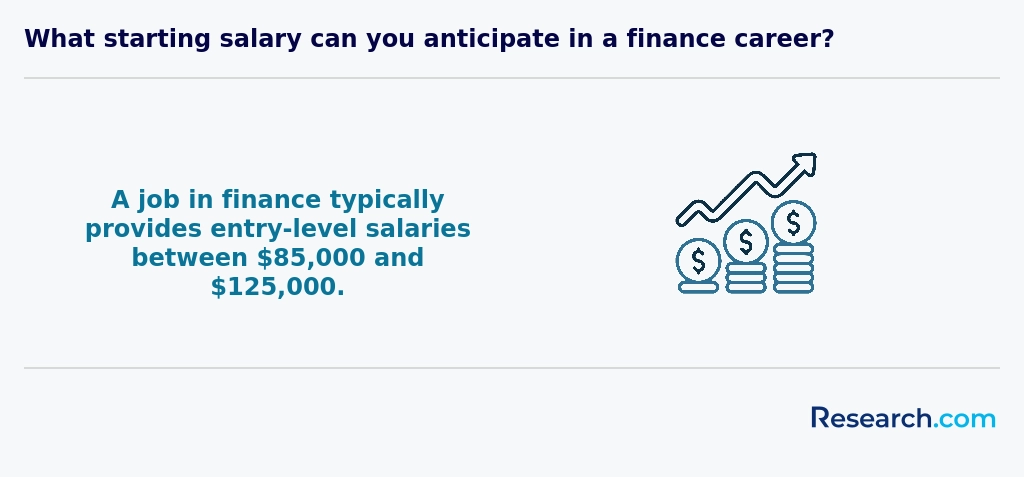
For those pursuing careers in finance, it's encouraging to note that the value of this investment often translates into positive career outcomes. Many grads highlight how the knowledge gained prepared them to excel in various roles, adding to the excitement of exploring a finance career salary that matches their ambitions and education.
What financial aid is available to online finance degree students in America?
For online finance students in America, navigating financial aid can feel daunting but is rewarding once understood. Graduates from renowned institutions like the University of Pennsylvania or Boston University often recall how federal aid became their cornerstone. Completing the FAFSA opened doors to loans-such as Direct Unsubsidized Loans and PLUS Loans-that offered manageable repayment terms, easing immediate financial pressures.
Scholarships and fellowships were game-changers for many, especially from finance-specific organizations like the CFA Institute. These awards don't add to debt, creating a sense of relief and motivation to excel. A graduate from the University of Michigan shared how tuition assistance from their employer covered significant costs, turning ambition into reality without sacrificing family stability.
State and institutional aid also plays a crucial role. Residents attending online programs at public universities, such as the University of Florida, often benefit from merit-based grants tailored to reduce costs substantially. Understanding and applying for these options brought students peace of mind, transforming financial aid from a maze into a clear pathway to achieving their finance degree goals.
What are the prerequisites for enrolling in online finance degree program in America?
Enrolling in an online finance degree in America typically begins with meeting certain academic prerequisites that set the foundation for success. Graduates from prominent institutions like the University of Michigan or Boston College often recall needing a high school diploma with a solid GPA-usually around 2.5 to 3.0-to qualify for undergraduate programs. Many found that while test scores such as the SAT were traditionally important, the shift toward test-optional policies has eased entry anxiety.
For graduate-level degrees, holding a bachelor's degree from an accredited university is essential, though it need not always be in finance. Many students who transitioned to online finance master's programs at schools like the University of Southern California emphasize how prior coursework in economics or accounting made advanced topics more approachable and boosted their confidence.
Professional experience is a valuable asset. Enthusiastic graduates often share that providing letters of recommendation and statements of purpose helped showcase strengths beyond grades, especially when GRE or GMAT scores were waived. International students appreciate the clear requirement to demonstrate English proficiency through exams like TOEFL or IELTS, helping them feel prepared to engage fully with coursework.

Application Process & Timeline
Navigating the online master’s in finance application requires strategic planning to meet deadlines and maximize your admission chances. A well-structured timeline might look like this:
- Research & Program Shortlist (9–6 months before deadline): Compare program rankings, verify AACSB or EQUIS accreditation, and assess factors like tuition, curriculum depth, and student support services.
- Standardized Tests (6–4 months): Register for the GRE or GMAT if required. Allocate time for study, practice exams, and potential retakes so scores arrive well before deadlines.
- Transcripts & Recommendations (4–3 months): Request official academic transcripts and two to three letters of recommendation. Select recommenders who can attest to your quantitative abilities and leadership potential.
- Personal Statement & Resume (3–2 months): Draft a compelling narrative that highlights your finance experience, career goals, and unique value proposition. Tailor each essay to the program’s strengths.
- Application Submission (2–1 month): Complete online forms, submit essays, upload documents, and pay application fees. Simultaneously file FAFSA or institutional aid applications to explore funding opportunities.
- Post-Admission Steps (upon acceptance): Compare offer letters, evaluate scholarship packages, submit enrollment deposits, and register for orientation. Use insights on projected finance career salary to refine your ROI analysis and choose the best fit.
What courses are typically in online finance degree programs in America?
Online finance degrees in America consistently include foundational courses that build both theoretical knowledge and practical skills. Graduates from respected institutions like the University of Illinois or Boston College often share how courses such as Financial Accounting and Corporate Finance helped them confidently interpret financial statements and make strategic investment decisions in real-world settings.
Investment Analysis is another key course, where students delve into portfolio management and risk assessment-essential for anyone aiming to work in banking or asset management. The vivid case studies used at universities like Indiana University provide a realistic glimpse into market dynamics, making the material engaging and immediately relevant.
Courses in Economics for Finance and Quantitative Methods equip learners with the analytical tools to understand market trends and model financial outcomes accurately. Many students value how these lessons connect theory to practical software skills, often applied through simulations or Excel projects common at schools like the University of Florida.
Additionally, Ethics in Finance reinforces the importance of professional responsibility, a topic that graduates frequently cite as crucial for fostering trust and credibility in their careers.
What types of specializations are available in online finance degree programs in America?
Among the most sought-after online finance degree specializations USA offers, Corporate Finance stands out, focusing on business financial management skills such as budgeting and investment analysis. Graduates from institutions known for finance, like the University of Florida or Indiana University, often share how this track empowered them to confidently pursue roles as financial analysts or CFOs, helping them navigate the complexities of capital structuring with ease.
Investment Management draws many because of its real-world application to portfolio management and risk assessment. Alumni from well-regarded colleges recall how skills in equity analysis prepared them for dynamic careers in wealth management and hedge funds, making their learning deeply relevant to competitive financial markets across America. For those exploring finance master's concentration options America-wide, Financial Planning and Wealth Management is compelling, especially given the projected 13% job growth in personal financial advising, reflecting increasing demand for retirement and estate planning expertise.
Financial Risk Management offers another promising path, often highlighted by graduates studying at schools with strong regulatory focus. They describe mastering risk mitigation techniques crucial in banking and insurance sectors, which enhances their professional confidence. Similarly, Quantitative Finance blends finance with technology and math, equipping learners for algorithmic trading roles-a specialization growing in importance according to the CFA Institute.
FinTech, Real Estate Finance, and Banking also provide practical, evolving avenues within finance degrees. Those seeking cost-effective options frequently consider the Most Affordable Online Master's in Finance Degree Programs Ranking in Lincoln, NE, which highlights varying tuition costs reflective of diverse specialization demands. Such thoughtful choices help students align passion, skills, and industry needs, making their education both fulfilling and strategically valuable.
How do you choose the best online finance degree in America?
Choosing the best online finance degree in America means focusing on accreditation and curriculum relevance above all. Graduates from well-known schools like the University of Pennsylvania or the University of Michigan often highlight how regional accreditation ensured their degree was respected by employers nationwide. The curriculum should mirror current finance industry demands-courses in investment analysis, financial modeling, and risk management prove valuable in their careers.
Many students share how affordability played a key role, especially when looking for an affordable online master's in finance America offers. Online programs at state universities can dramatically reduce costs while maintaining quality. Flexibility is also crucial; graduates balancing work and study appreciated programs flexible enough to accommodate their schedules, some even opting for accelerated online degree programs to finish sooner and enter the workforce faster.
Finally, strong career services and alumni networks at institutions like Boston College or Indiana University help make the leap from education to employment smoother, reinforcing the value of selecting programs with robust support for post-graduation success.
What career paths are available for online finance degree students in America?
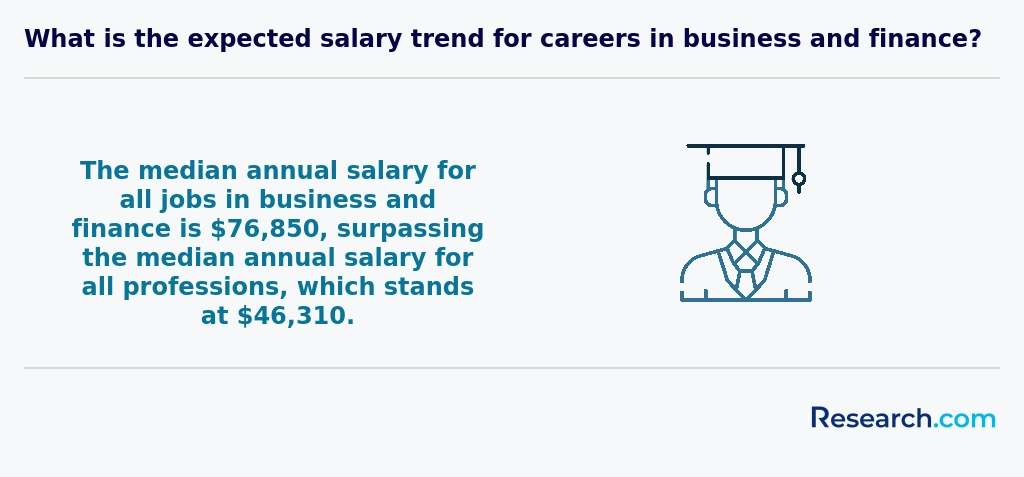
Graduates with an online finance degree in America often find themselves drawn to financial analyst roles, where they apply investment analysis skills honed at institutions like the University of Pennsylvania or University of Michigan. These roles offer the rewarding challenge of shaping business decisions and navigating market trends-a career path many find intellectually stimulating and financially promising. Exploring career opportunities with finance master's in America also reveals strong demand for financial planners. Graduates from schools such as Boston College share how helping individuals structure their retirement brings both professional satisfaction and a positive social impact.
Corporate finance positions also appeal to many, providing experience in budgeting and forecasting that paves the way to leadership roles. Those seeking variety might enter banking sectors, where roles like loan officers or risk managers benefit from a deep understanding of financial technologies evolving in the U.S. Another direction is asset management or insurance underwriting, fields that reward analytical rigor and market insight.
For students interested in further advancement, considering the easiest phd without dissertation online paths might offer flexible options to deepen expertise while maintaining career momentum. Awareness of these online finance degree careers in the USA guides students toward fulfilling, steady-growth professions aligned with their ambitions.
What is the job market for online finance degree in America?
The online finance degree job market USA is notably promising, with graduates frequently finding rewarding roles in financial analysis, investment banking, and risk management. Many who completed their studies at popular universities or colleges in America share the uplifting experience of quickly transitioning into dynamic positions where their skills are in high demand. The growing influence of fintech and the regulatory complexity of financial markets enhance opportunities, especially for those who blend traditional finance knowledge with technical expertise.
Finance career opportunities in America benefit from a workforce that can adapt through online learning, a pathway favored by professionals balancing work and study. Graduates from well-regarded institutions often report that their credentials open doors at respected firms, especially when degrees come from accredited programs. Using resources from best ranked online schools can increase chances of success.
Ultimately, a finance degree earned online aligns well with the evolving demands of the American financial sector, where data analytics and international market expertise help graduates thrive and experience satisfaction in meaningful financial careers.
Frequently Asked Questions About finance
Online finance degree students in the United States can maximize their learning experience by actively engaging with course materials and utilizing available digital resources. According to the National Center for Education Statistics, nearly 75% of U.S. college students take at least one online course, highlighting the importance of self-discipline and time management. Students should participate in virtual discussions and seek feedback from professors to deepen understanding and clarify complex financial concepts.
Networking with peers through online platforms can simulate real-world finance environments. Additionally, accessing up-to-date financial databases and industry reports, such as those from the Securities and Exchange Commission (SEC), equips students with practical knowledge relevant to the American finance sector.
The finance field in the United States is rapidly evolving, offering new specialized areas for online finance degree students. One notable emerging niche is financial technology (FinTech), which combines finance and technology to improve financial services. According to the U.S. Bureau of Labor Statistics, jobs related to FinTech are growing faster than the average for all occupations.
Another growing area is sustainable finance, focused on investments that consider environmental, social, and governance (ESG) factors. The increasing demand for responsible investing has led to more opportunities in this niche.
Additionally, data analytics in finance plays a crucial role in risk management and investment strategies, making it essential for finance professionals to possess strong analytical skills supported by tools like AI and machine learning.
Graduates with an online finance degree in America should focus on building both technical skills and real-world experience to succeed in the competitive job market. Proficiency in financial modeling, Excel, and data analysis tools like Python or R is often expected by employers. The U.S. Bureau of Labor Statistics projects a 17% growth in finance-related jobs through 2031, highlighting strong demand.
Networking plays a key role. Joining finance organizations such as the CFA Institute or local business groups can open doors. Internships-even virtual ones-help apply knowledge practically and enhance resumes. Additionally, pursuing relevant certifications like CFA or CPA can boost credibility. Staying updated on tax laws and market trends also supports career readiness.
Employers in America highly value a combination of technical and soft skills in finance degree graduates. According to the National Association of Colleges and Employers (NACE), analytical skills top the list, as graduates must interpret complex financial data accurately. Proficiency in financial modeling and Excel remains essential, supported by industry reports highlighting that 78% of hiring managers prioritize these abilities.
Strong communication skills also rank highly, enabling graduates to explain financial concepts clearly to clients and colleagues. Additionally, knowledge of regulatory frameworks such as the Dodd-Frank Act is increasingly important given the evolving US financial landscape. Problem-solving and critical thinking are vital for adapting to market fluctuations and technological advances.
Employers also seek graduates familiar with financial software like Bloomberg Terminal and skills in data analysis tools, reflecting a trend toward data-driven decision-making in finance.
Securing internships relevant to a finance degree in America involves a strategic approach. Students should start by leveraging their university's career services, which often maintain partnerships with financial firms. According to the National Association of Colleges and Employers (NACE), approximately 60% of internships lead to job offers, highlighting their importance.
Additionally, online platforms like Handshake and LinkedIn list thousands of finance internships nationwide. Networking with alumni and attending finance-related virtual career fairs can also provide access to hidden opportunities. Lastly, targeting firms in key American financial hubs such as New York City, Chicago, and San Francisco increases the chance of finding valuable internships aligned with finance degrees.
An online finance degree in America significantly enhances career mobility by providing flexible access to advanced knowledge in areas like investment analysis, corporate finance, and risk management. Employers increasingly value these degrees as they indicate updated skills and self-discipline. According to the U.S. Bureau of Labor Statistics, financial analyst jobs are projected to grow 9% from 2022 to 2032, faster than average, highlighting strong demand in the field.
Graduate degrees, including online options, can lead to promotions or transitions into leadership roles, often accompanied by salary increases. For example, finance professionals with a master's degree typically earn 20-30% more than those with only a bachelor's, as reported by the National Association of Colleges and Employers.
Additionally, online programs often include networking and career support services, which contribute to advancement. The remote nature of these programs allows professionals to study while working, enabling immediate application of skills and smoother career progression.
Studying for a finance degree in America equips students with a broad understanding of financial principles alongside skills in economics, accounting, and data analysis. This interdisciplinary approach reflects the growing demand for professionals who can navigate diverse areas such as corporate strategy, risk management, and regulatory compliance. According to the U.S. Bureau of Labor Statistics, roles in financial management are projected to grow 17% from 2022 to 2032, emphasizing the need for versatile skill sets.
Many programs integrate courses from business analytics, information technology, and law, helping graduates adapt to various industries. This mix prepares students to collaborate effectively across departments, addressing complex financial challenges with a comprehensive perspective.
Choosing between a thesis and a non-thesis finance degree program in America depends largely on your career goals and academic interests. Thesis programs focus on research and require students to develop and defend an original study, which can be beneficial if you plan to pursue a PhD or a career in research or academia.
Non-thesis programs typically emphasize coursework and practical applications, appealing to professionals aiming for leadership roles in finance industries, such as corporate finance or investment banking. According to the National Center for Education Statistics, many US finance graduate students prefer non-thesis tracks for quicker completion and direct career application.
Additionally, thesis programs may take longer, often requiring extensive data analysis and writing, which could delay entry into the workforce. Understanding your long-term objectives and time availability is therefore essential when making this decision.
Students in America seeking to study finance abroad through online programs have several options. Many US institutions partner with foreign universities to offer dual or joint degree programs, allowing students to earn internationally recognized credentials without relocating. According to the Institute of International Education, over 10% of American graduate students enroll in programs involving some form of global cooperation.
Popular choices include programs affiliated with European business schools, which often emphasize international finance and global markets. These programs frequently incorporate case studies relevant to both the US and global economies.
Additionally, some American universities offer fully online finance degrees with faculty who have international expertise, providing exposure to global financial systems while remaining stateside.
Such options cater to professionals aiming to expand their global understanding without interrupting their careers.
Part-time job opportunities that complement an online finance degree in America often align with gaining practical skills and industry experience. Common roles include financial analyst intern, bookkeeping assistant, and tax preparer assistant. These positions provide hands-on experience with financial data, accounting software, and regulatory compliance, essential for future career growth.
According to the U.S. Bureau of Labor Statistics (BLS), financial analyst positions are projected to grow 9% through 2032, indicating strong demand. Working part-time in related fields helps students understand real-world applications of finance theories learned in coursework. Additionally, roles like bank teller or customer service representative at financial institutions offer valuable client interaction experience.
Engaging in part-time work while studying online allows flexibility while networking with professionals in the finance sector, which can be crucial for post-graduation employment opportunities.
Online finance students in America have access to a variety of networking opportunities designed to connect them with industry professionals and peers. Many accredited programs offer virtual career fairs, webinars, and guest lectures featuring leaders from top financial firms. According to the National Association of Colleges and Employers (NACE), digital networking events have increased by over 40% since 2020.
Students often join finance-related clubs and student chapters of organizations such as the CFA Institute or Financial Management Association International. These groups hold online meetups and discussion forums, fostering collaboration and mentorship.
Additionally, universities leverage alumni networks via LinkedIn groups and dedicated platforms to promote internships and job placements specifically for online learners.
Alumni networks offer significant advantages to students pursuing online finance degrees in America. These networks provide access to a broad community of graduates working in various finance sectors, including banking, investment, and corporate finance. According to the National Association of Colleges and Employers, 85% of jobs are filled through networking, highlighting the importance of connections.
For online students, alumni groups foster mentorship opportunities, offering guidance on career paths and job placements. Many top U.S. institutions facilitate virtual networking events, allowing remote students to engage actively. This connection often leads to internships and exclusive job listings not publicly available.
Moreover, alumni networks keep graduates updated on industry trends and continuing education resources, essential in the evolving finance landscape. Schools such as the University of Pennsylvania and NYU emphasize strong alumni engagement to boost student success post-graduation.
Customizing an online finance degree in America allows students to tailor their education to specific career objectives. Many programs offer elective courses in areas like investment management, corporate finance, or financial technology, enabling focused skill development. According to the National Center for Education Statistics, over 70% of finance master's students choose specialization tracks to enhance employability.
Students can also select practical experiences such as internships or capstone projects aligned with industries like banking, consulting, or fintech. Additionally, some schools provide flexible pacing options, allowing learners to accelerate or extend study to better fit work schedules. Certification preparation, such as for CFA or CFP exams, is often integrated as well, supporting professional credential goals.
Online finance students in America often face challenges related to limited interaction with professors and peers. This can affect networking opportunities, which are crucial in the finance industry. According to the National Center for Education Statistics, 30% of online students report feelings of isolation. Additionally, balancing coursework with work or family responsibilities is a common difficulty, especially since finance programs often involve complex quantitative subjects like financial modeling and statistics.
Another challenge is the varying quality of online programs. Not all institutions offer accredited or well-structured curricula, which can impact job prospects after graduation. Technical issues such as unreliable internet connections can also disrupt learning, especially for students in rural areas.
With an online finance degree from a U.S. institution, graduates can pursue various professional certifications to enhance their careers. Popular options include the Certified Financial Analyst (CFA) credential, recognized globally and valued in investment management. Candidates must pass three exam levels and have relevant work experience.
The Certified Public Accountant (CPA) license is also common for finance graduates, particularly for those interested in accounting and auditing. Requirements vary by state but typically involve passing the Uniform CPA Exam and meeting education and experience standards.
Other certifications include the Certified Financial Planner (CFP) for those focusing on personal financial advising and the Financial Risk Manager (FRM) for risk specialists. According to the CFA Institute, over 170,000 professionals held CFAs worldwide by 2023, illustrating demand in the field.
To write a winning application for an online finance program in America, start by clearly demonstrating your motivation for pursuing finance studies. Admissions committees value applicants who understand the industry's challenges and trends, such as the growing impact of fintech and sustainable investing.
Highlight your relevant academic background and professional experience. According to the U.S. Bureau of Labor Statistics, finance-related jobs are expected to grow 17% from 2022 to 2032, making practical experience a strong advantage.
Craft a concise personal statement that connects your career goals with the program's curriculum. Proofread carefully to avoid errors and consider obtaining strong recommendation letters that speak to your quantitative and analytical skills.
Finance careers in the United States are highly influenced by global economic trends and international markets. The U.S. remains a leading financial center, hosting major stock exchanges like the NYSE and NASDAQ, which affect worldwide finance activity. According to the U.S. Bureau of Labor Statistics, employment in financial occupations is projected to grow 8% from 2022 to 2032, reflecting steady demand.
American finance professionals often work in multinational firms, managing assets, risks, and investments that span continents, requiring familiarity with global regulations and currency fluctuations. Online finance degrees frequently incorporate international finance topics to prepare students for these challenges.
Understanding global markets is vital because financial decisions made in the U.S. can impact economies worldwide, emphasizing the importance of cross-border expertise for career growth.
Students pursuing an online finance degree in America can gain practical experience through a variety of methods. Many programs offer virtual internships with financial firms, allowing students to apply classroom knowledge to real-world scenarios remotely.
Additionally, joining finance-related student organizations-or national groups like the Financial Management Association-provides networking and hands-on project opportunities. Some universities partner with banks and investment firms to offer exclusive experiential learning modules.
Financial modeling competitions and simulation platforms are increasingly integrated into curricula, reflecting the industry's reliance on data-driven decision-making. According to the U.S. Bureau of Labor Statistics, finance roles requiring practical skills are projected to grow 17% from 2022 to 2032, emphasizing the importance of experience.
Choosing the right concentration within an online finance degree program in America requires understanding your career goals and the finance industry's demands. Common concentrations include corporate finance, investment management, financial planning, and risk management. According to the U.S. Bureau of Labor Statistics, financial analysts are projected to grow 11% from 2022 to 2032, making investment-related concentrations valuable.
Consider programs accredited by recognized agencies like AACSB, as accreditation ensures quality education. Review the curriculum to find courses aligned with your interests, such as mergers and acquisitions or financial modeling. Also, weigh the availability of internships or networking opportunities to boost employment prospects in competitive markets.
Top Trending Finance Rankings
See What Experts Have To Say About Studying Finance
Read our interview with Finance experts

H. Kent Baker
Finance Expert
Professor at Department of Finance and Real Estate
American University

Andrew Karolyi
Finance Expert
Dean of the Cornell SC Johnson College of Business
Cornell University

Jason James Sandvik
Finance Expert
Assistant Professor of Finance
University of Arizona

References
- Finance Remains the Top Career Choice as Graduates Prepare for an Increasingly Competitive, AI-Shaped Job Market https://www.cfainstitute.org/about/press-room/2026/global-graduate-outlook-survey-2026
- International Finance (English) Master Programme (Thesis and Non-Thesis) - GRADUATE SCHOOL OF TRADE AND FINANCE https://ticaret.edu.tr/ticaret-ve-finans-enstitusu/en/ma-in-international-finance/
- Are Cover Letters Important? | Morgan Stanley https://www.morganstanley.com/articles/are-cover-letters-important
- Level up your finance future - propel your career with our MBA in Financial Management! https://www.daad.pl/pl/university-ad/coburg-hs-fm-260414/
- Your Guide to Getting a Job in Finance https://www.mountunion.edu/academics/undergraduate-degrees/finance/your-guide-to-getting-a-job-in-finance
- What careers are possible with a finance degree? https://www.rmit.edu.vn/study-at-rmit/study-areas/business/what-jobs-can-you-do-with-a-finance-degree-top-common-jobs
- Best Finance Degrees Online | Accounting.com https://www.accounting.com/degrees/finance/bachelors/best-online-programs/
- How to Get a Finance Internship with No Experience – 365 Financial Analyst https://365financialanalyst.com/career-advice/how-to-get-a-finance-internship-with-no-experience/
- What studies are needed to work in finance? https://www.monaco.edu/en/everything-you-need-to-know-about-the-role-of-an-hse-manager-duties-studies-and-salary-2-2-3-2/
- Top 10 Accounting and Finance Skills Employers Want | Tamarack Recruiting | Tamarack Recruiting https://tamarackrecruiting.com/top-10-accounting-and-finance-skills-employers-want-tamarack-recruiting/


