
2027 Most Popular Finance Degree Programs Ranking in Arkansas

Co-Founder and Chief Data Scientist
Choosing the right finance degree program can shape your future career and open doors to exciting opportunities. This article presents the 2027 Most Popular Finance Degree Programs Ranking in Arkansas, carefully developed by the Research.com team of data scientists to guide students like you.
By exploring this ranking, you'll gain clear insights into programs that stand out in quality and popularity, making your decision easier. A finance degree offers valuable skills and knowledge that can boost your confidence and set you on a path toward success in today's dynamic financial world.
Key benefits of getting finance degree in Arkansas
- Finance degree graduates in Arkansas can expect rewarding salaries, with financial advisors earning a mean annual wage of $150,670 and financial analysts making around $112,950, offering strong financial security.
- A finance degree opens doors to diverse career paths such as investment banking, credit analysis, and insurance underwriting, all viable options for graduates from popular Arkansas schools like the University of Arkansas.
- Obtaining a finance degree online from institutions like Arkansas State University offers flexibility and convenience, allowing graduates to balance work and study while gaining the same valuable skills as traditional programs.
- Key benefits of getting finance degree in Arkansas
- What can I expect from finance degree in Arkansas?
- Where can I work with finance degree in Arkansas?
- How much can I make with finance degree in Arkansas?
- 2027 Most Popular Finance Degree Programs Ranking in Arkansas
- Key Findings
- How long does it take to complete finance degree in Arkansas?
- What's the difference between online and on-campus finance degree?
- Return on Investment of Finance Degrees in Arkansas
- What is the average cost of finance degree in Arkansas?
- Return on Investment for Arkansas Finance Graduates
- What financial aid is available to finance degree students in Arkansas?
- What are the prerequisites for enrolling in finance degree program in Arkansas?
- What courses are typically in finance degree programs in Arkansas?
- What types of specializations are available in finance degree programs in Arkansas?
- How do you choose the best finance degree in Arkansas?
- What career paths are available for finance degree students in Arkansas?
- What is the job market for finance degree in Arkansas?
- Related Finance Rankings for Nearby States
- Top Trending Finance Rankings
- See What Experts Have To Say About Studying Finance
What can I expect from finance degree in Arkansas?
The average cost of earning a finance degree in Arkansas varies depending on the institution, but many students find that public universities offer affordable tuition rates that make achieving their goals possible without overwhelming debt. For example, graduates from popular institutions like the University of Arkansas report tuition costs that typically range from $8,000 to $12,000 per year for in-state students, making it accessible compared to national averages. This means you can focus more on mastering skills like financial analysis, portfolio management, and corporate finance rather than worrying about financial barriers.
Many students also appreciate programs that integrate internships and cooperative education with local banks and financial firms in cities like Little Rock, allowing real-world experience alongside coursework. This hands-on approach often opens doors professionally while keeping education costs manageable through paid internships or scholarship opportunities. Graduates frequently mention the confidence gained from balancing rigorous academics with practical work, underscoring how Arkansas institutions prioritize both quality and affordability in their finance programs.
Where can I work with finance degree in Arkansas?
With a finance degree from renowned institutions like the University of Arkansas or Arkansas State University, graduates find a wealth of opportunities right here in Arkansas. Many step straight into the banking sector, joining major players such as Bank of America or Simmons Bank in Little Rock, where they engage in financial analysis, credit management, and loan underwriting-roles that are both challenging and rewarding.
Others leverage their skills in Arkansas's thriving insurance industry, working with companies like Arkansas Blue Cross Blue Shield on financial planning and claims analysis. These positions offer the chance to impact real lives by managing risk and supporting clients' financial security.
Graduates often share how exciting it is to work for corporate giants like Walmart or Tyson Foods, handling budgeting, forecasting, and investment management-key roles that shape these companies' future. For those who enjoy variety, jobs in accounting firms or investment companies in Little Rock open doors to portfolio management and financial advisory.
Many also choose meaningful careers in government or non-profits, where their expertise in financial reporting and grant management supports public projects and community development. The diverse job market in Arkansas empowers finance graduates to find fulfilling careers that match their passions and talents.
How much can I make with finance degree in Arkansas?
Graduates holding a finance degree in Arkansas can expect promising earnings that reflect both the state's growing economy and their individual dedication. For example, financial analysts in Arkansas typically earn around $73,000 annually, which, while slightly below the national average of $112,950, still represents a solid starting point. Graduates from institutions like the University of Arkansas often begin their careers in roles such as financial analysts or credit analysts, with median pay between $50,000 and $95,000 depending on experience and location.
With experience, salaries climb impressively. Financial advisors in the U.S. hold a mean annual wage of $150,670, demonstrating the rewarding potential of advancing in this career path. Many Arkansas graduates find themselves drawn to cities like Little Rock or Fayetteville, where finance roles in corporate settings, including retail giants and manufacturing firms, offer competitive salaries.
Financial managers in Arkansas can make upwards of $120,000 a year, particularly those who earn certifications or an MBA. This growth highlights a clear path from entry-level roles into leadership positions, showcasing the value of perseverance and continuous learning.
2027 Most Popular Finance Degree Programs Ranking in Arkansas
How do we rank schools?
Investing in your education is a significant decision that can shape your future, and the Research.com team recognizes the importance of making well-informed choices. To support prospective students in Arkansas, we have carefully developed the "2027 Most Popular Finance Degree Programs Ranking in Arkansas." Our dedication to quality, credibility, and accuracy is demonstrated through thorough research and analysis involved in creating this ranking.
We utilized the following reputable data sources to ensure a comprehensive evaluation of finance degree programs:
By consulting this ranking, readers will gain valuable insights into the most popular and credible finance degree programs in Arkansas, making it easier to choose the best educational path. For a detailed explanation of our process, please visit our Research.com methodology page.


Key Findings
- Annual in-state tuition for public universities in Arkansas ranges from $8,000 to $10,000, while private universities charge between $15,000 and $25,000.
- Entry-level finance professionals typically earn $53,000 to $60,000 per year, with mid-career salaries rising to $80,000 to $95,000 annually.
- The job market includes opportunities in banking, insurance, investment firms, and corporate finance, especially in financial hubs like Little Rock.
- Living costs in Arkansas are relatively low, which benefits new graduates starting their finance careers.
- A finance degree from an accredited Arkansas institution can help students pursue professional certifications such as the CFA or CFP.
- Arkansas universities often provide internships and career services to help finance students gain experience and industry connections.
How long does it take to complete finance degree in Arkansas?
Completing a finance degree in Arkansas typically takes about four years when studying full-time, just like most traditional undergraduate programs. Graduates from popular schools like the University of Arkansas and Arkansas State University often share how this four-year journey, packed with core business and finance courses, helped them build confidence and real-world skills through internships. Imagine starting your freshman year excited to dive into subjects like investments and financial management, knowing that each semester brings you one step closer to your goal.
Part-time students or those balancing work may find their timeline stretching longer, but many find value in pacing their studies to fit life's demands. Some ambitious students even accelerate their path by transferring community college credits or enrolling in dual-degree programs, shaving months or more off their completion time.
For those pursuing graduate paths like an M.S. in Finance or an MBA with finance emphasis in Arkansas, expect an additional one to two years of focused study, often with flexible schedules to keep you moving forward.
What's the difference between online and on-campus finance degree?
Choosing between an online or on-campus finance degree in Arkansas means deciding how you want to experience your education. Graduates from the University of Arkansas often recall the energizing buzz of face-to-face classes, late-night study sessions in the library, and spontaneous networking at campus events. These moments create a structured environment that many find motivating, supported by direct access to professors and finance labs-all covered by tuition averaging $8,000 to $10,000 yearly for in-state students.
On the other hand, graduates from Arkansas State University's online finance program share how flexible schedules let them juggle family, work, and studies without missing a beat. They praise asynchronous classes allowing them to revisit lectures anytime, making learning feel personalized and adaptable. While tuition here is comparable or slightly less expensive, it's important to budget for possible tech fees.
Both paths demand commitment and offer valuable credentials if accredited, but your choice should reflect how you learn best and fit your lifestyle. Arkansas is welcoming rising finance professionals in both realms with quality programs tailored to your ambitions.
Return on Investment of Finance Degrees in Arkansas
Investing in a finance degree is not just about the immediate cost of tuition-it’s about the long-term value you gain through higher earning potential and career advancement. In Arkansas, the average in-state tuition for a four-year finance program hovers around $32,000, with living expenses adding approximately $48,000 over the same period. Graduates entering roles such as financial analysts (median starting salaries of $60,000) or credit analysts ($55,000) can expect to recoup their total investment within two to three years of full-time employment. Key factors influencing ROI: • Tuition vs. Salary: An in-state bachelor’s degree costing $80,000 in total can be offset by an entry-level salary of $60,000, leading to a break-even point in under two years. • Program Type: Online degrees often reduce living expenses and allow you to work part-time, accelerating payback. • Career Acceleration: Securing internships or certificates-like the Chartered Financial Analyst (CFA)-can boost starting salaries by 10–20%. Many students also leverage campus recruiting to become a banker and access higher bonus structures. By comparing total costs against average wages and factoring in accelerated career paths, prospective students gain a clear picture of the true value of a finance degree in Arkansas.
What is the average cost of finance degree in Arkansas?
The average cost of obtaining a finance degree in Arkansas varies depending on residency and institution type, but generally, in-state students can expect total expenses around $10,104. Public universities like the University of Arkansas offer finance programs within this range, making higher education accessible to many local students. Graduates often share how manageable tuition combined with state scholarships helped them stay motivated and focused on their studies without overwhelming financial stress.
Out-of-state students face higher costs, with total expenses averaging near $36,408. This difference reflects common tuition policies, but many students find the investment worthwhile because of the quality education and networking opportunities available at Arkansas's well-regarded finance programs. They often recall the added challenge of budgeting wisely for books, housing, and personal expenses during their time at university.
Private institutions in Arkansas typically charge tuition on the higher end, contributing to the overall median costs reported. Students here often describe a rewarding experience where access to smaller class sizes and specialized resources made the higher price tag feel justified. For anyone weighing the average cost of finance degree in Arkansas, these stories provide realistic perspectives to consider when planning your path.
Beyond tuition, remember to budget for books, supplies, room and board, and miscellaneous personal expenses which can add substantially to your yearly costs. Still, many finance students discover that scholarships, grants, and financial aid programs help greatly to ease these burdens, especially those tailored for Arkansas residents.
If your goal is to become a banker or enter another exciting finance career, being informed about these costs helps you plan with confidence and pursue your education without surprises.

Return on Investment for Arkansas Finance Graduates
Evaluating the return on investment (ROI) of a Finance degree in Arkansas is critical for informed decision-making. On average, in-state tuition for a Bachelor’s in Finance at public universities like the University of Arkansas ranges from $9,000 to $11,000 per year, resulting in total tuition costs of approximately $36,000–$44,000 over four years. With graduates earning mean starting salaries of $55,000 to $65,000 annually, many recoup their tuition costs within just three to four years of full-time employment. Beyond direct costs and wages, ROI also hinges on graduate debt levels and payback periods. According to recent data, Arkansas finance graduates carry an average student loan balance of $24,500. Assuming a standard 10-year repayment plan at a 5% interest rate, monthly payments are around $260, representing less than 6% of the median monthly income for entry-level finance roles. This manageable repayment burden underscores the strong value proposition of Arkansas programs. For students comparing statewide options with broader online alternatives, it’s worth exploring our Low Cost Online Finance Degree Programs Ranking in the West, which highlights quality, affordability, and post-graduation success metrics. By balancing tuition costs, financial aid opportunities, and average salary outcomes, prospective students can identify Finance degree programs in Arkansas that deliver both academic rigor and lasting economic benefits.
What financial aid is available to finance degree students in Arkansas?
Financing a finance degree in Arkansas can feel overwhelming, but a variety of aid options make the journey more attainable. Many students start by applying for federal help like Pell Grants, which can cover up to $7,395 annually without any repayment, easing financial pressure significantly. Alongside this, Federal Supplemental Educational Opportunity Grants (FSEOG) and work-study programs allow you to gain hands-on experience while earning money to fund your education.
State-specific scholarships such as the Arkansas Academic Challenge Scholarship reward academic excellence with up to $4,000 per year for full-time study, which numerous finance students at the University of Arkansas at Fayetteville have leveraged to reduce tuition costs. Additionally, merit-based or need-based scholarships offered by universities across Arkansas provide tailored support that has empowered past finance graduates to focus more on learning and less on finances.
Loans remain an option but carefully consider repayment terms. Some students also find employer tuition assistance or career-focused scholarships, especially if they have work experience. Even exam fees for certifications related to finance may be covered through special financial aid, helping graduates build valuable credentials beyond their degrees.
What are the prerequisites for enrolling in finance degree program in Arkansas?
To enroll in a finance degree program in Arkansas, you'll need a solid foundation starting with a high school diploma or GED. Graduates from programs at the University of Arkansas and Arkansas State University often share how mastering algebra and geometry before college gave them the confidence to tackle finance's quantitative challenges. Think of it as building your financial toolkit early-math skills are truly the backbone of success here.
Many students also find that submitting SAT or ACT scores helps, though some schools have become more flexible with testing requirements. Competitive ranges in Arkansas usually hover around 1000-1250 for SAT and 20-27 for ACT. Letters of recommendation and personal statements can be game changers-they showcase your passion beyond numbers, reflecting your interest and drive in finance.
If you're transferring, keep in mind Arkansas institutions look for official transcripts with courses like economics or accounting. These prerequisites ensure you're ready to engage deeply with finance concepts and excel, much like past graduates who found early preparation opened doors to internships and scholarships.
What courses are typically in finance degree programs in Arkansas?
When you dive into a finance degree in Arkansas, expect a well-rounded set of courses that build strong financial expertise. Graduates from popular schools like the University of Arkansas or Arkansas State University often mention how foundational classes such as Financial Accounting and Corporate Finance gave them confidence in analyzing real company reports and making key investment decisions.
You'll also study Investments, where you learn about managing portfolios and understanding market behavior - skills that one graduate applied directly when landing an internship at a major bank in Little Rock. Managerial Finance and Economics courses help you grasp internal business finance and economic trends, which are crucial when working in Arkansas's growing corporate sector.
Business Statistics is another core course that shapes your ability to interpret financial data critically, a skill praised by those who've gone on to financial planning roles locally. Courses on Financial Markets reveal how local institutions and regulatory bodies operate, anchoring your learning in the Arkansas financial environment.
What types of specializations are available in finance degree programs in Arkansas?
When exploring finance degree specializations in Arkansas, students often find rich options tailored to diverse career paths. Graduates from well-regarded programs at the University of Arkansas and other local colleges highlight concentrations such as Corporate Finance, where they learn to strategize budgeting and capital structuring for businesses. Others have thrived by focusing on Financial Planning and Wealth Management, preparing them to guide families in retirement and investment decisions-skills especially relevant given Arkansas's blend of urban and rural communities.
Some Arkansas finance students choose Investment Analysis to dive into asset management and portfolio strategies, vital in the state's growing financial sectors. Banking and Financial Institutions specialization opens doors to careers in regional banks and credit unions, dealing with lending and compliance. Meanwhile, Risk Management and Insurance equips learners to identify financial risks, an essential skill for companies in Arkansas's manufacturing and agriculture industries. For those seeking affordable routes, public universities here offer competitive tuition; you can explore these through the Low Cost Online Finance Degree Programs Ranking in the West, ensuring you select a path that fits your budget and ambitions.
Choosing from these Arkansas finance program concentration options empowers you to build expertise aligned with both the state's economic landscape and your personal career goals.
How do you choose the best finance degree in Arkansas?
Choosing the best finance degree in Arkansas means focusing on programs that blend solid theory with practical skills, like those offered at the University of Arkansas or Arkansas State University. Graduates from these schools often speak about how internships in Little Rock's financial firms gave them hands-on experience, making job hunting much smoother. When exploring the best finance degree programs in Arkansas, look at whether the curriculum covers modern financial software and real-world case studies, not just textbooks.
Don't overlook affordable finance colleges Arkansas; public universities typically offer more accessible tuition, which can reduce financial stress. Many students find that digging into graduation rates and understanding local employment trends helps align their studies with Arkansas's growing finance sector. The Arkansas Department of Higher Education's data can be a real eye-opener. For those balancing work or family, programs with flexible schedules or online options can be a game changer.
Finally, if you want to boost your career prospects, consider supplementing your degree with best certifications for high paying jobs that complement your finance education and open doors to advanced roles.
What career paths are available for finance degree students in Arkansas?
Graduates from finance programs at universities like the University of Arkansas and Arkansas State University find that career paths span a variety of exciting roles tailored to the state's economic landscape. Many become Financial Analysts, where they apply analytical skills to help businesses and agricultural firms make smart investment decisions-an area growing steadily nationwide. Others pursue roles as Accountants or Auditors, ensuring compliance and accuracy for firms in Little Rock's corporate hubs or local government agencies.
Personal Financial Advisors are in demand too, assisting Arkansas residents with retirement planning and savings strategies, a rewarding way to impact individual lives directly. Loan Officers also find abundant opportunities in numerous banks and credit unions across the state, evaluating and authorizing loans that keep communities thriving. Graduates from popular finance programs often emphasize how helpful earning credentials like CPA or CFA has been in boosting their chances.
Exploring finance degree job opportunities in Arkansas can feel overwhelming, but many students discover clear pathways through internships and networking. For those weighing options, checking out the top online colleges with open admissions policies can provide flexible steps toward certification and career growth.
Arkansas finance career paths after graduation are varied and promising, welcoming individuals ready to bring financial knowledge, ethics, and sharp analysis to dynamic workplaces statewide.
What is the job market for finance degree in Arkansas?
The finance degree job outlook Arkansas offers is promising, especially for graduates from well-regarded institutions like the University of Arkansas and Arkansas State University. Many graduates find rewarding roles as financial analysts, accountants, or budget analysts, capitalizing on the state's diverse economy. In metropolitan areas like Little Rock, a hub for financial services and corporate headquarters, new finance professionals can quickly gain valuable experience. These students often share how the relatively low cost of living in Arkansas enhances their ability to save and build a stable financial foundation as they start their careers.
Arkansas finance graduate employment opportunities extend across sectors such as healthcare finance, agriculture, and manufacturing, all thriving in the region. Graduates frequently express confidence in their prospects due to steady job growth and the supportive business climate. Many also note that the tuition affordability makes the investment worthwhile, strengthening their career path locally. If you are curious about what bachelor's degree makes the most money, finance remains a strong choice here, blending steady regional demand with manageable educational costs.
Frequently Asked Questions About finance
Finance degree students in Arkansas can maximize their learning experience by engaging with local economic resources and university-affiliated programs. Arkansas is home to industries such as retail, agriculture, and manufacturing, offering practical case studies and internship opportunities relevant to finance careers.
Students should seek internships with major Arkansas employers like Walmart or Tyson Foods, which provide hands-on experience and networking opportunities. Additionally, universities such as the University of Arkansas offer access to research centers and finance clubs that facilitate skill development beyond the classroom.
According to the Arkansas Department of Workforce Services, finance-related jobs in the state are expected to grow by 5% through 2030, highlighting the importance of practical learning combined with academic study.
Participating in financial modeling competitions and leveraging online courses complement traditional education and prepare students for real-world challenges in Arkansas's evolving economy.
Emerging niches within the finance field reflect evolving economic trends and technological advances. In Arkansas, areas like financial technology (fintech) are gaining traction, driven by the state's growing startup ecosystem, particularly in Little Rock. According to the Arkansas Economic Development Commission, fintech jobs have increased by over 15% in recent years.
Another expanding niche is sustainable finance, focusing on environmental, social, and governance (ESG) investing. With more firms prioritizing ESG criteria, professionals skilled in these areas are increasingly sought after.
Data analytics and risk management also represent critical growth sectors in finance, as companies require sophisticated models to navigate volatile markets.
After earning a finance degree in Arkansas, preparing for the job market involves strategic steps to enhance employability. Graduates should pursue internships within the state's financial hubs, such as Little Rock and Fayetteville, where banking and investment firms actively recruit entry-level talent. According to the Arkansas Department of Workforce Services, finance-related jobs are projected to grow by 8% through 2030, indicating healthy demand.
Networking plays a critical role; joining local chapters of organizations like the CFA Institute or Financial Management Association can provide valuable connections. Additionally, obtaining certifications such as CFA or CPA can substantially increase job prospects.
Strong skills in data analysis and financial modeling, often emphasized by Arkansas universities, are essential for competitive positions. Tailoring resumes to highlight these skills and local industry experience will benefit job seekers in Arkansas's finance sector.
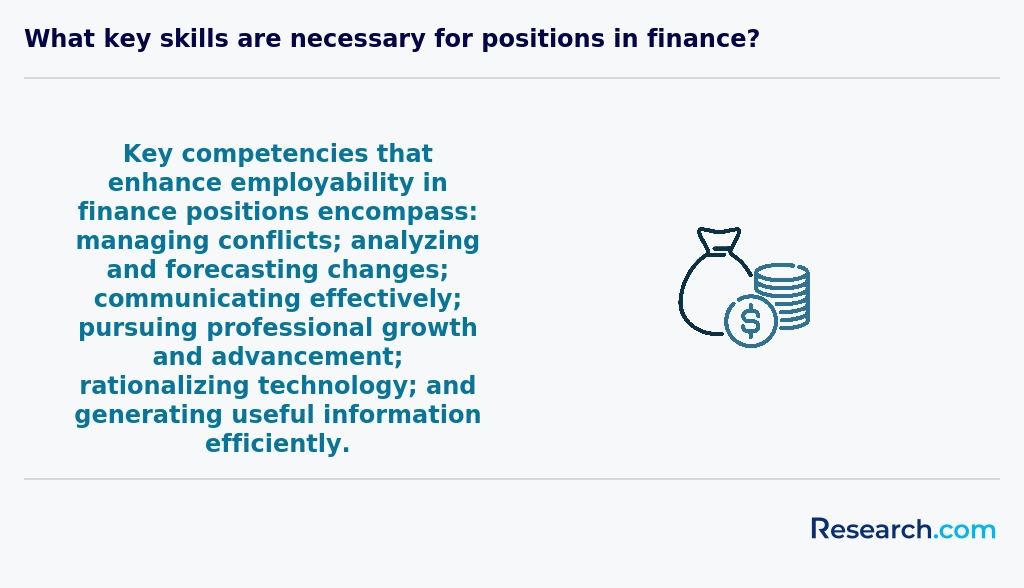
Employers in Arkansas seek finance graduates with strong analytical skills to interpret complex financial data and trends accurately. Proficiency in financial modeling and Excel remains critical, as many firms rely on these tools for budgeting and forecasting. Communication skills are equally important; graduates must explain financial concepts clearly to clients and colleagues. Knowledge of Arkansas's local economy and regulatory environment also gives candidates an edge, helping them make informed decisions relevant to regional markets. According to the Arkansas Department of Workforce Services, attention to detail and problem-solving abilities rank highly among the most requested skills in state finance job listings.
Finding internships in Arkansas relevant to a finance degree involves leveraging both university resources and local industry connections. Many Arkansas colleges, such as the University of Arkansas, have dedicated career centers that connect students to internship opportunities in financial firms across the state.
Large cities like Little Rock serve as financial hubs, hosting companies in banking, insurance, and investment sectors. According to the Arkansas Department of Workforce Services, the finance and insurance industry employed over 30,000 people statewide in 2023, indicating a healthy market for internships.
Students should also explore online job portals and attend state-sponsored career fairs, which often include finance employers seeking interns. Networking with local professionals through organizations like the Arkansas Society of Certified Public Accountants can further uncover hidden internship opportunities.
A finance degree in Arkansas significantly enhances career mobility and advancement opportunities. According to the Arkansas Department of Workforce Services, financial occupations in the state are projected to grow by 6% through 2030, which is faster than the average for all industries. Graduates with a finance degree often qualify for roles in banking, investment, and corporate finance, where many employers seek candidates with formal education and analytical skills. Earnings potential also improves; the median annual wage for financial analysts in Arkansas is approximately $76,000, higher than the state average for all occupations.
Employers in Little Rock and Fayetteville especially value graduates from accredited in-state universities, contributing to local job market advantages. Additionally, holding a finance degree can facilitate promotions into management positions, as it provides critical knowledge in financial planning and risk management. Many professionals also pursue certifications such as CFA or CPA alongside their degree to further increase career progression chances.
Studying for a finance degree in Arkansas equips students with skills that extend beyond traditional financial management. Many programs integrate coursework in economics, data analysis, and business law, fostering a broad understanding crucial for interdisciplinary roles.
Arkansas universities, such as the University of Arkansas, emphasize real-world applications, including finance's role in supply chain management and entrepreneurship. This prepares graduates to collaborate across fields like marketing and information technology.
According to the Arkansas Department of Higher Education, finance graduates often work in sectors that require versatile skills, such as banking, healthcare, and manufacturing, reflecting the state's diverse economy. Combining quantitative expertise with strategic thinking enhances career flexibility.
Choosing between a thesis and a non-thesis finance degree program in Arkansas depends on your academic and career goals. Thesis options emphasize research, suitable for students aiming for doctoral studies or finance-related research careers. In contrast, non-thesis tracks focus more on practical skills and coursework, appealing to those pursuing careers in business or finance industries.
According to the Arkansas Department of Higher Education, finance graduates in the state often work in banking, insurance, and investment sectors, which typically value applied experience over research. Thus, a non-thesis degree may suit many professionals.
However, if you plan to work in academia or specialized financial analysis, a thesis program enhances critical thinking and analytical skills by involving original research under faculty guidance, which is a plus for competitive job markets.
Students based in Arkansas who wish to study finance abroad have several viable options through U.S. institutions that offer exchange programs and dual degrees with international universities. Many Arkansas universities, such as the University of Arkansas, participate in global partnerships allowing finance majors to spend a semester or more studying in Europe, Asia, or Latin America.
These study abroad programs often include coursework aligned with U.S. finance degree requirements, enabling smooth credit transfer. According to the Institute of International Education (IIE), finance remains a popular major among American students studying overseas, with nearly 15% choosing business-related fields.
Financial aid and scholarships are generally available to Arkansas students pursuing finance studies abroad, making these opportunities more accessible.
Students pursuing finance degrees in Arkansas can enhance their education through various part-time job opportunities that provide practical experience. Positions such as bank teller, accounting assistant, or financial clerk are common and relevant roles.
Arkansas houses numerous banks and financial institutions, including Arvest Bank and Bank of the Ozarks, offering entry-level roles that allow students to develop skills in customer service, cash handling, and basic financial analysis.
Internships with local accounting firms or corporate finance departments are also valuable, giving hands-on experience with budgeting, auditing, and financial reporting. According to the Arkansas Economic Development Commission, the finance and insurance sector accounts for roughly 5% of the state's employment, creating steady opportunities for students seeking real-world exposure.
Finance students in Arkansas have access to a variety of networking opportunities that support their career development. Universities such as the University of Arkansas offer student chapters of national organizations like the Financial Management Association and Beta Alpha Psi. These groups provide events, workshops, and connections to local finance professionals.
Additionally, the Arkansas Society of Certified Public Accountants hosts networking sessions and conferences where finance students can meet industry experts. According to the Arkansas Department of Commerce, the finance sector employs over 30,000 people statewide, making local events valuable for internship and job placements.
Students can also benefit from career fairs held by Arkansas universities, which often feature regional financial firms and banks actively recruiting talent.
Alumni networks offer significant benefits for finance degree students in Arkansas by providing access to professional connections and mentorship opportunities. Graduates from Arkansas universities often remain active in state financial centers, such as Little Rock, enhancing networking prospects.
According to the Arkansas Department of Commerce, the finance sector employs over 40,000 people statewide, making alumni links valuable for internships and job placements. Networking within these groups can lead to introductions in local banks, investment firms, and corporate finance departments.
Additionally, many Arkansas institutions organize alumni events focused on career development, helping students learn about industry trends and job openings. These networks often provide insights about salary expectations and skill requirements specific to Arkansas finance roles, benefiting students as they prepare to enter the workforce.
Students pursuing a finance degree in Arkansas can tailor their programs by selecting electives that align with specific career goals such as corporate finance, investments, or financial planning. Many Arkansas universities offer concentrations or minors in fields like accounting, economics, or data analytics, enabling a focused skill set. Internship opportunities with local firms and financial institutions in cities like Little Rock provide hands-on experience and networking advantages. Additionally, Arkansas institutions often collaborate with organizations such as the Arkansas Society of Certified Public Accountants, which can aid in professional development. Customization improves marketability in Arkansas's growing finance sector, where financial analyst roles are expected to grow by 8% through 2030 (BLS).
Finance students in Arkansas often face challenges related to access to specialized resources. Many programs are offered at regional universities with limited finance-focused research centers or industry partnerships compared to larger economic hubs.
Additionally, Arkansas has one of the lower average household incomes in the US, which can impact students' ability to afford tuition and related expenses. According to the U.S. Census Bureau, the median household income in Arkansas was approximately $52,000 in recent years, below the national average.
Students also report difficulty gaining relevant internship opportunities within the state's smaller financial sector, which may affect practical experience and networking.
Finally, staying current with rapidly evolving financial technologies requires balancing academic workload with self-directed learning, a challenge many Arkansas finance students share.
With a finance degree in Arkansas, graduates can pursue several respected professional certifications. The most common include the Chartered Financial Analyst (CFA) designation, which is highly regarded in investment management. Additionally, the Certified Financial Planner (CFP) certification is popular for those interested in personal financial advising. Arkansas also has opportunities for Certified Public Accountant (CPA) certification, especially for finance graduates focused on accounting and auditing. According to the Arkansas Society of Certified Public Accountants, demand for CPAs remains strong in the state's finance sector. These certifications can significantly enhance a graduate's job prospects and earning potential in Arkansas's competitive financial markets.
To write a winning application for a finance program in Arkansas, start by researching the specific school's requirements and highlighting relevant academic achievements. Arkansas universities often look for strong quantitative skills, so emphasize your math and economics coursework.
Include a clear, focused personal statement explaining why you want to study finance and how it aligns with your career goals. Mention any internships or work experience in finance or related fields to demonstrate practical knowledge.
Many Arkansas finance programs value leadership and communication skills, so provide examples of teamwork or extracurricular activities. Finally, submit all application materials on time and ensure your resume is concise and error-free.
The global perspectives on a finance career emphasize adaptability and knowledge of international markets. Finance professionals increasingly deal with cross-border investments, regulatory environments, and currency fluctuations. The U.S. Bureau of Labor Statistics projects a 17% growth in financial analysts' employment from 2022 to 2032, reflecting a strong demand worldwide.
Arkansas students earning finance degrees benefit from local connections to industries like banking, agriculture, and manufacturing, which are influenced by international trade. According to Arkansas Economic Development Commission, the state's exports reached $12 billion in 2023.
Students trained in global finance concepts gain an edge by understanding economic policies, financial instruments, and risk management across countries. This knowledge helps graduates pursue careers in multinational firms or financial institutions engaged in global markets.
Students pursuing a finance degree in Arkansas can gain practical experience through internships, a common pathway offered by many universities statewide. For example, the University of Arkansas at Fayetteville and Arkansas State University have strong connections with local businesses in Little Rock's financial sector.
These internships provide real-world exposure in areas like banking, investment, and corporate finance, often influencing post-graduate employment. According to Arkansas Workforce data, finance-related internships boost early career earnings by an average of 15%.
Additionally, students may participate in finance clubs, case competitions, and cooperative education programs, which blend academic learning with professional work.
Volunteer opportunities and guest lectures from industry professionals also enhance practical understanding of Arkansas's finance market.
Choosing the right concentration within a finance degree program in Arkansas requires careful consideration of your career goals and interests. Popular concentrations include corporate finance, investment analysis, financial planning, and risk management. Each offers distinct career paths, such as working in Arkansas's growing banking sector or the state's energy industries.
Reviewing local employment data is crucial. According to the Arkansas Department of Workforce Services, financial activities jobs are expected to grow by 6% through 2030, with demand increasing especially in financial advising and insurance sectors.
Consider programs' internship opportunities with Arkansas-based companies, as hands-on experience is vital to career success. Also, examine the curriculum for specialized courses aligned with your interests.
Finally, speak with academic advisors and industry professionals in Arkansas to gain insights specific to local market conditions.
Related Finance Rankings for Nearby States
- 2027 Most Popular Finance Degree Programs Ranking in Missouri
- 2027 Most Popular Finance Degree Programs Ranking in Mississippi
- 2027 Most Popular Finance Degree Programs Ranking in Louisiana
- 2027 Most Popular Finance Degree Programs Ranking in Kentucky
- 2027 Most Popular Finance Degree Programs Ranking in Kansas
- 2027 Most Popular Finance Degree Programs Ranking in Alabama
- 2027 Most Popular Finance Degree Programs Ranking in Illinois
- 2027 Most Popular Finance Degree Programs Ranking in Iowa
- 2027 Most Popular Finance Degree Programs Ranking in Indiana
- 2027 Most Popular Finance Degree Programs Ranking in Georgia
Top Trending Finance Rankings
See What Experts Have To Say About Studying Finance
Read our interview with Finance experts

Andrew Karolyi
Finance Expert
Dean of the Cornell SC Johnson College of Business
Cornell University

H. Kent Baker
Finance Expert
Professor at Department of Finance and Real Estate
American University

Jason James Sandvik
Finance Expert
Assistant Professor of Finance
University of Arizona

References
- The Rise of Niche Jobs in Africa’s Finance Sector | CA Global https://www.caglobalint.com/post/the-rise-of-niche-jobs-in-africas-finance-sector/
- 2024 Best Business Schools | How Alumni Rate Their Undergraduate Business Degrees https://poetsandquantsforundergrads.com/news/best-business-schools-alumni-rate-undergraduate-business-degrees/5/
- Getting a Finance degree: All you need to know https://www.study.eu/article/getting-a-finance-degree-all-you-need-to-know
- Top 10 Accounting and Finance Skills Employers Want | Tamarack Recruiting | Tamarack Recruiting https://tamarackrecruiting.com/top-10-accounting-and-finance-skills-employers-want-tamarack-recruiting/
- Master of Science (M.S.) Major in Quantitative Finance and Economics (Non-thesis Option) https://mycatalog.txstate.edu/graduate/mccoy-business-administration/finance-economics/quantitative-finance-economics-nonthesis/
- Article - Financial Study Association Groningen https://fsgjournal.nl/article/2023-02-24-your-finance-degree-in-action-real-world-examples-of-how-to-apply-your-education-to-a-career
- Finance Remains the Top Career Choice as Graduates Prepare for an Increasingly Competitive, AI-Shaped Job Market https://www.cfainstitute.org/about/press-room/2026/global-graduate-outlook-survey-2026
- Financial Analysis | Academics | Southern Arkansas University https://www.saumag.edu/academics/program/financial-analysis/
- ATU Finance Degree Recognized for Affordability - Arkansas Tech University https://www.arkansastechnews.com/atu-finance-degree-recognized-for-affordability/
- Exploring Alternative Finance Careers: Niche Opportunities in Cambridge's Dynamic Sector https://www.cavillrobinson.co.uk/blog/2023/07/exploring-alternative-finance-careers-niche-opportunities-in-cambridges-dynamic-sector


