
2027 Most Valuable Finance Degree Programs Ranking in Nebraska

Co-Founder and Chief Data Scientist
Choosing the right finance degree program in Nebraska can feel overwhelming. To help you make a confident decision, this article presents the 2027 Most Valuable Finance Degree Programs Ranking in Nebraska. This ranking was developed by the Research.com team of data scientists to provide clear, data-driven insights.
By exploring the programs featured here, you'll discover which options offer the best value and career prospects. Pursuing a finance degree can open doors to exciting opportunities and financial independence. Let this guide support your journey toward a rewarding future.
Key benefits of getting finance degree in Nebraska
- Finance degree graduates in Nebraska can expect competitive salaries, such as Financial Advisors earning a mean annual wage of $150,670 and Financial Analysts making about $112,950 yearly, showcasing strong financial rewards.
- Graduates from Nebraska universities often pursue careers as Financial Analysts, Credit Analysts, or Insurance Underwriters, enjoying diverse job opportunities that match their skills and ambitions.
- Online finance degrees offer flexibility and accessibility, allowing students to balance work and study while gaining credentials recognized across Nebraska's growing financial industry.
- Key benefits of getting finance degree in Nebraska
- What can I expect from finance degree in Nebraska?
- Where can I work with finance degree in Nebraska?
- How much can I make with finance degree in Nebraska?
- 2027 Most Valuable Finance Degree Programs Ranking in Nebraska
- Key Findings
- How long does it take to complete finance degree in Nebraska?
- What's the difference between online and on-campus finance degree?
- Professional Certifications and Continuing Education
- What is the average cost of finance degree in Nebraska?
- What financial aid is available to finance degree students in Nebraska?
- What are the prerequisites for enrolling in finance degree program in Nebraska?
- Professional Certifications and Continuing Education for Finance Graduates
- What courses are typically in finance degree programs in Nebraska?
- What types of specializations are available in finance degree programs in Nebraska?
- How do you choose the best finance degree in Nebraska?
- What career paths are available for finance degree students in Nebraska?
- What is the job market for finance degree in Nebraska?
- Related Finance Rankings for Nearby States
- Top Trending Finance Rankings
- See What Experts Have To Say About Studying Finance
What can I expect from finance degree in Nebraska?
The average cost of earning a finance degree in Nebraska is notably accessible, especially for in-state students seeking quality education without overwhelming debt. Graduates from the University of Nebraska-Lincoln often recall how the affordable tuition allowed them to focus deeply on mastering financial theories and real-world applications without financial stress. The undergraduate tuition at UNL is significantly lower than the national average, making it an excellent choice for students aiming to maximize value while studying finance.
Many students appreciate that budget-friendly tuition goes hand-in-hand with abundant opportunities, such as scholarships and assistantships targeted specifically at business and finance majors. This financial support fosters a positive learning environment where students feel encouraged and motivated to excel.
Whether you're dreaming of analyzing market trends or managing agricultural finance, Nebraska's economical education system empowers you to pursue your goals. The cost savings create space to engage fully in internships and hands-on experiences at institutions like Creighton University, enhancing both skill and confidence for the dynamic finance careers ahead.
Where can I work with finance degree in Nebraska?
Graduates holding a finance degree from well-regarded Nebraska institutions, such as the University of Nebraska-Lincoln or Creighton University, find themselves empowered to pursue diverse career paths across the state's flourishing financial landscape. Many students share inspiring stories of landing roles in Omaha's dynamic corporate finance departments, joining industry giants like Berkshire Hathaway or Mutual of Omaha, where they develop skills in financial analysis and portfolio management.
Others discover rewarding opportunities in government agencies, contributing as budget analysts or auditors who help manage Nebraska's public funds with integrity and precision. The state's thriving insurance sector also welcomes finance graduates into positions like underwriting and claims management, especially in communities supported by credit unions and regional banks tied to Nebraska's agricultural roots.
With entry-level salaries around $50,000 and abundant chances for growth, these careers offer not just stability but a vibrant, community-focused work environment. Graduates often reflect on how the supportive Nebraska economy and cost of living make building a meaningful financial career both practical and fulfilling.
How much can I make with finance degree in Nebraska?
Graduates with a finance degree from Nebraska universities often find themselves stepping into rewarding roles with strong earning potential. For example, financial analysts in Nebraska earn around $72,000 annually, which reflects well the figures from the U.S. Bureau of Labor Statistics showing mean wages of $112,950 nationally. Graduates in Omaha and Lincoln report entry salaries between $50,000 and $60,000, a promising start as they build their expertise.
Many graduates quickly advance into positions like financial advisors, who nationally earn a mean annual wage of $150,670, or credit analysts making about $94,750. This growth often happens with experience and certifications such as CFA or CPA, commonly pursued by passionate students from major Nebraska colleges.
Students from institutions with strong finance programs often share stories of climbing to financial manager roles surpassing $100,000, leveraging Nebraska's diverse industries. The state's lower cost of living enhances the value of these salaries, making finance careers in Nebraska both fulfilling and financially rewarding.
2027 Most Valuable Finance Degree Programs Ranking in Nebraska
How do we rank schools?
Investing in your education is a significant decision that can shape your future, and the Research.com team understands the importance of making informed choices. To assist prospective students in Nebraska, we have meticulously developed the "2027 Most Valuable Finance Degree Programs Ranking in Nebraska." Our commitment to quality, credibility, and accuracy is evident through the thorough research and careful analysis involved in creating this ranking.
We utilized the following reputable data sources to ensure a comprehensive evaluation of finance degree programs:
By reviewing this ranking, readers will gain valuable insights into the most advantageous finance degree programs in Nebraska, enabling them to make well-informed decisions regarding their educational journey. For more information about how this ranking was created, please visit our Research.com methodology page.


Key Findings
- Tuition for public universities in Nebraska ranges from about $9,000 to $12,000 per year for in-state students, excluding room, board, and books.
- Early-career finance graduates earn between $55,000 and $65,000 annually, with mid-career salaries rising to $80,000 to $95,000.
- Major industries hiring finance professionals include banking, insurance, agriculture, and business services, with high job availability in Omaha and Lincoln.
- Nebraska has a lower unemployment rate for finance graduates compared to the national average due to a stable economy and less crowded job market.
- Many finance programs offer internships and strong local business connections, improving practical experience and job prospects.
How long does it take to complete finance degree in Nebraska?
Completing a finance degree in Nebraska typically takes about four years of full-time study, a timeframe that many graduates from the University of Nebraska-Lincoln and other well-regarded institutions proudly embrace. Imagine the excitement of progressing through 120 to 130 credit hours, balancing core finance classes with enriching electives, and steadily advancing toward your career goals.
Many students find motivation in the structured pace, knowing they can accelerate their path by taking extra courses or joining summer sessions. For working professionals, flexible options like evening and online classes at Nebraska colleges make it achievable to pursue a degree without sacrificing personal or job commitments.
Graduates often share how this journey, while demanding, fosters confidence and resilience, preparing them to excel in diverse finance roles. The blend of quality education and adaptable scheduling in Nebraska creates a supportive environment where ambition meets opportunity, inspiring students to envision a bright future in finance.
What's the difference between online and on-campus finance degree?
Choosing between an online and on-campus finance degree in Nebraska opens exciting paths tailored to your lifestyle and goals. On-campus programs at the University of Nebraska-Lincoln or Creighton University bring vibrant classroom energy, fostering face-to-face mentorship and networking that graduates often recall as invaluable for building confidence and career connections.
Meanwhile, online degrees from institutions like Nebraska State College System offer inspiring flexibility, allowing you to balance studies with work or family commitments. Graduates appreciate the freedom to learn asynchronously while still accessing quality content and virtual support, empowering them to progress at their own pace without missing a beat.
Both routes immerse you in essential finance knowledge, preparing you for rewarding opportunities across Nebraska's financial sector-from Omaha's dynamic banking industry to local internships. Whether through hands-on campus experiences or self-driven online study, finance students in Nebraska gain the skills and confidence to thrive in a competitive market.
Professional Certifications and Continuing Education
Adding industry-recognized certifications can dramatically enhance the value of your finance degree in Nebraska and position you for leadership roles. Many graduates pursue the Chartered Financial Analyst (CFA) credential, renowned for its rigorous curriculum in investment analysis and portfolio management. Completing all three CFA exam levels typically requires 300+ study hours per level, but successful candidates often report a 20–30% salary increase and priority consideration by Omaha and Lincoln employers. Similarly, the Certified Public Accountant (CPA) license is essential for roles in auditing, tax consulting, and corporate accounting. Nebraska’s State Board of Accountancy mandates 150 credit hours and passing the Uniform CPA Exam, yet CPA holders frequently command salaries 15% above the state average for accounting professionals. For those advising clients or developing holistic financial plans, the Certified Financial Planner (CFP) designation is invaluable. The CFP Board requires completion of specific coursework, a capstone experience, and a rigorous final exam covering retirement, estate planning, and ethical practices. Graduates often share how hands-on CFP projects mirror real-world scenarios, boosting both confidence and credibility. Risk-focused professionals may opt for the Financial Risk Manager (FRM) certification, offered by the Global Association of Risk Professionals, which deepens expertise in market, credit, and operational risk-skills increasingly in demand across Nebraska’s insurance and banking sectors. Continuing education doesn’t stop with formal certifications. Micro-credentials and online bootcamps in areas like financial modeling, Python for finance, and blockchain applications can sharpen technical skills. Institutions such as Creighton University and Bellevue University now offer stackable certificates that integrate seamlessly with a bachelor’s or master’s curriculum. For students who prioritize cost-effectiveness, comparing tuition rates across regions can be helpful-consider exploring the Most Affordable Finance Degree Programs Ranking in Maine to benchmark affordability and financial aid strategies. By strategically combining a Nebraska finance degree with the right certifications and ongoing skill development, you’ll maximize both earning potential and career resilience in the evolving financial landscape.
What is the average cost of finance degree in Nebraska?
Finance students in Nebraska often find the average cost of their degree to be an encouraging investment in their future, with a median in-state total cost of approximately $10,434. For those attending public universities like the University of Nebraska-Lincoln, this makes pursuing a finance degree accessible and aligned with state averages, creating a positive foundation for aspiring business professionals. Graduates from these programs frequently share how manageable costs allowed them to focus more on learning and less on financial stress.
Out-of-state students experience a higher median total cost, around $43,804, which reflects the broader expense of attending university away from home. Private schools such as Creighton University have tuition closer to this range, but the return on investment remains strong given the comprehensive education and networking opportunities available. Many students feel motivated knowing that financial aid and scholarships can help bridge the gap, making the cost of finance degree programs in Nebraska a worthwhile journey.
Those pursuing a finance degree also consider living expenses, books, and fees alongside tuition when budgeting. The excitement of attending college fuels their commitment, whether they are in the heart of Omaha or Lincoln. Nebraska graduates often remark on how the value of their education and the knowledge gained make every dollar well spent, reaffirming their career paths.
To fully prepare, students should explore the requirements to become a risk analyst, a popular finance career path that many Nebraskan finance graduates pursue with great success.

What financial aid is available to finance degree students in Nebraska?
Finance students in Nebraska enjoy robust financial aid options that make pursuing their degree not only achievable but exciting. Imagine attending the University of Nebraska or Creighton University, where scholarships recognizing academic achievement and leadership can cover up to full tuition, lifting a huge weight off your shoulders. Many graduates have shared how these awards fueled their passion without financial stress.
Federal aid plays a pivotal role, with Pell Grants providing up to $7,395 for those who qualify-no repayment needed. This is a game-changer for many Nebraskan students balancing study and life. Pair this with flexible federal student loans accessed through FAFSA, and you have a toolkit for smart investing in your future.
State programs like the Nebraska State Grant and Work-Study opportunities offer more than just financial help-they also build real-world experience in finance and business. Graduates often describe how these combined supports turned daunting costs into manageable steps toward rewarding careers.
Plus, community and professional groups, such as the Nebraska Society of CPAs, offer scholarships that inspire confidence and reward dedication. With an average starting salary around $55,000, financial aid today is an investment in your limitless tomorrow.
What are the prerequisites for enrolling in finance degree program in Nebraska?
To enroll in a finance degree program in Nebraska, you'll need a high school diploma or GED, demonstrating your readiness to take on this exciting academic journey. Graduates from popular Nebraska universities often recall how their strong math foundation, especially in algebra and statistics, gave them confidence to tackle complex financial concepts.
Submitting your high school transcripts and possibly ACT or SAT scores is another step, though many colleges have embraced test-optional policies to help you focus on what truly matters-your potential. Imagine sitting in a finance class at the University of Nebraska-Lincoln, where students feel empowered because their prior coursework in economics or accounting prepared them well for success.
If you're aiming higher with a Master of Finance, having an undergraduate degree in a related field and GRE or GMAT scores will open doors. Many students say that relevant internships made their applications stand out, fueling both knowledge and excitement for their future careers in Nebraska's vibrant financial sector.
Professional Certifications and Continuing Education for Finance Graduates
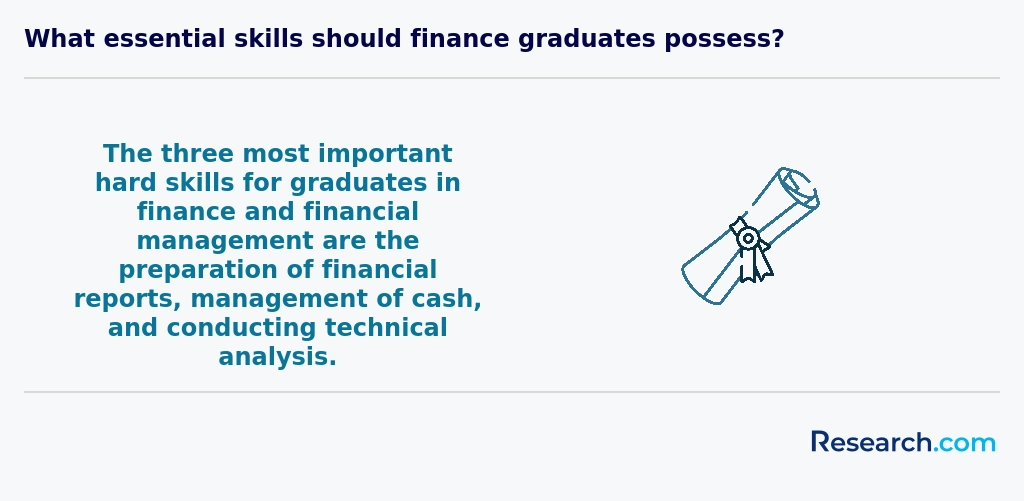
Pursuing industry-recognized certifications can significantly enhance your employability and earning potential as a finance graduate in Nebraska. Employers often look for candidates who complement their academic credentials with specialized certifications that demonstrate mastery of key financial disciplines. Among the most sought-after designations are: • Chartered Financial Analyst (CFA): Ideal for those interested in investment management and equity research, the CFA program covers portfolio management, ethics, and financial reporting. • Certified Public Accountant (CPA): Essential for accounting-focused roles, the CPA credential validates expertise in auditing, tax regulations, and professional ethics. • Certified Treasury Professional (CTP): Designed for corporate finance specialists, the CTP focuses on treasury operations, cash management, and corporate liquidity. • Financial Risk Manager (FRM): Offered by the Global Association of Risk Professionals, the FRM designation equips candidates with advanced risk assessment techniques and quantitative analysis skills. For graduates intrigued by risk assessment roles, understanding the requirements to become a risk analyst is essential. This guide outlines the educational background, technical proficiencies, and practical experience necessary to excel in risk management positions, from learning statistical modeling to mastering regulatory compliance frameworks. Incorporating certification preparation into your academic schedule can boost your practical knowledge and provide a competitive advantage in Nebraska’s finance job market. Many universities in the state now offer preparatory workshops and partnerships with professional bodies, enabling students to sit for exams shortly after graduation. By strategically selecting certifications that align with your desired career path-whether in investment banking, corporate treasury, or risk management-you ensure a continuous cycle of learning and career advancement.
What courses are typically in finance degree programs in Nebraska?
Finance degree programs in Nebraska offer students a dynamic blend of courses designed to build confidence and expertise in the financial world. At universities like the University of Nebraska-Lincoln and Creighton University, graduates often recall how courses such as Principles of Finance helped them master concepts like the time value of money and risk management, essential for real-life investing and financial planning.
Courses in Financial and Managerial Accounting bring clarity to how businesses keep precise records and make cost-effective decisions, skills graduates have found invaluable when working with Nebraska's diverse companies. Investment Analysis classes equip students with tools to understand market trends, preparing them to make smart portfolio choices whether managing personal finances or advising clients.
Additionally, Economics and Business Statistics courses provide a clear lens on the forces shaping Nebraska's economy, from agriculture to urban development. Many graduates share how these courses turned complex theories into practical solutions, making their learning journey empowering and directly connected to the local financial landscape.
What types of specializations are available in finance degree programs in Nebraska?
Finance degree specializations Nebraska students explore offer exciting pathways that align with dynamic career ambitions. Graduates from the University of Nebraska's campuses in Lincoln and Omaha often share how immersing themselves in Investment Management taught them to analyze markets confidently and manage diverse portfolios, skills highly valued in local and national asset management firms. Others find Corporate Finance inspiring, experiencing firsthand how financial strategy drives decision-making in Nebraska's thriving businesses.
Financial Planning specialization resonates deeply with students eager to make a personal impact, helping families prepare for retirement or navigate complex tax landscapes. Many appreciate the Risk Management and Insurance track, especially with Nebraska's strong agricultural tradition, preparing them to protect vital industry sectors from unexpected challenges. Real Estate Finance graduates often highlight their excitement working amidst Omaha and Lincoln's growing property markets.
Choosing the best finance majors in Nebraska means tapping into unique local opportunities while shaping your future. For those mindful of cost, the Most Affordable Finance Degree Programs Ranking in Maine offers insightful guidance on budgeting for your education journey.
How do you choose the best finance degree in Nebraska?
Choosing the best finance degree programs in Nebraska starts with focusing on accreditation and real-world outcomes. Graduates from the University of Nebraska-Lincoln, with its respected AACSB accreditation, often share how their strong curriculum and expert faculty prepared them for success in Omaha's vibrant finance sector. Many students feel empowered knowing their degree connects them to top financial firms right in their backyard.
Affordability matters too. Those seeking affordable finance degrees Nebraska can find opportunities by comparing in-state tuition and exploring scholarships, stretching their budgets while still gaining valuable skills. Networking in cities like Lincoln or Omaha often leads to internships that transform classroom knowledge into practical experience, creating excitement and confidence about future careers.
Specialized courses in areas like financial technology inspire students who crave innovation, motivating them to pursue their passions. To save time and boost career readiness, consider exploring fast track college courses that many Nebraska programs offer, allowing you to accelerate your journey toward your dreams.

What career paths are available for finance degree students in Nebraska?
Graduates with a finance degree in Nebraska find themselves well-prepared for diverse and rewarding career paths across the state's thriving economy. Many pursue roles as financial analysts, budget analysts, or loan officers-positions that allow them to make meaningful impacts in industries like banking and insurance. For example, students from the University of Nebraska-Lincoln often share how internships in Omaha's financial district opened doors to thriving careers, boosting their confidence and professional networks. Exploring jobs with a finance degree Nebraska offers is inspiring, as you can envision yourself advising local businesses or managing corporate budgets in community-focused settings.
Additionally, finance graduates frequently excel in commercial banking and investment management, roles that offer excellent growth opportunities and financial security. Many find motivation in tracking market trends and helping clients succeed financially. Nebraska's educational institutions also encourage certifications such as CFP or CFA, enhancing career flexibility and success. Those considering further studies should explore easy online degree programs accredited that can complement their finance skills and expand their horizons.
What is the job market for finance degree in Nebraska?
The finance degree job opportunities Nebraska offers are vibrant and growing, fueled by diverse industries like banking, insurance, and agriculture. Graduates from popular institutions such as the University of Nebraska-Lincoln often find themselves stepping confidently into roles in Omaha and Lincoln, where major financial firms like Mutual of Omaha regularly seek skilled professionals. Many alumni share how their hands-on learning and internship experiences in these cities prepared them well for the competitive job market.
Nebraska finance career outlook 2027 is bright, with steady demand for financial analysts, accountants, and managers reflecting dynamic economic activity. Graduates typically start with salaries between $50,000 and $60,000, but can advance quickly with certifications such as CPA or CFA. Those seeking to enhance their qualifications sometimes pursue programs like a 1 year phd, which adds a competitive edge in this thriving market.
The relatively affordable tuition at Nebraska's public universities makes earning a finance degree here not only practical but inspiring for many students eager to build rewarding careers in finance close to home.
Frequently Asked Questions About finance
Finance degree students in Nebraska can maximize their learning by combining academic study with practical experience. Internships at local financial institutions, such as major banks in Omaha and Lincoln, provide real-world exposure and networking opportunities. According to the Nebraska Department of Labor, the finance sector is growing steadily, emphasizing the value of hands-on skills.
Additionally, students should engage with professional organizations like the Nebraska Finance Association to stay updated on industry trends. Taking advantage of technology resources and data analysis tools taught in class also prepares students for the evolving job market. Collaborating on group projects can enhance teamwork and problem-solving abilities.
The finance field is evolving rapidly, with several emerging niches gaining importance for students pursuing finance degrees in Nebraska. One such area is financial technology (fintech), where innovations like blockchain and digital payments are reshaping traditional finance roles. According to the Nebraska Department of Labor, fintech jobs are projected to grow by nearly 15% over the next decade within the state.
Another growing niche is sustainable finance, which focuses on investments that support environmental, social, and governance (ESG) criteria. This aligns with increasing corporate responsibility efforts nationwide.
Additionally, data analytics in finance is becoming crucial, as Nebraska businesses seek professionals who can interpret large datasets to improve investment strategies and risk management.
Preparing for the job market after earning a finance degree in Nebraska involves a strategic blend of education, experience, and networking. Graduates should pursue internships or part-time roles during their studies to gain practical skills and build a professional resume. The Nebraska Department of Labor reports strong demand in fields such as financial analysis and accounting, with an estimated 5% growth through 2030.
Networking through university career centers and local finance organizations can connect students with employers in Omaha or Lincoln, Nebraska's major economic hubs. Additionally, obtaining certifications like CFA or CPA enhances employability and salary prospects. Staying informed about Nebraska's banking and investment sectors is crucial for career success.
Employers in Nebraska highly value finance graduates who demonstrate strong analytical and quantitative skills. These abilities enable professionals to interpret complex financial data and make informed decisions that support business growth. According to the Nebraska Department of Labor, proficiency in financial modeling and forecasting is essential in the state's finance sector, which includes banking, insurance, and agricultural finance.
Communication skills are also crucial, as finance professionals must clearly explain financial information to non-experts. Technical competence, including familiarity with software like Excel and financial management systems, is commonly requested. Additionally, employers appreciate graduates with a strong understanding of regulatory frameworks relevant to Nebraska's economy.
Finding internships in Nebraska relevant to a finance degree requires strategic planning and local knowledge. Start by exploring opportunities at major financial institutions within the state, such as Union Bank & Trust and First National Bank of Omaha, which regularly offer internships for finance students.
Additionally, Nebraska is home to the Omaha Chamber of Commerce and various regional economic development groups that provide internship listings and networking events. Many universities, including the University of Nebraska system, maintain partnerships with local businesses to connect students with internships.
Online job portals and Nebraska's Department of Labor website are useful for finding paid internships designed for finance majors. According to the Nebraska Department of Labor, the financial sector has seen a steady growth of 3% annually, increasing internship availability in recent years.
Leveraging university career services, attending finance-related workshops, and joining student finance organizations can significantly enhance access to internships within Nebraska's growing finance market.
In Nebraska, obtaining a finance degree significantly enhances career mobility and advancement opportunities. The state's growing financial sector, particularly in Omaha and Lincoln, offers roles in banking, investment management, and corporate finance. According to the U.S. Bureau of Labor Statistics (BLS), finance-related occupations in Nebraska are expected to grow at a steady pace of around 5% from 2022 to 2032, reflecting expanding demand.
A finance degree equips graduates with vital analytical and managerial skills, making them competitive for supervisory and specialized roles. Employers in Nebraska prioritize candidates with formal education and relevant certifications.
Furthermore, Nebraska's proximity to several Fortune 500 companies allows finance graduates to access diverse leadership tracks, improving long-term career growth.
Studying for a finance degree in Nebraska equips students with a broad skill set applicable to various interdisciplinary roles. Nebraska's universities emphasize integrating finance with economics, accounting, and data analytics, reflecting the state's diverse economic landscape. For example, the Nebraska Department of Labor highlights that finance professionals often collaborate with IT and marketing teams, requiring knowledge beyond traditional finance principles.
Curricula frequently include courses in business law, communication, and statistics, preparing graduates for roles in financial consulting, risk management, and corporate strategy. This interdisciplinary approach aligns with regional industry demands, as Omaha and Lincoln host major financial and insurance firms.
Students also benefit from internship opportunities with Nebraska-based companies, fostering real-world experience that bridges multiple disciplines and enhances adaptability in various professional environments.
Choosing between a thesis and a non-thesis finance degree program in Nebraska depends on your career goals and learning preferences. Thesis programs typically focus on research, preparing students for roles in academia or analytical positions. They require completing a substantial research project under faculty supervision.
Non-thesis programs emphasize practical skills and coursework, often incorporating internships or projects. This option suits students targeting careers in business, banking, or financial management.
In Nebraska, schools like the University of Nebraska offer both formats. According to NCES data, finance graduates in Nebraska average a 4% annual salary growth, reflecting strong local demand.
Your decision should weigh research interest against the preference for hands-on experience and timelines.
Students in Nebraska pursuing finance degrees have several options to study abroad through partnerships and exchange programs offered by their home institutions. Universities such as the University of Nebraska-Lincoln participate in study abroad initiatives that include business and finance courses at partner schools worldwide.
Many programs focus on global finance hubs in Europe and Asia, giving students exposure to international financial systems and markets. According to the Institute of International Education, Nebraska ranks in the middle range nationally for outbound study abroad participation, with business and finance among popular fields.
Students can earn credit toward their Nebraska finance degree while gaining valuable cross-cultural experience. These opportunities often last from a few weeks to a full semester, depending on the university's arrangements. Financing options and scholarships may also be available specifically for study abroad in Nebraska's higher education system.
Students pursuing finance degrees in Nebraska can benefit from a variety of part-time job opportunities that enhance practical skills. Roles such as bank teller positions, financial clerks, or accounting assistants offer valuable experience in handling financial transactions and data management. Nebraska's growing financial services sector, with companies like Pinnacle Bank and TD Ameritrade headquartered in Omaha, provides entry points for students.
Additionally, internships in local credit unions or insurance firms give exposure to investment analysis and risk management. According to the Nebraska Department of Labor, financial and business occupations are projected to grow by 5% through 2030, suggesting increasing demand for skilled workers.
Finance students in Nebraska benefit from numerous networking opportunities that enhance their academic and professional growth. Universities such as the University of Nebraska-Lincoln host finance clubs and organizations like the Financial Management Association, connecting students with local industry professionals. Additionally, Nebraska's strong banking and agricultural sectors offer students internships and job fairs, facilitating direct interaction with employers.
Nebraska's Finance Symposiums and events sponsored by groups like the Nebraska Society of CPAs provide platforms for students to meet experts. According to the Nebraska Department of Labor, finance-related employment grew 3.2% in 2023, increasing demand for skilled graduates with strong networks.
Alumni networks play a crucial role in supporting finance degree students in Nebraska by providing valuable career connections. Graduates from Nebraska institutions like the University of Nebraska often remain active in these networks, creating opportunities for mentorship, internships, and job placements.
Such networks help students navigate Nebraska's finance job market, which is steadily growing with the state's expanding banking and insurance sectors. According to the Nebraska Department of Labor, finance-related employment increased by 5% over recent years, highlighting the importance of strong professional ties.
Additionally, alumni events and online platforms facilitate knowledge sharing and industry updates, ensuring students stay informed about trends relevant to Nebraska's unique economic landscape.
In Nebraska, students can customize their finance degree by selecting specialized electives that align with their career goals. Many universities offer tracks such as corporate finance, investment analysis, or financial planning. Adding internships or cooperative education programs with local firms in Omaha or Lincoln enhances practical experience, essential given Nebraska's growing finance sector.
Students may also choose minors or certificates in related fields like economics, data analytics, or business law to broaden their expertise. According to Nebraska Department of Labor, finance roles in the state have a 5% growth rate, highlighting demand for diverse skills.
Advisors at Nebraska colleges help tailor course selections to fit industry needs, making degree programs flexible and career-focused.
Finance students in Nebraska often face challenges related to a limited number of specialized internship opportunities within the state. While Nebraska has a growing financial sector, it is smaller compared to larger metropolitan areas, which can restrict hands-on learning experiences. According to the Nebraska Department of Labor, the finance industry employs about 30,000 individuals statewide, but job growth is expected to be moderate, affecting employment chances for new graduates.
Another common challenge is balancing rigorous coursework in areas like investment analysis, accounting, and economic theory with part-time jobs or family commitments. Additionally, students must stay updated on rapidly evolving financial technologies to remain competitive in the job market.
Graduates with a finance degree in Nebraska can pursue several professional certifications to advance their careers. The most common option is the Certified Financial Planner (CFP), which is highly valued in personal financial advising roles. Another widely recognized credential is the Chartered Financial Analyst (CFA) designation, focusing on investment management and analysis.
Other certifications include the Certified Public Accountant (CPA), especially for those interested in finance and accounting intersections. Nebraska's growing financial sector, including Omaha's strong banking industry, creates demand for these certifications. The Financial Risk Manager (FRM) credential is gaining popularity as well.
According to the Nebraska Department of Labor, demand for certified professionals in finance-related roles is projected to grow by 7% through 2030.
To write a winning application for a finance program in Nebraska, start by highlighting your academic achievements, especially in mathematics, economics, and business-related courses. Nebraska institutions often look for solid quantitative skills, which reflect your readiness for finance studies. Include clear, specific goals related to finance careers, as this shows your commitment.
Strong letters of recommendation from teachers or employers familiar with your analytical and problem-solving abilities strengthen your application. According to the Nebraska Department of Labor, finance jobs are growing 7% statewide, so emphasize your awareness of local market opportunities.
Finally, tailor your application essays to Nebraska's economic context, demonstrating knowledge of industries such as agriculture finance and banking prevalent in the state.
The global perspective on a finance career highlights its increasing importance due to economic globalization and technological advances. In the United States, finance professionals often work with international markets, requiring knowledge of global financial regulations and cross-border transactions. Nebraska's finance degrees prepare students for this interconnected world by emphasizing skills like data analysis, risk management, and financial planning.
According to the U.S. Bureau of Labor Statistics, financial analysts in Nebraska earned a median annual wage of approximately $75,000 in 2023, with job growth projected at 6% nationwide through 2032. This reflects steady demand driven by expanding investment activities and multinational business operations.
Finance careers demand adaptability to diverse economic environments and awareness of regulatory changes worldwide. Nebraska-based graduates benefit from the state's growing financial services sector, which fosters opportunities both locally and abroad.
Students pursuing a finance degree in Nebraska can gain practical experience through various avenues. Many universities offer internship programs in partnership with local financial institutions, such as Union Bank & Trust and First National Bank of Omaha, which provide valuable hands-on exposure. According to Nebraska Department of Labor data, internships in finance-related roles have grown by 8% annually, reflecting strong industry demand.
Additionally, students can participate in finance clubs and competitions hosted by schools, fostering real-world skills in investment analysis and financial planning. Nebraska's significant agricultural economy also offers unique opportunities in agricultural finance internships.
Many institutions encourage cooperative education (co-op) placements, integrating paid work experience directly into degree programs, enhancing job readiness after graduation.
Choosing the right concentration in a finance degree program in Nebraska involves considering your career goals and the state's economic landscape. Nebraska's economy strongly supports agriculture, banking, and insurance sectors, influencing local demand for finance professionals.
Popular concentrations include corporate finance, financial planning, and investment management. For example, corporate finance suits those interested in helping Nebraska's strong agribusinesses manage capital. Financial planning is ideal if you want to assist families and retirees, reflecting Nebraska's growing population of older adults.
Review each university's course offerings and internship opportunities, especially those connected to Nebraska's Omaha and Lincoln financial hubs. According to the Nebraska Department of Labor, jobs in financial analysis in Nebraska are expected to grow by 10% through 2030, signaling diverse opportunities for finance graduates.
Related Finance Rankings for Nearby States
- 2027 Most Valuable Finance Degree Programs Ranking in Kansas
- 2027 Most Valuable Finance Degree Programs Ranking in Iowa
- 2027 Most Valuable Finance Degree Programs Ranking in Colorado
- 2027 Most Valuable Finance Degree Programs Ranking in Missouri
- 2027 Most Valuable Finance Degree Programs Ranking in Minnesota
- 2027 Most Valuable Finance Degree Programs Ranking in Illinois
- 2027 Most Valuable Finance Degree Programs Ranking in Arkansas
- 2027 Most Valuable Finance Degree Programs Ranking in Indiana
- 2027 Most Valuable Finance Degree Programs Ranking in Louisiana
- 2027 Most Valuable Finance Degree Programs Ranking in Kentucky
Top Trending Finance Rankings
See What Experts Have To Say About Studying Finance
Read our interview with Finance experts

Andrew Karolyi
Finance Expert
Dean of the Cornell SC Johnson College of Business
Cornell University

Jason James Sandvik
Finance Expert
Assistant Professor of Finance
University of Arizona

Ekaterina Potemkina
Finance Expert
Assistant Professor of Finance
Indiana University

References
- Study Finance Abroad | Go Overseas https://www.gooverseas.com/study-abroad/finance
- How to write a cover letter for a finance job | Standard Chartered https://www.sc.com/en/news/careers-about-standard-chartered/cover-letter-for-a-finance-job/
- International Finance (English) Master Programme (Thesis and Non-Thesis) - GRADUATE SCHOOL OF TRADE AND FINANCE https://ticaret.edu.tr/ticaret-ve-finans-enstitusu/en/ma-in-international-finance/
- Top Accounting Skills to Land Finance and Accounting Jobs https://www.kbwfinancial.com/top-skills-for-accounting-and-finance/
- What studies are needed to work in finance? https://www.monaco.edu/en/everything-you-need-to-know-about-the-role-of-an-hse-manager-duties-studies-and-salary-2-2-3-2/
- Finance Work Experience Reviews | Higherin https://higherin.com/search-reviews/work-experience/finance
- Tuition Assistance Programs in Nebraska https://educationquest.org/blog/tuition-assistance-programs-in-nebraska/
- Why Alumni Networks Matter in Business School: 7 Reasons https://europe.ceibs.edu/article/why-alumni-networks-matter-business-school
- Finance Degree Program https://www.unk.edu/academics/accounting-finance/finance/index.php
- What Major is Best for Finance? Top 10 Picks https://zoetalentsolutions.com/what-major-is-best-for-finance/


