
2027 Best Healthcare Degree Programs Ranking in Houston

Co-Founder and Chief Data Scientist
Choosing the right healthcare degree program is a big step toward a rewarding career. For students in Houston, this article offers helpful guidance by featuring the 2027 Best Healthcare Degree Programs Ranking in Houston. This ranking was carefully created by the Research.com team of data scientists to help you make an informed choice.
Reading this article will give you clear insight into which programs stand out locally. A healthcare degree opens doors to meaningful work and growth, making it a valuable investment in your future.
Key benefits of getting healthcare degree in Houston
- Salary potential: Healthcare degree graduates in Houston can earn competitive wages, such as Medical Assistants and Clinical Research Coordinators making around $43,350 annually, while Quality Improvement Coordinators can earn up to $103,150 per year, offering strong financial motivation.
- Career paths: Graduates from Houston's popular universities often pursue diverse roles like Patient Care Technicians or Health Information Technicians, reflecting a broad range of fulfilling opportunities in the healthcare field.
- Online degree benefits: Earning a healthcare degree online in Houston provides flexibility to balance work and study, allowing graduates to advance their careers faster without sacrificing personal commitments or quality of education.
- Key benefits of getting healthcare degree in Houston
- What can I expect from healthcare degree in Houston?
- Where can I work with healthcare degree in Houston?
- How much can I make with healthcare degree in Houston?
- 2027 Best Healthcare Degree Programs Ranking in Houston
- Key Findings
- How long does it take to complete healthcare degree in Houston?
- Accelerated Healthcare Programs: Fast-Track Your Career
- What's the difference between online and on-campus healthcare degree?
- Application Process and Success Tips for Aspiring Healthcare Professionals
- What is the average cost of healthcare degree in Houston?
- Accreditation and Licensure
- What financial aid is available to healthcare degree students in Houston?
- Licensing and Certification Requirements for Healthcare Graduates in Houston, TX
- What are the prerequisites for enrolling in healthcare degree program in Houston?
- Next Steps: Maximizing Your Healthcare Education Journey in Houston, TX
- What courses are typically in healthcare degree programs in Houston?
- What types of specializations are available in healthcare degree programs in Houston?
- How do you choose the best healthcare degree in Houston?
- What career paths are available for healthcare degree students in Houston?
- What is the job market for healthcare degree in Houston?
- Top Trending Healthcare Rankings
- See What Experts Have To Say About Studying Healthcare
What can I expect from healthcare degree in Houston?
The average cost of pursuing a healthcare degree in Houston varies widely, depending on the type of institution and program you choose. Many students begin their journey at community colleges where tuition is more affordable, making it easier to manage expenses during the early years. For example, those attending Houston community colleges have found that lower tuition allows them to focus on gaining solid foundational skills without financial stress.
On the other hand, graduates from universities like the University of Houston or the University of Texas Health Science Center often pay higher tuition fees due to advanced degrees offered, such as master's or doctoral programs. These costs can be a worthwhile investment, as these institutions provide unparalleled access to the Texas Medical Center's clinical placements and research opportunities, which enrich learning and boost career prospects.
Many students share how scholarships, financial aid, and employer tuition assistance have been crucial in easing the financial burden. So, exploring these options early on can make your healthcare education in Houston more accessible and rewarding.
Where can I work with healthcare degree in Houston?
With a healthcare degree in Houston, your career options are vibrant and diverse. Many graduates find fulfilling roles within the Texas Medical Center, the largest medical complex globally, where hospitals like Houston Methodist and Memorial Hermann Health System offer hands-on opportunities in nursing, allied health, and administration. Imagine joining a busy hospital floor or managing community health programs-these are real possibilities right here in Houston.
Graduates from institutions such as the University of Texas Health Science Center at Houston often land research positions, working alongside experts in biomedical innovations or public health policy. This blend of clinical and research work broadens career horizons beyond traditional patient care.
Others discover rewarding paths in public health agencies or nonprofits focused on community wellness, where they impact health education and preventive care initiatives. The dynamic healthcare landscape in Houston means you can tailor your journey to fit your passion, whether it's direct patient care, policy implementation, or medical research.
How much can I make with healthcare degree in Houston?
Graduates from healthcare programs in Houston often find themselves stepping into rewarding careers with competitive salaries. For example, a recent graduate working as a Medical Assistant in Houston can expect a mean annual wage of about $43,350, translating into roughly $20.84 per hour. This role provides a solid foundation in clinical skills and patient interaction, especially for those coming from respected programs at institutions like the University of Houston or Houston Community College.
Many graduates also pursue roles such as Patient Care Technicians, earning an average annual salary around $60,790, which reflects the high demand for compassionate, skilled professionals in Houston's vast medical facilities.
Health Information Technicians, another critical position for healthcare graduates, earn similar wages to Medical Assistants, at about $43,380 annually, making this path attractive for those interested in the administrative and data management side of healthcare.
For those aiming higher, positions like Quality Improvement Coordinators command impressive mean salaries near $103,150 per year. Graduates entering this field often appreciate the role's impact on patient care quality and hospital operations, which is especially valued within Texas Medical Center's innovative environment.
Choosing a healthcare degree in Houston means joining a community where practical skills meet strong earning potential, motivated by real-world challenges and the chance to make a meaningful difference.
2027 Best Healthcare Degree Programs Ranking in Houston
How do we rank schools?
Investing in your education is a significant decision that can profoundly impact your career and future. The Research.com team recognizes the importance of making well-informed choices, which is why we have rigorously developed the "2027 Best Healthcare Degree Programs Ranking in Houston." Our dedication to quality, credibility, and accuracy is demonstrated through thorough research and detailed analysis to provide trustworthy guidance.
We utilized the following reputable data sources to ensure a comprehensive evaluation of healthcare degree programs:
By referencing this ranking, readers will gain valuable insights into the top healthcare degree programs in Houston, enabling them to make confident, informed decisions about their educational journeys. For a deeper understanding of our approach, please visit our Research.com methodology page.


# 15 position
The University of Texas MD Anderson Cancer Center
Bachelor of Science in Healthcare Administration

# 17 position
Chamberlain University-Texas
Bachelor of Science in Nursing

# 18 position
The University of Texas Health Science Center at Houston
Master of Science in Health Sciences

# 19 position
The University of Texas Health Science Center at Houston
BS in Healthcare Studies
# 20 position
The University of Texas Health Science Center at Houston
Doctor of Health Science
Key Findings
- Houston offers healthcare degree programs from associate to doctoral levels at institutions like the University of Texas Health Science Center and Houston Community College.
- Costs range from $5,000 to $10,000 per year for associate degrees at community colleges and $15,000 to $35,000 annually for bachelor's or advanced degrees at universities for in-state students.
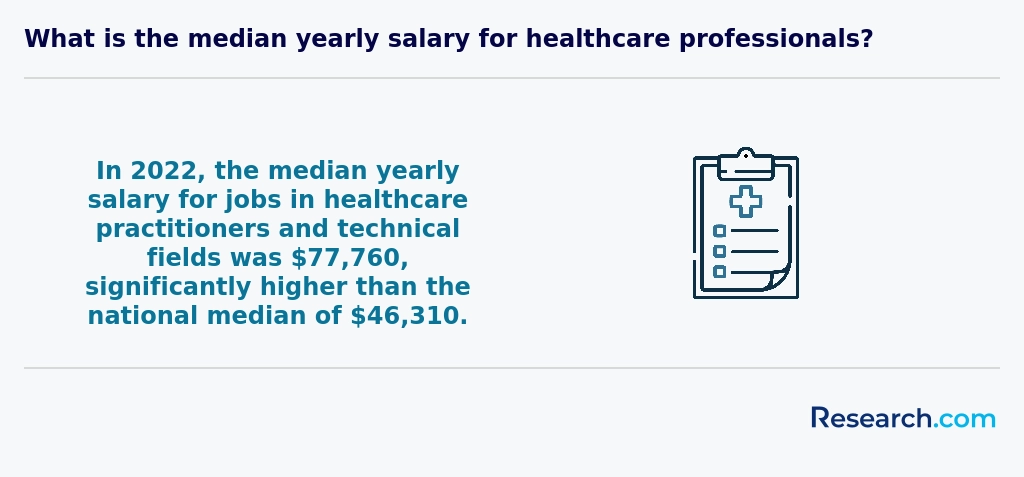
- Entry-level healthcare professionals in Houston typically earn between $55,000 and $70,000 per year, with experienced workers often making over $100,000 annually.
- The Texas Medical Center in Houston is the world's largest medical complex, providing many opportunities for internships, residencies, and jobs.
- Healthcare employment in Houston is expected to grow by about 15% over the next decade due to population growth and expanded healthcare services.
- Graduates can work in hospitals, clinics, research centers, public health organizations, and industries like biotechnology and pharmaceuticals.
How long does it take to complete healthcare degree in Houston?
Completing a healthcare degree in Houston depends on the path you choose. Many graduates start with an Associate Degree in Nursing or related fields, which usually takes about 2 years at community colleges or technical schools. These programs offer hands-on experience preparing you for roles like registered nurse or medical technician, making it a great choice if you want to enter the workforce quickly while still gaining solid skills.
If you aim higher, a Bachelor's Degree in nursing, health administration, or public health typically takes 4 years at universities such as the University of Houston or Texas Southern University. Graduates often share how the bachelor's program broadens their knowledge and opens more career doors, with an encouraging average starting salary near $68,000 in Houston's thriving healthcare market.
For those ready to lead or specialize, a Master's Degree adds another 2 to 3 years, focusing on leadership and advanced clinical skills. And for the most dedicated, doctoral paths like DNP or MD require 3 to 7 years, demanding intense study but unlocking the highest levels of medical practice or research in Houston's renowned medical institutions.
Accelerated Healthcare Programs: Fast-Track Your Career
For many students eager to jumpstart their careers in healthcare, accelerated programs offer a compelling pathway by condensing coursework and practical training into a shorter time frame without sacrificing the quality of education. These streamlined programs are designed for individuals who are motivated, have clear career goals, and may already possess a foundational background or relevant experience. Students choosing an accelerated path benefit from increased flexibility, reduced tuition costs over time, and the opportunity to enter the job market sooner. Accelerated programs often emphasize hands-on learning, with intensive clinical rotations and real-world projects that equip students with the practical experience needed to succeed. They also tend to offer robust career services, including networking events, mentorship opportunities, and partnerships with local healthcare providers in Houston. This concentrated learning experience can be particularly advantageous in high-demand roles such as nursing, health informatics, and patient care. For those specifically looking to fast-track their training, consider exploring a medical.assistant program that delivers comprehensive skills in a condensed timeframe. These programs not only shorten the pathway to employment but also help build a solid professional foundation for further advancement in Houston’s competitive healthcare field. By choosing an accelerated healthcare program, students can achieve a quicker transition into the workforce while still gaining the in-depth knowledge and practical expertise required by today’s employers. This approach is ideal for individuals who are ready to commit to an intensive study regimen for the promise of rapid career progression.
What's the difference between online and on-campus healthcare degree?
Choosing between an online or on-campus healthcare degree in Houston shapes your learning journey significantly. Graduates from the University of Houston often speak about the energizing experience of hands-on labs and real-time interactions with instructors, which create strong practical skills and valuable personal connections. These in-person moments, especially at institutions like Texas Southern University, build confidence through direct clinical practice and networking that opens doors to Houston's vibrant healthcare sector centered around the Texas Medical Center.
Conversely, online programs such as those offered by the University of Texas School of Public Health provide flexibility for students balancing work or family. Many graduates cherish the freedom to manage their studies on their schedule, appreciating how this approach fits their busy lives while still requiring some clinical hours to develop essential skills. Online learning reduces commuting and housing costs, making education more accessible without sacrificing quality.
Application Process and Success Tips for Aspiring Healthcare Professionals
. Navigating the application process is a key step toward securing admission in one of Houston’s top healthcare degree programs. Begin by reviewing each institution’s admission requirements, including prerequisite coursework, test scores, and personal statements. Take advantage of campus webinars and advisor sessions to gain clarity on what makes a strong application. Enhancing your portfolio with volunteer work or internships in local healthcare settings can further demonstrate your commitment and practical experience. For prospective students seeking flexibility, exploring options such as the best online healthcare program in texas can be an excellent pathway to balance education with other personal and professional commitments. Organize your application materials well in advance, seek feedback from mentors, and tailor each application to highlight your unique strengths and passion for healthcare, ensuring you stand out in a competitive field.
What is the average cost of healthcare degree in Houston?
When exploring the average healthcare degree cost Houston students face, understanding the distinct expenses helps set realistic expectations. For example, graduates from well-known local institutions like the University of Houston or Texas Southern University often find their total in-state degree costs hovering around $9,700. This figure reflects tuition but also modestly accounts for fees, illustrating an accessible path for residents committed to healthcare careers in their community.
Out-of-state students usually encounter a higher median total cost, approximately $41,797. Many who pursue advanced clinical or administrative healthcare programs at private institutions, such as Baylor College of Medicine, experience similar expenses due to specialized resources and intensive training requirements. These graduates often express how their investment was matched by the quality of education and clinical opportunities provided.
Beyond tuition, other necessary costs include books, uniforms, certification exams, and clinical placement fees. These add-ons might seem daunting but are essential for hands-on learning that brings classroom knowledge to life in Houston's dynamic healthcare environment.
Financial guidance is available too, with local scholarships and aid programs helping students manage the total cost healthcare programs Houston offer. For those investigating flexible options, checking out the best online healthcare program in texas can also provide a practical route to balance quality education and affordability.
Accreditation and Licensure
All healthcare degree programs highlighted in this ranking are regionally accredited by the Southern Association of Colleges and Schools Commission on Colleges (SACSCOC), ensuring they meet rigorous academic standards. Many also hold programmatic accreditation from bodies such as the Commission on Collegiate Nursing Education (CCNE) for nursing tracks or the Commission on Accreditation for Health Informatics and Information Management Education (CAHIIM) for informatics specializations. Prospective students should verify that their chosen program maintains up-to-date accreditation, as this status directly impacts eligibility for federal financial aid and professional licensure. Licensure exam pass rates are another critical quality indicator. For nursing graduates, a strong first-time NCLEX-RN pass rate-ideally above 85%-reflects both program efficacy and adequate clinical preparation. Health information management students should look for programs reporting robust Certified Health Data Analyst (CHDA) success rates. Transparent reporting of these metrics demonstrates institutional commitment to graduate readiness. When evaluating value and cost, students may also explore comparative programs outside Texas. For insights into affordability at the master’s level, see the Most Affordable Online Master’s in Healthcare Degree Programs Ranking in North Dakota, which showcases cost-effective pathways backed by strong accreditation. By confirming both regional and programmatic accreditation and examining licensure outcomes, applicants can confidently select a healthcare degree that aligns with licensure requirements and industry expectations.
What financial aid is available to healthcare degree students in Houston?
If you're pursuing a healthcare degree in Houston, financial aid can be your strongest ally. Many graduates from institutions like the University of Houston and Texas Southern University often share how federal aid transformed their journey. Programs like the Pell Grant provide need-based awards up to $7,395, easing the burden without the worry of repayment. Federal Direct Subsidized and Unsubsidized Loans offer low-interest borrowing, often making it possible to focus on studies rather than finances.
In Houston, state-specific aid like the Texas Public Educational Grant and Texas Equalization Grant can open doors for lower-income students. One graduate recalls working part-time through Federal Work-Study, gaining hands-on experience while offsetting tuition costs. Larger healthcare employers, such as Houston Methodist, also offer tuition reimbursement, rewarding commitment and professional growth.
Private scholarships from organizations like the Houston Medical Forum Foundation further brighten this path, sometimes providing thousands annually. Embracing these opportunities makes the dream of a healthcare career in Houston not only attainable but inspiring.
Licensing and Certification Requirements for Healthcare Graduates in Houston, TX
Upon completing a healthcare degree in Houston, graduates must satisfy state and national licensing requirements to practice legally and enhance employability. Registered nurses are required to pass the NCLEX-RN exam and obtain licensure through the Texas Board of Nursing, while licensed vocational nurses must clear the NCLEX-PN. Physical therapist assistants must graduate from a CAPTE-accredited program and pass the National Physical Therapy Exam administered by the Federation of State Boards of Physical Therapy; many students choose a top-rated pta associate of science degree to align coursework with these exam standards. Health Information Technicians aiming for the Registered Health Information Technician (RHIT) credential should successfully complete an AHIMA-accredited program and pass the RHIT exam. Medical assistants seeking the Certified Medical Assistant (CMA) credential must graduate from a CAAHEP- or ABHES-accredited program and pass the AAMA certification exam. State-level certifications, such as the Texas Medical Board’s Registered Medical Assistant (RMA) credential, often require completion of approved coursework and a passing score on the respective state exam. Maintaining licensure in Texas also involves fulfilling continuing education requirements. For example, RNs must complete 20 contact hours of approved continuing nursing education every two years, and PTAs require 20 contact hours every licensing cycle. Staying current with these requirements not only ensures compliance but also signals professional commitment and lifelong learning to potential employers in Houston’s competitive healthcare market.
What are the prerequisites for enrolling in healthcare degree program in Houston?
To enroll in a healthcare degree program in Houston, you'll need a solid academic foundation. Most students start with a high school diploma including courses in biology, chemistry, and math-essentials that prepare you for the science-intensive study ahead. For those targeting graduate programs, like nursing or physician assistant tracks at institutions such as the University of Houston or Texas Southern University, holding a relevant undergraduate degree with prerequisites like anatomy and microbiology is crucial.
Graduates often share how hands-on experience shapes their journey. Volunteering or working in local healthcare settings not only strengthens your application but also immerses you in real-world patient care, fostering confidence and commitment.
Test scores like the SAT or GRE still matter at some schools, though Houston universities increasingly offer test-optional paths, easing entry barriers. Financially, understanding tuition costs-ranging from $8,000 to $30,000 depending on your school-and preparing for fees like immunization verifications make your path smoother.
Finally, expect to pass criminal background checks which protect patient safety-a common requirement across Texas healthcare programs. Many students find completing these prerequisites rewarding, as they mark the first step toward a meaningful career serving Houston's diverse communities.
Next Steps: Maximizing Your Healthcare Education Journey in Houston, TX
Prospective students should not only gather information about program rankings and career outcomes but also develop a clear, actionable plan to transition seamlessly into their chosen field. Start by exploring detailed admission requirements, scheduling campus visits or virtual tours, and engaging with current students and faculty to gain insights into campus culture and student support services. In addition, seeking guidance from career counselors can further refine your academic and career goals, especially as you navigate application processes and financial planning. Building a strong professional network is vital for success. Actively participate in internship programs, join relevant student organizations, and attend local healthcare events to connect with industry experts. Utilizing resources like the best online healthcare program in texas can also be an excellent way to identify flexible learning options that suit your schedule and career objectives. Remember, every step you take-from researching potential programs to engaging with community professionals-plays a crucial role in shaping your future within Houston’s dynamic healthcare landscape. Begin your journey today by creating a personalized roadmap that blends academic excellence with practical experience, ensuring you remain competitive and well-prepared for the evolving challenges of the healthcare industry.
What courses are typically in healthcare degree programs in Houston?
When you dive into a healthcare degree program in Houston, expect a solid foundation built on courses like anatomy and physiology-these are essential for truly understanding the human body. Graduates from schools such as the University of Houston or Houston Community College often say these classes felt like unlocking the blueprint of life, giving them confidence in every clinical setting they later encountered.
Alongside that, courses in microbiology and pathology sharpen your insight into how diseases work, preparing you for real hospitals in the Texas Medical Center, where many students gain their hands-on experience. Medical Terminology is another crucial class, teaching you the language that keeps healthcare teams on the same page-something graduates repeatedly emphasize as a game-changer for their early careers.
You'll also study Pharmacology and Healthcare Ethics and Law, empowering you to make informed, compassionate decisions. Meanwhile, classes like Health Informatics prepare you for the future by teaching you about electronic health records, which are vital in Houston's tech-savvy medical environment.
What types of specializations are available in healthcare degree programs in Houston?
In Houston, healthcare degree specializations reflect the city's dynamic medical environment, giving you the chance to carve out your own path in a diverse field. Many graduates from well-known universities emphasize the value of programs in Nursing, which includes options like Registered Nurse and advanced roles such as Nurse Practitioner or Clinical Nurse Specialist. These programs often partner with Houston's hospitals for meaningful clinical experience.
Other popular specialization options include Public Health, focusing on community outreach and policies, often offered through institutions like the University of Texas Health Science Center at Houston. Health Informatics is another growing area, blending technology and patient care-an exciting path for those who love data and innovation.
You'll also find strong programs in Medical Laboratory Science and Physical or Occupational Therapy, training students for hands-on roles in patient diagnosis and rehabilitation. For those interested in leadership, Healthcare Administration prepares students to manage complex healthcare systems locally and beyond.
Many students even explore concentrated paths such as a medical.assistant program to quickly enter the workforce. These options highlight how Houston healthcare programs with specialization options fit many career goals and learning styles perfectly.
How do you choose the best healthcare degree in Houston?
Choosing the best healthcare degree in Houston starts with aligning your passion and career goals with the right program. Graduates from institutions like the University of Houston often share how selecting degrees with strong ties to the Texas Medical Center gave them invaluable clinical exposure and job connections. Consider programs in nursing, public health, or specialized areas like health informatics that match your interests and certification needs.
Many students find that looking into affordable healthcare degrees in Houston helps balance quality with cost. Public universities here offer tuition between $10,000 and $15,000 annually, while private colleges can be more expensive. However, scholarships and financial aid options often make these degrees accessible. One graduate recalled how their part-time study option and local hospital internship strengthened both learning and confidence with hands-on experience.
Flexibility matters too. If you prefer a hands-on, technical role, exploring programs like the pta associate of science degree online can fit your schedule while preparing you for the workforce. Ultimately, visiting campuses, talking to alumni, and ensuring accreditation will guide you toward a path where your dedication shines brightly.
What career paths are available for healthcare degree students in Houston?
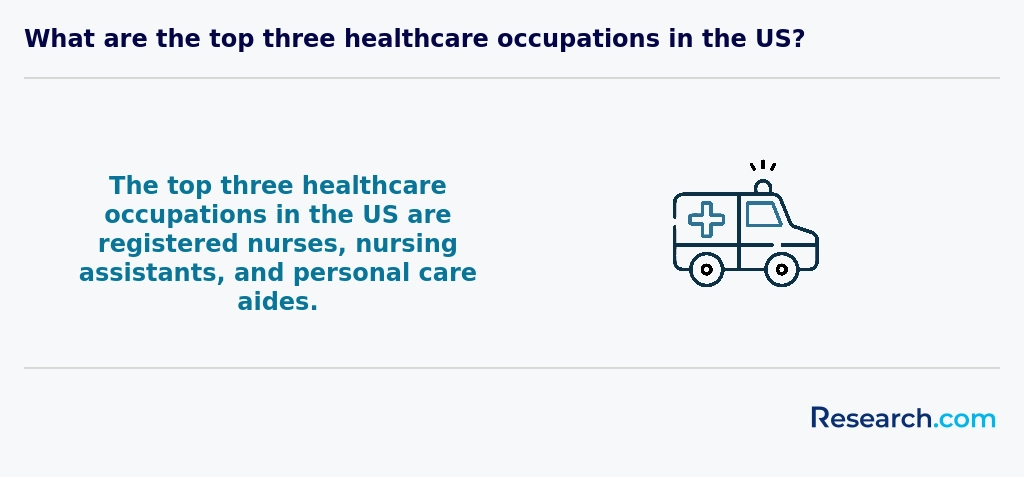
Graduates with a healthcare degree in Houston find themselves at the heart of a thriving medical community, with diverse healthcare degree job opportunities Houston offers. Whether entering nursing programs at the University of Houston or pursuing allied health professions after completing studies at community colleges, many graduates share inspiring stories of quickly finding roles as registered nurses or respiratory therapists within top hospitals. The city's Texas Medical Center fuels this demand, allowing young professionals to advance confidently along clinical or administrative paths.
For those seeking specialized careers, options like medical laboratory technician or health informatics specialist open doors to meaningful work. Graduates often highlight how Houston's emphasis on digital health records expands opportunities in this field. If your passion lies in leadership, degrees in healthcare management from local universities unlock positions like healthcare administrator or clinical manager, blending compassionate care with strategic oversight.
Many students pursuing healthcare career options in Houston TX also consider graduate-level roles such as physician assistant or physical therapist, attracted by both the rewarding patient impact and salaries exceeding six figures. Balancing education costs against this robust job market is crucial, which is why exploring programs linked in the Most Affordable Online Master's in Healthcare Degree Programs Ranking in North Dakota can be a smart step on your journey.
What is the job market for healthcare degree in Houston?
The healthcare job market Houston 2027 offers exciting prospects for degree holders, especially graduates from universities like the University of Houston and Texas Southern University. These institutions equip students with relevant skills that align well with the city's dynamic medical environment. Graduates often share how their hands-on experiences at local hospitals within the Texas Medical Center opened doors to promising careers. This complex, hosting over 100,000 healthcare jobs, is a vital hub that fuels a broad demand for registered nurses, healthcare administrators, and medical technologists.
Healthcare career opportunities in Houston continue to grow, with an anticipated 18% increase in roles by 2030. This growth stems from innovative fields such as telemedicine and health informatics, which graduates actively explore during their studies. With competitive salaries-registered nurses earn about $72,000 annually-students feel encouraged to pursue their ambitions in the local market. If you want to accelerate your education, consider programs like the fastest bachelor's degree online. This can position you swiftly for success in one of the nation's most vital healthcare centers.
Frequently Asked Questions About healthcare
Healthcare degree students in Houston can maximize their learning experience by engaging in hands-on clinical training at renowned local institutions such as the Texas Medical Center, the largest medical complex in the world. This exposure enhances practical skills and professional networking. Houston's diverse population also offers valuable opportunities for students to understand varied patient needs and healthcare disparities, essential for effective care.
Incorporating interdisciplinary studies, including public health and healthcare management, further broadens expertise. According to the Texas Higher Education Coordinating Board, Houston hosts over 50 accredited healthcare programs, enabling diverse learning paths. Leveraging community internships and research projects strengthens students' resumes and readiness for competitive job markets.
The healthcare field in Houston is evolving rapidly, with emerging niches offering promising career paths. One growing area is telehealth, which expanded by over 50% nationwide since 2020, driven by advancements in digital communication. Houston's large medical centers are adopting telemedicine to improve patient access across the region. Another fast-developing niche is genetic counseling, supported by Houston's strong biomedical research sector.
Additionally, healthcare data analytics is becoming critical; the city's hospitals increasingly rely on big data to improve patient outcomes. The aging population in Houston also boosts demand for geriatric care specialists, while mental health services continue to gain importance due to increased awareness and funding.
Preparing for the job market after completing a healthcare degree in Houston requires strategic steps. Start by gaining relevant clinical experience through internships or volunteering at local hospitals such as Houston Methodist or Texas Children's Hospital. Networking is crucial; joining professional organizations like the Texas Medical Association can provide valuable contacts and job leads. Additionally, obtaining certifications relevant to your specialty, such as the Certified Nursing Assistant (CNA) or Registered Health Information Technician (RHIT), enhances employability. According to the Houston Chronicle, Houston's healthcare sector grew by 4.5% in 2023, increasing demand for skilled professionals. Staying updated on industry trends and continuing education are also vital strategies.
Employers in Houston's healthcare sector prioritize a combination of technical and interpersonal skills in degree graduates. Strong clinical knowledge, including proficiency in patient care and medical procedures, remains essential, as emphasized by the Texas Medical Center, the largest healthcare complex worldwide. Additionally, effective communication skills are crucial, enabling professionals to interact clearly with patients and multidisciplinary teams.
Houston employers also value critical thinking and problem-solving abilities given the complex nature of healthcare challenges in the region. Data from the Greater Houston Partnership highlights a growing demand for healthcare workers skilled in electronic health records (EHR) technology and telehealth platforms. Adaptability and cultural competence are important too, reflecting Houston's diverse population.
Finding internships in Houston related to a healthcare degree involves several strategic steps. Start by exploring university career centers, as many Houston institutions partner with local hospitals and clinics to offer internship opportunities. The Texas Medical Center, the largest medical complex in the world, hosts over 60 institutions, making it a prime internship hub. According to the Houston Health Department, internships at facilities here provide hands-on experience in various healthcare fields.
Networking through professional organizations like the Houston Healthcare Executives or attending local health career fairs can connect students with potential placements. Additionally, online platforms such as Handshake and USAJobs list internships specifically for healthcare students in Houston.
Earning a healthcare degree in Houston significantly enhances career mobility and advancement opportunities. Houston is home to the Texas Medical Center, the largest medical complex in the world, employing over 106,000 healthcare professionals according to the Texas Medical Center official data (2023). This concentration of institutions offers diverse job openings across numerous specialties.
Healthcare degrees provide the necessary credentials to access higher-paying positions such as nurse practitioners, healthcare administrators, or specialized therapists. Reports from the U.S. Bureau of Labor Statistics show that healthcare jobs in Houston are projected to grow by 15% through 2030, outpacing many other sectors.
Additionally, possessing a degree often allows professionals to qualify for leadership and advanced clinical roles, supporting upward mobility within local hospital systems and clinics.
Studying for a healthcare degree in Houston provides strong preparation for interdisciplinary roles by emphasizing collaboration among various medical and health professions. Houston is home to the Texas Medical Center, the largest medical complex in the world, where students often engage in clinical rotations and projects alongside experts in nursing, medicine, public health, and allied health.
Educational programs incorporate teamwork and communication skills essential to coordinating patient care across specialties. According to the Texas Higher Education Coordinating Board, Houston's healthcare programs have integrated interprofessional education requirements that align with industry needs.
This hands-on, collaborative approach ensures graduates are ready to work effectively within diverse healthcare teams, improving patient outcomes and system efficiency.
Choosing between a thesis and a non-thesis healthcare degree program in Houston depends on your career goals and academic interests. Thesis programs typically require original research, suited for students aiming to pursue doctoral studies or research-oriented roles. Non-thesis options often emphasize practical skills and coursework, ideal for professionals seeking advancement in clinical or administrative healthcare positions.
Houston, home to leading medical institutions like the Texas Medical Center, offers a range of healthcare programs reflecting these options. According to the Texas Higher Education Coordinating Board, about 40% of healthcare graduates in Houston opt for non-thesis tracks, emphasizing hands-on experience over research.
Consider your long-term plans: if you want to engage in evidence-based practice or policy development, a thesis program may be beneficial. If immediate workforce entry or professional certification is the goal, a non-thesis program could be more practical.
Students based in Houston seeking to study healthcare abroad have several pathways through established exchange programs and partnerships maintained by local universities. Institutions like the University of Houston and Texas Medical Center offer study abroad opportunities focusing on healthcare systems in Europe, Latin America, and Asia.
These programs often provide clinical exposure and research internships, allowing students to gain international experience while earning credit toward their degrees. According to the Institute of International Education, approximately 1.6% of U.S. healthcare students participate in study abroad programs, with growing interest from Houston-based learners.
Additionally, credential recognition is important; students should ensure foreign degrees or experiences align with U.S. licensing requirements, particularly in nursing or medical fields. Houston's diverse healthcare sector benefits from such global competencies, preparing graduates for increasingly interconnected medical careers.
Students pursuing healthcare degrees in Houston have various part-time job opportunities that complement their education and provide practical experience. Common roles include medical scribe positions, which allow students to work alongside physicians documenting patient visits, enhancing medical terminology and clinical knowledge.
Other popular options are home health aide or patient care assistant jobs, especially given Houston's large healthcare system including the Texas Medical Center, the world's largest medical complex. These roles provide direct patient care experience.
Research assistant positions in hospitals or universities, such as those affiliated with MD Anderson Cancer Center, can also help students understand clinical trials and healthcare research methods.
The Houston Health Department often offers internships and part-time roles in public health, providing exposure to community health challenges and administration.
Healthcare students in Houston benefit from numerous networking opportunities due to the city's large medical community. Houston is home to the Texas Medical Center, the world's largest medical complex, hosting over 60 institutions. This provides students access to conferences, workshops, and volunteer programs where they can connect with professionals and peers.
Many universities partner with local hospitals and clinics, offering internships and clinical placements critical for building professional relationships. Organizations like the Houston Healthcare Collaborative also hold events focused on career development and networking.
Additionally, healthcare students can join student chapters of national associations such as the American Medical Student Association (AMSA) and the National Student Nurses' Association (NSNA), which provide mentoring and networking events.
Alumni networks offer valuable support for healthcare degree students in Houston by connecting them with experienced professionals and recent graduates. These networks often provide mentorship opportunities, helping students navigate the competitive healthcare job market. Houston is home to the Texas Medical Center, the largest medical complex globally, hosting thousands of healthcare professionals who participate in alumni events. This proximity allows students to build meaningful relationships that can lead to internships and job placements.
Strong alumni networks facilitate access to exclusive job listings and continuing education workshops, essential in a fast-evolving field like healthcare. According to the Texas Workforce Commission, Houston's healthcare sector is projected to grow by 15% over the next decade, emphasizing the importance of these connections for career advancement.
Customizing a healthcare degree program in Houston involves selecting specializations, electives, and practical experiences that match your career goals. Many Houston institutions offer tracks in nursing, health administration, public health, and allied health fields. For example, students can focus on gerontology or healthcare informatics to meet local demand.
Houston's robust healthcare ecosystem, including the Texas Medical Center-the world's largest medical complex-provides ample internship and research opportunities. According to the Houston Health Department, healthcare jobs in the region are projected to grow 18% by 2030, emphasizing the importance of targeted training.
Advisors often help tailor course loads and clinical placements to align with specific career interests, ensuring graduates gain relevant skills and networks.
Healthcare students in Houston commonly face significant challenges that can impact their academic success and well-being. One notable issue is the intense competition for clinical placements, as Houston hosts one of the largest medical centers in the world, the Texas Medical Center. While this offers abundant opportunities, students often struggle to secure spots for hands-on training due to high demand.
Additionally, the cost of education is a frequent concern. According to the Texas Higher Education Coordinating Board, tuition and fees for healthcare programs in Houston have risen steadily, leading many students to balance part-time work with rigorous studies.
Time management presents another hurdle. Healthcare degrees require mastering complex material and long hours in labs or hospitals, which can create stress and burnout risks. Finally, adapting to rapidly evolving healthcare technologies demands continual learning and flexibility from students to stay current in the field.
With a healthcare degree in Houston, graduates can pursue a variety of professional certifications that enhance career prospects and specialization. Common certifications include Registered Nurse (RN) licensure, Certified Medical Assistant (CMA), and Certified Professional Coder (CPC). These credentials are recognized across Texas and the U.S., often required for clinical and administrative roles.
Advanced certifications such as Certified Health Education Specialist (CHES) and Certified Healthcare Quality Professional (CHQP) are also popular, reflecting Houston's strong healthcare industry. According to the Texas Workforce Commission, healthcare job growth in Houston is projected at 18% through 2030, making certification valuable for competitive employment.
Some certifications require passing exams from nationally recognized bodies like the National Commission for Certifying Agencies (NCCA), ensuring high standards of professional competence. Houston's large hospital systems, including the Texas Medical Center, provide support for ongoing certification and training opportunities, helping graduates maintain licensure and develop expertise.
Writing a winning application for a healthcare program in Houston requires clear focus and attention to detail. Start by thoroughly researching the specific program and its requirements, as Houston hosts diverse institutions like the University of Houston and Texas Southern University with strong healthcare curricula. Highlight your academic achievements and relevant experiences, such as volunteering at Houston's Texas Medical Center, the largest medical complex in the world.
Strong personal statements should express your passion for healthcare and understanding of the community's needs. According to the Texas Higher Education Coordinating Board, emphasizing your commitment to serving Houston's diverse population can set you apart. Be sure to submit all required documents on time and prepare for entrance exams, if applicable.
A healthcare career is increasingly viewed through a global lens, highlighting the demand for skilled professionals worldwide. In Houston, a city known for its expansive Texas Medical Center, the largest medical complex globally, students gain access to diverse clinical experiences and research opportunities. According to the U.S. Bureau of Labor Statistics, healthcare occupations are projected to grow 16% nationally from 2021 to 2031, faster than average job growth. This trend reflects a global need for healthcare services as populations age and chronic diseases rise. Houston's diverse patient population offers a valuable multicultural clinical training environment for future healthcare professionals.
Global perspectives emphasize the importance of cultural competence, technology integration, and public health in healthcare education. Houston institutions align their programs with these trends, preparing graduates for an interconnected healthcare environment. The city's status as an international medical hub attracts professionals and students from around the world, making it a relevant place for those seeking to connect their education with global health standards.
Gaining practical experience while studying for a healthcare degree in Houston is essential for career readiness. Many universities in Houston offer clinical rotations, internships, and cooperative education programs integrated within their healthcare curricula. These opportunities allow students to work directly with patients under professional supervision, building hands-on skills.
Houston is home to some of the largest medical centers in the U.S., including the Texas Medical Center, which provides access to diverse healthcare settings for student training. Local partnerships between schools and hospitals enable students to gain experience in fields such as nursing, medical technology, and health administration.
According to the Texas Higher Education Coordinating Board, approximately 70% of healthcare students in Houston secure clinical placements before graduation, enhancing their employment prospects.
Choosing the right concentration within a healthcare degree program in Houston involves understanding both your interests and the local job market. Houston hosts the Texas Medical Center, the largest medical complex in the world, employing more than 106,000 healthcare workers as of 2023 (TMC website). This makes specialties like nursing, biomedical research, and healthcare administration particularly relevant.
Start by identifying your strengths and passions, whether in patient care, public health, or health technology. Research accreditation status of programs, as recognized credentials can impact employment. Consider emerging fields such as telehealth and health informatics, which align with Houston's growing investment in medical technology innovation.
Networking with local professionals and reviewing Bureau of Labor Statistics data for Houston can help clarify demand for specific roles. Finally, evaluate programs offering internships or clinical experience within Houston's reputable hospital systems to gain practical skills.
Related Healthcare Rankings for Nearby Cities
- 2027 Best Healthcare Degree Programs Ranking in San Antonio
- 2027 Best Healthcare Degree Programs Ranking in Dallas
- 2027 Best Healthcare Degree Programs Ranking in Fort Worth
- 2027 Best Healthcare Degree Programs Ranking in Denton
- 2027 Best Healthcare Degree Programs Ranking in Abilene
- 2027 Best Healthcare Degree Programs Ranking in Hattiesburg
- 2027 Best Healthcare Degree Programs Ranking in Little Rock
- 2027 Best Healthcare Degree Programs Ranking in Oklahoma City
- 2027 Best Healthcare Degree Programs Ranking in Mobile
- 2027 Best Healthcare Degree Programs Ranking in Lubbock
Top Trending Healthcare Rankings
See What Experts Have To Say About Studying Healthcare
Read our interview with Healthcare experts

References
- Student Financial Aid https://www.houstontx.gov/education/studentfinancialaid/preparation.html
- Tuition and Fees: M.D. Program https://www.bcm.edu/education/school-of-medicine/m-d-program/tuition-and-fees
- Healthcare Administration Certifications https://www.publichealthdegrees.org/careers/healthcare-administrator/certification/
- Financial Assistance https://www.hcahoustonhealthcare.com/patient-resources/patient-financial-resources/financial-assistance
- Experiential Learning to Enhance ... https://annalsofglobalhealth.org/articles/10.5334/aogh.4537
- Tuition at Every Medical School in the United States (Updated in 2025) - Shemmassian Academic Consulting https://www.shemmassianconsulting.com/blog/medical-school-tuition
- 1+ Healthcare Cover Letter Examples (with In-Depth Guidance) https://www.tealhq.com/cover-letter-examples/healthcare
- Know more about thesis vs non- thesis: what is the difference? https://studyfans.com/en/blogs/816
- Niche Markets in Healthcare: How to Find & Target https://nechayadvisors.com/blog/niche-markets-in-healthcare
- Networking in Medicine: Build Lasting Connections l Windsor https://www.windsor.edu/networking-in-medicine-building-relationships-from-day-one/


