
2027 Best Online Bachelor's in Healthcare Degree Programs Ranking in Little Rock, AR

Co-Founder and Chief Data Scientist
Choosing the right healthcare degree is an important step toward a rewarding career. For students in Little Rock, finding a program that fits your needs and goals can feel overwhelming.
This article introduces the 2027 Best Online Bachelor's in Healthcare Degree Programs Ranking in Little Rock, AR, developed by the Research.com team of data scientists. It's designed to help you make a confident, informed decision about which programs truly stand out.
Exploring your options with clear, reliable information can open doors to new opportunities and a fulfilling future in healthcare.
Key benefits of getting online healthcare degree in Little Rock
- Healthcare degree graduates in Little Rock can expect competitive salaries such as $43,350 annually for Medical Assistants and Clinical Research Coordinators, and up to $103,150 for Quality Improvement Coordinators, offering strong financial motivation.
- Career paths include roles like Patient Care Technician, Health Information Technician, or Quality Improvement Coordinator, reflecting diverse options for growth and advancement in healthcare.
- Online healthcare degrees from institutions in Little Rock provide flexibility for busy students, allowing them to balance education with work or family while gaining the same skills as traditional programs.
- Key benefits of getting online healthcare degree in Little Rock
- What can I expect from online healthcare degree in Little Rock?
- Where can I work with online healthcare degree in Little Rock?
- How much can I make with online healthcare degree in Little Rock?
- 2027 Best Online Bachelor's in Healthcare Degree Programs Ranking in Little Rock, AR
- Key Findings
- How long does it take to complete online healthcare degree in Little Rock?
- Next Steps: Planning Your Path to Success in Online Healthcare Education
- What's the difference between online and on-campus healthcare degree?
- Application Process and Admissions Tips
- What is the average cost of online healthcare degree in Little Rock?
- Licensure and Certification Requirements
- What financial aid is available to online healthcare degree students in Little Rock?
- Student Support and Resources
- What are the prerequisites for enrolling in online healthcare degree program in Little Rock?
- Tips for Succeeding in Your Online Healthcare Education
- What courses are typically in online healthcare degree programs in Little Rock?
- What types of specializations are available in online healthcare degree programs in Little Rock?
- How do you choose the best online healthcare degree in Little Rock?
- What career paths are available for online healthcare degree students in Little Rock?
- What is the job market for online healthcare degree in Little Rock?
- Top Trending Healthcare Rankings
- See What Experts Have To Say About Studying Healthcare
What can I expect from online healthcare degree in Little Rock?
When it comes to the average cost of an online healthcare degree in Little Rock, you can generally expect tuition to range from about $8,000 to $20,000 for a full bachelor's program. For example, graduates from the University of Arkansas for Medical Sciences often mention that payment plans and financial aid options really helped make the expense manageable while juggling work and family life.
Community colleges offering associate degrees in healthcare usually sit at the lower end of that scale, giving a budget-friendly option without sacrificing quality. Many online students appreciate the flexibility to study evenings or weekends, which fits perfectly with their job schedules.
One common experience shared by past students is how local clinical placements at Little Rock-area hospitals helped turn textbook knowledge into real skills-something that justifies the investment. Plus, the strong job market here makes the cost feel like an investment that quickly pays off.
Where can I work with online healthcare degree in Little Rock?
If you earn an online healthcare degree in Little Rock, you've got lots of cool options waiting for you right here in the city. Many graduates find jobs at big places like the University of Arkansas for Medical Sciences (UAMS), which is a huge hub for all kinds of healthcare roles-from managing hospital admin to supporting clinical teams. It's not just hospitals either; Baptist Health runs lots of outpatient clinics where grads jump right into patient services and healthcare management.
Some folks love working in community health, teaming up with local nonprofits or the city health department to help with outreach and education. It's a rewarding way to put what you learned into action and really make a difference in people's lives around Little Rock.
Others land jobs with health insurance companies or medical supply firms, combining their healthcare know-how with business smarts. And thanks to the rise of telehealth, there are more chances than ever to work remotely in areas like virtual care or health IT.
Graduates from popular local schools often share how exciting it is to have a real impact close to home, with plenty of support and growth nearby.
How much can I make with online healthcare degree in Little Rock?
If you're looking at online healthcare degrees in Little Rock, you're probably wondering, "How much can I actually make?" Well, graduates from local programs often step into roles like Medical Assistant or Health Information Technician, seeing starting salaries around $43,350 a year. It's pretty solid when you consider many community colleges and universities here gear their courses to prepare students for these exact jobs.
Some grads find themselves as Patient Care Technicians, making closer to $60,790 annually. That's a nice jump and shows how hands-on experience can pay off. Then there are those aiming for research or clinical coordination roles, which also start around $43,350 but offer room to grow with experience and certs.
Here's something impressive: Quality Improvement Coordinators-often needing more specialized healthcare knowledge-pull in mean wages over $103,000. Many online programs in Little Rock, like those connected to big local hospitals or Arkansas colleges, help grads build the skills to get there.
Overall, studying healthcare online in Little Rock sets you up nicely-real people from Arkansas colleges are landing these gigs and loving the paychecks that come with their training and hard work.
2027 Best Online Bachelor's in Healthcare Degree Programs Ranking in Little Rock, AR
How do we rank schools?
Investing in your education is a significant decision that can shape your future, and the Research.com team understands the importance of making informed choices. To assist prospective students in Little Rock, AR, we have meticulously crafted the "2027 Best Online Bachelor's in Healthcare Degree Programs Ranking." Our commitment to quality, credibility, and accuracy is reflected in the extensive research and analysis conducted to compile this ranking.
We utilized the following reputable data sources to ensure a comprehensive evaluation of healthcare programs:
By exploring this ranking, readers will gain valuable insights into the best online healthcare degree programs available in Little Rock, empowering them to make well-informed decisions about their educational and professional futures. For more details on our methodology, please visit our Research.com methodology page.

# 2 position
University of Arkansas Grantham
Bachelor of Health Information Management

Key Findings
- The cost of an online healthcare bachelor's degree in Little Rock ranges from $15,000 to $35,000, depending on the school and residency status.
- Little Rock has a strong healthcare job market with over 40,000 employed professionals and a projected 15% growth rate in healthcare occupations through 2031.
- Starting salaries for new healthcare graduates in the area average around $50,000 per year, rising to $70,000-$90,000 within five to ten years with experience and certifications.
- Online programs often offer flexible schedules with mostly asynchronous classes alongside local clinical experiences or internships.
- Accreditation by bodies like CCNE or ACEND is important to ensure program quality and degree acceptance.
- Graduates must pass Arkansas state licensing exams and meet continuing education requirements to maintain professional licensure.
How long does it take to complete online healthcare degree in Little Rock?
If you're diving into an online healthcare degree in Little Rock, the timeline usually depends on what kind of degree you're after. For most folks aiming for a bachelor's, expect about four years if you're studying full time-kind of the national standard-and many local grads at schools like the University of Arkansas at Little Rock have found that flexible online classes let them juggle work and family without stressing over the clock.
Some students choose part-time schedules, stretching their studies to five or six years, which actually works great for those balancing jobs or kids. If you're going for an associate degree, like nursing or health services, it's typically around two years full time-perfect for getting into the field fast. Local community colleges really tailor these programs to Little Rock's healthcare needs, making it possible to land a job right after finishing.
Keep in mind, a few programs require clinical hours that might add some weeks, but most schools help coordinate those locally to keep things moving. Graduates often say the flexible pacing and hands-on experiences made the whole process feel manageable and worth it.
Next Steps: Planning Your Path to Success in Online Healthcare Education
When you’re ready to take the plunge into an online healthcare degree, developing a clear, actionable plan can set you up for long-term success. Start by researching your options and aligning your career goals with the unique offerings of each program. Consider reaching out to admissions counselors to discuss application strategies and clarify any financial aid or scholarship opportunities available to you. Additionally, utilize our resources to compare programs based on critical factors such as cost, duration, and career placement support. Remember that investing time in understanding what each school offers now can lead to substantial career advancement later. For a comprehensive look at cost-effective options, visit most affordable healthcare schools in arkansas to find programs that not only meet your educational needs but also ensure a strong return on investment. Stay proactive by setting clear application deadlines and preparing all necessary documentation, so you’re ready to embark on a rewarding journey in the healthcare field.
What's the difference between online and on-campus healthcare degree?
If you're thinking about a healthcare degree in Little Rock, here's the lowdown on online versus on-campus programs. Online degrees give you the freedom to study whenever and wherever it works for you - super handy if you're juggling work or family. Students taking the online courses through places like the University of Arkansas for Medical Sciences love how they can fit classes around their busy lives without dropping their jobs. They spend about 6 to 8 hours a week on coursework but avoid those long commutes and campus fees, which saves money and stress.
On the flip side, if you're the type who learns best face-to-face, on-campus programs offer lab time and clinical rotations right in Little Rock hospitals. Graduates often say getting hands-on experience on campus makes a huge difference - especially in fields like nursing or medical tech. Plus, being around peers and professors in person can really boost your confidence and motivation.
Tuition costs? They're pretty similar whether you choose online or in-person at UAMS, roughly $8,000 to $11,000 a year for in-state. But remember, online students save on travel and housing. Either way, you'll need some in-person hours for clinical stuff, so even online learners head out to local medical centers sometimes.
Application Process and Admissions Tips
Navigating the application process for online healthcare degree programs can be as important as choosing the right course. Prospective students are encouraged to start by thoroughly researching each program’s application requirements and deadlines, and preparing well in advance. Begin by gathering necessary documents such as transcripts, letters of recommendation, personal statements, and proof of any healthcare-related experience. Tailor your application to highlight your passion for healthcare, your academic successes, and any professional experience relevant to the field. Additionally, many institutions offer virtual open houses, webinars, and Q&A sessions to help you understand the finer details of the admissions process. These resources provide insights into the program culture and expectations, which can be beneficial when drafting your personal statement. For guidance on selecting budget-friendly options, you may want to explore the most affordable healthcare schools in arkansas to help balance quality education with financial considerations. Finally, ensure that you meet all prerequisites and check if the institution offers any preparatory bridge courses or admissions support services. Leveraging these resources can make your application stand out and set you on the path to a successful career in healthcare.
What is the average cost of online healthcare degree in Little Rock?
Figuring out the average cost of an online healthcare degree in Little Rock usually points to about $34,500 total for most students. This price makes it pretty affordable compared to many other cities, especially when you consider schools like the University of Arkansas at Little Rock, where graduates often share how they balanced quality education with manageable tuition. Many in-state students find the school's online bachelor's programs fit nicely into their budgets without sacrificing the support and resources they need.
Of course, beyond tuition, you want to keep in mind extra costs like books, tech fees, and any licensing exam fees. These can add a few thousand dollars, but plenty of students say knowing this upfront helped them plan better. If you're looking for most affordable healthcare schools in arkansas, Little Rock offers a solid mix of quality and value that makes getting your degree online feel doable and realistic.
With Arkansas offering some of the more affordable online healthcare bachelor's programs Little Rock students can access, many feel they're investing wisely. Those who've graduated often mention how the cost, combined with flexible online options, allowed them to keep working while studying, making the whole process feel much less stressful financially.
Licensure and Certification Requirements
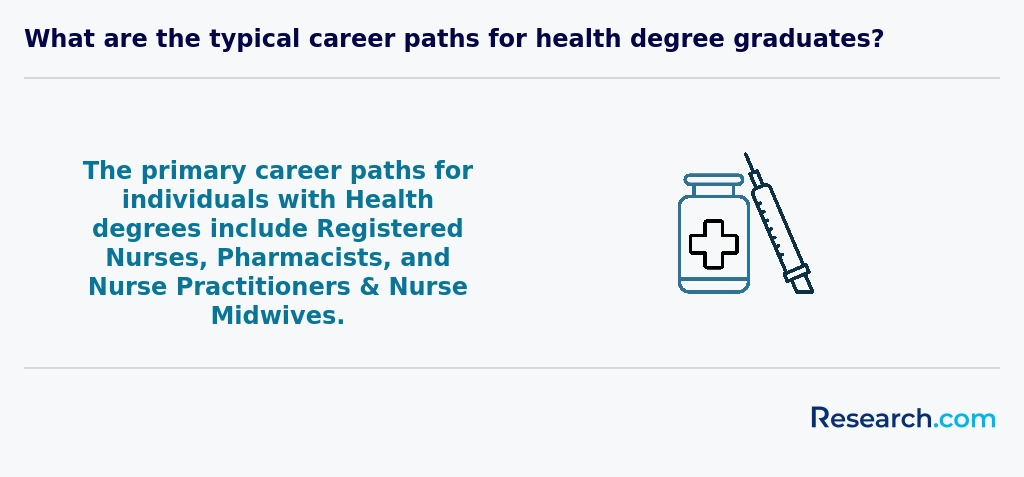
Graduates of online healthcare degree programs in Little Rock, AR must understand the licensure and certification steps required to practice in their chosen field. State-specific boards regulate clinical roles, while nationally recognized credentials validate specialized skills. Before enrolling, confirm Arkansas Board of Nursing or Arkansas Department of Health requirements, especially if your career path involves direct patient care. Key certification pathways include:
- NCLEX-RN/PN Examination: Required for Registered Nurses and Practical Nurses-candidates must complete an accredited nursing curriculum and submit official transcripts for eligibility.
- Registered Health Information Technician (RHIT): Offered by AHIMA, this credential demonstrates proficiency in managing patient records and health data.
- Certified Clinical Medical Assistant (CCMA): Administered by the National Healthcareer Association, this certification validates clinical skills, from phlebotomy to EKG administration.
- Certified Healthcare Administrative Professional (cHAP): For those pursuing healthcare management roles, this certification covers billing, coding, and regulatory compliance. Compliance with licensure requirements typically involves: 1. Submitting proof of degree completion from a CAHME- or CCNE-accredited program. 2. Completing background checks and drug screenings per Arkansas regulations. 3. Passing the appropriate national or state board examination. 4. Renewing certifications with continuing education units (CEUs) to maintain competence. Aspiring healthcare professionals should also explore funding and program options that align with certification preparation. For broader affordability insights and program rankings, consider our Affordable Online Healthcare Degree Programs Ranking in New Mexico, which highlights cost-effective curricula designed to meet certification prerequisites.
What financial aid is available to online healthcare degree students in Little Rock?
When you're eyeing an online healthcare degree in Little Rock, there's good news: plenty of financial aid options make it way more affordable. Take a graduate from the University of Arkansas for Medical Sciences who relied on Pell Grants-these grants don't have to be repaid and can cover up to $7,395 a year if you qualify. That made a huge difference for them, easing the stress of tuition costs.
Besides federal aid, Arkansas offers state scholarships like the Academic Challenge Scholarship, which many students at local colleges tap into to help with tuition. Imagine working at a local hospital-lots of these employers offer tuition assistance, letting you earn while you learn.
Plus, graduates often mention how professional organizations linked to healthcare fields provide merit scholarships. And don't forget federal programs like HCOP, which support underrepresented students chasing healthcare careers online in Little Rock. It's all about finding the right mix to fit your path!
Student Support and Resources
Pursuing an online healthcare degree in Little Rock, AR is made easier when institutions offer robust student support services tailored to distance learners. Academic advising teams guide you through course selection, ensuring you meet program milestones on time and stay on track for graduation. Dedicated online librarians provide 24/7 access to e-books, journals, and research databases, helping you complete assignments efficiently without stepping foot on campus. Technical support is equally critical: most programs include a help desk for troubleshooting login issues, software access, and virtual classroom navigation. Whether you need assistance with video conferencing tools or accessing course materials on your mobile device, support staff are available via live chat, email, and phone. This technical foundation empowers busy professionals to engage fully in coursework without disruptive delays. Career services for online students often mirror those of on-campus programs, offering resume reviews, mock interviews, and networking events with local healthcare employers. Workshops on LinkedIn optimization and virtual career fairs connect graduates with internship and job opportunities. For those exploring cost-effective pathways, our guide to an affordable healthcare administration degree online highlights programs that combine strong support services with budget-friendly tuition. Finally, many universities provide wellness resources-such as virtual counseling, peer support groups, and stress-management webinars-to help students balance rigorous coursework with personal commitments. By leveraging these comprehensive support offerings, online learners in Little Rock can navigate challenges confidently and build a foundation for long-term career success.
What are the prerequisites for enrolling in online healthcare degree program in Little Rock?
When you're thinking about jumping into an online healthcare degree in Little Rock, the basics are pretty straightforward. You'll need a high school diploma or something like a GED to get started-most programs won't budge without that. Graduates from schools like the University of Arkansas at Little Rock often mention how having a solid foundation in biology or chemistry from high school helped ease the way into tougher healthcare courses.
Most colleges will peek at your GPA-usually expecting around a 2.0 or higher-but some of the more competitive programs might want to see a bit more shine on your transcript. The good news? A bunch of schools in Little Rock have become test-optional recently, so you might not have to stress over submitting SAT or ACT scores.
If English isn't your first language, don't worry. Lots of programs ask for TOEFL or IELTS scores just to make sure you can handle the reading and writing needs. And if you've volunteered or worked in healthcare, even better-that real-world experience can really make your application pop.
Tips for Succeeding in Your Online Healthcare Education
Online learning requires more than just enrolling in a program-it calls for self-discipline, effective time management, and proactive engagement with both peers and instructors. Prospective students can benefit greatly from establishing a dedicated study space, keeping a consistent schedule, and setting clear academic goals. Try using digital calendars, to-do lists, and frequent check-ins to stay on top of coursework and deadlines. In addition to these strategies, connecting with support resources such as tutoring services, technical help desks, and academic advisors can make the online experience more rewarding. For instance, alumni from various programs have noted that joining virtual study groups and discussion forums not only enhanced their learning but also helped them network with professionals in the healthcare field. If you’re considering a specialized path, such as nutrition within healthcare, exploring the ranking of the popular online nutrition certification can provide insights into additional certifications that complement your degree and boost your career prospects. Adopting these practices early on can ease the transition to online education, ensuring that you maximize both academic success and professional growth throughout your healthcare journey.
What courses are typically in online healthcare degree programs in Little Rock?
If you're diving into an online healthcare degree in Little Rock, expect to get a solid mix of science and practical skills. Most programs kick off with basics like anatomy, physiology, and microbiology-stuff that really helps you get what's happening inside the human body. Graduates often say these courses make even medical jargon feel less intimidating, especially when paired with medical terminology classes.
Alongside those, you'll find classes covering healthcare administration, policy, ethics, and law. Those coming from popular institutions like University of Arkansas at Little Rock highlight how these courses gave them confidence navigating real-world healthcare settings, from hospitals to clinics.
Health informatics and data management are also stepping up these days. Learning about electronic health records and info systems prepares you to help improve patient care using tech-something recent graduates really appreciated when they started their careers.
Finally, expect practical courses dealing with healthcare statistics, research methods, and even quality improvement techniques. Some programs add in electives like mental health or gerontology, which are perfect for meeting Little Rock's growing community needs.
What types of specializations are available in online healthcare degree programs in Little Rock?
If you're looking into online healthcare degree specializations Little Rock AR offers some solid options that really match the local job scene. For example, Healthcare Administration is a popular pick for many students at well-known colleges around here. Graduates often talk about feeling ready to take on leadership roles in hospitals and clinics, handling everything from policies to budgets. It's a real fit for the growing healthcare industry in the metro area.
Public Health is another favorite specialization, focusing on community wellness-perfect if you want to make a difference in underserved neighborhoods nearby. Many grads find themselves working with local health departments or nonprofits, tackling real issues like disease prevention and education.
And then there's Nursing, with pathways like RN-to-BSN that are super flexible online and fit the fast-growing nursing job market in Little Rock. Plus, other cool options include Health Informatics and Medical Laboratory Science, letting you dive into tech or lab work.
For those curious about back-end healthcare roles, check out this ranking of the popular online nutrition certification that complements these degrees nicely.
All these choices make finding the best online healthcare programs Little Rock Arkansas has a breeze for students wanting to tailor their careers.
How do you choose the best online healthcare degree in Little Rock?
Picking the best online healthcare degree in Little Rock is all about matching the program to your goals and lifestyle. Many graduates from local universities share how focusing on a specialization that fits their passion made all the difference, whether that's nursing, public health, or health administration. It helps to choose schools that offer real flexibility-like asynchronous classes-so you can juggle work and family while studying.
Accreditation is another must-check. You'll want to pick a program recognized nationally, ensuring your degree holds weight when you apply for jobs or licenses in Arkansas. The universities around Little Rock usually have strong ties with local hospitals and clinics, boosting chances for internships and job placement after graduation.
If budgeting is a concern, some students found great value in affordable healthcare bachelor's degrees Little Rock AR offers, plus helpful financial aid options. One graduate recommends looking into an affordable healthcare administration degree online to keep costs down without sacrificing quality.
What career paths are available for online healthcare degree students in Little Rock?
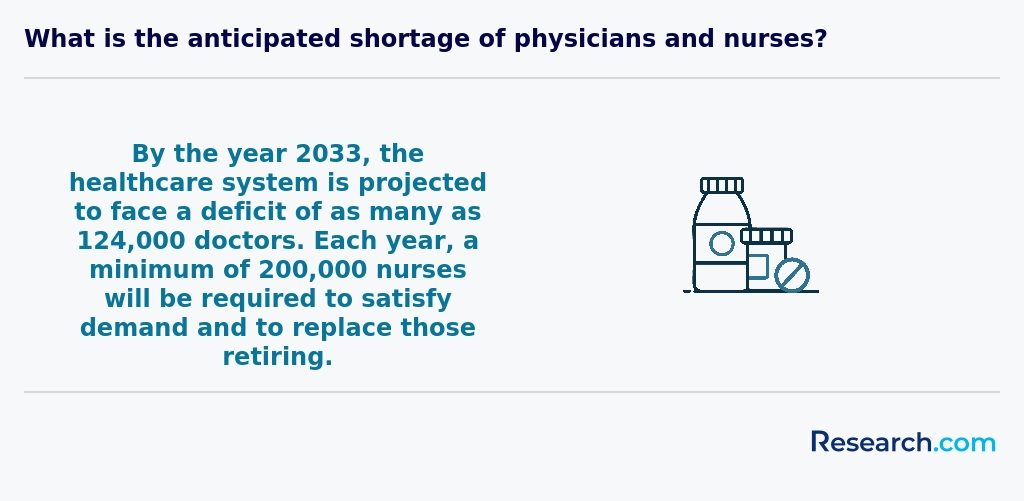
Graduates with an online healthcare degree in Little Rock find plenty of exciting career paths waiting for them. Many alumni from popular local schools step right into roles as Registered Nurses (RNs), a position in high demand around Arkansas, often earning around $68,000 annually. Others dive into healthcare administration, where they get to improve how hospitals and clinics run, making a real difference in patient care. Some grads take on jobs as Health Information Technicians, managing electronic health records-a growing field thanks to the rise of health IT systems.
Medical and Clinical Laboratory Technologists also have great opportunities, performing critical tests that help doctors diagnose and treat patients. There's also a vibrant path for public health professionals who work on community health and disease prevention, especially important in diverse places like Little Rock. If you want to explore cost-effective options to kickstart these careers, check out the Affordable Online Healthcare Degree Programs Ranking in New Mexico for some inspiration and ideas.
What is the job market for online healthcare degree in Little Rock?
The job market for online healthcare degree holders in Little Rock is looking pretty promising right now. Graduates from popular schools like the University of Arkansas for Medical Sciences often share how their degrees open doors to a variety of roles-whether that's health services administration, public health initiatives, or care coordination. Because Little Rock has a vibrant healthcare scene, with major employers like Arkansas Children's Hospital, there's steady demand for skilled professionals.
Those exploring online healthcare jobs Little Rock AR report that salaries can be pretty competitive, often starting between $50,000 and $70,000 annually depending on the role. And since many programs here are accredited by well-known bodies like CAHME or CCNE, employers really value those credentials. Plus, with annual tuition for online degrees often ranging from $10,000 to $20,000, many students from Arkansas benefit from in-state rates and financial aid.
Many students find success through college fast track programs that help them enter the workforce sooner, making the whole journey feel achievable and exciting.
Frequently Asked Questions About healthcare
Students pursuing online healthcare degrees in Little Rock can enhance their learning by engaging with local healthcare networks. Little Rock's proximity to the University of Arkansas for Medical Sciences offers valuable clinical opportunities and internships, crucial for practical experience alongside online coursework. Utilizing virtual simulation tools and participating actively in online discussion forums improves clinical reasoning and peer learning.
Setting a consistent study schedule and seeking academic advising tailored to healthcare fields helps maintain focus and meet accreditation requirements. According to the Arkansas Department of Health, healthcare employment in Little Rock is growing faster than the national average, so networking locally can support career advancement.
The healthcare field is rapidly evolving, creating new opportunities for professionals with online degrees. Emerging niches include telehealth, which has grown significantly due to increased demand for remote care options, especially in Arkansas. According to the Arkansas Department of Health, telehealth usage in Little Rock surged by over 50% between 2020 and 2023.
Another promising area is health informatics, focusing on managing patient data and improving care efficiency through technology. The Bureau of Labor Statistics projects a 15% national growth in health informatics jobs by 2030, reflecting growing industry needs.
Additionally, aging care management is expanding as the elderly population in Arkansas rises. Professionals trained in gerontology and chronic disease management will be increasingly in demand to support this demographic shift.
After earning an online healthcare degree in Little Rock, graduates should focus on gaining relevant experience and certifications to improve job prospects. Local healthcare employers like Arkansas Children's Hospital and Baptist Health often require specific credentials and clinical hours.
Networking through professional associations such as the Arkansas Medical Society can provide valuable connections. Additionally, Little Rock's healthcare sector is growing steadily, with an expected 15% increase in health services jobs by 2030, according to the Arkansas Department of Workforce Services.
Job seekers should also consider specialized training or internships to showcase practical skills in this competitive market.
Employers in Little Rock prioritize a combination of technical and interpersonal skills in healthcare degree graduates. According to the Arkansas Department of Health, strong clinical knowledge and proficiency in electronic health records (EHR) systems are essential for effective patient care. Additionally, communication skills rank highly, as healthcare professionals must collaborate with diverse teams and interact compassionately with patients. Critical thinking and problem-solving abilities are also vital due to the fast-paced nature of healthcare settings. Given the growing use of telemedicine in Arkansas, digital literacy has become increasingly important. Finally, employers value adaptability, reflecting the evolving regulations and technologies in healthcare.
Finding internships in Little Rock relevant to a healthcare degree involves leveraging local hospitals, clinics, and public health organizations. The city is home to major healthcare employers like Arkansas Children's Hospital and the University of Arkansas for Medical Sciences (UAMS), which regularly offer internship opportunities.
Students should check these institutions' career portals and contact their academic advisors for connections. Networking through local chapters of professional organizations, such as the Arkansas Hospital Association, can also be helpful.
According to the Arkansas Department of Health, healthcare is the state's second-largest employment sector, suggesting strong internship availability in medical and administrative roles.
Obtaining an online healthcare degree can significantly enhance career mobility and advancement opportunities in Little Rock. The city's healthcare sector is growing, driven by major employers like the University of Arkansas for Medical Sciences and Baptist Health, which together employ thousands of healthcare professionals.
Online degrees offer flexibility, allowing working adults to gain qualifications without interrupting their careers. This flexibility is particularly valuable in Little Rock, where balancing work and education is key for many professionals.
According to the Arkansas Department of Workforce Services, healthcare occupations in Little Rock are expected to grow about 12% over the next decade, faster than the average for all jobs. With advanced degrees, individuals can qualify for higher-level positions, such as healthcare administration or specialized clinical roles, which generally offer better salaries and benefits.
Additionally, online education often includes updated curricula aligned with current industry standards, helping graduates stay competitive in Little Rock's evolving healthcare market.
Studying for a healthcare degree in Little Rock offers students a strong foundation for interdisciplinary roles by emphasizing collaboration across various medical fields. Local programs commonly integrate courses in healthcare management, public health, and clinical practice, preparing graduates to work alongside professionals like doctors, nurses, and social workers. The University of Arkansas for Medical Sciences, a key institution in Little Rock, supports this approach through partnerships across its colleges, fostering teamwork skills essential in modern healthcare settings.
Furthermore, Arkansas's growing healthcare industry, with a 6.7% employment increase since 2020 per the U.S. Bureau of Labor Statistics, highlights the demand for versatile healthcare professionals. Online degree programs in Little Rock reflect this by including case studies and simulations that develop critical thinking and communication skills across disciplines.
Choosing between a thesis and a non-thesis healthcare degree program in Little Rock requires understanding your career goals and learning preferences. Thesis programs focus on research, ideal for those interested in graduate studies or research roles. They typically involve conducting original research and writing a formal thesis paper.
Non-thesis options emphasize practical skills and coursework, preparing students for immediate employment in healthcare settings. In Little Rock, where healthcare delivery is expanding, non-thesis programs can help meet workforce demands efficiently.
According to the Arkansas Department of Health, healthcare jobs in the region are growing by over 15% through 2030, favoring applied knowledge. Consider if you prefer research or direct practice before choosing.
Students in Little Rock interested in studying healthcare abroad often look for international programs that offer online courses to balance global education with local commitments. While Arkansas itself provides strong healthcare education options, remote learning partnerships with foreign institutions expand access to global healthcare perspectives.
Many U.S. universities collaborate with international universities accredited by their home countries, allowing students to earn recognized degrees online. Students should ensure these programs meet Arkansas licensing requirements if aiming to practice locally. The Arkansas Department of Higher Education provides guidelines about transfer and foreign credentials.
According to the Arkansas Center for Health Improvement, Little Rock's healthcare workforce is growing, making diverse international training valuable. However, licensing and clinical practice components typically require some in-state completion. Research into programs affiliated with organizations like the Commission on Collegiate Nursing Education (CCNE) or the Council on Education for Public Health (CEPH) is advised for recognized qualifications.
Students pursuing online healthcare degrees in Little Rock can benefit from part-time jobs that provide practical experience in medical settings. Positions such as medical receptionist, pharmacy technician, and certified nursing assistant (CNA) are common and growing in demand locally. According to the Arkansas Department of Workforce Services, healthcare support jobs in Little Rock are expected to grow by 15% through 2030, reflecting statewide trends.
Working as a medical receptionist offers exposure to patient interaction and healthcare administration, important for many healthcare fields. Pharmacy technician roles help with medication management and patient communication. CNA jobs provide direct patient care experience, valuable for nursing or allied health students.
These roles often offer flexible hours, making them compatible with part-time studies. Additionally, Little Rock's healthcare sector includes major employers like Arkansas Children's Hospital, which frequently offers part-time opportunities suited for students balancing work and online education.
Online healthcare students in Little Rock benefit from several local networking opportunities despite the virtual nature of their programs. The city hosts professional groups such as the Arkansas Nurses Association and local chapters of the American Public Health Association, which often welcome students to attend meetings and events.
Healthcare is a major sector in Little Rock, with institutions like the University of Arkansas for Medical Sciences (UAMS) serving as hubs for research and professional collaboration. UAMS frequently offers seminars and workshops that online students can access, helping build connections.
Additionally, virtual conferences and career fairs hosted by Arkansas healthcare employers provide another channel for networking. These events can connect students to local hospitals and clinics, which employ nearly 20,000 healthcare workers in the region (U.S. Bureau of Labor Statistics, 2023).
Alumni networks offer significant advantages to online healthcare degree students in Little Rock by providing essential professional connections. These networks help graduates access job opportunities in Arkansas's growing healthcare sector, which employs over 60,000 people statewide, according to the Arkansas Department of Workforce Services. Networking through alumni often leads to mentorship, career advice, and internships that are crucial, especially for online learners who may lack in-person campus experience.
Moreover, active alumni associations frequently organize events and workshops tailored to healthcare trends and local industry demands. This engagement helps students stay updated with healthcare regulations and technologies relevant to providers around Little Rock.
Customizing an online healthcare degree program in Little Rock allows students to align their education with specific career goals. Many institutions offer flexible curricula where you can choose electives related to nursing, healthcare management, or public health. Selecting a focus area helps build expertise tailored to local job demands.
Students can also take advantage of practicum or internship opportunities with healthcare providers in Little Rock, such as Baptist Health or Arkansas Children's Hospital. This hands-on experience is crucial for applying knowledge in real-world settings.
Additionally, online programs often provide options for part-time study or accelerated tracks, enabling you to balance education with work. According to the Arkansas Department of Higher Education, the state expects a 12% growth in healthcare jobs by 2030, especially in specialized nursing and health administration, making focused studies valuable.
Online healthcare students in Little Rock often face challenges balancing coursework with professional and personal responsibilities. Many are working adults, making time management crucial. According to the Arkansas Department of Higher Education, approximately 60% of healthcare students in the state juggle employment alongside studies.
Another issue is access to clinical placements. Little Rock offers healthcare facilities, but competition for local internships can delay hands-on experience essential for licensure. Additionally, students sometimes encounter limited technical support or inconsistent internet access, which can affect participation in live online sessions.
Understanding evolving healthcare regulations and state-specific licensing requirements also requires extra effort for online learners aiming to practice in Arkansas.
With an online healthcare degree, you can pursue a variety of professional certifications that enhance career opportunities in Little Rock and beyond. Popular certifications include Certified Medical Assistant (CMA), Registered Health Information Technician (RHIT), and Certified Professional in Healthcare Quality (CPHQ). These credentials are recognized nationally and often required by employers in Arkansas's growing healthcare sector.
According to the Arkansas Department of Health, the demand for certified healthcare professionals in Little Rock is projected to grow by 15% over the next decade, highlighting the importance of certification. Many online degree programs also prepare students for national licensure exams, such as the National Council Licensure Examination (NCLEX) for nurses, expanding your pathway to professional practice.
To write a winning application for an online healthcare program in Little Rock, start by clearly demonstrating your motivation and career goals related to healthcare. Admissions committees look for applicants who understand the local healthcare landscape, which in Little Rock includes growing demand for health services as reported by the Arkansas Department of Health.
Highlight your academic background and any relevant work or volunteer experience, especially if it involves healthcare settings or community involvement in Arkansas. Strong letters of recommendation from professionals familiar with your commitment can make a significant difference.
Craft a concise personal statement focused on how the degree will help you contribute to improving healthcare in Little Rock, mentioning specific challenges or opportunities like addressing healthcare access disparities in the area documented by regional health studies.
The global perspective on healthcare careers emphasizes the growing demand for skilled professionals due to aging populations and expanding healthcare needs. In the United States, including Little Rock, healthcare jobs are projected to grow 13% from 2021 to 2031, faster than the average for all occupations, according to the U.S. Bureau of Labor Statistics.
Globally, healthcare systems face challenges like pandemics and chronic diseases, which require well-trained workers with diverse skills. Online healthcare degrees offer flexible education options for students in Little Rock, helping meet this demand locally and internationally.
Moreover, healthcare graduates from U.S.-based programs often gain recognition worldwide, enhancing career mobility.
Gaining practical experience while studying online healthcare degrees in Little Rock is essential for career readiness. Many programs partner with local healthcare facilities, such as UAMS Medical Center, allowing students to complete clinical hours nearby. These hands-on opportunities help apply theoretical knowledge and meet certification requirements.
Students should explore internships or externships offered by hospitals, clinics, and public health organizations in Little Rock. According to the Arkansas Department of Health, the city's healthcare sector employs over 40,000 professionals, providing a diverse range of practical settings.
Additionally, online degrees frequently incorporate virtual simulations, enhancing clinical skills through technology.
Choosing the right concentration within an online healthcare degree program in Little Rock involves assessing local healthcare needs and job prospects. Arkansas's healthcare sector is growing, especially in nursing, health administration, and public health roles, according to the Arkansas Department of Workforce Services. Prospective students should consider concentrations aligned with these opportunities to enhance employability after graduation.
Evaluate your personal interests and strengths, such as patient care or healthcare management, to find a concentration that fits your career goals. Accreditation and faculty expertise are also critical factors when selecting a program.
Local hospitals and clinics in Little Rock, including the University of Arkansas for Medical Sciences, offer training collaborations that can provide practical experience tailored to certain concentrations.
Related Healthcare Rankings for Nearby Cities
- 2027 Best Online Healthcare Degree Programs Ranking in Memphis, TN
- 2027 Best Online Healthcare Degree Programs Ranking in Fayetteville, AR
- 2027 Best Online Bachelor's in Healthcare Degree Programs Ranking in Springfield, MO
- 2027 Best Online Healthcare Degree Programs Ranking in Pittsburg, KS
- 2027 Best Online Healthcare Degree Programs Ranking in Tulsa, OK
- 2027 Best Online Healthcare Degree Programs Ranking in Commerce, TX
- 2027 Best Online Bachelor's in Healthcare Degree Programs Ranking in Tyler, TX
- 2027 Best Online Healthcare Degree Programs Ranking in Murray, KY
- 2027 Best Online Healthcare Degree Programs Ranking in Carbondale, IL
- 2027 Best Online Bachelor's in Healthcare Degree Programs Ranking in Columbia, MO
Top Trending Healthcare Rankings
See What Experts Have To Say About Studying Healthcare
Read our interview with Healthcare experts

References
- Different Careers in the Medical & Healthcare Industry https://www.onlinedegree.com/career/medical-healthcare/
- Online Healthcare Degree Programs | ABHES Accredited https://www.ultimatemedical.edu/campuses/online/
- Highest-Paying Healthcare Degrees Online https://www.edumed.org/articles/highest-paying-healthcare-degrees/
- Arkansas College Of Health Careers https://achc.us/
- The Little Rock Healthcare Job Market: What's Hiring and Why ... https://littlerockmedicaltraining.com/healthcare-jobs-little-rock-arkansas/
- Online Healthcare Degrees https://teach.com/online-ed/healthcare-degrees/
- Baptist Health College Little Rock https://www.bhclr.edu/
- What is the Salary Level That Corresponds With Each ... https://www.healthcare-management-degree.net/faq/what-is-the-salary-level-that-corresponds-with-each-educational-level-of-healthcare-management/
- Online Learning Across the University of Arkansas System https://uasys.edu/online/
- Online Health Information Management Bachelor Degree https://www.uagrantham.edu/online-degrees/health-information-management-bachelor-science/


