
2027 Best Online Bachelor's in Healthcare Degree Programs Ranking in North Dakota

Co-Founder and Chief Data Scientist
For students in North Dakota aiming to advance their careers in healthcare, choosing the right online bachelor's degree program is a big step. This article introduces the 2027 Best Online Bachelor's in Healthcare Degree Programs Ranking in North Dakota, crafted by the Research.com team of data scientists. It offers a clear, data-driven guide to the top healthcare programs available online.
By exploring this ranking, you'll gain valuable insights to help you find programs that fit your goals and lifestyle. Pursuing a healthcare degree can open doors to fulfilling opportunities and lasting impact, making your educational journey rewarding and worthwhile.
Key benefits of getting online healthcare degree in North Dakota
- Healthcare degree graduates in North Dakota can earn competitive salaries, such as Medical Assistants with a mean annual wage of $43,350 and Patient Care Technicians earning around $60,790 on average.
- Graduates from popular North Dakota programs often find careers in roles like Clinical Research Coordinator or Health Information Technician, offering diverse opportunities in medical support and administration.
- Online healthcare degrees from North Dakota universities provide flexibility, allowing students to balance work and studies while gaining the same valuable skills as traditional programs, making career advancement more accessible and convenient.
- Key benefits of getting online healthcare degree in North Dakota
- What can I expect from online healthcare degree in North Dakota?
- Where can I work with online healthcare degree in North Dakota?
- How much can I make with online healthcare degree in North Dakota?
- 2027 Best Online Bachelor's in Healthcare Degree Programs Ranking in North Dakota
- Key Findings
- How long does it take to complete online healthcare degree in North Dakota?
- Accreditation and Licensure
- What's the difference between online and on-campus healthcare degree?
- Licensure and Certification Outcomes
- What is the average cost of online healthcare degree in North Dakota?
- Accreditation and Licensure Preparation
- What financial aid is available to online healthcare degree students in North Dakota?
- Maximizing Your Online Learning Experience
- What are the prerequisites for enrolling in online healthcare degree program in North Dakota?
- Expert Advice and Emerging Trends in Online Healthcare Education
- What courses are typically in online healthcare degree programs in North Dakota?
- What types of specializations are available in online healthcare degree programs in North Dakota?
- How do you choose the best online healthcare degree in North Dakota?
- What career paths are available for online healthcare degree students in North Dakota?
- What is the job market for online healthcare degree in North Dakota?
- Related Healthcare Rankings for Nearby States
- Top Trending Healthcare Rankings
- See What Experts Have To Say About Studying Healthcare
What can I expect from online healthcare degree in North Dakota?
The average cost of an online healthcare degree in North Dakota typically remains competitive, often aligning with or slightly below national averages. Graduates from universities like the University of North Dakota and Dakota State University describe the affordability as a major relief, allowing them to focus on their studies without overwhelming debt. Many find that tuition rates, combined with state-based financial aid and scholarships, help keep expenses manageable.
Students pursuing degrees such as Nursing (BSN) or Healthcare Administration appreciate the flexible payment plans offered by their schools, which accommodate working adults balancing jobs and family. One graduate shared how mixing online coursework with local clinical placements minimized extra costs like commuting or relocation.
With healthcare fields evolving rapidly, the investment often feels worthwhile as programs emphasize real-world skills and certification prep, ensuring graduates are ready for North Dakota's growing healthcare job market. As virtual learning tools improve, future cohorts may benefit from even more cost-effective, engaging, and customizable education experiences.
Where can I work with online healthcare degree in North Dakota?
Graduates with online healthcare degrees from institutions like the University of North Dakota often find themselves stepping into vital roles within the state's diverse healthcare landscape. Hospitals such as Sanford Health and Essentia Health eagerly welcome these graduates into careers in healthcare administration, clinical support, or health information management. Many graduates describe a sense of fulfillment working in these dynamic environments, where their skills directly impact patient care and operational efficiency.
In rural communities around Minot or Dickinson, healthcare degree holders frequently become healthcare coordinators or case managers at local clinics and outpatient centers, bridging gaps in care for underserved populations. This hands-on work is often rewarding, as graduates witness firsthand the positive difference they make in patient lives.
Long-term care facilities are also expanding, driven by North Dakota's aging population. Graduates find opportunities managing care plans or supporting elderly patients, roles that combine compassion with expertise. Emerging fields like health informatics and telehealth attract those interested in technology-driven healthcare, creating avenues for innovation and career growth.
Many online healthcare graduates report excitement about contributing to public health initiatives through positions at organizations such as the North Dakota Department of Health, emphasizing preventative care and community wellness efforts.
How much can I make with online healthcare degree in North Dakota?
Graduates from online healthcare programs in North Dakota often find promising salary opportunities starting as medical assistants, where the mean annual wage is around $43,350. Many who began their careers at well-regarded institutions like the University of North Dakota have reported satisfaction with entry-level pay combined with hands-on experience, helping them quickly advance.
Health information technicians are another in-demand role, earning an average of $43,380 annually. These professionals contribute to managing growing digital health records, a field expanding rapidly in North Dakota's healthcare sector. Graduates often feel motivated by how their work supports patient care behind the scenes, which adds meaning to their daily tasks.
Positions such as patient care technicians offer higher wages near $60,790 per year, giving graduates from colleges like North Dakota State University confidence in their earning potential. Some alumni describe a rewarding sense of impact as they assist patients directly in clinics and hospitals.
At the upper salary range, quality improvement coordinators command approximately $103,150 annually, reflecting the increasing need for strategic healthcare leaders skilled in enhancing facility performance. This emerging trend excites many online students aiming for roles beyond direct patient care, showing a vibrant future for healthcare professionals in North Dakota.
2027 Best Online Bachelor's in Healthcare Degree Programs Ranking in North Dakota
How do we rank schools?
Investing in your education is a significant decision that can shape your future, and the Research.com team understands the importance of making informed choices. To assist prospective students in North Dakota, we have meticulously crafted the "2027 Best Online Bachelor's in Healthcare Degree Programs Ranking in North Dakota." Our commitment to quality, credibility, and accuracy is reflected in the extensive research and analysis conducted to compile this ranking.
We utilized the following reputable data sources to ensure a comprehensive evaluation of healthcare programs:
By exploring this ranking, readers will gain valuable insights into the best online bachelor's healthcare degree programs available in North Dakota, helping them make well-informed decisions about their educational paths. For more details on our methodology, please visit our Research.com methodology page.


Key Findings
- Tuition and fees for undergraduate healthcare programs in North Dakota range from $6,000 to $10,000 per year for in-state students.
- Healthcare jobs in North Dakota are expected to grow by about 10% from 2020 to 2030, which is faster than the national average.
- Entry-level healthcare positions have average starting salaries around $55,000 per year, with experienced professionals earning between $75,000 and $85,000 annually.
- Most online healthcare programs in the state are regionally accredited and some have additional healthcare-specific accreditation needed for licensure.
- Many programs offer a hybrid model with online coursework combined with local clinical experiences for hands-on training.
How long does it take to complete online healthcare degree in North Dakota?
Completing an online healthcare degree in North Dakota typically takes about four years for a bachelor's program when studying full-time, mirroring the experiences of many graduates from institutions like the University of North Dakota and North Dakota State University. These students often share how the flexibility of accelerated 7- to 8-week terms helped them juggle work and family while steadily advancing through their coursework.
Associate degrees tend to wrap up in roughly two years, offering a quicker route that still opens doors in the healthcare field. Graduates from online programs appreciate how prior credits and part-time options tailored to their schedules made this possible without feeling rushed or overwhelmed.
Some students who balance jobs and education resonate with taking five to six years to complete their bachelor's, embracing the extended timeline as a positive way to deeply absorb knowledge while maintaining life's demands.
With North Dakota's largely rural population, the growing availability of online courses at local colleges is transforming how healthcare education fits into diverse lifestyles, making timely degree completion increasingly attainable and rewarding.
Accreditation and Licensure
Ensuring your online healthcare degree meets accreditation standards and state licensing requirements is critical for practice and certification eligibility.
- Regional accreditation by the Higher Learning Commission (HLC) confirms institutional quality
- Programmatic accreditation (e.g., CCNE for nursing, ACEND for nutrition) validates specialized curriculum
- Approval from the North Dakota Board of Nursing or relevant state boards ensures graduates can pursue licensure
- Graduates become eligible to sit for licensure exams such as NCLEX (nursing) or RMA (medical assisting)
For advanced practice roles, explore cheap online fnp programs to find accredited, affordable FNP tracks.
What's the difference between online and on-campus healthcare degree?
Graduates from healthcare programs at institutions like the University of North Dakota often recall the tangible benefits of on-campus learning, such as immediate access to simulation labs and face-to-face mentorship. This immersive environment fosters confidence and hands-on skills essential for early career success. Meanwhile, those completing online healthcare degrees appreciate the flexibility to study asynchronously, balancing family or work commitments without relocating to cities like Grand Forks or Fargo.
In North Dakota, online students frequently share how clinical placements arranged locally bring real-world experience without disrupting their daily lives. This hybrid approach bridges the gap between virtual coursework and practical training, empowering students to apply knowledge directly in nearby healthcare settings. However, some online learners express a desire for deeper peer connection, envisioning future platforms that might replicate campus camaraderie digitally.
The evolving landscape suggests greater integration of virtual reality and telehealth simulations could soon enhance both online and on-campus experiences across programs offered by colleges such as Minot State University, making healthcare education increasingly accessible and engaging statewide.
Licensure and Certification Outcomes
Graduates of online healthcare degree programs in North Dakota benefit from robust licensure and certification preparation designed to meet state requirements and national standards. For Registered Nurses, curricula typically include comprehensive NCLEX-RN review courses, virtual simulation labs, and timed practice exams, contributing to pass rates that often exceed 90% within six months of graduation. Health Information Management students receive targeted instruction for the RHIT exam, with modules covering coding guidelines, privacy regulations, and mock testing environments to ensure readiness. Similarly, aspiring public health practitioners can pursue CPH (Certified in Public Health) prep courses integrated into their coursework, bolstering confidence and competence on examination day. Many programs track and publish their exam pass rates, allowing prospective students to compare outcomes and make informed decisions. Faculty-led webinars and one-on-one tutoring sessions further enhance success rates by addressing individual learning gaps. Clinical partnerships with state hospitals and clinics offer hands-on experience under licensed mentors, reinforcing theoretical knowledge with real-world practice. For those interested in exploring cost-effective pathways, consider reviewing the Most Affordable Online Healthcare Degree Programs Ranking in Little Rock, AR to compare how different institutions support licensure success. Continuous support through alumni networks and certification refresher workshops ensures that graduates maintain their credentials and advance in their careers.
What is the average cost of online healthcare degree in North Dakota?
The average cost of an online healthcare degree in North Dakota typically centers around a median total of $38,726, which many students find manageable compared to national averages. Graduates from well-known public universities in the state often share that this investment feels well-aligned with their career aspirations, especially given the affordable tuition rates for in-state residents. These costs usually cover approximately four years of study, including tuition, fees, and basic educational materials, making it easier for students balancing work and family commitments to plan ahead. When thinking about online bachelor's healthcare degree expenses North Dakota offers, personal experiences highlight the value of cost predictability combined with strong program quality.
Many students pursuing healthcare degrees online at institutions like the University of North Dakota or North Dakota State University benefit from pricing that mirrors on-campus rates-a significant advantage that encourages local residents to pursue healthcare careers without relocating. One graduate mentioned how financial aid and scholarships helped ease their budget concerns, making the overall cost feel more accessible. For those interested in exploring options, prospects often review lists of the cheapest healthcare programs in north dakota to find the best fit for their budget and goals.
Looking ahead, rising demand for healthcare professionals in North Dakota suggests these programs will continue evolving, possibly incorporating more digital resources that could lower indirect costs such as textbooks and commuting. Prospective students will likely find that combining in-state tuition advantage with new technology-enhanced learning models keeps the average cost of an online healthcare degree in North Dakota relatively competitive, ensuring a rewarding path to entering the healthcare field.
Accreditation and Licensure Preparation
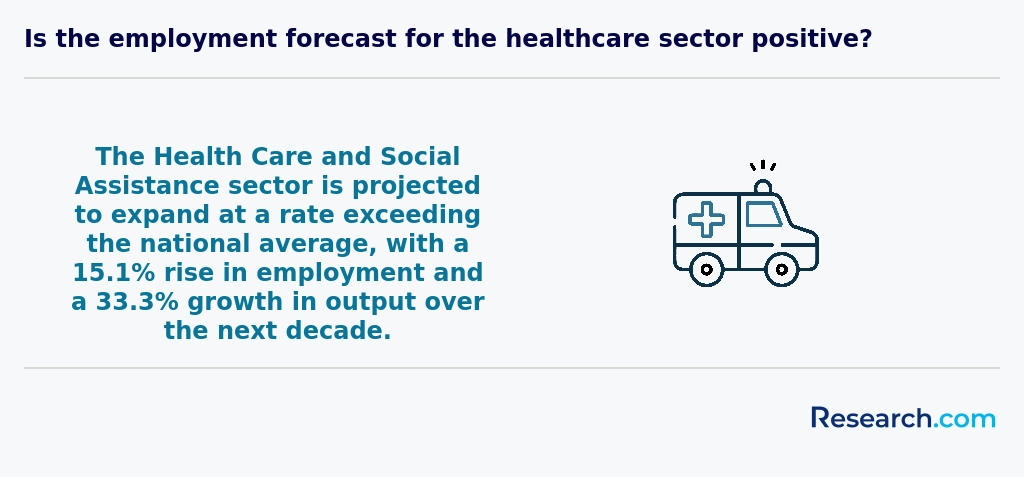
Ensuring your online healthcare degree in North Dakota holds the proper accreditation and prepares you for state licensure is critical to your career success. All programs featured in our ranking are regionally accredited by the Higher Learning Commission (HLC) and, where applicable, carry programmatic accreditation from bodies such as the Commission on Accreditation for Health Informatics and Information Management Education (CAHIIM) or the Accreditation Commission for Education in Nursing (ACEN). This dual-layer accreditation guarantees that your coursework meets rigorous academic and professional standards, allowing seamless credit transfers and nationwide recognition of your credential. To obtain licensure in North Dakota, graduates must meet the state Board of Nursing or applicable licensing board requirements, which typically include:
- Completion of an accredited program with a minimum number of clinical practicum hours,
- Successful passage of the national licensure exam (e.g., NCLEX-RN for nurses, RHIA for health information professionals),
- Submission of official transcripts and background check clearance. Many online programs integrate dedicated licensure prep modules-practice exams, live webinars, and one-on-one coaching-to boost your pass rate on the first attempt. Career services also coordinate mock interviews and resume workshops tailored to healthcare settings, ensuring you transition smoothly from student to licensed professional. For students aiming to advance into pharmacy practice after earning a bachelor’s degree, it’s wise to explore doctoral pathways. Compare our most affordable pharmd programs to find cost-effective options that build on your foundational healthcare education and meet Accreditation Council for Pharmacy Education (ACPE) standards. By choosing an accredited program with robust licensure support, you safeguard your investment and position yourself for long-term success in North Dakota’s dynamic healthcare landscape.
What financial aid is available to online healthcare degree students in North Dakota?
Students enrolled in online healthcare programs at institutions like the University of North Dakota and North Dakota State University often find federal financial aid pivotal in managing tuition costs. Many graduates recall how completing the FAFSA unlocked Pell Grants and Federal Direct Loans with manageable repayment terms, easing financial stress while focusing on studies.
Looking ahead, these federal programs could expand, integrating more personalized aid based on real-time data to better match students' needs. At the state level, the North Dakota University System's grants and scholarships remain a cornerstone for residents, supporting those committed to healthcare fields through affordable options. Graduates frequently share how these awards helped maintain focus without the distraction of high debt.
Emerging trends hint at growing employer partnerships offering tuition reimbursement, especially for current healthcare workers upgrading their skills online. This evolving landscape suggests future students may experience even more seamless financial support, blending federal, state, and professional resources tailored to North Dakota's healthcare education environment.
Maximizing Your Online Learning Experience
In today’s digital era, online healthcare programs are evolving well beyond traditional coursework by integrating advanced learning tools and support systems designed to enhance student success. Prospective students can benefit from interactive virtual labs, discussion forums, and tailored academic advising that work together to create a robust online learning environment. Utilizing these resources not only improves comprehension of complex healthcare topics but also fosters a strong sense of community among peers and instructors. As you research different programs, it’s worthwhile to compare how each institution leverages technology to deliver high-quality education; for instance, many schools now offer comprehensive online orientations and virtual mentorship programs that guide you throughout your academic journey. Additionally, if you are interested in exploring further education and expanding your expertise, you might wonder what is the top online doctorate in pharmacy program. With these insights, students are better equipped to navigate their online education path, ensuring that they not only achieve academic excellence but also build the critical skills needed for a successful career in healthcare.
What are the prerequisites for enrolling in online healthcare degree program in North Dakota?
To enroll in an online healthcare degree in North Dakota, students typically need a high school diploma or GED, often paired with a minimum GPA around 2.5 to 3.0. For example, graduates from well-known institutions like the University of North Dakota reveal that meeting these basics early on helped them build confidence as they transitioned to more challenging healthcare courses. Prerequisite science classes, including biology, chemistry, and sometimes anatomy, are commonly required. Many students share how completing these foundational courses beforehand made their experience smoother when tackling advanced material.
Standardized test scores, while less emphasized nationwide, remain relevant in competitive North Dakota programs, especially at colleges with limited spots. Beyond academics, practical experience in healthcare-via volunteering or prior certificates-can significantly enhance an applicant's profile. Graduates often express pride in having hands-on experience that deepened their understanding before starting online classes.
Online healthcare learners in North Dakota also prepare for additional requirements like letters of recommendation and compliance with clinical placement standards, including background checks. These steps ensure readiness for real-world settings and are embraced by students eager to dive into patient care environments confidently.
Expert Advice and Emerging Trends in Online Healthcare Education
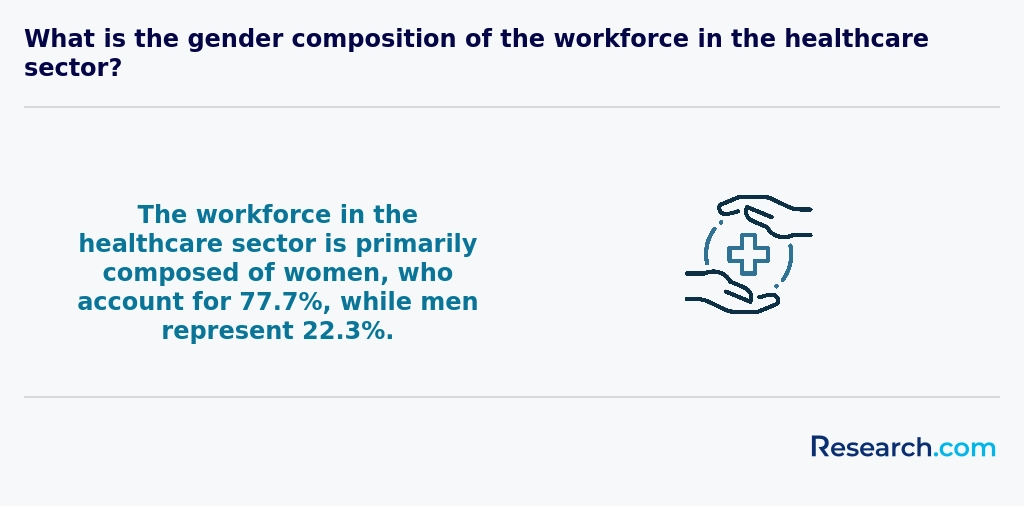
In today's rapidly evolving healthcare landscape, online programs are not only adapting to new technological advancements but are also reshaping how students acquire vital skills. Aspiring healthcare professionals can benefit from expert advice that balances academic rigor with practical application. This section highlights emerging trends, such as the increased use of virtual labs, telehealth practicum, and interactive learning modules designed to simulate real-world clinical environments. Experts recommend setting clear study goals, engaging with peers in online discussion forums, and leveraging career services early on to maximize post-graduation opportunities. For students prioritizing affordability while still obtaining a quality education, check out the cheapest healthcare programs in north dakota for additional cost-effective options. Finally, staying informed on industry trends-such as advances in digital healthcare, evolving accreditation standards, and innovative educational technologies-can empower students to make well-rounded, future-proof decisions in their educational journey.
What courses are typically in online healthcare degree programs in North Dakota?
Typical courses in an online healthcare degree in North Dakota blend foundational knowledge with forward-looking skills tailored to the region's needs. Graduates from well-known institutions like the University of North Dakota often share how classes in Medical Terminology and Healthcare Ethics and Law laid a solid groundwork, making complex healthcare systems easier to navigate. Students find the focus on Health Information Technology particularly empowering as it directly connects to North Dakota's growing adoption of electronic health records, preparing them for the future of digital healthcare management.
Courses in Healthcare Administration and Management teach practical leadership and budgeting skills that graduates rely on when stepping into roles within local hospitals or rural clinics. Public Health and Epidemiology classes resonate deeply, especially considering the rural health disparities facing many communities, offering a real chance to make meaningful impact. Many students describe hands-on projects simulating real-world challenges as especially rewarding, fueling their confidence to lead change in North Dakota's evolving healthcare landscape.
What types of specializations are available in online healthcare degree programs in North Dakota?
Online healthcare degree specializations North Dakota students choose often align with the state's unique healthcare demands, blending traditional paths like Health Administration with emerging fields such as Health Informatics. Graduates from popular institutions appreciate how these focuses prepare them for real challenges in local hospitals and clinics. For instance, those specializing in Nursing, especially through RN-to-BSN programs, share how remote coursework paired with in-person clinical experiences fosters both flexibility and confidence in their skills.
Others pursuing Public Health highlight the satisfaction in contributing to rural health initiatives-an area North Dakota emphasizes heavily. Health Science specializations give students a strong, versatile base enabling them to adapt as healthcare evolves, while Health Informatics learners marvel at applying tech advancements within state health systems. Many believe these specializations not only meet current needs but anticipate future trends in care.
Students are also exploring options beyond traditional healthcare degrees; for example, some curious about pharmacy turn to resources like the what is the top online doctorate in pharmacy program to guide their path forward.
Healthcare bachelor's degree focus areas North Dakota offers ensure that students feel prepared and optimistic about making meaningful impacts across diverse healthcare settings.
How do you choose the best online healthcare degree in North Dakota?
When choosing the best online healthcare degree in North Dakota, accreditation is a must-have to ensure your education holds value across the country. Graduates from universities like North Dakota State University often share how accreditation by bodies like CCNE opened doors to licensure and fulfilling careers. Additionally, considering the program's focus helps tailor your studies to evolving job markets-nursing and healthcare administration remain strong fields here, with clear demand growth through 2030.
Cost also shapes decisions; many students applaud the affordability of local options compared to national averages, and opportunities for scholarships ease financial strain. Flexibility is vital, too, especially for those balancing work or family. Online courses with asynchronous schedules and clinical placements close to home add confidence in completing degrees successfully.
Exploring outcome data from popular programs in North Dakota reveals hopeful stories of graduates securing jobs with competitive salaries. For those interested in specialized fields, it's helpful to examine programs like the most affordable pharmd programs that align closely with future healthcare trends. This strategy helps students find affordable online healthcare degrees in North Dakota that truly fit their goals.

What career paths are available for online healthcare degree students in North Dakota?
Graduates holding an online healthcare degree in North Dakota find themselves on the cusp of diverse and expanding career paths tailored to the state's unique needs. Nurses trained via programs at top institutions like the University of North Dakota are thriving in hospitals and rural clinics, their skills vital as the demand grows. Many express pride in passing the NCLEX-RN licensure and stepping into roles that significantly uplift community health, particularly in underserved rural areas.
Healthcare degree job opportunities North Dakota offers extend beyond nursing. Graduates pursuing healthcare administration often manage operations at facilities like Sanford Health, contributing to improved health access in remote regions. Public health roles are increasingly prominent too, with specialists addressing challenges such as opioid abuse and diabetes, which graduates find deeply fulfilling.
Students balancing work and study appreciate the flexibility of online education at institutions like North Dakota State University, where they prepare for roles as medical managers or health information specialists. For a closer look at cost-effective options, see the Most Affordable Online Healthcare Degree Programs Ranking in Little Rock, AR.
What is the job market for online healthcare degree in North Dakota?
The job market for online healthcare degree graduates in North Dakota is promising and evolving rapidly. With many graduates from respected institutions like the University of North Dakota and North Dakota State University sharing success stories, the demand for skilled professionals is clear. These graduates often find rewarding roles as Registered Nurses or Medical and Health Services Managers, benefiting from salaries around $67,000 to $98,000. The state's expanding elderly population and healthcare needs drive this growth, creating ample opportunities especially in rural areas.
Healthcare degree employment North Dakota continues to grow thanks to the state's recognition of accredited online programs. Graduates appreciate how flexible online learning fits around their lives while preparing them for careers in both urban centers and smaller communities. The blend of practical training and innovative coursework equips students to meet future challenges confidently.
For those balancing work and study, many turn to accelerated online undergraduate degrees for working adults, which provide an efficient path into the workforce. This rising trend promises to further enhance North Dakota's healthcare workforce, making online healthcare jobs in North Dakota an encouraging pursuit for aspiring professionals.
Frequently Asked Questions About healthcare
Online healthcare degree students in North Dakota can maximize their learning by actively participating in virtual discussions and utilizing available campus resources. Many universities offer digital libraries and tutoring services that support academic success. Setting a consistent study schedule helps manage coursework and deadlines effectively.
Engaging in clinical practicums or internships within the state is crucial, as North Dakota's healthcare system emphasizes hands-on experience. According to the North Dakota Department of Health, the state had over 8,000 healthcare practitioners in 2023, highlighting the growing demand for skilled professionals.
Students should also explore state-specific healthcare regulations and policies to better understand their future work environment. Joining local professional organizations can provide networking opportunities and updates on industry trends relevant to North Dakota.
The healthcare industry in North Dakota is evolving rapidly, with several emerging niches gaining attention in online degree programs. One growing area is telehealth, driven by the state's rural population and efforts to expand remote access to medical services. According to the North Dakota Department of Health, telehealth usage increased by over 50% from 2020 to 2023. Another rising field is health informatics, where professionals manage healthcare data, an essential skill due to the expanding use of electronic health records.
Additionally, gerontology is becoming crucial as North Dakota's older adult population grows, creating demand for experts in elder care management. Behavioral health specialties are also expanding, reflecting a national focus on mental health services. These niches provide promising pathways for students pursuing online healthcare degrees, aligning education with local workforce needs and national trends.
After completing an online healthcare degree in North Dakota, students should focus on gaining practical experience and professional certifications to improve job prospects. Healthcare employers in North Dakota often prefer candidates with relevant internships or clinical experiences, which may be arranged during or after the degree program.
Networking is important; joining state healthcare associations like the North Dakota Healthcare Association can connect graduates to local job opportunities. According to the U.S. Bureau of Labor Statistics, healthcare employment in North Dakota is growing by 12% through 2031, highlighting increasing demand for qualified professionals.
Certifications such as Certified Medical Assistant (CMA) or Registered Health Information Technician (RHIT) add value. Tailoring resumes to highlight both education and hands-on skills will enhance competitiveness in the evolving job market.
Employers in North Dakota highly value healthcare graduates who demonstrate strong communication skills. Clear and compassionate interaction with patients and team members is essential in clinical settings. According to the North Dakota Center for Nursing, teamwork and collaboration rank among the top competencies sought by employers statewide.
Additionally, critical thinking and problem-solving abilities are crucial because healthcare professionals must make quick, informed decisions. Technical proficiency with healthcare technology is also increasingly important, given North Dakota's investments in telehealth services.
Finally, adaptability and a commitment to lifelong learning help graduates succeed as healthcare practices evolve rapidly. These skills enhance both patient care quality and organizational efficiency in North Dakota's healthcare industry.
Finding internships relevant to healthcare degrees in North Dakota requires strategic research and networking. Start by exploring partnerships that online programs have with local medical centers, clinics, and public health organizations. The North Dakota Department of Health offers resources and may list internship opportunities in hospitals and community health settings.
Additionally, connecting with healthcare employers such as Sanford Health and CHI St. Alexius Health-two of the state's largest healthcare providers-can lead to valuable internships. According to the North Dakota Center for Nursing, clinical experience is crucial due to the state's growing healthcare workforce needs.
Utilize college career services and regional job boards like ND Job Service to find openings. Early outreach and professional communication increase chances of securing positions suitable for healthcare students.
An online healthcare degree can significantly enhance career mobility and advancement in North Dakota's growing healthcare sector. According to the North Dakota Department of Commerce, healthcare jobs are expected to grow by nearly 18% between 2020 and 2030, faster than the national average. Completing an accredited online degree provides flexible access to crucial skills and credentials, enabling professionals to transition into higher-paying roles such as healthcare administration, health informatics, or nursing leadership.
Employers in the state increasingly value candidates with recognized degrees, often linked to improved patient outcomes and operational efficiency. The ability to study online also helps working adults maintain employment while advancing their education, a key factor given rural workforce challenges in North Dakota's healthcare industry.
Studying for a healthcare degree in North Dakota offers strong preparation for interdisciplinary roles through programs that emphasize collaboration across various health fields. North Dakota's online healthcare degrees often include coursework in healthcare management, ethics, and communication skills, fostering teamwork between nurses, therapists, and physicians.
According to the North Dakota Department of Health, integrated care is critical in rural areas, where professionals frequently handle multiple roles. This environment encourages students to learn adaptable skills that bridge gaps between specialties.
Universities in North Dakota align their curricula with national standards, such as those from the Commission on Accreditation of Allied Health Education Programs (CAAHEP), ensuring graduates are ready for dynamic, team-based healthcare settings.
Choosing between a thesis and a non-thesis healthcare degree program in North Dakota depends on your career goals and learning preferences. Thesis programs emphasize research and require students to complete an original project, which is ideal for those considering advanced study or roles in healthcare research or policy. Non-thesis options focus more on practical skills, with coursework and internships geared toward immediate employment in healthcare settings.
North Dakota's healthcare sector is growing, with the Department of Commerce noting a 15% increase in healthcare jobs by 2030. This trend supports both research-driven and practice-oriented education. Consider whether you prefer a deeper academic approach or practical experience when deciding your program path.
Institutions like the University of North Dakota offer both options online, allowing flexibility for working professionals in the state.
Students based in North Dakota seeking to study healthcare abroad have several pathways, primarily through dual-enrollment or exchange programs offered by US institutions partnering with foreign universities. Many American online healthcare degree programs incorporate international clinical internships or research collaborations, allowing students remote access to global healthcare perspectives without needing full relocation.
Since North Dakota ranks among states with growing healthcare demand, particularly in rural areas-according to the North Dakota Department of Health-online degrees blending domestic coursework with international exposure can sharpen a student's competitive edge. However, students must ensure credits earned abroad transfer seamlessly to their North Dakota-accredited programs.
Options remain limited compared to on-campus study abroad but are expanding as schools adapt online models post-pandemic. Resources like the University of North Dakota's Global Engagement Office provide guidance on recognized partnerships and compliance with US educational standards for healthcare degrees.
Part-time job opportunities in North Dakota that complement healthcare degree education are varied and practical for students. Many students find work as certified nursing assistants (CNAs) or medical assistants, roles that provide hands-on patient care experience. According to the U.S. Bureau of Labor Statistics, healthcare support occupations in North Dakota are expected to grow by 14% from 2022 to 2032, faster than average job growth.
Other common roles include pharmacy technician positions and health information technician jobs, which enhance knowledge in medication management and medical records. Local clinics and hospitals in cities like Fargo and Bismarck often seek part-time employees who can balance work and studies effectively.
These jobs offer flexibility and valuable insights into healthcare workflows, benefiting online degree students preparing for full-time careers.
Online healthcare students in North Dakota have several networking opportunities despite the virtual format. Many universities offering healthcare degrees provide access to local professional organizations, such as the North Dakota Nurses Association and the North Dakota Public Health Association. These organizations host regular events, workshops, and conferences that help students connect with practicing professionals and potential employers.
Students can also participate in virtual career fairs and webinars organized by North Dakota colleges, which often feature local healthcare providers and institutions. Additionally, clinical placements required for healthcare degrees enable in-person networking with healthcare professionals in North Dakota's hospitals and clinics.
According to the North Dakota Department of Health, healthcare remains one of the state's fastest-growing employment sectors, increasing the value of these networking connections for online students pursuing local job opportunities.
Alumni networks play a crucial role for online healthcare degree students in North Dakota by providing ongoing professional support and connections. These networks facilitate mentorship opportunities, helping students navigate the unique challenges of healthcare careers in the state.
North Dakota's healthcare sector employs over 43,000 people, with steady growth expected, according to the Bureau of Labor Statistics. Alumni connections can offer insight into local job markets, increasing graduates' chances of employment.
Additionally, alumni networks often share continuing education resources and job leads tailored to the healthcare landscape in North Dakota, enhancing career advancement and community involvement.
Customizing an online healthcare degree program in North Dakota allows you to align your education with specific career goals. Many accredited North Dakota universities offer flexible online courses and elective options, enabling students to specialize in areas such as healthcare administration, public health, or health informatics. This flexibility helps meet the state's growing demand for healthcare professionals; the North Dakota Department of Health projects a 15% increase in related job openings by 2030.
Additionally, students can often tailor clinical practicum or capstone projects to focus on local healthcare challenges, offering practical experience relevant to North Dakota's rural and urban populations. Consulting academic advisors about course choices and internship opportunities ensures the degree supports your intended career path effectively.
Online healthcare students in North Dakota face several common challenges. One key issue is limited access to high-speed internet in rural areas, impacting nearly 34% of the state's population, according to the Federal Communications Commission. This affects students' ability to participate in live lectures and access large files smoothly.
Another hurdle is balancing clinical requirements with online coursework. Healthcare programs often require in-person practical training, which can be difficult to schedule due to limited local placements. The North Dakota Department of Health highlights shortages in clinical sites as a persistent challenge.
Finally, students may encounter fewer peer interaction opportunities, which are vital for professional development in healthcare fields.
With an online healthcare degree, students in North Dakota can pursue several professional certifications that enhance their career prospects. Common certifications include Certified Nursing Assistant (CNA), Registered Health Information Technician (RHIT), and Medical Coding Specialist. These credentials are crucial for roles in hospitals, clinics, and long-term care facilities across the state.
The North Dakota Department of Health emphasizes the demand for qualified healthcare professionals, noting a projected 15% growth in healthcare employment by 2030. Certifications like the Certified Professional in Healthcare Quality (CPHQ) are also valued for those aiming at management positions.
Many programs prepare students to meet national certification exams, ensuring graduates can contribute effectively to the state's evolving healthcare system.
When applying to an online healthcare program in North Dakota, start by researching schools accredited by recognized agencies such as the Commission on Collegiate Nursing Education (CCNE) or the Accreditation Commission for Education in Nursing (ACEN). Strong applications clearly demonstrate alignment between your career goals and the program's offerings.
Highlight relevant experience, such as any healthcare work or volunteer roles, which can be crucial given North Dakota's growing demand for healthcare professionals. According to the North Dakota Department of Health, jobs in healthcare are projected to grow by over 15% in the coming decade, underscoring the importance of this field.
Be sure to write a concise, compelling personal statement focused on your motivation, commitment to healthcare, and readiness for online study. Additionally, secure strong letters of recommendation from professionals familiar with your skills.
Lastly, follow each school's application guidelines carefully and provide all required documents to avoid delays.
The healthcare sector is recognized globally as a vital and growing field, offering diverse career opportunities. In the United States, including North Dakota, healthcare jobs are expected to grow by 13% from 2021 to 2031, outpacing many other industries (U.S. Bureau of Labor Statistics). This trend aligns with increasing global demand for healthcare professionals driven by aging populations and advances in medical technology.
North Dakota, in particular, faces a need for skilled healthcare workers to serve rural and underserved communities, creating opportunities for online-degree holders to fill critical roles. The flexibility of online education supports learners across the state, helping meet worldwide healthcare challenges locally.
Gaining practical experience while pursuing an online healthcare degree in North Dakota is essential for career readiness. Many programs incorporate clinical placements, internships, or practicum opportunities in local healthcare facilities. Students often collaborate with hospitals, clinics, or long-term care centers near their residence. This hands-on training allows application of theoretical knowledge in real-world settings.
North Dakota's healthcare sector includes institutions such as Sanford Health and Altru Health System, which sometimes partner with universities for student placements. The North Dakota Department of Health also supports experiential learning through community health projects. Students should consult their program advisors early to secure suitable practical experiences aligned with state licensing requirements.
Choosing the right concentration within an online healthcare degree program in North Dakota starts with understanding local workforce demands. The North Dakota Department of Health reports growing needs in nursing, healthcare administration, and public health due to an aging population. Prospective students should consider concentrations aligned with these trends to increase job opportunities after graduation.
Researching program curricula is important. Look for courses that provide practical skills relevant to North Dakota's healthcare settings, such as rural health issues or telemedicine. Accreditation by recognized bodies like CAHME or CCNE ensures quality education.
Students should also evaluate career goals and interests. Whether focusing on administration, nursing, or health informatics, matching personal strengths with market demands leads to better outcomes. Utilizing resources like North Dakota Workforce Safety and Insurance data can guide your choice.
Related Healthcare Rankings for Nearby States
- 2027 Best Online Bachelor's in Healthcare Degree Programs Ranking in South Dakota
- 2027 Best Online Bachelor's in Healthcare Degree Programs Ranking in Minnesota
- 2027 Best Online Bachelor's in Healthcare Degree Programs Ranking in Iowa
- 2027 Best Online Bachelor's in Healthcare Degree Programs Ranking in Wisconsin
- 2027 Best Online Bachelor's in Healthcare Degree Programs Ranking in Colorado
- 2027 Best Online Bachelor's in Healthcare Degree Programs Ranking in Kansas
- 2027 Best Online Bachelor's in Healthcare Degree Programs Ranking in Illinois
- 2027 Best Online Bachelor's in Healthcare Degree Programs Ranking in Missouri
- 2027 Best Online Bachelor's in Healthcare Degree Programs Ranking in Michigan
- 2027 Best Online Bachelor's in Healthcare Degree Programs Ranking in Arkansas
Top Trending Healthcare Rankings
See What Experts Have To Say About Studying Healthcare
Read our interview with Healthcare experts

References
- Top Online NP Programs in North Dakota (Most Affordable) https://www.npschools.com/states/north-dakota
- HEALTH MANAGEMENT (THESIS / NON-THESIS) - Lisansüstü Eğitim Enstitüsü https://lee.nisantasi.edu.tr/en/health-management-thesis-non-thesis/
- Pre-Med Study Abroad Programs | Go Overseas https://www.gooverseas.com/study-abroad/pre-med
- Welcome to the Upstate Nursing Alumni Association! https://www.upstatefoundation.org/NursingAlumni
- Online Healthcare Degree-Accredited Programs https://nursinglicensemap.com/resources/healthcare-degree-programs/
- How to Write Your Cover Letter | NQRTH https://www.nqrth.edu.au/career-planning/how-to-write-your-cover-letter/
- Top 5 Part-Time Healthcare Jobs For Students https://www.sumnercollege.edu/blog/top-5-part-time-healthcare-jobs-for-students/
- Universal Design for Learning ECHO https://ndcpd.org/echo/udl/
- The impact of postgraduate education on career advancement in healthcare https://sets.com.ua/journals/vol-3-no-2-2024/the-impact-of-postgraduate-education-on-career-advancement-in-healthcare
- Benefits of Online Healthcare Courses for Professionals | ILC https://inspirelondoncollege.com/blog/healthcare-courses-for-professionals/


